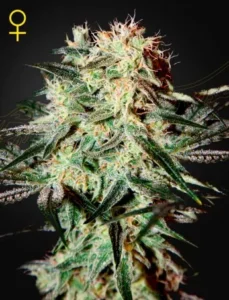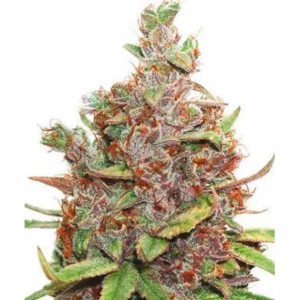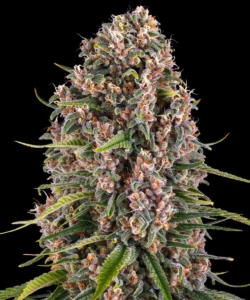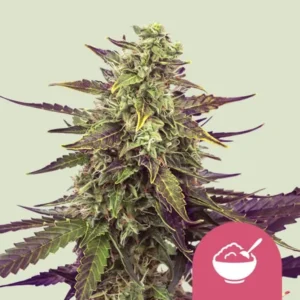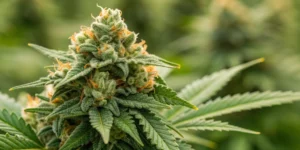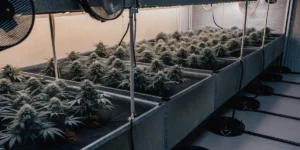
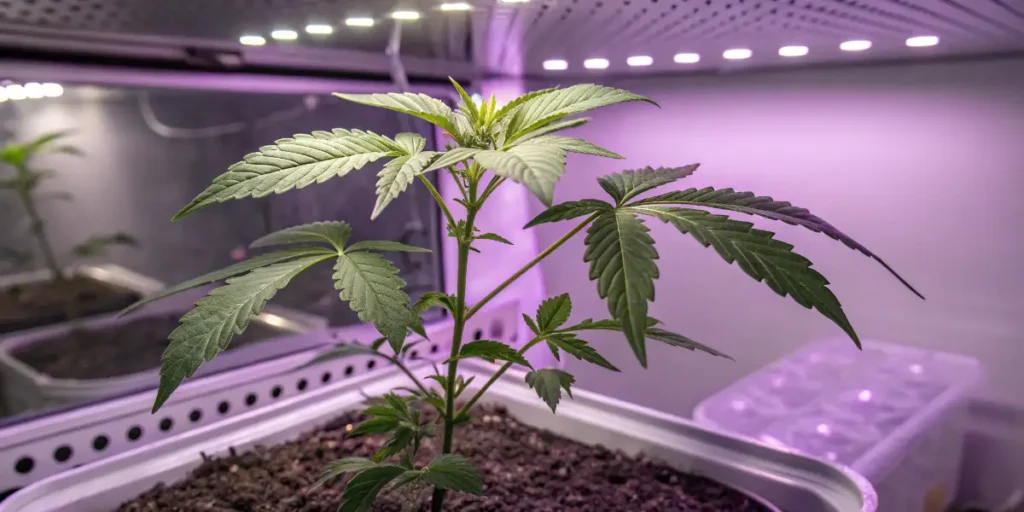

Growing Blueberry begins with selecting the right seeds or clones. Ensure high-quality genetics for optimal outcomes. Start by germinating in a warm, humid environment ideal conditions for sprouts. After germination, transplant the seedlings into nutrient-rich soil, ensuring adequate drainage. Regular monitoring allows growers to address any issues promptly, setting the stage for healthy growth.
This variety thrives in controlled environments where temperature and humidity can be easily managed. Indoor cultivation allows for precision in managing light cycles typically 18 hours of light for vegetative growth. During this phase, regular feeding and monitoring of nutrient levels in the soil are critical. This ensures the plant develops strong stems and healthy foliage, which are important for robust bud production.
Recommended Strains
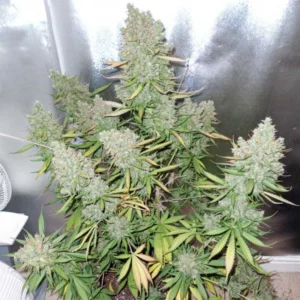
Blueberry

|
THC | 15% - 20% (Medium) |

|
Lineage | 1970's Original Blueberry |

|
Type | Feminized |

|
Height | 4.92 ft | 1.5 m |

|
Yield | High |

|
Yield Indoor | 1.64 oz/ft² | 500 g/m² |

|
Yield Outdoor | 19.4 oz/plant | 550 g/plant |

|
Flowering Time | 9 weeks |

|
Phenotype | 80% Indica / 20% Sativa |

|
Effects | Calming, Happy, Relaxed |

|
Flavors | Berry, Pine, Sweet |
Auto Blueberry
|
|
THC | 14% - 16% (Medium) |
|
|
Lineage | Blueberry x Indica Auto Dominant |
|
|
Type | Autoflowering |
|
|
Height | 3.61 ft | 1.1 m |
|
|
Yield | Low |
|
|
Yield Indoor | 1.15 - 1.31 oz/ft² | 350 - 400 g/m² |
|
|
Life Cycle | 9 - 10 weeks |
|
|
Phenotype | 90% Indica / 10% Sativa |
|
|
Effects | Euphoric, Energetic, Happy |
|
|
Flavors | Blueberry, Earthy, Sweet |
As the plant enters the flowering stage, reduce light exposure to 12 hours to encourage bud development. Keep a close eye on the plant’s terpenes and trichomes, as these are indicators of maturity and impact the final yield. The harvest should occur when the buds are ripe and resinous, ensuring Blueberry’s signature flavor profile is preserved. Proper drying and curing will enhance the cultivar’s quality.
Blueberry Strain Overview: Traits, Effects & Genetics
Renowned for its robust growth and fruity aroma, this strain is a staple for cannabis connoisseurs and cultivators alike. The plant’s dense buds are embedded with rich terpene profiles that are characteristic of its blueberry essence. Growers are drawn to its resilience during cultivation and the impressive yield it tends to provide at harvest.
This variety is cherished for its balanced effects, offering a harmonious blend of relaxation and euphoria. The calming properties of the plant make it a favorite among individuals seeking stress relief and mood enhancement. Additionally, many users report its ability to instill a sense of happiness and serenity, making it a versatile choice for various experiences.
Blueberry, a strain with a rich history, boasts genetic roots that have influenced many modern hybrids. Its lineage is an intricate blend of traditional landraces and innovative breeding techniques. The genetics of this cultivar contribute to its distinct blue-toned foliage and potent effects, which continue to appeal to both recreational and medicinal users.
When cultivating this strain, attention to detail is crucial. It thrives in controlled indoor environments but also adapts well to outdoor conditions with proper care. The plant’s flowering period is relatively swift, rewarding growers with bountiful harvests. Its adaptability and rewarding nature make cultivating it an enriching experience for novice and veteran growers alike.
Optimal Environment to Grow Blueberry Successfully
Creating the perfect environment for cultivating this strain is key to maximizing yield and potency. This variety thrives in a climate where temperature is consistently between 65-80°F (18-26°C). Humidity levels should be closely monitored, ideally kept between 40-50% during the flowering stage to prevent mold and mildew, ensuring that the buds develop with robust health and quality.
Light conditions greatly influence the growth of this cultivar. A full-spectrum LED or high-pressure sodium lights are ideal, providing the necessary light intensity for vigorous growth. The plant benefits from an 18/6 light cycle during the vegetative stage and a 12/12 cycle during flowering. This ensures the development of rich terpenes and dense buds, key to a successful harvest.
Blueberry, being a relatively resilient strain, adapts well to both soil and hydroponic systems. However, organic soil with plenty of aeration is often preferred by growers for its ease of cultivation and enhanced terpene profile. Adequate nutrient management, with a focus on phosphorus and potassium during the flowering phase, will support the plant’s vigorous development.
Ventilation is crucial for maintaining an optimal growing environment. Consistent air circulation prevents stagnant conditions that can lead to pests and diseases. Additionally, regular pruning and training techniques like topping or low-stress training (LST) can significantly enhance the yield of this genetics, ensuring that all parts of the plant receive ample light and energy throughout the growth cycle.
Grow Room Setup for Blueberry Plants
Setting up the ideal grow room for this strain requires attention to lighting, temperature, and humidity. Blueberry prefers a slightly warmer setup with temperatures between 70-80°F. This range supports the plant’s photosynthesis and terpene production, enhancing the final harvest’s aroma and flavor. Maintaining an RH of 40-50% during vegetation encourages healthy growth without inviting mold or pests.
Lighting is critical in cannabis cultivation, especially for this variety. High-quality LED lights can mimic the sun’s spectrum and are energy efficient. For optimal yield, ensure the lights are placed 12-18 inches above the canopy. This setup encourages dense buds and ample resin production, key factors in achieving Blueberry’s celebrated quality.
This cultivar thrives in a well-ventilated space to maintain air circulation, crucial for preventing mold and pest issues. Install oscillating fans to promote airflow around the plants, which also helps in regulating temperature. Additionally, use carbon filters to manage odors, as the distinctive terpene profile of the plant can be quite potent.
Nutrient management is essential for successful cultivation of Blueberry. This genetics benefit from a balanced feeding schedule, rich in nitrogen during the vegetative stage, then transitioning to phosphorus and potassium during flowering. Regular monitoring of soil pH and nutrient levels ensures the plant absorbs all necessary nutrients for robust growth and a bountiful yield.
Indoor Growing Tips for Blueberry
When cultivating Blueberry indoors, controlling the environment is crucial for optimal growth. Ensure that the plant receives 18 hours of light during the vegetative stage and 12 hours during flowering. It thrives in temperatures between 70-85°F, with humidity levels maintained at 40-50% to prevent mold on the buds. Using high-quality LED lights can support vigorous growth and maximize yield.
This variety benefits from regular pruning and topping, which helps improve airflow and light penetration through the canopy. Employing these techniques can lead to a bushier, more productive plant with denser buds. Additionally, providing adequate nutrients rich in nitrogen during the vegetative phase and phosphorus during flowering will support healthy development and enhance terpene production in this cultivar.
Monitoring pH levels is vital for the plant’s nutrient uptake, keeping it between 6.0 and 6.5. Regularly flush the growing medium to prevent nutrient lockout. Consistent observation and care, alongside fine-tuning your water and nutrient schedule, will ensure that growers can harvest robust and aromatic buds. Paying attention to these indoor cultivation tips can significantly increase the overall yield and quality of the harvest.
Outdoor Growing Tips for Blueberry
When cultivating this strain outdoors, it is crucial to select a location with ample sunlight, as it thrives in sunny conditions. Blueberry benefits from a well-draining soil mix rich in organic matter to enhance nutrient absorption. Implementing a regular watering schedule helps maintain soil moisture, which is vital for healthy bud development and maximizing yield.
As summer progresses, monitor this variety for any signs of pests or diseases, which can affect its growth and quality. Utilizing natural pest control methods, such as neem oil or introducing beneficial insects, helps protect the plant without harming its unique terpene profile. Regular inspection of the foliage can prevent infestations from compromising the potential harvest.
To optimize the development of buds, pruning techniques can be employed, encouraging denser growth. Topping or training the plant may also increase light penetration and airflow, benefiting overall health. As the flowering phase approaches, gradually reducing nitrogen levels and increasing phosphorus and potassium supports robust bud formation, ensuring a high-quality and abundant yield at harvest time.
How to Germinate & Propagate Blueberry
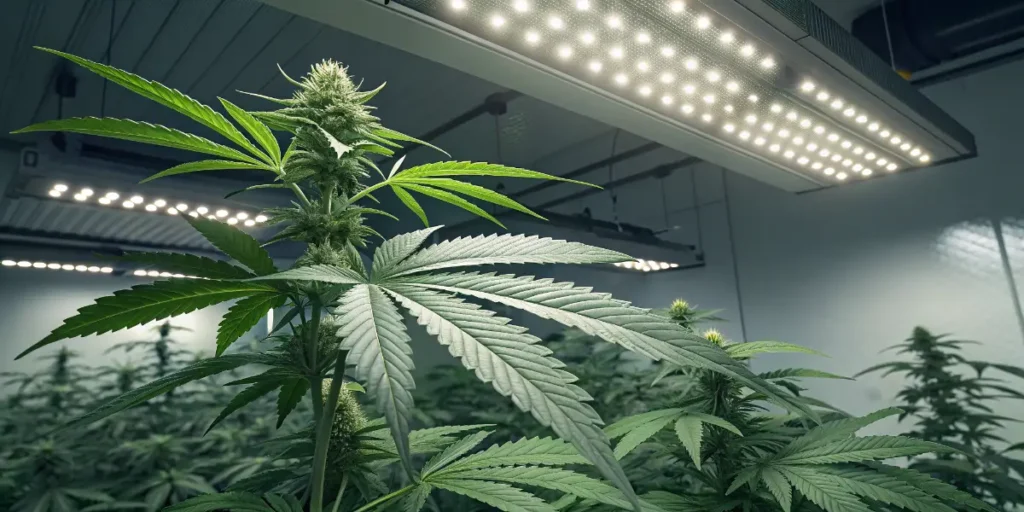
Germinating the Blueberry strain begins with selecting high-quality seeds. Growers should soak the seeds in water for 12 to 24 hours, encouraging them to sprout. This cultivar thrives when seeds are placed in a warm, dark environment with constant moisture. Such initial conditions can support robust early growth for this genetics, leading to healthier seedlings and, eventually, fruitful cannabis cultivation.
Once germinated, transferring the seedlings to a quality substrate enhances their development. It’s essential for growers to maintain consistent humidity levels and ensure adequate aeration to support the roots. This variety enjoys a well-draining growing medium, which allows for proper water management. Such conditions promote the healthy propagation of the plant and improve future bud production.
As the seedlings grow, providing adequate nutrients is vital for healthy development. This strain, like most cannabis plants, benefits from a balanced supply of nitrogen, phosphorus, and potassium during its vegetative stage. This careful nutrient management encourages strong structural growth and optimizes the eventual yield and terpene profile of the plant, leading to a successful harvest.
Cloning is another propagation method often employed by cultivators familiar with this cultivar. Using a sturdy branch from a mature Blueberry plant ensures genetic consistency in future grows. These cuttings should be kept in optimal conditions, with high humidity and indirect light, enabling roots to develop efficiently and guaranteeing the quality and characteristics cherished by all Blueberry enthusiasts.
Vegetative Stage
During the vegetative stage, this strain thrives with the right balance of light and nutrients. Growers should ensure the plants receive 18-24 hours of quality light daily. This promotes vigorous growth, essential for the later formation of robust buds. Proper care during this phase lays the groundwork for a healthy, productive cannabis cultivation cycle.
Providing adequate nutrients is critical for this variety’s success. Nitrogen is especially vital during this stage, supporting leaf and stem development. Keeping a close eye on pH levels, preferably between 6.0 and 7.0, ensures optimal nutrient absorption. Regular monitoring and adjustment prevent nutrient lockout, which can stress the plant and reduce overall yield come harvest.
Consistent watering patterns also contribute to the vitality of the plant. While it’s crucial to avoid overwatering, maintaining consistent moisture levels in the soil aids in growth. Good drainage helps prevent root rot, a common issue in cannabis cultivation. Employing practices like mulching can conserve moisture and protect roots, giving this cultivar a robust foundation.
As this variety progresses through the vegetative stage, periodic pruning encourages better airflow and light penetration. This promotes stronger branches and a more efficient growth structure. Consider implementing low-stress training techniques, which can enhance terpene profiles and maximize yield. Following these practices ensures that the unique characteristics of Blueberry are fully realized upon harvest.
Flowering Blueberry: What to Expect
As the flowering stage begins, growers will notice this strain’s buds forming rapidly. Typically, the flowering time for this variety is between 8 to 10 weeks. During this period, it’s essential to monitor light exposure and nutrient levels closely. The plant responds well to a balanced feeding schedule, fostering robust bud development.
This cultivar is renowned for its remarkable terpene profile, characterized by sweet, fruity scents. Growers should maintain optimal humidity levels to enhance this aromatic quality. As the plant nears harvest, the trichome production increases significantly, indicating peak potency. Regular inspection will ensure the cannabis is harvested at its prime for maximum yield.
Blueberry displays a striking aesthetic in its flowering stage, with vibrant hues and resinous buds. To achieve the best results, provide adequate ventilation and maintain proper temperature levels. It’s important to watch for signs of stress, such as yellowing leaves, which may indicate nutrient imbalances. Adjustments can help maintain plant health and vigor.
Harvesting this variety requires attention to detail. Timing is crucial, with most growers opting to harvest when the trichomes turn a milky white. This ensures the highest cannabinoid content. Post-harvest, proper drying and curing are vital to preserve the flavors and potency of the plant, resulting in a high-quality final product.
Fertilizers & Nutrient Schedule
When cultivating Blueberry, providing the right nutrients is crucial for achieving a bountiful harvest. This strain thrives with a balanced nutrient schedule, which includes both macro and micronutrients. During the vegetative stage, the plant prefers a higher nitrogen intake to support vigorous growth. Cannabis growers should ensure that nutrient solutions are mixed accurately to avoid any nutrient burn.
As the plant transitions to the flowering stage, nutrient demands shift. This variety benefits from an increased intake of phosphorus and potassium to boost bud development and terpene production. Growers often reduce nitrogen during this period to encourage healthier flower growth and optimize yield. Monitoring pH levels is essential to ensure nutrient uptake is not hindered by soil conditions.
This genetics is known for its resilient nature, yet careful attention to nutrient schedules can enhance its quality. Cannabis enthusiasts recommend incorporating organic fertilizers to enrich the soil and promote microbial life. By using natural amendments, such as worm castings or bat guano, the plant can access nutrients more efficiently, leading to improved flavor profiles and potency.
The final weeks before harvest are critical for flushing. This practice involves using water to remove excess nutrients from the soil, enhancing the purity of the buds. A proper flush can result in a smoother smoke and more vibrant terpene profile. By adhering to these guidelines, growers can maximize the potential of this cultivar, resulting in a successful and rewarding harvest.
Pest and Disease Prevention for Healthy Cannabis Plants
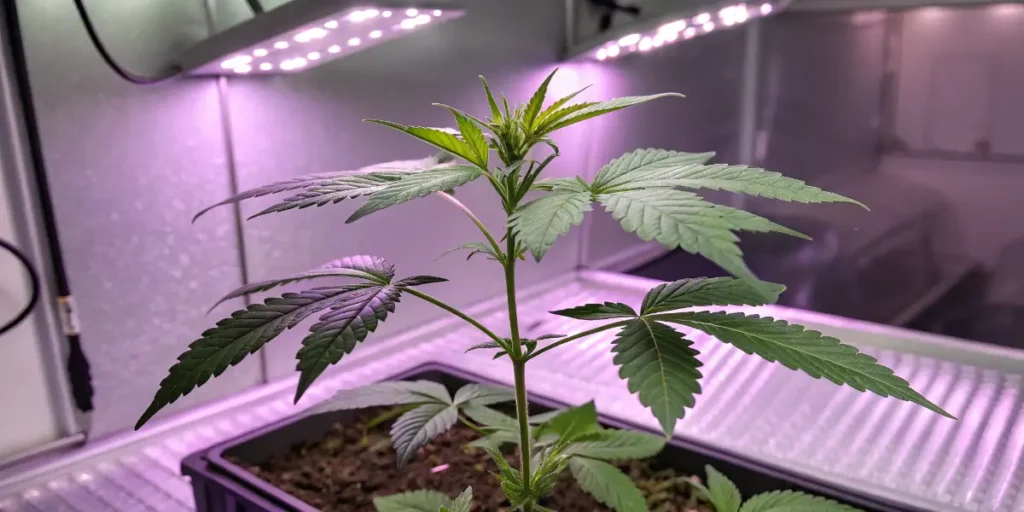
Successful cultivation of cannabis, including iconic strains like Blueberry, requires diligent pest and disease prevention. The plant’s resilience can be enhanced by maintaining cleanliness in the growing environment. Regularly inspect leaves and buds for early signs of infestation. Using companion plants and neem oil can help deter common pests, ensuring this strain remains healthy and productive throughout its growth.
This cultivar thrives when preventative measures like proper air circulation and controlled humidity are implemented. A stable environment reduces the risk of mold, mildew, and root rot. Growers should also consider using organic fungicides as part of their routine. These steps ensure that the plant develops robustly, preserving its distinct terpene profile and maximizing yield come harvest time.
Monitoring nutrient levels is crucial for keeping this variety in optimal condition. Imbalances may weaken the plant and attract pests. Integrating beneficial insects, such as ladybugs, into your pest management strategy can provide natural control. Regular pruning also fosters healthier branches and better airflow, reducing disease risk. By staying vigilant, growers can enjoy a bountiful Blueberry crop free from common cannabis afflictions.
Harvesting & Drying Blueberry the Right Way
Timing is crucial when it comes to harvesting this strain, as it directly affects the potency and flavor profile. Careful observation of the trichomes helps growers pinpoint the ideal moment. When most trichomes are cloudy with a few turning amber, the plant is ready for harvest. This stage ensures that the buds of this variety are packed with cannabinoids and aromatic terpenes.
Once you’ve determined it’s time to harvest, ensure that the cutting is done with precision. This involves using sterilized scissors to clip the branches. By hanging the branches upside down, cultivators allow the buds to retain their structure and begin the slow drying process, which is vital for preserving the unique qualities of this cultivar.
The drying process must be controlled to protect the yield from mold and to lock in flavor and smell. Keep the drying area dark, maintaining a humidity level of around 50% and a temperature of 60-70°F. Providing adequate air circulation around the plant helps ensure even drying, which is essential for producing the best possible buds from this variety.
When the drying phase is complete, typically after 7-14 days, the buds are ready to be cured. This involves placing them in airtight containers, where they continue to mature. By opening the containers daily, growers allow excess moisture to escape. Through this careful handling, Blueberry achieves its full potential, offering aromatic buds cherished by cannabis enthusiasts.
Blueberry Strain Type: Indica, Sativa or Hybrid?
Blueberry is predominantly known as an Indica strain, cherished for its relaxing effects and rich aromas. This cultivar typically has a higher proportion of Indica genetics, which significantly influences its growth patterns and effects. Growers appreciate it for its dense buds and robust yield, making it a popular choice among cultivators seeking a rewarding harvest.
This strain is celebrated for its unique terpene profile, which includes sweet and fruity notes reminiscent of its namesake. The plant’s Indica dominance results in a shorter flowering time compared to Sativa varieties, contributing to quicker harvests. Despite its Indica classification, it sometimes exhibits slightly hybrid characteristics, depending on cultivation conditions and breeder variations.
Cannabis enthusiasts often choose this variety for its potent sedative properties, ideal for relaxation and stress relief. The plant’s sturdy nature and relatively easy cultivation make it ideal for both novice and experienced growers. Proper climate control and attention to detail can enhance the quality of the buds, leading to a successful and bountiful yield.
Why Grow Blueberry? Key Benefits for Cultivators
Blueberry offers a unique blend of characteristics that make it appealing to cannabis growers. Known for producing dense buds with a rich blue hue, this strain stands out visually in any garden. The plant is resilient, adapting well to various cultivation methods, which makes it a versatile choice for both indoor and outdoor growing environments.
This cultivar is renowned for its distinct aroma, a sweet and fruity scent attributed to its terpene profile. Growers often select this variety because of its ability to deliver a generous yield. The plant typically flowers in about eight weeks, allowing for multiple harvests throughout the seasons, which can optimize production for commercial and personal use.
Benign care requirements further increase the appeal of this genetics. It thrives in both soil and hydroponic setups, offering cultivators flexibility in their growing approach. With its potent, relaxing effects, this strain is a favorite among consumers, ensuring that any harvest will be met with demand. Consequently, growing it can be a rewarding endeavor for cultivators seeking quality and efficiency.
Potential Challenges When Growing Blueberry
When cultivating this strain, growers often encounter certain challenges. One of the primary concerns is its susceptibility to mold and mildew, particularly in humid environments. Ensuring adequate air circulation and managing humidity levels can help minimize these risks. Additionally, keeping a close eye on your cannabis and maintaining a balanced growing environment will play a crucial role in avoiding such issues.
Another challenge with this variety is its nutrient sensitivity. Blueberry has specific requirements and reacts adversely to nutrient imbalances. To optimize the yield and quality of the buds, it is essential to monitor the nutrient levels closely throughout the growth cycle. Regular checks and light feeding can help prevent nutrient burn and deficiencies, ensuring robust growth.
This cultivar can be somewhat tricky during the harvest phase. The plant’s rich terpene profile, contributing to its famous aroma, requires gentle handling to preserve its aromatic qualities. Growers should carefully plan their harvest period to capture the peak terpene content, enhancing the final aroma and potency of the crop. Proper drying and curing techniques are vital to maintaining the desired characteristics.
Is Blueberry Worth Buying? Here’s What You Need to Know
This cultivar stands out for its distinct aroma and flavor profile, making it a must-try for cannabis enthusiasts. The rich berry scent and sweet taste are complemented by a balanced high that appeals to both recreational users and medical patients. For those looking to add a unique touch to their collection, this variety offers a sensory experience like no other.
Growers appreciate this strain for its resilience and manageable cultivation process. The plant thrives both indoors and outdoors, producing dense buds laden with rich terpenes. With a relatively short flowering period, it allows for quicker harvests without sacrificing quality. The yield is generous, making it an attractive option for those focused on efficiency and productivity in their grow operations.
Overall, Blueberry is a worthy investment for both personal enjoyment and cultivation purposes. It combines the best elements of flavor, aroma, and growth characteristics, making it a staple in the cannabis community. Whether you’re a seasoned cultivator or a new enthusiast, this genetics promises to deliver satisfaction with every harvest and every puff.
FAQs: Growing Blueberry
How difficult is it to grow Blueberry for beginners?
This strain is considered moderately challenging, making it better suited for growers with some experience. It requires consistent attention to environmental factors like humidity and temperature. The plant responds well to training techniques such as LST and topping, but these methods require knowledge to execute properly. With proper care and monitoring, intermediate growers can expect excellent results and generous yields from Blueberry.
What are the yield expectations for this variety?
Blueberry is known for producing moderate to high yields depending on the growing conditions and techniques applied. Indoor growers can expect around 18 ounces per square meter, while outdoor cultivation can yield about 25 ounces per plant. To maximize this cultivar’s yield, maintaining optimal nutrient levels and implementing effective training methods are crucial.
What is the typical flowering time for Blueberry?
The flowering time for this plant is typically between 8 to 10 weeks. Indoor growers can anticipate the maturation of buds within this period, depending on environmental control and plant health. Outdoor cultivators should plan for a harvest around late September to early October. Adhering to a consistent light schedule and nutrient regimen will help ensure the timely flowering of this strain.
What is the ideal climate for growing this cultivar?
Blueberry thrives in a temperate to Mediterranean climate, preferring temperatures between 65-80°F (18-27°C). This variety requires a stable environment with moderate humidity levels, particularly during the flowering stage, to prevent mold formation. Adequate ventilation is also essential to maintain the right conditions for healthy growth.
What are common problems when cultivating Blueberry?
One common issue faced by growers of this strain is susceptibility to mold, given its dense buds. It’s essential to monitor humidity levels closely and provide good air circulation to mitigate this risk. Additionally, it can be sensitive to nutrient levels, so careful management of fertilization and pH levels is crucial to prevent nutrient burn or lockout.
What nutrients does this plant particularly need?
This variety requires a balanced nutrient mix, with emphasis on nitrogen during vegetative growth and increased phosphorus and potassium during flowering. Blueberry responds well to organic nutrients, which can enhance its terpene profile and overall flavor. Regular soil testing and pH adjustments are recommended to ensure optimal nutrient absorption.