
Cultivating Blueberry Auto starts with selecting the right environment. This strain thrives in both indoor and outdoor settings. Ensure you maintain temperatures between 70-85°F and keep humidity levels low to prevent mold. Growers should use quality soil with good drainage and opt for LED grow lights to mimic natural sunlight, which the plant eagerly requires for optimum growth.
As the plant matures, pay close attention to its watering schedule. This cultivar prefers a wet-dry cycle, meaning you should let the soil dry out between waterings. Regular feeding with organic nutrients will support bud development. Otherwise known for its resilience, this variety can still benefit greatly from appropriate nitrogen, phosphorus, and potassium ratios typical for cannabis cultivation.
Recommended Strains
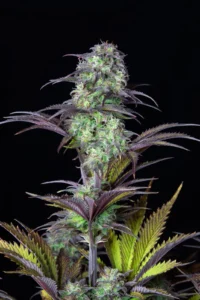
Blueberry Autoflower

|
THC | 22% - 23% (Medium) |

|
Lineage | Blueberry x Ruderalis |

|
Type | Autoflowering |

|
Height | 3.94 ft | 1.2 m |

|
Yield | Medium |

|
Yield Indoor | 1.31 - 1.64 oz/ft² | 400 - 500 g/m² |

|
Life Cycle | 9 weeks |

|
Phenotype | 65% Indica / 35% Sativa |

|
Effects | Relaxed, Happy, Sleepy |

|
Flavors | Blueberry, Floral, Fruity |

Blueberry
|
|
THC | 15% - 20% (Medium) |
|
|
Lineage | 1970's Original Blueberry |
|
|
Type | Feminized |
|
|
Height | 4.92 ft | 1.5 m |
|
|
Yield | High |
|
|
Yield Indoor | 1.64 oz/ft² | 500 g/m² |

|
Yield Outdoor | 19.4 oz/plant | 550 g/plant |
|
|
Flowering Time | 9 weeks |
|
|
Phenotype | 80% Indica / 20% Sativa |
|
|
Effects | Calming, Happy, Relaxed |
|
|
Flavors | Berry, Pine, Sweet |
Once the flowering stage begins, terpenes will develop intensively, contributing to the characteristic aroma and flavor of this strain. Generally, Blueberry Auto reaches harvest around 8-9 weeks from germination. Inspect the trichomes on the buds to determine the optimal harvest time, aiming for a milky-white appearance for the perfect balance of potency and yield.
Blueberry Auto Strain Overview: Traits, Effects & Genetics
Blueberry Auto is a popular choice among growers for its resilient nature and unique characteristics. This strain is renowned for its fast-growing cycle and ability to thrive in various environments, making it an ideal option for both novice and experienced cultivators. Its ease of cultivation is matched by the exceptional quality of its buds, which are known for their dense structure and vibrant hues.
The plant’s terpene profile delivers a sweet and fruity aroma, characteristic of its lineage. This variety often exhibits a high yield, providing substantial harvests within a relatively short timeframe. The genetics of this cultivar ensure a potent and enjoyable experience, with effects that lean towards relaxation and euphoria. Such traits make it highly sought after in the cannabis community.
Beyond its aromatic allure, this strain offers calming effects that are ideal for unwinding after a long day. Users often report a sense of tranquility and mild euphoria that doesn’t overpower, allowing for a balanced high. Its moderate THC content suits those seeking therapeutic benefits without excessive psychoactivity, broadening its appeal among medical and recreational users alike.
Knowing the genetics of this variety is crucial for potential growers. Originating from robust roots, it inherits traits that contribute to its resilience and productivity. Blueberry Auto’s heritage combines classic strains that have been fine-tuned for optimal performance in both indoor and outdoor settings. This adaptability, paired with its distinct attributes, makes it a staple choice for many cannabis enthusiasts.
Optimal Environment to Grow Blueberry Auto Successfully
Cultivating this strain requires careful attention to its environmental needs to ensure robust growth and abundant buds. For optimal results, growers should aim for a controlled indoor environment with temperatures ranging from 68°F to 77°F. This cultivar benefits from a consistent temperature throughout its growth cycle, avoiding fluctuations that could stress the plant and affect yield.
Proper lighting is crucial for this cultivar, as it requires sufficient light intensity to thrive. Growers commonly use LED or high-intensity discharge (HID) lighting to replicate natural sunlight. By ensuring a light cycle of 18-20 hours per day during the vegetative stage, this variety can develop a healthy structure, which is essential for maximizing the yield at harvest.
Humidity control is another key aspect of successful cultivation. During the vegetative phase, maintaining humidity levels between 40% to 70% can significantly boost plant growth. As the plant moves into the flowering phase, gradually reduce humidity to around 40% to prevent mold and mildew on the buds, preserving the distinct terpenes integral to this strain’s flavor profile.
Aside from temperature and humidity, soil quality and nutrition are imperative for growing Blueberry Auto. Rich, well-aerated soil with good drainage supports healthy root systems, crucial for nutrient absorption. To boost the plant’s growth, a balanced nutrient regimen with an emphasis on nitrogen, phosphorus, and potassium at different stages is recommended. This cultivar, when grown under optimal conditions, rewards growers with a bountiful, aromatic harvest.
Grow Room Setup for Blueberry Auto Plants
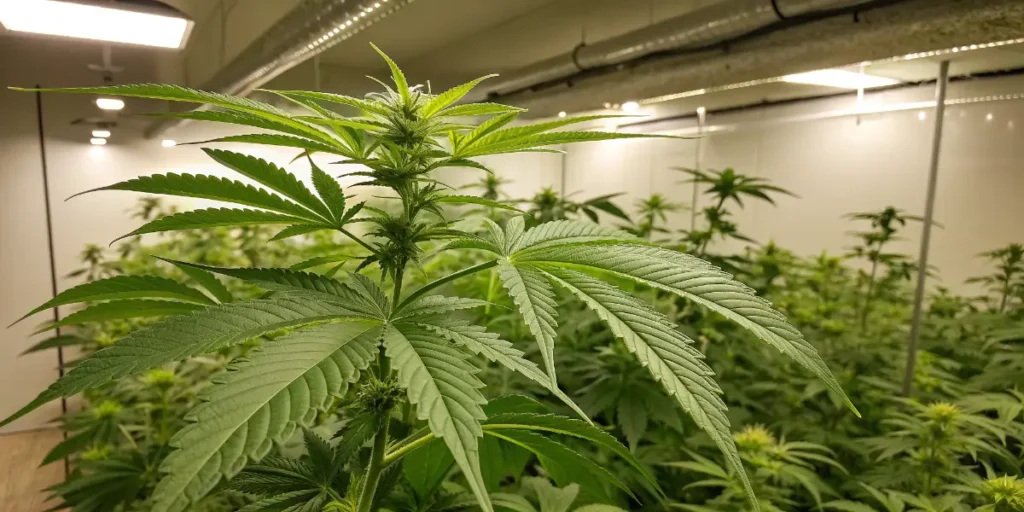
Setting up an ideal grow room for Blueberry Auto requires attention to lighting, temperature, and humidity conditions. Optimal light provision plays a crucial role in the cultivation of this genetic, typically needing 18-20 hours of light per day under LED lights. Maintaining a consistent temperature between 68-77°F (20-25°C) during the day ensures healthy growth.
This variety thrives in well-ventilated environments to prevent mold and pests from affecting the yield. Growers should use carbon filters and oscillating fans to enhance airflow. Humidity control is equally important, with preferred levels starting at 60% in the vegetative phase and gradually reducing to 40% during flowering to support robust bud development.
For the soil medium, using high-quality organic soil enriches plant health and terpene profiles. Cannabis-specific nutrients can further enhance this cultivar’s growth, ensuring the plant receives all necessary macro and micronutrients. Additionally, pH levels should be monitored regularly and kept around 6.0-6.5 for soil, which optimizes nutrient uptake.
Growers who allocate time to proper training techniques, like LST (Low-Stress Training), can maximize the yield of this strain. Sufficient space within the grow room enables effective spreading of branches, facilitating better light penetration. By following these guidelines, cultivators can anticipate a bountiful harvest with distinct aromatic terpenes that characterize this plant.
Indoor Growing Tips for Blueberry Auto
When cultivating this strain indoors, providing optimal lighting is essential. Full-spectrum LED lights promote vigorous growth and enhance terpene production, which is crucial for robust buds. Ensure lights are positioned at appropriate heights to prevent light burn. The plant is known for its resilience, making it ideal for novice growers who are learning the nuances of indoor cannabis cultivation.
This variety thrives in controlled environments where temperature and humidity are carefully monitored. Maintaining temperatures between 68 to 77°F and humidity levels around 40 to 50% during the vegetative stage will encourage healthy development. As Blueberry Auto transitions to flowering, reducing humidity further can help prevent mold and boost the yield quality, leading to a more abundant and flavorful harvest.
To maximize the potential of the plant, employing techniques such as low-stress training (LST) can be beneficial. This approach ensures even light distribution to all parts of the plant, promoting symmetrical growth and bigger buds. Additionally, feeding it with balanced nutrients tailored for cannabis will support its fast growth cycle, enhancing both yield and potency for an impressive harvest.
Outdoor Growing Tips for Blueberry Auto
For optimal results with this strain, select a sunny location with well-draining soil to ensure the plant thrives. This cultivar is robust, making it suitable for various climates, but adequate sunlight is crucial for maximum yield. Consider incorporating organic matter into the soil to enhance nutrient availability and promote aerobic conditions, which will support healthy root development.
To protect the plant from pests and diseases, regular monitoring is essential. Use natural deterrents like neem oil to maintain the health of Blueberry Auto without harming the environment. It’s also beneficial to provide adequate spacing between plants to ensure good air circulation, which helps in reducing the risk of mold on the buds during the flowering stage.
This genetics typically requires a straightforward feeding schedule with a balanced nutrient mix. However, during the flowering stage, slightly increase phosphorus levels to encourage robust bud production. Regular watering is important, but ensure that the cultivation area does not become waterlogged. As the harvest approaches, reduce nitrogen to enhance the flavor and aroma profile, rich in terpenes.
How to Germinate & Propagate Blueberry Auto
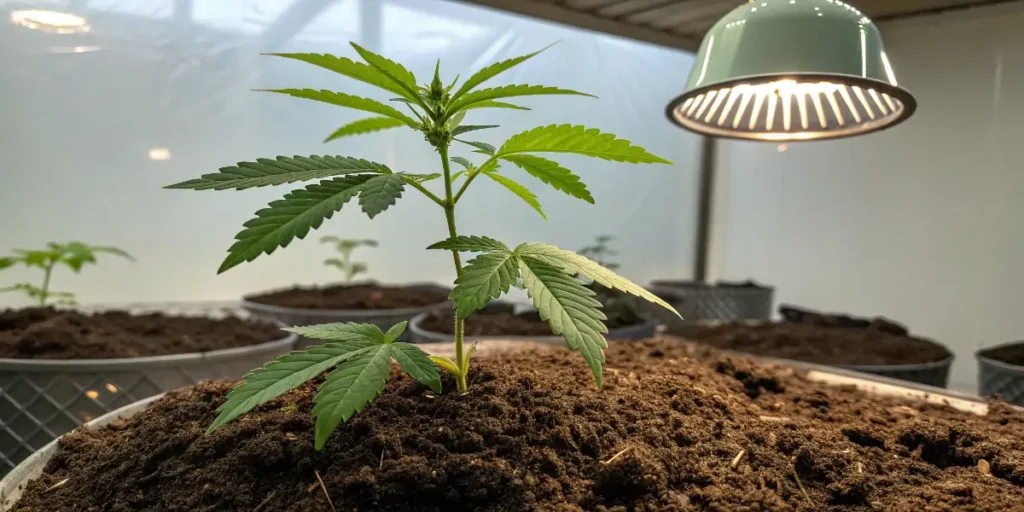
Successful germination of this strain begins with selecting high-quality seeds, which is crucial for optimum growth and yield. Ensure the seeds are dark brown and hardy, indicating their maturity. Begin by soaking them in water for 24 hours. This process helps to soften the seed shell, allowing the first root to emerge. Once the seeds sink, they are ready to be moved to a more stable environment.
After the initial soak, transfer the seeds to a damp paper towel, placing them between two plates to maintain moisture and darkness. Check the seeds daily, ensuring they remain moist but not submerged in water, which can deprive them of oxygen. When the seed sprouts show a taproot that is approximately half an inch long, it is ready to be planted into a growing medium.
When propagating this variety, use well-draining soil or potting mix to prevent root rot. Fill a small container with the medium and make a shallow hole about half an inch deep. Carefully transplant the germinated seed, taproot down, and lightly cover it with soil. Position the plant in a warm, bright location, ensuring consistent temperatures between 70-80°F to encourage sprouting.
Blueberry Auto, like other cannabis varieties, benefits from proper care and attention during its early stages. Ensure the seedling receives adequate light to promote healthy growth, typically 18 hours a day if using artificial lighting. Monitor the soil moisture, keeping it slightly damp but not waterlogged. With patience and care, this cultivar will eventually reward growers with aromatic buds rich in terpenes by harvest time.
Vegetative Stage
During the vegetative stage, your Blueberry Auto plants will focus on developing strong roots and robust foliage. This phase is crucial for cannabis cultivation, as it lays the foundation for healthy growth and abundant buds. Ensuring proper lighting and nutrient balance will support the vigorous development of the plant, setting the stage for a successful harvest.
Growers should maintain a consistent light schedule, usually 18-24 hours of light per day, to maximize the photosynthesis process for this strain. Adequate light exposure encourages dense, leafy growth that will provide the necessary energy reserves once it transitions to the flowering stage. Adjusting the light intensity progressively helps in mimicking the natural environment.
Nutrient requirements for this variety include higher levels of nitrogen, which supports leafy growth. It’s important to monitor the pH levels of the soil or growing medium, keeping them between 6.0 and 6.5 to ensure optimal nutrient absorption. Regularly checking for any signs of nutrient deficiencies or excesses will help in maintaining the health of this cultivar.
Good airflow is essential for the Blueberry Auto plants to prevent mold and pests, which can compromise the yield and quality of your harvest. Using oscillating fans can enhance air circulation, while maintaining appropriate humidity levels will further support their growth. As this genetics prepares to flower, the emphasis should shift towards preparing for a smooth transition into the next stage.
Flowering Blueberry Auto: What to Expect
When cultivating Blueberry Auto, growers can anticipate a rewarding flowering phase. This variety typically begins to show signs of flowering within a few weeks of germination due to its autoflowering genetics. For those looking to maximize yield and terpene profiles, maintaining consistent temperature and humidity levels is crucial during this stage of the cannabis cultivation process.
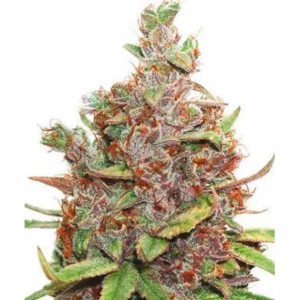
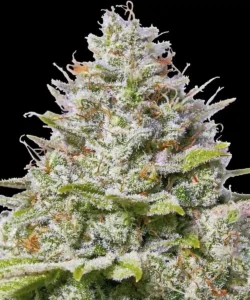
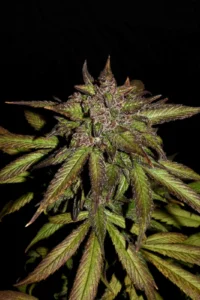
As the flowering stage progresses, expect the plant to develop dense buds laden with trichomes. The characteristic aroma of this variety emerges robustly as the terpenes develop, offering a sweet, fruity scent reminiscent of its namesake. Growers should ensure optimal light exposure and consider gently pruning to enhance airflow and light penetration, helping to optimize bud development.
Monitoring the plant’s nutrient intake is essential during flowering. This strain tends to thrive with a balanced diet that supports its robust bud production. Keeping an eye on pH levels and avoiding over-fertilization can prevent nutrient lockout, ensuring healthy and vibrant growth. Growers often find that subtle adjustments can lead to a significantly higher quality of yield.
As harvest time approaches, watch for signs such as the pistils changing color and trichomes turning milky or amber. These indicators suggest the plant is nearing peak maturity, and growers should prepare to harvest for maximum potency. Blueberry Auto’s flowering cycle is swift, allowing cultivators to enjoy their rewards relatively quickly and making this cultivar a popular choice for both novice and experienced cultivators alike.
Feeding This Strain: Fertilizers & Nutrient Schedule
Proper nutrition is essential for the thriving growth of Blueberry Auto. During its lifecycle, this strain requires a balanced nutrient program to maximize its potential. Start with a nitrogen-rich fertilizer during the vegetative stage to encourage strong stem and leaf development. Introduce a carefully measured feeding schedule to maintain healthy growth without risking nutrient burn.
As the plant transitions to the flowering stage, adjust the nutrient mix to boost phosphorus and potassium levels, essential for budding and terpene production. This cultivar, known for its aromatic buds, benefits greatly from specialized cannabis bloom nutrients. Maintaining a steady schedule will ensure robust flower development and potentially increase yield, contributing to a successful harvest.
Remember that less is often more when it comes to feeding this variety. Over-fertilizing can lead to burnt leaf tips and stunted growth. Monitoring soil pH and adjusting the nutrient solution accordingly can enhance nutrient uptake and keep the plant in optimal condition. Regular observation and minor tweaks can prevent nutrient lockout and other common cultivation issues.
Experienced growers know that supplementing with organic alternatives can also benefit Blueberry Auto, leading to smoother flavors and cleaner smoke. Allow periods of pure water feeding to flush out excess nutrients before harvest. This practice can help improve the purity and taste of the final product, ensuring that the hard work results in a gratifying experience at harvest time.
Pest and Disease Prevention for Healthy Cannabis Plants
Growing cannabis successfully requires vigilance against pests and diseases. This variety, known for its robust terpenes and abundant buds, still needs protection. Regular inspection is crucial, ideally checking the undersides of leaves where pests often hide. Implementing organic pest controls like neem oil and beneficial insects can greatly enhance the plant’s resilience and support a healthy harvest.
For “Blueberry Auto,” maintaining optimal growing conditions and cleanliness is essential. Proper air circulation helps prevent mold and mildew, common threats to cannabis cultivation. Using organic fertilizers can increase the plant’s inherent strength, while crop rotation reduces soil-borne diseases. Staying proactive in these measures ensures optimal yield from this strain, promising a bountiful harvest.
Besides pest management, it’s vital to focus on disease prevention for this genetics. Light and temperature adjustments based on weather conditions help in maintaining a stable environment, crucial for the plant’s immunity. Introducing companion plants can naturally deter pests and promote a balanced ecosystem. By integrating these practices, growers can ensure the health of their cannabis, safeguarding their investment.
Harvesting & Drying
When it’s time to harvest this strain, look for milky white trichomes and slightly amber pistils as indicators of maturity. These signs suggest that the plant has reached its peak THC levels. Harvesting at the right time is crucial for maximizing terpene profiles and achieving optimal potency and yield. Growers should aim for a window when Blueberry Auto is mature but not overly ripe.
Begin harvesting this cultivar in the morning, when terpenes are most pronounced. Use sterilized scissors or shears to cut branches, ensuring minimal damage. Immediate trimming of large fan leaves can aid in airflow during drying, which is essential for preventing mold. Careful handling at this stage preserves the integrity of the buds, which is vital for high-quality cannabis production.
Next, hang the plant upside down in a well-ventilated area with controlled temperature and humidity to dry. Aim for 60-70°F (15-20°C) temperatures and 45-55% humidity. This environment prevents mold and retains terpenes, critical for the bouquet and taste of this variety. Throughout drying, regularly check the buds to ensure they’re drying evenly and mold-free.
After about 7-10 days, the buds should feel dry but not brittle. At this point, it’s time to cure them in airtight glass jars, opening them daily for a few minutes to release moisture. This step enhances flavor and smoothness, vital for achieving the full spectrum of nuances Blueberry Auto can offer. Proper curing significantly impacts the final quality and market value.
Blueberry Auto Strain Type: Indica, Sativa or Hybrid?
Blueberry Auto is an exceptional hybrid strain, ingeniously combining the best attributes of its Indica and Sativa lineage. This cultivar offers a balanced growth pattern, making it particularly appealing to cannabis cultivators. The plant exhibits a compact structure typical of Indica varieties, which proves advantageous for growers with limited space. Its rapid flowering cycle further enhances its desirability for those seeking efficient harvests.
One of the most notable aspects of this variety is its rich terpene profile. The buds emit a sweet, fruity aroma reminiscent of ripe blueberries, delighting cannabis enthusiasts and growers alike. Despite its primarily Indica traits, the Sativa influence manifests in the strain’s uplifting effects, providing a harmonious blend of relaxation and mental clarity. This unique combination makes it a versatile option for diverse cultivation needs.
With its robust genetic makeup, this cultivar is well-suited for both indoor and outdoor cultivation. Growers can expect a relatively high yield from the plant, thanks to its adaptable nature and efficient growth cycle. Whether cultivated by seasoned experts or novice growers, Blueberry Auto offers a gratifying and manageable experience, rewarding with quality buds and a pleasant harvest season.
Why Grow Blueberry Auto? Key Benefits for Cultivators
Blueberry Auto stands out in the cannabis cultivation world for several key reasons. This strain is renowned for its resilience and adaptability, thriving in various climates and requiring minimal maintenance. Its autoflowering genetics ensure a faster growth cycle, making it ideal for those seeking a quick turnaround. The plant’s ease of cultivation makes it a popular choice for both novice and experienced growers.
Another enticing benefit of this variety is its exceptional yield in a compact form. Despite its shorter stature, it produces dense, resinous buds rich in terpenes, which contribute to its potent aroma and flavor. Cultivators appreciate the impressive harvest it offers, allowing for multiple growing cycles throughout the year, enhancing overall productivity and satisfaction.
Moreover, the strain’s unique terpene profile delivers a delightful sensory experience. With flavors reminiscent of fresh blueberries, this cultivar is highly sought after by cannabis connoisseurs. Its robust growth, coupled with a bountiful yield, makes it a worthwhile investment for any grower looking to diversify their crop and maximize their returns in the competitive cannabis market.
Potential Challenges When Growing Blueberry Auto
When cultivating Blueberry Auto, growers may encounter several challenges, including managing the plant’s sensitivity to temperature fluctuations. This cultivar thrives best in stable environments, as sudden changes can affect bud development and overall yield. It’s crucial to maintain a consistent climate to ensure optimal growth conditions for this variety, promoting healthy terpene profiles and abundant harvests.
This strain, with its rapid flowering period, demands close attention to watering schedules to avoid overhydration, a common issue with automatic varieties. Overwatering can lead to root rot, compromising the plant’s health and reducing yield. By monitoring moisture levels and adjusting watering frequency, growers can provide the plant with the ideal environment needed for robust growth.
Another potential challenge is nutrient management, as this genetics can be sensitive to over-fertilization. Providing balanced nutrients tailored for cannabis is essential to avoid nutrient burn, which can negatively impact both the foliage and the buds. Regular observation and adjustments based on plant response are vital to mastering the cultivation of Blueberry Auto, ensuring a successful harvest.
Here’s What You Need to Know
When considering Blueberry Auto, growers frequently highlight its unique combination of robust flavors and ease of cultivation. This strain is renowned for its characteristic blueberry aroma, largely due to its rich terpene profile that many enthusiasts find irresistible. For cultivators with limited space or time, this variety can be an excellent choice, thanks to its compact size and automatic flowering capabilities.
Besides its appealing aroma, this cultivar is celebrated for producing a respectable yield of resinous buds. Often reaching maturity in just a matter of weeks, the plant offers a relatively quick harvest without the need to adjust light cycles. This auto-flowering feature makes it especially attractive to novices in the cannabis growing community who are keen to ensure a successful crop.
The robust nature of the plant means it is particularly resilient to common cultivation issues, which is crucial for maintaining healthy growth. These attributes make Blueberry Auto a solid choice for both amateur and experienced growers alike. Its reliable performance, coupled with its delectable flavor profile, renders it a must-have variety for cannabis connoisseurs seeking quality and efficiency.
FAQs
How difficult is it to grow Blueberry Auto for beginners?
Blueberry Auto is relatively easy to grow, making it an excellent choice for novice growers. This strain is resilient and can adapt to various growing environments, although it thrives in a controlled indoor setup. It requires basic knowledge of cannabis cultivation, such as maintaining appropriate pH levels and consistent watering schedules. With minimal experience, growers can achieve solid results from this hardy plant.
What is the expected yield for Blueberry Auto?
Growers can expect a moderate yield from Blueberry Auto. Indoor cultivation typically results in 300-400 grams per square meter, while outdoor grows can produce around 50-150 grams per plant. Providing ample light and using quality nutrients will help maximize yield. This variety, known for its robust and compact growth, rewards careful growers with dense, resinous buds full of desirable traits.
How long does it take for Blueberry Auto to flower?
This cultivar has a relatively short flowering time, generally ranging between 8 to 10 weeks from germination. The speedy growth cycle makes it an attractive option for those seeking a quick harvest without compromising on quality. Blueberry Auto’s rapid flowering allows multiple harvests per year, especially when grown indoors under optimal conditions.
What is the ideal climate for growing Blueberry Auto?
Blueberry Auto thrives in a temperate climate with stable temperatures between 68-77°F (20-25°C). It prefers moderate humidity levels, particularly during the flowering phase, to prevent mold and mildew. Indoor growers can control these factors more easily, while outdoor cultivators should select the planting time carefully to ensure the environment aligns with the strain’s requirements.
What are the common problems when growing Blueberry Auto?
One common issue with growing this plant is its sensitivity to nutrient burn. It’s crucial to monitor the nutrient concentration carefully and follow a precise feeding schedule. Another potential problem is mold, especially in overly humid environments. Ensuring proper ventilation and regulating humidity can mitigate this. Regularly checking the plant’s health will help prevent these common issues.
Which training techniques work best with Blueberry Auto?
Low-Stress Training (LST) is particularly effective for this genetics, as it encourages horizontal growth and maximizes light exposure on the lower buds. However, due to its auto-flowering nature, high-stress techniques like topping should be avoided to prevent stunting. Start LST early in the vegetative stage to guide the plant’s development without additional stress, ensuring it remains healthy and productive.