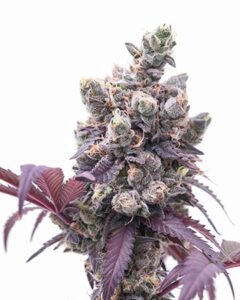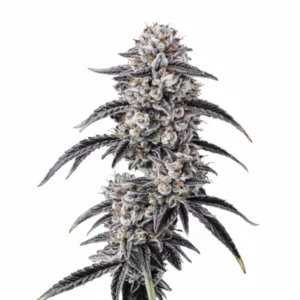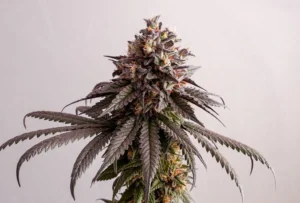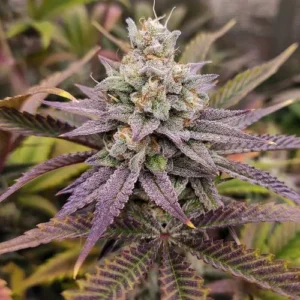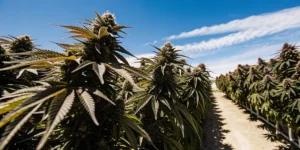

Bubba Kush is a classic indica-leaning strain loved for its compact structure, dense buds, and deeply relaxing effects. In this guide, you’ll learn the ideal climate, light cycle, humidity targets, nutrition strategy, training methods like SCROG, and the best harvesting and curing practices to bring out Bubba Kush’s full terpene profile and potency.
Successfully cultivating Bubba Kush requires careful attention to several key factors. Start by selecting a warm, dry climate with controlled humidity to prevent mold. This strain thrives indoors under powerful LED lights, ensuring the plant receives ample light for photosynthesis. Regular pruning will encourage the growth of robust buds, and maintaining optimal soil conditions enhances root development and nutrient uptake.
Recommended Strains
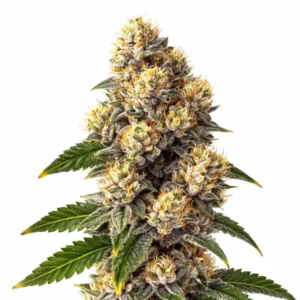
Bubba Kush

|
THC | 14% - 19% (Medium) |

|
Lineage | OG Kush x Afghan |

|
Type | Feminized |

|
Height | 4.92 ft | 1.5 m |

|
Yield | Medium |

|
Yield Indoor | 1.15 - 1.64 oz/ft² | 350 - 500 g/m² |

|
Flowering Time | 8 - 10 weeks |

|
Phenotype | 80% Indica / 20% Sativa |

|
Effects | Creative, Energetic, Uplifted |

|
Flavors | Chocolate, Coffee, Sweet |
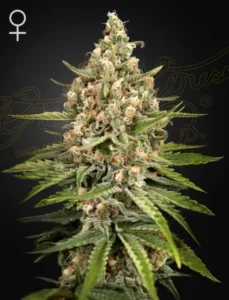
Bubba Slush
|
|
THC | 22% - 23% (Medium) |
|
|
Lineage | Bubba Kush x Gelato |
|
|
Type | Feminized |
|
|
Height | 5.25 ft | 1.6 m |

|
Yield Outdoor | 22.93 oz/plant | 650 g/plant |
|
|
Flowering Time | 8 - 9 weeks |
|
|
Phenotype | 70% Indica / 30% Sativa |
|
|
Effects | Relaxed, Happy, Focused, Calming |
|
|
Flavors | Sweet, Diesel, Chocolate, Cream |
This cultivar benefits from consistent monitoring during its vegetative phase. Using nutrient-rich soil and a balanced N-P-K fertilizer is critical for healthy growth. As the plant transitions to the flowering stage, reduce nitrogen levels to support bud formation. Keep the temperature stable to mimic its preferred environment, and ensure proper ventilation to maintain air quality, which is crucial for this variety.
To maximize yield, experienced growers recommend employing the Screen of Green (SCROG) method, which maximizes light exposure to lower buds. Once harvest time approaches, observe trichome color to determine the perfect time to harvest for optimal terpene and cannabinoid profiles. With patience and care, cultivating this strain can result in a bountiful harvest of potent, aromatic buds.
Bubba Kush Strain Overview: Traits, Effects & Genetics
Bubba Kush is a renowned cannabis cultivar prized for its distinctive characteristics and potent effects. It is popular among growers due to its manageable size and resilience, making it suitable for various cultivation environments. This strain, known for its high yield and dense buds, is a favorite for both beginners and experienced cultivators.
The genetics of this variety trace back to an Afghani landrace, known for imparting classic Indica traits such as a compact structure and broad leaves. This plant produces a robust profile of terpenes, contributing to its earthy and sweet aroma. It is often celebrated for its relaxing effects, making it ideal for evening consumption.
This cultivar is cherished not only for its cultivation ease but also for its impressive potency and rich flavor. Users report a calming, body-centric buzz, attributed to its Indica lineage. Additionally, it is a great choice for those seeking stress relief or those looking to unwind after a long day, with its effects settling gently over time.
Growers aiming for a successful harvest of this genetics should focus on optimal environmental conditions to enhance its natural attributes. Regular pruning helps manage its bushy growth, while maintaining proper humidity and temperature levels maximizes its terpene and cannabinoid development. With careful attention, it offers bountiful rewards in both yield and quality.
Optimal Environment to Grow Bubba Kush Successfully
To cultivate Bubba Kush effectively, it’s crucial to understand its environmental needs. This strain thrives in a controlled setting where temperature and humidity are consistently regulated. ideally between 70 to 80°F during the day and slightly cooler at night. Maintaining consistent conditions will support healthy growth and ensure that the plant reaches its full potential when it comes time to harvest.
Humidity plays a significant role in growing this variety, particularly in the early stages. During the vegetative phase, aim for a humidity level of 50-60% to facilitate strong and resilient plant development. As the plant transitions to the flowering stage, gradually decrease humidity to about 40-50%. This adjustment helps in preventing mold and encourages dense, resinous buds that are rich in terpenes.
Lighting is another critical aspect of cannabis cultivation, especially for this cultivar. Bubba Kush flourishes under a lighting schedule of 18 hours on and 6 hours off during the vegetative stage. As it enters the flowering phase, adjust the light cycle to 12 hours on and 12 hours off. This change simulates the natural transition from summer to fall, signaling the plant to begin the flowering process.
Ensure adequate airflow within your grow space. Proper ventilation helps regulate temperature and reduces the risk of mold and pests. Use oscillating fans to keep air circulating around the plants, which supports sturdy stem development and maximizes yield. By focusing on these environmental factors, growers can successfully cultivate this genetics for a bountiful and potent harvest.
Grow Room Setup for Bubba Kush Plants
Setting up an ideal grow room for cultivating Bubba Kush involves creating an environment that mimics its natural habitat. Growers should maintain a temperature range between 68-78°F (20-25°C) during the day and slightly cooler at night. Humidity should be regulated at around 40-50% to prevent mold and mildew, ensuring that the plant thrives and produces high-quality buds.
Lighting plays a crucial role in the cultivation of this strain, with high-intensity discharge (HID) lamps being a popular choice. These lamps provide the bright light necessary for photosynthesis and terpene production. Ensure a light cycle of 18 hours of light to 6 hours of darkness during the vegetative stage to promote healthy growth and maximize yield.
Ventilation is crucial for this variety to ensure a fresh supply of carbon dioxide and to prevent heat buildup. Install oscillating fans to circulate air and maintain even temperature distribution. An exhaust system with a carbon filter helps eliminate unwanted odors and maintain a fresh environment, contributing to the plant’s overall health and vigor.
To support the heavy buds typical of this cultivar, consider using trellis nets or stakes. This not only aids the plant’s stability but also allows for better light penetration and air circulation. Soil quality is another critical factor; a well-draining medium rich in organic matter will provide the nutrients needed for a successful harvest.
Indoor Growing Tips for Bubba Kush
When cultivating this strain indoors, it is crucial to maintain optimal temperature and humidity levels to encourage healthy growth and a bountiful yield. The plant thrives in a controlled environment with temperatures ranging from 68 to 80 degrees Fahrenheit. Humidity should be kept around 40-50% during the flowering stage to prevent mold and ensure the buds remain dense and resinous.
Lighting is another critical aspect of successfully growing Bubba Kush indoors. It requires a strong light source, ideally LED lights, to mimic natural sunlight and promote vigorous growth. Adjusting the light cycle to 18 hours of light and 6 hours of darkness during the vegetative phase, and then transitioning to 12 hours of light during flowering, can boost terpene production for a rich harvest.
To optimize the cultivation process, regular pruning is recommended to enhance airflow and light penetration. This not only supports the overall health of the plant but also aids in concentrating energy on bud development. Providing adequate nutrients, particularly during the flowering stage, will further enhance the potency and flavor profile of this cultivar, rewarding growers with a robust and aromatic yield.
Outdoor Growing Tips for Bubba Kush
When cultivating Bubba Kush outdoors, selecting the appropriate location is crucial for optimal cannabis growth. Due to the plant’s love for warm climates, growers should choose a spot that receives sufficient sunlight throughout the day. This variety also thrives in slightly acidic, well-draining soil. Consistent monitoring of soil pH and nutrients ensures the buds achieve their full potential come harvest time.
The plant is known for its sturdy structure, making it resistant to pests and diseases; however, regular maintenance remains essential. Pruning helps increase air circulation and light penetration, which in turn enhances yield and terpene profiles. Growers should also be mindful of humidity levels, as excess moisture can lead to mold, negatively impacting this cultivar’s quality.
Once the flowering period approaches, monitoring trichome development becomes critical. Experienced cultivators suggest harvesting when the trichomes shift from clear to a milky hue, which indicates peak potency. Proper timing not only maximizes this variety’s rich flavors but also ensures an abundant yield. Remember, each stage of growth has its own set of requirements, so stay attentive to the plant’s needs throughout its lifecycle.
Bubba Kush Grow Requirements at a Glance
| Grow Factor | Recommended Range / Guidance | Notes |
|---|---|---|
| Day Temperature | 70–80°F (21–27°C) | Slightly cooler at night |
| Grow Room Day Temp (alt) | 68–78°F (20–25°C) | You mention both; pick one as “main” |
| Veg Humidity | 50–60% | Supports strong development |
| Flower Humidity | 40–50% | Helps prevent mold, improves bud density |
| Veg Light Cycle | 18/6 | 18 hours on, 6 off |
| Flower Light Cycle | 12/12 | Triggers flowering indoors |
| Soil/Water pH (veg feed) | 6.0–6.5 | Mentioned in veg section |
| Soil pH (overall window) | 6.0–6.8 | Mentioned in nutrient section |
| Flowering Time | 8–10 weeks | You also say 8–9 weeks; unify wording |
| Drying | 7–10 days | 45–55% RH, 60–70°F |
| Curing | Several weeks | Glass jars, burp regularly |

How to Germinate & Propagate Bubba Kush
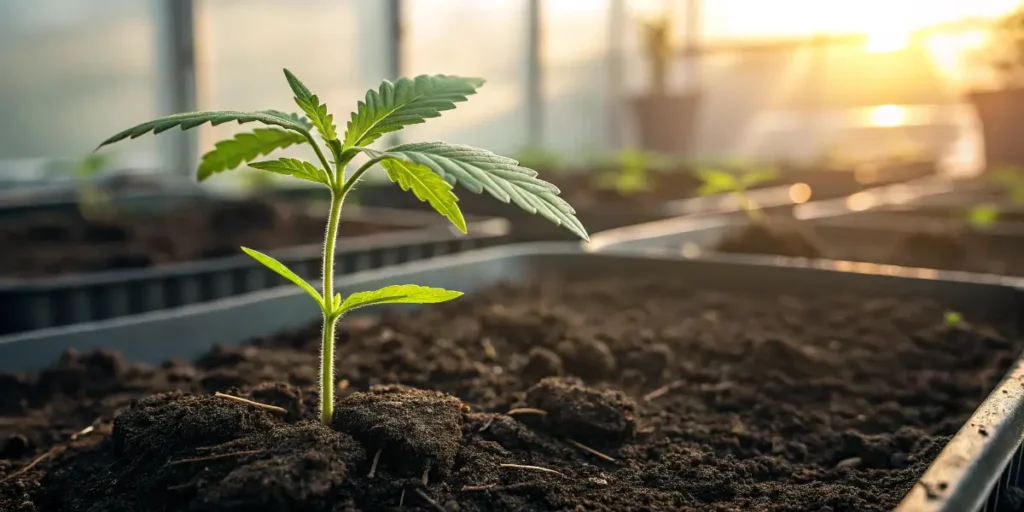
For successful germination of this strain, start with high-quality seeds. Place them in a damp paper towel and store in a dark, warm area. This method, known as the paper towel method, is favored among cannabis growers for its simplicity and effectiveness. Keep the seeds moist but not overly soaked to allow them to sprout at their optimum potential.
Once the seeds of this variety have sprouted, prepare small pots with a light, well-draining soil mix. Plant the germinated seeds a quarter-inch deep. This stage is critical in the cultivation process, so ensure they receive ample indirect sunlight and maintain a slightly humid atmosphere. Proper care will encourage healthy root development, essential for robust future buds.
Propagation through cloning can also be an efficient way to expand your Bubba Kush collection. Select a healthy parent plant from which you will take cuttings. These cuttings should include a few nodes and leaves for best results. Use a rooting hormone to encourage root formation and place the cuttings in a rich, nutrient-filled medium that supports early growth.
As this cultivar develops, expect vigorous growth with the right conditions. Consistent watering, a balanced nutrient schedule, and appropriate lighting will maximize yield and allow the plant to exhibit its distinctive terpene profile. Employing these propagation techniques will enhance the harvest quality, producing robust plants with the signature properties of Bubba Kush.
Vegetative Stage
During the vegetative stage, this cultivar requires optimal conditions to thrive. Growers should ensure that this strain gets sufficient light for at least 18 hours daily. The plant benefits from a balanced nutrient solution rich in nitrogen, encouraging healthy foliage development. Proper air circulation is equally vital to prevent diseases and ensure robust growth.
Watering protocols are crucial in this phase for maintaining healthy cannabis plants. Providing Bubba Kush with consistent moisture while avoiding stagnant water can optimize plant health. It’s essential to monitor the pH level of the water, keeping it between 6.0 and 6.5 for ideal nutrient uptake. Regular inspections for signs of overwatering or underwatering help maintain steady growth.
Training techniques like topping and low-stress training can maximize productivity in this variety. By doing so, growers can influence the structure of this cultivar, improving light exposure and potentially increasing yields. Carefully apply these techniques to avoid unnecessary stress, as it can delay development and reduce the quality of the eventual buds.
Besides careful training, maintaining a clean and pest-free environment is imperative. Pests and diseases can affect the overall health of the plant, impacting terpenes and future harvest quality. Regular monitoring and the use of natural pesticides as a preventive measure can help safeguard the vitality and productivity of this genetics throughout its vegetative stage.
Flowering Bubba Kush: What to Expect
When cultivating Bubba Kush, growers can expect a flowering period that typically lasts between 8 to 10 weeks. During this phase, this strain develops dense, resinous buds that are characteristic of its indica-dominant genetics. The plant thrives in a controlled environment where temperature and humidity are carefully managed, leading to optimal yield and quality.
This variety is known for its rich terpene profile, which manifests in earthy and sweet aromas as flowering progresses. Cannabis enthusiasts often appreciate the unique scent of the plant, which becomes more pronounced closer to harvest. Growers should ensure sufficient ventilation to prevent mold or mildew issues, which can affect the quality of the buds.
Flowering this cultivar requires close monitoring of nutrient levels. It is essential to provide the right balance of phosphorus and potassium to support bud development and maximize yield. As the flowering stage advances, reduce nitrogen to enhance the size and potency of the buds. Keeping a steady light schedule will also ensure consistent growth.
Knowing the optimal harvest time is crucial for Bubba Kush. Look for milky to amber trichomes on the buds, which signal peak potency. Harvesting at the right time will ensure that the plant delivers its full potential in terms of flavor and effects. The rewards of careful attention during flowering are well worth the effort for any serious cultivator.
Fertilizers & Nutrient Schedule
Feeding is crucial for healthy cannabis cultivation, especially with Bubba Kush, known for its robust buds and rich terpene profile. Growers should start with a balanced nutrient mix during the vegetative stage. The plant thrives on a diet rich in nitrogen, phosphorus, and potassium, supporting its initial growth and preparing it for a bountiful flowering period.
As this variety progresses to the flowering stage, adjusting the nutrient schedule is key to maximizing yield. Increase phosphorus and potassium while reducing nitrogen. Organic fertilizers, like compost teas and bone meal, can provide nutrients naturally, improving soil health and enhancing the flavor of the final harvest. Maintaining precise nutrient delivery is vital for the plant’s success.
This strain benefits from fertilizers that integrate beneficial microbes, which enhance nutrient absorption and bolster root health. Regular monitoring of pH levels in the soil ensures optimal nutrient uptake. The ideal pH range for this cultivar is between 6.0 and 6.8. Consistent attention to these details supports the grower in achieving potent, resin-rich buds.
As harvest approaches, begin flushing the plant with pure water to eliminate nutrient buildup and refine its taste. Over-fertilization can compromise the yield and quality, so careful observation is necessary. By adhering to a well-planned feeding schedule, growers can ensure that Bubba Kush delivers its signature potency and aromatic profile, delighting cannabis connoisseurs.
Pest and Disease Prevention for Healthy Cannabis Plants
Maintaining healthy cannabis plants involves proactive pest and disease management, especially for Bubba Kush. This cultivar is known for its rich terpenes and robust buds, but like any cannabis variety, it can be susceptible to pests. Regularly inspecting it for signs of infestation and implementing natural repellents like neem oil can significantly enhance this strain’s resilience against common threats.
Fungal diseases can adversely affect the yield of this variety, making environmental control crucial. Ensure proper air circulation around the plant and regulate humidity levels to prevent mold development. Utilizing companion planting with deterrent plants can also support your cultivation efforts by reducing the likelihood of pest and pathogen attacks, leading to a healthier harvest.
For optimal growth, growers should regularly monitor their plants and use organic solutions when tackling pests. Beneficial insects, such as ladybugs, can be introduced to manage harmful populations naturally. This strategy not only minimizes chemical usage but also nurtures the cannabis ecosystem, safeguarding the plant’s development and securing a high-quality harvest.
Harvesting & Drying Bubba Kush the Right Way
The ideal time to harvest this strain is when the trichomes are milky white with a hint of amber, a sign that the cannabinoids have reached their peak. Growers should ensure they monitor this closely as the harvest window for this cultivar greatly affects its yield and potency. Proper timing elevates the terpene profile, enhancing both flavor and aroma.
When pruning the plant, aim to cut the buds in the early morning when terpenes are most preserved. The buds of this variety should be handled gently to prevent damage to the resin glands. Proper trimming tools are essential to ensure clean cuts, which help prevent mold and other potential issues during drying.
Drying is a critical stage in cannabis cultivation and needs to be done in a dark, well-ventilated area with a humidity level between 45% and 55%. This provides an ideal environment for preventing mold and preserving the potency of the buds. Ensure the temperature remains consistently around 60-70°F to maintain this cultivar’s quality.
After drying for about 7-10 days, the next step is curing, which involves placing Bubba Kush buds in glass jars for several weeks. This process enhances the flavor and smoothness of the final product. Regular opening of the jars allows excess moisture to escape, promoting even curing and improving the overall smoking experience.
Bubba Kush Strain Type: Indica, Sativa or Hybrid?
Bubba Kush is a renowned indica strain known for its relaxing and sedative effects, making it a popular choice among cannabis enthusiasts seeking stress relief. This variety is typically beloved for its dense, resinous buds rich in terpenes that contribute to its distinctive earthy aroma. For growers, cultivating this strain often results in a generous yield when harvested under optimal conditions.
This strain is predominately indica, contributing to its calming properties and couch-locking effects, ideal for evening use. The plant tends to grow short and bushy, typical of indica genetics, and thrives in controlled environments where humidity levels are carefully monitored. Its cultivation often demands patience, but the payoff is a crop rich with potent cannabinoids.
Growers value this cultivar for its manageable growth cycle and resilience against pests, qualities that make it a good option for both novice and experienced cultivators. As a pure indica, Bubba Kush can deliver substantial yields with the potential for a robust harvest when given ample nutrients and care. Its unique properties continue to make it a staple in many cannabis gardens.
Key Benefits for Cultivators
For cannabis cultivators seeking a reliable and rewarding variety, this strain offers numerous advantages. Known for its robust growth and resilience, the plant thrives in various environments, making it suitable for both novice and seasoned growers. Its relatively short flowering time ensures a timely harvest, allowing growers to optimize their yield without extended waiting periods.
This cultivar is celebrated for its dense and resinous buds, which contribute to an impressive yield. The potent aroma and rich terpene profile of this variety not only appeal to consumers but also enhance the overall cultivation experience. Furthermore, the unique genetics of the plant help maintain consistent quality across batches, making it a preferred choice for many cannabis enthusiasts.
Incorporating Bubba Kush into a cultivation setup can elevate a grower’s operation, thanks to its well-balanced characteristics. Its acclaimed effects and robust market demand make it a lucrative option for those aiming to produce high-quality cannabis. Overall, this strain’s dependable nature and desirable attributes make it an excellent addition to any cultivation portfolio.
Potential Challenges When Growing Bubba Kush
Growing Bubba Kush can present challenges due to its indica-dominant genetics. This strain prefers a warm climate and controlled environment, which can be tricky for novice growers. Ensuring proper humidity and temperature levels is crucial, as fluctuations can affect the quality and yield of the buds. Consistent monitoring throughout the cultivation process is therefore essential.
Another challenge for those cultivating this variety is managing pest control. The plant is susceptible to common threats like spider mites and powdery mildew. Employing organic pest management strategies, such as introducing beneficial insects or using neem oil, can help protect the crop. Regular inspection is key to maintaining healthy plants and ensuring a bountiful harvest.
Moreover, growers should anticipate potential nutrient issues. Bubba Kush demands a balanced mix of nutrients to develop its rich terpene profile and potent effects. Overfeeding can lead to nutrient burn, while underfeeding might result in underdeveloped buds. Using quality nutrients combined with precise monitoring can mitigate these issues, aiding in maximizing yield and quality effectively.
Is This Strain Buying? Here’s What You Need to Know
When considering whether Bubba Kush is worth adding to your cannabis collection, it’s important to assess its unique characteristics. This variety is well-known for its relaxing effects, making it a favorite among many users. Due to its robust genetics, the plant is relatively easy to cultivate, appealing to both novice and experienced growers alike.
This strain produces dense, resinous buds that boast a rich profile of terpenes, contributing to its distinctive aroma and flavor. Cultivators appreciate the plant’s consistent performance and moderate yield, which, although not the highest, is quite satisfactory. This cultivar’s harvest is generally ready in about 8-9 weeks, providing a reasonable time frame for growers.
Whether Bubba Kush is worth buying depends on your cultivation needs and preferences. For those seeking a reliable and potent strain with a smooth growing process, this cultivar is certainly worth considering. Its relaxing effects and aromatic buds are the highlights of the harvest, promising a rewarding experience for both growers and consumers.
FAQs
How difficult is it to grow Bubba Kush for beginners?
Bubba Kush is considered moderately challenging, making it better suited for growers with some experience. The strain requires consistent attention to environmental factors like humidity and temperature. It responds well to training techniques such as LST and topping, but these methods require knowledge to execute properly. With proper care and monitoring, intermediate growers can expect excellent results and generous yields from this genetics.
What yield can I expect from Bubba Kush?
Bubba Kush typically offers a moderate yield. Indoor growers can expect about 1.5 to 2 ounces per square foot under optimal conditions, while outdoor cultivators might harvest around 20 ounces per plant. Factors such as growing techniques, nutrient regimen, and environmental control can significantly influence the final yield. Preparing a well-aerated soil and ensuring adequate lighting will help maximize production from this cultivar.
What is the ideal climate for Bubba Kush?
Bubba Kush flourishes in a warm, Mediterranean-like climate. It prefers temperatures between 70-80°F (21-27°C) during the day, with cooler nights. Maintaining humidity levels between 40-50% during the flowering stage helps prevent mold growth. For outdoor grows, planting after the last frost and harvesting before the first autumn freeze is crucial. Indoors, maintaining stable conditions with the aid of heaters or air conditioners is ideal.
What is the flowering time for Bubba Kush?
This cultivar has a relatively short flowering period, typically taking about 8 to 9 weeks to mature indoors. Outdoor growers can expect Bubba Kush to be ready for harvest around late September to early October. Regular monitoring is necessary to recognize the ideal time to harvest for optimal potency and yield. Trichome development is a reliable indicator of readiness for this variety.
What are the common problems when growing Bubba Kush?
Common issues include mold and pest infestations due to dense foliage and short stature. To combat this, ensure proper ventilation and air circulation within the grow space. Regular inspection for signs of pests, such as spider mites or aphids, is also crucial. This plant may also show nutrient deficiencies if not properly managed, typically requiring a balanced feeding schedule with a focus on phosphorus and potassium during flowering.
What nutrient regimen does Bubba Kush require?
Balancing nutrients is essential for Bubba Kush. During the vegetative stage, it thrives on nitrogen, while phosphorus and potassium become more important in the flowering phase. Supplementing with essential micronutrients such as calcium and magnesium can also enhance growth and prevent deficiencies. Using organic options or high-quality nutrient mixes tailored to cannabis will support healthier plants and improve quality and yield.