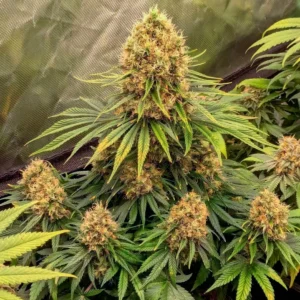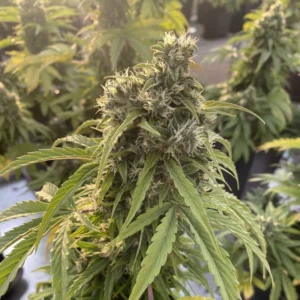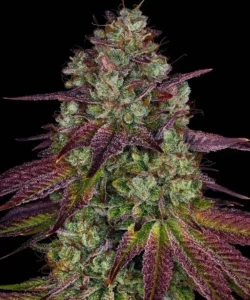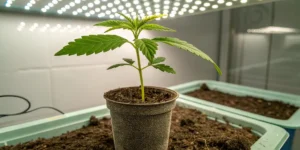

Growing Charlotte’s Angel CBD requires an grasp of its unique characteristics. This strain thrives in environments where temperature and humidity are carefully controlled. Start by selecting a high-quality soil mix, ensuring good drainage to support root development. As with most cannabis cultivation, lighting is crucial; aim for an 18-hour light cycle during the vegetative stage for optimal growth.
When it comes to nutrition, this variety benefits from a balanced nutrient regimen that focuses on essential macronutrients like nitrogen, phosphorus, and potassium. Regular monitoring and pH balancing of water helps maintain the plant’s health. Proper airflow is also essential to prevent mold, allowing the buds to flourish with their distinct terpene profile.
Recommended Strains
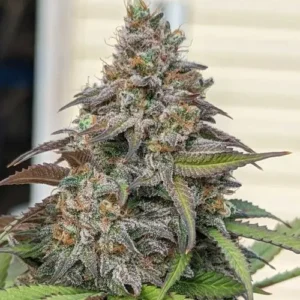
CBD Charlotte's Angel

|
CBD | 22% (High) |

|
Lineage | Dutch Charlotte X Red Angel |

|
Type | CBD Feminized |

|
Height | 3.28 ft | 1 m |

|
Yield | Medium |

|
Yield Indoor | 1.31 - 1.47 oz/ft² | 400 - 450 g/m² |

|
Yield Outdoor | 17.64 - 35.27 oz/plant | 500 - 1000 g/plant |

|
Flowering Time | 9 - 12 weeks |

|
Effects | Relaxed, Uplifted, Euphoric, Happy |

|
Flavors | Pine, Diesel, Herbal |
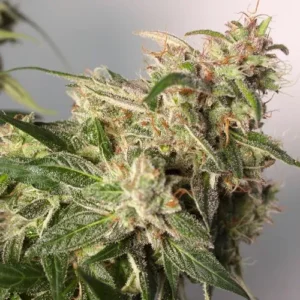
CBD Auto Charlotte's Angel
|
|
CBD | 14% (Medium) |
|
|
Lineage | CBD Charlotte's Angel X CBD Auto Compassion Lime |
|
|
Type | CBD Autoflowering |
|
|
Height | 3.28 ft | 1 m |
|
|
Yield | Low |
|
|
Yield Indoor | 0.98 - 1.15 oz/ft² | 300 - 350 g/m² |
|
|
Yield Outdoor | 3.53 - 5.29 oz/plant | 100 - 150 g/plant |
|
|
Life Cycle | 11 - 13 weeks |
|
|
Effects | Relaxed, Focused |
|
|
Flavors | Earthy, Fruity |
As this plant moves into the flowering stage, reduce the light cycle to 12 hours to stimulate bud production. Pay close attention to the trichomes’ color and clarity to determine the perfect harvest time for this cultivar. Post-harvest curing is crucial to enhance the terpene profile and potency of Charlotte’s Angel CBD, ensuring a high-quality yield for medical and recreational users alike.
Charlotte’s Angel CBD Strain Overview: Traits, Effects & Genetics
This strain is renowned for its unique profile that highlights its non-psychoactive nature, making it ideal for those seeking therapeutic benefits without the high. The plant is a favorite among those in cannabis cultivation for its robust growth and resilience. With an earthy and piney terpene profile, it offers a distinguishing aroma that attracts both seasoned growers and newcomers alike.
Genetically, this variety is a sativa-dominant strain that has been carefully bred to maximize CBD content while keeping THC levels minimal. The result is a plant that boasts a wide array of medical applications, making it particularly appealing for those seeking natural alternatives for pain relief, anxiety, and inflammation. Growers appreciate its vigor and the quality of buds at harvest time, offering substantial yields.
This cultivar’s effects are predominantly calming and relaxing, with no psychotropic side effects, which allows users to maintain focus and clarity throughout the day. It provides a potential uplift in mood and helps reduce stress levels, making it a preferred choice for those needing to manage daily pressures. Furthermore, its high CBD content ensures a balanced experience cherished by users worldwide.
Charlotte’s Angel CBD, with its remarkable genetics, has become a noteworthy presence in the cannabis world. The plant’s ability to produce impressive yields and its resistance to common pests make it a reliable option for cultivators. Moreover, this cultivar’s medicinal properties continue to drive its popularity, as more growers seek to harness its healing potential while enjoying the cultivation process.
Optimal Environment to Grow Charlotte’s Angel CBD Successfully
Charlotte’s Angel CBD thrives in controlled environments where temperature and humidity are carefully managed. This strain is particularly fond of warm climates similar to those found in the Mediterranean. Growers should aim to maintain temperatures between 70-80°F during the day and slightly cooler at night. Proper ventilation helps ensure the plant receives adequate airflow, preventing mold and pests from affecting the buds.
Humidity management is equally crucial in cultivating this variety. During the vegetative stage, keep relative humidity around 60-70%. As the plant transitions to the flowering stage, gradually reduce humidity levels to 40-50%. This reduction is vital to enhance terpene production and ensure a robust yield, as high humidity may lead to mold growth on the progressive buds.
Lighting plays a significant role in the successful growth of this cultivar. Cannabis plants, including this particular genetics, require up to 18 hours of light during the vegetative stage and 12 hours during flowering. LED or high-intensity discharge lights are favored for indoor growers, as they provide the intensity needed without excessive heat.
The soil or growing medium should be rich in nutrients to support the plant’s development. A balanced mix of nitrogen, phosphorus, and potassium aids necessary for vigorous growth. Regular monitoring and adjustment of pH levels ensure the medium remains within the ideal range of 6.0 to 7.0, allowing Charlotte’s Angel CBD to absorb nutrients efficiently, resulting in a healthy harvest.
Grow Room Setup for Charlotte’s Angel CBD Plants
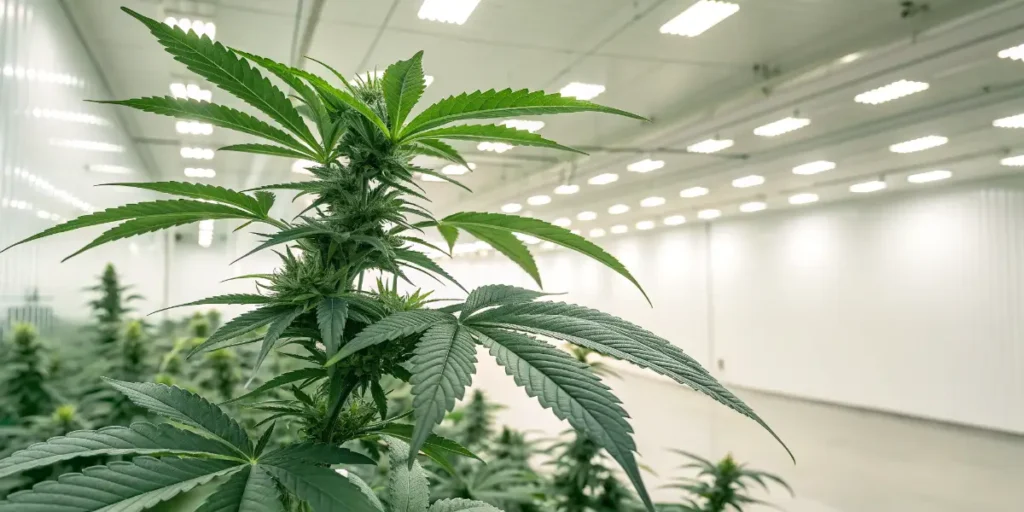
Setting up a grow room for this strain requires attention to detail to optimize cannabis cultivation. It’s essential to maintain control over environmental factors, including temperature, humidity, and light. Aim for a temperature range between 70-80°F with humidity around 40-60% during the vegetative stage. Proper ventilation is crucial to prevent mold and pests, ensuring healthy growth.
Lighting plays a vital role, and LED grow lights are a popular choice for cultivating this variety. They provide an energy-efficient option while mimicking the natural spectrum of sunlight crucial for photosynthesis. Position the lights approximately 18-24 inches above the plant canopy during the vegetative phase to encourage robust foliage growth and overall plant health.
Soil selection and nutrient provision are integral aspects of grow room preparation. Opt for well-aerated soils rich in organic matter for the plant to thrive. A balanced nutrient schedule is key throughout its lifecycle, focusing on nitrogen-rich formulas during vegetative growth to promote the leafy development of this cultivar. Adjust nutrients as it moves to the flowering stage to enhance bud production.
Monitoring and adjusting factors such as CO2 levels and pH balance can significantly increase the yield and quality of buds. For Charlotte’s Angel CBD, consistent monitoring helps achieve optimal terpene profiles and CBD concentration. Employ pH meters and CO2 testers to keep conditions favorable, ensuring a successful harvest of this remarkable strain known for its therapeutic properties.
Indoor Growing Tips for Charlotte’s Angel CBD
When cultivating Charlotte’s Angel CBD indoors, temperature and humidity control are crucial. This variety thrives in temperatures between 68-77°F with a relative humidity of 40-50%. Maintaining these conditions ensures optimal growth and prevents mold or mildew, which can affect yield and the quality of the buds. Investing in a reliable climate control system will greatly benefit growers seeking consistent results.
Lighting plays a vital role in the successful cultivation of the plant. It prefers a light cycle of 18-6 during the vegetative stage, shifting to 12-12 for flowering. Utilizing LED lights can optimize energy efficiency while still providing the full spectrum of light needed. Ensure the lights are adjustable in height to accommodate the plant’s growth and prevent light burn.
Feeding it with the right nutrients is crucial for its growth and the development of terpenes. A balanced diet of nitrogen, phosphorus, and potassium, tailored to its growth stage, will promote healthy development and maximize harvest quality. Regular monitoring of pH levels is also important for nutrient absorption, with an ideal range of 6.0-6.5 to support the plant’s thriving indoor conditions.
Outdoor Growing Tips for Charlotte’s Angel CBD
When cultivating Charlotte’s Angel CBD outdoors, selecting an optimal location is crucial for maximum yield. The plant thrives in well-draining soil with plenty of organic matter. Choose a sunny spot where it can receive at least six hours of direct sunlight daily. Adequate spacing between plants helps improve air circulation, reducing the risk of mold affecting its precious buds.
Watering should be consistent but not excessive to ensure this cultivar develops robust roots. Drip irrigation systems can provide a steady supply without over-saturating the ground. During the flowering stage, keep an eye on the plant’s nutrient needs. Using a balanced fertilizer designed for cannabis can enhance the terpene profile and potency of this variety’s buds.
Pest management is essential for successful cultivation. Regularly inspect the plant for signs of insects or disease. Natural pest deterrents, such as neem oil or companion planting with herbs like basil, can protect the genetics effectively. By adhering to these practices, growers will optimize the health and productivity of the plant, leading to a bountiful harvest.
How to Germinate & Propagate Charlotte’s Angel CBD
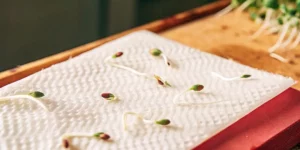
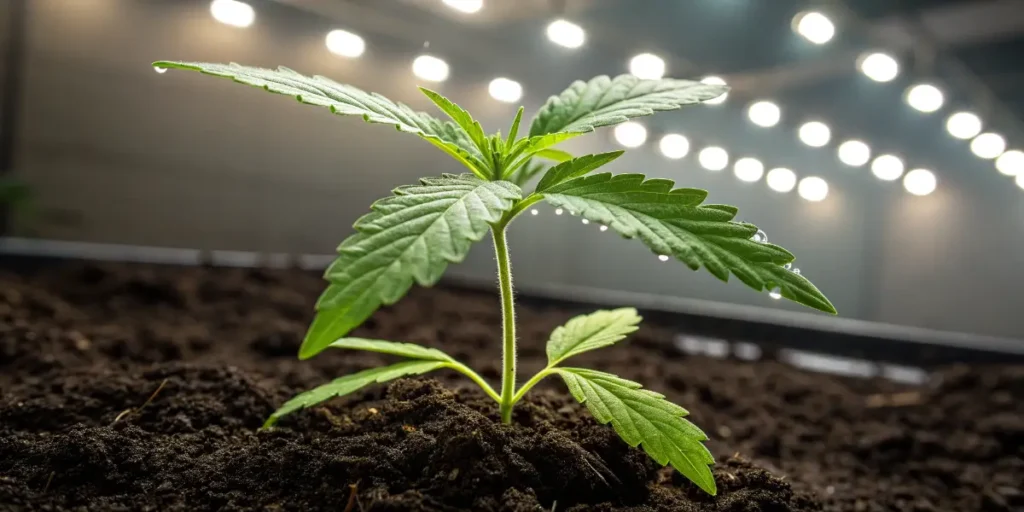
To begin the cultivation journey for this strain, start with quality seeds from a reputable source. Germination is crucial for ensuring the healthy growth of the plant. An effective method is the paper towel technique: simply place seeds between moist towels in a warm environment. Maintain consistent moisture levels until the seeds sprout, which generally takes a few days.
Once sprouting occurs, transfer the seeds to a prepared growing medium such as soil or a hydroponic system. This variety thrives with ample light, so ensure they receive sufficient illumination from grow lights or natural sunlight. As the plant establishes, keep temperatures and humidity in optimal ranges to promote robust growth, setting the stage for a successful cultivation process.
Propagating the plant further can be accomplished through cloning. Take healthy cuttings from mature plants of this cultivar, choosing branches with a few nodes. Use a rooting hormone to encourage root development and plant the cuttings in a rooting medium. Maintain a humid environment and moderate temperatures to accelerate rooting and ensure healthy new plants.
The ultimate goal is to grow Charlotte’s Angel CBD yielding high-quality buds rich in terpenes and cannabinoids. Throughout propagation, pay attention to watering, nutrients, and plant health to maximize yield. With patience and care, growers will be rewarded with a bountiful harvest of this exceptional cannabis variety.
Vegetative Stage: Nurturing Your Charlotte’s Angel CBD Plants
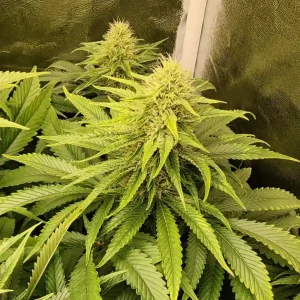
During the vegetative stage, Charlotte’s Angel CBD benefits from a consistent light cycle of 18 hours on and 6 hours off. Ensure the plant receives ample light intensity to encourage vigorous growth and robust stem development. Using high-quality soil or hydroponic systems tailored for cannabis can significantly enhance this strain’s growth potential during this phase.
Maintaining optimal environmental conditions is critical for nurturing this variety. Aim for temperatures between 70-85°F, with humidity levels around 40-70%. Adequate air circulation is essential to prevent mold and pests, fostering a healthy environment for the plant to thrive. Regularly check your setup and adjust as needed to optimize the cultivation process.
Nutrition plays a vital role in the success of growers cultivating this cultivar. During the vegetative stage, prioritize nitrogen-heavy fertilizers to support lush leaf development. However, be cautious not to over-fertilize, as it can lead to nutrient burn. Monitoring and adjusting the pH level of your soil or nutrient solution can also ensure optimal uptake of nutrients.
Pruning and training techniques, such as topping and LST (low-stress training), can maximize the yield and quality of your harvest. These practices encourage the plant to develop more buds and maximize light exposure to all parts. Remember to observe terpenes’ distinct aroma as the plant matures, signaling its readiness for the flowering stage and eventual harvest.
Flowering Charlotte’s Angel CBD: What to Expect
When flowering Charlotte’s Angel CBD, growers should anticipate a period of approximately nine to ten weeks. This strain is known for its vigorous growth and resilience during cultivation, making it suitable for both novice and experienced growers. As the plant matures, it will develop dense, aromatic buds that are rich in CBD content, offering a smooth, leisurely growing experience.
This variety thrives in both indoor and outdoor environments, requiring ample light and a balanced nutrient regimen to optimize its yield. The plant typically reaches a medium height, making it manageable for growers with space restrictions. Proper training and pruning techniques will encourage more robust bud development, enhancing the overall output during harvest.
The terpenes present in this cultivar contribute to its distinctive aromatic profile, which includes earthy and pine notes. To preserve these aromas, it is essential to maintain optimal humidity levels during maturation. This variety generally rewards growers with a generous yield, particularly when environmental conditions are carefully regulated and tailored to its needs.
Once the flowering cycle concludes, harvest the buds at their peak potency for maximum CBD extraction. Charlotte’s Angel CBD exhibits a well-balanced cannabinoid profile without the psychoactive effects, making it an ideal choice for those seeking therapeutic benefits. This genetics promise a rewarding cultivation journey with abundant, high-quality produce.
Fertilizers & Nutrient Schedule
Ensuring optimal nutrition is crucial for the successful cultivation of Charlotte’s Angel CBD. This strain thrives with a balanced diet of macronutrients, including nitrogen, phosphorus, and potassium. Begin with a mild nutrient solution during the seedling stage, gradually increasing the concentration as it matures. Adjust the nutrient schedule to match each growth phase, promoting robust development and maximizing the yield.
During the vegetative phase, increase nitrogen levels, which supports vigorous leaf and stem growth. This variety benefits from organic fertilizers, which slowly release nutrients and improve soil health. Consistent monitoring and adjusting of pH levels can prevent nutrient lockout, a common issue that can impede plant growth. Regular checks help identify and correct any deficiencies early on.
As the plant transitions into the flowering stage, phosphorus and potassium become more critical. These elements enhance bud development, improving the size and density of the harvest. It’s also essential to reduce nitrogen during this phase to prevent excessive vegetative growth, allowing the plant to focus its energy on creating potent buds rich in terpenes and cannabinoids.
Flushing the plant with plain water in the weeks leading up to harvest ensures the removal of any residual nutrients, which can affect flavor and quality. This practice is vital for growers aiming to achieve the purest expression of this cultivar’s unique characteristics. Proper feeding techniques not only boost the yield but also enhance the aromatic profile of Charlotte’s Angel CBD, resulting in a superior product.
Pest and Disease Prevention for Healthy Cannabis Plants
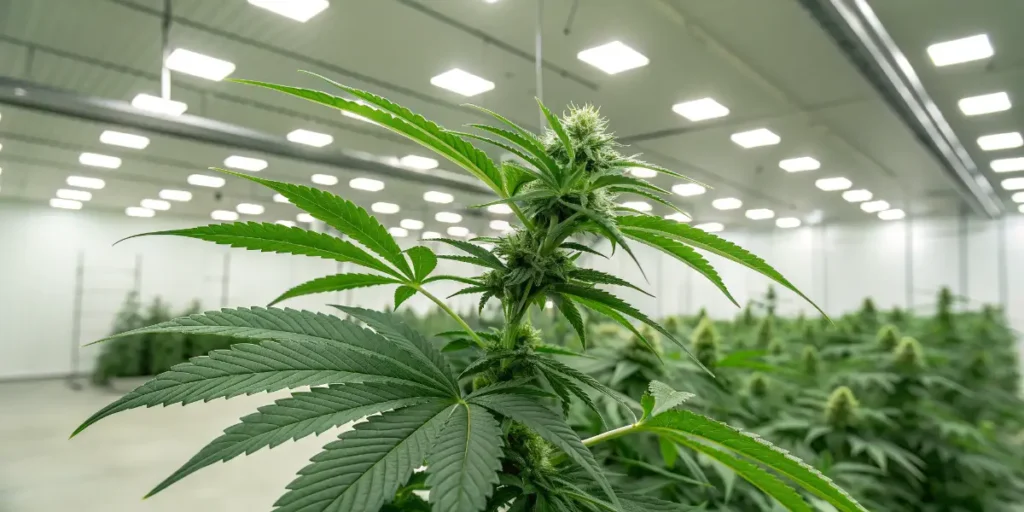
Maintaining the health of Charlotte’s Angel CBD involves proactive pest and disease management. Growers should begin by ensuring optimal environmental conditions such as proper ventilation and adequate spacing. This cultivar benefits from utilizing companion plants like lavender, which naturally deter pests. Regularly inspecting the buds and leaves for any signs of infestation is crucial to safeguard the yield.
For this strain, adopting an integrated pest management approach can make a significant difference. Utilizing natural predators, such as ladybugs and predatory mites, helps control the population of harmful insects. Besides, consistent monitoring and maintenance of cleanliness in the cultivation area minimize disease outbreaks, ensuring vibrant growth of the plant.
Routine application of neem oil or insecticidal soap serves as a natural barrier against pests for this variety. It’s vital to address issues promptly to prevent them from affecting the harvest. By adopting these strategies, growers can support robust terpene production and ensure the longevity of the genetics, resulting in a healthy and bountiful crop.
Harvesting & Drying
For growers of Charlotte’s Angel CBD, knowing the optimal time to harvest is crucial to preserve its rich terpene profile and enhance the overall yield. Generally, this strain reaches full maturity within 9-11 weeks of flowering. Checking the trichomes with a magnifier will help you determine the perfect harvest window for this variety to ensure the highest potency.
Once you’ve decided to harvest, start by cutting the branches at their base. It’s advisable to do this during the early morning when the plant’s moisture content is stable. This cultivar, known for its high CBD levels, can benefit from a slow drying process to maintain its cannabinoid and terpene integrity. Optimal drying conditions involve a dark, well-ventilated space.
Hanging the buds upside down allows for even airflow and proper drying. Aim for a drying period of 10-14 days, during which time the buds should maintain around 60% humidity. This method prevents the loss of valuable terpenes, ensuring that the cannabis retains its aromatic profile, a hallmark of this strain’s overall sensory experience.
After drying, curing the buds in airtight jars is the next crucial step. Open the containers daily for the first few weeks to release moisture, which helps refine the flavors and smooth out any harshness. This attention to detail in the drying and curing stages significantly enhances the quality of the final product, making Charlotte’s Angel CBD a standout choice for cultivation.
Charlotte’s Angel CBD Strain Type: Indica, Sativa or Hybrid?
Charlotte’s Angel CBD is a unique strain characterized by its predominantly Sativa genetics. This cultivar is well-regarded in cannabis cultivation circles for its high CBD content and low THC levels, making it suitable for those seeking therapeutic effects without the psychoactive experience. Growers appreciate the plant for its robustness and resilience, contributing to a rewarding harvest.
This variety typically exhibits the tall stature and elongated buds typical of Sativa plants, thriving in both indoor and outdoor environments. The plant’s growth cycle requires careful attention to ensure optimal light exposure and nutrient provision, which significantly impact the terpenes and overall yield. Proper cultivation techniques can greatly enhance the quality and quantity of the final product.
Growers might notice the unique aroma profile that this strain develops during its flowering phase, characterized by a blend of pine and earthy tones. As harvest time approaches, monitoring humidity and temperature levels becomes critical to preserve the plant’s delicate terpenes. With its distinctive attributes, this genetics offers a rewarding challenge for cultivators aiming to maximize both therapeutic benefits and yield.
Why Grow This Strain? Key Benefits for Cultivators
Cultivating Charlotte’s Angel CBD offers significant advantages, particularly due to its high CBD and low THC content. These genetics ensure non-psychoactive effects, appealing to growers interested in therapeutic cannabis varieties. Furthermore, this strain is robust and forgiving, making it suitable for both novice and experienced cultivators aiming for a successful harvest.
The plant is known for its high yield, producing abundant buds when properly cultivated. Growers can expect a rewarding harvest with this variety, thanks to its resilience against common pests and diseases. Its terpene profile adds to its attractiveness, offering aromatic buds that appeal to medical and recreational consumers alike.
Another key benefit is the cultivar’s adaptability to various growing methods, including soil and hydroponic systems. This flexibility allows cultivators to optimize their setups for maximum yield and quality. Overall, Charlotte’s Angel CBD is an excellent choice for those seeking a reliable and beneficial cannabis cultivation experience.
Potential Challenges When Growing Charlotte’s Angel CBD
Despite its benefits, cultivating Charlotte’s Angel CBD can present several challenges. This strain is sensitive to environmental fluctuations, so maintaining stable conditions is crucial. The plant prefers moderate temperatures and consistent humidity levels. Growers must carefully monitor and adjust these parameters to avoid stress, which can influence the development of buds and overall yield. Grasping these needs is essential for successful harvests.
This cultivar can also exhibit slower growth compared to other varieties, especially during the vegetative stage. Patience and attentive care are necessary, as the plant may require additional time to reach maturity. Regular check-ups are vital to prevent potential issues like nutrient imbalances that can affect terpene profiles. Providing adequate lighting and watering is crucial for keeping the plant healthy and robust.
Another challenge is the management of pests and diseases that can frequently target this variety. Implementing preventative measures such as natural pest control methods and ensuring good airflow can mitigate these risks. Growers are encouraged to inspect the plant regularly for early signs of trouble. By addressing environmental and health concerns proactively, cultivating Charlotte’s Angel CBD can be a rewarding experience.
Is This Variety Worth Buying? Here’s What You Need to Know
Charlotte’s Angel CBD presents a unique option for growers seeking a non-psychoactive cannabis strain with high therapeutic potential. This cultivar is known for its impressive yield and distinct terpene profile, which many find appealing. Its cultivation is considered approachable for both novice and experienced growers, making it an attractive choice for those interested in expanding their garden with this variety.
One of the critical aspects of this strain is its high CBD content, which is preferred by consumers seeking relaxation without the intoxicating effects of THC. The buds of this variety are often praised for their rich aroma and medicinal benefits. Growers will find that the plant flowers in about 9-12 weeks, allowing for an abundant and timely harvest.
Those considering purchasing this cultivar should note its adaptability to various growing conditions, whether indoors or in a greenhouse. The plant’s resilience makes it an excellent choice for diverse climates, ensuring a consistent yield. Given its benefits and ease of cultivation, Charlotte’s Angel CBD can be a worthwhile addition to any grower’s selection.
FAQs
What is the ideal climate for growing Charlotte’s Angel CBD?
Charlotte’s Angel CBD thrives in a Mediterranean climate, where conditions are warm and sunny with low humidity. This strain can be grown outdoors in these conditions or indoors under controlled environments. Ensuring adequate airflow and consistent temperatures will help in maximizing the plant’s potential. Indoor growers can recreate these conditions with appropriate temperature and humidity controls to help the plant flourish.
How long does it take for Charlotte’s Angel CBD to flower?
Charlotte’s Angel CBD typically has a flowering time of 9 to 11 weeks. Patience is essential during this period, as rushing can affect both quality and yield. Growers should provide consistent light cycles and optimal environmental conditions to ensure a smooth transition through the flowering stages. Charlotte’s Angel CBD’s longer flowering time allows for the full development of its distinctive cannabinoid profile.
What yield can I expect from Charlotte’s Angel CBD?
Under ideal conditions, Charlotte’s Angel CBD can produce generous yields. Indoor growers can expect approximately 400 to 500 grams per square meter, while outdoor cultivation can yield up to 500 grams per plant. Yield depends on various factors such as light provision, nutrient management, and training techniques. Using methods like SOG or SCROG can optimize yields by maximizing light exposure.
What are common problems when growing Charlotte’s Angel CBD?
Like many cannabis plants, Charlotte’s Angel CBD is susceptible to pests and mold, especially if humidity levels are not managed. Over-watering can also lead to root rot, so proper watering schedules are essential. Early detection and consistent maintenance can mitigate most issues. Employing integrated pest management and maintaining cleanliness in the growing space can help keep the plant healthy.
What nutrient needs are specific to Charlotte’s Angel CBD?
Charlotte’s Angel CBD prefers a balanced nutrient regimen, high in nitrogen during the vegetative stage and rich in phosphorus and potassium during flowering. Organic soil amendments and nutrient solutions can promote healthy growth. Monitoring pH levels ensures optimal nutrient uptake. As with any cultivar, avoiding over-fertilization is crucial to prevent nutrient burn and maintain plant health.
What training techniques work best for Charlotte’s Angel CBD?
LST (Low-Stress Training) and SCROG (Screen of Green) are excellent techniques for Charlotte’s Angel CBD. These methods can help manage the plant’s height and improve light penetration, which are beneficial for maximizing yields. Consistent training can guide the plant’s growth and ensure even canopy development. Employing these techniques requires regular attention but can significantly enhance the performance of this variety.