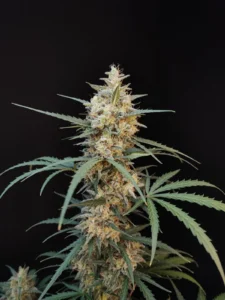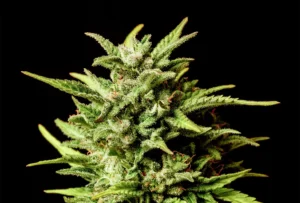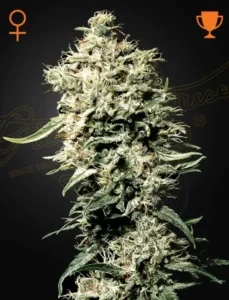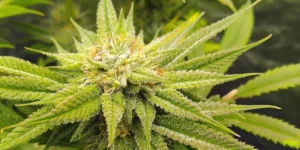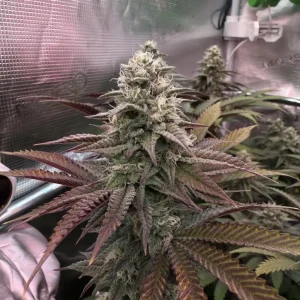


To successfully cultivate Chemdog, start by choosing a growing medium that suits your environment. Whether using soil or hydroponics, ensure it provides ample nutrients to encourage robust growth. With a flowering period of 9-10 weeks, this variety thrives in warm and dry climates, making temperature control crucial for optimal cannabis development.
This cultivar requires regular pruning to help increase light exposure and air circulation, which are critical for enhancing both terpene profiles and yield. Ensuring consistent moisture levels and utilizing effective pest management strategies can protect the plant from common threats. Attention to these details will lead to healthy buds at harvest time.
Recommended Strains
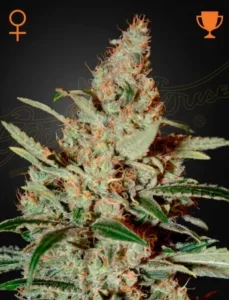
Chemdog Seeds

|
THC | 24% - 25% (High) |

|
Lineage | OG Kush x Sour Diesel |

|
Type | Feminized |

|
Height | 5.25 ft | 1.6 m |

|
Yield Outdoor | 35.27 oz/plant | 1000 g/plant |

|
Flowering Time | 8 - 9 weeks |

|
Phenotype | 70% Indica / 30% Sativa |

|
Effects | Happy, Calming, Relaxed, Talkative |

|
Flavors | Sour, Lemon, Earthy |
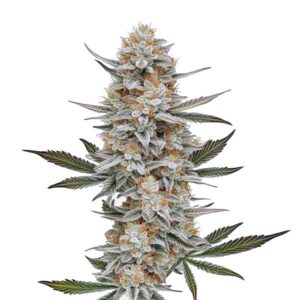
Chemdog #4
|
|
THC | 18% - 26% (Medium) |
|
|
Lineage | Chemdawg x Green Crack |
|
|
Type | Feminized |
|
|
Height | 4.92 ft | 1.5 m |

|
Yield | Medium |

|
Yield Indoor | 1.47 - 1.64 oz/ft² | 450 - 500 g/m² |
|
|
Yield Outdoor | 21.16 - 24.69 oz/plant | 600 - 700 g/plant |
|
|
Flowering Time | 7 - 9 weeks |
|
|
Phenotype | 60% Indica / 40% Sativa |

|
Medical | Arthritis, Insomnia, Pain |
|
|
Effects | Happy, Relaxed, Talkative |
|
|
Flavors | Citrus, Lemon |
When preparing for the final stages, monitor the trichomes to determine the perfect moment to harvest Chemdog. The unique genetics of this variety result in a potent and aromatic yield that’s well worth the wait. Post-harvest, allow ample drying and curing time to fully develop its complex terpene profile, ensuring top-quality results from this remarkable cultivar.
Chemdog Strain Overview: Traits, Effects & Genetics
Chemdog is renowned in the cannabis community for its exceptional potency and distinctive characteristics. The genetics of this strain offer a unique blend, contributing to a rich aroma with pronounced diesel and earthy notes. This cultivar’s robust nature makes it a favorite among cannabis growers, seeking a challenging but rewarding plant to cultivate and harvest successfully.
This variety is celebrated for its effects, which often include a euphoric and intense cerebral high. Many users appreciate the plant’s ability to provide relaxation while simultaneously enhancing creativity. Additionally, this genetics profile tends to have high levels of THC, and combined with its terpene profile, it delivers a powerful experience that seasoned consumers enjoy.
The plant typically produces dense buds that are rich in trichomes, indicating its high-potency nature. This strain’s cultivation demands attention to detail, as it thrives best under specific growing conditions. Ensuring adequate lighting and nutrients is crucial for maximizing yield. When properly tended, growers are rewarded with a bountiful harvest of high-quality cannabis.
Overall, this cultivar is a versatile variety that appeals to both recreational and medicinal users. Its balanced effects make it a popular choice for managing stress and improving mood. The genetic lineage of Chemdog contributes to its reputation as a legendary strain, remaining a staple in the cannabis cultivation landscape for its distinctive traits and reliable production.
Optimal Environment to Grow Chemdog Successfully
Creating the perfect environment is crucial for the successful cultivation of Chemdog. This strain thrives in a controlled setting where temperatures range between 68°F and 80°F (20°C and 27°C). Consistent humidity levels between 40% and 50% during the vegetative stage are ideal. Monitoring and adjusting environmental variables ensures the plant’s healthy development and maximizes its potential yield.
This variety benefits greatly from using high-quality soil that offers excellent drainage and aeration. Growers often prefer nutrient-rich soil mixtures to promote vigorous growth. Additionally, supplementing with the right balance of nitrogen, phosphorus, and potassium supports robust development. As Chemdog progresses into the flowering stage, reducing nitrogen while increasing phosphorus will aid in producing dense, aromatic buds.
Proper lighting is another essential consideration for cultivating this cultivar. Employing full-spectrum LED lights or high-pressure sodium (HPS) lamps can mimic natural sunlight and encourage optimal photosynthesis. A lighting schedule of 18 hours of light and 6 hours of darkness during the vegetative phase, followed by a 12/12-hour cycle for flowering, will promote vigorous growth and efficient maturation of the plant.
Adequate air circulation and ventilation are pivotal to prevent mold and pest infestations, facilitating healthy development in this genetics. Installing oscillating fans and carbon filters can help maintain air quality and manage odor. Monitoring these conditions allows growers to cultivate vibrant, terpene-rich buds that support a productive harvest and enhance the overall experience of growing Chemdog.
Grow Room Setup for Chemdog Plants
Setting up the ideal grow room for Chemdog involves careful consideration of several factors to optimize its potential. This strain thrives in a controlled environment where temperature, humidity, and light are meticulously managed. Ensuring a stable climate with temperatures between 70-85°F and humidity levels around 40-50% during the flowering stage will promote healthy cultivation.
Lighting plays a crucial role in the development of this variety, with LED lights being a popular choice among growers for their efficiency and effectiveness. Adequate lighting can enhance the production of rich terpenes and resinous buds. Position lights to cover the plant canopy evenly, ensuring that all parts of the plant receive sufficient exposure, thereby maximizing yield.
Ventilation is another critical aspect when growing this cultivar. Proper airflow prevents mold and pest infestations, maintaining the plant’s overall health. Install exhaust fans and oscillating fans to create a dynamic airflow system that will provide fresh air and optimize CO2 levels. This setup will enhance the photosynthesis process, boosting the plant’s growth and development.
Soil quality and nutrition are vital to supporting robust growth. Use well-draining soil and ensure a balanced nutrient regimen tailored to cannabis species. Regular monitoring of pH levels will further optimize nutrient uptake. By maintaining these conditions, this cultivar can achieve a successful harvest with bountiful, aromatic buds.
Indoor Growing Tips for Chemdog
When cultivating Chemdog indoors, providing the optimal environment is crucial. This variety thrives in a well-controlled setting with temperatures ranging from 70 to 80 degrees Fahrenheit. Proper ventilation is essential to ensure robust growth and prevent mold, which can be detrimental to the plant. Growers should maintain a humidity level between 40-50% during vegetative stages and reduce it to 30-40% during flowering.
This cultivar benefits greatly from a nutrient-rich feeding schedule. Use a high-quality cannabis-specific fertilizer to support the plant’s development and maximize potential yield. Pruning and training techniques, such as topping and low-stress training, can further enhance light penetration and increase airflow, which are vital for producing dense, resinous buds with an enhanced terpene profile.
As the harvest approaches, monitor the trichomes closely for optimal timing. Typically, it takes around 9 to 10 weeks from the start of flowering until mature buds are ready for harvest. Clear trichomes indicate it’s too early, while milky to amber trichomes signal peak potency. Careful attention to these details will ensure that growers reap the full potential of this genetics.
Outdoor Growing Tips for Chemdog
To successfully cultivate Chemdog outdoors, choose a location that provides plenty of sunlight, as adequate light is crucial for optimal growth. This variety thrives in warm, dry climates, mimicking its natural habitat. Ensure the soil is well-draining and rich in nutrients to support vigorous development. Regularly monitor water levels, as the plant does not perform well in overly wet conditions.
When it comes to training the plant, consider topping and low-stress training to promote even canopy growth and enhance light penetration. These techniques can lead to improved yields and bud quality. Pest management is essential; using organic methods, such as neem oil, helps maintain a healthy garden ecosystem while protecting the cultivar from infestations.
As harvest approaches, closely observe the trichomes on the buds to determine the right time for collection, ensuring a flavorful and potent product. The terpenes profile of this variety can be affected by environmental stress, so maintaining consistent conditions is key. Post-harvest, cure the buds properly to preserve potency and enhance the unique aromatic profile of this genetics.
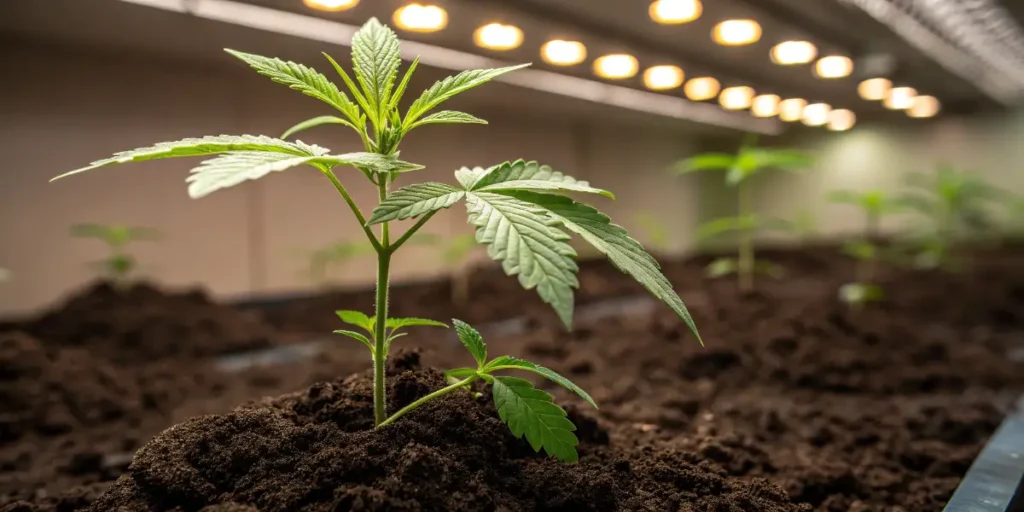
How to Germinate & Propagate Chemdog
Germinating seeds is a critical step in starting your Chemdog cultivation journey. To begin, place the seeds between moist paper towels inside a shallow container, ensuring they remain warm and dark. It typically takes 3 to 7 days for the seeds to sprout. Check daily to maintain optimal moisture, which is key for this strain to achieve successful growth.
Once the seeds have sprouted, transferring them to a growing medium is essential for proper cannabis development. Utilize a high-quality potting soil or a hydroponic system to accommodate the vigorous growth patterns of this variety. Remember to provide ample light, as it will encourage healthy root systems and lead to a robust plant that will eventually deliver substantial yields.
Propagation of this genetics ensures the preservation of desired traits like potent terpenes and high yields. Cloning is the preferred method for replicating the plant. Use healthy cuttings from a mature Chemdog plant, placing them in a humidity dome to encourage root development. With careful attention, these clones will mature into thriving plants.
Monitoring environmental conditions is crucial for the success of both germination and propagation stages. Maintaining a temperature between 70-80°F and humidity levels around 60% will create the ideal environment for your Chemdog plants. Once established, these conditions will promote vigorous growth and prepare the plants for a bountiful harvest in the future.
Vegetative Stage: Nurturing Your Plants
During the vegetative stage, it’s crucial for growers to provide optimal conditions for their Chemdog plants. This period is when the plant builds its structure, leading to a robust cannabis cultivar ready for a rewarding harvest. Ensure that the environment mimics the natural habitat as much as possible, focusing on temperature, light, and humidity to maximize growth.
Light plays a significant role in this phase. Chemdog plants benefit from 18 to 24 hours of light daily, promoting vigorous growth. High-intensity discharge lamps or LED lights are ideal for this strain. Ensuring consistent light exposure enables the plant to develop strong stems and healthy leaves, which are essential for supporting substantial buds during the flowering stage.
Nutrient management is another critical aspect of cultivating this variety. During the vegetative stage, nitrogen-rich fertilizers are key to promoting lush, green foliage. Keep a balanced nutrient schedule to avoid deficiencies while aiming to enhance the plant’s natural terpene profile. Regular monitoring of pH levels will further ensure that nutrients are effectively absorbed.
Pruning and training techniques, such as topping and low-stress training, can optimize the yield of this cultivar. By encouraging horizontal growth, these methods increase light penetration and airflow, setting the foundation for a plentiful harvest. Proper care during the vegetative stage will prepare your Chemdog plants for a successful flowering cycle and a vibrant cannabis garden.
Flowering This Strain: What to Expect
As Chemdog enters its flowering phase, growers can anticipate seeing dense and aromatic buds developing. This strain typically takes about 8-9 weeks to fully flower, making it relatively quick compared to others. The plant thrives under controlled conditions, ensuring optimal light and nutrients contribute to the development of rich cannabinoid and terpene profiles.
During cultivation, maintaining a balanced environment is crucial for maximizing yield. Utilizing appropriate lighting techniques can significantly enhance resin production in this variety. Growers should monitor humidity and temperature levels to prevent mold and mildew, which can jeopardize the quality of the buds and overall harvest potential.
This cultivar is known for its unique aroma, characterized by earthy and diesel notes. The impressive terpene profile is accompanied by a robust yield, making it a popular choice among cannabis enthusiasts. Ensuring adequate ventilation within the grow space will further improve the plant’s health during this stage and help in developing aromatic, sticky nugs.
Harvesting at the right time is essential to capture the full potency and flavor of the plant. For Chemdog, observing the trichome development can guide when to trim and cure the flowers. Experienced growers often aim for a milky-white to amber trichome ratio, which indicates peak ripeness. Proper post-harvest care will result in a rewarding experience with this well-regarded strain.
Fertilizers & Nutrient Schedule
For successful cultivation of Chemdog, tailoring a nutrient schedule to its specific needs is crucial. This strain thrives when provided with a balanced mix of macro and micronutrients throughout its growth stages. Early phases demand higher nitrogen levels to support robust vegetative growth, ensuring the plant develops a strong foundation for the upcoming flowering phase.
As this variety transitions into flowering, a shift in its nutrient requirements occurs. Reducing nitrogen while increasing phosphorus and potassium supports the production of potent buds. Growers must be mindful of this change to enhance the plant’s yield and terpene profile. Feeding the plant with high-quality fertilizers tailored to cannabis can significantly impact overall harvest quality.
Chemdog can be sensitive to nutrient imbalances, so monitoring and adjusting feedings are critical. Regular checks on pH levels and avoiding nutrient lockout are essential practices. Incorporating beneficial microorganisms into the soil can also promote healthier growth by helping this cultivar absorb nutrients more efficiently. Careful attention to these details helps maximize its genetic potential.
Tailoring the nutrient schedule to this variety’s unique needs ultimately leads to a successful harvest. By providing the right nutrients at each stage, growers can influence the potency and quality of the buds produced. With proper feeding strategies in place, Chemdog showcases its remarkable genetics and ensures an impressive yield that meets any cannabis enthusiast’s expectations.
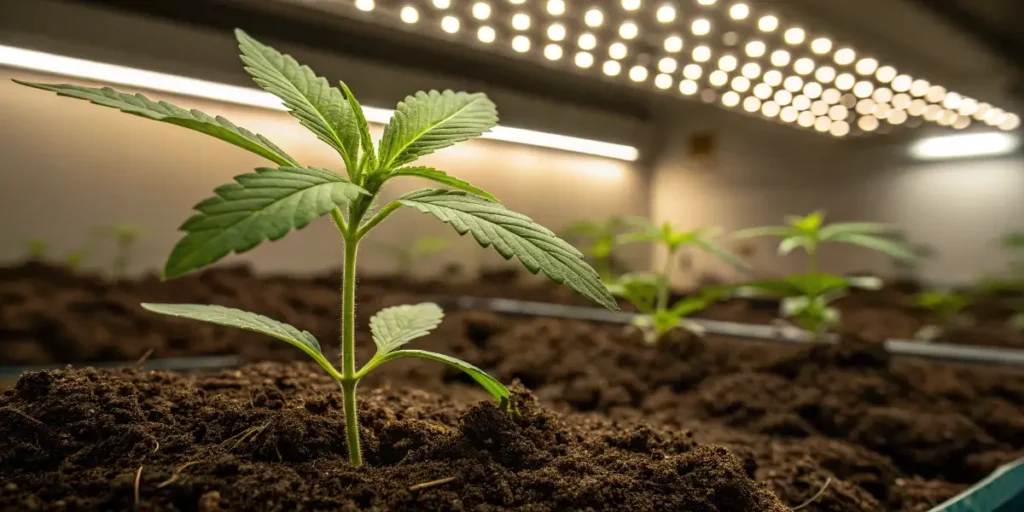
Pest and Disease Prevention for Healthy Cannabis Plants
Maintaining healthy cannabis plants, like Chemdog, requires a proactive approach in pest and disease management. Start by selecting disease-resistant seeds and ensuring the growing area is clean. Regular inspection of the plant’s leaves and buds will help detect early signs of infestation. Implementing these practices ensures this strain’s vitality throughout its cultivation cycle, leading to a successful harvest.
Utilize natural predators to combat common cannabis pests; ladybugs and parasitic wasps can be beneficial. Employing organic pesticides made from neem oil or insecticidal soaps also protects this variety without affecting its terpene profile. Rotating crops is another effective method, as it disrupts the life cycles of various pests. These steps can significantly boost the yield of this cultivar.
Effective disease management involves controlling moisture levels, preventing mold and fungal growth. Ensure proper airflow around the plant, especially in indoor setups, to minimize the risk of root rot and powdery mildew. Regular pruning of the foliage allows for better light penetration and air circulation. By following these guidelines, growers will safeguard their Chemdog plants, ensuring a high-quality harvest.
Harvesting & Drying This Strain the Right Way
Knowing the optimal time to harvest is crucial for any cannabis cultivation, and Chemdog is no exception. It’s important to monitor the trichomes on the buds closely, as they offer clear indicators of maturity. For this strain, a mix of cloudy and amber trichomes typically signifies readiness. Using a magnifying glass can help growers achieve precision, maximizing both flavor and potency.
Once it’s time to harvest, cutting the plant with care is essential to preserve the structure and quality of the buds. This variety benefits from being cut in the morning when its terpene levels are often at their peak. By handling the plant gently and using sharp tools, growers can ensure that they retain the potential yield and aromatic profile of the buds.
Drying this cultivar is a critical step in the cultivation process. To retain its characteristic flavors and potency, Chemdog should be dried in a dark, cool environment with good air circulation. Aim for a temperature around 60-70°F and humidity levels between 45-55%. These conditions help in preserving the delicate terpenes and ensuring a smooth, flavorful final product.
After the initial drying period, curing the buds is essential for enhancing both flavor and aroma. Place the dried buds in airtight jars, opening them daily for the first week to allow excess moisture to escape. This process allows further development of the terpenes, ensuring that Chemdog delivers a rich and enjoyable experience for any connoisseur.
Chemdog Strain Type: Indica, Sativa or Hybrid?
Chemdog is a renowned cannabis strain recognized for its balanced genetics, offering both Indica and Sativa characteristics. This plant is considered a hybrid, making it versatile for growers aiming to achieve a balanced cultivation experience. The hybrid nature of this cultivar allows for an intriguing mix of properties, attracting diverse preferences for both recreational and medicinal uses.
This strain is known for its robust buds and aromatic terpenes, which contribute to its high popularity among cultivators. With a blend that usually leans slightly towards the Sativa side, Chemdog offers a unique combination of euphoria and relaxation. Such attributes make it a favorable choice for growers targeting a broad spectrum of effects in their crops.
Due to its hybrid qualities, this variety can produce a substantial yield if cultivated properly. Enthusiasts and commercial growers alike appreciate the plant’s adaptability to various environments, whether indoor or outdoor. As harvest time approaches, the characteristic aroma and resin-rich buds signal the culmination of a successful growth cycle, catering to the needs of both small-batch and large-scale cultivation ambitions.
Why Grow Chemdog? Key Benefits for Cultivators
Chemodog has gained a reputation for its intense aroma and potency, making it a popular choice among cannabis growers. This strain is known for its high yield, providing a fruitful harvest for cultivators. The plant thrives in various environments, offering flexibility in cultivation techniques. It’s particularly cherished for the unique terpene profile that produces a distinct scent and flavor.
This variety stands out for its robustness and reliability during the growing process. Growers appreciate its resilience, making it suitable even for less experienced cultivators. The plant’s dense buds are a testament to its excellent genetics, ensuring a high-quality output. Furthermore, Chemdog tends to adapt well to both indoor and outdoor settings, broadening cultivation possibilities.
Many cultivators are drawn to this cultivar for its impressive return on investment. Its reputation for delivering potent buds is well-earned, fueling demand among consumers. This strain’s strong, invigorating aroma and intense effects are a direct result of its rich terpene content. Overall, Chemdog’s yields and quality make it an attractive option for those aiming to maximize both quantity and quality in their harvest.
Potential Challenges When Growing Chemdog
Chemdog is renowned for its potent effects and distinct terpene profile, but its cultivation comes with specific challenges. One of the primary issues growers face is the plant’s susceptibility to mold and mildew, particularly in humid environments. Ensuring proper airflow and maintaining moderate humidity levels are crucial to prevent these problems and ensure healthy buds during harvest.
Another challenge with this strain is its sensitivity to nutrients. It requires a balanced feeding schedule, as over-fertilization can negatively affect the yield and quality of the cannabis produced. Regular monitoring of soil conditions and precise nutrient management can help in maintaining optimal growth and maximizing the plant’s potential in terms of robust buds.
This variety is also known for its tall and bushy growth, which can be difficult to manage in limited spaces. Training techniques like topping and pruning are essential to keep the canopy even. By providing adequate light distribution, growers can improve Chemdog’s overall yield and potency. Knowing these cultivation nuances is integral for achieving success with this exceptional strain. these cultivation nuances is integral for achieving success with this exceptional strain.
Is This Variety Worth Buying? Here’s What You Need to Know
Chemdog is renowned among cannabis enthusiasts for its potent effects and distinct aromatic profile. This strain is often sought after by growers for its high yield potential and strong genetics. The plant’s buds are dense and coated with a sticky layer of trichomes, a testament to its rich terpene profile. If you’re targeting a robust harvest, this cultivar might meet your expectations.
For cultivation, this variety presents a moderate challenge, requiring attentive care to optimize growth. Its sensitivity to environmental changes necessitates a controlled setting, particularly indoors. However, experienced growers praise this genetics for its rewarding output when care guidelines are followed meticulously. The plant thrives in well-balanced soil with ample nutrients, ensuring flavorful and potent results.
Investing in this strain could be worthwhile for those prioritizing quality and unique cannabis experiences. The distinctive aromas and strong effects add to its allure, making it a staple in many enthusiasts’ collections. By considering its specific cultivation needs and potential yield, Chemdog proves to be a valuable addition for both personal use and commercial efforts.
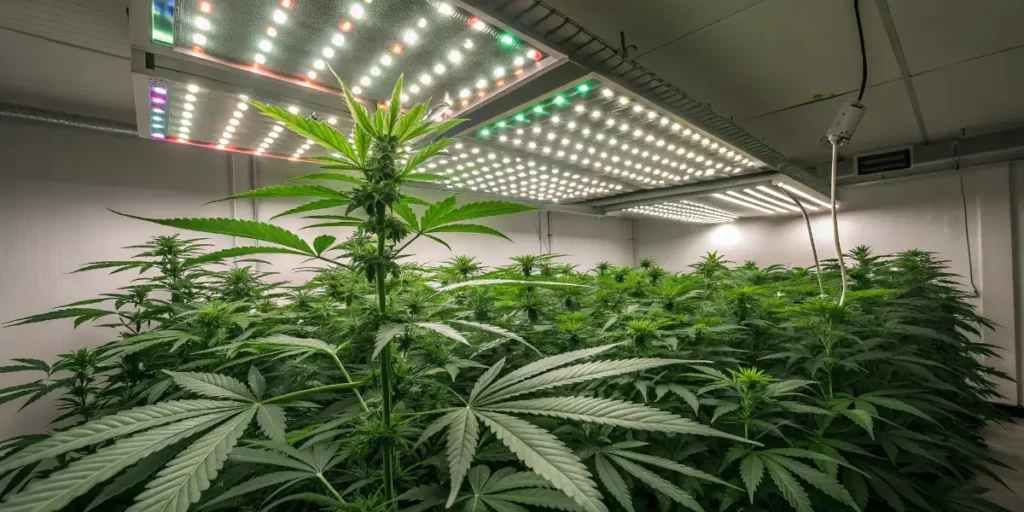
FAQs: Growing Chemdog
What is the ideal climate for growing Chemdog?
Chemdog thrives in a warm and sunny climate, ideally between 70-80°F (21-27°C). This strain prefers a consistent environment with minimal fluctuations in temperature and humidity. If growing indoors, ensure your setup can replicate these conditions. Outdoor cultivation can be successful in regions with prolonged warm summers. Stability in its growing environment directly influences the plant’s vitality and yield potential.
How long does Chemdog take to flower?
The flowering period for Chemdog typically lasts between 9 to 10 weeks. This cultivar requires patience as it matures, but the rewards in terms of bud quality are worthwhile. Monitoring light cycles, particularly for indoor setups, is crucial to ensure the plant transitions smoothly into its flowering phase. Outdoor growers can expect to harvest in late October, depending on the local climate.
What yield can be expected from Chemdog?
Chemdog is known for its substantial yield when conditions are optimal. For indoor growers, yields typically range from 500 to 700 grams per square meter. Outdoor cultivation can result in even higher yields, sometimes reaching up to 900 grams per plant. Paying close attention to nutrient requirements and maintaining plant health are essential for maximizing output with Chemdog.
What nutrient needs are specific to Chemdog?
Chemdog benefits from a balanced nutrient regimen, with particular attention to nitrogen, phosphorus, and potassium levels during its growth stages. This variety responds well to organic nutrients, which support its vigorous growth. It’s important to adjust feeding schedules based on the plant’s developmental phase, as overfeeding can lead to nutrient burn. Observing the plant for signs of deficiencies will help in making necessary adjustments.
What are common challenges when cultivating Chemdog?
One of the main challenges with growing Chemdog is its sensitivity to mold, particularly in humid conditions. Ensuring adequate airflow and managing humidity levels are critical. This cultivar can also be susceptible to pests like spider mites, making regular inspections essential. Utilizing techniques such as pruning can help mitigate these risks by promoting better airflow and light penetration across the plant.