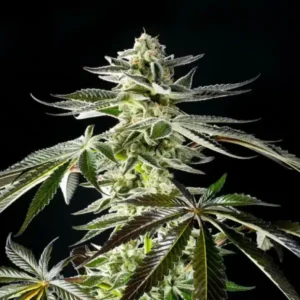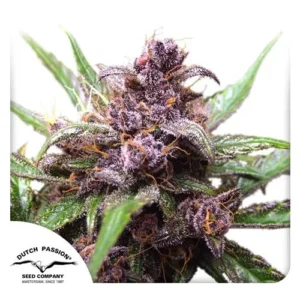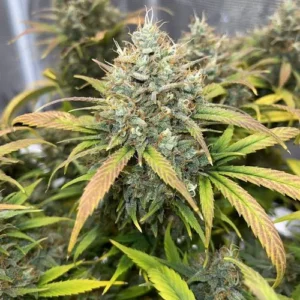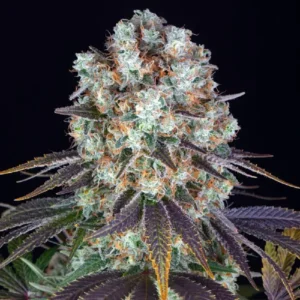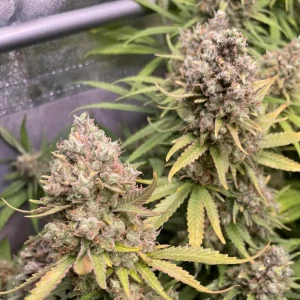
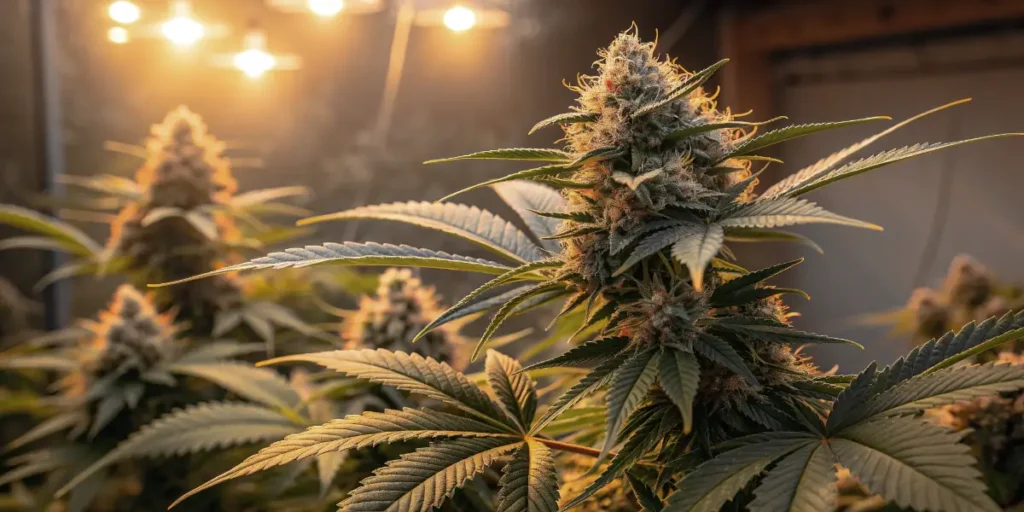

To begin your cultivation journey with Critical Kush, start by selecting high-quality seeds or clones to ensure robust growth. This strain thrives in both indoor and outdoor environments, making it versatile for all types of growers. Ensure that the soil is well-aerated and rich in nutrients, as this forms a critical foundation for healthy cannabis growth.
As your cannabis plants progress, focus on maintaining optimal temperature and humidity levels. During the vegetative stage, the plant requires temperatures between 70-85°F with a consistent light cycle of 18-24 hours. Gradually adjust conditions as the plant transitions to flowering, aiming to enhance the aromatic terpenes and maximize yield produced by this variety.
Recommended Strains
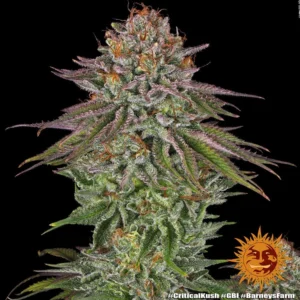
Critical Kush

|
THC | 26% - 27% (High) |

|
Lineage | Critical Mass x OG Kush |

|
Type | Feminized |

|
Height | 4.43 ft | 1.35 m |

|
Yield Outdoor | 35.27 oz/plant | 1000 g/plant |

|
Flowering Time | 7 - 8 weeks |

|
Phenotype | 90% Indica / 10% Sativa |

|
Effects | Creative, Calming, Relaxed |

|
Flavors | Earthy, Herbal, Fuel, Spicy |
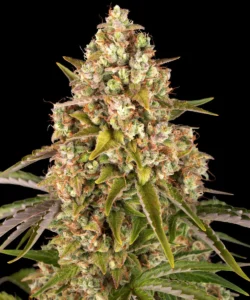
Critical Kush Auto
|
|
THC | 22% - 23% (Medium) |
|
|
Lineage | Critical Kush x BF Super Auto #1 |
|
|
Type | Autoflowering |
|
|
Height | 3.12 ft | 0.95 m |
|
|
Yield Outdoor | 6.35 - 8.82 oz/plant | 180 - 250 g/plant |
|
|
Life Cycle | 10 - 11 weeks |
|
|
Phenotype | 90% Indica / 10% Sativa |
|
|
Effects | Relaxed, Calming, Sleepy |
|
|
Flavors | Earthy, Fruity |
Timing your harvest is essential for optimal bud quality. Monitor the trichomes regularly when they turn a milky white with some amber hues, it’s an ideal time to harvest the buds. Proper drying and curing are crucial steps to preserve the terpenes and ensure potent, flavorful products. By following these steps, you can successfully cultivate this cultivar to its full potential.
Critical Kush Strain Overview: Traits, Effects & Genetics
Critical Kush is a powerhouse in the cannabis world, cherished for its robust genetics and significant benefits. This strain is a favorite among growers for its ease of cultivation and high yields. Its dense buds are rich in resin, making it an ideal candidate for various concentrate extractions. The plant thrives in both indoor and outdoor environments, offering flexibility for cultivation practices.
Known for its calming effects, this variety provides a potent relaxing experience that is perfect for evening use. It often leaves users with a feeling of deep sedation, making it an excellent choice for stress relief. The terpene profile contributes to its earthy aroma blended with subtle hints of pine and citrus, enhancing the overall smoking experience and appeal of this cultivar.
The genetics of this strain are noteworthy, as it is a cross between Critical Mass and OG Kush. This lineage provides the plant with its distinctive potency and significant medicinal properties. The combination results in a balanced indica hybrid that ensures both body and mind relaxation. Cultivators appreciate its resilience and consistent yield, making it a staple for many in the cannabis community.
Efforts in breeding Critical Kush have focused on optimizing its desirable traits, providing high THC content and a mellow CBD level. This variety typically flowers in about 8-10 weeks, producing a generous harvest. When grown under optimal conditions, it rewards cultivators with dense, trichome-laden buds that are both visually impressive and highly effective for recreational and medicinal users alike.
Optimal Environment to Grow Critical Kush Successfully
To cultivate this strain effectively, maintaining the right temperature and humidity is crucial. Ideally, temperatures should range between 70-80°F during the day and slightly cooler at night. This variety benefits from a humidity level of 40-50%, which discourages mold while supporting terpene production. Proper ventilation ensures consistent air circulation, vital for healthy growth and optimal terpene profiles.
Lighting plays a significant role in the successful cultivation of this genetics. Providing the plant with 18-24 hours of light during the vegetative stage and reducing it to 12 hours during flowering promotes robust bud development. Full-spectrum LED lights are highly recommended for this cultivar as they mimic natural sunlight, contributing significantly to a higher yield and potent harvest.
When it comes to soil, growers should opt for a well-draining medium rich in organic nutrients to support the vigorous growth of this variety. A balanced pH level between 6.0 and 6.5 ensures nutrient availability and prevents deficiencies that could hinder development. Implementing regular feeding schedules with appropriate fertilizers fosters lush, healthy foliage and enhances the overall quality of the buds.
Paying attention to the space in which you cultivate Critical Kush is essential to avoid overcrowding. This plant tends to grow bushy, so pruning lower leaves and branches can help improve airflow and light penetration. With the right care and conditions, growers can anticipate a bountiful harvest, reaping the benefits of this strain’s powerful effects and rich flavor profile.
Grow Room Setup for Critical Kush Plants
Setting up a suitable grow room is crucial for cultivating cannabis, and this strain is no exception. Start by ensuring the space is clean and well-ventilated to prevent mold and pests. Proper air circulation helps maintain optimal temperature and humidity levels, which are vital for this variety to thrive and produce healthy buds rich in terpenes.
Lighting is another essential factor for the successful cultivation of this cultivar. Provide strong but energy-efficient LED grow lights to mimic natural sunlight, allowing it to flourish throughout all growth stages. Adjust the light cycle to 18 hours on and 6 hours off during the vegetative phase, with a shift to 12/12 for optimal flowering.
Temperature and humidity must be monitored closely in your grow room to ensure the best yield. This variety prefers daytime temperatures of 70-85°F and nighttime drops to about 60-70°F. Maintain humidity levels around 40-50% during flowering, as this will reduce the risk of mold while ensuring the plant’s health.
Ensure your grow room is equipped with the right nutrients and soil for the plant’s needs. Critical Kush thrives in well-draining soil with a slightly acidic pH of 6.0-6.8. Feeding schedules should be tailored to the plant’s growth stage, and always make adjustments based on its specific reactions and nutrient absorption for the best harvest results.
Indoor Growing Tips for Critical Kush
When cultivating Critical Kush indoors, maintaining an optimal environment is key to thriving growth. Monitor temperature carefully, ensuring it stays between 70-80°F. Humidity should be controlled, starting at around 60% during early stages and gradually reducing to 40% during flowering. Employing reflective surfaces and efficient lighting will maximize light exposure, ultimately enhancing the plant’s yield potential.
This variety is known for its robust nature, making it a suitable choice for both novice and experienced growers. Regular pruning is essential to encourage airflow and manage height effectively. This helps prevent mold issues that can occur in compact spaces. Paying close attention to its nutrient requirements, particularly during the flowering stage, ensures that this cultivar delivers dense, aromatic buds.
Strategic feeding schedules can influence the terpenes and overall quality of the harvest. Implementing organic fertilizers can enhance flavors and aroma of the buds, making the harvest more desirable. Keeping a consistent light cycle, typically 18 hours on and 6 hours off during vegetation, then switching to 12/12 for flowering, will support optimal growth and resin production in the plant.
Outdoor Growing Tips for Critical Kush
When cultivating Critical Kush outdoors, selecting the right location is crucial. It thrives in a sunny environment with well-draining soil to support its robust growth. Growers should ensure ample natural light throughout the day while also considering protection from harsh winds or adverse weather conditions. Proper spacing between plants enhances air circulation, reducing the risk of mold and pests.
This variety benefits from regular pruning to encourage better airflow and maximize light exposure to the lower branches. Regular monitoring for pests is essential; employing organic pest control methods ensures the health of the plant. Additionally, feeding it with nutrient-rich fertilizers optimizes its terpene profile, contributing to aromatic and flavorful buds upon harvest.
As this cultivar approaches maturity, maintaining vigilance over its watering schedule is key, as overwatering can lead to root issues. An optimal watering routine supports the plant’s development and enhances its yield. Preparing for harvest by assessing the trichomes with a magnifying glass helps pinpoint the ideal time to reap the benefits of this genetics, ensuring a rich and potent final product.
How to Germinate & Propagate Critical Kush
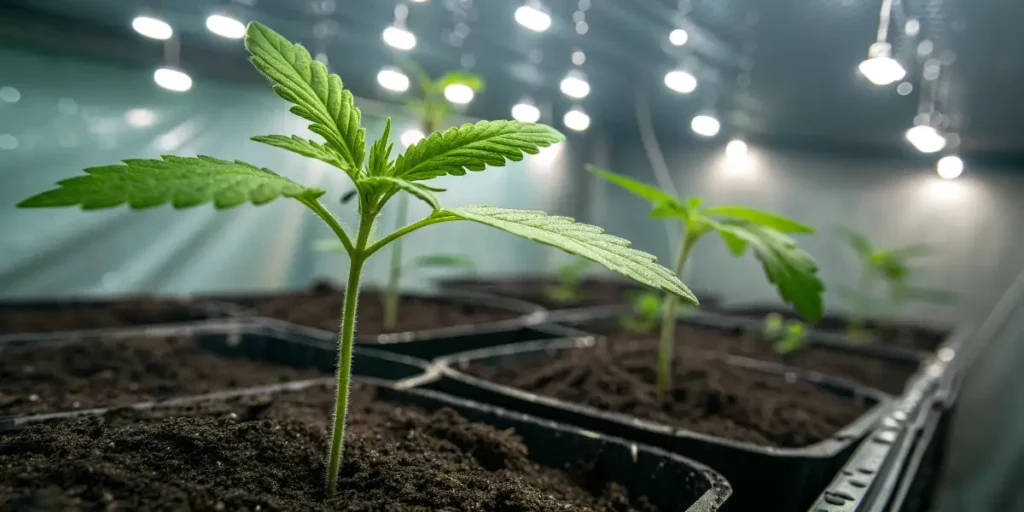
To successfully germinate this strain, start by selecting high-quality seeds. Place them in a damp paper towel and ensure they are kept warm and dark. Within a few days, you should see roots emerging. This initial step is crucial for cannabis cultivation, setting the foundation for healthy growth and eventual harvest.
Once the seeds of this variety have sprouted, gently transfer them into small pots filled with nutrient-rich soil. Keep the soil moist, but avoid overwatering as it can hinder the growth. Providing adequate light is key during this stage for the plant to develop strong roots and lush foliage, essential for future buds and yield.
As the plant matures, propagation becomes a viable option to expand your garden. Cut healthy branches from the mother plant, ensuring each cutting has at least one node. Use a rooting hormone to encourage root development. This technique allows growers to replicate the desirable traits of this cultivar, optimizing the potential yield and terpene profile.
Continual monitoring throughout the life cycle of Critical Kush, from germination to propagation, ensures successful cultivation. Each step must be meticulously executed to maintain the plant’s health and vigor. By following these guidelines, growers can expect an abundant harvest of this genetics, renowned for its aromatic buds and impressive yields.
Vegetative Stage: Nurturing Your Plants
The vegetative stage of cultivation is a crucial time for setting the foundation of your Critical Kush plants. During this period, focus on optimizing conditions to ensure healthy growth. Make sure the plant receives 18-24 hours of light each day to support vigorous development. Regularly check and adjust the pH levels of the soil or hydroponic solution for best results.
Providing the right nutrients is essential during the vegetative stage to maximize the potential of this strain. A balanced nutrient solution rich in nitrogen, phosphorus, and potassium will support robust growth and prepare the plant for the flowering stage. Monitor nutrient uptake and be vigilant for any signs of nutrient burn or deficiencies.
Training techniques like topping and low-stress training (LST) can be employed to encourage a bushier structure in this variety. These methods will help increase light penetration and improve bud sites, ultimately boosting yield during harvest. Stay attentive to the plant’s response to training and adjust practices as needed to ensure optimal growth.
Regular maintenance is key when growing this cultivar. Prune excess foliage to improve airflow and reduce the risk of mold development, which can hinder plant health. As the plant matures, notice the early development of terpenes, which hint at the enticing aromas the strain will produce. With proper care, you are well on your way to a successful harvest.
Flowering Critical Kush: What to Expect
When cultivating Critical Kush, growers can expect the flowering phase to last around 8-9 weeks. This strain is known for producing dense, compact buds that are rich in trichomes, which give them a frosty appearance. During this period, the plant will begin to exhibit its characteristic aroma, a robust earthy scent with hints of spice and lemon, signaling that harvest time is approaching.
Maintaining optimal conditions is crucial for achieving the best yield from this variety. Ensure that temperatures remain between 68-80°F, with relative humidity decreasing to around 40-50% during the flowering stage. Providing adequate nutrients helps the buds mature and develop their complex terpene profile, which is essential for enhancing both flavor and potency.
Monitoring the development of the buds is vital as they approach maturity. This cultivar typically requires careful attention to ensure the trichomes shift from clear to milky, indicating peak ripeness. Harvesting the plant at the right time maximizes the relaxing effects it offers, making it ideal for both recreational and medicinal use.
Overall, managing the flowering period of this genetics involves careful monitoring of environmental conditions and trichome maturity. By doing so, growers can ensure an abundant harvest of Critical Kush, with buds that deliver the desired balance of potency and flavor, making every effort in the cultivation process worthwhile.
Fertilizers & Nutrient Schedule
The feeding regime for Critical Kush is vital to unlocking the full potential of this cannabis variety. This strain thrives with a balanced mix of nutrients, especially during its vegetative and flowering stages. Growers should focus on providing a well-rounded nutrient solution, rich in nitrogen, potassium, and phosphorus, to ensure vigorous growth and robust buds.
During the vegetative phase, it is essential to supply the plant with adequate nitrogen to promote healthy foliage development. As flowering approaches, gradually decrease nitrogen and increase phosphorus and potassium to boost bud production and terpene profiles. This strategy enhances the overall yield and potency of the harvest, ensuring a rich and flavorful experience.
Many cultivators prefer using organic fertilizers, as they release nutrients slowly and improve soil health. Compost teas, worm castings, and bone meal are popular choices among organic growers. These natural amendments can enhance the resilience of this cultivar and contribute to a cleaner, more aromatic final product, while reducing the risk of nutrient burn often associated with synthetic alternatives.
Monitoring the pH levels of the soil or hydroponic system is crucial in this genetics’ feeding schedule. Aim for a pH range of 6.0 to 6.8 in soil and 5.5 to 6.5 in hydroponic setups to optimize nutrient uptake. Regular testing and adjustments help prevent nutrient lockout, ensuring this variety receives everything it needs for a successful and bountiful harvest.
Pest and Disease Prevention for Healthy Cannabis Plants
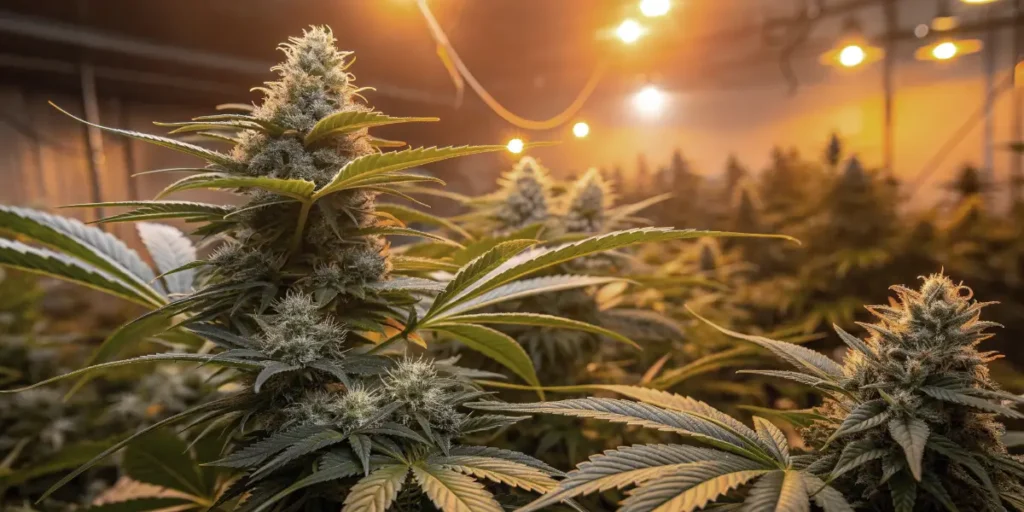
Preventing pests and diseases is crucial for cultivating robust cannabis plants. For this strain, ensure a clean and sanitized growing environment. Regularly inspect the plant for signs of infestation, such as discoloration or wilting. Employing beneficial insects and organic pesticides can safeguard this variety from common threats, ensuring that your cultivation process results in a successful yield.
This cultivar, known for its high yield and rich terpenes, requires vigilant care. Implementing integrated pest management (IPM) strategies, like crop rotation and companion planting, can enhance its resilience. Growers should also consider maintaining optimal humidity levels and promoting airflow around the buds. Such preventative measures are imperative for keeping it healthy and productive throughout its life cycle.
Cultivating Critical Kush involves routine maintenance. Trimming excess foliage helps increase light penetration and airflow, reducing the risk of mold and mildew. Consistent monitoring and appropriate interventions will ensure that the plant remains vigorous. By adopting these practices, growers can look forward to a bountiful harvest with minimal pest and disease interference.
Harvesting & Drying
Properly harvesting this strain is crucial for maximizing its yield and preserving its rich terpenes. It’s essential to monitor the plant’s trichomes with a magnifying glass. Look for a milky, cloudy appearance to indicate the right time to harvest. By doing so, you’ll ensure that the buds have reached peak potency and flavor, providing a premium cultivation experience.
When it’s time to harvest, carefully cut the branches to minimize damage to the buds. This variety benefits from being handled gently to preserve its delicate structure. Ensure you have a clean, organized workspace to maintain efficiency and reduce contamination risks. Remember, the way you handle the plant during this phase can significantly impact the final product quality.
Drying is the next step after harvesting, and it’s essential to achieve an even, slow drying process for this cultivar. Hang the branches upside down in a well-ventilated, dark room with a humidity level of around 45-55%. This process typically takes 7-10 days, allowing the buds to cure properly while maintaining their unique terpene profile and potency.
The final phase involves curing, which enhances the flavor and smoothness of Critical Kush. Place the dried buds in airtight jars and store them in a cool, dark place. Open the jars daily for the first week to allow excess moisture to escape, ensuring the desired aroma and effects are achieved. This careful approach rewards growers with premium-quality cannabis.
Critical Kush Strain Type: Indica, Sativa or Hybrid?
Critical Kush is a predominantly indica strain, known for its relaxing effects and healing properties. This cultivar, popular among growers, is cherished for its dense buds and high resin production. It is often chosen by cultivators seeking a reliable cannabis strain with strong sedative effects, making it ideal for nighttime use and relief from stress or insomnia.
This strain carries the hallmark characteristics of indica genetics, including broad leaves and a generally shorter stature. The plant is typically bushier, which allows it to thrive in diverse cultivation conditions. With its impressive yield and rich terpene profile, this variety appeals to both commercial producers and home growers who aim to achieve a bountiful harvest.
As an indica-dominant variety, this cultivar is also associated with a more manageable flowering period. Growers appreciate its resilience and robustness, which contribute to a reliable harvest cycle. It’s well-suited for indoor environments, although it can also perform well outdoors, making it versatile for both seasoned growers and novices looking to optimize their cannabis yield.
Why Grow this Strain? Key Benefits for Cultivators
One of the primary reasons growers favor this strain is its remarkable resilience during cultivation. Known for its hearty growth, this variety thrives in both indoor and outdoor environments. The plant’s robust nature allows it to resist common pests and molds, making it an excellent choice for both novice and experienced growers seeking a reliable cannabis crop.
This cultivar is also celebrated for its high yield potential. With the right care, growers can expect an abundant harvest of dense buds, rich with terpenes that exude a luxurious aroma. The impressive yield of this variety coupled with its manageable size makes it particularly appealing for those with limited space who still want a productive harvest.
Critical Kush further distinguishes itself with its potent effects, making it a sought-after option not only for recreational enjoyment but also for therapeutic use. The plant’s unique genetic composition results in a relaxing yet uplifting experience. For cultivators, this means producing a product that consistently meets consumer demand, ensuring a rewarding market presence.
Potential Challenges When Growing Critical Kush
Cultivating this variety can present certain challenges, especially for novice growers. One issue is its sensitivity to humidity, which can lead to mold problems during the flowering stage. Ensuring proper ventilation and maintaining optimal humidity levels are crucial to prevent these issues. This strain prefers a controlled indoor environment, where conditions can be consistently monitored and adjusted accordingly.
Another challenge with this cultivar is its nutrient requirements. It tends to be a heavy feeder, demanding a balanced supply of nutrients for optimal growth. Over-fertilization can cause nutrient burn, negatively impacting yield and the quality of buds. Growers should carefully manage their feeding schedule, adjusting based on the plant’s response, particularly during the flowering phase.
Though this genetics is known for its resilience, it still requires attention to detail to achieve a successful harvest. Monitoring for pests is essential, as they can harm the development and reduce production. Routine inspections can help in identifying any potential infestations early. With careful management, Critical Kush can reward growers with a rich yield and potent, aromatic terpenes.
Is this Variety Worth Buying? Here’s What You Need to Know
Critical Kush offers a compelling proposition for cannabis enthusiasts, particularly those interested in cultivation. Known for its robust growth and resilience, this strain is favored for its high yield potential. Growers appreciate the plant’s ability to thrive in various environments, making it an excellent choice for both indoor and outdoor cultivation. With its ease of growth, this variety appeals to both novice and experienced growers.
The buds of this cultivar are dense and resinous, marked by a rich, earthy aroma. It’s not just the appearance that draws attention; its terpene profile boasts a complex blend of flavors, enhancing the overall experience. As a result, the plant is highly regarded by connoisseurs seeking top-quality outcomes. Harvest time is rewarding, offering substantial yields that rarely disappoint.
Those debating whether to invest in this genetics can count on its proven reliability and impressive results. The plant’s balanced effects and aromatic bouquet make it a staple in many collections. Critical Kush stands out as a worthwhile purchase for anyone aiming to experience superior cannabis cultivation and enjoy the fruits of their labor.
FAQs: Growing Critical Kush
How difficult is it to grow Critical Kush for beginners?
Critical Kush is considered moderately challenging, better suited for growers with some experience. This genetics requires consistent attention to environmental factors like humidity and temperature. It responds well to training techniques such as LST and topping, but these methods need knowledge to be executed properly. With proper care and monitoring, intermediate growers can expect excellent results and generous yields from this strain.
What are the expected yield and flowering time for Critical Kush?
This strain rewards cultivators with high yields, averaging 500-600 grams per square meter indoors. It has a relatively short flowering period of 8-9 weeks. Outdoor growers can expect to harvest Critical Kush by late September. For the best results, providing optimal lighting conditions and a consistent feeding schedule is crucial to maximize yields with this variety.
What is the ideal climate for growing Critical Kush outdoors?
Critical Kush thrives in a Mediterranean-like climate, preferring warm, sunny environments. This variety requires ample sunlight and moderate humidity levels to flourish. Outdoor growers in regions with cooler autumns may consider greenhouses to extend the growing season. Critical Kush can withstand slight temperature variances but performs best when environmental conditions are consistently monitored and adjusted to meet its needs.
What are the common nutrient requirements for Critical Kush?
This cultivar requires a balanced nutrient regimen to thrive. During the vegetative stage, it benefits from higher nitrogen levels. As Critical Kush enters flowering, a phosphorus and potassium-rich diet supports bud development. It is vital to ensure a proper pH level of 6.0-7.0 in soil to facilitate nutrient absorption. Using organic fertilizers can enhance the plant’s flavor and potency, ensuring robust health throughout its lifecycle.
How can I prevent common problems like mold and pests with Critical Kush?
To combat mold, maintain proper ventilation and control humidity levels below 50% in the flowering phase. For pests, regular inspections can help you identify issues early. Using organic pesticides and beneficial insects like ladybugs can aid in protecting the plant. Critical Kush requires meticulous monitoring to ensure both environmental stresses and pest-related threats are minimized for optimal growth and yield.