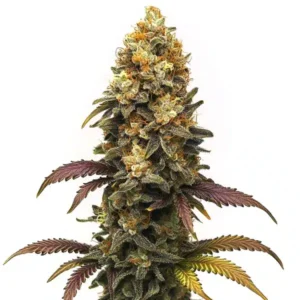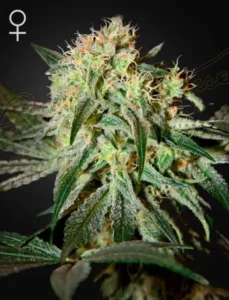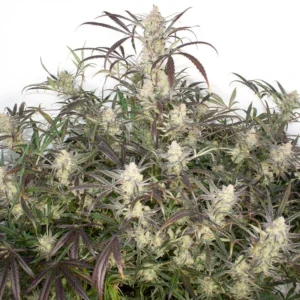
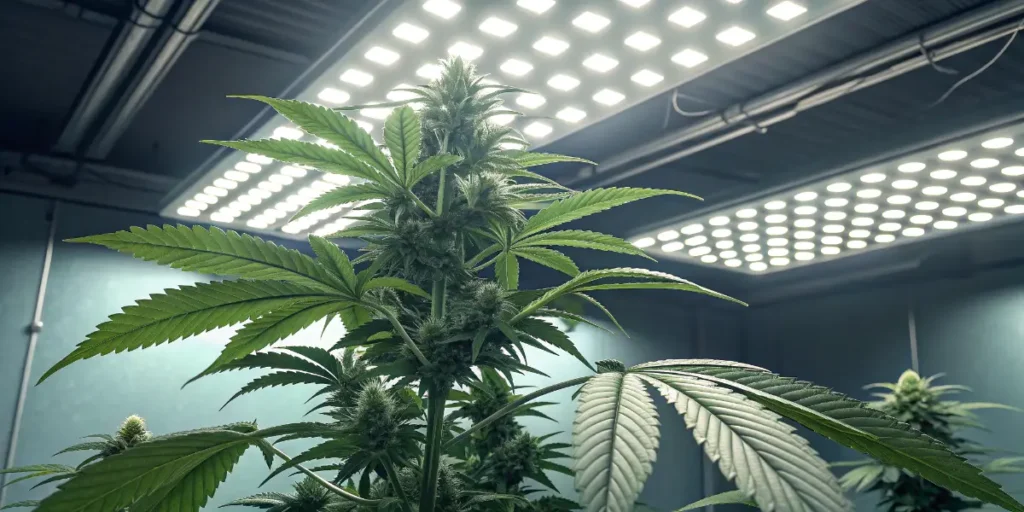

Growing Diesel begins with selecting quality seeds or clones, ensuring a strong start for its unique terpene profile. As with many cannabis varieties, proper germination is crucial. Place seeds in a warm, dark environment; once sprouted, transfer to a nutrient-rich medium. Adequate spacing allows the plant to thrive, maximizing light exposure essential for robust growth.
Providing optimal conditions is key for this strain. Maintain a temperature range between 70-85°F (21-29°C) and ensure humidity levels are appropriate, reducing gradually from 70% during the vegetative stage to 50% in flowering. Regular pruning enhances air circulation, crucial for preventing mold. Diesel responds well to controlled nutrient feeding, supporting vigorous development and increased bud production.
Recommended Strains
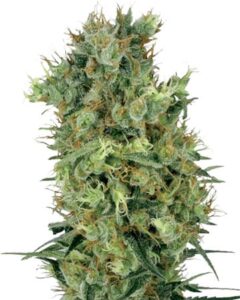
Diesel Fem

|
THC | 20% - 21% (Medium) |

|
Lineage | Sour Diesel x Afghani |

|
Type | Feminized |

|
Height | 5.74 ft | 1.75 m |

|
Yield | High |

|
Yield Indoor | 1.47 - 1.8 oz/ft² | 450 - 550 g/m² |

|
Yield Outdoor | 17.64 - 21.16 oz/plant | 500 - 600 g/plant |

|
Flowering Time | 9 - 10 weeks |

|
Phenotype | 30% Indica / 70% Sativa |

|
Effects | Creative, Energetic, Euphoric |

|
Flavors | Diesel, Pungent, Sweet |

Diesel Auto
|
|
THC | 14% - 15% (Low) |
|
|
Lineage | Diesel x Ruderalis |
|
|
Type | Autoflowering |
|
|
Height | 3.28 ft | 1 m |
|
|
Yield | Low |
|
|
Yield Indoor | 1.07 - 1.23 oz/ft² | 325 - 375 g/m² |
|
|
Yield Outdoor | 2.12 - 3.88 oz/plant | 60 - 110 g/plant |
|
|
Life Cycle | 13 - 14 weeks |
|
|
Phenotype | 30% Indica / 40% Sativa / 30% Ruderalis |
|
|
Effects | Calming, Focused, Balanced |
|
|
Flavors | Citrus, Diesel, Fruity |
In the flowering stage, minimize disturbances as the plant focuses on bud maturity. This period lasts approximately 8-10 weeks; by harvest, expect dense buds resonating with the classic Diesel aroma. Timely harvesting maximizes yield and potency, crucial for growers aiming for quality. Proper drying and curing techniques preserve the rich terpene profile, offering a rewarding experience for both cultivation and consumption.
Diesel Strain Overview: Traits, Effects & Genetics
Diesel is a renowned cannabis cultivar prized for its pungent aroma and energizing effects. Known for its distinctive scent reminiscent of fuel, this strain quickly became a favorite among both recreational users and medicinal patients. Its unique terpene profile not only contributes to its signature smell but also enhances its overall experience. Growers often gravitate towards this variety due to its robust growth and high-quality harvests.
The genetics of this plant are a harmonious blend of sativa and indica, resulting in a balanced strain that offers the best of both worlds. Cultivation of this cultivar is relatively straightforward, making it suitable for both novice and experienced growers. This plant’s resilience to common pests and molds allows it to flourish in various environments, enhancing its appeal among cultivators seeking a reliable yield.
This variety is celebrated for its uplifting and cerebral effects, often sparking creativity and focus. Consumers report feeling invigorated and inspired, making it an excellent choice for social gatherings or artistic endeavors. The physical relaxation accompanying its invigorating mental effects ensures a well-rounded experience that doesn’t overly sedate, striking a perfect balance for regular users.
Optimizing growth conditions can significantly boost the yield of this genetics. Attention to light, temperature, and humidity will maximize the potential of its aromatic buds. Proper harvesting and curing techniques further enhance the terpene profiles, ensuring that this cultivar delivers its full spectrum of effects. Overall, this strain remains a compelling choice for those seeking an energizing yet balanced cannabis experience.
Optimal Environment to Grow Diesel Successfully
Growing this strain requires a well-controlled environment to produce quality buds. This variety thrives in mild climates with temperatures ranging from 70 to 85°F. Keeping humidity levels between 40-50% during the flowering stage helps prevent mold. Adequate ventilation and airflow ensure that the plant receives sufficient CO2 for optimal growth.
Lighting is crucial for the successful cultivation of this cultivar. Diesel benefits from high-intensity lighting to maximize photosynthesis and improve yields. Consider implementing a lighting schedule of 18 hours on and 6 hours off during the vegetative stage, transitioning to 12 hours on and 12 hours off during flowering, to mimic natural sunlight patterns.
Nutrient management plays a significant role in the development of robust plants. This genetics requires a balanced blend of nitrogen, phosphorus, and potassium, alongside essential micronutrients. Be mindful of the pH levels in the soil or hydroponic system, as this variety prefers a pH range of 6.0-7.0 for optimal nutrient uptake.
Terpenes give this plant its distinctive aroma, which can be enhanced through proper environmental controls. Maintain stable temperature and humidity levels in the growing area, and ensure that the space is free from stressors that could impact the plant’s health. With diligent care, it promises a fruitful harvest for dedicated growers.
Grow Room Setup for Diesel Plants
Setting up an ideal grow room for this strain involves controlling several environmental factors. The temperature should remain between 70-85°F to ensure optimal growth. Humidity levels are crucial, with 40-60% being ideal during the vegetative stage to prevent mold and mildew. Proper ventilation ensures the air circulation the plant needs while maintaining these vital parameters.
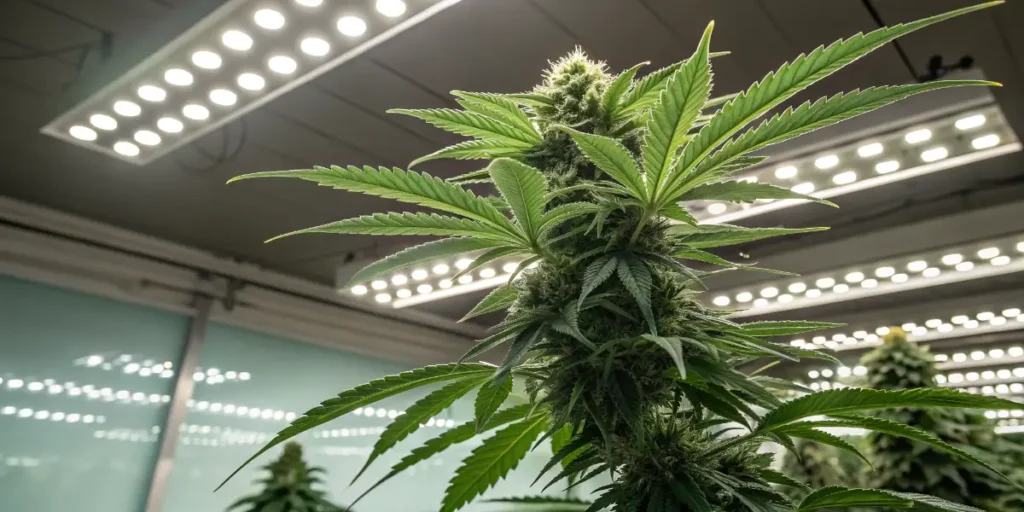
This cultivar thrives under high-intensity lighting setups. High-Intensity Discharge (HID) lamps or LED lights are recommended, offering the full spectrum needed for photosynthesis. It’s essential to provide 18-24 hours of light during the vegetative phase to promote robust growth and prepare the plant for the flowering phase, which is crucial for maximizing the yield.
Diesel cultivators should focus on an efficient nutrient delivery system. Using hydroponics or quality soil enriched with organic fertilizers enhances growth. Nitrogen-rich formulas are beneficial during the vegetative stage, while phosphorus-rich solutions support bud development in the flowering stage. Adjust nutrient levels as per the specific needs of the plant throughout the cultivation cycle.
The positioning of the plants within the grow room affects the overall success of the harvest. Arrange this variety to allow ample spacing, as overcrowding can lead to poor air circulation and light penetration. Regularly prune and train the plant using techniques like topping or LST (Low-Stress Training) to encourage more bud sites and improve the overall quality of the harvest.
Indoor Growing Tips for Diesel
When cultivating Diesel indoors, focus on maintaining the optimal environment for healthy growth. Ensure that temperature ranges between 70-85°F and relative humidity stays around 40-50%. Proper ventilation is crucial to keep air circulation constant, preventing mold and mildew on the buds. These conditions will support robust health and maximize the quality of this variety’s aromatic terpenes.
Lighting plays a significant role in the successful cultivation of this cultivar. Utilize full-spectrum LED lights to mimic natural sunlight, ensuring the plant receives at least 18 hours during its vegetative stage. Transition to a 12-hour light cycle as it enters the flowering phase to stimulate bud development, enhancing the overall yield and potency of your harvest.
Regularly feeding and monitoring the nutrient levels is essential for optimizing the growth of this variety. Opt for cannabis-specific fertilizers and be attentive to the plant’s response, adjusting nutrient levels accordingly. Watch for signs of nutrient deficiencies or excess, such as yellowing leaves, and adjust feeding schedules to maintain the plant’s vitality and maximize yield potential.
Outdoor Growing Tips for Diesel
For successful cultivation of Diesel outdoors, selecting a location with abundant sunlight and good air circulation is key. This variety thrives in warm climates, so regions with long, sunny days are ideal. Ensuring the soil is rich in nutrients will aid in developing robust buds, while maintaining a pH level between 6 and 7 optimizes nutrient absorption for the plant.
Growers should regularly monitor water levels, as this cultivar prefers a consistent watering schedule that keeps the soil moist without becoming waterlogged. Mulch can help retain moisture during hot spells while protecting the roots. Additionally, implementing companion planting with pest-repellent herbs can enhance yield and deter unwanted insects, contributing to healthier terpenes profiles and a successful harvest.
As it matures, providing support for its branches can prevent damage to the plant and ensure optimal growth. Regular pruning will encourage better air circulation, reducing the risk of mold, which can compromise the quality of this genetics. By maintaining vigilance throughout the growing season, growers can enjoy a bountiful yield with potent, aromatic buds when harvest time arrives.
How to Germinate & Propagate Diesel
When embarking on the cultivation of this strain, knowing the germination process is crucial for achieving robust growth. Start by soaking the seeds in water for 12-24 hours to help them sprout. Following this, place them between damp paper towels, ensuring they remain moist. This environment mimics natural conditions, encouraging the plant to begin its life cycle.
Once roots appear, it’s time to transfer the seeds to soil or a suitable growing medium. For optimal cannabis growth, consider using a high-quality soil mix that retains moisture while offering adequate drainage. Keep the soil warm, around 70-75°F, to promote healthy root development. This care ensures that the plant grows with a sturdy foundation, leading to a fruitful harvest of potent buds.
Propagation of this cultivar can be achieved through cloning, providing a consistent way to reproduce Diesel’s genetics. Select a healthy, mature plant and cut a stem with several nodes below the surface. Place the cutting in a rooting solution before planting it in a moist medium. With proper care, these clones will mirror the parent plant’s yield and terpene profile.
Ensuring a successful propagation process requires attention to environmental conditions. Monitor humidity levels, keeping them around 70-80% during initial stages, decreasing as the clones establish roots. Providing adequate light while reducing stress is vital for this variety to thrive. By maintaining these conditions, growers can anticipate a bountiful harvest that showcases Diesel’s celebrated characteristics.
Vegetative Stage: Nurturing Your Plants
During the vegetative stage, this strain requires careful attention to ensure robust growth and a healthy yield. Adequate light is crucial at this time, with most cultivators recommending 18 to 24 hours of light. High-quality soil rich in nutrients supports the plant’s growth, laying the groundwork for a bountiful harvest.
The plant benefits from a consistent watering schedule, keeping the soil moist but not waterlogged. Implementing a reliable feeding regime with nitrogen-rich nutrients helps this variety develop strong stems and lush foliage. Efficient air circulation also promotes healthy growth by preventing mold and pests, which can impact the future buds’ quality.
Pruning lower branches and leaves of this cultivar helps concentrate energy on top foliage, bolstering its future yield and potency. Encourage branching by topping the plant, which can improve light penetration and airflow. As it thrives, regular monitoring after adjustments will guide you toward optimal care specific to this genetic profile.
To maximize the development of its signature terpenes, many growers focus on maintaining optimal environmental conditions. Keeping a stable temperature and humidity level can enhance the intrinsic qualities of Diesel. By fine-tuning these elements, cultivators can ensure that the plant reaches its full potential, setting the stage for a successful flowering phase.
Flowering Diesel: What to Expect
As the flowering stage begins for this strain, growers can anticipate a vivid transformation. Known for its robust growth characteristics, this variety typically flourishes within eight to ten weeks. During this period, the plant matures and develops dense, resinous buds, promising a generous yield for cultivators. It’s crucial to maintain optimal environmental conditions to support its vigorous bloom.
This cultivar stands out due to its pronounced aroma and terpene profile, which become more distinct as it enters this stage. An assortment of aromatic notes will intensify, filling your cultivation space with hints of citrus and fuel. This characteristic scent is a trademark of the Diesel family, contributing to its widespread acclaim within the cannabis community. Adequate airflow and humidity control ensure the best aromatic results.
Throughout flowering, consistently checking trichome development will provide valuable insights. The plant exhibits various changes in its trichomes, indicating peak harvest time. For this genetics, the ideal moment to harvest is when trichomes appear milky with a hint of amber. These visual cues are pivotal to maximizing potency and ensuring a balanced, potent harvest.
As harvest time approaches, one should prepare for meticulous care in the drying and curing phases. This phase is crucial in preserving the quality and terpene richness of the buds. By giving attention to these final stages, growers can achieve a superior end product. Ultimately, the meticulous nurturing of Diesel in its flowering phase pays off in both flavor profile and yield.
Fertilizers & Nutrient Schedule
When cultivating this strain, a well-organized nutrient schedule is crucial to ensure optimal growth and robust yields. This variety thrives on a balanced mix of macronutrients like nitrogen, phosphorus, and potassium. During its vegetative stage, high nitrogen levels are essential to support the plant’s vigorous growth and development. Adjusting nutrients according to growth stages is key to maximizing potential.
In the flowering phase, the plant requires increased phosphorus and potassium levels to foster healthy bud formation and enhance terpene production. Growers should consider using organic fertilizers, which can deliver sustained nutrient release and help build a rich soil ecosystem. This approach also enhances the cannabis strain’s natural terpene profile, resulting in a more aromatic and flavorful harvest.
This cultivar benefits from a steady supply of micronutrients, such as calcium, magnesium, and sulfur, which play vital roles in its overall health and potency. Regularly monitoring and adjusting pH levels in the growing medium is also pivotal to ensure the plant efficiently absorbs nutrients. These adjustments can lead to a more bountiful and high-quality yield when it comes time to harvest.
For growers aiming to cultivate Diesel, setting up a strategic feeding regimen tailored to its specific needs is essential. This includes gradually increasing the nutrient dosage as the plant progresses through its growth stages. The use of high-quality fertilizers and regular monitoring will significantly contribute to the excellence of the final buds, producing a renowned and rewarding cannabis experience.
Pest and Disease Prevention for Healthy Cannabis Plants
Ensuring that Diesel thrives requires diligence in pest and disease prevention. Regular inspections of foliage for any signs of infestation or disease are crucial. Growers should employ organic pesticides and natural predators like ladybugs to manage pests effectively. Maintaining a clean cultivation environment helps prevent mold and mildew, ensuring that this strain reaches its maximum yield potential.
Effective water management is crucial for this cultivar. Overwatering can lead to root rot, while poor drainage can encourage mold and mildew outbreaks. Implementing a consistent watering schedule adapted to the specific needs of this genetics will promote healthy growth. Good airflow and appropriate humidity levels are essential to protect the plant from fungal diseases and ensure robust buds.
For optimal pest management, introducing beneficial insects that prey on common pests can be advantageous. Regularly alternating pest control methods decreases the likelihood of resistance development. Moreover, rotating Diesel with other cannabis strains can disrupt pest cycles and prevent them from becoming pervasive. Strategic and mindful care ensures the plant remains vigorous and yields an abundant, aromatic harvest rich in terpenes.
Harvesting & Drying
For cannabis growers looking to maximize the quality and potency of their harvest, timing is crucial. The optimal period for harvesting this strain begins when 70-90% of the pistils have darkened and curled. Observing the trichomes with a magnifying glass is also recommended; they should appear milky with a hint of amber to ensure the best cannabinoid and terpenes profile.
Once you have determined the perfect moment to harvest this cultivar, carefully cut the branches and trim away any excess leaves. This task is best performed in the morning when the plant’s moisture content is higher, making buds easier to trim. The goal is to focus on maintaining the integrity of the buds, which is essential for the curing process.
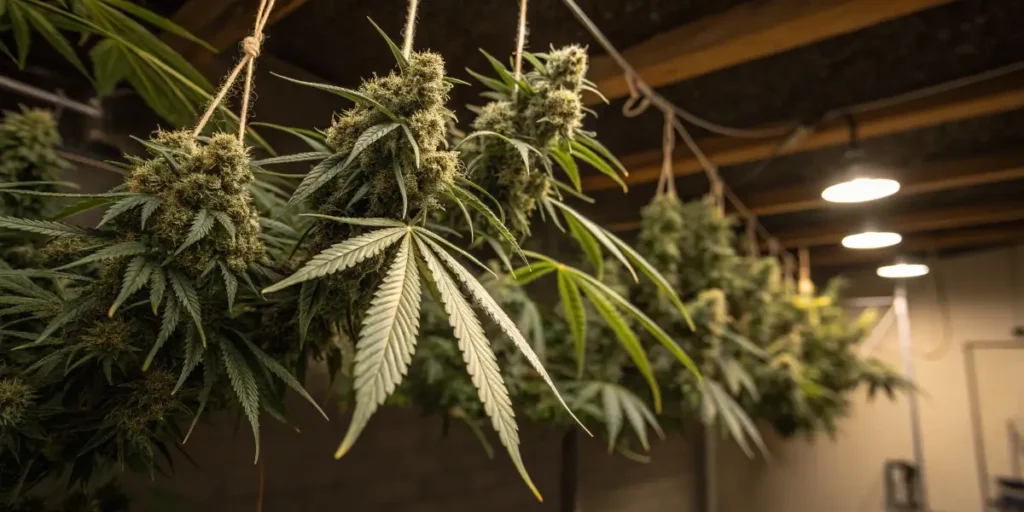
After trimming, drying plays a vital role in preserving the essence of this variety. Hang the buds upside down in a dark, well-ventilated space with temperatures ranging from 60-70°F and humidity levels between 45-55%. These conditions help prevent mold and ensure a slow and even drying process, ultimately enhancing the richness of the plant’s terpenes and resins.
To finalize the process, curing should follow drying. Place the dried buds into airtight jars, opening them daily to release moisture and monitor for any signs of mold. This phase should last two to four weeks, during which the characteristics of Diesel truly develop. This methodical approach guarantees a superior yield, satisfying the most discerning cannabis enthusiasts.
Diesel Strain Type: Indica, Sativa or Hybrid?
Diesel is a renowned cannabis strain celebrated for its unique qualities. This cultivar is primarily a hybrid, combining elements of both Indica and Sativa genetics. This balanced mixture allows the plant to offer growers the chance to enjoy robust growth with a moderate flowering time. The buds of this variety typically reflect a harmonious blend of its genetic lineage, providing diverse cultivation benefits.
For agriculturalists interested in maximizing yield, knowing the hybrid nature of this strain is essential. Sativa elements in the genetics confer height and vigor, while Indica influences contribute to denser, resinous buds. This diverse profile allows the plant to adapt to varying environments and offers flexibility in harvest timing, making it a favorable choice for both indoor and outdoor cultivation.
The terpene profile of this variety further distinguishes it in the cannabis community. With a strong aromatic presence, growers can expect a signature scent that often hints at its mixed origins. Such a profile not only boosts appeal but can also impact the overall yield, encouraging cultivators to experiment with various approaches to enhance the plant’s distinct qualities for optimal results.
Why Grow this Strain? Key Benefits for Cultivators
Growing this strain offers several compelling benefits for cannabis cultivators. Known for its vigorous growth and resilience, it adapts well to various environments, making it a versatile choice for both indoor and outdoor setups. The plant’s hardy nature also means growers can expect fewer issues with pests and mold, ensuring a smoother cultivation process overall.
This cultivar is particularly prized for its high yield potential. Cultivators can anticipate bountiful harvests of dense, resinous buds, which is a significant advantage for those looking to maximize production. Additionally, the unique terpene profile of this variety not only adds to its appeal but also enhances its value in the market, making it a profitable choice for growers.
One of the standout features of Diesel is its distinctive aroma and flavor, which are often described as pungent with hints of citrus and earthy undertones. This characteristic makes it highly sought after by consumers, providing an excellent opportunity for growers to cater to a broad audience. Combined with the plant’s robust yields, cultivating it can be a rewarding endeavor for those in the cannabis industry.
Potential Challenges When Growing Diesel
One prevalent challenge for cultivators of this strain is its sensitivity to environmental stressors. Diesel typically demands a stable climate, ensuring optimal conditions for growth. Any significant fluctuation in temperature or humidity can hinder the plant’s development, potentially impacting both yield and quality. Therefore, aspiring growers must closely monitor and regulate the growing environment to ensure healthy cannabis cultivation.
Another issue can arise with pests and mold, which are common obstacles in cannabis cultivation. This genetics is susceptible to these threats if not meticulously cared for. Regularly inspecting the plant and maintaining cleanliness in the growing area can mitigate infestations. Natural pest repellents and proper ventilation are effective strategies to protect this variety and secure a successful harvest.
Finally, nutrient balance is crucial when nurturing this cultivar. Diesel is known for its vigorous growth, requiring precise nutrient management to produce rich buds laden with terpenes. Over-fertilization can lead to nutrient burn, while deficiencies may stunt its growth. Employing a balanced nutrient schedule tailored to the plant’s specific needs will enhance its resilience and overall yield.
Is this Variety Worth Buying? Here’s What You Need to Know
When considering adding a new cannabis strain to your repertoire, this strain stands out with its robust characteristics. Known for its powerful aroma and invigorating terpene profile, this variety promises a unique experience for enthusiasts. Growers appreciate its resilience and the high-quality buds it produces, making it an attractive option for both personal and commercial cultivation.
This cultivar is favored for its impressive yield and strong, energetic effects, which are particularly appealing to those looking for a stimulating experience. The plant’s cultivating process is notably straightforward, even for novice growers, thanks to its resistance to common pests and diseases. As a result, harvests tend to be reliable and rewarding, emphasizing the appeal of this genetics.
Ultimately, Diesel offers a compelling combination of ease of cultivation and rewarding outcomes. Its distinctive traits make it a worthwhile addition for anyone interested in cultivating or consuming cannabis. By investing in this strain, cultivators can expect a bountiful harvest of top-tier buds with a reputation that consistently delights users.

FAQs: Growing Diesel
How difficult is it to grow Diesel for beginners?
Diesel is considered moderately challenging, making it better suited for growers with some experience. It requires attention to environmental factors like humidity and temperature. This strain responds well to training techniques such as LST and topping, but these methods require knowledge to execute properly. With proper care and monitoring, intermediate growers can expect excellent results and generous yields from this cultivar.
What yield can growers expect from Diesel?
This variety is known for producing good yields when grown under optimal conditions. Indoor cultivators can expect around 14-17 ounces per square meter, while outdoor plants often yield 15-20 ounces per plant. Achieving these results requires careful attention to nutrients, pruning, and pest management. By providing Diesel with adequate lighting, airflow, and space, growers can maximize its potential.
How long does Diesel take to flower?
Diesel typically takes about 9-10 weeks to flower when grown indoors. Outdoor growers can expect it to be ready for harvest around mid-October, depending on the local climate. This strain’s flowering time, coupled with its robust genetic makeup, contributes to its popularity among cultivators who seek reliable harvests. Maintaining consistent light cycles and temperatures during flowering is crucial for optimum bud development.
What is the ideal climate for growing Diesel?
Diesel thrives in a warm, sunny climate with temperatures ranging between 65-80°F. It performs best in a controlled indoor environment where humidity and temperature can be monitored closely. Outdoor growers should ensure that this plant is positioned to receive plenty of sunlight while being protected from extreme weather conditions. This strain is versatile, but attention to climate helps prevent stress and maximizes its potential yield.
What are common problems when cultivating Diesel?
Diesel may be susceptible to mold and mildew if humidity levels are too high. Additionally, it can attract pests like spider mites if not monitored regularly. Ensuring good air circulation and maintaining proper humidity levels is crucial to prevent these issues. Regular inspections and preventive treatments can help keep this strain healthy and thriving. Providing balanced nutrition and following a consistent watering schedule further supports its growth.