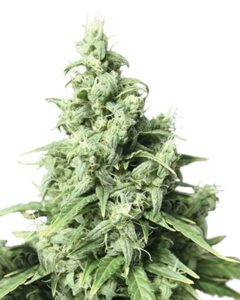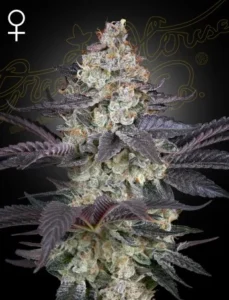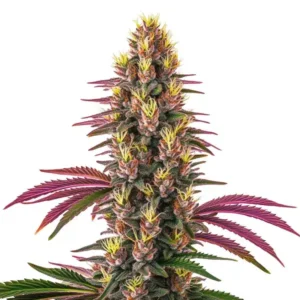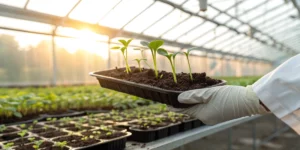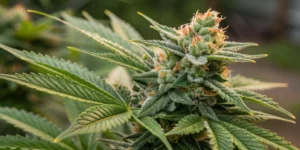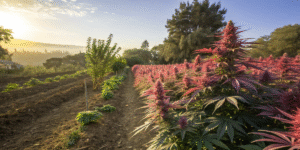
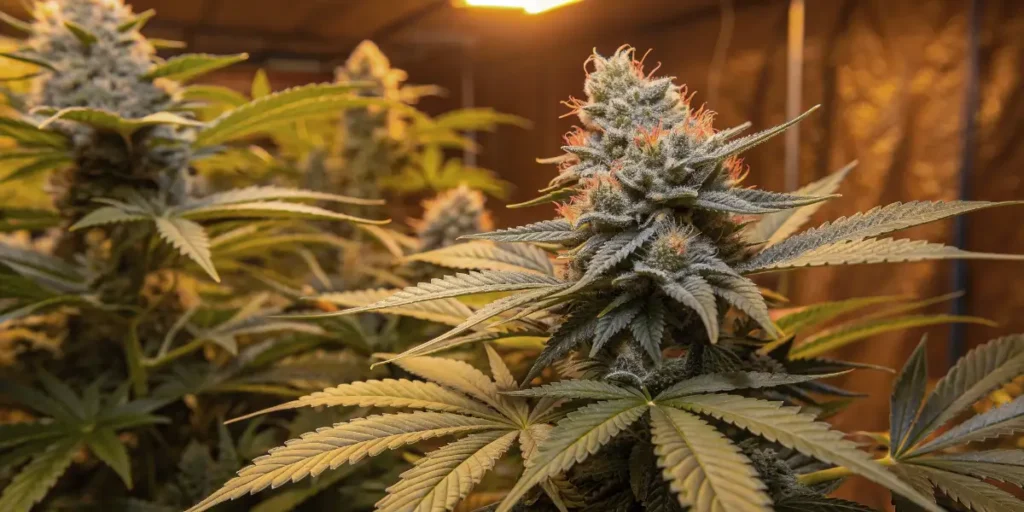

Successfully cultivating this strain requires careful consideration of growing conditions. Domina thrives in both indoor and outdoor environments, making it versatile for various growers. Ensure the soil or hydroponic medium is enriched with nutrients to support robust growth. Consistent light exposure and temperatures between 70-85°F optimize the plant’s development, building a foundation for healthy buds.
During the vegetative stage, focus on training techniques like topping or low-stress training to maximize this cultivar’s potential. By doing so, you encourage even canopy growth and increase overall yield. Regular pruning helps improve airflow and light penetration, which is vital for healthy cannabis plants. Feeding the plant with appropriate nutrients during this stage boosts its vital processes.
Recommended Strains
Gmo

|
THC | 26% - 28% (High) |

|
Lineage | Chemdog x Girl Scout Cookies |

|
Type | Feminized |

|
Height | 4.92 ft | 1.5 m |

|
Yield | Medium |

|
Yield Indoor | 1.31 - 1.64 oz/ft² | 400 - 500 g/m² |

|
Yield Outdoor | 28.22 - 42.33 oz/plant | 800 - 1200 g/plant |

|
Flowering Time | 8 - 10 weeks |

|
Phenotype | 90% Indica / 10% Sativa |

|
Medical | Arthritis, Insomnia, Pain |

|
Effects | Creative, Euphoric, Uplifted |

|
Flavors | Coffee, Earthy, Fruity, Sweet |
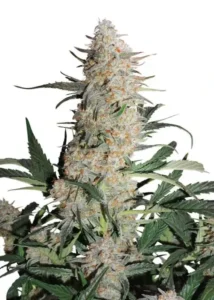
Auto Power Plant
|
|
THC | 19% - 20% (Medium) |
|
|
Lineage | Power Plant x Ruderalis |
|
|
Type | Autoflowering |
|
|
Height | 3.94 ft | 1.2 m |
|
|
Yield | High |
|
|
Yield Indoor | 1.64 - 1.97 oz/ft² | 500 - 600 g/m² |
|
|
Life Cycle | 10 - 11 weeks |
|
|
Phenotype | 40% Indica / 60% Sativa |
|
|
Effects | Energetic, Euphoric, Happy |
|
|
Flavors | Sweet, Earthy, Fruity |
As harvest time approaches, pay close attention to the plant’s trichomes and pistils to determine the optimal harvesting window. Properly timing your harvest ensures the maximum retention of the plant’s terpenes and cannabinoid profile. Once harvested, curing the buds slowly will lock in flavors and maintain the potency of this variety, resulting in a rewarding experience post-cultivation.
Domina Strain Overview: Traits, Effects & Genetics
The Domina strain stands out due to its unique genetic makeup and potent effects. This variety, known for its dense and resinous buds, attracts many cannabis growers aiming for high-quality harvests. Suitable for both indoor and outdoor cultivation, the plant demonstrates resilience and high yield potential, making it a popular choice among both novice and experienced cultivators.
This cultivar is celebrated for its rich terpene profile, which offers a complex mix of earthy and spicy aromas. The plant regularly produces sticky, frosted buds, which are visually striking and packed with compounds that contribute to its robust effects. For those interested in cultivating this strain, an knowledge of its genetic lineage is key to maximizing its potential.
In terms of effects, this strain delivers a deeply relaxing experience, making it ideal for evening use or unwinding after a long day. Many users report a wave of calm that envelops the body, accompanied by a gentle cerebral stimulation. This combination makes the plant particularly appealing to those seeking relief from stress or tension, as well as individuals looking for an aid to restful sleep.
The genetics of this variety contribute significantly to its widespread popularity. With roots in a lineage that emphasizes potency and resilience, growers can expect consistent performance across different environments. Its adaptability, coupled with substantial yield and captivating effects, ensures that this cultivar remains a staple among cannabis enthusiasts and cultivators alike.
Optimal Environment to Grow Domina Successfully
Creating an optimal environment is crucial for cultivating cannabis, and growers aiming for a successful harvest with this strain must focus on several key factors. Temperature plays a significant role, with the ideal range for this variety between 70-85°F (21-29°C) during the day and slightly cooler at night. Stability in temperature ensures better development and overall health of the plant.
This cultivar thrives in a controlled humidity level, ideally around 40-50% during the vegetative stage and slightly lower during flowering to promote healthy buds and prevent mold. Maintaining proper humidity ensures the plant’s terpenes and cannabinoids reach their full potential, which is vital for achieving the desired potency and flavor profile associated with this genetics.
Lighting is another critical aspect when growing this variety. The plant benefits from intense light during both the vegetative and flowering stages. Utilizing high-quality LED grow lights or HPS systems will ensure that this strain receives adequate light coverage, enhancing photosynthesis and boosting yield. Proper light management guarantees that it reaches its fullest potential.
The soil or growing medium should be rich in nutrients to support robust growth. A balanced nutrient regime tailored for cannabis cultivation will encourage healthy foliage and substantial flowering. Organic soil amendments or hydroponic systems can be employed to maximize nutrient absorption. By paying attention to these environmental factors, growers can optimize the conditions necessary for Domina to thrive and produce a bountiful harvest.
Grow Room Setup for Domina Plants
When cultivating Domina, selecting the right grow room setup is crucial for optimizing yield and quality. Start by ensuring adequate space and proper ventilation to maintain airflow, which helps in preventing mold and pests. This variety thrives under controlled temperatures and humidity levels, so install a reliable thermostat and hygrometer. Consistent monitoring of these conditions will support robust growth and bountiful harvests.
Lighting is another essential factor for this strain. Full-spectrum LED lights are ideal as they mimic the sun’s rays and promote healthy development. The recommended photoperiod for vegetative growth is 18-24 hours of light, transitioning to 12 hours for flowering. Adjusting light cycles appropriately encourages the plant to produce dense buds with rich terpene profiles, enhancing both potency and aroma.
When setting up your grow medium, consider using a mix of soil and perlite to enhance drainage and aeration. This cultivar appreciates a soil pH between 6.0 and 6.5, fostering optimal nutrient uptake. Fertilize with a well-balanced blend of nitrogen, phosphorus, and potassium, paying attention to any signs of deficiency or excess. Balanced nutrition supports the overall health of the plant and maximizes its potential.
Environmental control systems like CO2 enrichment can significantly impact the growth rate and yield of this genetics. Increasing CO2 levels during the light cycle accelerates photosynthesis, leading to more robust plant development. Implement these systems to encourage faster growth and a more significant harvest. By tailoring your grow room to the needs of the Domina, you can achieve impressive results in both potency and yield.
Indoor Growing Tips for Domina
Cultivating Domina indoors requires attention to specific environmental conditions. Start by maintaining a stable temperature between 70-80°F with adequate humidity levels, especially during the vegetative stage. This variety thrives under consistent lighting conditions, so invest in quality LED grow lights that provide full-spectrum coverage. Adequate airflow is crucial as well, preventing mold and enhancing terpene production for robust buds.
To optimize yield, consider training techniques like topping or low-stress training, which are particularly effective for the plant. These methods encourage lateral growth and ensure even light penetration across the canopy. Regularly prune the lower leaves and branches to improve airflow and redirect the plant’s energy towards bud development. Monitoring nutrient intake is also crucial, ensuring a balanced feed for lush growth.
As harvest approaches, closely observe the trichomes on this cultivar to determine the optimal time for cutting. The ideal moment is when most trichomes appear cloudy with a few turning amber, indicating the peak of potency. Ensure that the drying and curing process is done in a controlled environment to preserve the unique terpene profile and enhance the overall quality of the final product.
Outdoor Growing Tips for Domina
For successful outdoor cultivation of Domina, select a location with ample sunlight. This variety thrives in a climate that offers warm days and cool nights. Growers should ensure the soil is rich in nutrients and well-draining to promote healthy root development. Regularly monitoring the plant’s growth will help maximize its potential yield and develop robust buds.
Watering is another critical aspect of growing this cultivar outdoors. The plant requires consistent moisture but should never be waterlogged. Mulching around the base can help retain moisture while also keeping the roots cool. This variety benefits significantly from natural fertilizers, which can enhance terpene profiles and support vigorous growth throughout its lifecycle.
As the harvest time approaches, pay close attention to the trichomes for signs of readiness. This cultivar is known for producing resinous buds when cultivated under optimal conditions. Patience during this stage can greatly affect the potency and flavors, allowing the terpenes to fully develop. Outdoor growers should aim for clarity and cloudiness in trichomes for peak harvest.
How to Germinate & Propagate Domina
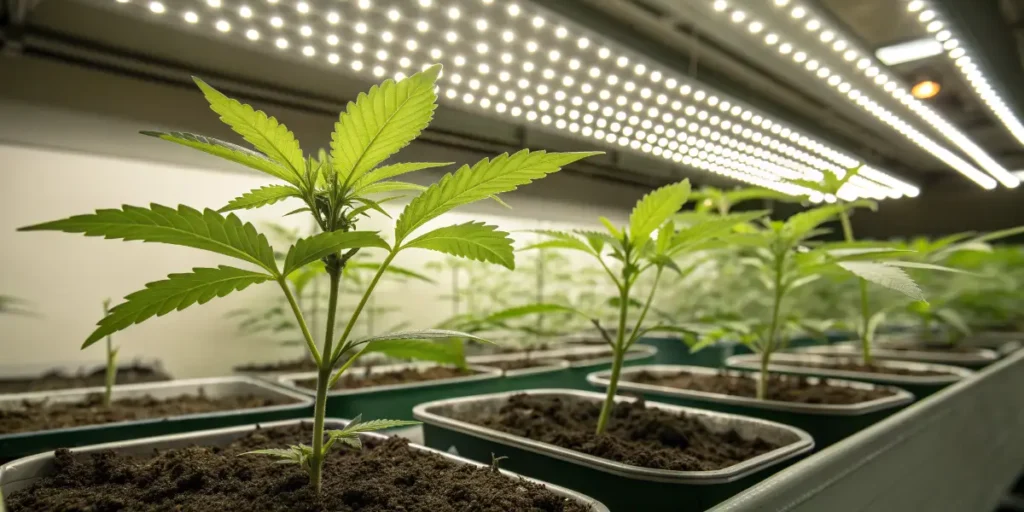
To successfully germinate Domina, start by selecting high-quality seeds from reputable growers. Begin with the paper towel method, a popular approach among cannabis enthusiasts. Moisten a paper towel, place seeds between two layers, and keep them in a warm, dark environment. Ensure consistent moisture to encourage successful sprouting, which usually occurs within 48 to 72 hours.
Once you notice the seeds have germinated, it’s time to transfer this variety into small pots with a light, airy growing medium. This helps the delicate roots establish themselves without difficulty. Keep these pots in a warm, well-lit area to simulate natural sunlight. Proper germination sets the foundation for healthy growth and maximum yield, a priority for growers aiming for abundant, aromatic buds.
After transplantation, monitor the seedlings for signs of growth and health regularly. The plant thrives when maintained in a stable environment with controlled humidity and temperature levels. To propagate this cultivar effectively, consider using rooting hormones when taking cuttings. This ensures robust root growth, leading to healthy plants capable of producing a rich terpene profile.
Continue to provide optimal care through regular feeding and watering schedules tailored for cannabis. As it matures, the plant will need additional support to boost its potential yield. By focusing on consistent care, you’ll be rewarded with a bountiful harvest of Domina, showcasing the full potential of this genetics with vibrant buds.
Vegetative Stage: Nurturing Your Plants
The vegetative stage is crucial for the robust development of cannabis plants, where the focus is on nurturing this strain to maximize its yield potential. Providing adequate light and nutrients is essential for the plant’s growth. Use high-quality soil and ensure it is well-aerated to promote healthy root systems. Consistent watering is key, but overwatering should be avoided to prevent root rot.
For Domina, maintaining optimal temperatures between 70-85°F (21-29°C) is crucial. This cultivar thrives with humidity levels around 40-60%, a range that supports strong growth and helps prevent pest and mold issues. Implement regular pruning to encourage a bushy structure, allowing light to penetrate the canopy and ensuring even growth throughout the plant.
During this stage, growers should focus on implementing effective training techniques such as topping or LST, which can improve light exposure and promote an increase in bud sites. Supporting the plant through these methods helps enhance future yields and supports a balanced canopy. Monitor the health of leaves, as they can indicate nutrient deficiencies or other issues early on.
As vegetative growth progresses, fertilize the plant with balanced nutrients rich in nitrogen to support robust foliar development. Integrate a regular feeding schedule and adjust as needed based on environmental feedback. The care taken during this phase directly influences the quality of the buds and eventual harvest, ensuring that this variety reaches its full potential in terms of terpene profile and yield.
Flowering Domina: What to Expect
During the flowering phase, Domina showcases its true potential to cannabis growers. This strain typically begins to flower in about 8 to 9 weeks, offering an exciting spectacle as it develops. Cultivation of this variety requires close attention to light cycles and nutrients to ensure maximum yield, contributing to the overall health and vigor of the plant.
As the buds develop, expect dense and robust formations characteristic of this cultivar. The plant’s flowers are known for their aromatic richness, packed with terpenes that delight the senses. Domina responds well to well-balanced nutrients during this stage, ensuring that it can produce the potent, resinous buds that enthusiasts crave and cherish.
Growers should monitor humidity levels closely, as excessive moisture can impede the plant’s development and potentially cause mold issues. This variety thrives in stable environments where temperature and ventilation are well-regulated. Practices such as proper air circulation and substrate management can help maintain the health and productivity of the cultivation.
As the flowering phase concludes, the anticipation of harvest becomes palpable. Patience pays off with Domina, as well-timed harvesting maximizes potency and flavor. Inspecting the trichomes ensures that they have reached the desired maturity. Ultimately, the culmination of careful cultivation techniques results in a rewarding and satisfying yield for growers.
Fertilizers & Nutrient Schedule
Nutrient management is critical for the successful cultivation of Domina. This strain thrives on a balanced diet, requiring specific nutrients at each growth stage. During the vegetative phase, it benefits from a higher nitrogen concentration, as this promotes healthy leaf and stem development. Careful attention to nutrient ratios can maximize the plant’s potential and ensure robust growth.
Transitioning into the flowering phase, this variety shifts its needs to higher phosphorus and potassium levels. These essential nutrients support bud development and enhance terpene production, contributing to a flavorful and aromatic harvest. Ensuring this cultivar receives adequate minerals at the right time is key to achieving a generous yield.
Many growers recommend using organic fertilizers to maintain soil health and improve nutrient uptake. Organic options, such as compost tea or fish emulsion, offer a natural alternative that supports microbial activity within the soil. This not only benefits the plant but also contributes to a more sustainable cultivation practice.
As you refine the nutrient schedule, regular monitoring of pH levels is crucial to prevent nutrient lockout. Keeping the pH between 6.0 and 7.0 ensures that Domina can absorb the nutrients effectively. Adjusting the nutrient mix based on the plant’s response can optimize growth and result in a bountiful, aromatic harvest.
Pest and Disease Prevention for Healthy Cannabis Plants
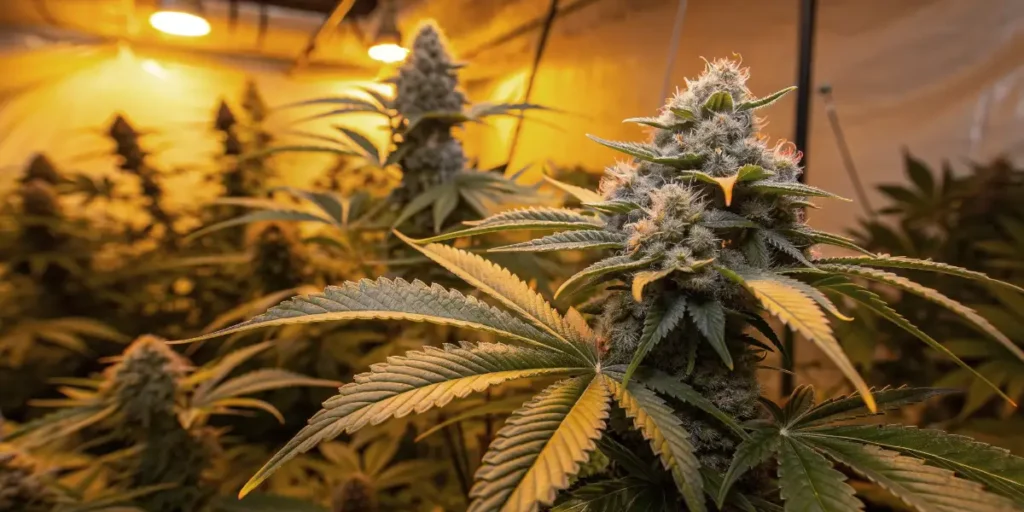
To ensure a robust harvest, effective pest and disease prevention is crucial for cannabis cultivation. Start by selecting the right growing environment, as this strain thrives in well-ventilated spaces with controlled humidity. Regular monitoring for common pests like aphids and spider mites can prevent infestations. Implementing organic solutions, such as neem oil and insecticidal soap, can safeguard the plant’s health.
Disease prevention in this variety also involves maintaining optimal soil health and cleanliness. This cultivar benefits greatly from using quality soil mixes, which help to promote strong roots. Additionally, ensuring proper airflow around the buds reduces risks of mold and mildew. Rotating crops and practicing companion planting can also enhance the plant’s resilience against potential threats.
Domina is known for its rich terpene profile, which can be affected by stress factors like pests and diseases. To optimize your yield, integrate preventive measures into your regular cultivation practices. Regular inspections and employing natural predators can contribute to a healthy and thriving grow. Keeping the cultivation area clean and free of debris will also minimize disease outbreaks.
Harvesting & Drying
To ensure the optimal yield and potency of Domina, timing your harvest is crucial. Experienced growers know that this strain reaches its peak potency when most of the trichomes have turned milky white. This signifies that the cannabinoids and terpenes are at their fullest expression, ready to deliver the robust effects this plant is known for.
Once harvested, it’s important to trim the buds carefully. Removing excess leaves not only makes for a smoother smoke but also allows the buds to dry more evenly. For this variety, maintaining the trichome integrity is key, so handle the buds gently to avoid losing these precious crystals. Keeping humidity levels low during trimming is also advisable.
Drying your cannabis properly is essential for capturing the full aroma and flavor of the cultivar. The process should ideally last 7 to 10 days in a well-ventilated, dark room. Keeping the temperature at approximately 60-70°F and humidity around 50% will prevent mold and preserve the terpene profile that makes this variety distinct.
After drying, curing is the final step to fully develop the flavors and potency of this strain. Place the dried buds in airtight jars, opening them daily to release moisture and allow air exchange. This process not only enhances taste but also boosts the overall smoothness of the smoke, making Domina a truly delightful cannabis experience.
Domina Strain Type: Indica, Sativa or Hybrid?
Domina is predominantly an Indica strain, making it an ideal choice for those seeking relaxation and stress relief. This cultivar is cherished by growers for its robust growth and resilience, which are characteristic of Indica genetics. The plant typically has broad leaves and dense buds, yielding a harvest that’s rich in terpenes and cannabinoids synonymous with Indica varieties.
For cultivators aiming to grow this strain, it offers ease of cultivation, thanks to its Indica dominance. The compact structure of this variety makes it suitable for indoor and outdoor cultivation spaces. Growers often appreciate the shorter flowering time, allowing them to plan more frequent harvests, which can lead to an increased yield over time.
Despite being primarily an Indica, this plant possesses qualities that can be akin to a hybrid. Some phenotypes may display subtle nuances of Sativa characteristics, such as slightly taller growth or diverse terpene profiles. This blend can add complexity to the effects, providing a nuanced experience that appeals to a broader range of cannabis enthusiasts.
Why Grow this Strain? Key Benefits for Cultivators
Domina is a popular choice among cannabis growers due to its robust nature and resilience during cultivation. This strain is well-suited for both novice and experienced growers, as it adapts well to various growing conditions. Known for producing dense, resinous buds, the plant promises a rewarding harvest that is highly appreciated in the cannabis community.
This variety boasts a rich terpene profile, making it desirable for those seeking aromatic and flavorful buds. The plant’s genetics contribute to a high yield, which is a key consideration for commercial cultivators aiming to maximize their harvest. Additionally, this cultivar requires manageable maintenance, making it a convenient choice for growers with diverse experience levels.
Beyond its cultivation benefits, this strain is celebrated for its potent effects, appealing to consumers seeking a balanced experience. The adaptability of the plant extends to different growing environments, whether indoors or outdoors, enhancing its versatility. Overall, it remains a solid investment for those looking to produce high-quality cannabis efficiently and effectively.
Potential Challenges When Growing Domina
When cultivating this strain, one of the primary challenges growers may face is its sensitivity to humidity levels. This cultivar prefers a controlled environment where excess moisture is avoided to prevent mold and mildew. Ensuring proper ventilation in the growing space is essential to maintaining ideal conditions, allowing the plant to fully develop its buds and deliver a generous yield at harvest.
Another potential setback with this variety is its susceptibility to pests, such as spider mites and aphids. Regular inspection and maintenance are crucial to mitigate these risks. Growers should employ organic pest control measures and maintain cleanliness in the growing area to protect the plant. These preventive actions can help ensure a healthy growth cycle and preserve the rich terpenes characteristic of this genetics.
Domina requires adequate nutrient management to thrive. Providing the right balance of nutrients is vital for optimal cannabis cultivation. Overfeeding can stress the plant, leading to nutrient burn and compromised budding. It’s advisable to monitor the plant’s response continually and adjust the nutrient schedule as needed. By doing so, growers can maximize their yield and enjoy the rich, aromatic profile specific to this cultivar.
Is this Variety Worth Buying? Here’s What You Need to Know
When considering whether Domina is worthy of its place in your cannabis garden, it’s essential to evaluate what you seek in a plant. This strain is renowned for its robust growth and ease of cultivation, making it suitable for both novice and experienced growers. The plant develops dense, resinous buds that promise a satisfying yield, contributing to its popularity.
This variety is also praised for its distinctive terpene profile, offering a unique aromatic experience that many enthusiasts crave. Growers are drawn to this cultivar not only for its pungent fragrance but also for its bountiful harvest. It thrives both indoors and outdoors, demonstrating resilience and flexibility in varying climates, adding to its appeal among diverse cultivators.
Consider how the effects of this genetics align with your preferences. Many appreciate the balanced, relaxing effects it provides, making it a sought-after choice for those seeking tranquility. If you’re looking for a rewarding growing experience with significant returns, investing in this strain might be a wise decision. All these factors make Domina a compelling choice for cannabis connoisseurs.
FAQs: Growing Domina
What are the ideal climate conditions for growing Domina?
Domina thrives in a Mediterranean climate, preferring warm weather with low humidity. This variety does well in both indoor and outdoor environments as long as temperatures are kept consistent. Indoor growers should maintain a temperature range of 70-80°F (21-27°C). Proper ventilation is crucial to prevent mold and mildew, common issues in humid conditions that can negatively impact this strain’s health and yield.
What is the expected flowering time for Domina?
Typically, Domina has a flowering period of about 8 to 9 weeks when grown indoors. Outdoor growers can expect the plant to be ready for harvest around late September to early October, depending on regional weather conditions. Ensuring the plant receives consistent light cycles and nutrients helps to achieve optimal flowering and potent bud development during this timeframe.
How much yield can I expect from growing Domina?
Under optimal conditions, Domina can produce a rewarding yield. Indoor growers can expect approximately 14 to 16 ounces per square meter. Outdoor cultivation, if situated in prime conditions, can produce up to 18 ounces per plant. Consistent feeding and monitoring will be essential in maximizing the yield of this cultivar, ensuring the plants reach their full potential.
What are the common nutrient requirements for Domina?
This strain prefers a balanced nutrient regimen, particularly during its vegetative and flowering stages. Growers should provide Domina with a nitrogen-rich diet during vegetative growth and gradually increase phosphorus and potassium during flowering. pH levels should be kept between 6.0 to 7.0 in soil to ensure nutrient uptake. Tailoring the nutrient schedule to the plant’s lifecycle can prevent deficiencies and promote robust growth.
Which training techniques are effective for Domina?
Utilizing Low Stress Training (LST) and topping can significantly enhance Domina’s growth and yield. This variety benefits from LST by improving light penetration and encouraging lateral growth, resulting in more budding sites. Topping helps manage height and promotes bushier growth. Growers should begin training early in the vegetative stage to maximize the effectiveness of these techniques on this plant’s development.