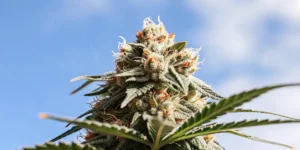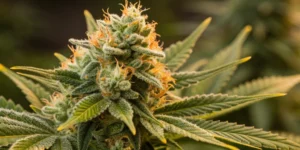

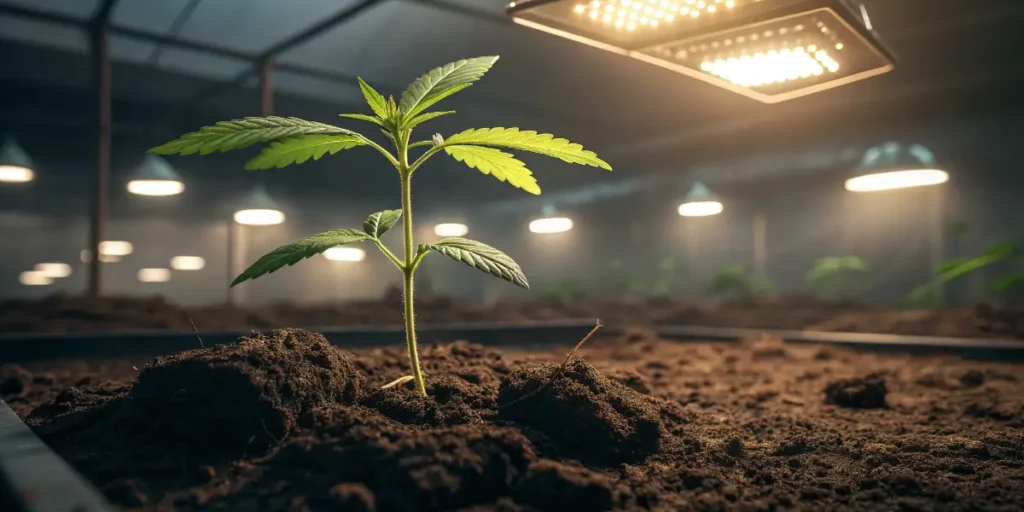
Growing Duck Auto begins with selecting the right environment. As an autoflowering cannabis variety, it thrives both indoors and outdoors. Start by germinating seeds in a warm, moist setting, ensuring proper light exposure. This strain benefits from 18-20 hours of light per day. Use a well-draining soil mix and maintain consistent watering to avoid root rot.
Once germinated, this cultivar rapidly develops, and you’ll want to monitor nutrient levels closely. A balanced fertilizer during the vegetative stage aids in sturdy growth. As the plant transitions to flowering, increase the phosphorus and potassium to boost bud production. Providing good airflow minimizes pest issues and enhances terpene profiles, enriching the plant’s aromatic buds.
Harvesting this variety requires patience as it matures in as little as 8-10 weeks. Watch for the pistils to darken and trichomes to turn milky. These indicators signify peak potency and yield. After harvesting, properly dry and cure the buds to preserve flavor and efficacy. Following these steps ensures a bountiful harvest with robust terpenes and rich cannabinoid content.
Duck Auto Strain Overview: Traits, Effects & Genetics
Duck Auto is renowned among cannabis enthusiasts for its distinct leaf shape, which resembles that of a duck’s foot, providing it a natural camouflage. This genetics trace back to a combination of stealthy predecessors, making it an ideal choice for discreet outdoor cultivation. Growers appreciate this strain for its resilience, which reduces the likelihood of insect infestations and mold.
This variety produces dense buds with a rich aroma, thanks to its well-balanced terpene profile. The plant offers a delightful mix of earthy and citrus notes, making it popular among users seeking both fragrance and flavor. The cultivar’s fast growth cycle appeals to cultivators looking for a quick yet rewarding harvest, ensuring an efficient turnaround for each grow season.
The effects of this variety are typically uplifting, providing a smooth cerebral buzz that can help alleviate stress and promote relaxation. Moderately potent, it is suitable for both novice and seasoned consumers. As a result, it has gained popularity in social settings where individuals seek a gentle yet stimulating experience without overwhelming psychoactive effects.
Genetically, Duck Auto combines traits from well-known auto-flowering varieties, inheriting resilience and quick flowering times. This makes it ideal for growers with varied experience levels. It offers a robust yield in both outdoor and indoor settings, allowing cultivators to optimize their harvest potential effortlessly. As cannabis trends evolve, this strain continues to be a standout choice.
Optimal Environment to Grow Duck Auto Successfully
Creating the perfect environment is crucial for successfully growing Duck Auto. This strain is known for its resilience, but it still thrives best in controlled conditions. Start by ensuring the plant receives plenty of light, ideally 18-20 hours a day. Whether you’re growing indoors or outdoors, consistent lighting will encourage robust growth and maximize yield potential.
Temperature plays a vital role in the health of this variety. Aim to maintain a stable temperature between 70-85°F (21-29°C) during the day. At night, a slight drop to 60-70°F (15-21°C) is beneficial. These conditions mimic its natural environment, helping the plant to produce aromatic buds rich in terpenes.
Humidity levels should also be monitored carefully. During the vegetative stage, keep humidity around 50-70% to promote healthy leaf development. As it transitions into the flowering stage, gradually reduce humidity to around 40-50%. This change helps focus the plant’s energy on bud production, enhancing both the quality and quantity of the harvest.
Ensuring proper airflow is essential in cannabis cultivation, particularly for this cultivar. Good air circulation prevents mold and pests, two common issues that can significantly reduce yield. Use fans to maintain air movement around the plant. By optimizing these environmental factors, growers can ensure that this strain reaches its full potential.
Grow Room Setup for Duck Auto Plants
When cultivating Duck Auto, creating the ideal grow room environment is crucial for maximizing yield and terpene production. This strain thrives in a well-ventilated area with stable temperatures between 70-80°F (21-27°C). It’s important to maintain humidity levels around 40-50%, especially during the flowering phase, to ensure healthy buds and reduce the risk of mold.
Lighting plays a vital role in the growth of this variety. Full-spectrum LED lights are highly recommended, providing the necessary spectrum for the plant’s vegetative and flowering stages. Ensure your lighting schedule mimics the natural sunlight cycle, typically 18/6 hours during vegetative growth, and gradually transition to 12/12 to initiate flowering and boost the plant’s productivity.
For optimal soil conditions, choose a nutrient-rich substrate and supplement it with organic fertilizers tailored to cannabis cultivation. This genetics benefits from a balanced mix of nitrogen, phosphorus, and potassium. Regular monitoring of soil pH, ideally between 6.0 and 7.0, will help in maximizing nutrient absorption and promote robust plant development and dense buds.
Ventilation is another key factor for successfully growing this cultivar. Utilize oscillating fans to circulate air, preventing heat buildup and promoting strong stems. A reliable exhaust system with carbon filters will also help control odors and ensure a fresh supply of carbon dioxide, critical for photosynthesis. With these elements in place, growers can expect a successful Duck Auto harvest.
Indoor Growing Tips for Duck Auto
For optimal indoor cultivation of Duck Auto, maintain a controlled environment where temperature stays between 70-80°F and humidity around 50-60%. Adequate ventilation is essential to ensure fresh air circulation, preventing mold and pest issues. Providing 18-20 hours of light using LED grow lights will encourage robust growth and potent buds for this cultivar.
This variety requires nutrient-rich soil with excellent drainage to avoid root rot. Feeding the plant with balanced nutrients high in nitrogen during the vegetative stage and phosphorus and potassium during flowering will maximize your harvest. Regularly monitor the pH levels, maintaining them between 6.0 and 7.0 to support healthy nutrient uptake and vigorous growth.
Pruning and training techniques such as low-stress training can be beneficial for the plant, encouraging light penetration and airflow. These methods help in boosting the overall yield of this genetics while enhancing terpene production for better aroma and potency. Harvest time varies, but checking trichome color will guide growers in achieving their desired potency and flavor profile.
Outdoor Growing Tips for Duck Auto
When cultivating Duck Auto outdoors, selecting the optimal location is crucial. Look for a spot where the plant can receive ample sunlight for most of the day. This cultivar thrives in well-draining soil, so consider enhancing your garden with organic matter to ensure adequate aeration and moisture retention. Consistent watering is essential, but avoid overwatering to prevent root rot.
Opt for a planting timeline that allows this variety to mature before the colder months set in, as cooler temperatures can affect buds and the overall yield. Growers should keep an eye on local weather patterns to prevent any potential frost damage. Implementing windbreaks or pressure-treated wooden stakes can also help keep this genetics stable during breezy conditions.
Regular monitoring for pests and diseases is vital throughout the growth cycle. Applying natural pest deterrents and inspecting the plant frequently can safeguard it from potential infestations. Additionally, maintaining good airflow around the foliage can help prevent mold and mildew, particularly as the flowers begin to develop. By taking these steps, growers can enhance terpene profiles and maximize the harvest quality of this cultivar.

How to Germinate & Propagate Duck Auto
Germinating cannabis seeds is a crucial first step in the cultivation journey, and “Duck Auto” is no exception. To begin, soak the seeds in lukewarm water for 12-24 hours to encourage the initial sprouting process. Once you see slight cracking or tiny roots emerging, transfer the seeds to a damp paper towel, ensuring that excess water is carefully removed.
The next step involves maintaining optimal conditions for this strain. Place the wrapped seeds in a dark, warm environment, ideally between 70-85°F, to promote root growth. Within a few days, roots should appear, heralding the beginning of the plant’s life cycle. Monitoring closely during this phase is vital to ensure high germination rates and future yields.
Propagation involves providing the young seeds with the best possible start by transplanting them into a suitable growing medium. Some growers prefer using soil enriched with organic matter, while others opt for hydroponic systems. Regardless of the chosen method, ensuring adequate light, moisture, and nutrient supply is crucial for the thriving development of this cultivar.
As the plant progresses from the propagation phase, attention shifts to maintaining optimal conditions for vigorous growth. Regularly assess environmental factors like humidity, light intensity, and nutrient concentration. By establishing a consistent regimen, cultivators can enhance terpene profiles and bud density, ultimately leading to a successful harvest of Duck Auto.
Vegetative Stage
During the vegetative stage, cannabis growers must provide the optimal environment for their Duck Auto plants to thrive. This variety requires sufficient light, with an optimal range of 18 to 24 hours of illumination daily, to facilitate robust growth. Ensuring the right balance of nutrients during this phase is crucial for the plant’s overall health and subsequent yield potential.
Given that this strain has unique genetic traits, maintaining an appropriate temperature and humidity level is essential in its cultivation. Aim for temperatures between 70-85°F (20-30°C) and humidity around 40-70% during this growth stage. These conditions will help the plant develop strong stems and leaves, setting a solid foundation for bud production.
Pruning and training techniques, such as low-stress training (LST), can enhance this cultivar’s growth by promoting light penetration and airflow. This strategy not only maximizes space but also encourages a higher yield by allowing lower buds to mature fully. Careful management at this stage fosters the plant’s ability to produce an abundant harvest.
As the vegetative stage progresses, regular monitoring of your Duck Auto plants will help identify any issues, such as nutrient deficiencies or pest infestations. Early intervention ensures that the plant remains healthy, safeguarding the production of aromatic buds rich in terpenes. Proper care during this phase is vital for achieving a successful and fruitful harvest.
Flowering Duck Auto: What to Expect
Duck Auto offers a distinctive flowering experience for cannabis cultivation enthusiasts. This strain typically enters its flowering phase approximately eight weeks after germination. Growers can anticipate dense and resinous buds that emit a unique aroma, thanks to its intriguing terpene profile. Its ease of cultivation and ability to adapt to different environments make it ideal for both novice and experienced cultivators.
The plant’s flowering stage is marked by rapid bud development, where the flowers become larger and more aromatic. This variety is known for producing vibrant, colorful buds with a notable potency. During this period, growers should maintain optimal light cycles and ensure that humidity levels are controlled, fostering a healthy environment conducive to growth.
As the flowering phase progresses, this cultivar showcases its potential for a significant yield. The robust branches of this genetics can support the weight of the burgeoning buds, which mature into a rich tapestry of colors and scents. It’s crucial for growers to monitor their nutrient schedule, as feeding the plant properly will enhance its overall performance and bud quality.
Harvest time is the crescendo of flowering for this variety, rewarding growers with bountiful yields and a terpene-rich bouquet. Ensuring that the harvest is timed perfectly, when the majority of trichomes are cloudy, guarantees the best potency and flavor. Duck Auto, with its auto-flowering nature, allows cultivators to enjoy multiple harvests per year, optimizing small space cultivation efforts effectively.
Fertilizers & Nutrient Schedule
Feeding cannabis effectively is crucial for robust growth, and Duck Auto is no exception. This cultivar benefits from a balanced diet of nutrients to thrive throughout its lifecycle. Early-stage growth requires higher nitrogen levels to support leaf development. Using high-quality nutrients designed for cannabis can enhance the plant’s vigor and prepare it for the flowering phase.
As the flowering stage begins, shifting nutrient focus is essential. This strain needs increased phosphorus and potassium levels to boost bud development and terpene production. A carefully managed feeding schedule will encourage larger, more aromatic blooms. Growers should monitor the plant’s responses and adjust nutrient strength to avoid overfeeding, which could harm yield.
Regular pH monitoring is vital during the cultivation of this variety, ensuring nutrients are readily available. The optimal pH range is generally between 6.0 and 6.5 in soil. For hydroponic systems, maintaining between 5.5 and 6.0 is recommended. Frequent pH checks and adjustments help prevent nutrient lockout, ensuring consistent and healthy growth.
Consistent nutrient supply and precise timing are critical to achieving bountiful harvests. When transitioning from veg to bloom, slowly introduce flowering-specific fertilizers to ease the plant into its new nutritional needs. Duck Auto, like other fast-growing autoflowers, may also benefit from low-stress training, maximizing light exposure and yield potential. Monitoring and adapting feeding practices ensures optimal growth.
Pest and Disease Prevention for Healthy Cannabis Plants
In cultivating cannabis, protecting “Duck Auto” from pests and diseases is crucial for healthy growth. This strain, like others, can fall victim to common threats such as spider mites, aphids, and mildew. Regularly inspecting the plant for signs of these pests is an effective strategy. Sticky traps and introducing beneficial insects like ladybugs can further safeguard this cultivar.
Maintaining environmental control is key to preventing disease in this variety. Proper ventilation combined with balanced humidity levels minimizes mold risk, ensuring robust buds upon harvest. Growers should also consider using natural fungicides to protect against powdery mildew. Keeping cultivation conditions optimal promotes resilience, enhancing the plant’s yield and terpene profile.
Integrated Pest Management (IPM) is vital for keeping pests at bay. This strategy includes a combination of biological and cultural practices, ensuring Duck Auto remains healthy. Regularly cleaning and removing debris around growth areas reduces the chance of pest infestations. For this genetics, consistent care leads to thriving plants ready for a successful harvest.
Harvesting & Drying Duck Auto the Right Way
To ensure optimal flavor and potency, timing the harvest of this strain is crucial. Look for milky white trichomes and a few amber ones to determine the right moment. This ensures the cannabinoids and terpenes are at their peak, enhancing both aroma and effects. As a grower, patience and careful observation of the plant are key to achieving the best yield from this genetics.
Once you decide to harvest this cultivar, utilize sharp, clean tools to minimize stress on the plant. Carefully cut branches to avoid damaging the buds. Maintaining tidiness and precision during this stage is vital. Proper handling will ensure the preservation of the valuable trichomes that contribute to the strain’s overall quality and bud integrity, which are crucial for a satisfying cannabis experience.
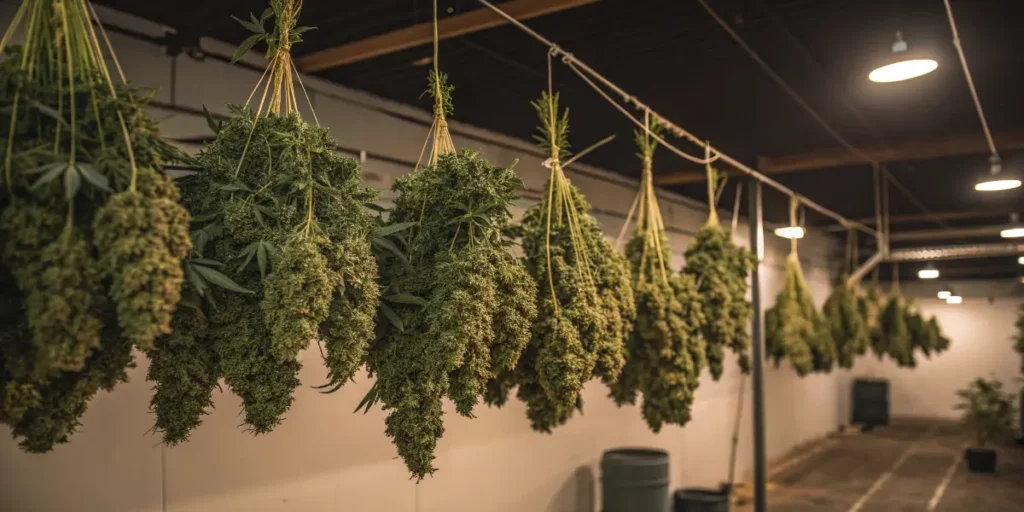
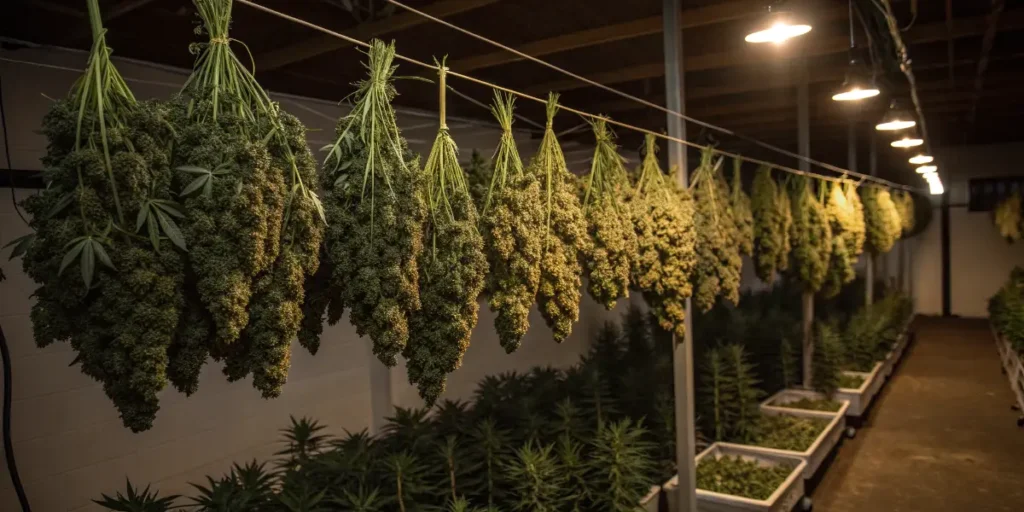
After harvesting, the drying process begins. This is where the flavors and smooth smoking quality are developed. Hang the buds in a well-ventilated, dark area with a temperature of 60-70°F and humidity around 50%. By controlling these conditions, growers prevent mold and maintain the delicate terpene profile of Duck Auto, securing the desired aromatic and potent properties of the plant.
The drying period should last 7-10 days to allow the plant to cure effectively. A slow, steady approach helps enhance the complexity of this variety’s flavor. Once dried, use airtight containers for curing, opening them daily initially to release moisture. These meticulous steps guarantee that this cultivar delivers a rich, distinctive cannabis experience, worthy of the care invested during cultivation.
Duck Auto Strain Type: Indica, Sativa or Hybrid?
Duck Auto is a fascinating strain for cannabis aficionados and cultivators alike. This variety is classified as a hybrid, skillfully blending characteristics from both Indica and Sativa genetics. Growers can appreciate how this strain balances the stimulating effects of Sativa with the relaxing qualities of Indica. Its unique genetic makeup makes it a versatile option for a wide range of cultivation environments.
This cultivar showcases robust growth patterns typical of hybrids, offering growers impressive yields without demanding extensive maintenance. The plant tends to develop dense buds rich in terpenes, delivering a flavorful harvest that appeals to a variety of users. With its hybrid nature, it provides a balanced high, suitable for both recreational and medicinal applications, catering to diverse consumer preferences.
Knowing the hybrid nature of this strain is crucial for optimizing cultivation techniques to maximize its yield and potency. The plant’s genetic structure allows for adaptability in different growing conditions while maintaining consistent quality in its buds. Duck Auto hybrid characteristics offer a harmonious blend of effects, making it an ideal choice for those seeking the best of both Indica and Sativa worlds.
Why Grow this Strain? Key Benefits for Cultivators
This strain is a fantastic choice for cannabis growers, particularly due to its unique leaf shape, which offers a degree of stealth in cultivation. The plant’s structure enables it to blend naturally into other foliage, making it ideal for those looking to maintain discretion in their gardens. Additionally, quick growth cycles allow for multiple harvests within a season.
The high yield of the buds is another cherished feature of this variety. Abundant production makes it a preferred option amongst cultivators, ensuring a bountiful harvest that meets both personal and commercial needs. The plant is sturdy and resilient, adapting well to various environmental conditions, which helps novice growers succeed in their cultivation efforts.
Further enhancing the allure of Duck Auto is its rich terpene profile, delivering a captivating aroma and flavor. This cultivar’s aromatic complexity is complemented by a well-balanced cannabinoid content, providing an enjoyable and versatile experience for consumers. Cultivators appreciate the harmonious blend of traits that makes it a standout performer in the garden.
Potential Challenges When Growing Duck Auto
One of the primary challenges when cultivating this strain is its sensitivity to temperature fluctuations. Growers need to maintain a stable climate to encourage optimal growth and yield. The plant thrives best in conditions not too hot or cold, which might involve adjusting grow room setups or outdoor placements to shield it from adverse weather conditions.
Another challenge with this cultivar is its susceptibility to mold, particularly in humid environments. Implementing a well-ventilated space and using proper pruning techniques can help prevent this issue. Monitoring humidity levels is crucial for avoiding mold, ensuring the buds remain pristine, and the harvest plentiful. Regularly inspecting the plant for early signs of mold can prevent severe damage.
Achieving the desired terpene profile with Duck Auto requires attentiveness during the flowering stage. The plant’s genetics might produce varying flavors if nutrient levels aren’t correctly balanced. Growers should be meticulous with their feeding schedules and opt for organic nutrients where possible. This ensures the typical aromatic bouquet of this variety is preserved, enhancing its overall appeal.
Is this Variety Worth Buying? Here’s What You Need to Know
If you’re considering adding a unique cannabis strain to your garden, this variety could be a fantastic choice. With its distinct foliage resembling duck feet, the plant is an excellent option for growers seeking discretion. This strain’s robust nature allows it to thrive in various environments, making it a suitable pick for beginners and seasoned cultivators alike.
When it comes to cultivation, this cultivar is known for its resilience and relatively low maintenance. Growers appreciate its ability to produce medium-sized buds laden with rich terpenes, adding aromatic excellence to any harvest. The yield can be generous, ensuring that the investment in seeds is worthwhile while also providing a gratifying cultivation experience.
Diving into the specifics, Duck Auto promises an unforgettable sensory experience. Its unique genetics produce buds with intricate terpene profiles, offering complex aromas and flavors. This, combined with the plant’s ease of growth, makes it an attractive option for personal use or sale. Ultimately, investing in this strain could enrich your gardening repertoire with a distinctive and rewarding cannabis variety.
FAQs: Growing Duck Auto
What are the ideal climate conditions for Duck Auto?
Duck Auto thrives in temperate climates with plenty of sunlight. It prefers daytime temperatures between 70-85°F (21-29°C) and night temperatures that don’t drop below 50°F (10°C). This strain can be sensitive to frost, so growers in cooler areas should consider greenhouse setups. The plant also appreciates moderate humidity levels, making it important to monitor and adjust conditions as necessary to prevent mold and mildew.
What is the average flowering time for Duck Auto?
This strain typically flowers in 9-10 weeks from germination. It is valued for its rapid growth cycle, allowing multiple harvests per year in the right conditions. As an autoflowering variety, Duck Auto automatically transitions from the vegetative stage to flowering regardless of the light cycle, making it suitable for indoor and outdoor cultivation.
How much yield can I expect from Duck Auto?
Under optimal conditions, Duck Auto can produce yields of 50-100 grams per plant. Indoor growers utilizing techniques like Sea of Green (SOG) may achieve even higher yields. Outdoor yields depend on factors like sunlight exposure and temperature. With careful management of environment and nutrients, growers can maximize the potential of this plant.
What are the common problems growers face with Duck Auto?
Duck Auto is relatively hardy, but growers often encounter issues like nutrient burn or deficiencies due to its sensitivity. It’s important to follow a balanced feeding schedule tailored to autoflowering genetics. Pests like aphids and spider mites can also pose challenges, so regular inspection and preventive measures, such as neem oil application, are advisable for maintaining plant health.
Which nutrients are best suited for this strain?
Duck Auto benefits from a nutrient regimen low in nitrogen but rich in phosphorus and potassium, especially during flowering. Autoflowers have less time to recover from nutrient imbalances, making precision essential. Many growers recommend using balanced, high-quality nutrients formulated specifically for autoflowering strains to ensure it receives all necessary nutrients throughout its life cycle.