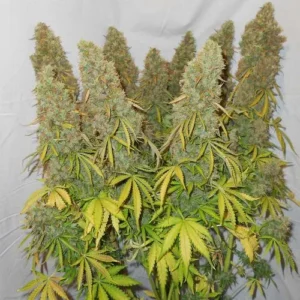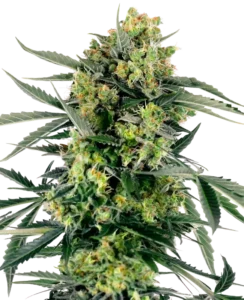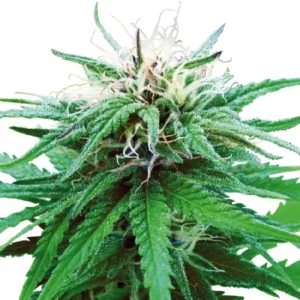
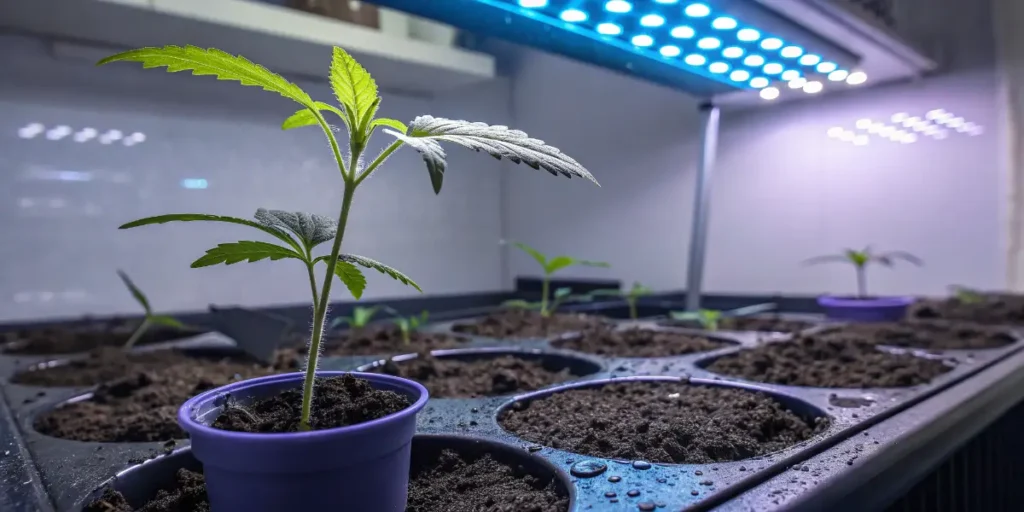

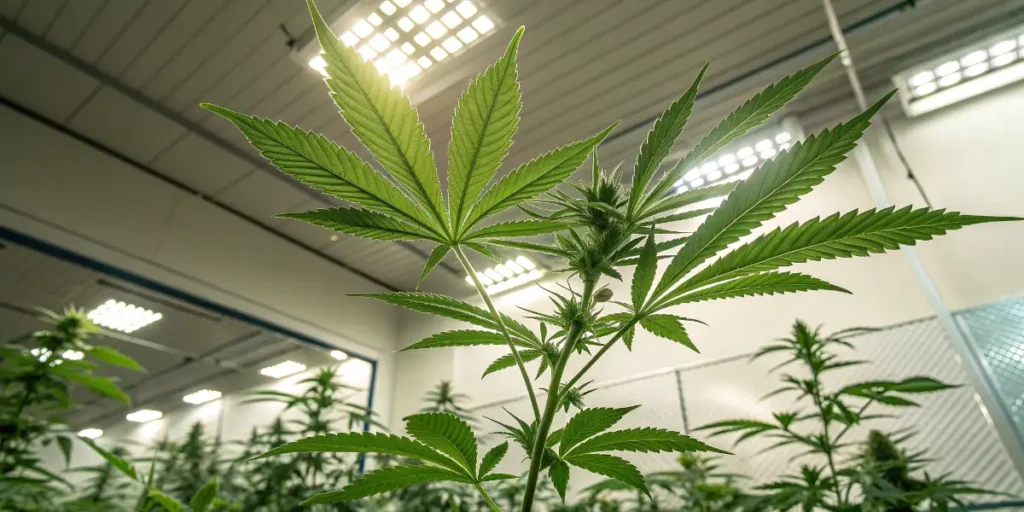
Growing cannabis like the Durban variety requires careful planning. Start by selecting a growing medium that suits indoor or outdoor cultivation. This strain thrives in well-drained soil with a consistent pH. Lighting is crucial, so for indoor setups, use high-intensity lamps to mimic sunlight. Regularly monitor humidity and temperature to encourage strong, healthy growth.
This cultivar responds well to pruning, aiding in better airflow and light penetration. Maintain a consistent watering schedule, allowing the soil to dry between sessions to prevent root rot. As the plant matures, adjust your nutrient regimen to support optimal terpenes and bud development. Paying attention to these details can boost your overall yield significantly.
Recommended Strains

Shortcut Auto

|
THC | 21% - 30% (High) |

|
Lineage | Pineapple Runtz x Pineapple Runtz x Ruderalis |

|
Type | Autoflowering |

|
Height | 4.92 ft | 1.5 m |

|
Yield | Low |

|
Yield Indoor | 0.98 - 1.31 oz/ft² | 300 - 400 g/m² |

|
Life Cycle | 11 - 12 weeks |

|
Phenotype | 50% Indica / 50% Sativa |

|
Effects | Relaxed, Euphoric, Sedative |

|
Flavors | Sweet, Earthy, Spicy, Tropical |
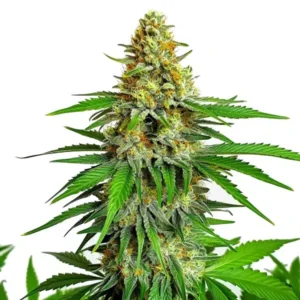
Kyle’s Cherry Ak
|
|
THC | 20% - 25% (Medium) |
|
|
Lineage | Cherry AK |
|
|
Type | Feminized |
|
|
Height | 5.91 ft | 1.8 m |
|
|
Yield | Low |
|
|
Yield Indoor | 0.66 - 1.47 oz/ft² | 200 - 450 g/m² |

|
Yield Outdoor | 21.16 - 28.22 oz/plant | 600 - 800 g/plant |
|
|
Flowering Time | 8 - 10 weeks |
|
|
Phenotype | 40% Indica / 60% Sativa |

|
Medical | Arthritis, Insomnia, Pain |
|
|
Effects | Happy, Relaxed, Talkative |
|
|
Flavors | Citrus, Fruity |
Harvest time is critical for maximizing this variety’s potential. Watch for trichomes to turn milky or amber, indicating optimal potency. Using trimming scissors, carefully harvest the buds to preserve their structure. A slow, controlled drying process will enhance the flavors and aromas characteristic of this strain. Following these steps will ensure a successful and rewarding grow for any cannabis enthusiast.
Durban Strain Overview: Traits, Effects & Genetics
Durban is a renowned sativa-dominant strain cherished for its energizing effects and stimulating properties. Originating from South Africa, this variety has gained popularity among cannabis enthusiasts and growers alike. The plant typically displays tall, slender growth, making it ideal for outdoor cultivation in warmer climates. With these characteristics, it has become a versatile choice for various growing environments.
This strain is noted for its vibrant green buds highlighted by trichomes that give the plant a shimmering appearance. The aromatic profile is characterized by a combination of sweet and spicy terpenes, contributing to its distinctive fragrance. Growers appreciate its robust yield and relatively short flowering time, typically ranging from eight to ten weeks, translating into a rewarding harvest.
In terms of effects, this cultivar is celebrated for delivering an uplifted and clear-headed high, perfect for daytime use. Consumers often report enhanced creativity and focus, making it a go-to choice for those seeking a productivity boost. The energizing properties of this genetics are complemented by a pleasantly smooth smoking experience, appealing to both novice and seasoned users.
Knowing the origin and composition of this variety can give growers valuable insights into its cultivation. With the right conditions, these cannabis plants can thrive and produce an abundant yield. Whether grown indoors or outdoors, providing appropriate nutrition and managing environmental factors are key to maximizing the potential of this cultivar. Its adaptability and rewarding characteristics make it a favorite among many cultivators.
Optimal Environment to Grow Durban Successfully
Durban is a resilient cannabis variety known for its adaptability and vigor in various climates. To cultivate this strain successfully, ensure it receives ample sunlight or strong indoor lighting, as it thrives in bright conditions. Natural ventilation or a well-designed airflow system is crucial to help the plant develop healthy buds and maintain its signature terpene profile.
This cultivar prefers a warm environment with temperatures ranging between 70-85°F (21-29°C) during the day and slightly cooler nights. Maintaining consistent temperatures prevents stress and encourages optimal growth. Growers often find success using a controlled greenhouse environment, where factors like humidity and temperature are easier to regulate to the plant’s benefit.
Humidity levels should ideally be kept in the range of 40-50% during the vegetative stage and reduced to around 30-40% during flowering. This helps to prevent mold and mildew, ensuring a robust yield. Incorporating dehumidifiers or humidifiers, as needed, can be instrumental in keeping this variety’s growing environment stable and conducive.
Good soil or a quality hydroponic setup is essential for maximizing the plant’s potential. Rich, well-draining soil with a balanced pH provides the nutrients needed for vigorous growth, while hydroponics offers precise nutrient control. Proper water management is also vital, as overwatering or underwatering can adversely affect the overall vitality and harvest quality of this genetics.
Grow Room Setup for Durban Plants
Creating an ideal grow room for this cannabis strain begins with selecting the appropriate space. Ensure that the area is well-ventilated to prevent mold and mildew, which can severely affect the buds. Installing adjustable lighting is crucial for managing the light cycle as Durban is a photoperiod variety that thrives with adequate light exposure to develop rich terpenes and a substantial yield.
Temperature and humidity control are key aspects of cultivating this variety. This strain prefers a slightly warmer environment; maintain temperatures between 70-85°F (21-29°C) during the day and a slight drop at night. Humidity levels should start at around 60% during the vegetative stage and gradually decrease to 40-50% during flowering. This provides optimal conditions for the plant’s growth and health.
Soil choice and nutrient management are also critical for successful cultivation. This cultivar performs well in rich, well-aerated soil with plenty of organic matter. Nutrients should be tailored to its growth stages, with nitrogen prominence in vegetative growth and increased phosphorus and potassium during flowering to maximize the harvest’s quality and quantity.
Considering the plant’s height and space requirements is essential. Durban can grow quite tall, so adding support structures or using training techniques like topping or LST (low-stress training) may be necessary. Optimizing space encourages even light distribution and promotes healthy bud development. These methods ensure that every part of the plant receives adequate resources for robust terpene profiles and a bountiful harvest.
Indoor Growing Tips for Durban
When cultivating Durban indoors, it’s crucial to maintain optimal environmental conditions. The plant thrives in well-ventilated spaces with a temperature range of 70-80°F. Growers should monitor humidity levels closely, keeping them between 40-50% during the vegetative stage to prevent mold and mildew. Proper air circulation is essential to bolster this variety’s resilience against pests and diseases.
Maximize the yield of this cultivar by using high-intensity lighting systems, such as LED or HID lamps, which promote healthy growth and potent buds. Training techniques like topping, scrogging, or LST can further enhance the structure, ensuring even light distribution across the canopy. Proper nutrient management, focusing on a balanced mix of nitrogen, phosphorus, and potassium, is key to promoting robust growth.
Pay attention to the plant’s flowering stage, as it typically spans around eight to ten weeks. Harvesting at the right time is vital to enhance the unique terpenes and flavors this variety is known for. By regularly checking trichome development with a magnifying glass, growers can ensure that the buds reach their peak potency, resulting in an exemplary indoor harvest of this cannabis.
Outdoor Growing Tips for Durban
For those cultivating Durban outdoors, choosing the right location is crucial to optimizing yield and terpene production. The plant thrives in warm, sunny climates with well-draining soil. Ensuring the area is shielded from strong winds will protect the buds as they develop. Regularly monitor the soil moisture to keep it balanced, as both overwatering and drought conditions can negatively impact growth.
To maximize the yield of this cultivar, proper pruning and training techniques are essential. Regularly trimming lower branches enhances air circulation, reducing the risk of mold. Using the “topping” method can encourage bushier growth, allowing more light to reach multiple budding sites. Supporting the plant with stakes will prevent damage from the weight of its dense buds as it matures.
Timing the harvest is key to achieving the best potency and flavor profile for this variety. Look for milky trichomes and red pistils as indicators of peak harvest time. Harvesting too early can result in less developed buds, while late harvesting risks degradation of essential terpenes. Properly cure the harvested buds to preserve the robust aroma and enhance the overall quality of the plant.
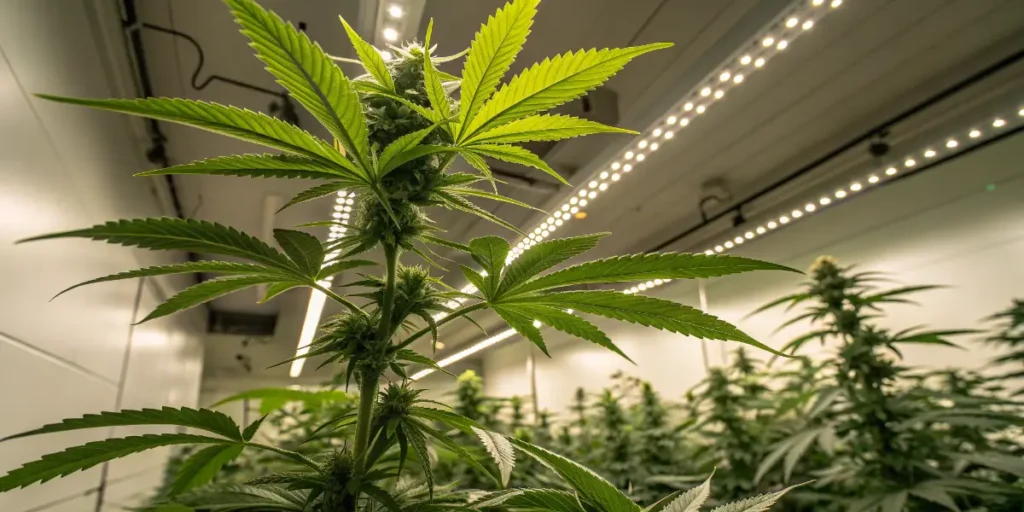
How to Germinate & Propagate Durban
Germinating seeds of this strain is the first step towards a successful cannabis cultivation journey. Begin by soaking the seeds in distilled water for 12 to 24 hours. This not only softens the seed coat but also enhances their chances of sprouting. After soaking, place the seeds between damp paper towels, ensuring they remain moist but not saturated, to encourage them to sprout.
Once you notice tiny roots emerging from the seeds, it’s time to transfer them to a suitable medium. For this variety, peat pellets or starter cubes are recommended, as they offer essential hydration and nutrients. Maintain a consistent temperature between 70-80°F to help the seedlings adapt and grow. Keeping the medium slightly warm aids in further root development.
After the seedlings of this cultivar begin to develop their first set of true leaves, they can be transplanted into larger pots filled with high-quality soil. Ensure the soil is well-aerated and rich in nutrients to support robust growth. Allowing the roots space to expand is crucial for the plant to reach its full potential during its vegetative stage.
Regular monitoring is key during these early stages, with particular attention to humidity and light levels. Keeping these factors optimal will ensure the plant thrives and establishes a strong foundation. A healthy start will eventually lead to a generous yield of buds with rich terpenes, ready for harvest. Patience and care during the propagation phase are essential for a successful Durban cultivation experience.
Vegetative Stage
During the vegetative stage, the focus is on supporting healthy growth for your Durban plants. Ensure they receive sufficient light at least 18 hours a day to promote robust development. This strain thrives with a consistent temperature between 70-85°F, allowing optimal leaf and stem formation. Properly spaced leaves will lead to increased light absorption, which is crucial for cannabis cultivation success.
Providing the right nutrients is essential for this variety’s growth. A fertilizer rich in nitrogen will encourage vigorous foliage. Monitoring soil pH is crucial; aim for a range of 6.0-6.5 for the plant to effectively absorb nutrients. This phase is about preparing for a prosperous yield, and careful attention will lead to a bountiful harvest.
Watering patterns also play a critical role during this stage. Ensure the substrate remains moist but not waterlogged to prevent root issues. Consistent watering schedules are vital, as they directly influence the plant’s growth rate and resilience. Furthermore, lower humidity levels, around 50-70%, at this stage help protect against mold and mildew, preserving this cultivar’s health.
Training techniques, such as topping and low-stress training, can improve light distribution and airflow within the canopy. This encourages multiple bud sites to form, enhancing the potential yield. As you nurture this genetics through the vegetative stage, these practices will prepare it for a prolific flowering period, resulting in aromatic buds with unique terpene profiles.
Flowering Durban: What to Expect
When cultivating this strain, growers can anticipate a flowering period that typically lasts about 8 to 9 weeks. As the plant matures, its vibrant buds become more pronounced, showcasing a beautiful combination of colors and raindrop-shaped structures. This cultivar is known for its thick resinous coating, making it appealing not only for its aesthetic but also for its potent yield potential.
As the flowering stage progresses, this variety begins to reveal its unique terpene profile. Growers can notice aromatic notes of sweet licorice and spicy earth, which are hallmark characteristics of this strain’s genetic ancestry. Ensuring proper airflow and maintaining an optimal climate can aid in enhancing these aromatic compounds, contributing to a rich sensory experience during the harvest.
Monitoring the plant’s health during this critical period is essential. Keeping a close eye on nutrient levels and pH balance will ensure that the buds develop to their fullest potential. Durban is generally hardy but benefits from the careful management of its environment to avert any issues that could affect the quality of the final yield.
The culmination of this genetics’ flowering phase is a rewarding harvest marked by dense, sticky buds. This cultivar is revered for its abundant yield and high-quality output. With proper care and attention throughout the flowering cycle, growers can expect a successful harvest of this resilient and aromatic cannabis strain, making the journey to cultivating Durban an enriching one.
Fertilizers & Nutrient Schedule
Providing the right nutrients is crucial for maximizing the yield and terpene profile of Durban. This cultivar thrives with a balanced nutrient regimen that caters to its specific growth phases. During the vegetative stage, the plant benefits from fertilizers rich in nitrogen to support vigorous leaf and stem development. Maintaining pH levels between 6.0 and 7.0 enhances nutrient uptake.
As this strain progresses into the flowering stage, growers should adjust the nutrient mix to increase phosphorus and potassium levels, which promotes robust bud formation. It’s vital to continue monitoring pH values to prevent nutrient lockout. Many cannabis enthusiasts favor organic fertilizers during this phase to ensure a clean, terpene-rich harvest that characterizes this genetics.
This variety is somewhat resilient, but it can still suffer from nutrient deficiencies or toxicities if not properly managed. Regularly checking for signs of distress, such as yellowing leaves or burned tips, helps ensure optimal growth. A schedule that includes periodic flushing can prevent nutrient buildup, contributing to the overall health of the plant.
The nutrient schedule should be tailored to the specific needs of the plant, taking into account environmental factors and growth medium. New growers may want to start with a commercial nutrient line designed for cannabis, while more experienced cultivators might experiment with custom mixes. Diligent attention to feeding schedules can significantly impact the quality and yield of Durban.
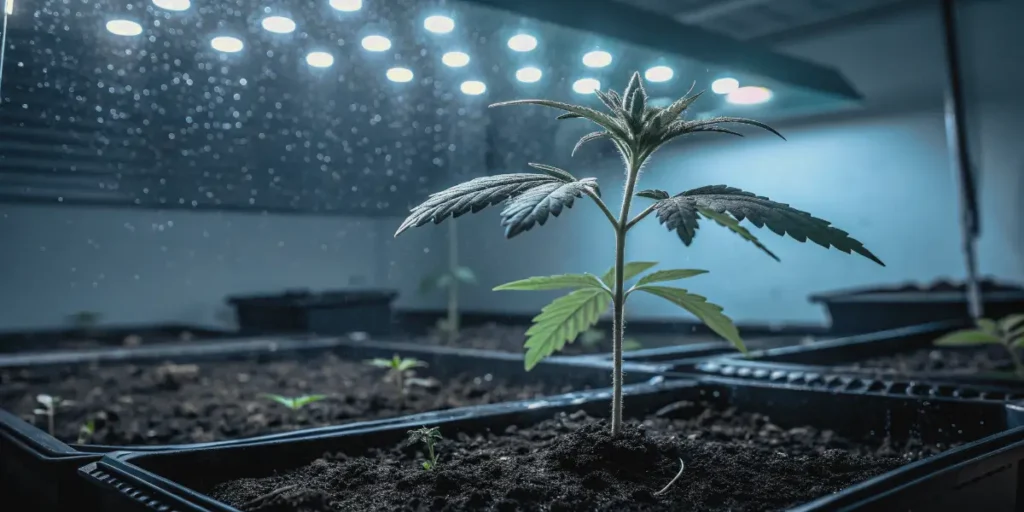
Pest and Disease Prevention for Healthy Cannabis Plants
Keeping Durban and other cannabis plants healthy begins with a proactive approach to pest and disease management. Ensuring a clean growing environment is crucial, as this reduces the likelihood of infestations and infections. Regularly inspect your plants for signs of pests like aphids or spider mites. Early detection will help growers address potential issues before they escalate and impact the buds.
This strain benefits from companion planting, which can naturally deter pests. Consider planting marigolds or basil nearby, as they can ward off insects detrimental to cannabis cultivation. Additionally, maintaining good airflow around the plants, along with proper spacing, can help prevent mold and mildew, two common ailments that can compromise the plant’s health and yield.
Use organic pest control methods to protect this variety, as chemical pesticides can negatively affect the plant’s terpenes and overall quality. Neem oil and insecticidal soaps are natural solutions that can be safely used to keep harmful insects at bay. Monitoring for any signs of disease or pest activity ensures that your Durban harvest will be healthy and bountiful.
Harvesting & Drying
Deciding when to harvest this strain is crucial for ensuring the desired potency and flavor. Growers should closely monitor the trichomes on the buds, waiting for them to turn from clear to milky with a hint of amber. This change signals the peak terpene and cannabinoid content, indicating that the plant is ready for harvest.
Once you’ve identified the perfect moment, use sterilized tools to cut the branches. Handle the buds gently to preserve their integrity and avoid bruising. Trimming the larger fan leaves prior to drying can help increase airflow around the cannabis, facilitating a more efficient drying process. This step is essential for maintaining the quality and yield of this variety.
Drying is a crucial phase where the aroma and potency of the plant develop further. It should be done in a dark, ventilated area with a consistent temperature between 60-70°F and humidity at 45-55%. By carefully managing the environment, growers can enhance the flavors and effects intrinsic to this cultivar while preventing mold and mildew.
After the drying period, which typically takes about 7-10 days, buds should feel dry to the touch with stems that snap cleanly, ensuring ideal conditions for curing. This additional phase, crucial for any cannabis, involves placing the buds in airtight containers to allow it to mature. Proper curing will fully develop the rich terpenes characteristic of Durban.
Durban Strain Type: Indica, Sativa or Hybrid?
Durban is a renowned cannabis variety cherished for its dominant Sativa genetics. Growers appreciate this strain for its energetic and uplifting effects, which are characteristic of Sativa types. The plant features tall, slender profiles, making it ideal for outdoor cultivation where space permits vertical growth. Durban is ideally suited for those seeking a dynamic boost, making it a favorite among consumers.
This strain’s Sativa dominance means it typically offers high yields and faster flowering times. Growers prize the plant for its resilience and ease of care, thriving in diverse climates. Its buds are often dense and coated with trichomes, reflecting its potent cannabinoid content. Terpenes like pinene and limonene contribute to the uplifting effects and distinct aroma of this cultivar.
Despite its Sativa lineage, growers can expect a reliable harvest with Durban, as it adapts well to various growing techniques. This variety’s genetic stability ensures consistent potency and quality, making it a staple for both novice and seasoned cultivators. Whether grown indoors or outdoors, this strain promises abundant yields with a rich terpene profile, elevating it to iconic status among cannabis enthusiasts.
Why Grow this strain? Key Benefits for Cultivators
Durban is renowned for its resilience, making it an excellent choice for both novice and seasoned growers. This strain thrives in various climates, withstanding fluctuations in temperature and humidity. Its robust nature helps ensure a successful cultivation process, making it appealing to growers who seek a dependable harvest with minimal complications.
Another advantage of cultivating this variety is its remarkable terpene profile. It produces buds with a rich and energetic aroma, featuring notes of spice and citrus. These aromatic compounds not only enhance the sensory appeal of the plant but also contribute to its popularity among consumers, offering cultivators advantageous marketability.
Furthermore, this cultivar is celebrated for its solid yield potential. It tends to produce generous harvests, which can greatly benefit those interested in maximising their returns. The plant often reaches maturity relatively quickly, enabling multiple growth cycles within a shorter period, thus optimising space and resources for efficient production.
Potential Challenges When Growing Durban
Successfully cultivating this strain requires knowing its specific needs and challenges. One significant challenge for growers is managing the plant’s height, as it can stretch considerably during its flowering phase. To control this, consider topping or training techniques early in the vegetative stage to promote a bushier structure, which helps maximize yield and manage indoor grow spaces effectively.
Another issue growers might face with this cultivar is its sensitivity to temperature fluctuations. Durban thrives in a stable environment, so maintaining consistent temperatures between 70-80°F is crucial. Sudden drops or spikes can impact bud development and overall plant health. Installing reliable temperature controls and monitoring systems can mitigate these risks and ensure optimal growth.
The plant is known for its vigorous growth, which can lead to overcrowding and poor air circulation if not addressed. Proper pruning and spacing are essential to prevent these issues and reduce the risk of mold and mildew. Keeping humidity levels in check also supports the development of healthy buds and enhances the expression of its unique terpenes.
Is this Variety Worth Buying? Here’s What You Need to Know
Choosing the right cannabis strain for cultivation can significantly impact your harvest. This strain, known for its resilience, is ideal for both novice and experienced growers. It thrives in a variety of climates, making it a flexible option. Its buds produce an enticing aroma, thanks to the rich terpene profile, which many growers find appealing.
This cultivar offers a moderate yield, making it a reliable option for those looking to balance effort with results. Its distinct characteristics are evident in both greenhouse and outdoor cultivation. Many growers appreciate the consistent quality of the harvest, attributing success to the plant’s genetics and robust growth patterns, which lend themselves well to different cultivation methods.
Deciding whether Durban is worth buying ultimately depends on your specific cultivation goals. The plant’s unique flavor and satisfying yield make it an attractive choice for those looking to experience unique cannabis profiles. Given its sturdy nature and rewarding harvest, this variety has carved a respected place in the cannabis community, ensuring that it remains a popular choice among growers.
FAQs: Growing Durban
How difficult is it to cultivate Durban for beginners?
This variety is moderately challenging for novice growers. While not overly demanding, it requires attentiveness to environmental factors like humidity and temperature. Training techniques such as low-stress training (LST) and topping can enhance yields but need some expertise to apply effectively. Nevertheless, attentive intermediate growers can expect rewarding results from Durban.
What yield can I expect from Durban?
When grown under ideal conditions, this strain can produce generous yields. Indoor growers can expect around 400-500 grams per square meter, while outdoor cultivation may yield up to 600 grams per plant. The key is to ensure optimal conditions, including proper nutrients and adequate light, to maximize the harvest potential of Durban.
What is the ideal climate for cultivating Durban?
Durban thrives in warm, sunny climates with temperatures ranging between 70-85°F (21-29°C). This strain has a reputation for its resilience against pests and molds, making it suitable for both indoor and outdoor growing. However, maintaining consistent temperature and humidity levels will significantly enhance its growth and yield.
How long is the flowering period for Durban?
Durban has a relatively short flowering period, taking roughly 8-9 weeks to mature. Indoor growers can precisely control light cycles to accelerate the process, while outdoor cultivators should expect to harvest by late September to early October. Patience during flowering will reward growers with dense, resinous buds.
What nutrient needs does Durban require?
Durban requires a balanced nutrient plan, particularly during its vegetative stage, to promote healthy growth. A nutrient solution high in nitrogen is essential early on, while a balance of phosphorus and potassium is crucial during flowering. Regular monitoring and adjustments based on the plant’s response are key to meeting its nutrient needs effectively.