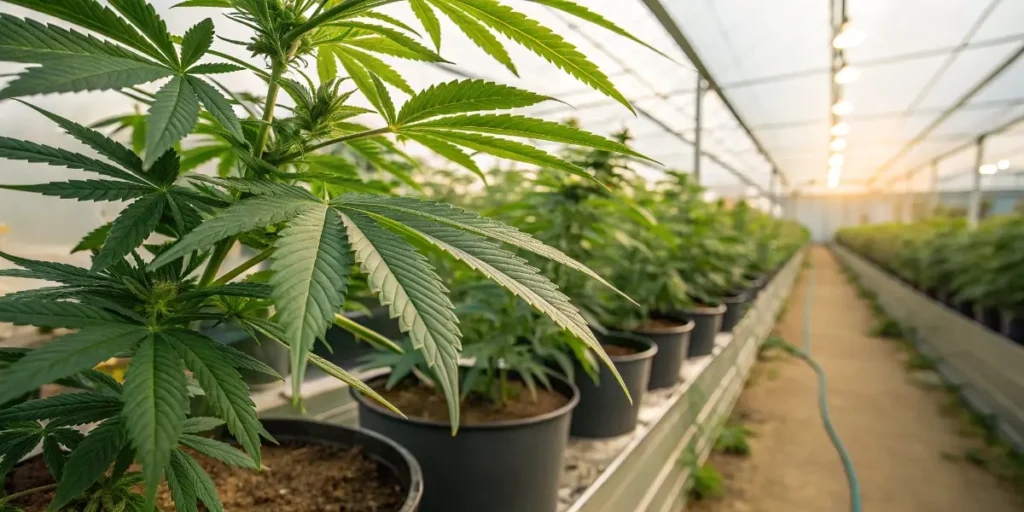

Starting with robust genetics is crucial for yielding a successful cannabis crop. Durban Dew thrives in warm climates with plenty of sunlight. Whether you grow this strain indoors or outdoors, ensure the plant has well-draining soil rich in organic matter. A consistent watering schedule and balanced nutrients will support this strain’s growth from seedlings to bushy plants ready for flowering.
Monitoring environmental conditions is essential for this variety. Maintain a temperature range between 70-85°F with a humidity level of 40-50% during the vegetative stage. As the plant transitions to flowering, gradually reduce humidity to prevent mold and enhance the development of dense, aromatic buds rich in terpenes. This technique helps maximize the potential yield and resin quality of the plant.
Recommended Strains
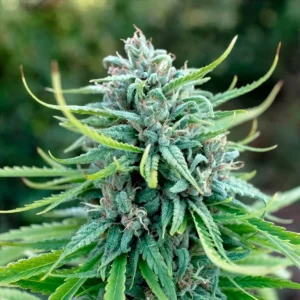
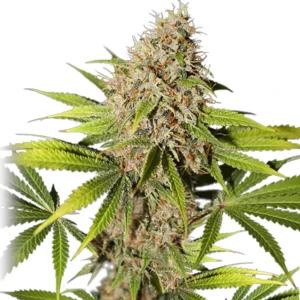
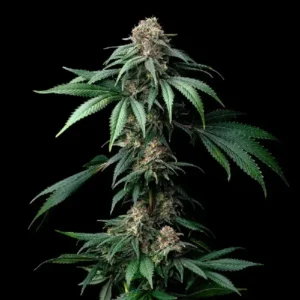
Durban Dew

|
THC | 10% - 15% (Low) |

|
Lineage | Durban Poison X Frisian Dew |

|
Type | Feminized |

|
Height | 4.92 ft | 1.5 m |

|
Yield | High |

|
Yield Indoor | 1.64 - 1.97 oz/ft² | 500 - 600 g/m² |

|
Yield Outdoor | 38.8 - 42.33 oz/plant | 1100 - 1200 g/plant |

|
Flowering Time | 8 - 9 weeks |

|
Phenotype | 30% Indica / 70% Sativa |

|
Effects | Uplifted, Euphoric, Focused, Energetic |

|
Flavors | Sweet, Citrus, Fruity |
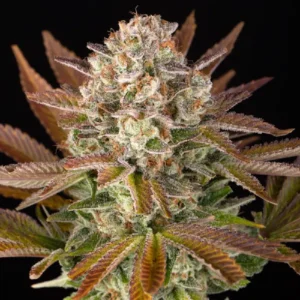
Mendo Breath
|
|
THC | 28% - 29% (High) |
|
|
Lineage | OGKB x Mendo Montage |
|
|
Type | Feminized |
|
|
Height | 5.25 ft | 1.6 m |
|
|
Yield | Medium |
|
|
Yield Indoor | 1.47 - 1.64 oz/ft² | 450 - 500 g/m² |
|
|
Flowering Time | 8 - 10 weeks |
|
|
Phenotype | 70% Indica / 30% Sativa |
|
|
Effects | Relaxed, Uplifted, Happy |
|
|
Flavors | Sweet, Vanilla, Caramel, Candy |
When cultivating this genetics, prune excess foliage to improve light penetration and airflow within the canopy. Regularly inspect for pests and deficiencies to address them promptly. As Durban Dew approaches harvest, flush the soil with plain water to remove nutrient build-up. By following these steps, growers can expect a bountiful harvest with potent, flavorful buds.
Durban Dew Strain Overview: Traits, Effects & Genetics
Durban Dew is a unique cannabis strain known for its uplifting effects and robust growth traits, making it a favorite among growers. This cultivar thrives in various climates, offering substantial yields when cultivated with care. Its buds are laden with rich terpenes that produce a distinct aroma, making the plant highly sought after in the cannabis community.
This variety’s genetic profile is deeply rooted in its parent strains, which contribute to both its potent effects and its resilience in diverse environments. Growers appreciate this strain for its vigorous growth patterns and the relatively short time it takes to reach harvest maturity. The plant’s standout feature is its high resin production, which reflects in the quality of the final product.
The effects of this cultivar are predominantly cerebral, providing a clear-headed high that is both motivating and energizing. This makes it a preferred choice for those seeking a strain that facilitates productivity and creativity. Users often report a sense of euphoria and heightened sensory experiences, underscoring its popularity among recreational and medicinal users alike.
In the realm of cultivation, it stands out for its adaptability and robust yields. The plant responds well to both indoor and outdoor growing conditions. Its terpene-rich profile not only contributes to its striking aroma but also to the overall appeal in the market. With proper care and attention, this variety promises a rewarding harvest for cannabis enthusiasts.
Optimal Environment to Grow Durban Dew Successfully
To realize the full potential of this strain, cultivators need to recreate its native conditions. Durban Dew thrives in a warm, semi-humid climate with temperatures between 70-85°F. Ensuring this variety receives plenty of sunlight will stimulate its vigorous growth. Moreover, stability in these conditions is crucial for maximizing both yield and the unique terpene profile it is known for.
When considering soil, growers should focus on well-draining, slightly acidic solutions. Ample nutrients, especially nitrogen, potassium, and phosphorus, will support the plant’s robust development. Maintaining a soil pH between 6.0 and 6.5 allows this cultivar to effectively uptake essential nutrients, enhancing overall vigor and bud quality. Regular monitoring and adjustment are essential for optimal outcomes.
Humidity control is vital for this variety’s success. Keeping the relative humidity around 40-50% prevents mold and other moisture-related issues while fostering healthy development. During the flowering stage, reducing humidity slightly helps concentrate resin production, thereby ensuring the buds are rich in both cannabinoids and terpenes. Adjustments should be made gradually to prevent plant stress.
Air circulation and spacing are critical components. Proper airflow around the plant encourages robust foliage and reduces the risk of pests and diseases. Space each plant adequately to enhance light penetration and air movement, which is fundamental for maximizing Durban Dew’s yield. Employing some basic pruning techniques further ensures that all parts of the plant receive sufficient resources.
Grow Room Setup for Durban Dew Plants
Proper grow room setup is crucial for maximizing the potential of this strain. To start, ensure adequate space for the plant, as it tends to grow tall and requires room to stretch. Quality ventilation is essential to maintain the ideal temperature and humidity levels. This also helps prevent issues like mold and pests, which can affect the cannabis harvest.
Lighting is another critical component for cultivating this variety. Full-spectrum LED lights are recommended because they provide the necessary spectrum for all growth stages. Position the lights to allow the buds to develop optimally while avoiding light burn. Regularly adjusting the distance helps manage the intensity exposure as the plant progresses through its lifecycle.
For Durban Dew, maintaining a consistent environment is key. Employ reliable timers for lights and fans to minimize stress on the plant. Temperature should be maintained between 70-85°F during the day and slightly cooler at night. Humidity levels should start higher during the vegetative stage and gradually decrease in the flowering phase to enhance terpenes and yield.
Utilizing a hydroponic system can further boost the potential of this genetics, allowing for precise control over nutrient delivery. Keep the pH levels between 5.8 and 6.5 for optimal nutrient uptake. Regular monitoring and adjustments ensure that these parameters are maintained, resulting in healthy growth and a bountiful harvest of potent, aromatic buds.
Indoor Growing Tips for Durban Dew
To cultivate Durban Dew successfully indoors, growers should focus on providing optimal lighting conditions. LED lights are highly recommended as they mimic natural sunlight and can help the plant thrive. This variety responds well to a light cycle of 18 hours of light and 6 hours of darkness during the vegetative stage, which encourages strong growth and prepares it for abundant flowering.
Maintaining proper humidity levels is crucial for the health of this cultivar. During the vegetative phase, aim for 40-60% humidity to promote healthy foliage. As it transitions into the flowering stage, gradually lower the humidity to around 40-50% to prevent mold and mildew, ensuring the buds develop robustly. Monitoring and adjusting these parameters can significantly enhance the overall yield.
Feeding this genetics requires a balanced nutrient regimen. Start with a nutrient mix high in nitrogen during its vegetative stage. When the plant enters the flowering phase, switch to a blend rich in phosphorus and potassium, crucial for bud development and terpene production. Regularly check the pH levels of the soil or water to prevent nutrient lockout, ensuring a successful harvest of superior quality.
Outdoor Growing Tips for Durban Dew
When cultivating Durban Dew outdoors, selecting the right location is crucial. This variety thrives in a sunny environment with adequate airflow to prevent mold and mildew. Growers should ensure the soil is rich in nutrients, well-draining, and pH balanced to encourage strong growth and maximize the yield. Monitoring weather conditions is also vital to protect the plant from unexpected frost or excessive rainfall.
This cultivar benefits from a regular watering schedule, especially during dry spells, to support the development of healthy buds. Applying organic compost can enhance soil fertility, providing essential nutrients for robust growth. As the plant matures, pruning lower branches can improve light penetration and boost airflow around the canopy, promoting better terpene production and overall health of the crop.
Ensuring a timely harvest is essential for this variety, as it typically reaches maturity in late fall. Growers should monitor the trichomes’ color, shifting from clear to milky white, as an indicator for peak harvest time. Proper curing of the buds after harvest preserves the aromatic terpenes and enhances the potency of the final yield. Following these outdoor cultivation tips can lead to a successful and rewarding growing experience.
How to Germinate & Propagate Durban Dew
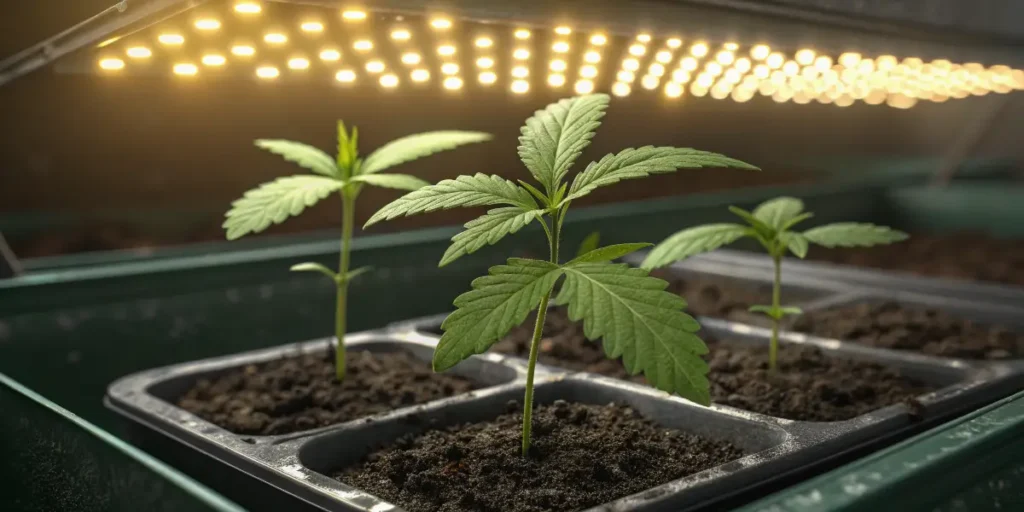
Successfully germinating this strain begins with selecting high-quality seeds. Soak the seeds in a glass of water for 12-24 hours to initiate the process. After soaking, place them between moist paper towels, ensuring they remain damp and warm. This method helps ensure a high success rate for emerging taproots, setting the foundation for healthy seedlings to develop robust cannabis plants.
Once the seeds of this cultivar have sprouted, gently transfer them into small pots filled with a light seedling mix. Be cautious not to damage the delicate taproots. Maintain consistent warmth and moisture by keeping the pots in a controlled environment. Early in the cannabis growth cycle, stable conditions are crucial for strong root development, which directly affects yield and overall plant health.
Propagation of the plant can be efficiently achieved through cloning. Select a healthy parent plant from which to take cuttings, ideally one with vigorous growth and desirable characteristics. Use sterilized tools to minimize plant stress and encourage quick rooting. Cloning allows growers to replicate prized genetics of this variety, maintaining uniformity in terpene profiles and bud production.
Whether from seed or clone, providing optimal environmental conditions is essential for this genetics. Ensure consistent exposure to light, appropriate humidity levels, and nutrient-rich soil. Regular monitoring and adjusting of these factors are key for cultivating a thriving, high-yielding plant. With patience and attention to detail, growers can look forward to a successful harvest of Durban Dew.
Vegetative Stage
The vegetative stage is crucial for setting a strong foundation for your cannabis cultivation. During this phase, focus on ensuring optimal conditions for your plants to grow robustly. Providing sufficient light, ideally 18 hours a day, enhances photosynthesis, promoting healthy foliage development for this strain. Regular monitoring of soil moisture and ensuring proper drainage are vital actions for cultivating strong plants during this period.
As the plant develops, paying attention to nutrient levels is essential. This variety thrives with a balanced diet containing nitrogen, phosphorus, and potassium. Organic fertilizers can support this cultivar’s vigorous growth. Be vigilant for signs of nutrient deficiencies, which could hinder its potential yield and overall health. Maintaining a stable environment fosters steady and healthy development, preparing the plant for a prosperous flowering stage.
Training techniques can significantly improve the growth structure of the plant. Methods like topping or low-stress training encourage more lateral growth, leading to increased bud sites. Growers aiming for a higher yield should consider these strategies. Furthermore, consistent trimming of any unhealthy leaves enhances airflow and light penetration, which are critical factors for healthy cannabis plants throughout the vegetative stage.
Durban Dew requires careful attention to detail during the vegetative stage to reach its full potential. Regular observation and adjustments in response to the plant’s needs will result in a robust and lush canopy. Cultivators who provide an optimal environment and expert care can anticipate a successful harvest. Careful nurturing now will lead to a rewarding yield of aromatic and resinous buds at the end of the growth cycle.
Flowering Durban Dew: What to Expect
During the flowering stage, this strain showcases its remarkable growth and potential for a generous yield. Growers can expect Durban Dew to start flowering within 8 to 10 weeks. This variety is known for its compact, resinous buds, which emit an enticing aroma. It is important for cultivators to monitor humidity levels to prevent mold, ensuring optimal conditions for high-quality cannabis production.
The plant’s dense bud structure is a signature characteristic that appeals to both novice and seasoned cultivators. It often requires pruning to improve light penetration and air circulation, which are crucial for maximizing harvest results. This cultivar’s resilience makes it suitable for both indoor and outdoor environments, offering flexibility in cultivation methods and allowing growers to adapt according to their specific setup and climate.
This genetics is notable for its aromatic profile, rich in terpenes that contribute to its distinct scent and flavor. Cultivators can expect a sweet, spicy aroma that carries over into the taste, making it a favorite among cannabis enthusiasts. Regular monitoring of nutrient levels and ensuring proper watering routines will help maintain the plant’s health, ensuring a successful flowering phase.
As harvest time approaches, Durban Dew’s buds mature into heavy, potent colas. Timing the harvest correctly is crucial, as it influences both the potency and terpene profile. Observing the trichomes for a cloudy appearance will indicate readiness. By following these insights, growers can achieve a rewarding harvest, capturing the essence of this sought-after cultivar.
Fertilizers & Nutrient Schedule
When cultivating this strain, it’s crucial for growers to develop a tailored nutrient schedule to optimize the plant’s growth. Providing the right balance of nutrients is essential for it to thrive. The foundation of feeding this genetics begins with a high-quality cannabis-specific fertilizer during its vegetative phase, ensuring that the plant receives ample nitrogen, phosphorus, and potassium.
This cultivar requires a nuanced approach to nutrient delivery as it transitions from vegetative to flowering stages. Reducing nitrogen while increasing phosphorus and potassium will promote healthy bud development. Growers should also incorporate micronutrients, as these are vital for overall plant health. Careful monitoring of pH levels in the soil or growing medium will enhance nutrient absorption for this variety.
The use of organic fertilizers can benefit this strain by enhancing terpene profiles and yielding aromatic buds. Incorporating compost teas or worm castings can provide a natural nutrient boost, improving soil health. Regularly feeding the plant with supplements, such as calcium and magnesium, is also recommended for strong stem development and overall vigor throughout the growth cycle.
As Durban Dew approaches harvest time, flushing the plant with pure water helps in removing excess nutrients, resulting in a cleaner product. This step will ensure that the final harvest is smooth and flavorful. Proper feeding and nutrient management throughout its life cycle will contribute significantly to the strain’s final yield and quality, ensuring a rewarding cultivation experience.
Pest and Disease Prevention for Healthy Cannabis Plants
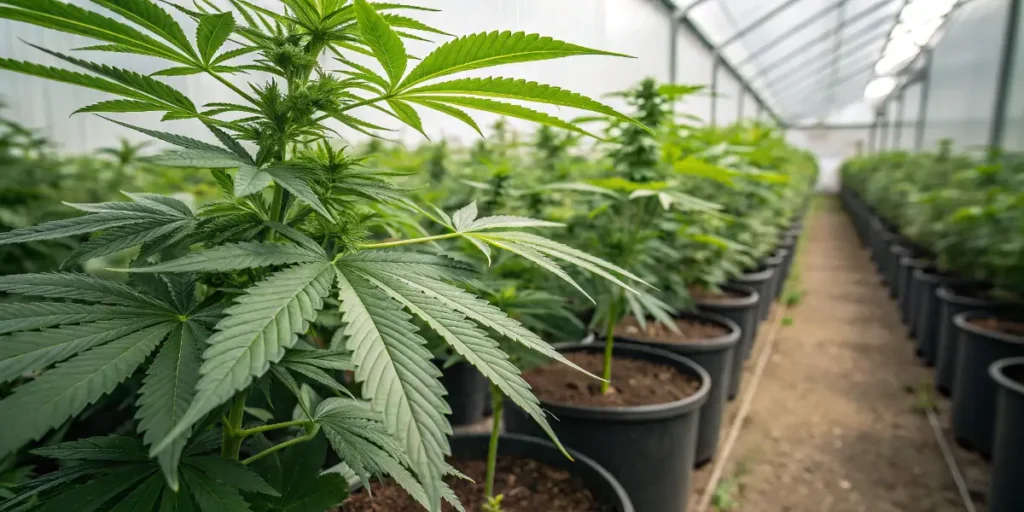
To protect this strain from common pests, growers should focus on maintaining a clean cultivation area. Regularly checking the plant for signs of mites or aphids can prevent infestations. A gentle spray of neem oil can serve as a natural deterrent, helping to keep the foliage free from harmful creatures that can damage buds and reduce yield.
Diseases such as powdery mildew and root rot are prevalent in humid environments. Ensuring proper airflow around the plant by spacing out branches is crucial. Use of organic fungicides and controlling humidity levels can effectively safeguard this variety. These preventive measures enhance the resilience of the plant against disease, promoting a healthy growth cycle from seedling to harvest.
For Durban Dew, monitoring the soil and environment closely can significantly minimize risks. Incorporating companion planting with herbs like basil or mint may naturally repel pests, offering additional layers of protection for this cultivar. Such proactive strategies ensure that the plant thrives, reaching its full potential with robust terpenes and a bountiful harvest.
Harvesting & Drying
To ensure the best quality and yield, harvesting this strain at the right time is crucial. Experienced cannabis growers know that timing can significantly influence the terpene profile and potency of the buds. With Durban Dew, wait until the trichomes are mostly milky with some turning amber. This will ensure that the plant is at its peak potency before harvest.
Once you identify the right time to harvest, proceed by carefully cutting the branches of this cultivar. Handle it with care to prevent damage to the valuable resinous buds. The drying phase starts immediately to preserve the rich terpenes characteristic of this genetics. For optimal results, maintain a slow and consistent drying process.
During the drying phase, maintain a controlled environment with temperatures ranging between 60-70°F (15-21°C) and humidity levels at 50%. This allows the cannabis to dry evenly, protecting the integrity of its flavor and aroma. Adequate airflow is vital; utilizing fans can help circulate air without directly blowing onto the buds of this variety.
After drying, the curing process enhances and finalizes the quality of the plant. Store the buds in airtight containers, opening them periodically to allow fresh air in for a few weeks. This method ensures that Durban Dew retains its rich flavor and aroma, providing an exceptional experience for those who appreciate high-quality cannabis. By following these steps, your harvest will result in superior buds ready for enjoyment.
Durban Dew Strain Type: Indica, Sativa or Hybrid?
Durban Dew is distinguished as a hybrid strain, expertly blending characteristics from both indica and sativa origins. This balanced composition makes it appealing to growers seeking a versatile plant. With its mix of physical relaxation and mental stimulation, this variety offers a rich experience. Knowing the nuances of this strain’s genetics helps cultivate it successfully, ensuring a bountiful yield.
This cultivar thrives under diverse environmental conditions, a trait inherited from its sativa lineage. Growers might notice the plant’s vigorous growth and the resilience typical of sativas, paired with a flowering time that leans towards indicas. Cultivating this strain supports a substantial harvest, with buds rich in unique terpenes that cater to diverse consumption preferences.
The Durban Dew hybrid inherits a potency that reflects the strengths of both parental genetics. This strain’s adaptability allows it to flourish both indoors and outdoors, suiting various cultivation setups. By balancing the energizing effects of sativas with the soothing qualities of indicas, Durban Dew provides a well-rounded cannabis experience, making it a favored choice among connoisseurs and enthusiasts alike.
Why Grow this Strain? Key Benefits for Cultivators
For growers seeking a unique and rewarding experience, this strain offers an impressive combination of features. Known for its robust growth and resilience, this variety thrives in various conditions, making it suitable for both novice and advanced cultivators. The plant’s adaptability ensures high-quality yields, providing a satisfactory harvest cycle for those seeking reliable results.
This cultivar’s standout feature is its remarkable terpene profile, which contributes to its distinctive aroma and taste. This makes the buds especially appealing to connoisseurs. Additionally, the rich composition of cannabinoids within this genetics enhances its desirability, giving it a competitive edge in the cannabis marketplace. Cultivators consistently seek this strain for its premium flavor and robust effects.
Durban Dew is particularly valued for its exceptional yields. When provided with optimal growing conditions, this variety can produce bountiful harvests. This ensures that each cultivation cycle is not only fulfilling but also economically rewarding. Its robust nature and impressive yield make it a popular choice among growers aiming for high efficiency and superior crop quality.
Potential Challenges When Growing Durban Dew
Growing this strain can be rewarding, but it does come with its challenges. One major concern is its susceptibility to pests and mold, which can affect the buds if not monitored carefully. This cultivar thrives in a controlled environment where temperature and humidity are regulated. Growers should invest in quality ventilation systems to prevent potential issues during the cannabis cultivation process.
Another challenge with this variety is nutrient sensitivity. The plant requires a balanced feeding regimen to avoid nutrient burn, which can stunt growth and reduce yield. This genetics benefits from organic nutrients, providing a healthy medium for roots to expand. Careful attention to the diet is crucial to ensure the abundance of rich terpenes by harvest time, ensuring quality buds.
Durban Dew, known for its vigorous growth, may require space management. Growers often find it beneficial to use training techniques like topping or pruning to manage this cultivar’s height and maximize light exposure. Adequate spacing also helps increase air circulation, reducing the risk of mold. By knowing these potential challenges, cultivators can successfully optimize their growing strategies for this high-yielding plant.
Is this Variety Worth Buying? Here’s What You Need to Know
Durban Dew has earned a reputation among cannabis enthusiasts and growers for its robust growth and appealing properties. Known for its unique terpene profile, this strain delivers a distinctive aroma that many find irresistible. With proper cultivation, this variety offers a rewarding yield, making it a worthwhile investment for those who are dedicated to fine-tuning their growing techniques.
This strain thrives in both indoor and outdoor environments, although it prefers a warm climate for optimal growth. Growers appreciate the plant for its resilience against common pests and molds, ensuring a healthier harvest. Additionally, it produces dense buds rich in cannabinoids, which contribute to a potent and satisfying experience for consumers, whether used medicinally or recreationally.
Overall, if you’re seeking a variety with a robust yield and unique characteristics, Durban Dew stands out as a compelling choice. Its complex terpene profile coupled with a high yield potential makes it a favorite among seasoned growers. Investing in this cultivar not only promises an exciting cultivation journey but also ensures a high-quality harvest for all your cannabis needs.
FAQs: Growing Durban Dew
What is the ideal climate for cultivating Durban Dew?
Durban Dew thrives in a warm and temperate climate, similar to its South African origins. This strain prefers outdoor environments where temperatures are consistently in the range of 70-85°F (21-29°C). In cooler climates, it can be effectively grown indoors under controlled conditions. Ensuring adequate sunlight or strong indoor lighting will help this variety flourish. Additionally, maintaining proper airflow and humidity control will support healthy growth for the plant.
How long does it take for Durban Dew to flower?
Durban Dew typically has a flowering time of about 8 to 10 weeks when grown indoors. Outdoor growers can expect the plant to be ready for harvest by late September to early October. This cultivar’s relatively quick flowering period makes it appealing to growers seeking a concise growth cycle. Keeping a steady eye on environmental factors will optimize development and yield during this crucial phase. Adhering to the flowering timeline results in high-quality buds from this variety.
What yield can I expect from Durban Dew?
Growers of Durban Dew can anticipate moderate to high yields when optimal growing practices are employed. Indoors, this strain can yield around 600 grams per square meter, while outdoor cultivation can produce even more substantial results, sometimes reaching up to 700 grams per plant. The plant’s potent genetics ensure that with proper care such as nutrient management and training techniques this cultivar delivers bountiful harvests that satisfy even expert growers.
Are there specific nutrients that Durban Dew requires?
To achieve its full potential, Durban Dew requires a balanced nutrient regimen throughout its growth cycle. Utilizing quality cannabis-specific nutrients will ensure the plant receives necessary macronutrients like nitrogen, phosphorus, and potassium. Additionally, micronutrients such as calcium, magnesium, and sulfur are vital for its health. Growers must monitor pH levels and adjust feeding schedules based on this strain’s growth stage. Proper nutrient management directly influences the vigor and quality of it.
What common problems should I watch out for when growing Durban Dew?
While cultivating Durban Dew, growers might encounter issues such as powdery mildew due to its dense foliage. Regular pruning and optimal airflow can mitigate this risk. Additionally, monitoring for pests like spider mites and aphids is essential. Being attentive to overwatering or nutrient burn is crucial to avoid stunting this variety’s growth. Implementing an integrated pest management approach ensures that the plant remains robust throughout the cultivation process.