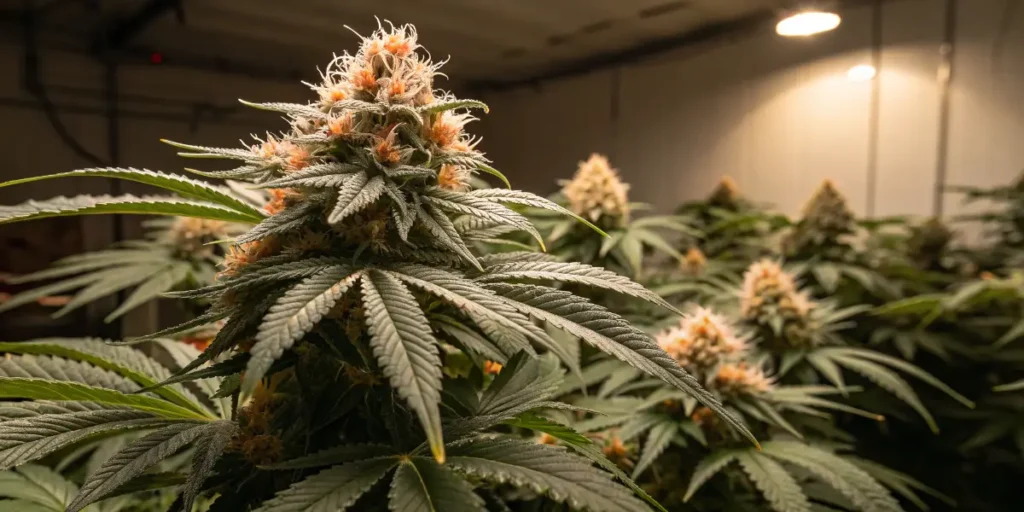

When beginning the cultivation of this strain, choosing the right environment is crucial. Durban Poison thrives in warm, sunny climates with a moderate humidity level. It can be grown both indoors and outdoors, although greenhouse cultivation offers excellent control over environmental variables. This genetics is known for its resilience, enabling growers to achieve healthy growth with less susceptibility to common pests.
Ensure the plant receives adequate nutrients throughout its growth cycle. Starting with a balanced nutrient feed during the vegetative stage and transitioning to phosphorus-heavy formulas in the flowering phase will support robust bud development. Regular pruning will aid in light penetration, promoting even growth and maximizing the yield of this cultivar. Monitoring soil pH and moisture levels is advised for optimal results.
As harvest approaches, growers should look for milky trichomes and a soft amber tint to the pistils, indicating peak maturity. During harvest, handle the plant gently to preserve its aromatic terpenes. Proper drying and curing are vital to maintaining the quality of Durban Poison buds. Once cured, this variety delivers an uplifting and energizing experience, rewarding growers with its signature flavors and effects.
Durban Poison Strain Overview: Traits, Effects & Genetics
Durban Poison is renowned among cannabis enthusiasts for its distinctive traits that make cultivation a rewarding experience. This variety thrives in a variety of climates, offering growers an opportunity to achieve substantial yields. The plant is characterized by robust, vivid green buds coated with a thick layer of trichomes, which hint at the potent effects that await.
When it comes to effects, this cultivar is celebrated for providing an energetic and uplifting high, ideal for daytime use. The rich terpene profile contributes to its unique aroma, blending sweet and earthy tones. Known for enhancing creativity and focus, it’s a favorite for those needing an invigorating boost to tackle tasks.
The genetics of this strain are steeped in history, originating from South African landraces. Its pure sativa lineage is apparent in both its growth pattern and effects, making it a prized choice for purists. With proper cultivation techniques, growers can expect a bountiful harvest of sativa-dominant buds that are well worth the effort.
For successful cultivation, attention should be given to the plant’s love for sunlight and resistance to pests. These traits make it relatively easy to grow, even for novice cultivators. Whether grown indoors or outdoors, ensuring adequate space for vertical growth will optimize the yield of this exceptional cannabis strain.
Optimal Environment to Grow Durban Poison Successfully
Cultivating this variety requires attention to its unique environmental preferences. This strain thrives in warm, sunny climates reminiscent of its South African origins. The plant prefers temperatures between 75-85°F (24-29°C) during the day, mirroring the natural conditions where it flourishes. Ensuring adequate sunlight is crucial for the plant’s development, as it significantly contributes to vigorous growth and resinous buds.
Growers should also pay attention to humidity levels, keeping them moderate to prevent mold, a common issue in cannabis cultivation. Optimal humidity ranges between 40-50% during the vegetative stage. Dropping to around 30-40% during flowering helps maximize resin production and enhances the rich terpene profile for which this cultivar is renowned. Maintaining a controlled environment ultimately contributes to the successful cultivation of this genetics.
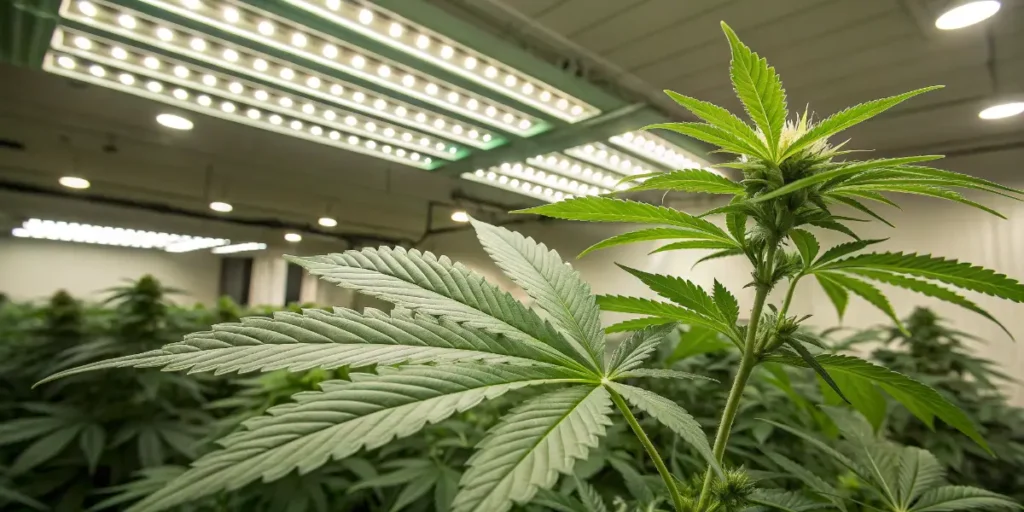
Indoor cultivation of the plant can be highly effective when artificial lighting mimics natural sunlight. High-Intensity Discharge (HID) or LED lights are recommended to ensure optimal photosynthesis and energy distribution. Ample space between plants allows for effective airflow, reducing the risk of pests and diseases, and maximizing yield. Adopting a consistent light schedule is also vital for successful growth and timely harvest.
Providing the right soil conditions is just as important. Utilizing a well-draining, nutrient-rich soil mix supports robust root development crucial for the plant’s health. Naturally, Durban Poison excels with soil that’s enriched with organic matter, offering a slow release of nutrients throughout its lifecycle. Regular feeding with balanced nitrogen, phosphorus, and potassium levels will further enhance buds’ potency and overall production.
Grow Room Setup for Durban Poison Plants
When cultivating Durban Poison, setting up a controlled grow room is essential for achieving the best results. This strain thrives in an environment where growers can manage temperature, humidity, and lighting. Providing adequate airflow is also crucial to prevent mold and pests from damaging the plant, ensuring a healthy growth cycle and abundant yield at harvest time.
Temperature control is vital when cultivating this variety. Aim to maintain a consistent temperature between 70-85°F to mimic its native climate, encouraging robust growth. During the flowering stage, cooler night temperatures can help enhance the development of potent buds and aromatic terpenes. This attention to detail can significantly impact the quality of the final product.
Humidity levels also play a key role in the cultivation of this cultivar. During the vegetative stage, maintain relative humidity around 60-70%, gradually reducing it to 40-50% in the flowering stage. Proper humidity control reduces the risk of mold and mildew, which could otherwise compromise the quality of your Durban Poison plants’ harvest.
Lighting is another crucial factor for enhancing the yield from this strain. Employ full-spectrum LED lights, which offer the necessary intensity and spectrum for photosynthesis. Adjust the light cycle to a standard 18/6 for vegetative growth, switching to a 12/12 cycle to initiate flowering. Tailored lighting not only boosts growth but also enhances the terpene profile unique to the plant.
Indoor Growing Tips for Durban Poison
For successful indoor cultivation of Durban Poison, maintaining optimal environmental conditions is essential. Ensure adequate lighting, ideally using full-spectrum LED grow lights, to mimic the natural sunlight it thrives under. Temperature levels should be kept between 72-80°F with a relative humidity of 50-60%. By controlling these factors, growers can promote healthy growth and encourage the development of dense, aromatic buds.
This variety has a tendency to stretch, so utilizing training techniques like topping or low-stress training (LST) can help manage height and enhance yield. Monitoring nutrient intake is crucial; opt for a balanced diet that supports vigorous growth. Providing ample macro and micronutrients helps maintain the plant’s vitality, resulting in a robust yield with rich terpene profiles.
Harvesting at the right time is key to maximizing it. Keep an eye on the trichomes; when they turn milky with some amber hues, it’s time to harvest. This timing ensures that the plant produces its characteristic uplifting effects. With proper care and attention, this cultivar can deliver a plentiful harvest, rewarding growers with its signature exhilarating and flavorful experience.
Outdoor Growing Tips for Durban Poison
Growing Durban Poison outdoors requires a warm climate, as it thrives in sunny, temperate environments. Selecting a southern-facing location can maximize sunlight exposure, enhancing the photosynthesis process. Growers should ensure the plant is shielded from harsh wind and rain to protect its delicate buds, allowing the plant to focus its energy on producing healthy, resinous flowers with high terpene content.
For optimal cultivation, maintaining soil health is crucial. This variety benefits from well-draining soil rich in organic matter while avoiding water-logged conditions. Consistent monitoring of pH levels, aiming for a range of around 6.0 to 7.0, can contribute significantly to the plant’s nutrient absorption and overall vigor, setting the stage for a bountiful harvest with abundant yields.
Proper spacing is key when cultivating this genetics outdoors, as it allows adequate airflow between plants and reduces the risk of mold. Training techniques like topping or fimming can encourage bushier growth and maximize exposure to sunlight. Harvest time typically falls in late September to early October, a strategic timeframe to capture the full potency and aromatic profile of this cultivar’s buds.
How to Germinate & Propagate Durban Poison
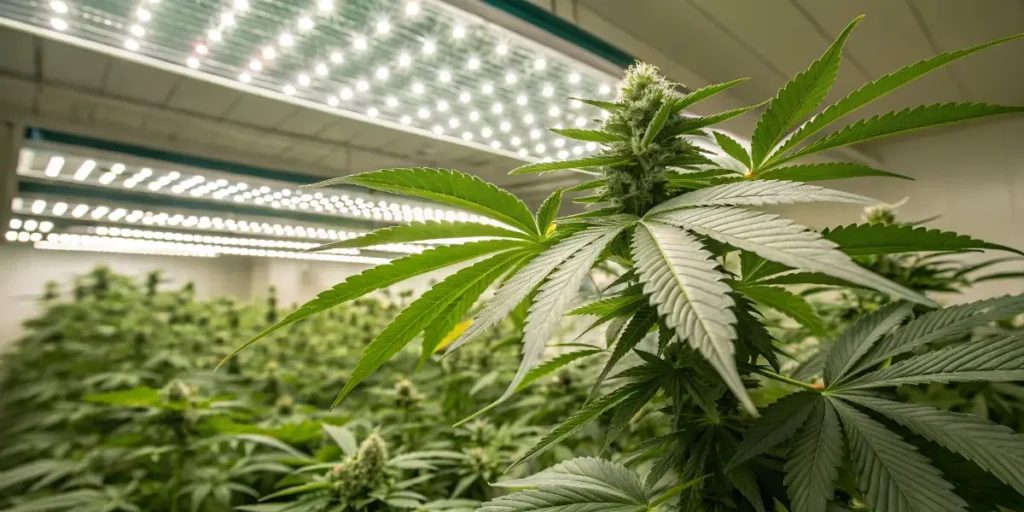
To successfully germinate this strain, begin by selecting high-quality seeds. The preferred method involves soaking the seeds in distilled water for up to 24 hours. This encourages the seeds to absorb moisture and swell, which is crucial for germination. Once they’re adequately soaked, transfer the seeds to a damp paper towel, placing them in a warm, dark area for optimal results.
After the seeds have developed small roots, carefully plant them about half an inch deep in a well-draining soil mix. This cannabis variety thrives in soil with a balanced pH of around 6.0 to 6.8. Regularly monitor the moisture levels and maintain a consistent environment to promote healthy initial growth. Bright, indirect light is beneficial for this stage of cultivation.
Propagation of the plant involves taking cuttings from a mature, healthy mother plant. Ensure each cutting is around 4 to 6 inches long with several nodes. Dip the cut end in a rooting hormone to boost the chances of successful root development. Place the cuttings in a growth medium, either soil or rockwool cubes, ensuring they remain moist and warm.
Once established, this cultivar can be transplanted to its final growing space. If you plan to cultivate Durban Poison outdoors, ensure it is after the threat of frost has passed. With proper care, this variety will develop robust branches and buds. Patience during the propagation phase will pay off with a rewarding harvest filled with rich terpenes, enhancing the plant’s overall yield.
Vegetative Stage: Nurturing Your Plants
In the vegetative stage, focus on providing optimal conditions for this strain to thrive. Ensure that lighting is set to a minimum of 18 hours a day to mimic long summer days, promoting healthy growth. Consistent temperatures of 70-85°F and humidity levels around 40-70% will support the development of robust leaves and stems essential for a plentiful yield.
Durban Poison is known for its vigorous growth during this stage, so allocating adequate space is crucial. The plant can become quite large, so regular pruning and training are advised to maintain its shape and maximize light exposure, which encourages more bud sites. This practice can significantly boost the final harvest.
Providing balanced nutrients is vital for this variety. A nitrogen-rich diet will enhance foliage production, while phosphorus and potassium should be gradually integrated to promote root and stem growth. Keeping a close eye on soil pH, maintaining it between 6.0 and 6.5, is important for optimal nutrient uptake and preventing issues.
Growers should monitor for pests and disease, both common in cannabis cultivation. It’s critical to keep the area clean and use preventive measures such as neem oil and beneficial insects. As the plant prepares for flowering, reducing stress through proper care will ensure healthy buds and rich terpene profiles come harvest time, resulting in a superior end product.
Flowering Durban Poison: What to Expect
As growers begin the flowering phase of Durban Poison, they can anticipate a unique and rewarding experience. This strain is known for its relatively short flowering period of around 8 to 9 weeks. During this time, expect the plant to develop dense, frosty buds that are a testament to its pure sativa genetics. Adequate lighting and nutrition are key to optimizing its growth.
This cultivar’s flowering process is marked by the production of robust, aromatic terpenes that give it a distinct scent profile. Growers should ensure that air circulation is optimal to prevent mold, as the buds can become quite dense. A diligent approach in nourishing the plant with balanced nutrients will promote a healthy life cycle and support the development of trichomes.
When cultivating this variety, expect to see impressive vertical growth, as Durban Poison naturally stretches during its flowering stage. Pruning lower branches can help direct the plant’s energy to developing larger buds higher up. Regularly checking and adjusting pH levels in soil or water is crucial for maintaining the plant’s optimal health and yield potential.
Harvest time is an exciting moment, as it reveals the full potential of this strain’s powerful effects and vibrant flavors. Monitoring the trichome maturity will guide you in determining the best time to harvest. Expect a bounty of rich, resinous buds that deliver the energizing high characteristic of this sativa. This cultivar’s resilient nature makes it a favorite among experienced cannabis growers.
Fertilizers & Nutrient Schedule
When cultivating the renowned Durban Poison, knowing its specific nutrient requirements is key to maximizing its yield and terpene profile. This strain thrives on a balanced diet that includes a rich mix of essential macro and micronutrients. Begin with a high-quality cannabis-specific fertilizer and ensure that the nitrogen, phosphorus, and potassium ratios are adjusted to suit the plant’s growth stages.
During the vegetative phase, it is important to focus on a higher nitrogen feed to support the rapid growth of the plant. This variety benefits from nutrient solutions that are rich in calcium and magnesium as well, which fortify the plant structure. Growers should also ensure that the pH levels in the feeding solution stay between 6.0 and 7.0 to optimize nutrient uptake.
As it transitions into the flowering stage, this cultivar requires a shift in its nutrient profile to encourage bud development. Reduce nitrogen levels while increasing phosphorus and potassium, which are crucial for robust bud formation. Consider supplementing with additional potassium to enhance the plant’s terpene production and boost the potency of the harvest.
Continuously monitor and adjust feeding schedules based on the plant’s response. The plant’s health and bud quality can be significantly enhanced by observing its foliage and adjusting nutrient dosages accordingly. With careful attention to its nutritional needs, Durban Poison can fully express its genetic potential, providing a bountiful and aromatic harvest for growers.
Pest and Disease Prevention for Healthy Cannabis Plants
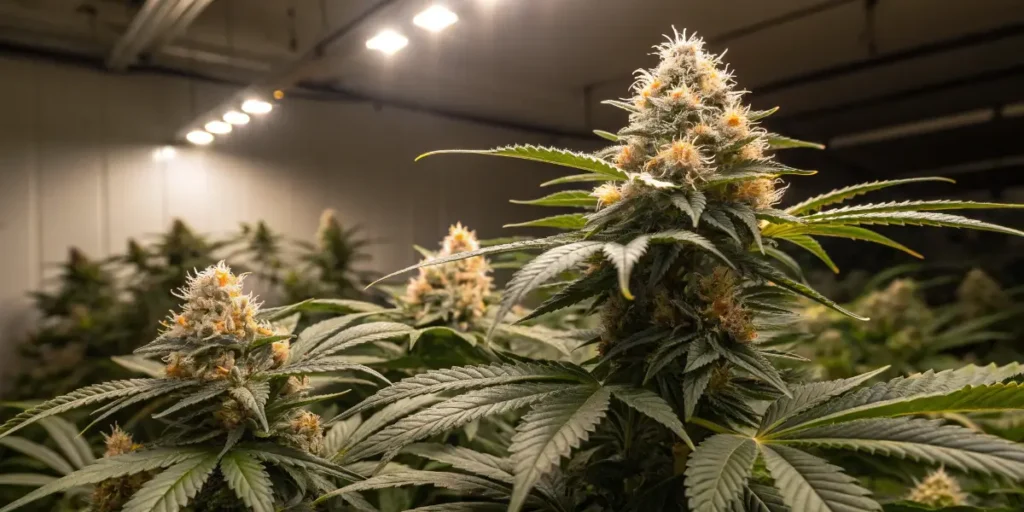
Effective pest and disease prevention is crucial for a successful cannabis cultivation. Starting with healthy soil and ensuring proper drainage can significantly reduce the risk of root rot and other soil-borne diseases. Regularly inspecting leaves and buds for signs of pests allows growers to act swiftly, maintaining the overall health of the plant and maximizing the harvest potential of this variety.
Introducing beneficial insects is a natural way to protect this cultivar from harmful pests. Ladybugs, for instance, are excellent at controlling aphid populations without the need for chemical pesticides, which can adversely affect the plant’s essential oils and terpenes. Using such integrated pest management strategies helps cultivate robust plants with high yield potential and quality aromatic profiles.
Durban Poison, renowned for its resilience, benefits from regular monitoring to ensure it remains free from diseases like powdery mildew. Consistent airflow around the plants is essential and can be achieved through strategic pruning and maintaining appropriate plant spacing. These proactive measures ensure that this strain thrives throughout its growth cycle, ultimately leading to a bountiful and healthy cannabis yield.
Harvesting & Drying
Harvesting this strain at the right time is crucial for maximizing its potency and flavor. To capture the full spectrum of terpenes and cannabinoids, it’s advisable to monitor the trichomes closely. When about 70% of the trichomes appear milky with a few amber hues, you can begin the harvest. This ensures the plant has reached its optimal maturity.
When cultivating cannabis, timing the harvest of this variety properly will impact the final yield and quality. Cutting the buds early in the morning is a great option, as the plant is better hydrated and the terpenes are at peak levels. Additionally, carefully snipping the branches will help preserve the valuable buds that Durban Poison is known for.
Drying the harvested buds correctly is the next crucial step. Hang the branches upside down in a dark, well-ventilated room with about 50% humidity. This helps maintain the integrity of the cannabinoids and terpenes. Slow and steady drying over 7 to 10 days ensures that the buds won’t lose potency or develop mold, preserving the unique qualities of this cultivar.
Once drying is complete, it’s essential to cure the buds. Place them in airtight jars, opening them daily for the first week to release excess moisture. This curing process enhances the flavor and aroma profiles of the plant. Proper curing can significantly heighten the overall smoking experience, ensuring that Durban Poison retains its renowned energetic and uplifting effects.
Durban Poison Strain Type: Indica, Sativa or Hybrid?
Durban Poison is a pure Sativa strain renowned for its energetic and uplifting effects, popular among cannabis enthusiasts and cultivators alike. This variety, originating from South Africa, is celebrated for its resilience and adaptability, making it a favorite among growers seeking a robust Sativa. The plant’s tall stature and narrow leaves are signature characteristics indicative of its Sativa genetics.
This strain’s cultivation thrives in both indoor and outdoor environments, where it produces impressive yields of dense, resinous buds. It is particularly valued for its unique terpene profile, which contributes to its sweet, earthy aroma with hints of pine and spice. Growers appreciate the relatively short flowering time for a Sativa, allowing for harvest-ready plants in as little as 8 to 9 weeks.
The plant’s Sativa heritage ensures that Durban Poison delivers invigorating cerebral effects, perfect for daytime use and fostering creativity. This cultivar has gained popularity not only for its effects but also for the manageable challenge it presents to growers. By knowing the genetic makeup and growing requirements of this variety, cultivators can maximize the yield and potency of this extraordinary Sativa strain.
Why Grow this Strain? Key Benefits for Cultivators
Durban Poison offers a unique advantage for cannabis growers due to its resilience in various climates. This variety is renowned for its ability to withstand challenging environmental conditions, making it an excellent choice for both beginners and seasoned cultivators. Its genetic stability ensures a reliable harvest, allowing for continuous production of high-quality buds.
This strain is highly sought-after for its impressive yield and robust growth pattern. When cultivated correctly, the plant develops large, resinous buds that are rich in flavor and aroma. The terpenes inherent in this cultivar contribute to its distinctive pine and citrus scent, enhancing its market appeal and making it a favorite among cannabis enthusiasts.
Cultivators will appreciate the relatively short flowering time of Durban Poison, which allows for quicker cycles and maximized production potential. Its pure sativa genetics ensure a vigorous and upright growth habit, which is ideal for maximizing space efficiency. Whether grown indoors or outdoors, this genetics offers versatile cultivation benefits that attract strategic growers aiming for efficiency and quality.
Potential Challenges When Growing Durban Poison
Growing Durban Poison can pose unique challenges that require careful planning. This strain thrives in environments where temperatures are warm, but stable, making climate control crucial for cannabis cultivation. Sudden weather changes can affect the plant’s growth, leading to potential issues with plant health. Consistent monitoring and adjustment of environmental factors are essential for optimal development and yield.
Another challenge with this variety is its susceptibility to mold and pests due to its dense buds. Growers must maintain proper airflow and humidity levels to prevent such issues. Regularly inspecting the plant for any signs of infestation and employing organic pest management strategies are crucial steps to safeguard the cultivation process and ensure healthy harvests.
The plant’s strong and distinctive terpenes are a notable characteristic, but also present a challenge for novice growers who might struggle with maximizing terpene retention. The timing of harvest is critical, as waiting too long can diminish these valuable compounds. Therefore, knowing the maturity signs for Durban Poison is vital for preserving the aroma and potency of this cultivar.
Is this Variety Worth Buying? Here’s What You Need to Know
Durban Poison is a pure sativa known for its energizing effects and sweet, earthy aroma. This strain is ideal for those seeking a boost in creativity or focus and is beloved by enthusiasts for its uplifting qualities. Cultivators appreciate its hardy nature, making it an excellent choice for both novice and experienced growers looking to expand their gardens.
This variety thrives in outdoor and indoor environments, offering a generous yield under optimal conditions. The plant’s resilience against pests and mold makes it a reliable option for cultivation. The buds are dense with a sticky resin that harbors a complex terpene profile, enhancing its appeal to both recreational users and connoisseurs seeking premium cannabis experiences.
Growers are particularly impressed by this cultivar’s relatively short flowering period and substantial harvests. The unique terpene blend contributes to its distinct flavor, making the investment worthwhile for those who favor varietal diversity. Overall, the plant offers a balanced combination of robust growth and an exceptional sensory experience, positioning it as a valuable addition to any cannabis enthusiast’s collection.
FAQs: Growing Durban Poison
What is the ideal climate for cultivating Durban Poison?
Durban Poison thrives in warm, sunny, and Mediterranean-like climates. This variety is well-suited for outdoor growing in regions with consistent sunlight and minimal frost. If grown indoors, maintaining a temperature range of 70-85°F (21-29°C) with moderate humidity will support its growth. The plant enjoys a stable environment, which helps it achieve its fullest potential in terms of quality and yield.
How long is the flowering period of Durban Poison?
Durban Poison typically has a flowering period of about 8 to 10 weeks. For indoor setups, maintaining a controlled light schedule of 12/12 (light/dark) will encourage healthy bud development. Outdoor growers can expect this genetics to be ready for harvest around late September to early October, depending on local climate conditions. Timely flowering ensures quality resin production and dense buds.
What nutrient requirements does Durban Poison have?
For optimal growth, Durban Poison demands balanced nutrients throughout its life cycle. During the vegetative stage, a higher nitrogen content is beneficial. As it transitions to flowering, increase phosphorus and potassium to support bud formation. Organic matter such as compost or a well-balanced mineral nutrient mix typically works well. Monitoring pH levels is also crucial to ensure healthy nutrient uptake.
What are common problems when growing Durban Poison?
Durban Poison is relatively hardy but can face issues like mold and mildew, especially in high humidity. Proper air circulation and humidity control are essential in preventing these problems. Spider mites and aphid infestations, while uncommon, may also affect the plant; routine inspections and organic pest control methods can mitigate these risks. Providing proper ventilation and environmental control will help address these challenges.
How much yield can growers expect from Durban Poison?
Durban Poison is known for its generous yield. Indoor growers can expect around 350-450 grams per square meter under optimal conditions. Outdoor growers might harvest even larger yields, sometimes reaching 500 grams per plant, depending on the sunlight exposure and care level. Utilizing training techniques can maximize yield potential, ensuring a bountiful harvest when grown under ideal conditions.