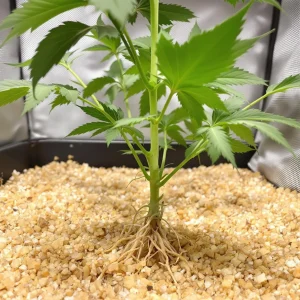
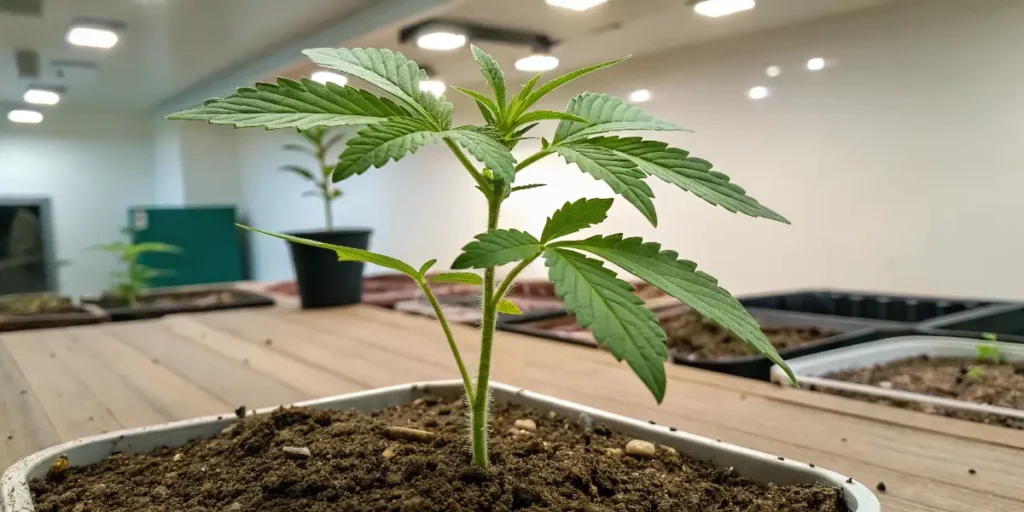

Start by selecting quality seeds for cultivating this strain. Ensure you plant the seeds in a well-draining medium to prevent root rot. Durban Poison Auto thrives in an environment with ample light; therefore, utilizing LED grow lights is recommended for indoor growers. Maintain a consistent temperature and humidity level to encourage optimal growth and robust development of the plant.
Once the plant has established itself, focus on its nutrient needs. This variety benefits from a balanced feeding regimen that supports vigorous growth and increases terpenes’ potency. Keep an eye on the plant’s water requirements, providing hydration without causing waterlogging. As the flowering phase approaches, adjusting the nutrient mix will help maximize the quality and density of the buds.
Monitor the maturity of the buds to determine the best time to harvest. This cultivar typically reaches harvest readiness in just a few weeks, yielding resin-rich buds. Proper drying and curing techniques enhance the flavors and effects of the buds, preserving the distinct characteristics of this strain. With careful attention and care, growers can achieve a bountiful yield from this fast-flowering genetics.
Durban Poison Auto Strain Overview: Traits, Effects & Genetics
Durban Poison Auto is a celebrated cannabis strain known for its fast-flowering, autoflowering characteristics. This variety is ideal for growers seeking quick harvests without compromising on quality. The plant thrives in various environments thanks to its resilient genetics, producing dense buds with a generous coating of frosty trichomes. Its autoflower nature means it’s perfect for both beginner and experienced cultivators.
The effects of this cultivar are notable for their energizing and uplifting qualities. Popular among those needing a daytime strain, it provides mental clarity and a boost of creativity while reducing fatigue. This strain is also appreciated for its distinct sweet and earthy aroma, enriched by a unique blend of terpenes that deliver a flavorful and aromatic experience for users.
Its impressive genetics can be traced back to the traditional Durban Poison, which infuses this variety with stable growing patterns and robust yields. The plant remains compact and manageable, a trait that endears it to home growers with limited space. Despite its smaller stature, it surprises with its vigorous growth and prolific flowering phase, making it a reliable choice for quality harvests.
Growers favor Durban Poison Auto for its efficient cultivation cycle and consistent performance. The forgiving nature of this strain makes it an attractive option for those cultivating under time constraints or in non-traditional conditions. The combination of reliable yields and remarkable effects ensures this strain remains a staple in the garden of many passionate cannabis enthusiasts.
Optimal Environment to Grow Durban Poison Auto Successfully
Creating the ideal environment for growing Durban Poison Auto involves knowing its specific needs. This strain thrives in warm, sunny climates, similar to its South African origins. Providing the plant with consistent temperatures between 70-85°F ensures robust growth. Growers should also focus on maintaining a relative humidity (RH) of around 40-50%, particularly during the flowering stage, to optimize bud development and prevent mold.
Lighting is a crucial factor in the successful cultivation of this variety. While natural sunlight is preferred, indoor growers must provide adequate artificial lighting. LED or HPS lights are effective, with a recommended schedule of 18 hours on and 6 hours off, enabling the plant to perform photosynthesis efficiently, thus promoting healthy growth and increasing the yield of the plant.
Ventilation cannot be overlooked when cultivating this cultivar indoors. Proper airflow prevents pests and diseases by replicating the natural breeze, helping distribute CO2 and strengthening the stalks, which subsequently supports heavier buds. Install oscillating fans to create consistent air circulation, ensuring that the temperatures and humidity remain balanced throughout the grow room.
Nutrient management is vital for achieving a successful harvest with this genetics. A soil medium rich in organic matter supports the root system by providing essential nutrients. Implement a feeding schedule tailored to this variety’s lifecycle stages. During the vegetative phase, a higher nitrogen concentration aids in foliage development, while phosphorus and potassium boost bud formation during flowering.
Grow Room Setup for Durban Poison Auto Plants
Creating an optimal grow room for Durban Poison Auto is essential for maximizing cannabis cultivation success. A space with good ventilation and temperature control will ensure the best development. Consider investing in a high-quality LED light that provides full-spectrum illumination, simulating natural sunlight. Proper airflow and temperature regulation prevent issues such as mold and pests that can harm the plant.
This variety thrives in an environment where humidity levels are carefully managed. During the vegetative stage, maintain humidity around 60-70%, while lowering it to 40-50% during flowering. This helps enhance the potency of the buds and highlights the distinctive terpenes. Monitoring and adjusting humidity levels will result in a healthier, more resilient plant with a superior yield.
Space is another important factor that influences the growth of this cultivar. Durban Poison Auto plants have a compact size but can still spread out, so ample room is needed for them to flourish. Arrange your grow room in a way that allows each plant to receive equal light exposure. This strategic placement contributes to uniform growth and robust buds ready for harvest.
This strain requires careful attention to the timing of light exposure, aiming for an 18/6 light cycle to optimize its autoflower traits. The plant’s internal clock will naturally guide it to bloom, regardless of season or daylight hours, which is advantageous for growers. By fine-tuning these environmental elements, cultivators can ensure a successful harvest with abundant yields and rich cannabinoid profiles.
Indoor Growing Tips for Durban Poison Auto
When cultivating Durban Poison Auto indoors, it’s crucial to maintain optimal light cycles and temperatures. The plant thrives under LED lights that mimic natural sunlight, ensuring healthy growth and robust bud production. Set temperatures between 70-85°F during the day and slightly cooler at night to encourage vigorous growth. Consistent ventilation is key to avoid mold and pests that can negatively impact your yield.
Nutrient management is essential for this cultivar. Provide a balanced diet rich in nitrogen during the vegetative stage and increase phosphorus and potassium during flowering. This ensures the optimal development of the plant’s terpenes and cannabinoids, leading to a potent aroma and flavor profile. Regular monitoring of pH levels keeping them between 6.0 and 7.0 is also beneficial for absorption.
Timing is critical for maximizing the yield of this variety. The natural resilience of these auto-flowering genetics allows for a quicker harvest than photoperiod strains, usually within 8 to 10 weeks post-germination. Keep a vigilant eye on the trichomes, harvesting when they turn milky with a hint of amber, ensuring peak potency and enjoyable effects.
Outdoor Growing Tips for Durban Poison Auto
This strain thrives in environments with plenty of sunlight, making it ideal for outdoor cultivation. Growers should plant it after the last frost to protect the buds from cold damage. Ensure that the site receives at least 6-8 hours of direct sunlight daily. Additionally, this variety prefers well-drained soil rich in organic matter to support robust growth and high yields.
To optimize the growth of this cultivar, regular watering is essential, although overwatering should be avoided as it can lead to root rot. Mulching around the base can help retain moisture and regulate soil temperature. The plant benefits from a balanced fertilizer regimen high in nitrogen during the vegetative state and should gradually shift to a formula rich in phosphorus and potassium during flowering.
Keeping a vigilant eye on pests and diseases is crucial. Natural pest deterrents like neem oil or insecticidal soap can protect this variety without harming beneficial insects. As harvest approaches, growers will appreciate the robust terpene profile that develops, indicative of the plant’s readiness. Harvesting should occur before the first frost to ensure the highest quality buds and maximum terpene retention.
How to Germinate & Propagate Durban Poison Auto
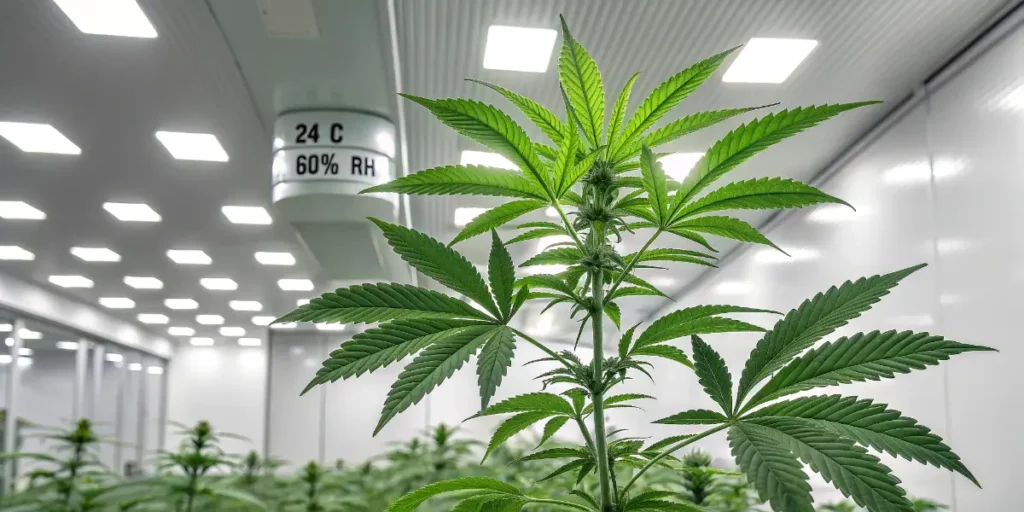
Germinating Durban Poison Auto begins with selecting high-quality seeds, an essential step for successful cannabis cultivation. Begin by soaking the seeds in distilled water for 12-24 hours to encourage initial sprouting. This variety of cannabis is known for its resilience, but ensuring optimal conditions from the onset will lead to healthier plants and improved yields when harvest time arrives.
After soaking, transfer the seeds to a damp paper towel, placing them between two plates to maintain moisture. Keep the setup in a warm, dark area to replicate natural growing conditions. During germination, it’s crucial to monitor the seeds regularly. The first signs of growth, known as the taproot, should appear within 48 hours, indicating readiness to plant the seeds.
Once the taproot is visible, carefully plant each germinated seed about half an inch deep in quality soil. This cultivar does well in well-aerated potting mix to promote root development. Growers can support healthy growth by maintaining soil temperatures between 70-85°F, ensuring the plant has the best chance to produce aromatic buds rich in terpenes.
During the propagation phase, it is essential to keep consistent light and moisture levels. As the plant matures, maintaining nutrients, adequate light, and space will encourage vigorous growth and maximum yield. This strain, appreciated for its fast flowering cycle, will thrive when given proper care, leading to a bountiful and potent harvest.
Vegetative Stage: Nurturing Your Plants
The vegetative stage is crucial for cultivating healthy cannabis, especially with an auto-flowering strain like Durban Poison Auto. During this phase, focus on maximizing growth and preparing the plant for the flowering stage. Ensure you provide at least 18 hours of light daily, which helps this variety develop strong branches and lush foliage essential for supporting a generous yield.
One significant aspect of nurturing this strain during the vegetative stage is ensuring proper nutrient distribution. Opt for a balanced fertilizer with a higher nitrogen content, as nitrogen aids in robust foliage growth. Monitor pH levels, keeping them between 6.0 and 6.5, to optimize nutrient absorption. Consistent monitoring will prevent nutrient lockout and maintain healthy development.
Maintaining ideal environmental conditions is crucial for the plant’s success. Keep the temperature between 70-85°F (21-29°C) and maintain humidity around 40-70%. Good air circulation is also important as it reduces the risk of mold and pests while strong airflow helps strengthen the stems. This will support healthier plant structure and improve potential buds during harvest.
Consider training techniques like low-stress training (LST) to maximize light exposure and increase potential yield. This cultivar responds well to gentle bending of stems to ensure even light distribution. Regularly assess and prune lower leaves if necessary to boost airflow and focus the plant’s energy on top growth, where potential buds will form, enhancing both yield and terpene profiles.
Flowering Durban Poison Auto: What to Expect
The flowering stage of Durban Poison Auto marks an exciting time for cannabis growers. This strain typically begins flowering within 3 to 4 weeks after germination. It’s crucial to ensure that the plant receives ample light and nutrients, as these are key to developing robust buds. Growers should be aware of the plant’s needs to optimize its potential yield during this phase.
Despite its autoflowering nature, this variety possesses sativa genetics, which means it exhibits a distinct growth pattern. Unlike traditional cannabis strains, the plant does not rely on light cycles, making it easier to manage indoors. The energetic growth during flowering requires attentive care, and ensuring proper air circulation can help prevent mold and enhance bud formation.
This cultivar is known for its unique terpene profile, delivering a fragrant blend of sweet, earthy aromas. As the plant progresses through its flowering stage, cultivators will notice these flavorful terpenes becoming more pronounced. It’s essential to monitor humidity levels carefully, as excessive moisture can compromise the quality of these aromatic compounds.
In terms of yield, the plant generally offers a moderate to high harvest, depending on the growing conditions. Harvesting Durban Poison Auto typically occurs 8 to 9 weeks after the flowering phase begins. By maintaining optimal environmental conditions, growers can expect to enjoy a rewarding yield from this robust and aromatic strain.
Fertilizers & Nutrient Schedule
To optimize growth for this strain, a well-balanced nutrient schedule is essential. The plant thrives on a diet rich in nitrogen during its vegetative phase, while phosphorus and potassium become crucial as it transitions into flowering. Such a regimen ensures robust cannabis cultivation, fostering greenery that will later support plentiful buds.
This variety is known for its adaptability, but tailored feeding ensures maximum yield. Experienced growers prioritize a consistent pH level between 6.0 and 7.0 to make essential nutrients more accessible. By doing so, this cultivar is less prone to nutrient lockout, which can otherwise hinder growth and terpene production.
During the flowering stage, supplement the plant’s diet with additional phosphorus and potassium to boost bud development. Products containing calcium and magnesium can also benefit this genetics, as they help to maintain strong cell walls and prevent deficiencies that compromise health. A regimented approach supports dynamic growth and bountiful harvests.
Monitoring and adjusting the nutrient schedule is vital as Durban Poison Auto progresses through its life cycle. Start with half-strength nutrients and gradually increase based on the plant’s responses. With such attention to detail, the potential of this cultivar to produce high-quality cannabis buds fully flourishes, reflecting in both yield and aromatics.
Pest and Disease Prevention for Healthy Cannabis Plants
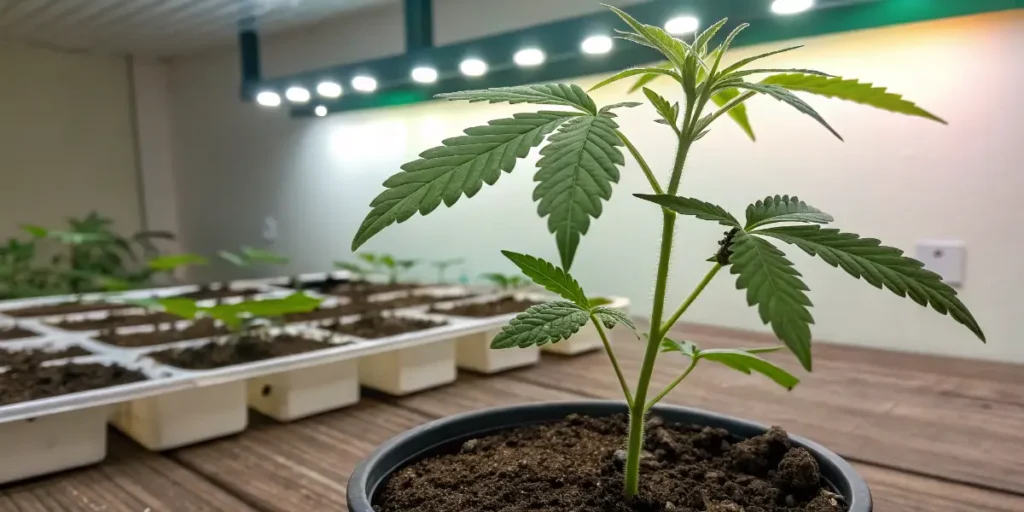
Effective cultivation of cannabis, especially for high-yield varieties like Durban Poison Auto, requires vigilance against pests and diseases. Growers should regularly inspect leaves for signs of infestations, such as discolored spots or chew marks. Implementing regular rotations of natural pest deterrents and maintaining a clean growing environment can significantly reduce risks and contribute to healthy, robust buds.
This cultivar benefits from integrated pest management (IPM), combining cultural, mechanical, and biological methods to minimize pest pressures. Keeping humidity levels in check and ensuring adequate airflow can deter mold and mildew, common issues in cannabis cultivation. Regularly sterilizing tools and monitoring the plant’s health are also crucial steps in protecting this variety from diseases.
Consider companion planting to naturally repel pests and enhance the plant’s terpene profile. Marigolds and basil, for instance, act as natural deterrents and can enhance the overall health of the plant. Applying beneficial insects like ladybugs also helps control aphid populations. By proactively managing these factors, growers can ensure a successful harvest and maximize the yield of this strain.
Harvesting & Drying
Knowing the right time to harvest this strain is crucial for maximizing yield and enhancing the quality of your cannabis. Look for signs such as milky white trichomes and a shift in pistil color to determine when this cultivar is ready to harvest. Proper timing ensures that growers can preserve the robust terpenes and potent cannabinoids of the plant.
When it comes to cutting down the plant, always use clean, sharp tools to avoid damaging the buds. Carefully trim away excess leaves to prepare the buds for drying. This process not only aids in improving the visual appeal of this variety but also helps in elevating the overall smoking or consumption experience by promoting even drying.
Drying is a critical step to achieving high-quality cannabis. Hang the branches upside down in a dark, well-ventilated space to maintain an ideal moisture level within the buds. Patience is key; rushing this step can compromise the terpene profile and potency. This allows for the gradual release of moisture, which is essential for ensuring the best possible product.
Curing the buds takes the quality of Durban Poison Auto to a higher standard. Store the dried buds in airtight containers, opening them periodically to release excess moisture and enhance flavor. This slow drying and curing process is essential for unlocking the full aromatic and psychoactive potential of the genetics, ensuring a satisfying experience for any cannabis enthusiast.
Durban Poison Auto Strain Type: Indica, Sativa or Hybrid?
Durban Poison Auto is a unique sativa-dominant variety, known for its vibrant growth and invigorating effects. This strain is prized among cannabis growers for its energetic properties and high-yield potential. Typically, the plant showcases strong sativa characteristics, producing tall, slender structures with narrow leaves, indicative of its lineage and ideal for those seeking a stimulating experience.
Given its sativa dominance, this cultivar is well-suited for daytime use, providing a clear-headed uplift and creativity surge. Growers appreciate the plant for its resilient nature, as it tends to withstand variations in climate and still produce generous buds. The cultivation of this variety is rewarding due to its impressive yield and the vibrant terpene profile that promises a rich sensory experience.
Durban Poison Auto thrives in diverse environments, making it a versatile choice for cultivators seeking a reputable sativa strain. The plant’s growth cycle is relatively quick, allowing for a faster harvest and continuous production. Given its adaptability and enticing effects, this variety remains a popular choice, blending ease of cultivation with a substantial yield that appeals to both novice and seasoned growers.
Why Grow this Strain? Key Benefits for Cultivators
For cannabis cultivators seeking efficiency and quality, this strain provides an attractive option. Its autoflowering nature means growers can expect shorter growth cycles without adjusting light schedules, resulting in more frequent harvests. The plant’s resilience to pests and diseases further enhances its appeal, making it ideal for both novice and experienced growers looking to optimize their efforts.
This variety is notable for its robust terpene profile, which contributes to its distinctive aroma and flavor, making it a favorite among cannabis connoisseurs. Cultivators will also appreciate the dense, resinous buds this cultivar produces, contributing to a generous yield. These appealing characteristics make it a wise choice for those seeking both potency and palate appeal in their harvest.
Durban Poison Auto ensures an outdoor grower’s delight due to its ability to thrive in various climates. Its genetics allow it to withstand fluctuations in weather, offering a reliable harvest season after season. For indoor cultivation, it remains compact, allowing easy management even in limited spaces. This strain’s combination of resilience, yield, and aromatic buds make it an invaluable addition to any cultivation endeavor.
Potential Challenges When Growing Durban Poison Auto
Growing cannabis, particularly autoflowering strains like Durban Poison Auto, presents unique challenges for cultivators. This variety thrives in warmer climates, which means indoor growers must carefully regulate temperature and humidity. Avoid stressing the plant, as fluctuations in the environment can reduce the overall yield and affect the quality of the buds produced, leading to a less successful harvest.
Nutrient management is another potential challenge with this strain. Durban Poison Auto is known for being sensitive to overfeeding, so precise nutrient control is crucial. Utilize a balanced feeding schedule to promote optimal growth while avoiding nutrient burn. Advanced organic and microbial feeding techniques can enhance terpene production and bring out the full potential of the plant’s aromatic profile.
Pest control is equally important when cultivating this genetics. As with many cannabis plants, pest infestations can severely impact the growth and yield of this cultivar. Regular inspections and preventive measures are essential to keep pests at bay. Implementing natural pest control methods, such as beneficial insects or organic pesticides, will help preserve the plant’s health without resorting to harsh chemicals.
Is this Variety Worth Buying? Here’s What You Need to Know
Durban Poison Auto is a cultivar that appeals to many cannabis growers due to its manageable size and high yield potential. This strain is an autoflowering variety, meaning it doesn’t rely on light cycles to flower, which simplifies the cultivation process. Its compact structure makes it ideal for those with limited growing space, whether indoors or outdoors.
This strain is known for producing dense buds rich in terpenes that offer a sweet and spicy aroma. As a result, the plant is popular among those looking for flavorful cannabis varieties. When it comes to harvest, experienced growers rave about the generous yields that can be achieved with proper care and optimal growing conditions.
For cannabis enthusiasts seeking a reliable and aromatic strain, Durban Poison Auto presents an excellent choice. Its high yield and aromatic buds make it a worthy investment for both beginners and seasoned cultivators. Overall, this variety combines ease of cultivation with impressive results, making it a popular favorite among many growers.

FAQs: Growing Durban Poison Auto
What is the ideal climate for growing Durban Poison Auto?
Durban Poison Auto thrives in warmer climates, ideally in temperatures ranging from 70-85°F (21-29°C) during the day. This strain can also adapt to indoor environments with controlled humidity and temperature settings. The plant enjoys plenty of sunlight, so ensure it receives ample light if grown outdoors. While it is somewhat resilient, providing optimal conditions will maximize the yield and potency of this variety.
How long does it take for Durban Poison Auto to flower?
This cultivar typically has a flowering time of around 8-9 weeks. Being an autoflowering variety, Durban Poison Auto switches from the vegetative stage to flowering based on its age, rather than light cycles. This makes it an easier option for beginners who may struggle with light schedule management. Timely flowering allows for quicker harvests and the possibility of multiple cycles in one season.
What yield can I expect from Durban Poison Auto?
Durban Poison Auto generally provides a moderate yield, with indoor growers harvesting around 400-500 grams per square meter. Outdoor growers can expect approximately 50-150 grams per plant, depending on the conditions. While this strain might not yield as heavily as others, its quality and resilience make it a worthwhile addition to any garden. Optimizing growing conditions can help maximize this strain’s output.
What are common problems when growing this strain?
Some common issues include overwatering, nutrient imbalances, and pests such as spider mites or aphids. Durban Poison Auto is relatively hardy, but growers should monitor the plant for signs of distress, such as yellowing leaves or stunted growth. Regularly checking pH levels and using well-draining soil can mitigate many problems. Staying vigilant and proactive in plant care will help ensure a successful grow.
What kind of nutrients does Durban Poison Auto need?
This plant benefits from a balanced nutrient regime, with particular attention to nitrogen during the vegetative stage, transitioning to phosphorus and potassium in the flowering phase. Using organic nutrients can enhance the flavor profile and potency. Durban Poison Auto, like many autos, appreciates gradual feeding, so avoid heavy dosing to prevent nutrient burn. Regular feeding with a complete formula will promote healthy growth.
Is it recommended to use training techniques on Durban Poison Auto?
Low stress training (LST) is particularly effective for this variety, as it can increase light exposure and promote a more even canopy. High stress methods like topping are generally avoided with autos due to their short life cycle. However, Durban Poison Auto can still benefit from careful shaping to maximize yield potential. Implement training early to minimize stress, and ensure the plant has time to recover and flourish.