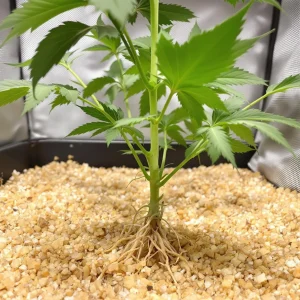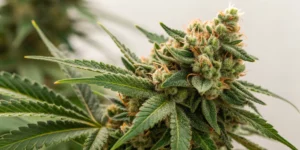
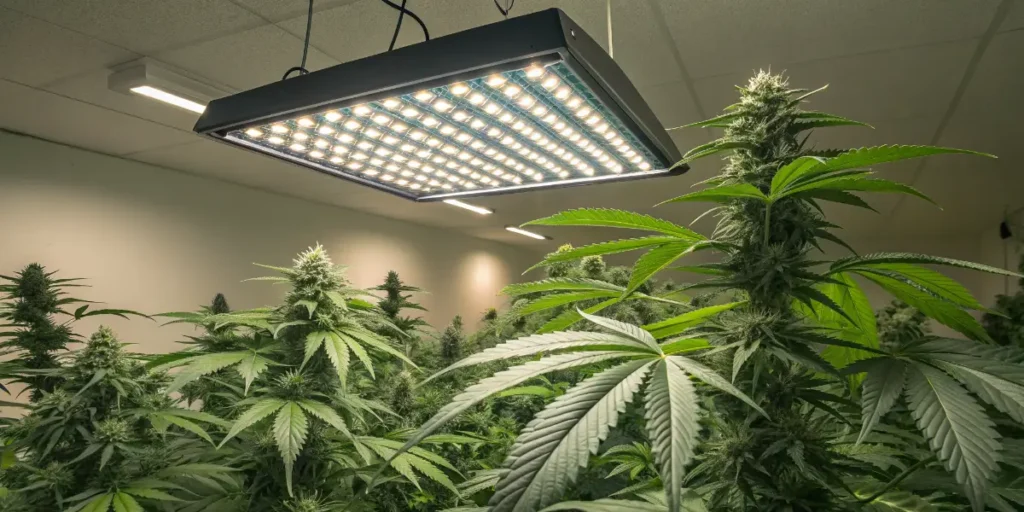

Cultivating this strain successfully starts with selecting the right environment. Fat Bastard thrives in both indoor and outdoor settings, favoring warm climates. Growers should maintain a consistent temperature between 68-77°F and ensure adequate airflow. This variety requires a balanced nutrient intake for optimal growth, promoting the robust development of buds filled with rich terpenes and potency.
As the plant progresses through its growth stages, proper trimming and pruning are essential in maximizing its yield. By removing lower leaves and excess foliage, cultivators encourage the plant to focus its energy on producing dense, resinous buds. This cultivar benefits from a controlled light schedule, particularly in indoor setups, to mimic natural daylight cycles and promote healthy development.
Harvest time is crucial for this variety to reach its full potential. Careful observation of the buds’ trichomes will guide cultivators in determining the right moment to reap their rewards. The ideal time to harvest Fat Bastard is when the trichomes turn from clear to milky, ensuring a potent and flavorful end product. Post-harvest, a well-monitored drying and curing process elevates the strain’s aromatic profile and preserves its quality.
Fat Bastard Strain Overview: Traits, Effects & Genetics
Fat Bastard is a renowned cannabis strain known for its robust growth characteristics and impressive yields. This cultivar showcases a complex profile that’s appealing to both novice and experienced growers. Its strong genetics contribute to the resilience of the plant, making it a favorable choice for those interested in robust cultivation practices.
This variety boasts dense buds packed with aromatic terpenes, offering a unique olfactory experience. Growers often favor it for its strong and pungent aroma. The plant’s genetic makeup ensures that it thrives under various conditions, allowing cultivators to achieve consistent and high-quality harvests. Its appealing traits make it a standout choice for many.
The effects of this strain are predominantly relaxing, making it ideal for users seeking stress relief and tranquility. The well-balanced genetic background of this cultivar ensures that its effects are profound yet manageable, providing a soothing experience. It has gained popularity among those who use cannabis for both recreational and therapeutic purposes.
Knowing this variety’s genetics is crucial for optimizing cultivation techniques and enhancing yield. It’s essential to provide the right environment to maximize its growth potential and resin production. By accommodating its needs, growers can ensure a successful harvest, reaping the benefits of this productive and resilient plant.
Optimal Environment to Grow Fat Bastard Successfully
To achieve robust growth and maximize yields, creating the ideal environment for cultivating this strain is essential. The plant thrives in a controlled indoor setting where temperature, humidity, and light intensity can be finely tuned. Maintaining a temperature range of 70-85°F (21-29°C) while keeping humidity levels between 40-50% is optimal for this variety during its vegetative stage.
As this cultivar transitions to the flowering phase, it’s crucial to adjust conditions accordingly to foster resinous bud development. Lowering humidity to 30-40% helps prevent mold while supporting terpene production, enhancing the aromatic profile of the final product. Adequate ventilation is essential to maintain air circulation, preventing stagnation and replicating the plant’s natural habitat.
Lighting plays a pivotal role in the successful cultivation of this plant. Full-spectrum LED lights mimic the sun’s natural rays, offering the best results for indoor growers. Aim for 18 hours of light during the vegetative stage and reduce to 12 hours in flowering to simulate natural seasonal changes, encouraging buds to mature fully before harvest.
Soil quality and nutrient management are equally important for nourishing Fat Bastard to its full potential. Rich, well-draining soil combined with a balanced nutrient regimen tailored for cannabis ensures the plant receives essential elements for vigorous growth. Regular monitoring and adjustments contribute to healthy development and abundant yields, culminating in a rewarding harvest for dedicated cultivators.
Grow Room Setup for Fat Bastard Plants
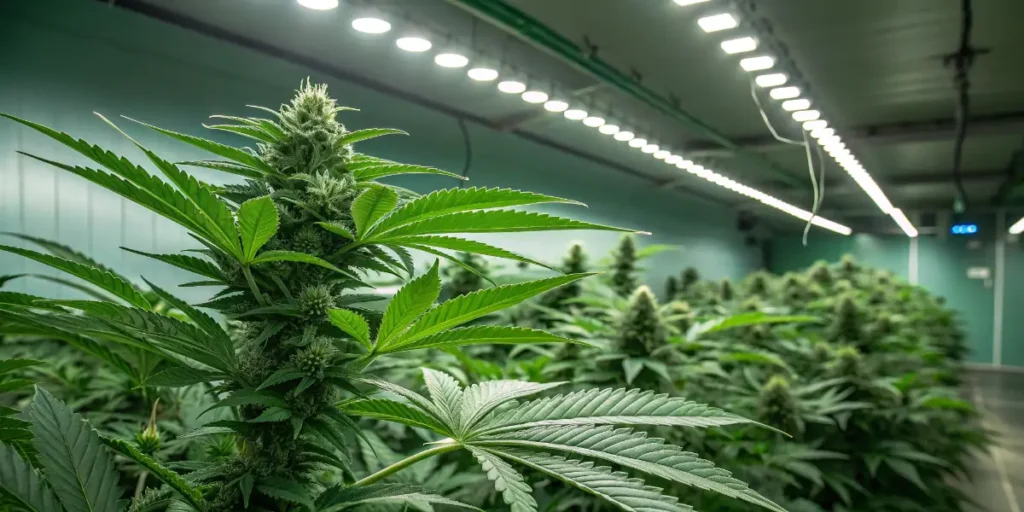
Setting up an optimal grow room is essential for cultivating this strain. Start by selecting a space with adequate ventilation to control humidity and temperature, crucial for the plant’s healthy growth. Install fans to ensure air circulation, preventing mold and pests. Ensure your grow room has reflective walls to enhance light distribution and boost the plant’s photosynthesis, promoting robust growth.
Lighting is a pivotal factor in cannabis cultivation. Use full-spectrum LED lights to mimic natural sunlight, which is ideal for this variety. Position the lights to cover the plant evenly, ensuring each part of this cultivar receives adequate exposure. Monitor the light schedule and intensity closely, as this can directly impact the development of dense buds and rich terpene profiles in the plants.
Temperature and humidity control is imperative for optimizing yield. Maintain a daytime temperature between 70-85°F, and slightly cooler at night. Keep humidity levels around 40-60% during the vegetative phase, reducing to 30-40% in flowering. These conditions support healthy resin production and vigorous growth, resulting in a rewarding harvest from this genetics.
Ensure the grow room setup allows for easy access to the plants for regular maintenance, such as pruning and feeding. Implement a feeding schedule that includes essential nutrients tailored for cannabis health. Consistent monitoring and adjustments will help you cultivate Fat Bastard successfully, producing a bountiful yield of high-quality flower with vibrant buds and unique flavors.
Indoor Growing Tips for Fat Bastard
When cultivating Fat Bastard indoors, it’s essential to control the environment carefully. This variety thrives in a well-ventilated space with consistent temperatures between 68-77°F. Growers should maintain humidity levels around 40-50% during the vegetation stage, gradually reducing it to 30-40% as the buds develop. Adequate airflow is crucial to prevent mold, which can compromise the plant’s health.
Lighting plays a pivotal role in the indoor cultivation of this cultivar. It responds well to full-spectrum LED lights, which mimic natural sunlight and promote robust growth. Ensure the lights are positioned at a safe distance to avoid burning the leaves, and provide an 18/6 light cycle during the vegetative phase, transitioning to a 12/12 cycle for flowering to stimulate bud production and maximize yield.
Nutrient management is key for this cannabis variety. Use a balanced nutrient solution with essential macro and micronutrients to support vigorous growth and terpene development. Monitor pH levels, keeping them between 5.8 and 6.5 for optimum nutrient uptake. Regularly flush the medium to prevent nutrient buildup, which can impact yield and harvest quality, ensuring the plant reaches its full potential indoors.
Outdoor Growing Tips for Fat Bastard
For optimal growth of Fat Bastard, select a location with ample sunlight, as cannabis thrives in warm, sunny environments. It is crucial to ensure that the soil is well-draining to prevent root rot, which can hinder the plant’s development. Adding organic compost or nutrients can boost the soil’s fertility, promoting a robust growth for this cultivar throughout the season.
This variety benefits from consistent watering, especially during dry spells, but caution is needed to avoid overwatering, which may lead to mold issues. Regularly check the foliage for signs of pests or disease and take preventive measures such as natural pesticides. Proper spacing between plants will enhance air circulation, mitigating the risk of fungal infections in this genetics.
Harvest time is crucial for maximizing the yield and potency of buds from this plant. Monitor the trichomes closely; they should turn milky with a hint of amber when it’s the right time for harvest. The rich terpene profile of this variety is most pronounced at this stage, contributing to its unique aroma and flavor. By carefully timing the harvest, growers can achieve an impressive yield.
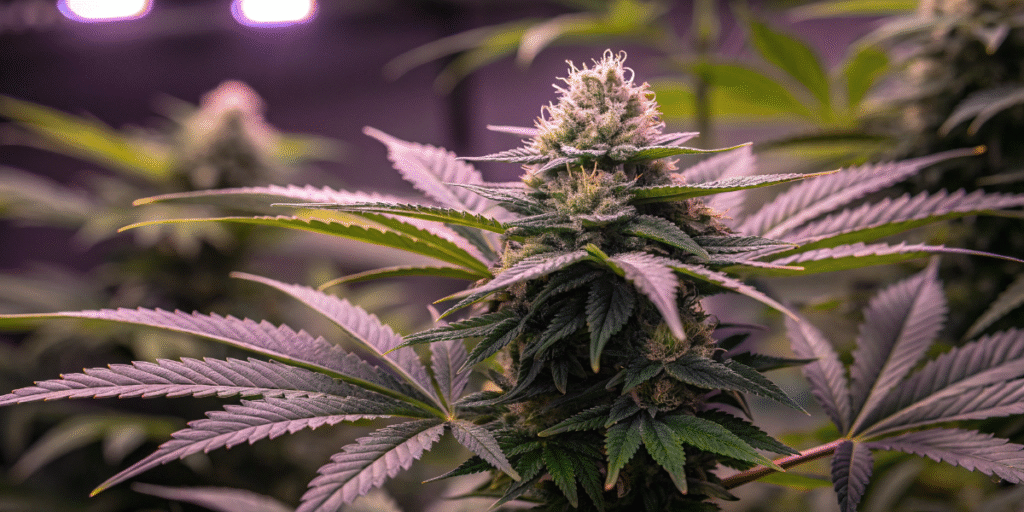
How to Germinate & Propagate Fat Bastard
Germinating this strain successfully begins with selecting high-quality seeds. This variety thrives in conditions where temperatures hover between 70-80°F. It’s essential to keep the seeds moist during the initial stages. Many growers prefer using the paper towel method, which ensures that the seeds remain hydrated and promotes quick and healthy sprouting.
After germination, transferring the young seedlings into a rich soil medium is crucial for robust growth. The plant favors well-drained soil infused with organic matter. As this cultivar develops, providing ample light and maintaining consistent moisture levels help enhance root establishment and set the stage for a prosperous cultivation cycle.
Propagation of this genetics through cloning allows for maintaining uniformity in your garden. Cut healthy branches with at least three nodes from a mature plant. Dip the cut ends in rooting hormone to stimulate growth. Then, place it into a propagation tray with a humidity dome. This controlled environment ensures optimal conditions for root development.
For a bountiful harvest, monitor the plant’s progress closely. Regular checks for pests and diseases can safeguard the future yield. Additionally, ensure proper airflow to prevent mold. This attention to detail from germination through propagation is key to maximizing the terpene profile and quality buds that Fat Bastard is known for.
Vegetative Stage: Nurturing Your Plants
The vegetative stage is crucial for laying a strong foundation for your Fat Bastard plants. During this period, it’s important to provide ample light and nutrients to encourage healthy growth and development. This strain thrives under full-spectrum LED lights, which simulate natural sunlight efficiently. Regularly check the pH levels of the soil to ensure optimal nutrient uptake by the roots.
Watering practices are essential for the success of this genetics. Ensure it receives adequate moisture without overwatering, as this could lead to root rot. Implement a consistent watering schedule based on the plant’s size and environmental conditions. Utilizing pots with drainage holes is a simple way to prevent waterlogging while encouraging strong root development.
Pruning and training techniques can significantly impact the yield of this variety. Employ methods like topping or low-stress training to encourage a bushier structure. These techniques will lead to more bud sites and ultimately a higher yield at harvest. Observing the response of the plant will guide further training and adjustments.
As growers cultivate this cultivar, monitoring for pests is essential. Implement integrated pest management to keep the plant healthy throughout the vegetative stage. Introducing beneficial insects or using organic pest repellents can prevent infestations. By nurturing your plants carefully, you’ll enhance the size and quality of their buds and terpenes, promising a robust harvest.
Flowering Fat Bastard: What to Expect
The flowering stage of this strain is an exciting period for growers, as it brings significant transformations. As Fat Bastard enters this phase, cultivators should anticipate a robust display of resinous buds. This genetics is known for its relatively short flowering period of 8 to 9 weeks, making it an attractive option for those seeking a faster turnaround.
This variety’s flowering process showcases dense buds laden with terpenes, which contribute to its notable aromatic profile. Growers should maintain optimal conditions, ensuring adequate lighting and airflow to maximize yield and potency. Monitoring humidity levels is essential as excessive moisture can lead to mold issues. By keeping a close watch, cultivators can ensure the plant’s health and vibrant growth.
As the plant matures, Fat Bastard will reward cultivators with an abundant harvest. It is crucial to identify the right time to harvest by observing the trichomes, which turn milky white with a hint of amber. Harvesting at the right moment ensures the desired potency and flavor profile, which are hallmarks of this cultivar.
This cultivar is celebrated not only for its productivity but also for its strong, enjoyable effects. Organizing the drying and curing process properly will preserve the buds’ quality, enhancing their aroma and taste. With attentive care during the flowering stage, growers will find this variety to be a gratifying addition to their cultivation endeavors.
Fertilizers & Nutrient Schedule
To maximize the yield and potency of this strain, growers should consider its specific nutrient needs throughout the cultivation cycle. In the vegetative stage, this cultivar thrives on higher levels of nitrogen to support vigorous growth. Balanced NPK fertilizers will provide the essential nutrients needed to develop a robust plant structure, preparing it for a successful flowering stage.
As the plant transitions into the flowering phase, reducing nitrogen levels and increasing phosphorus and potassium is crucial. These nutrients support dense and resinous buds, enhancing the overall terpene profile. Feeding schedules should be adjusted gradually to prevent nutrient shock, ensuring the plant receives a steady flow of essential elements.
Organic fertilizers, such as compost teas and seaweed extracts, can also be beneficial for this variety, promoting microbial life and improving soil health. This organic approach can enhance the natural flavors and aromas characteristic of the strain, contributing to its reputation among cannabis enthusiasts for unique taste and potency.
Monitoring pH levels is equally important, as it affects nutrient absorption. For Fat Bastard to achieve its full potential, maintaining soil pH between 6.0 and 7.0 is ideal. Regular testing and adjusting as necessary will ensure that the cultivar can uptake all necessary nutrients, leading to a flourishing harvest.
Pest and Disease Prevention for Healthy Cannabis Plants
To ensure healthy cannabis cultivation, it’s essential to prevent pests and diseases that can impact the yield and quality of the buds. Regular inspection is vital; check the plants frequently for any signs of infestation or disease. Use natural repellents like neem oil and introduce beneficial insects to help keep harmful pests at bay, safeguarding this cultivar from potential damage.
Maintaining an optimal growing environment is crucial for keeping this strain healthy. Adequate ventilation and humidity control can significantly reduce the risk of mold, a common issue in cannabis cultivation. Additionally, ensuring proper sanitation by cleaning tools and pots regularly will minimize the spread of pathogens that might harm this variety, ultimately preserving its unique terpenes.
For growers of Fat Bastard, an integrated pest management approach can be particularly beneficial. Combining cultural practices with biological controls helps protect the plant naturally, reducing chemical intervention. By focusing on these preventive measures, you can cultivate robust plants that deliver a bountiful harvest, maintaining the genetic integrity and desirable characteristics of this strain.
Harvesting & Drying
Timing is crucial when it comes to harvesting to maximize both yield and quality of the buds. For this strain, growers should look for milky white trichomes, an indication that the plant is at its peak potency. Also, watch for the pistils to turn 70-90% amber, a clear sign that this variety is ready for harvest.
Once you’ve determined that the plant is ready for harvest, carefully cut the branches to preserve delicate buds. Handling this cultivar with care is essential to keep the resinous trichomes intact. This helps in maintaining the rich terpenes that contribute to its unique flavor and aroma profile, which are highly prized among cannabis enthusiasts.
After harvesting, drying becomes the next critical step. Hang the branches upside down in a dark, well-ventilated environment. Maintaining a consistent humidity level of around 50-60% is vital. Effective drying will enhance the flavors and potency of the buds, making this strain even more desirable to users looking for quality cannabis experiences.
When the drying phase is complete, cure the buds in airtight jars to further develop flavor and aroma. This process should last at least two weeks. For cultivators of Fat Bastard, these steps ensure the final product is top-notch, with buds that exhibit both exceptional quality and potency, an achievement that marks successful cultivation.
Fat Bastard Strain Type: Indica, Sativa or Hybrid?
Fat Bastard is an intriguing strain, celebrated for its unique genetic composition as a hybrid cannabis variety. This cultivar combines traits from both indica and sativa plants, resulting in a balanced profile that appeals to a wide range of growers and consumers. Its dual nature makes it versatile in cultivation and offers a blend of effects that satisfy many preferences.
This variety’s balanced genetics allow it to flourish in various environments, providing cultivators with flexibility during the growing process. The plant typically produces dense buds known for their potent levels of terpenes, contributing to its characteristic aroma and flavor. As a hybrid, it is designed to maximize yield, combining the best traits of its parent plants for optimal harvest outcomes.
Cultivating this strain can be rewarding due to the plant’s robust nature, making it suitable for both experienced and novice growers. The hybrid’s adaptability leads to successful cultivation in diverse climates, aiding in achieving impressive yields. With proper care, this cultivar’s combination of effects, flavors, and cultivation benefits makes it a standout choice for many in the cannabis community.
Why Grow this Strain? Key Benefits for Cultivators
Fat Bastard is an ideal choice for cannabis growers looking to achieve impressive yields with relatively minimal effort. The plant is celebrated for its robust growth, making it suitable for both experienced cultivators and those just starting out. This strain’s resilience to common pests and diseases ensures a bountiful harvest, providing satisfaction for those focusing on quantity and quality.
One of the standout features of this variety is its exceptional terpene profile, which contributes to its aromatic and flavorful buds. These qualities not only enhance the sensory experience but also increase its market appeal. Cultivation of this cultivar can result in a lucrative return on investment, thanks to its ability to produce dense and potent flowers that satisfy consumer demand.
Besides, this genetics is remarkably versatile, thriving in a range of environmental conditions. Whether grown indoors or outdoors, it adapts well and delivers consistent results. With its combination of high yield and aromatic buds, growers are drawn to this strain for both commercial and personal cultivation. It offers a rewarding experience, making it a favorite among cannabis enthusiasts.
Potential Challenges When Growing Fat Bastard
Cultivating Fat Bastard can be rewarding, but growers should anticipate certain challenges. This strain requires a controlled environment to thrive, as it is sensitive to temperature fluctuations. Consistent climate management can prevent stress on this cultivar. Ensuring proper ventilation and humidity control can help produce robust buds with desirable terpene profiles, satisfying growers looking to optimize their harvest outcomes.
Another concern when growing this variety is its nutrient needs. The plant demands a well-balanced feeding schedule to achieve its full potential. Overfeeding can lead to nutrient burn, stunting growth and affecting the overall yield. Monitoring soil pH and nutrient levels regularly is crucial for maintaining the plant’s health and ensuring that it develops strong, aromatic buds ready for harvest.
Pest management is also essential when cultivating this cannabis strain. This genetics is prone to issues with pests like aphids and spider mites, which can negatively impact its growth. Implementing an integrated pest management strategy is vital to keep these threats at bay. Natural pest deterrents and regular inspections can preserve the quality and quantity of Fat Bastard’s yield.
Is this Variety Worth Buying? Here’s What You Need to Know
Fat Bastard is a highly appealing choice for cannabis cultivators seeking robust yields and impressive terpene profiles. This strain is known for producing dense, aromatic buds, making it a favorite among both indoor and outdoor growers. The plant’s resilience and adaptability in various climates further enhance its appeal, promising a rewarding harvest for those who invest time in its cultivation.
One of the standout features of this variety is its exceptional yield. Growers often find that the plant offers a generous bounty, with fully matured buds teeming with rich flavors and potent effects. Its terpene profile provides a unique aroma that adds to its allure. Despite its name, this cultivar caters to serious cultivation enthusiasts looking for consistent, high-quality results.
For those considering an investment in this genetics, the benefits are clear: This strain offers a high return with minimal fuss. Its straightforward cultivation process makes it accessible, even to novice growers. Moreover, the rich terpene content and voluminous yield ensure that the investment is worthwhile. Overall, it presents a compelling option for growers seeking quality and quantity in equal measure.
FAQs: Growing Fat Bastard
What are the ideal growing conditions for Fat Bastard?
Fat Bastard thrives in a warm, sunny climate with temperatures between 70-80°F (21-27°C) during the day. This strain prefers a low-humidity environment, particularly during the flowering phase, to prevent mold and mildew. Indoor growers should ensure adequate airflow and use fans to maintain these conditions. Regular monitoring of temperature and humidity is essential to successfully cultivate this strain.
How long does it take for Fat Bastard to flower?
This variety typically has a flowering period of about 8 to 10 weeks. Indoor growers can expect this phase to last around 9 weeks on average. Outdoors, Fat Bastard usually sees a harvest time in mid to late October. Keeping an eye on trichome development is a good practice to determine the optimal time for harvesting this plant.
What yield can growers expect from Fat Bastard?
Fat Bastard is known to produce generous yields. Indoor cultivation can result in approximately 400-500 grams per square meter. When grown outdoors, this strain can yield up to 600 grams per plant under optimal conditions. The plant’s productivity makes it an attractive option for those looking to maximize their harvest with this genetics.
What type of nutrients are best for Fat Bastard?
This cultivar thrives with a balanced nutrient regimen. During the vegetative stage, emphasize nitrogen for robust growth. As Fat Bastard transitions into the flowering phase, switch to a mix richer in phosphorus and potassium to support bud development. Regularly monitoring pH levels in the soil or hydroponic system is crucial for ensuring nutrient uptake.
Are there any common issues when cultivating Fat Bastard?
Fat Bastard is relatively resilient, but growers should watch out for mold and mildew, particularly in high-humidity environments. Regular pruning of this variety is beneficial to improve airflow and light penetration. Pests like spider mites and aphids may also target this plant, so introducing beneficial insects or using organic deterrents can help prevent infestations effectively.