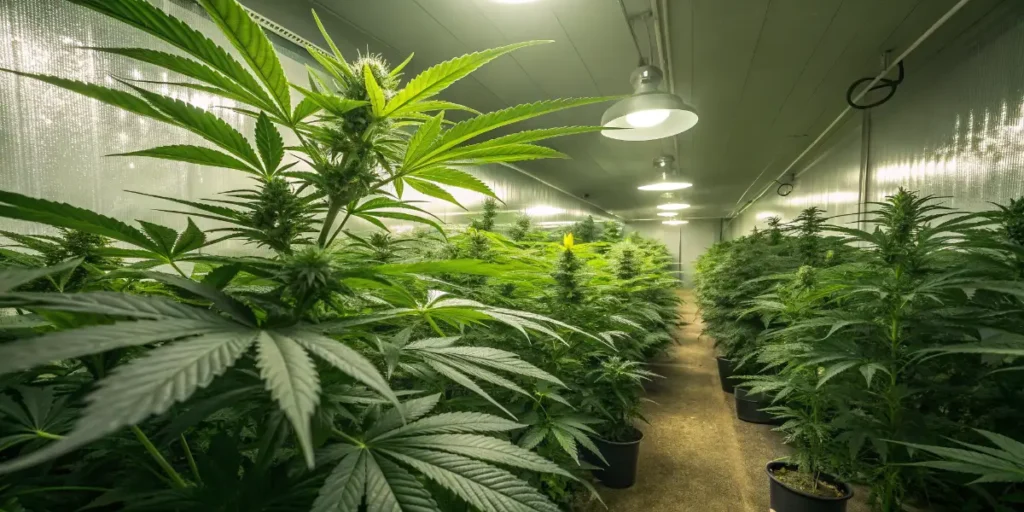

To start cultivating Forbidden Fruit, germinate the seeds in a controlled environment with humidity levels around 70%-80%. Using the paper towel method can be effective for this variety, ensuring that the seedlings are handled carefully. Once the seedlings sprout, transplant them into a nutrient-rich soil mix. Early attention to these details will help the plant develop a strong foundation.
This cultivar thrives in a warm, sunny climate, ideally maintaining temperatures between 70°F and 85°F. For indoor growers, placing the plant under high-quality LED lights will support its growth. Make sure to provide ample space between the cannabis plants to allow airflow, which helps prevent mold and pest infestations as it matures, ultimately impacting the yield positively.
Recommended Strains
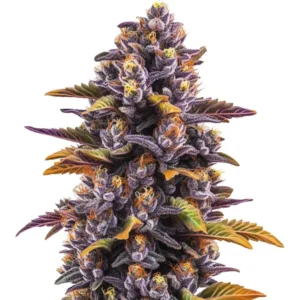
Forbidden Fruit

|
THC | 23% - 26% (High) |

|
Lineage | Cherry Pie x Tangie |

|
Type | Feminized |

|
Height | 3.94 ft | 1.2 m |

|
Yield | Medium |

|
Yield Indoor | 1.47 oz/ft² | 450 g/m² |

|
Yield Outdoor | 24.69 - 31.75 oz/plant | 700 - 900 g/plant |

|
Flowering Time | 8 - 10 weeks |

|
Phenotype | 70% Indica / 30% Sativa |

|
Medical | Fatigue, Muscle Spasms, Stress |

|
Effects | Euphoric, Happy, Relaxed |

|
Flavors | Fruity, Lemon, Pine, Sweet |
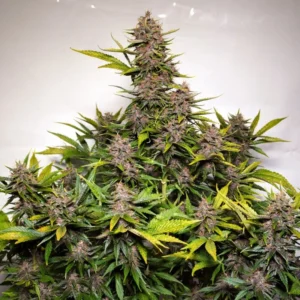
Auto Forbidden Cherry
|
|
THC | 15% - 16% (Medium) |
|
|
Lineage | Purple #1 x (Auto Forbidden Fruit x Cherry Pie) |
|
|
Type | Autoflowering |
|
|
Height | 3.61 ft | 1.1 m |
|
|
Yield | Medium |
|
|
Yield Indoor | 1.31 - 1.47 oz/ft² | 400 - 450 g/m² |
|
|
Life Cycle | 9 - 10 weeks |
|
|
Phenotype | 70% Indica / 30% Sativa |
|
|
Effects | Relaxed, Sedative, Happy |
|
|
Flavors | Earthy, Fruity, Spicy, Herbal |
As the plant progresses to the flowering stage, usually taking 8 to 10 weeks, focus on enhancing its terpene profile for the rich flavor Forbidden Fruit is known for. Adjust the light cycle to 12 hours of light and 12 hours of darkness. Harvesting is optimal when the buds are dense and coated with milky trichomes, ensuring the highest potency and quality.
Forbidden Fruit Strain Overview: Traits, Effects & Genetics
Forbidden Fruit is a remarkable cannabis strain known for its alluring aroma and vibrant visual appeal. This cultivar combines the best of its parent genetics, Cherry Pie and Tangie, resulting in a tantalizing mix of sweet and fruity terpenes. With its moderate cultivation difficulty, growers find fostering this variety both rewarding and enjoyable due to its striking bud appearance and satisfying yield.
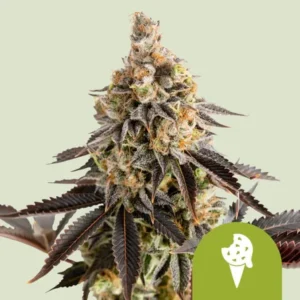
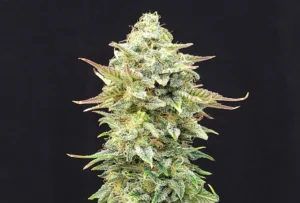
The plant is characterized by its dense buds that showcase a brilliant array of colors, ranging from deep purple to vibrant orange. This strain flourishes under warm, sunny climates, making it a favorite among outdoor cultivators. It requires careful attention to detail during the growing process, ensuring that it reaches its full potential by maintaining optimal humidity levels and nutrient balance.
When consumed, the effects of this specific genetics are profoundly relaxing, offering a euphoric high that melts away stress and leaves users in a peaceful, blissful state. With an average THC content ranging between 15% and 20%, this variety is suitable for both novice and experienced users seeking a balanced experience. The entourage effect is further enhanced by the rich terpene profile inherent in the plant.
In terms of yield, this strain typically produces moderate amounts of resinous flowers, making it an ideal choice for home growers looking for quality over quantity. Proper trimming and curing are essential to preserve the unique flavor profile, characterized by notes of pine, citrus, and berry. Overall, Forbidden Fruit remains a popular choice due to its beautiful appearance, enticing aroma, and enjoyable effects.
Optimal Environment to Grow Forbidden Fruit Successfully
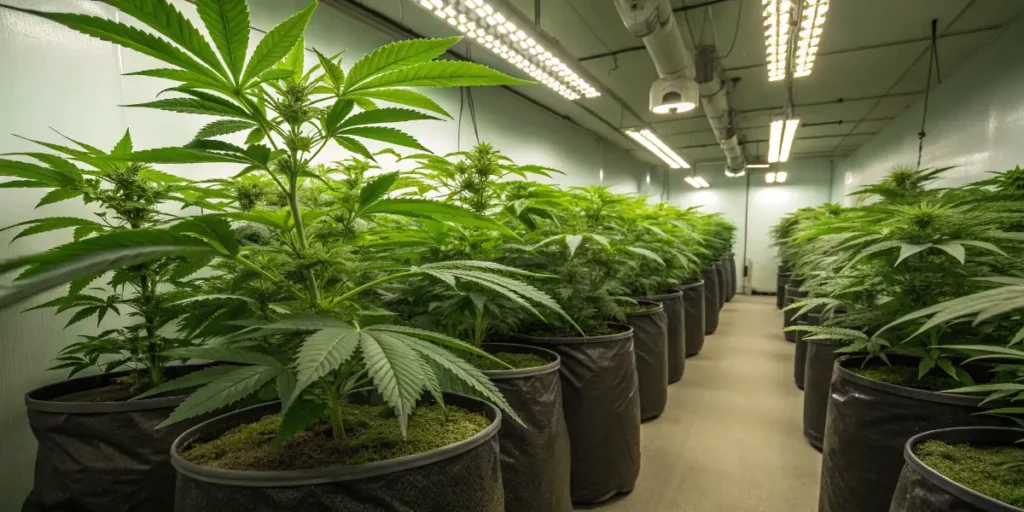
When cultivating Forbidden Fruit, creating an optimal environment is essential for maximizing the yield and terpene profile. This strain thrives best in a climate-controlled setting, where temperature, humidity, and light exposure can be carefully managed. Growers should maintain temperature levels between 68°F to 80°F to ensure robust growth and develop buds with enhanced aroma and flavor.
Humidity levels play a crucial role in the successful growth of this variety. During the vegetative stage, maintaining a humidity level of 60-70% encourages vigorous plant growth. As the cultivar transitions to the flowering stage, reduce humidity to 40-50% to minimize the risk of mold and mildew, ultimately protecting the quality of your harvest.
Lighting is another critical factor for the successful cultivation of this genetics. Provide 18-24 hours of light during the vegetative stage, which helps the plant establish a strong structure. When transitioning to flowering, switch to a 12/12 light cycle to stimulate bud production. Consider using LED lights to enhance efficiency and mimic natural sunlight.
Soil quality and nourishment also significantly impact the development of this strain. Use a well-drained, nutrient-rich soil mix to support healthy root systems and optimize nutrient uptake. Throughout its life cycle, provide a balanced mix of macro and micronutrients, tailored to the distinct needs of each stage, ensuring a lush and bountiful harvest.
Grow Room Setup for Forbidden Fruit Plants
Creating the ideal environment for this strain involves careful attention to temperature, humidity, and light. The plant thrives in temperatures between 68-78°F with humidity levels around 50-60%. Proper air circulation helps maintain these conditions, promoting healthy growth and strong buds. Precision in climate control is crucial for maximizing the potential of this cultivar, ensuring a high-quality cultivation process.
Lighting is another critical aspect in growing this variety effectively. Full-spectrum LED lights are recommended as they mimic natural sunlight, promoting robust photosynthesis. For efficient growth, maintain a light schedule of 18 hours on and 6 hours off during the vegetative stage, and adjust this to 12 hours on and 12 hours off as the plants transition to the flowering phase.
Soil and containers also play a substantial role in the successful cultivation of the plant. Use a well-draining soil blend to prevent waterlogging, which can lead to root rot. Choose containers with enough space for the roots to expand, which contributes to healthy nutrient uptake and overall vigorous growth. The proper setup will support this cultivar throughout its life cycle.
To maximize the yield and terpenes profile of Forbidden Fruit, it is critical to monitor nutrient levels closely. Organic fertilizers with balanced N-P-K ratios are beneficial, while regular pH checks ensure nutrient availability. Harvesting at the right time, when the trichomes are milky white, will yield buds rich in flavor and potency, embodying the unique characteristics of this genetics.
Indoor Growing Tips for Forbidden Fruit
When cultivating Forbidden Fruit indoors, it’s vital to maintain optimal conditions for the plant to thrive. Temperature control is essential; aim for a range between 70-80°F. Humidity levels should start high during the seedling phase, around 65-70%, and gradually decrease to 40-50% as it matures. Implementing a reliable ventilation system will ensure steady airflow and prevent mold or mildew.
This cultivar responds well to hydroponic systems, but soil medium can also yield great results if well-aerated and nutrient-rich. To maximize yield, monitor and adjust nutrient levels frequently, focusing on phosphorus and potassium during the flowering stage. Training techniques, such as topping or low-stress training, can enhance bud development and ensure even light distribution across the plant.
Timing the harvest of this variety is crucial. Monitor trichome development with a magnifying glass to determine the ideal harvest window. The terpenes must reach peak aromatic profiles, indicating ripeness. Post-harvest, curing the buds correctly over a few weeks will enhance flavors and potency, ensuring growers can enjoy the full spectrum of flavors and effects that the genetics of this variety can offer.
Outdoor Growing Tips for Forbidden Fruit
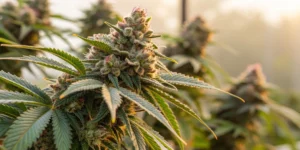
Forbidden Fruit thrives best in a warm, Mediterranean climate, where the plant can bask in ample sunlight. Adequate spacing is crucial to ensure optimal airflow between each plant, minimizing the risk of mold and pests. Growers are advised to use nutrient-rich soil for cultivation, which will support the plant’s robust growth and development throughout the season.
When cultivating this strain outdoors, monitoring the local weather is essential. Too much rain can lead to mold, negatively impacting the yield. Using stakes or cages to support the plant ensures it remains upright, safeguarding the precious buds. Pruning is a smart strategy for this variety to increase light penetration and improve the airflow around the canopy.
The genetics of this variety respond well to natural stimuli, and growers should harness this by allowing ample time for the plant to mature. Pay close attention to terpene development; the aroma and flavor will be telling signs as harvest approaches. As the harvest time nears, plan to cut during a dry spell for the best results and a bountiful yield.
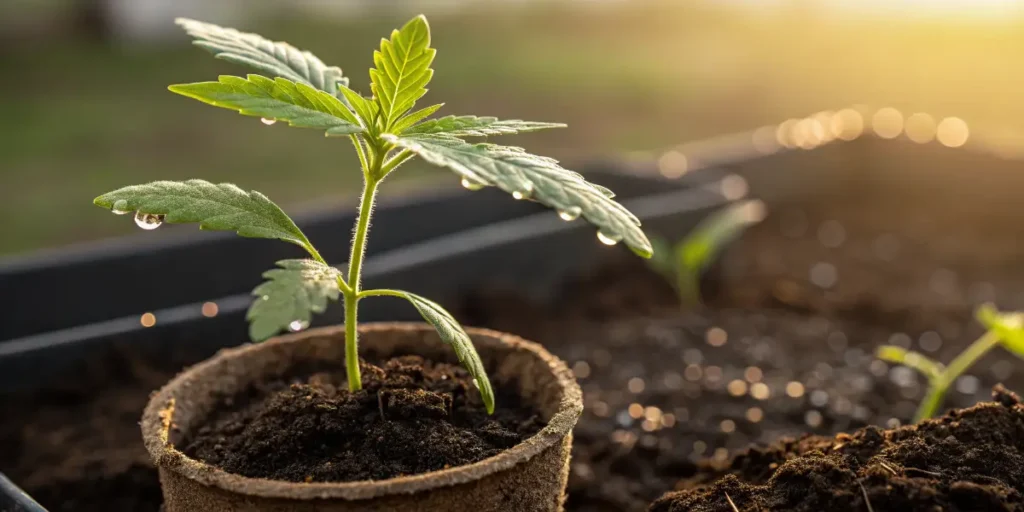
How to Germinate & Propagate Forbidden Fruit
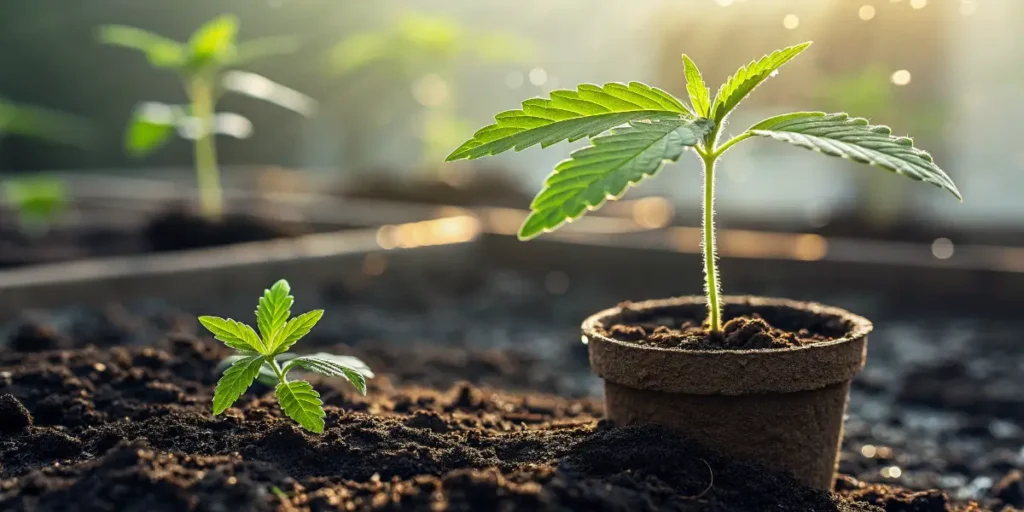
Germinating the cannabis seeds of this strain requires careful attention to detail to ensure successful sprouting. Start by soaking the seeds in distilled water for 12-24 hours, which helps to soften the shell and encourage sprouting. After soaking, transfer the seeds to a damp paper towel inside a plastic container or a zip-lock bag, maintaining a warm, dark environment for optimal germination.
Once the seeds of this variety have sprouted, it’s time to plant them in a suitable growing medium. A light, well-draining soil is essential to prevent waterlogging and support healthy root development. For best results, plant the germinated seeds about half an inch deep, ensuring the taproot is facing downwards. These steps will help establish strong roots for future growth.
As the seedlings start growing, it’s crucial to maintain consistent temperature and humidity levels for robust development. This cultivar thrives at temperatures between 70-80°F and humidity around 60-70% during the early stages. Proper ventilation and controlled light exposure also play significant roles in promoting vigorous growth and preparing the plant for a bountiful harvest.
When propagating this genetics, consider using cloning techniques to maintain the desirable traits of the mother plant. Cloning can preserve the unique terpene profile and yield potential characteristic of Forbidden Fruit. Carefully take cuttings from a healthy, mature plant, and use rooting hormone to encourage strong root formation. With patience and diligence, growers can enjoy the rich, rewarding buds this cultivar produces.
Vegetative Stage
The vegetative stage is critical for establishing a strong framework for your cannabis plants. During this phase, focus on enhancing the root system and stem structure of this strain. Start by ensuring adequate lighting, as it directly impacts the growth rate. Typically, 18 hours of light per day is recommended to keep the plant in the vegetative stage.
This variety thrives in nutrient-rich soil with a well-balanced pH, typically between 6.0 and 6.8. Regular feeding with nitrogen-rich fertilizers will encourage lush foliage. Additionally, maintaining a consistent watering schedule is important to avoid overwatering, which can be detrimental to the plant’s health. Aim to keep the soil moist but not waterlogged.
Proper ventilation and air circulation are essential for strengthening stems and preventing mold and pest infestations. Oscillating fans can help achieve this by gently moving the air around. Monitoring temperature is vital as well; this cultivar prefers a range of 70-85°F for optimal growth. Maintaining humidity levels between 40-70% helps support vigorous development.
As the plant grows, training techniques like topping and low-stress training can maximize the yield and encourage the development of multiple buds. These methods help achieve a more manageable shape and increase light exposure to lower branches. As such, cultivating Forbidden Fruit requires diligent attention during the vegetative stage to ensure a bountiful harvest and rich terpene profile come harvest time.
Flowering Forbidden Fruit: What to Expect
During the flowering stage, growers of this strain can anticipate a transformation as the plant begins to show its true potential. It is renowned for its rich terpene profile and vivid bud structure. For optimal results, it’s crucial to maintain a stable environment with consistent light cycles and adequate nutrients, which will help boost both the aroma and yield this variety is known for.
This cultivar typically flowers within eight to ten weeks, making it a relatively quick option for cannabis enthusiasts looking to cultivate their own supply. Effective humidity control during this period can prevent mold, a common issue in dense buds. The plant’s robust genetics allow it to withstand minor fluctuations in conditions, yet vigilance is key to maximize its potential.
The buds of this variety present a striking mix of purples and oranges, accentuated by a sappy resin that promises substantial potency. The enticing terpene profile contributes not only to the plant’s aromatic allure but also to a rich, complex flavor that many find appealing. Close attention to detail in trimming and curing will ensure that the final product retains these desirable qualities.
As harvest time approaches, the vibrant beauty of Forbidden Fruit will become more pronounced, hinting at the rewarding experience that lies ahead. Cultivators often find that investing time and care at this stage yields significant dividends in the form of dense, fragrant cannabis that’s highly sought after. Whether for personal enjoyment or professional cultivation, this variety is a true gem for those seeking an exceptional harvest.
Fertilizers & Nutrient Schedule
Feeding is a critical aspect of cultivating cannabis, particularly for a strain like Forbidden Fruit. This genetics thrives on a meticulously planned nutrient schedule that enhances its terpene profile and maximizes yield. Growers should focus on providing a balanced diet of macronutrients and micronutrients to ensure the plant reaches its full potential from seedling through harvest.
During the vegetative stage, this variety benefits from a higher nitrogen content, essential for robust leaf and stem development. An N-P-K ratio of 3-1-2 is ideal, supporting vigorous growth and preparing the plant for successful flowering. As this strain transitions into the flowering phase, gradually decrease nitrogen levels while increasing phosphorus and potassium to promote the formation of resinous buds.
Implementing a nutrient schedule that adjusts to the distinct growth stages of the plant is vital. In the flowering stage, the emphasis should shift towards phosphorus and potassium, with an N-P-K ratio of around 1-3-2. This transition supports the development of potent buds and enhances the aromatic terpenes that are characteristic of this cultivar. Regular flushing is also advised to prevent nutrient buildup and ensure clean, flavorful produce.
Monitoring pH levels is crucial throughout the entire cultivation process. The optimal pH range for soil cultivation of this strain is between 6.0 and 6.8, while hydroponic systems should maintain a pH of 5.5 to 6.5. By adhering to these guidelines and providing Forbidden Fruit with appropriate nutrients at each growth phase, growers can ensure a bountiful and high-quality harvest.
Pest and Disease Prevention for Healthy Cannabis Plants
Ensuring the health of your cannabis plants is crucial for a successful harvest. For growers cultivating this strain, knowing pest and disease prevention is key. Regular inspection and maintenance can help in identifying early signs of trouble. Using natural predators like ladybugs and beneficial nematodes can reduce harmful insect populations and protect the buds of this cultivar.
The resilient nature of this variety aids in its defense against many common issues, but caution is still necessary. Ensuring proper air circulation and maintaining optimal humidity levels can prevent the development of mold and mildew. These conditions support the rich terpene profiles that make the plant desirable.
For growers looking to cultivate Forbidden Fruit successfully, integrating a proactive approach is essential. Utilizing organic pesticides and implementing companion planting are effective strategies for maintaining plant health. Through these methods, the cannabis remains robust and yields a rewarding harvest, while preserving the unique qualities of this genetics.
Harvesting & Drying
Timing is crucial when it comes to harvesting this strain. Growers should monitor the trichomes on the buds closely. They’re ready when most are milky-white with some turning amber. This signals optimal ripeness, ensuring a flavorful and potent yield from the plant. If harvested too early, the terpenes might not be fully developed, affecting both flavor and potency.
Once the ideal moment to harvest arrives, carefully cut the main stalk of the cultivar. It’s essential to handle the branches gently to preserve the delicate trichomes covering the buds. Many cultivators prefer to trim the leaves immediately after cutting, while others choose to do so after drying. Trimming styles can be adapted according to personal preference and the desired outcome.
Drying this variety properly is just as crucial as the harvest itself. Hang the branches upside down in a dark, well-ventilated space with consistent temperatures around 60°F (15°C) and humidity between 55-65%. This drying process takes approximately 7-10 days, allowing the plant to slowly release moisture while preserving its terpene profile and enhancing quality.
Once the buds are adequately dried, further curing enhances their quality. Place them in airtight containers, opening them periodically to allow any remaining moisture to escape. This careful curing process improves the overall flavor and aroma profile of Forbidden Fruit, ensuring that the experience of this genetics is as rewarding as the cultivation process itself.
Forbidden Fruit Strain Type: Indica, Sativa or Hybrid?
Forbidden Fruit is a popular cannabis strain known for its captivating terpene profile and potential relaxation benefits. The genetic composition of this variety reveals it to be a balanced hybrid, primarily indica-dominant. Growers appreciate the characteristics of the plant, as it brings together the calming properties of indica with subtle sativa uplifting effects, making it a versatile choice for a variety of needs.
This cultivar’s genetics blend the best attributes of its parental strains, Cherry Pie and Tangie, resulting in a unique plant prized for its dense buds and rich aromatic profile. Cultivators may observe that this strain typically exhibits bushy growth patterns typical of indica varieties, with broad leaves and a relatively compact stature, which may require specific cultivation techniques to maximize yield.
For those considering cultivation, it is crucial to recognize that this variety thrives in controlled environments where it can benefit from regular light cycles and nutrient management. Attention to detail in the growing process will help maximize the harvest potential. Notably, the plant’s indica dominance suggests that its flowering period may be shorter, offering a quicker turnaround for budding cannabis enthusiasts.
Why Grow this Strain? Key Benefits for Cultivators
Forbidden Fruit offers a delightful array of benefits for cannabis cultivators, beginning with its unique and tantalizing terpene profile that produces fruity, citrus aromas. Growers cherish this strain for its strikingly flavorful buds, creating a sought-after product for cannabis enthusiasts. The plant’s distinct fragrances make it a standout choice for those looking to diversify their garden with enticing sensory attributes.
This cultivar is also known for its robust growth traits, making it an ideal variety for both novice and experienced cultivators. Its resilience to common pests ensures a consistent yield with minimal intervention. The plant thrives in various environments, whether indoors or outdoors, allowing growers flexibility in their cultivation strategies while maintaining high-quality harvests.
In terms of yield, this strain does not disappoint. It produces dense buds that sparkle with trichomes, delivering an impressive harvest that satisfies commercial and personal needs. Moreover, the genetic stability of this variety ensures that growers can rely on consistent phenotype expressions, resulting in predictable and desirable outcomes season after season.
Potential Challenges When Growing Forbidden Fruit
One of the challenges when cultivating this strain is its sensitivity to mold. The dense buds of this variety can retain moisture, making it prone to mold and mildew. Growers should maintain excellent air circulation and monitor humidity levels carefully. Implementing strategies such as pruning and defoliating can enhance airflow around the plant, reducing the risk of mold-related issues during the cultivation process.
This cultivar also demands attention to nutrient levels. Over-fertilizing can lead to nutrient burn, which may stunt growth or affect bud development. To avoid this, especially during the flowering stage, it is crucial to adjust fertilization according to the plant’s specific needs. Regular monitoring of the soil’s nutrient content and adjusting feeding schedules can ensure optimal growth and yield.
The terpene profile of Forbidden Fruit requires a balanced approach to harvesting. It’s essential to time the harvest precisely to capture the full essence of this strain’s unique aromatic properties. Paying attention to trichome development is vital; cloudy trichomes indicate peak potency and flavor. Mastering the timing can significantly enhance the quality of the harvest, offering a rich terpene profile and excellent yield.
Is this Variety Worth Buying? Here’s What You Need to Know
When considering cannabis options, Forbidden Fruit stands out due to its unique terpene profile and visually appealing buds. This strain is known for its pleasant balance of relaxation and euphoria. Growers often appreciate how the plant can produce a moderate yield with relatively straightforward cultivation methods, making it an attractive choice for both beginners and experienced cultivators.
This variety thrives in controlled environments, offering flexibility for both indoor and outdoor growing methods. With a flowering period that usually spans 9-10 weeks, the plant rewards growers with dense, colorful nugs. Nimble management of environmental factors ensures a successful harvest, enhancing the overall quality and potency of the resulting flowers when meticulously tended to.
Many users find this cultivar desirable not only for its aesthetic appeal but also its flavorful and aromatic qualities. The rich profile is often characterized by notes reminiscent of fruit and citrus, making each session an enjoyable experience. Those exploring the options within the cannabis market might find Forbidden Fruit to be a worthwhile addition for both personal use and cultivation pursuits.
FAQs: Growing Forbidden Fruit
How difficult is Forbidden Fruit to grow for beginners?
This strain is considered moderately challenging, making it suitable for growers who have some prior experience. The plant requires careful attention to environmental factors like humidity and temperature. Practices such as low-stress training (LST) and topping can enhance yields and overall growth but demand a bit of expertise to implement correctly. With diligent care and monitoring, intermediate growers can achieve excellent results with Forbidden Fruit.
What are the expected yield and flowering time for Forbidden Fruit?
When cultivated in optimal conditions, this variety can yield an impressive harvest. Indoor growers can expect yields ranging from 400 to 500 grams per square meter, while outdoor plants can produce even more. The typical flowering time for Forbidden Fruit is around 8 to 10 weeks, making it a relatively quick-maturing plant, allowing growers to enjoy their harvest in a reasonably short time frame.
What climate is best suited for growing Forbidden Fruit?
Forbidden Fruit thrives in a warm and sunny climate, akin to Mediterranean conditions. It requires a substantial amount of sunlight and consistent temperatures ranging between 70-80°F (21-27°C). Due to its preference for stable climatic conditions, growers in temperate regions may need to cultivate this genetics indoors or utilize greenhouses to replicate its ideal environment and avoid climate-related stresses.
What are the common challenges with Forbidden Fruit during cultivation?
Growers may encounter issues with moisture and humidity, as Forbidden Fruit prefers a more controlled environment. High humidity can lead to mold and mildew problems. Additionally, this strain may be susceptible to pest issues, necessitating proper preventative measures. Regular monitoring and management of these factors are vital to ensuring the health and vigor of the plant throughout its growth cycle.
What are the nutrient requirements for Forbidden Fruit?
This cultivar has specific nutrient requirements, demanding a balanced supply of nitrogen, phosphorus, and potassium. Early stages need more nitrogen to support vigorous growth, whereas phosphorus and potassium become crucial during the flowering phase. Adequate micronutrients and pH management can further enhance the plant’s health and productivity, making careful nutrient management imperative for a successful harvest of Forbidden Fruit.