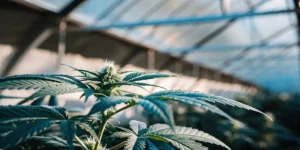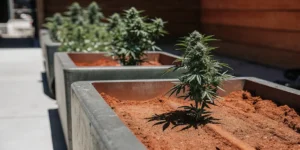

Growing Gary Payton successfully begins with selecting the right environment. This strain thrives in both indoor and outdoor settings but prefers a controlled climate to optimize its terpene profile. Ensure that the temperature remains between 70-80°F during the day with a slight drop at night. Regularly monitor humidity levels, keeping them around 50% to prevent mold and mildew on the buds.
For cultivation, use soil rich in organic matter or a hydroponic system to maximize nutrient uptake. This cultivar benefits from proper nutrition, requiring ample nitrogen during the vegetative stage and a balanced N-P-K ratio as it transitions to flowering. Pruning and training the plant can help improve airflow and light distribution, promoting a healthy structure and robust yield.
As harvest time approaches, watch for key signs such as the color of the trichomes and the pistils’ change from white to amber. This variety typically flowers in 8 to 10 weeks, delivering dense, fragrant buds. Once harvested, cure it carefully to preserve its unique terpenes and potency, ensuring the best quality cannabis for consumption or sale.
Gary Payton Strain Overview: Traits, Effects & Genetics
Gary Payton, named after the legendary NBA player, is a well-loved cannabis strain renowned for its potent effects and rich terpene profile. This variety is a hybrid resulting from the cross between Snowman and The Y genetics, offering a balanced experience that appeals to both recreational users and medical patients. The plant is known for its dense buds and vibrant color.
This strain is celebrated for its robust growth and high yield, making it a favorite among cultivators. The plant thrives in both indoor and outdoor settings, although indoor growers often find it easier to control the environmental factors to maximize harvest quality. The buds produce a pungent aroma that’s as unmistakable as it is delightful, contributing to its widespread popularity.
The effects of this cultivar are predominantly uplifting, offering a cerebral high that encourages creativity and focus. It’s ideal for social activities, making it a popular choice for those seeking a balanced and sociable experience. The presence of terpenes like caryophyllene and limonene enhances its relaxing yet stimulating effects, providing a well-rounded experience.
An knowledge of the genetics behind this variety can assist growers in optimizing their cultivation techniques. With its robust Snowman and The Y lineage, the plant exhibits resilience against common pests and molds. This genetic strength not only improves yield but also ensures that the plant’s quality remains consistently high.
Optimal Environment to Grow Gary Payton Successfully
Creating the perfect environment is crucial for the prosperous growth of the cannabis strain, Gary Payton. Optimal temperature and humidity levels are essential, as this variety thrives in conditions where temperatures range between 70-85°F (21-29°C) with humidity levels around 40-50% during the flowering phase. Maintaining these parameters allows the plant to maximize its growth potential and produce dense, quality buds.
Lighting plays a vital role in the cultivation of this cultivar. Implementing a full-spectrum lighting system will enhance the terpene profile and overall yield. Aim for 18 hours of light during the vegetative stage and 12 hours during flowering to stimulate bud development. This consistent light exposure ensures that the plant can reach its full growth capability and deliver a bountiful harvest.
Choosing the right growing medium can significantly impact the health of this strain. Whether growers opt for soil or hydroponics, each should provide proper drainage and aeration. A balanced nutrient mix tailored to the specific growth stage of the plant will foster robust development. Healthy root systems are the cornerstone for thriving cannabis growth and ultimately contribute to high-quality yield.
Incorporating controlled airflow is critical for the prevention of mold and pest infestations in this genetics. Good ventilation aids in strengthening the plant’s stalks and branches, which are critical for supporting the weight of the buds. Positioning fans to ensure a gentle breeze will encourage the transpiration process, further enhancing the plant’s nutrient uptake efficiency and supporting a fruitful cultivation journey.
Grow Room Setup for Gary Payton Plants
When cultivating Gary Payton, a well-designed grow room is crucial for success. This strain thrives in a controlled environment where temperature, humidity, and lighting can be precisely regulated. Start by selecting a space with sufficient room for the plant’s growth. Ensure the area is secure and equipped with reflective walls to maximize light efficiency for optimal bud development.
For lighting, invest in high-quality LED or HPS grow lights to encourage robust growth throughout the cannabis lifecycle. This variety responds well to a light schedule of 18 hours of light during the vegetative stage, followed by 12 hours during flowering. Proper lighting will enhance the production of terpenes, contributing to the strain’s distinctive aroma and flavor profile.
Maintaining the correct humidity levels is essential for preventing mold and encouraging vigorous growth of this cultivar. Aim for a humidity range of 40-60% during the vegetative stage, gradually decreasing to 30-50% during flowering. Additionally, ensure proper ventilation and air circulation with fans and exhaust systems to keep the plant healthy and stress-free.
Temperature control is another vital aspect of cultivating this variety. Keep temperatures between 70-85°F (21-29°C) in the daytime and slightly cooler at night. This temperature range will support a robust yield and enhance the bud quality. By optimizing all these aspects of your grow room, you can expect a successful harvest of potent, aromatic Gary Payton plants.
Indoor Growing Tips for Gary Payton
When cultivating Gary Payton indoors, it’s essential to maintain proper temperature and humidity levels. The plant thrives in temperatures between 68 and 77 degrees Fahrenheit with humidity around 40-50% during the flowering phase. Ensuring adequate airflow and ventilation will help the buds develop robustly, preventing mold and mildew, which are common concerns for cannabis growers.
This variety benefits from a well-structured light schedule, typically 18 hours of light during the vegetative stage and 12 hours during flowering. Implementing high-quality LED lights can enhance terpenes and increase yield. Additionally, growers should consider utilizing training techniques like topping or low-stress training to maximize light exposure and improve the canopy’s form.
Nutrient management is crucial for optimizing this cultivar’s growth. Use a balanced nutrient regimen with slightly elevated phosphorus and potassium levels during flowering to boost bud formation. Regular monitoring of pH levels in the growing medium ensures that nutrients are effectively absorbed, ultimately enhancing the plant’s health and potential harvest quality.
Outdoor Growing Tips for Gary Payton
Gary Payton thrives in a warm, sunny climate, making it essential for growers to choose a location with abundant sunlight. Prepare the soil by enriching it with organic compost to ensure the plant has access to ample nutrients. Proper spacing is crucial for this cultivar, as it ensures adequate airflow, reducing the risk of mold and encouraging healthy bud development.
Monitoring the plant for pest infestations is vital during the cultivation process. Employ natural pest control methods, such as introducing beneficial insects, to maintain a healthy environment. Regularly check the foliage and use neem oil or insecticidal soap as needed to protect the variety from common outdoor threats that can impact yield.
As harvest time approaches, closely monitor the buds to determine the optimal time for collection, looking for the ideal terpene profile and resin production. This cultivar’s yield improves with gradual reduction of water in the final weeks, encouraging rich terpene and cannabinoid production. Proper curing post-harvest will enhance both flavor and potency.
How to Germinate & Propagate Gary Payton
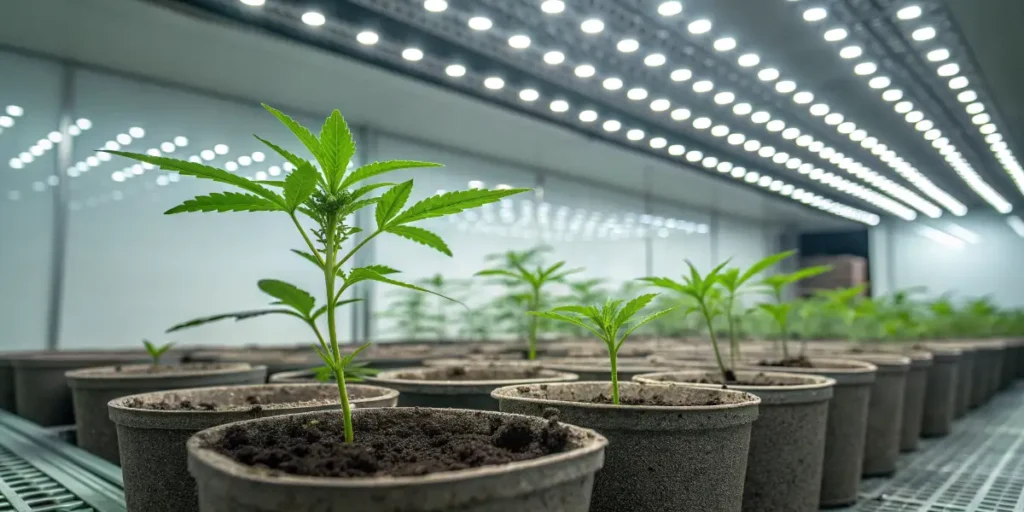
Germinating Gary Payton seeds is the first crucial step in cultivation for successful growth and bountiful yield. Begin by soaking the seeds in distilled water for 12-24 hours to soften the shell, leading to faster germination. Alternatively, place the seeds in a damp paper towel in a warm, dark place, ensuring they remain moist but not soaked.
Once the seeds of this strain have sprouted, transfer them to a high-quality growing medium such as soil or a soilless mix. Ensure the medium is loose and well-draining, allowing the roots to develop without constraints. Provide moderate light and maintain a stable temperature between 70-75°F, which encourages robust root growth for strong, healthy plants.
For propagating this variety through cuttings, select a robust mother plant with desired traits such as terpene profile and bud production. Use a sterilized cutting tool to snip a healthy branch approximately 4-6 inches long. Dip the cut end in a rooting hormone and place it in a prepared growing medium, maintaining high humidity to encourage rooting.
Throughout the propagation phase, monitor the moisture levels closely, as excessive water can lead to rot, while dryness hinders growth. Once the roots of this cultivar have established, gradually acclimate it to drier environments. Successful propagation and germination are key for maximizing the harvest potential and preserving the desirable characteristics of the plant.
Vegetative Stage: Nurturing Your Plants
The vegetative stage is a crucial period in cannabis cultivation, where growers can lay a strong foundation for healthy plants. This strain, known for its robust nature, thrives with proper care. Ensure that the environment is warm and humid, with temperatures between 70-85°F. A balanced light schedule of 18 hours on and 6 hours off promotes optimal growth and prepares the plant for a bountiful harvest.
During this stage, it is vital to provide your Gary Payton plants with adequate nutrients, particularly nitrogen, which supports leafy growth. Timing is essential, as nutrient imbalances can stunt development. Regularly monitor pH levels to keep them within the 6.0-6.5 range for soil cultivation. Adjust feeding schedules based on how the plant responds, as this can impact its final yield and terpene profile.
This variety is known for requiring consistent attention in its vegetative phase. Pruning lower branches and utilizing high-stress training (HST) techniques can encourage bushier growth, leading to a more significant number of budding sites. Additionally, maintaining good air circulation is essential, as it prevents mold and pests from taking hold, ensuring this cultivar stays healthy during this crucial stage.
Nurturing the plant properly during vegetative growth sets the stage for a rewarding blooming phase. Be mindful of its specific needs and environmental conditions, as these factors greatly influence the final quality of the buds. By prioritizing care during this period, growers are likely to achieve a remarkable harvest from this notable genetics, maximizing the potential of Gary Payton.
Flowering Gary Payton: What to Expect
When cultivating Gary Payton, growers can anticipate a flowering period of about 8 to 9 weeks. During this time, the plant exhibits vigorous growth with its buds becoming increasingly resinous. The flowering stage is crucial, as it determines both the yield and quality of the harvest. Close attention to environmental conditions such as light, temperature, and humidity will enhance the plant’s performance.
This strain is renowned for its high yield potential, contingent upon optimal care and technique. Growers should ensure they are utilizing appropriate nutrient levels, as over-fertilization can compromise bud quality. Maintaining a balanced nutrient regimen will support the robust production of terpenes, crucial for the flavor and aroma profile that this variety is celebrated for.
The plant’s structure during flowering is bushy and dense, thus proper pruning and training techniques, such as topping or SCROG, may be beneficial. These techniques maximize light penetration and air circulation, contributing to higher-quality buds. Consistent monitoring for pests and diseases is essential during this period to prevent any adverse impact on the flowering process.
Harvesting at the right time is pivotal for maximizing the potential of this cultivar. Trichome development is a key indicator; growers typically look for cloudy or amber trichomes. This signals peak cannabinoid levels, ensuring the desired potency. By carefully timing the harvest, cultivators can fully realize the distinctive characteristics that make Gary Payton a sought-after cannabis variety.
Fertilizers & Nutrient Schedule
When cultivating this variety, proper nutrition is essential for maximizing yield and enhancing the quality of buds. A balanced nutrient schedule is key to unlocking the full potential of the plant. During the vegetative stage, nitrogen-rich fertilizers are recommended to support vigorous growth and robust foliage development. This approach lays a solid foundation for the crucial flowering stage.
As the plant progresses into the flowering stage, a shift in nutrient requirements occurs. This cultivar benefits from increased levels of phosphorus and potassium, which are vital for bud development and terpene production. Organic fertilizers can be particularly advantageous, as they promote healthier soil and a more flavorful harvest. Keeping a keen eye on nutrient ratios will ensure flourishing buds.
Monitoring pH levels is an integral part of feeding cannabis, as pH imbalances can hinder nutrient uptake. For optimal growth, keep the pH between 6.0 and 6.5 in soil, and slightly lower in hydroponic systems. Regular testing and adjustments help maintain the right conditions for this strain. By doing so, growers are likely to encounter fewer issues during cultivation.
Gary Payton, known for its robust aroma and solid yield, demands consistency in feeding and attention to detail. Gradual changes in the nutrient schedule during each growth phase can prevent shock to the plant. Utilizing tools such as EC meters will assist in providing precise nutrient levels. With careful feeding strategies, it offers substantial rewards at harvest time.
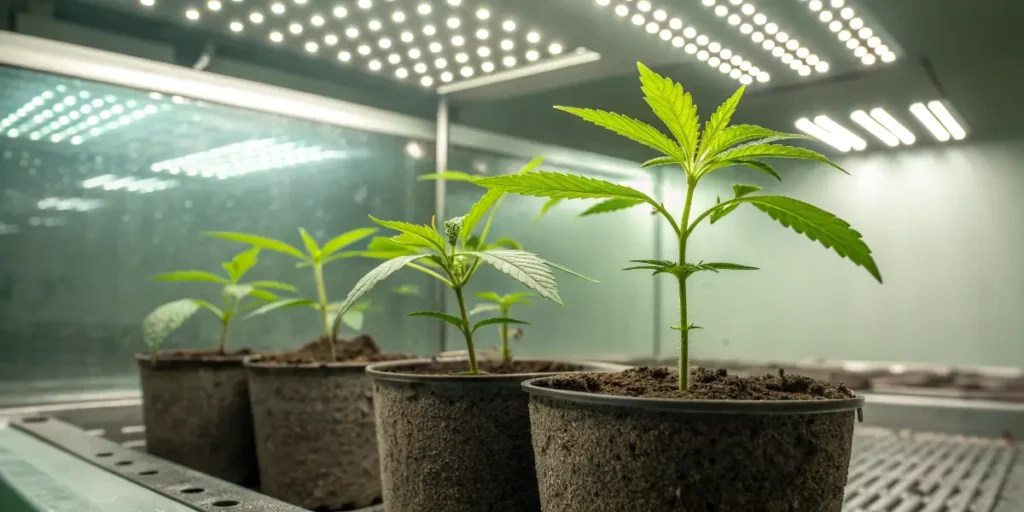
Pest and Disease Prevention for Healthy Cannabis Plants
To ensure the cannabis plant thrives, it is crucial for growers to implement effective pest and disease prevention strategies. For Gary Payton and other cultivars, maintaining a clean and controlled environment minimizes the risk of infestations. Regularly cleaning your cultivation area and removing any debris can prevent pests from using it as a breeding ground, thus securing a healthy yield.
This strain, like many others, can benefit from integrated pest management (IPM) approaches. Employing methods such as introducing beneficial insects and using organic pest control products can effectively deter unwanted visitors. Monitoring the plants closely for signs of pests or disease allows for early intervention, which is vital in preserving the quality of the buds and the desired terpene profile.
Ensuring proper airflow and humidity control also plays a significant role in disease prevention for this variety. Cannabis growers should aim to maintain an environment that discourages mold and mildew development. By adopting these practices, you will safeguard your harvest and optimize the yield of Gary Payton, allowing the plant’s genetics to fully express their potential.
Harvesting & Drying
To achieve optimal results when harvesting this strain, timing is crucial. Watch for milky white trichomes and a few amber ones, which typically indicates peak cannabinoid and terpene content. For this cultivar, this stage generally occurs around eight to ten weeks into flowering. Ensuring peak maturity before initiating the harvest ensures maximum potency and flavor from the plant.
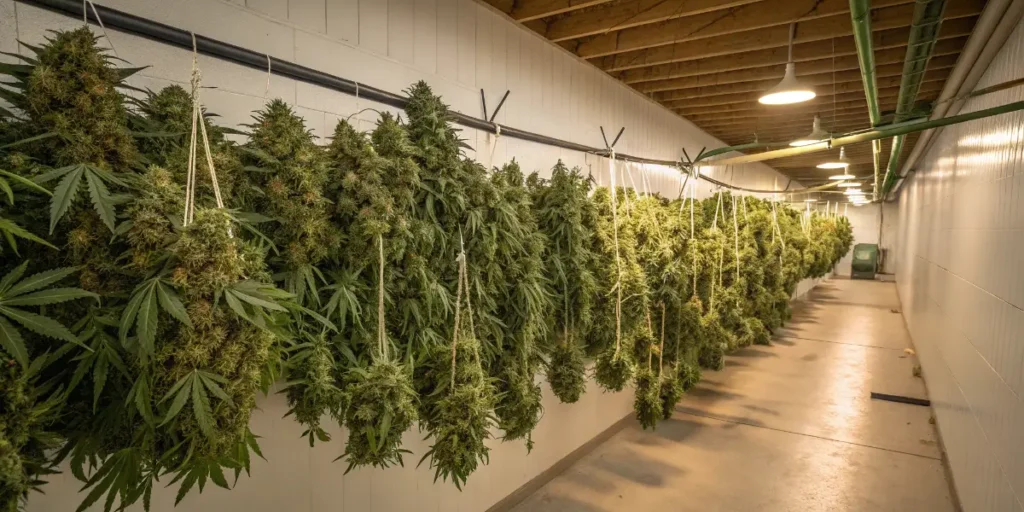
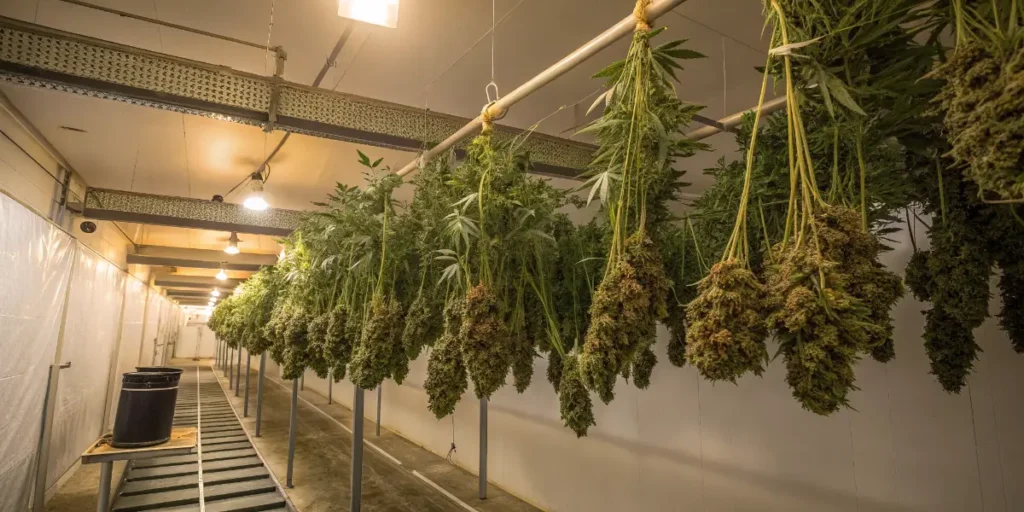
After cutting the plant at the base, remove large fan leaves to enhance air circulation during the drying process. This is essential for reducing the risk of mold and preserving the aroma of the buds. Hanging branches in a dark, cool space with controlled humidity is recommended. Aim for a humidity level around 50% to ensure steady drying of this variety.
Maintaining proper environmental conditions is vital. The drying area should stay between 60-70°F to retain the complex terpenes unique to this cannabis strain. Rapid drying can degrade the quality, so patience is key. As it dries, regularly check the moisture level by gently bending small branches. When they snap rather than bend, it’s time for the next stage.
Once dried, move the buds to airtight containers for curing, which should occur over several weeks. By burping jars daily, growers can regulate moisture and allow gases to escape, further enhancing Gary Payton’s rich bouquet. Proper curing ensures smoother consumption and a longer preservation of the plant’s flavor and effects, vital for any serious cannabis cultivation endeavor.
Gary Payton Strain Type: Indica, Sativa or Hybrid?
Gary Payton is a hybrid strain that skillfully balances both Sativa and Indica characteristics, offering a harmonious blend for cannabis enthusiasts. This cultivar is favored by growers for its reliable performance and robust growth. By combining the relaxing qualities of Indica with the energetic uplift of Sativa, this plant provides a versatile experience for a variety of cultivation goals.
Growers appreciate this strain for its well-rounded genetic profile, which produces dense buds rich in terpenes. The plant’s hybrid nature ensures a balanced approach to cultivation, allowing it to thrive in various environments. This variety’s adaptability means it can be harvested in both indoor and outdoor setups, providing significant flexibility for cultivators aiming for optimal yield.
This cultivar’s unique mix of properties makes it a sought-after choice among cannabis connoisseurs seeking a reliable yield and consistent potency. With its hybrid vigor, the plant maintains a steady growth pattern, resulting in a bountiful harvest. Knowing the balance of this strain’s genetic lineage helps growers maximize its potential, ensuring a successful and rewarding cultivation experience.
Why Grow this Strain? Key Benefits for Cultivators
Gary Payton is a popular choice among growers due to its robust cannabis genetics and reliable yields. This strain thrives under various cultivation settings, making it ideal for both novice and experienced cultivators. The plant’s resilient nature helps it withstand common pests and diseases, ensuring a successful harvest, ultimately maximizing the grower’s time and investment.
This variety is well-loved for its unique terpene profile, which contributes to its potent aroma and flavorful buds. The cultivar’s balanced Indica and Sativa ratio provides a desirable high that appeals to a broad audience, enhancing its marketability. Growers appreciate the plant’s ability to produce high-quality buds that cater to both recreational and medicinal users.
Another key benefit of cultivating this strain is its impressive yield potential. It delivers abundant harvests, which can be achieved with minimal intervention when grown in optimal conditions. This makes it an attractive option for those looking to maximize their production without extensive resources. Overall, Gary Payton offers a combination of quality and efficiency that cultivators find rewarding.
Potential Challenges When Growing Gary Payton
Cultivating Gary Payton can present several challenges for growers, particularly due to its sensitivity to environmental conditions. This strain prefers a stable, warm climate with controlled humidity levels. Failure to maintain these ideal conditions may result in the plant being susceptible to mold and mildew, affecting the quality of the buds. Monitoring environmental factors closely is crucial to successful cultivation.
Another challenge in growing this variety is maintaining its nutritional needs. The plant requires a balanced nutrient regime to support its robust terpene profile and ensure optimal yield. Overfeeding or underfeeding can stunt its growth or compromise bud quality. Regularly testing the soil and carefully adjusting nutrient solutions can help mitigate these issues and promote healthy growth.
This cultivar also demands attention to its pruning and training techniques. Due to its dense foliage, proper pruning is essential to ensure adequate light penetration and air circulation. Growers should employ techniques such as topping and low-stress training to maximize the plant’s potential during the vegetative stage. Addressing these challenges proactively will enhance the overall harvest quality of Gary Payton.
Is this Variety Worth Buying? Here’s What You Need to Know
When considering whether or not to invest in the Gary Payton cannabis strain, there are several factors to weigh. Known for its balanced hybrid genetics, this variety offers a unique combination of effects that appeal to both recreational and medical users. Its buds are dense and coated with resinous trichomes, making it a visually appealing choice for cannabis enthusiasts.
This cultivar stands out for its robust terpene profile, which delivers a rich aroma and flavor, enhancing the overall experience. Growers will appreciate the plant’s relatively easy cultivation process, making it a viable option for both novice and experienced cultivators. With a decent yield potential, the plant ensures an abundant harvest, rewarding those who invest the time and effort in its growth.
The decision to purchase this strain depends on your personal preferences and cultivation goals. If you’re looking for a versatile, high-quality cannabis variety, then Gary Payton may be a worthwhile addition to your garden. It combines attractive sensory properties with manageable growth demands, offering a rewarding experience for both growers and consumers alike.
FAQs: Growing Gary Payton
What is the flowering time for Gary Payton?
The flowering period for Gary Payton typically ranges from 8 to 10 weeks. This strain can be quite responsive to good care, and maintaining optimal conditions can ensure timely maturity. Indoor growers find that controlling the light cycle helps to encourage consistent flowering. Outdoors, the plant usually reaches maturity by early October, depending on the local climate. Keeping a watchful eye on trichome development will help in determining the perfect harvest time.
What kind of yield can I expect from Gary Payton?
Gary Payton offers impressive yields, particularly when grown under ideal conditions. Indoor cultivators often see harvests around 1.5 to 2 ounces per square foot. Outdoors, this cultivar can produce more, provided it receives adequate light and nutrients. Ensuring a proper training regimen and nutrient schedule will support maximum productivity, making Gary Payton a rewarding choice for those committed to maintaining a healthy grow operation.
What climate is ideal for growing Gary Payton?
This strain thrives in a Mediterranean-like environment, with warm temperatures and low humidity. Gary Payton prefers temperatures between 70-85°F (21-29°C) during the day. Indoor setups allow for greater control over environmental conditions, helping the plant reach its full potential. Outdoor growers should ensure the climate remains stable, with plenty of sunlight and sheltered from heavy rains and wind, which could hinder growth and development.
Are there any common problems associated with growing Gary Payton?
One common challenge when growing Gary Payton is its susceptibility to mold and mildew due to its dense foliage. Proper air circulation within the grow space and maintaining ideal humidity levels can help mitigate these risks. Also, keep an eye out for pests such as spider mites and aphids. Regular inspections and the use of organic pesticides can help in managing these concerns effectively, ensuring the plant maintains its vigor.
What nutrient requirements does Gary Payton have?
Gary Payton benefits from a balanced nutrient regimen, with a focus on nitrogen during the vegetative stage and increased potassium and phosphorus during flowering. Paying close attention to the pH of the soil or hydroponic nutrient solution is crucial, aiming for a range of 6.0-6.5 for soil and 5.5-6.0 for hydroponics. Adjusting nutrient levels based on the plant’s response can lead to optimal growth and higher yields.