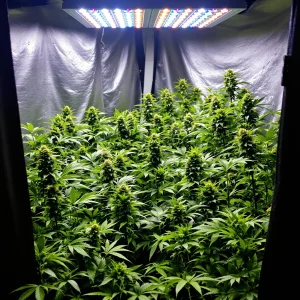
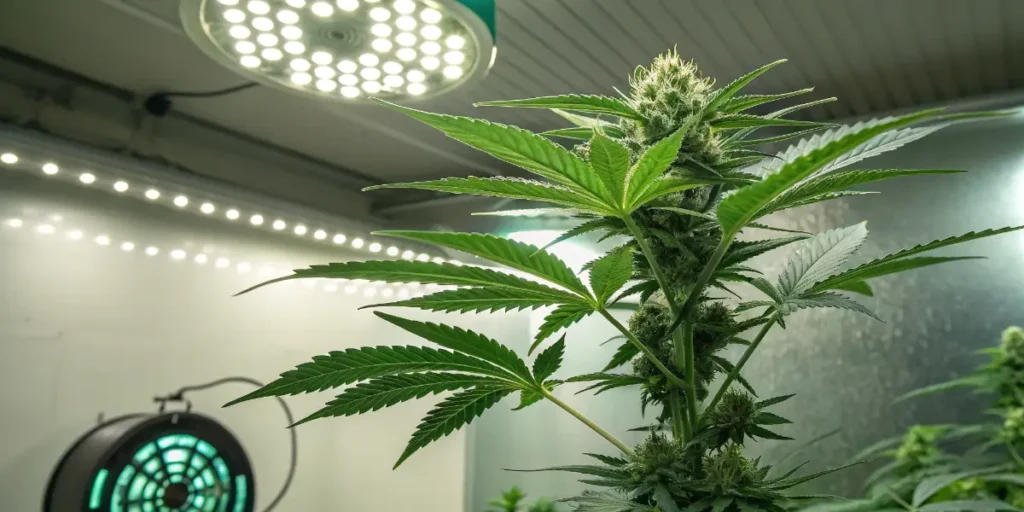

To successfully cultivate this strain, begin with the right environment. Ghost Train Haze thrives in both indoor and outdoor settings, albeit with controlled humidity levels. Aim for a temperature between 68-80°F for optimal growth. It is essential to maintain adequate airflow to prevent mold. This cultivar is known for its vigor, so ensure the placement allows ample room for expansion.
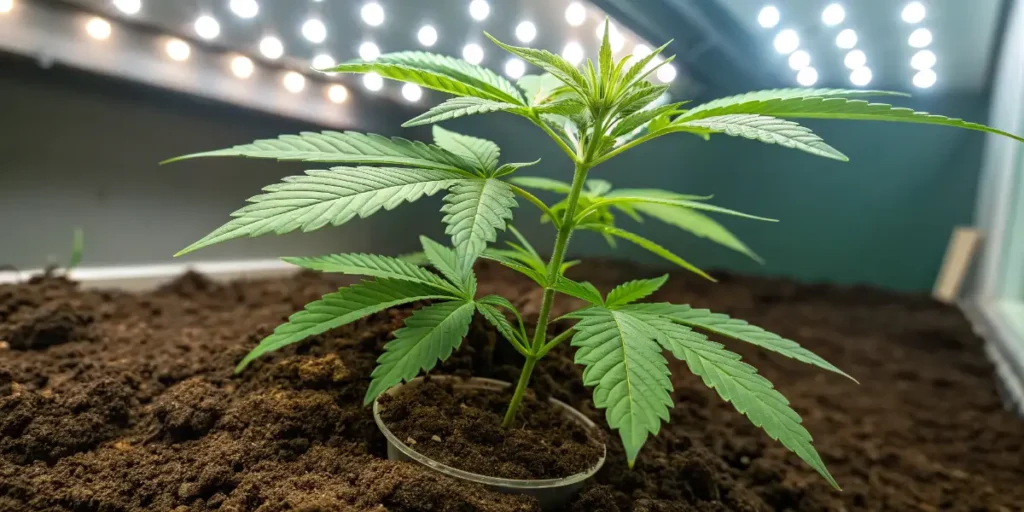
As this variety matures, pay attention to its light requirements. Ghost Train Haze performs well under intense light, making it ideal for growers using high-intensity discharge lights or LED setups. Ensure the plant receives 18 hours of light during the vegetative phase. Transition to a 12-hour light cycle to trigger flowering and enhance the development of its iconic buds.
When it comes time to harvest, observe the flowering period closely. For this strain, expect a period of 9-10 weeks. Monitor trichomes and aim for a cloudy appearance with hints of amber for maximum terpenes and potency. Post-harvest, implement proper curing techniques to sustain the quality and cannabinoid profile. With patience and care, the yield from the plant can be substantial.
Ghost Train Haze Strain Overview: Traits, Effects & Genetics
Ghost Train Haze is a popular choice among cannabis growers for its potent effects and impressive growth traits. This cultivar is known for producing dense, resinous buds that appeal to both recreational and medical users. Cultivation requires attention to detail, as the plant thrives in controlled environments with ample light and nutrients to maximize its high yield potential.
This strain is celebrated for its complex terpene profile, which contributes to its distinctive aroma and flavor. Growers will notice a blend of citrus and floral notes that make the plant particularly appealing. Its high THC content is often sought after by those looking for a robust psychoactive experience, making it a favorite among seasoned consumers craving powerful effects.
Genetically, this variety is a sativa-dominant hybrid, which influences its uplifting and cerebral effects. The genetics of the plant have been carefully bred to ensure maximum potency and resilience. Cultivation often results in taller plants, which require space and regular pruning to manage their height and promote optimal harvests.
The effects of this cultivar emphasize creativity and energy, making it ideal for daytime use. Its ability to enhance focus and motivation adds to its popularity among those seeking a productive yet enjoyable cannabis experience. The potency of the plant mandates that growers also emphasize careful harvest timing to preserve its desirable traits and potent effects.
Optimal Environment to Grow Ghost Train Haze Successfully
To successfully cultivate Ghost Train Haze, growers need to establish an optimal environment that mimics its preferred natural conditions. This variety flourishes in warm climates with ample sunlight. Ideally, maintain temperatures between 70-85°F (21-29°C) for the best growth. Providing consistent airflow and proper spacing will help prevent mold, ensuring the plant remains healthy throughout its cultivation cycle.
This strain thrives in a well-draining soil rich in nutrients, which promotes robust root development. Utilizing organic compost or specialized cannabis soils can enhance terpene production, resulting in pungent buds. Monitoring the soil’s pH level is crucial, aiming for a range between 6.0-6.5 to enable maximum nutrient absorption. Regular soil health checks will contribute to a bountiful harvest.
Humidity control is vital when growing this cultivar, as it affects both yield and bud quality. During the vegetative stage, aim for 55-70% humidity, then gradually decrease it to 40-50% during flowering to prevent mold. Precise humidity management not only supports healthy growth but also optimizes the plant’s aromatic profile. Investing in a reliable dehumidifier can ensure consistent conditions.
Lighting plays a pivotal role in the successful cultivation of the plant, influencing both growth speed and potency. For indoor setups, use high-intensity discharge (HID) or LED lights to mimic natural sunlight. During the vegetative stage, employ an 18/6 light cycle, transitioning to 12/12 for flowering. Adjusting light intensity and duration accordingly will maximize Ghost Train Haze’s potential yield.
Grow Room Setup for Ghost Train Haze Plants
Setting up a grow room for cannabis cultivation requires careful planning, especially for Ghost Train Haze. This strain thrives in a controlled environment where temperature, humidity, and lighting are meticulously managed. Growers should aim for a temperature range of 70-85°F (21-29°C) with humidity levels between 40-60% during the vegetative stage. Proper ventilation ensures this cultivar receives adequate air circulation for healthy growth.
Lighting is crucial, as it influences the plant’s photosynthesis and bud development. Opt for full-spectrum LED lights, which mimic natural sunlight and support full growth of this variety. Adjusting the light cycle to 18 hours of light and 6 hours of darkness during the vegetative stage will promote robust foliage. Transition to 12 hours of light and 12 hours of darkness during flowering to trigger budding in this genetic.
The plant benefits from a nutrient-rich medium that supports its growth and enhances terpene production. A well-balanced soil mix with essential nutrients, or a hydroponic setup, can significantly boost yields. Regularly monitoring pH levels ensures the soil or water remains optimal for nutrient absorption. Growers should also consider supplementing with organic fertilizers to enhance bud quality and potency in this strain.
Managing space efficiently in the grow room is vital to support the sprawling nature of this cultivar. Training techniques such as topping or low-stress training can help maximize the use of available space and improve light penetration. As harvest approaches, maintaining ideal conditions becomes crucial to ensure the plant’s distinctive terpene profile and yields are captured effectively, resulting in a bountiful harvest.
Indoor Growing Tips for Ghost Train Haze
When cultivating Ghost Train Haze indoors, managing the plant’s height and structure is essential. Opt for training techniques like topping or low-stress training to maximize light exposure and improve airflow around the buds. Adequate light intensity is crucial, so use high-quality LED grow lights to promote healthy growth and enhance terpene production in this cultivar.
Maintaining the optimal climate indoors plays a significant role in the successful cultivation of this variety. Keeping the temperature between 68-78°F and humidity levels around 40-50% will help prevent mold while boosting yield. Consistent ventilation is key to ensuring that the environment stays fresh and conducive for the plant’s growth, thereby improving the overall health and quality of the harvest.
Nutrition is another vital aspect to consider for this genetics. Begin with a balanced nutrient regime, then transition to a phosphorus and potassium-rich fertilizer during the flowering stage to support substantial bud development. Regularly check the pH levels of the soil to ensure nutrients are absorbed efficiently, allowing the cannabis to thrive and produce abundant buds with a rich spectrum of terpenes.
Outdoor Growing Tips for Ghost Train Haze
When cultivating Ghost Train Haze outdoors, location is key. Choose a spot with ample sunlight, as this cultivar thrives in full sun environments. Well-drained soil is crucial for the plant’s health, so consider enhancing your soil with compost or perlite to ensure proper drainage. Regular watering will keep the plant thriving but avoid waterlogging, which can damage roots and reduce yield.
This variety benefits from consistent monitoring for pests and diseases, common challenges in outdoor cannabis cultivation. Consider using natural pest control methods and regularly inspect foliage for signs of infestation. Training techniques such as topping or LST can also be implemented to increase airflow and light penetration, encouraging robust bud development and improving the plant’s overall structure.
As the plant nears harvest, a rich scent indicates a high terpene content. Outdoor growers should aim to harvest when trichomes appear milky, ensuring optimal potency and flavor. Be mindful of weather patterns, as rain close to harvest can lead to mold. Proper timing and preparation can significantly enhance the quality and quantity of your harvest, maximizing the return from this outstanding genetics.
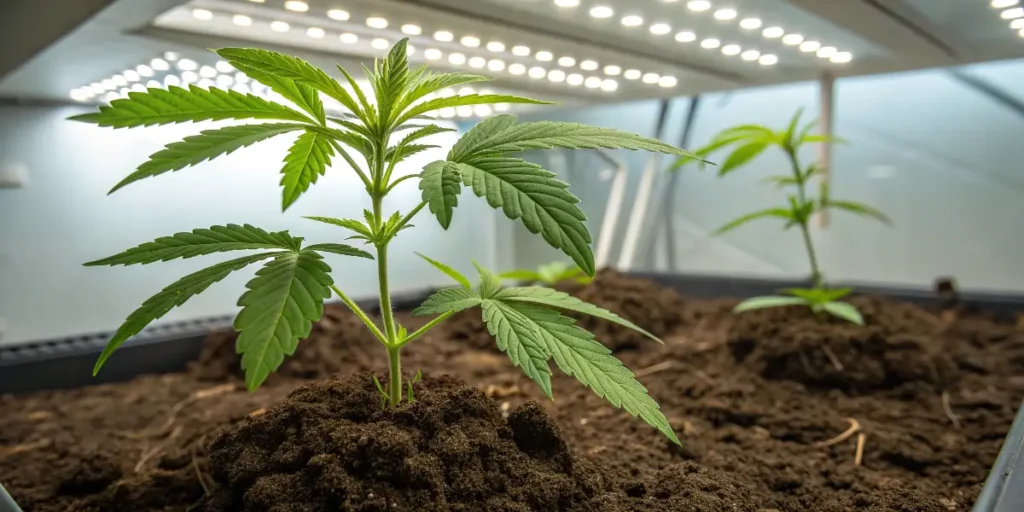
How to Germinate & Propagate Ghost Train Haze
Starting the cultivation of this strain begins with effective germination techniques. For optimal results, growers often use the paper towel method. Soak seeds of this variety in water for 12 to 24 hours, then transfer them to a damp paper towel. Ensure they are kept in a warm, dark place until they sprout, typically within 24 to 72 hours.
Once germinated, it’s time to transition the seedlings of this cultivar into a suitable growing medium. A quality soil mix with good drainage or a hydroponic setup works well for the plant. Maintain consistent moisture levels but avoid oversaturation, as it can stunt growth. Properly managing humidity and temperature during this stage is crucial for healthy development.
Propagation of Ghost Train Haze can also be achieved through cloning. This method involves taking cuttings from a mature, healthy mother plant, which can ensure genetic consistency. Use sterilized tools to take 4- to 6-inch cuttings and introduce them to a rooting hormone. Plant the cuttings in a growth medium and supply adequate light and humidity to encourage root development.
Attention to detail during the early stages will significantly impact the buds and yield at harvest. As the plant matures, careful monitoring of growth conditions, including nutrients and light exposure, is essential to maximize its unique terpenes and robust characteristics. This foundational period sets the stage for the thriving cultivation of this exceptional cannabis variety.
Vegetative Stage: Nurturing Your Plants
During the vegetative stage, providing optimal conditions for Ghost Train Haze is crucial for achieving robust growth and a high yield. This strain thrives in environments with plenty of sunlight or artificial light, making it ideal for indoor and outdoor cultivation. Maintaining a temperature range of 70-85°F and ensuring consistent airflow can also significantly impact the plant’s health.
Regularly checking the pH level of your soil or hydroponic system is vital for the health of this variety. Cannabis plants, including this cultivar, generally prefer a pH level around 6.0-6.5 in soil and slightly less in hydroponic setups. Adjustments here can influence nutrient availability, impacting the plant’s vigor as it prepares for the flowering stage and eventual harvest.
This plant requires sufficient nutrients during its vegetative phase, necessitating the use of fertilizers rich in nitrogen. Growers should adhere to a balanced feeding schedule, ensuring the plant receives adequate micro and macronutrients. Monitoring the moisture level and not overwatering is equally important, as this ensures the roots have access to oxygen, supporting healthy growth.
Pruning is an essential practice for managing the structure and maximizing light exposure for the developing buds. When cultivating this genetics, regular trimming of lower leaves and lateral branches can enhance airflow and reduce the risk of mold. Such care results in a healthier plant with improved terpene profiles, potentially elevating the quality of your eventual harvest.
Flowering Ghost Train Haze: What to Expect
When cultivating this variety, growers can anticipate a flowering period of around 9 to 10 weeks. This relatively short cycle is appealing to those looking to achieve a quick turnaround. During this time, the plant develops dense buds adorned with a shimmering layer of trichomes. These features enhance the overall appeal of this cultivar, making it a standout choice for cannabis enthusiasts.
As Ghost Train Haze progresses through the flowering phase, the development of terpenes becomes particularly notable. Their aromatic profile is a hallmark of this strain, offering a mix of citrus and floral notes. For cultivators, monitoring environmental conditions such as humidity and temperature is crucial. Ensuring optimal conditions will enhance the terpene profile and maximize the plant’s potential.
The yield of this genetics can be quite generous when grown under optimal conditions. Cultivators should focus on providing adequate nutrients and supporting plant structure to maximize output. Regular pruning and training can help the plant focus its energy on producing higher-quality buds. This technique not only boosts yield but also contributes to a more manageable growth pattern.
As harvest time approaches, growers will notice an increased density in the buds of this strain. Careful attention is required during the final weeks, as timing the harvest correctly can greatly impact the cannabis’s potency and aroma. Utilizing magnification tools to inspect trichomes can help in determining the ideal time to cut, ensuring a successful yield from Ghost Train Haze.
Fertilizers & Nutrient Schedule
This strain thrives with a well-balanced nutrient schedule tailored to its vigorous growth patterns. Start with a nitrogen-rich fertilizer during the vegetative stage to promote healthy foliage. This strain is known for its remarkable growth, so ensuring it receives an adequate rise in nutrient levels at this stage is essential for strong development leading to larger yields.
As Ghost Train Haze transitions to its flowering phase, adjust the nutrient mix to be higher in phosphorus and potassium. This change supports bud formation and terpene production, crucial for this variety’s signature aroma and potency. Regular feeding every week or bi-weekly is recommended, but always monitor the plant’s reaction to tailor nutrient dosage accordingly.
Organic fertilizers can also be beneficial for this cultivar, as they improve soil health and nutrient uptake. These options often lead to healthier plants and more flavorful buds. Keep in mind that cannabis benefits from micronutrients like magnesium and calcium, which should be included in the feeding regimen to prevent deficiencies that could affect growth and yield.
Regular monitoring of pH and nutrient levels in the soil ensures that Ghost Train Haze receives the optimal environment for development. A soil pH between 6.0 and 6.8 is ideal for the plant’s nutrient absorption. By following these guidelines, growers can maximize the harvest potential while preserving the unique qualities of this compelling cannabis strain.
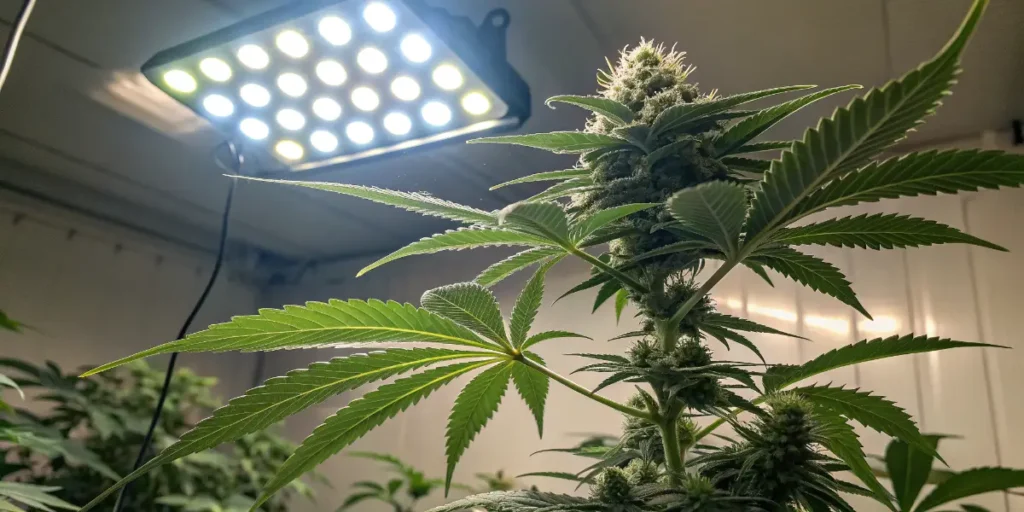
Pest and Disease Prevention for Healthy Cannabis Plants
To ensure the vitality of your cannabis cultivation, proactive pest and disease management is crucial. For growers of Ghost Train Haze and other strains, maintaining a clean growing environment is key. Regularly inspect the plant’s leaves and buds for any signs of infestation. Implementing natural deterrents, such as neem oil or beneficial insects, can also help protect this cultivar from potential threats.
Rotating crops and using companion planting strategies can further secure the health of this variety. Marigolds and basil, for instance, can deter pests without harming the plant. Additionally, proper ventilation and humidity control minimizes the risk of mold growth. By integrating these techniques, cultivators can improve the yield and quality of their harvest, ensuring robust terpene profiles and strong plant resilience.
Monitoring the health of Ghost Train Haze regularly allows early detection of issues. Engage in consistent plant care practices, such as even watering and nutrient balance, to prevent stress that makes the plant susceptible to pests. With diligent observation and preventive measures, cultivators can maintain a thriving growth environment, leading to healthier plants and more abundant harvests.
Harvesting & Drying Ghost Train Haze the Right Way
Proper timing is crucial when harvesting this strain to ensure optimal potency and flavor. Growers should begin by examining the trichomes on the plant. When they turn from clear to milky with a hint of amber, it’s a sign that the cannabis is ready for harvest. Ensuring the best cannabinoid and terpene profile is vital for a successful yield.
Careful cutting is essential to maintain the quality of the buds. When harvesting this cultivar, use clean, sharp scissors to cut the branches, avoiding damage to the flowers. Handle the buds with care to preserve the sticky resin that holds much of the terpenes and potency. Gentle handling will prevent unwanted loss of the desirable characteristics this cannabis offers.
Once harvested, drying the plant properly is the next step. Keep the cut branches in a dark, dry room with temperatures between 60-70°F and humidity levels of 45-55%. This controlled environment ensures slow drying, which helps the buds retain their aromatic terpenes and maintain potency. Adequate air circulation is also necessary to prevent mold growth.
Curing this variety correctly will enhance its flavor profile and overall quality. Place the dried buds in airtight glass jars, which should be opened daily for the first few weeks to release moisture. This method allows the rich terpenes of Ghost Train Haze to develop fully, resulting in a flavorful and potent final product that growers aim for in such a prized cultivar.
Ghost Train Haze Strain Type: Indica, Sativa or Hybrid?
Ghost Train Haze is a renowned sativa-dominant hybrid known for its potent effects and robust growth characteristics. This strain captivates cannabis enthusiasts and growers alike with its uplifting cerebral energy, inherited from its genetic background. The plant’s sativa traits are evident in its tall stature and elongated buds, which are key indicators for those aiming to maximize their harvest.
The variety’s sativa dominance is complemented by a small percentage of indica genetics, offering a unique mix of flavors and effects. This cultivar boasts a vigorous growth pattern that performs well both indoors and outdoors, making it a favorite among diverse growers. Its terpene profile contributes to its distinctive aroma, offering a rich sensory experience for cultivators preparing for the final harvest.
Growers aiming for a high yield will appreciate the adaptability of Ghost Train Haze in various conditions, thanks to its resilient hybrid nature. The blend of sativa and indica elements helps this genetics to thrive, producing ample buds rich in cannabinoids. Attention to proper light cycles and nutrient support can further enhance the plant’s robust growth and ensure a successful cultivation process.
Why Grow this Strain? Key Benefits for Cultivators
Ghost Train Haze offers cultivators a rewarding opportunity due to its impressive genetic profile. This strain is renowned for producing large, resinous buds with a high concentration of cannabinoids. Its robust growth pattern makes it suitable for both indoor and outdoor cultivation, providing flexibility based on grower preferences. Additionally, the plant’s resilience to common pests is highly beneficial for new and experienced growers alike.
The cultivar’s enticing terpene profile provides a unique aromatic experience, combining citrus and floral notes that are highly sought after. These distinct fragrances can make the harvest notably appealing in the competitive cannabis market. Furthermore, this variety’s energizing effects are favored by consumers, increasing its demand. This higher demand can translate to profitable yields for dedicated cultivators.
Growers also appreciate the relatively short flowering period of the plant, generally ranging between 9 to 10 weeks. This efficiency allows for quicker turnarounds and potentially more harvest cycles per year. By cultivating this genetics, farmers can expect both quality and quantity, fostering a balance between commercial viability and cultivation enjoyment. With these benefits, this strain continues to be a popular choice among cannabis enthusiasts.
Potential Challenges When Growing Ghost Train Haze
Growing this strain can present some unique challenges for cannabis cultivators. It requires a lot of light to maximize yield and quality, meaning indoor growers need to invest in high-intensity lighting. Additionally, its sativa-dominant genetics mean it tends to grow tall, which can make indoor cultivation challenging unless height management techniques are used effectively.
This cultivar is also known for being nutrient-sensitive, requiring balanced feeding to prevent nutrient burn or deficiencies. It’s crucial for growers to monitor soil pH and nutrient levels closely to ensure the plant thrives. Furthermore, providing adequate airflow is important to prevent mold, especially considering this variety can produce dense buds that might trap moisture.
Harvesting Ghost Train Haze can be another hurdle, as its trichomes highly determine the optimal harvest time due to their terpene profile. Regular inspection of trichome color can help growers decide the perfect time to harvest for desired flavor and potency. With proper care and attention, this cultivar can produce high-quality buds with an impressive yield.
Is this Variety Worth Buying? Here’s What You Need to Know
Ghost Train Haze stands out in the cannabis market due to its renowned genetic lineage and impressive terpenes profile. Growers often seek this strain for its abundant yields and tantalizing buds. The plant’s unique characteristics make it favorable for both small-scale and commercial cultivation, offering potential for a rewarding harvest when cultivated under optimal conditions.
Many cultivators appreciate this variety for its resilience during growth, making it well-suited for various environmental settings. The buds of this cultivar are not only high in potency but also rich in aroma, providing a sensory delight for connoisseurs. Its balanced growth cycle and high yield make it a wise investment for dedicated growers aiming to maximize returns.
This strain’s popularity is further boosted by its versatile applications and appeal among cannabis enthusiasts. The plant’s robust structure supports a prolific yield, especially when meticulously tended to. For individuals seeking a premium cultivar that promises both quality and quantity, investing in it could prove beneficial. With attentive care, the rewards of growing this fascinating variety are substantial.
FAQs
What is the ideal climate for cultivating Ghost Train Haze?
Ghost Train Haze thrives in a warm, sunny climate with moderate humidity. This strain prefers temperatures between 70-80°F (21-26°C) and can be sensitive to colder conditions. Ensuring consistent warmth and light will promote optimal growth and cannabinoid production in this variety, making it essential for growers to maintain stable environmental conditions. Using a greenhouse or an indoor grow setup can help control temperature and humidity effectively.
What yield can growers expect from Ghost Train Haze?
Ghost Train Haze can produce a high yield when grown under optimal conditions. Indoor growers can expect yields ranging from 10 to 14 ounces per square meter, while outdoor cultivation can result in 14 to 18 ounces per plant, depending on care and environmental factors. Proper nutrient management and training techniques such as topping and LST can further enhance production from this cultivar.
How long does it take for Ghost Train Haze to flower?
This plant typically has a flowering period of about 9 to 11 weeks. During this time, maintaining consistent light and nutrient schedules is crucial for optimizing bud development and potency. Ghost Train Haze generally rewards patient growers with dense, resinous flowers that carry the strain’s unique aroma and effects, making the wait worthwhile.
What common problems may arise when growing Ghost Train Haze?
Ghost Train Haze can be prone to mold and mildew, especially in setups with high humidity. Monitoring and controlling environmental factors such as humidity levels, along with good air circulation, are crucial to prevent these issues. Regularly inspecting the plant for signs of pests, nutrient deficiencies, or stress will help maintain its health and yield potential.
What are the nutrient needs of Ghost Train Haze?
Ghost Train Haze benefits from a balanced nutrient regimen tailored to each growth stage. During vegetative growth, it requires higher nitrogen levels, while in the flowering phase, phosphorus and potassium become critical for bud development. It’s important to provide this variety with well-draining soil or a hydroponic solution to prevent nutrient burn and ensure vigorous growth throughout its cycle.