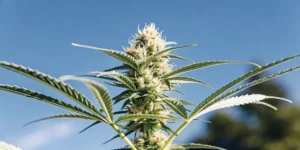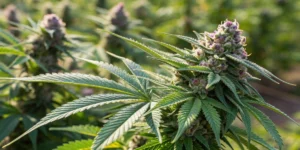
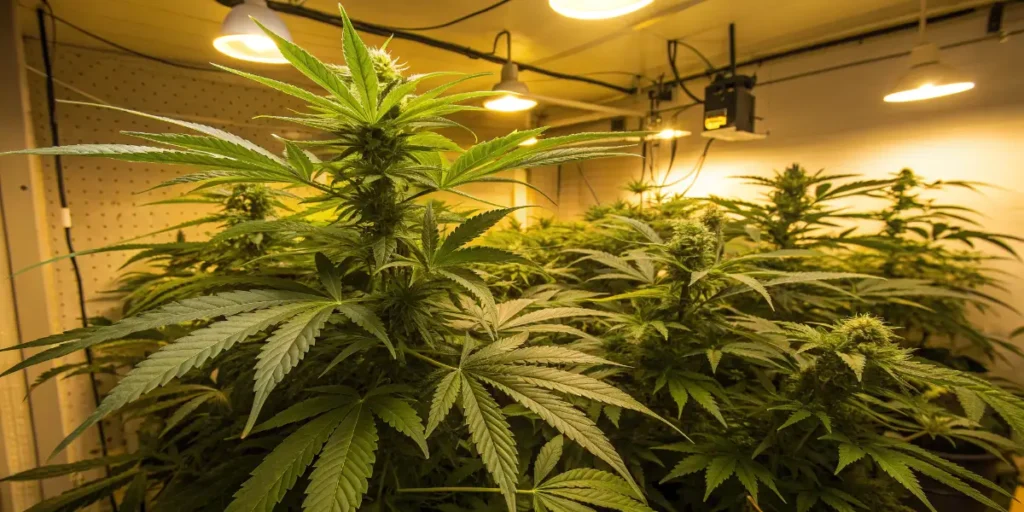

Growing Goji Og begins with selecting the right seeds or clones, as this variety thrives in both indoor and outdoor environments. It prefers a controlled climate typically offered by indoor growers. Begin germination using a damp paper towel method, ensuring warmth and moisture. Once sprouted, plant the seeds in nutritious soil, rich in organic matter, to establish a strong root system.
As the plant progresses, maintaining optimal conditions is crucial. This strain flourishes in temperatures between 70-80°F with relative humidity around 40-50%. Ensure proper ventilation and circulation to avoid mold and pests. During the vegetative stage, supply adequate light around 18 hours daily and use fertilizers high in nitrogen to promote vigorous growth, aiding in a bountiful yield.
When Goji Og enters the flowering stage, typically after 8-10 weeks, reduce light exposure to 12 hours daily to stimulate bud development. This variety is known for its vibrant terpene profile, enhancing aroma and potency. Monitor trichomes for maturity indicators; milky-white or amber signifies readiness. Harvest carefully to preserve resinous buds, allowing the full expression of this cannabis’s unique qualities.
Goji Og Strain Overview: Traits, Effects & Genetics
Goji Og is a distinctive cannabis strain known for its unique combination of powerful effects and vibrant flavors. The plant is renowned for producing eye-catching buds that boast a delightful mix of aromas and tastes, attributed to its rich terpene profile. This variety is highly favored by growers for its robust growth patterns and impressive yield potential, making it a popular choice for cultivation.
This strain’s genetics are rooted in a combination of Nepali OG and Snow Lotus, giving it a balanced hybrid nature. The plant inherits a complex genetic profile that contributes to its remarkable resin production. With careful cultivation, growers can ensure the buds develop to their full potential, offering a blend of mental stimulation and physical relaxation that appeals widely to both recreational and medicinal users.
When consumed, this cultivar is known to deliver a harmonious experience, thanks to its balanced effects. This variety can induce feelings of euphoria and creativity while simultaneously promoting a sense of calm. Many users find it effective for managing stress and anxiety, as well as for fostering focus and productivity. Its captivating effects make it a sought-after option among cannabis enthusiasts.
Growers aiming for a successful harvest of this cultivar need to pay close attention to its environmental needs. Preferring a sunny climate, the plant thrives well both indoors and outdoors, given appropriate conditions. It requires moderate care, with regular trimming and monitoring of humidity levels, to maximize its potent yield. With diligent care, this strain can reward cultivators with bountiful, high-quality buds.
Optimal Environment to Grow Goji Og Successfully
To cultivate Goji Og successfully, growers must pay close attention to the plant’s environmental needs. This strain thrives best in a controlled indoor setting where temperature, humidity, and light can be precisely regulated. Ensuring consistent temperature ranges around 70-80°F during the day and slightly cooler at night will foster the development of robust buds and maximize the potential yield for this variety.
This cultivar requires a relative humidity of around 40-50% during its vegetative stage, dropping to 30-40% during flowering to prevent mold and mildew. Proper ventilation is crucial to maintain air circulation, which helps disperse excess humidity and sustain the rich terpenes for which the plant is known. Attention to humidity levels can significantly affect the quality of the cannabis produced.
Lighting is another critical factor in cultivating this genetics. Goji Og benefits from a full spectrum LED or HID light source, emitting between 600-1000 watts depending on the grow space. During its flowering phase, providing this strain with 12 hours of light and 12 hours of darkness will encourage optimal bud development and a timely harvest.
Soil quality and nutrient balance substantially affect the outcome of your cultivation efforts. A well-aerated soil rich in organic matter supports the healthy growth of this cultivar. Organic fertilizers with balanced levels of nitrogen, phosphorus, and potassium are recommended. By maintaining these environmental conditions, growers can ensure a fruitful harvest of high-quality buds from the plant.
Grow Room Setup for Goji Og Plants
Setting up the ideal grow room for cannabis cultivation is critical for optimizing the success of Goji Og. This strain benefits from consistent environmental conditions, making it important to manage temperature and humidity levels diligently. Aim for a temperature range of 70-85°F and maintain humidity between 40-50% during flowering. Attention to these details will help the plant thrive and reach its full potential.
Lighting is another crucial element in the successful cultivation of this variety. Full-spectrum LED lights are recommended to mimic natural light and encourage robust growth. Ensure the lights are adjustable, allowing the canopy to receive even light distribution. This will promote healthy bud development and enhance the terpene profile, which is well-known in this cultivar. Adjust light schedules to prevent plant stress throughout the growth cycle.
Ventilation is often overlooked but essential for a productive growing environment. Proper airflow helps manage temperature and humidity, minimizes the risk of mold, and strengthens stems by simulating natural outdoor conditions. Oscillating fans can enhance air circulation, reducing pockets of stale air that could affect this strain’s health and yield. Consider using a carbon filter to keep odors at bay, maintaining discretion.
Investing in quality soil and nutrients is vital for this variety’s growth. Use a well-aerated soil mix rich in organic matter to support root expansion. Monitor pH levels carefully, maintaining a range between 6.0 and 7.0. Balanced nutrients tailored for cannabis will ensure Goji Og receives the elements it needs throughout its life cycle, resulting in a rewarding and bountiful harvest.
Indoor Growing Tips for Goji Og
When cultivating Goji Og indoors, it’s essential to create an optimal environment to maximize yield and terpene production. Begin by maintaining stable temperatures ranging from 70-80°F and controlling humidity levels, ideally between 40-50%. The use of quality LED lights can enhance the growth phase, ensuring that the plant receives sufficient light intensity without excessive heat, promoting robust buds.
Pot size and optimal nutritional support play crucial roles in the cultivation of this variety. Use containers that allow for adequate root development, typically five gallons or larger. Supplement the plant with balanced nutrients high in phosphorus and potassium during the flowering stage to encourage healthy bud formation. Regularly monitor pH levels of your water and soil to prevent nutrient lockouts and deficiencies.
Pruning and training techniques are essential for maximizing the potential of this cultivar indoors. Implement methods such as topping and low-stress training to encourage an even canopy, ensuring better light penetration. As the plant progresses, closely monitor and remove any yellowing leaves to prevent disease. Finally, be patient during the final stages; proper timing of the harvest will result in cannabinoid-rich, aromatic buds.
Outdoor Growing Tips for Goji Og
When cultivating Goji Og outdoors, selecting the right location is crucial. This variety thrives in areas with abundant sunlight and well-draining soil to ensure robust growth. Planting during late spring maximizes the warm months, allowing the plant to fully develop. Growers should also ensure adequate space between each plant, as it can stretch quite significantly.
Monitoring the environment is key for this cultivar. While the plant is known for its resilience, maintaining a steady climate with warm temperatures will enhance its bud production. Keeping an eye out for pests and applying natural deterrents is recommended to protect the foliage from potential damage throughout the growth cycle.
This variety benefits from regular watering and nutrient-rich soil to boost terpenes and ensure a generous yield by harvest. Pruning lower branches and leaves can promote better air circulation, reducing the risk of mold and mildew. With careful attention, growers can expect aromatic buds that capture the essence of this unique genetic profile.
How to Germinate & Propagate Goji Og
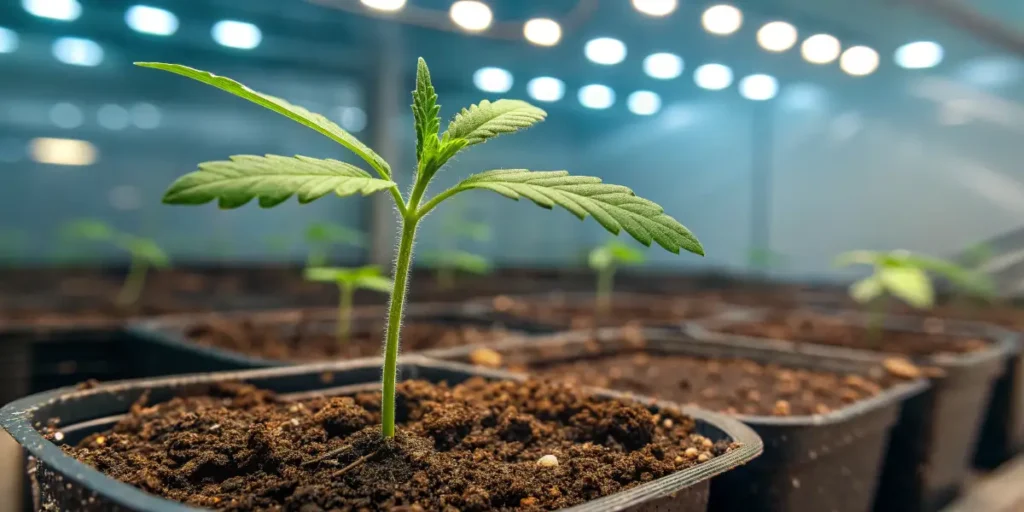
Successfully germinating this strain begins with quality seeds. Start by soaking them in distilled water for 12 to 24 hours to encourage sprouting. Once they crack open, transfer them to damp paper towels, keep them consistently moist, but not soaked, and place in a warm, dark location. This method ensures optimal preparation for the cannabis grower’s journey towards a healthy plant.
To promote healthy propagation of this variety, ensure proper environmental conditions. This includes a consistent temperature of around 70-75°F and humidity levels between 70-90%. Such conditions are crucial for seedlings and cuttings of Goji Og to thrive. Employing grow lights on a 24-hour cycle can boost initial growth stages and prepare the plant for transplantation into a larger medium.
Once the roots are established, transplanting to soil or a hydroponic system is the next step. This plant benefits from well-aerated soil with a balanced nutrient mix, focusing on nitrogen, phosphorus, and potassium. For optimal growth and terpene development, maintain a pH level around 6.0-6.5 in soil. Proper care during this phase increases the likelihood of a robust yield come harvest time.
This cultivar is known for its rewarding harvest, provided it’s propagated under the right conditions. Regular monitoring of water, nutrients, and light will keep the plant healthy and thriving. With diligence, growers of this genetics can expect dense buds filled with a rich array of terpenes, making Goji Og a prized addition to your cannabis cultivation repertoire.
Vegetative Stage: Nurturing Your Plants
During the vegetative stage, proper care is crucial for optimal growth and development. This period allows the plant to focus on establishing a robust root system and strong framework. Adequate light, nutrients, and water are essential for this cultivar. Growers should maintain a consistent light schedule to encourage vigorous growth, setting the foundation for a bountiful harvest.
A balanced nutrient regimen is vital for this strain’s healthy development. Utilize a general-purpose fertilizer high in nitrogen to promote lush foliage. Regularly monitoring pH levels will ensure the absorption of nutrients the plant needs. Ensuring the soil is well-aerated and drains properly will help prevent root rot, supporting the overall health of the cannabis.
Pruning is a key practice during this stage and helps maximize yield. By removing lower branches that receive less light, the Goji Og plant can allocate more energy to the top growth, leading to bigger buds during flowering. The technique enhances light penetration and airflow, which are crucial for the prevention of mold and pests.
Environmental factors play a significant role in the vegetative success of this cultivar. Maintaining optimal temperature and humidity is crucial for healthy growth. Aim for temperatures between 70-85°F and keep humidity levels between 40-70%. Consistent airflow helps mimic natural conditions, promoting resilience and encouraging the development of rich terpenes in the future harvest.
Flowering Goji Og: What to Expect
The flowering stage of this strain brings excitement and anticipation for growers. Typically, this variety enters flowering within 8 to 9 weeks after the light cycle changes. Cultivators should note that proper light management and controlled humidity are crucial during this period. Observing the plant carefully helps in adjusting the environmental factors and ensuring optimal growth of the buds and plant’s overall health.
This genetics develops dense and resinous buds, making it a favorite among cannabis enthusiasts. Growers often find that maintaining a balanced nutrient regimen significantly enhances the quality and size of the flowers. By paying attention to nutrient mixing and ensuring the plant receives essential nutrients, cultivators maximize the potential yield. The right balance leads to more generous harvests of this cultivar.
One of the distinguishing features of this variety is its rich terpene profile, which begins to develop prominently during flowering. The combination of spicy and fruity aromas becomes more evident as the plant matures. To preserve these aromatic compounds, it is vital to maintain proper ventilation. Adequate airflow prevents mold and helps keep the buds dry and the scents vibrant throughout the flowering stage.
As harvest approaches, growers should closely monitor trichome development to determine the perfect time to harvest Goji Og. Clear trichomes indicate the buds aren’t ready, while cloudy trichomes signal peak potency. Harvesting at the right time not only ensures potent and flavorful buds but also maximizes the therapeutic benefits of the cannabis. Proper timing makes a significant difference in the final product’s quality.
Fertilizers & Nutrient Schedule
Optimizing nutrient intake is crucial for Goji Og to thrive. This cultivar demands a carefully balanced feeding regimen to maximize its potential. Growers should focus on providing the right mix of macro and micronutrients during each growth stage. Early on, the plant benefits from higher nitrogen levels, promoting robust vegetative growth and preparing it for a bountiful harvest.
As this strain enters the flowering stage, nutrient needs shift toward higher phosphorus and potassium levels. This adjustment enhances bud development and terpene production, resulting in highly aromatic and resinous flowers. Organically derived fertilizers are recommended, as they not only support healthy growth but also improve the overall quality and yield of the cannabis.
Monitoring pH levels is another crucial element in feeding this variety. Maintaining a pH range of 6.0 to 6.5 allows optimal nutrient absorption, ensuring the plant has access to all essential elements. Regular soil or hydroponic solution testing can prevent nutrient lockout, ultimately leading to more productive Goji Og plants and a successful cultivation experience.
Consistency is key when it comes to the nutrient schedule for this genetics. Implementing a weekly feeding plan helps prevent deficiencies and ensures steady growth. Adjusting the nutrient ratios according to it developmental stage minimizes stress and maximizes yield potential. By carefully managing the feeding routine, growers can look forward to a rewarding harvest of potent and flavorful cannabis buds.
Pest and Disease Prevention for Healthy Cannabis Plants
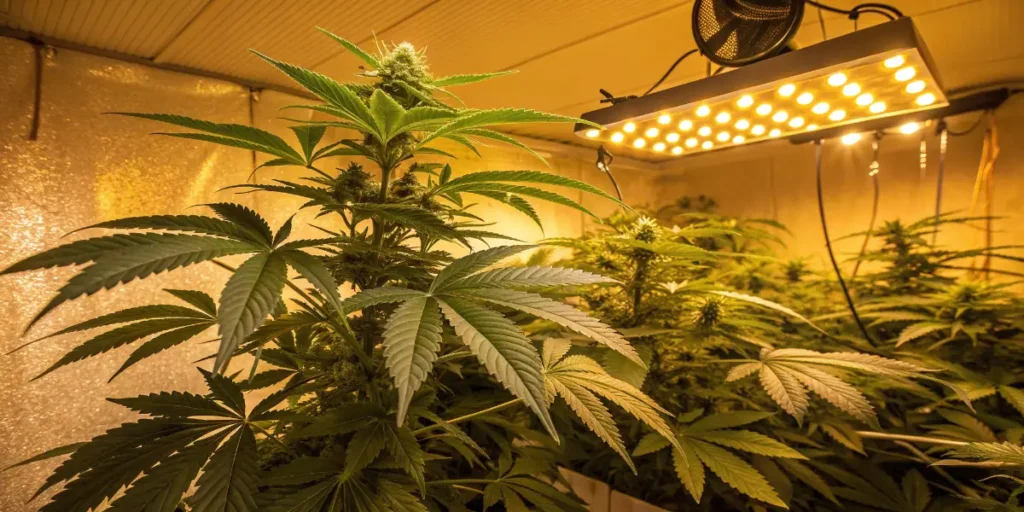
Maintaining robust cannabis plants involves a proactive approach to pest and disease management. For the Goji Og strain, ensuring the growing environment is clean and well-regulated is essential for keeping pests at bay. It’s advisable to use natural predators, like ladybugs, to maintain a balanced ecosystem that protects this strain from potential infestations and minimizes damage to buds.
Regular monitoring is essential in cultivating this variety effectively. Observing any changes in the plant’s appearance can act as a first alert to potential issues. Implementing integrated pest management (IPM) tactics, such as rotating crops and using organic pesticides, reduces the likelihood of disease, ensuring a healthier, more bountiful harvest of Goji Og.
Besides pest control, keeping the humidity and temperature levels stable helps prevent mold, a common issue for many cannabis growers. Ensuring proper airflow around the plant prevents stagnant air that can lead to fungus. By taking these precautionary steps, growers will protect the yield and quality of this cultivar, including its unique terpene profile.
Harvesting & Drying
To achieve the best results when growing Goji Og, timing the harvest correctly is crucial. This strain typically reaches its peak potency and aroma when the trichomes are milky white with a hint of amber. For optimal terpene retention, growers should ensure that the environmental conditions are controlled, enhancing both the yield and the aromatic profile of the cannabis buds.
During harvest, it’s essential to use clean, sharp tools to prevent any damage to the plant. This variety requires careful handling to maintain its bud structure and the potency of its terpenes. Once harvested, immediately transferring the buds for drying helps avoid any degradation. It’s recommended to keep the harvested cannabis in a dark, cool area to preserve the cultivar’s delicate flavors and fragrances.
Proper drying techniques are necessary to enhance the quality of this genetics further. The plant should be hung upside down in a space with adequate humidity control, ideally between 45-55%. This ensures that excess moisture is removed slowly, preventing mold development and preserving the integrity of the buds. These careful steps during drying contribute to a superior harvest with a robust aroma and flavor.
After drying, curing is the next critical step, which involves placing the buds in airtight jars. This gradual process takes two to four weeks and allows this cultivar’s complex terpene profile to fully develop. Opening the jars periodically ensures any remaining moisture escapes while enhancing the overall quality of the final product. By following these guidelines, the full potential of this strain can be realized, rewarding growers with high-quality cannabis.
Goji Og Strain Type: Indica, Sativa or Hybrid?
Goji Og is a hybrid strain, balanced between its indica and sativa genetics, which has intrigued cannabis enthusiasts and growers alike. This variety offers a unique combination of effects, making it highly versatile for both recreational and medicinal use. Cultivators often appreciate this plant’s ability to produce a robust yield with vigorous growth, making it a favorite among experienced growers.
This cultivar thrives in both indoor and outdoor settings, adapting well to various cultivation techniques. Its sativa lineage contributes to the plant’s manageable height, while the indica genetics enhance the density and resin production in its buds. Harvesting this strain typically results in a terpene-rich bouquet that combines sweet and earthy notes, which is attractive to many cannabis connoisseurs.
Knowing the hybrid nature of this strain helps growers optimize their cultivation practices to maximize yield and potency. The balanced nature of Goji Og allows it to be effective for diverse applications, whether it be for relaxing evening use or creative daytime consumption. With its adaptable genetics, this strain remains popular in the cannabis community for its well-rounded attributes.
Why Grow Goji Og? Key Benefits for Cultivators
Goji Og is a cannabis strain that stands out for its robust growth patterns and high yield potential. This variety is particularly appealing to cultivators because of its resistance to common pests and diseases, making it easier to manage for both novice and seasoned growers. Additionally, its resilience ensures a bountiful harvest with minimal stress on the plant itself.
This cultivar is renowned for its distinctive terpenes, offering a unique aroma and flavor profile that differentiates it from other strains. Growers find that the buds produced are highly resinous, making it a top choice for those interested in maximizing the quality of their crop. These characteristics make the plant a favorite in various cultivation environments.
Beyond its pest resistance and impressive yield, Goji Og offers consistent performance across different growing conditions. This adaptability allows cultivators to achieve optimal results whether they opt for indoor or outdoor setups. As a result, this strain provides flexibility and reliability, ensuring a rewarding experience for cannabis enthusiasts aiming to produce premium-quality buds.
Potential Challenges When Growing this strain
Growing this cultivar can present certain challenges, especially for novices in cannabis cultivation. This strain is known for its vigorous growth, which may require careful attention to pruning and training to encourage an even canopy. Additionally, its sensitivity to excessive humidity means growers must maintain optimal environmental conditions to prevent mold, which can negatively affect buds and overall yield.
Another challenge with cultivating this variety is its nutrient needs. While the plant is robust, it requires a well-balanced feeding schedule to thrive. Growers need to monitor nutrient levels closely to avoid deficiencies or toxicities that could hinder growth. Goji Og’s terpene profile, which contributes to its unique aroma and flavor, will be significantly impacted by the soil and nutrients used.
The flowering time for this strain is relatively standard, yet environmental control is critical. Maintaining proper temperature and light cycles is imperative to achieving a successful harvest. Attention to detail during this stage can maximize the terpene richness and potency of the buds, ensuring that the final product meets growers’ expectations in both quality and yield.
Is this Variety Worth Buying? Here’s What You Need to Know
Goji Og offers a unique experience for both novice and seasoned cannabis enthusiasts. With its robust genetics and rich terpene profile, this strain is known for its aromatic buds. Many growers appreciate the plant for its relatively high yield during harvest, making it an appealing choice for those looking to maximize their cultivation efforts.
This variety is not only celebrated for its cultivation benefits but also for its distinct flavor profile. It typically presents a mix of fruity and earthy notes that stand out in the cannabis market. The plant’s resilience makes it a suitable candidate for different growing conditions, which can be advantageous for both indoor and outdoor growers.
Moreover, this cultivar’s balanced effects provide a harmonious blend of relaxation and euphoria, enhancing its desirability among users. Whether you are aiming to enrich your garden or try a new strain, investing in this strain could prove rewarding. Buyers will likely find it a beneficial addition for both personal enjoyment and potential market value.
FAQs: Growing Goji Og
What is the ideal climate for growing Goji Og?
Goji Og thrives in a Mediterranean-like climate, requiring consistent warmth and sunshine. Maintaining temperatures between 70-80°F (21-27°C) during the day and slightly cooler nights is optimal. Humidity should be kept low during the flowering stage to prevent mold growth. If you’re growing this strain indoors, mimic these conditions with appropriate climate controls to ensure the plant’s robust growth and abundant yields.
How long is the flowering period for Goji Og?
This cultivar typically has a flowering period of 9 to 10 weeks. During this time, it develops dense, resinous buds characteristic of Goji Og. Ensuring optimal environmental conditions and applying proper feeding schedules is crucial during these weeks to maximize the plant’s potential. Patience during this phase results in a potent and sizeable harvest.
What are the expected yields from Goji Og?
When cultivated under optimal conditions, Goji Og can yield generously. Indoor growers can expect approximately 14-18 ounces per square meter, while outdoor cultivation might yield up to 21 ounces per plant. This strain’s productivity heavily depends on proper training, nutrient management, and climate control, making it a rewarding choice for experienced cultivators aiming for large harvests.
What common problems might arise when growing Goji Og?
Goji Og is susceptible to issues like mold and mildew, particularly if humidity levels are not properly managed. Additionally, watch for signs of nutrient deficiency or excess, which can impact growth. Implement regular plant inspections and maintain appropriate spacing between plants to ensure good air circulation, thus enhancing the plant’s immunity against these common problems.
What nutrient regime does Goji Og require?
This variety benefits from a balanced nutrient diet, emphasizing nitrogen during vegetative growth and increasing phosphorus and potassium during flowering. Adjustments based on soil or hydroponic medium may be necessary. Regularly monitor pH levels and any signs of nutrient deficiency or toxicity. Utilizing a specialized cannabis nutrient system can enhance the overall health and productivity of Goji Og.