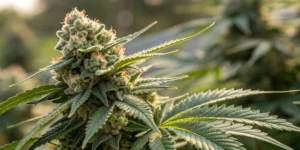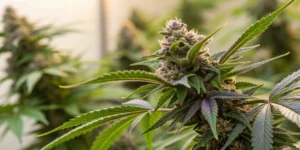
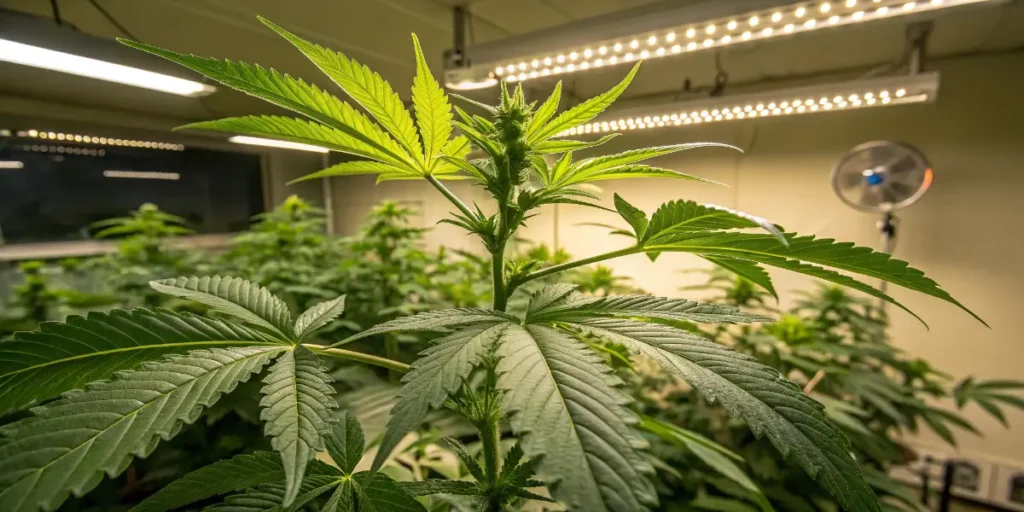

Starting the cultivation of Gorilla Sherbet requires selecting quality seeds and a suitable growing medium. This strain thrives in well-draining soil rich in organic matter. Begin by germinating the seeds in a controlled environment with adequate humidity and warmth. As the seedlings emerge, ensure they receive ample light and water, adjusting according to the plant’s growth stage and environmental conditions.
Temperature and humidity control are vital during the vegetative phase of this variety. Maintain temperatures between 70-80°F and humidity levels around 60%. This cultivar responds well to training techniques like topping or low-stress training, which promote greater light penetration and airflow. As the plant develops, gradually reduce humidity, preparing it for the flowering stage where buds will thrive.
During flowering, which typically lasts 8-9 weeks, the plant will exhibit its full potential in terms of terpene profile and yield. Indoor growers should ensure a stable environment to maximize bud production. Harvest is timing critical; look for mature trichomes and a rich aroma. Properly drying and curing the harvest will enhance the final product’s flavor and potency, making it exceptional.
Gorilla Sherbet Strain Overview: Traits, Effects & Genetics
Gorilla Sherbet is a standout cannabis strain celebrated for its unique blend of potent effects and aromatic profile. Known for its high yield and resilience, this variety appeals to both novice and experienced growers. The plant’s dense buds are rich in trichomes, making it not only visually appealing but also a powerhouse in terms of cannabinoid production.
This strain boasts a well-balanced effect profile, offering users a calming yet uplifting experience. It’s highly sought after for its potential to alleviate stress and mood disorders while simultaneously enhancing creativity. The terpenes in this cultivar play a crucial role in delivering its distinctive fruity and earthy aromas, providing a full sensory experience from harvest to consumption.
In terms of genetics, the plant is a hybrid that combines powerful parental lineages. This results in robust growth characteristics, making it a favorite among cultivators. With its sturdy structure and resistance to common pests, it thrives in various growing environments, whether indoors or outdoors, ensuring a successful cultivation process for growers.
The yield of this genetics is impressive, often producing a bountiful harvest under optimal conditions. Growers of Gorilla Sherbet are rewarded with aesthetically pleasing buds that glisten with resin. Its cultivation can be both rewarding and manageable, offering a satisfying growing journey from seed to harvest. This variety truly exemplifies the best of modern cannabis breeding.
Optimal Environment to Grow Gorilla Sherbet Successfully
Creating an optimal environment is crucial for cultivating this strain with success and reaping a bountiful harvest. This cultivar thrives in indoor settings where temperature and humidity can be meticulously controlled. Maintain a temperature range of 70-80°F (21-27°C) to ensure vigorous growth and keep humidity levels between 40% and 60% to prevent mold while maximizing terpene production.
Lighting is a pivotal aspect of growing this variety. Growers should provide ample light intensity using high-quality LED or HID lights, simulating a natural sunlight spectrum for 18 hours daily during the vegetative stage. During the flowering stage, reduce the light to 12 hours per day to promote the development of dense, resinous buds. This adjustment is vital to optimize the plant’s potential yield and potency.
Proper soil conditions and nutrients significantly influence the health and productivity of the plant. A well-aerated growing medium enriched with organic matter provides the necessary nutrients for robust growth. Ensure the pH level is balanced between 6.0 and 6.5 for effective nutrient absorption. Regularly monitor and adjust nutrient supplies to cater to this strain’s specific needs throughout its growth phases.
Adequate airflow and ventilation are essential to maintain the health of Gorilla Sherbet. Implementing an efficient ventilation system will help control temperature, reduce humidity, and prevent fungal issues. Furthermore, air movement strengthens the plant’s structure, supporting the heavy buds characteristic of this genetics. By optimizing these environmental factors, growers can achieve impressive yields and high-quality results.
Grow Room Setup for Gorilla Sherbet Plants
Setting up a grow room for cultivating Gorilla Sherbet requires attention to lighting, temperature, and humidity. This cultivar thrives under conditions that mimic its natural growing environment. Proper LED lighting is vital to promote robust growth and resin-rich buds, enhancing the plant’s terpene profile. Maintaining the temperature between 68-77°F will encourage optimal development.
Humidity control is another critical factor when cultivating this strain. During the vegetative stage, aim for a relative humidity (RH) of 60-70%, while in the flowering stage, reduce it to 40-50% to prevent mold. Good ventilation will help regulate these factors, ensuring the plant remains healthy and stress-free throughout its growth cycle.
Choosing the right soil or hydroponic system can significantly impact the yield of this variety. Many growers prefer organic soil enriched with nutrients to allow the roots to thrive. If opting for hydroponics, maintaining a balanced pH level is essential to ensure nutrient uptake is not compromised.
Ensure that your grow room is equipped to manage the distinctive aroma of the plant, which is potent during flowering. Using carbon filters or other odor management systems can help keep the space discreet while maximizing the quality of your harvest. By taking these steps, you can set the stage for a successful cultivation of Gorilla Sherbet.
Indoor Growing Tips for Gorilla Sherbet
When cultivating Gorilla Sherbet indoors, manage the temperature and humidity closely for optimal results. The plant thrives in temperatures between 68-77°F with humidity levels around 40-50% during the flowering stage. Effective control of these environmental factors will enhance the development of rich buds and elevate the terpene profile, ensuring a more aromatic and potent harvest.
This variety benefits from a well-planned lighting schedule, ideally 18-24 hours of light during the vegetative stage, transitioning to 12 hours as it flowers. Using high-quality full-spectrum LEDs can mimic natural sunlight, promoting strong growth. Additionally, maintaining proper airflow reduces the chances of mold, a crucial step for any serious cannabis grower.
Feeding your plants the right nutrients is pivotal. During the vegetative phase, this cultivar demands a nitrogen-rich diet, shifting to increased phosphorus and potassium during flowering. Regular monitoring and adjusting of nutrient levels will support healthy development and maximize your yield. Implementing these strategies creates an environment where the plant can truly flourish.
Outdoor Growing Tips for Gorilla Sherbet
Gorilla Sherbet thrives in sunny environments with plenty of direct sunlight. Early in the season, ensure the plant receives at least 8 hours of daily sunlight to maximize photosynthesis. Consistent air circulation is crucial, so plant it in a spot with a gentle breeze. This helps reduce mold risks and ensures healthy bud development during the cannabis cultivation process.
This variety benefits from organic soil rich in nutrients. Incorporate compost and natural fertilizers to support vigorous growth and enhance the terpenes. Regular watering is necessary, but overwatering can be detrimental, so ensure well-draining soil. Monitoring soil pH levels will prevent nutrient lockout, helping growers achieve a robust harvest with optimal yield potential for this prized genetics.
Daily inspection of this cultivar for pests and diseases is advisable. Applying neem oil or diatomaceous earth can deter common garden pests without harming the plant. Pruning lower leaves encourages airflow through the canopy, reducing the chance of mildew. As flowering progresses, support branches with stakes to prevent breakage from the weight of developing buds, ensuring a successful and bountiful harvest.
How to Germinate & Propagate Gorilla Sherbet
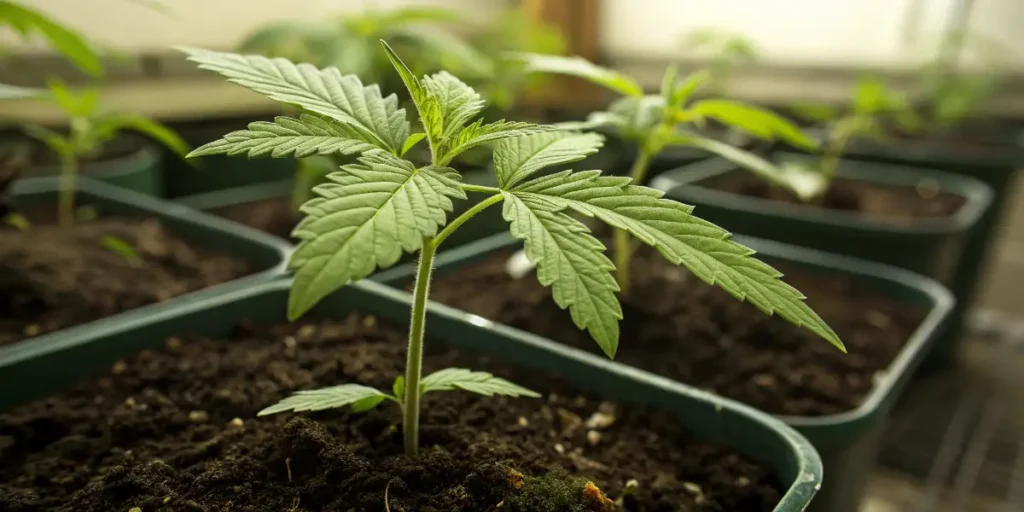
Germinating Gorilla Sherbet seeds is an essential first step for successful cannabis cultivation. Start by soaking the seeds in water for 12 to 24 hours to hasten the sprouting process. Once they’ve sunk, place them in a damp paper towel, ensuring the environment remains moist but not overly wet. This method creates optimal conditions for this strain to sprout effectively and robustly.
After germination, transplant seedlings into small pots filled with nutrient-rich soil. Keep the young plants under a gentle grow light to encourage healthy development. Ensure the soil is well-aerated to accommodate the roots’ rapid growth. Utilizing proper care techniques at this stage helps to establish the plant’s foundation, leading to substantial yields and aromatic buds as they mature.
Successful propagation of this variety involves careful monitoring of its growing conditions. The plant prefers a climate-controlled environment with consistent temperature and humidity levels. Growers should maintain a stable environment to encourage vigorous growth. By paying close attention to factors like soil quality and nutrient intake, cultivators can maximize the terpene profile and cannabinoid content of their harvest.
For those seeking to expand their cultivation efforts, cloning is an effective method to propagate this cultivar. Taking cuttings from a healthy mother plant allows growers to replicate its genetics efficiently. Carefully manage each clone’s environment to ensure successful rooting. Through attentive propagation techniques, the plant can maintain its desirable traits, producing a bountiful harvest characteristic of its renowned genetics.
Vegetative Stage
During the vegetative stage, this cultivar requires careful attention to thrive. Growers need to ensure that the plant receives ample light, typically 18-24 hours per day, to encourage robust growth. Nutrient-rich soil or a well-balanced hydroponic solution can maximize the cannabis plant’s potential. Properly nurtured, this stage sets the foundation for a bountiful harvest.
This strain benefits from a warm climate and consistent watering. However, overwatering should be avoided to prevent root issues. Monitoring humidity levels is essential; keeping it between 40-70% will help the plant flourish. Regular pruning allows light to penetrate all parts of the plant, promoting healthy development and preparing it for the flowering phase.
Incorporating training techniques like topping or low-stress training can significantly boost the yield of this variety. These methods help direct the plant’s energy into developing more site for buds. Ensuring that airflow remains unobstructed around the plant will help reduce the risk of mold, which can hinder cultivation success.
Focusing on the nutritional needs of your Gorilla Sherbet during this phase will enhance its growth potential and terpene profile. A balanced feed with adequate nitrogen, phosphorus, and potassium is vital. Being attentive to the plant’s reactions to different nutrients ensures a healthy vegetative stage, laying the groundwork for heavy and flavorful buds once it enters the flowering stage.
Flowering Gorilla Sherbet: What to Expect
When cultivating Gorilla Sherbet, growers can expect a manageable flowering period lasting approximately 8 to 9 weeks. This variety is known for its robust growth and substantial yield potential. Proper care during the flowering stage is essential to maximize the development of dense, resinous buds, which is characteristic of the plant’s genetics.
Growers of this strain will notice an abundance of trichomes forming across the surface of the buds, indicating a high concentration of aromatic terpenes. The plant’s vibrant hues and frosted appearance give a clear signal that harvest time is approaching. Monitoring environmental conditions such as humidity and temperature is crucial to prevent mold and ensure a healthy yield.
As the flowering stage progresses, expect a potent aroma to fill the grow space. The distinct scent profile of this cultivar is a mix of sweet, fruity notes with a hint of earthiness. Ensuring adequate ventilation will help maintain air circulation and prevent any build-up of humidity that could potentially impact the quality of the buds.
The quality of your Gorilla Sherbet harvest will depend on your attention to detail throughout the cultivation process. From ensuring proper nutrition to maintaining optimal environmental conditions, each factor plays a role in achieving the desired results. With patience and care, the rewarding outcome of this genetics will be a bountiful harvest of aromatic and potent cannabis.
Fertilizers & Nutrient Schedule
Providing the right nutrients is crucial for the successful cultivation of any cannabis variety, including this strain. To ensure healthy growth and maximize yield, growers should focus on a balanced nutrient schedule tailored specifically for this cultivar. Begin with a nutrient mix that supports vegetative growth, which includes higher levels of nitrogen, as it helps in developing a robust plant structure.
As Gorilla Sherbet transitions into the flowering stage, adjust the nutrient mix to increase phosphorus and potassium. These elements are vital to boost bud development and enhance the terpene profile, enriching the aroma and flavor. Monitoring the plant’s response to these nutrients is essential, allowing adjustments based on its specific needs and environmental conditions, ensuring optimal growth throughout.
Using organic fertilizers can be beneficial for this cultivar, as they provide a slow-release of nutrients, encouraging steady growth and reducing the risk of nutrient burn. Compost teas and kelp extracts are popular choices among organic cannabis growers, offering a gentle yet effective nutrient boost. Integrating these into your feeding schedule can also promote beneficial soil microbes and overall plant health.
To achieve a high-quality harvest with Gorilla Sherbet, regular pH checks of the soil or growing medium are recommended. This ensures nutrient absorption remains efficient and consistent. Aim for a pH range of 6.0 to 6.8 for soil and 5.5 to 6.5 for hydroponics. Regular observation and adjustment will help optimize the plant’s environment, leading to a successful cultivation experience.
Pest and Disease Prevention for Healthy Cannabis Plants
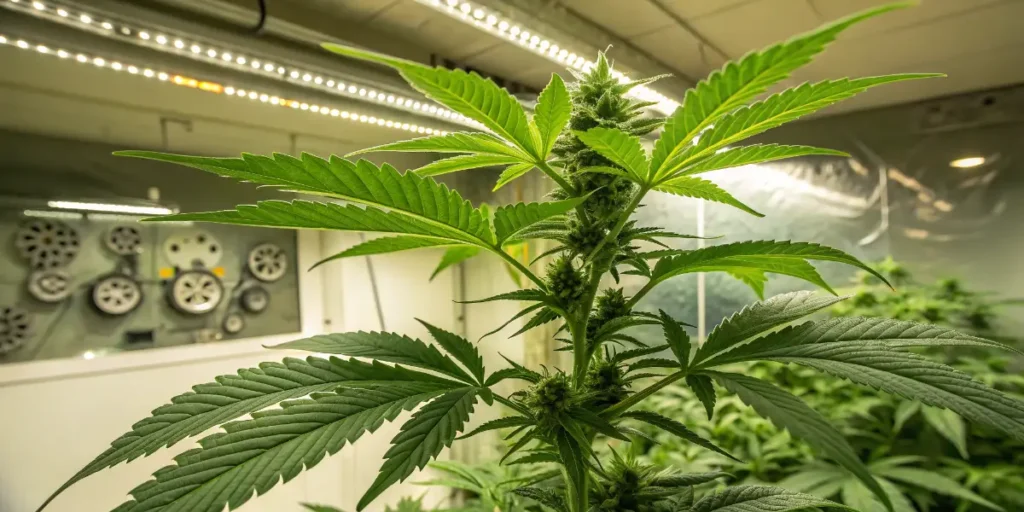
Ensuring the vitality of Gorilla Sherbet involves proactive pest and disease management. Regularly inspect the plant for signs of aphids, spider mites, and other common cannabis pests. Employ natural remedies like neem oil or insecticidal soap to mitigate infestations. Besides, maintaining healthy soil and moisture levels can greatly reduce the risk of mold and mildew affecting your cultivation efforts.
This strain, like other cannabis varieties, benefits from preventive care to safeguard its robust terpenes and potential yield. Rotate crops between grows to disrupt pest life cycles. Encourage beneficial insects, such as ladybugs and predatory mites, to naturally control harmful populations. By fostering a balanced ecosystem, growers can protect their buds from both pests and diseases.
Implementing a regular cleaning routine in the grow area helps deter potential threats. Sterilize tools and equipment to avoid transferring pathogens. Providing adequate airflow around the buds minimizes humidity, reducing disease risk. Diligent attention to these practices ensures that the plant remains healthy, resulting in an optimal harvest without compromising the unique qualities of this cultivar.
Harvesting & Drying Gorilla Sherbet the Right Way
When it comes time to harvest Gorilla Sherbet, timing is key to maximizing potency and flavor. This strain should ideally be harvested when the trichomes have turned milky white with a hint of amber. Cultivators often rely on magnification tools to closely inspect the trichomes, ensuring that the buds are picked at their peak maturity for the best terpene profiles and yield.
Once the buds have been harvested, the drying process is crucial in preserving the quality of this variety. Hanging the branches upside down in a dark, well-ventilated space allows excess moisture to be evaporated slowly. The ideal drying environment for these cannabis buds is around 60-70°F with humidity levels maintained at about 50%, preventing mold and preserving the terpenes.
After an adequate drying period, which usually lasts about 7-10 days, the next step is curing. Placing the buds in airtight glass jars and storing them in a cool, dark place helps in further developing this cultivar’s flavors and potency. Regularly opening the jars for the first couple of weeks, known as burping, releases built-up moisture and maintains ideal conditions.
Proper harvesting and drying techniques are essential in achieving the desired effects and taste profiles of the plant. For growers aiming to maintain the distinct qualities of this strain, paying close attention to these steps will ensure that Gorilla Sherbet lives up to its reputation, providing a rich aroma and potent effects for its users. With due care, this genetics can truly shine.
Gorilla Sherbet Strain Type: Indica, Sativa or Hybrid?
Gorilla Sherbet is classified as a hybrid cannabis strain, meticulously bred to encompass the best attributes of both Indica and Sativa genetics. This cultivar is highly favored among growers for its balanced growth characteristics, allowing flexibility in various cultivation environments. Its adaptability is one reason why many cultivators opt for this genetics when aiming for a versatile cannabis crop.
This strain typically leans more towards the Indica side, resulting in dense, resinous buds that are sought after for their impressive yield during harvest. The plant’s rich terpene profile further enhances its appeal, offering distinct aromas and flavors that entice both novice and veteran cannabis enthusiasts alike. This variety, however, still offers some of the uplifting qualities attributed to Sativa, making it well-rounded.
For growers, it is important to note that this cultivar thrives in controlled environments where careful attention to lighting and nutrients can optimize its growth potential. The plant’s hybrid nature ensures that it can flourish in both indoor and outdoor settings, making it a versatile choice for diverse geographic locations. Overall, knowing its hybrid nature can greatly aid in achieving successful cultivation outcomes.
Why Grow this Strain? Key Benefits for Cultivators
Gorilla Sherbet is highly favored by growers for its robust growth and resilience. This strain adapts well to various cultivation environments, making it ideal for both indoor and outdoor setups. Its sturdy structure supports dense buds, which contributes to an impressive yield. Additionally, the plant exhibits strong resistance to common cannabis pests, further enhancing its appeal to cultivators.
This cultivar is renowned for its captivating aroma and rich terpene profile, which combines fruity and sweet notes. Growers benefit from not only the substantial harvest but also the market demand for flavorful cannabis. The unique terpene blend of this variety increases its attractiveness, allowing cultivators to command premium prices for their produce.
Another standout benefit of this genetics is its relatively short flowering time, which allows for multiple growing cycles within a single season. The plant’s adaptability and robust growth ensure consistent results, making it a reliable choice for both novice and seasoned growers. It offers a rewarding cultivation experience, combining high yield potential with high-quality cannabis.
Potential Challenges When Growing Gorilla Sherbet
When cultivating Gorilla Sherbet, growers might encounter several challenges related to its specific needs. This strain is known for its sensitivity to temperature fluctuations, which can impact the development of buds and terpenes. Maintaining a stable environment is crucial, with consistent temperatures and humidity levels essential to maximize the plant’s potential and ensure a robust yield at harvest.
Another noteworthy challenge for this variety is its requirement for nutrients, especially during the flowering phase. Over-fertilization can lead to nutrient burn, while insufficient feeding might stunt its growth. Growers should carefully monitor the plant’s nutrient intake and adjust accordingly to prevent these issues, ensuring optimal development of its aromatic and potent buds.
This cultivar can be susceptible to pests and mold, particularly in humid conditions. It’s essential to implement preventative measures such as proper air circulation and regular inspections to minimize these risks. Addressing these challenges proactively will help growers achieve a successful harvest with Gorilla Sherbet, preserving its sought-after qualities and impressive cannabinoid profile.
Is this Variety Worth Buying? Here’s What You Need to Know
Gorilla Sherbet has caught the attention of cannabis connoisseurs and growers alike. Known for its resilient cultivation properties and impressive yield, this strain offers a robust growing experience. It thrives in both indoor and outdoor environments, making it a versatile addition to any grower’s garden. The plant’s buds are dense and rich in terpenes, promising a fragrant harvest.
This variety stands out due to its unique terpene profile, delivering a blend of aromas that enhance the overall experience. Cultivators appreciate its balanced growth cycle, which allows ample time for the plant to mature properly. For growers seeking a rewarding harvest, this genetics consistently delivers in both quantity and quality, ensuring it’s a worthwhile investment.
Evaluating the purchase of this cultivar, potential growers should consider both its growth ease and final yield quality. Gorilla Sherbet is ideal for those looking to cultivate a reliable and aromatic cannabis plant. With careful attention to its specific needs, it will certainly fulfill the expectations of even the most discerning growers looking for a reliable and productive strain.
FAQs
How difficult is it to grow Gorilla Sherbet for beginners?
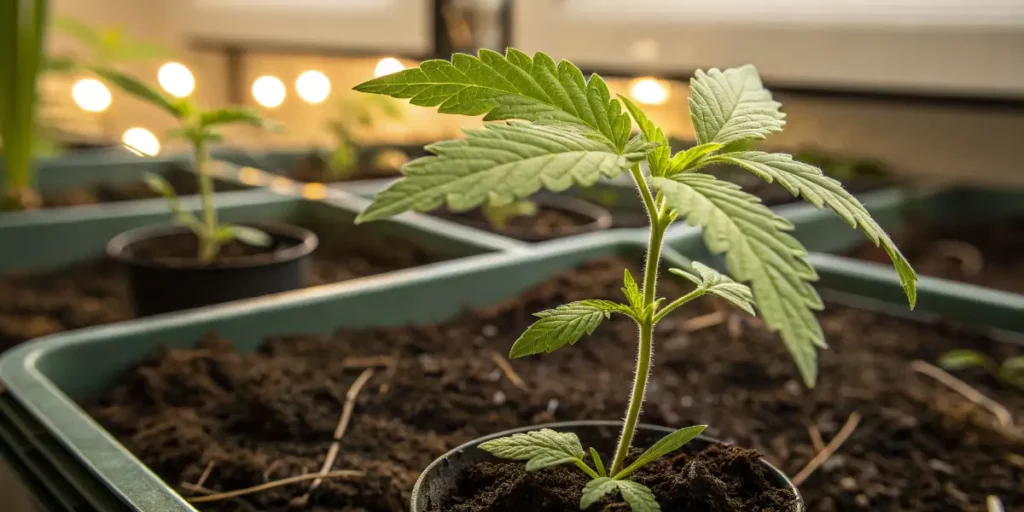
Gorilla Sherbet is moderately challenging to grow, making it more suited for those with some cultivation experience. It requires careful attention to factors like humidity and temperature. The plant benefits from training techniques such as LST and topping. Beginners might find the process demanding, but with dedication and proper care, managing this strain can lead to rewarding yields.
What are the yield expectations for Gorilla Sherbet?
This cultivar is known for its generous yield when grown under optimal conditions. Indoor growers can typically expect around 500 grams per square meter, while outdoor cultivators might see up to 700 grams per plant. For the best results, ensure that the plant receives ample light and nutrients tailored to its growth stage, helping maximize the yield potential of Gorilla Sherbet.
What is the flowering time for Gorilla Sherbet?
Gorilla Sherbet typically has a flowering time of about 8 to 10 weeks when cultivated indoors. Growers should monitor trichome development and adjust the light cycle accordingly to optimize flower maturation. Outdoor growers should aim for harvest in early to mid-October, depending on the local climate. Proper timing will ensure the strain reaches its full potential in terms of flavor and potency.
What climate is ideal for cultivating Gorilla Sherbet?
This strain thrives in a Mediterranean-like climate, with warm days and cooler nights. Gorilla Sherbet prefers temperatures between 68°F and 80°F. High humidity levels should be avoided, especially in the flowering stages, to prevent mold and mildew. When growing outdoors, choosing a location with adequate sunlight and minimal temperature fluctuations is vital for the plant’s health and productivity.
What are the common problems associated with Gorilla Sherbet?
Gorilla Sherbet can be susceptible to mold and mildew due to its dense buds, especially in high humidity environments. Pests such as spider mites and aphids may also pose challenges. Regular pest inspections and maintaining optimal humidity and airflow can mitigate these issues. Proper training and pruning techniques can help improve the plant’s resilience against common problems, ensuring healthier growth and better yields.