
When growing this strain, selecting the right environment is crucial. Harlequin thrives both indoors and outdoors; however, indoor cultivation allows for better control of the climate. Aim for a temperature range of 70-85°F and maintain humidity between 50-60% during the vegetative phase. Adequate ventilation ensures the plant’s growth remains robust, promoting a healthy development of its buds.
Choose a nutrient-rich soil or hydroponic setup to support this variety’s growth. Regular feeding with a balanced cannabis-specific nutrient mix will bolster the plant’s potential. Overfeeding can lead to nutrient burn, so it’s vital to follow manufacturers’ guidelines. During flowering, this cultivar will reward growers with a significant yield if adequately supported with stakes or nets to manage its robust branches.
Monitoring the maturity of trichomes is essential for timing the harvest of this genetics. Harvest when trichomes are milky with a few turning amber to maximize the terpene profile and cannabinoid content. Dry the buds in a controlled environment, then cure them in airtight jars to enhance flavors and potency. Following these steps will ensure a successful and bountiful yield from Harlequin.
Harlequin Strain Overview: Traits, Effects & Genetics
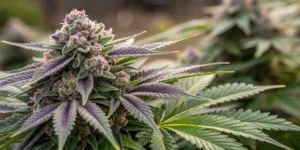
Harlequin is renowned for its unique CBD-rich profile, making it a favorite among both medical users and recreational enthusiasts. This strain offers a balanced blend of relaxation and alertness, ideal for daytime use. Its moderate THC levels ensure minimal psychoactivity while providing therapeutic benefits. The plant’s characteristic buds exhibit a mix of green and orange hues, typical of many high-quality cannabis varieties.
The genetics of this cultivar trace back to a landrace lineage, contributing to its stability and strength in cultivation. It is a sativa-dominant hybrid, a factor that influences its growth pattern and effects. Growers appreciate this variety for its resilience and consistent yield. Harlequin’s flowering period is relatively short, making it suitable for various climates.
One of the notable attributes of this variety is its terpene profile, which contributes to its distinctive aroma. The plant emits a musky and herbal scent complemented by sweet undertones. Its effects are predominantly calming and focused, which can assist individuals seeking relief from anxiety or stress, without the sedative properties found in indica-heavy strains.
For optimal harvest, experienced growers recommend monitoring the trichomes closely. The yield of this cultivar can be enhanced through proper nutrients and consistent lighting conditions. Harlequin’s ability to adapt to indoor and outdoor environments makes it a versatile choice for cannabis enthusiasts. Overall, this strain stands out for its therapeutic potential and ease of cultivation.
Optimal Environment to Grow Harlequin Successfully
Harlequin thrives best in a warm, Mediterranean-like climate. For successful cultivation, growers should maintain daytime temperatures between 70-85°F. This strain prefers relatively high humidity during its vegetative stage, around 60%, then reducing it to 40% during the flowering phase. These conditions promote healthy growth and enhance the plant’s unique terpene profile.
In providing the ideal environment for this variety, ensuring adequate airflow is crucial. Using oscillating fans can help circulate air and reduce the risk of mold, which can otherwise compromise the quality of buds. This cultivar greatly benefits from a roomy grow space, allowing for optimal light exposure and nutrient absorption, which are key to maximizing yield.
Lighting is another critical factor in the successful cultivation of the plant. Aim for a cycle of 18 hours of light and 6 hours of darkness during the vegetative stage. As the plant transitions to flowering, switch to a 12/12 light-dark cycle. Full-spectrum LED or HID lights provide the necessary energy for robust growth and abundant bud production.
Soil quality and proper watering practices play significant roles in cultivating this genetics efficiently. A well-draining, nutrient-rich medium like a mix of peat, perlite, and organic compost will encourage vigorous root development. Regular but moderate watering prevents root rot, leading to a healthier harvest. With these conditions, your Harlequin plants will flourish, offering an exceptional yield.
Grow Room Setup for Harlequin Plants
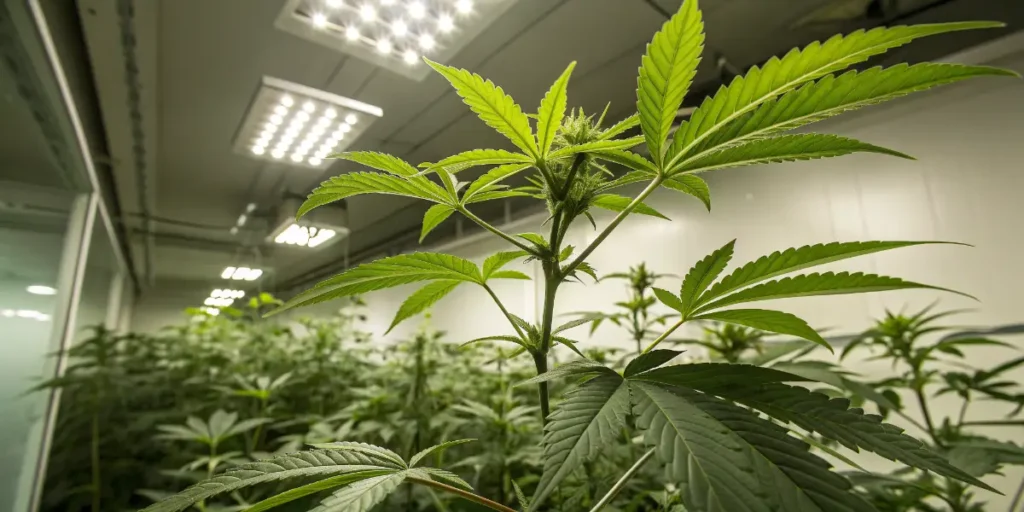
Creating an ideal environment for the cultivation of this strain is crucial for optimal growth and yield. Harlequin thrives in a well-ventilated space with consistent airflow to prevent mold and pest issues. Maintaining a temperature range of 70-85°F is advisable for the plant’s development, while relative humidity should be kept between 40-50% during its flowering stage for best results.
Lighting plays a pivotal role in the success of growing this cultivar. Utilizing full-spectrum LED grow lights can mimic the sun’s natural rays, thus enhancing terpene and cannabinoid production. Growers should aim for 18-24 hours of light during the vegetative phase, reducing it to 12 hours to trigger flowering. Adjust lights to prevent light burn and promote substantial bud development.
In terms of medium, it thrives in both soil and hydroponic setups, but soil is often favored for its capacity to enrich the flavor profile. When selecting nutrients, focus on options high in phosphorus and potassium during flowering to support bud production. Regular pH level checks, keeping it around 6.0-6.5, help in facilitating nutrient uptake and ensuring a bountiful yield.
Continuous monitoring and maintenance are essential for healthy Harlequin plants. Regular pruning and training techniques like topping or fimming encourage bushier growth and maximize light exposure. An efficient irrigation system prevents water stress, enabling the plant to flourish vigorously. Paying close attention to these elements will prepare growers for a successful and rewarding harvest season.
Indoor Growing Tips for Harlequin
When cultivating Harlequin indoors, maintaining optimal temperature and humidity is crucial. Aim for a temperature range between 70-80°F and keep humidity levels around 40-50% during the vegetative phase. Ensuring adequate air circulation within the grow room will prevent mold formation on the plant’s buds, safeguarding the yield and quality of this variety.
For a successful indoor cultivation experience, incorporating a high-quality LED lighting system will ensure steady growth throughout the plant’s life cycle. This cultivar responds well to a schedule of 18 hours of light and 6 hours of darkness during the vegetative stage, promoting robust stem and leaf development. Adjusting light cycles to 12 hours during flowering enhances terpene production.
Maintaining a balanced nutrient regimen is vital for maximizing the yield and potency of the plant. This variety benefits from a nutrient mix rich in nitrogen during the vegetative phase, transitioning to higher phosphorus and potassium levels as it enters the flowering stage. Regular monitoring of soil pH and nutrient levels helps prevent deficiencies, ensuring a healthy harvest and potent terpenes.
Outdoor Growing Tips for Harlequin
When cultivating Harlequin outdoors, choosing the right location is crucial. The plant thrives in areas with ample sunlight, so select a spot that receives at least 6-8 hours of direct sunlight daily. Ensure the soil is well-draining and rich in organic matter to support robust growth and maximize the potential yield. Providing adequate space between plants will also improve airflow and minimize the risk of pests.
Regular watering is essential for this variety, but be cautious not to overwater, as it prefers a balance of moisture and dryness. Applying a layer of organic mulch can help retain soil moisture levels while suppressing weeds. Additionally, feeding the plant with a high-quality nutrient mix tailored for cannabis can significantly enhance the terpene profile and potency of the buds.
Towards the end of the cultivation cycle, monitoring the trichomes on this cultivar is key to determining the optimal harvest time. Look for cloudy and slightly amber trichomes for the best balance of cannabinoids. By maintaining a keen eye on the development and environmental conditions, growers can harvest the plant at its peak, resulting in a satisfying yield rich in aromatic terpenes.
How to Germinate & Propagate Harlequin
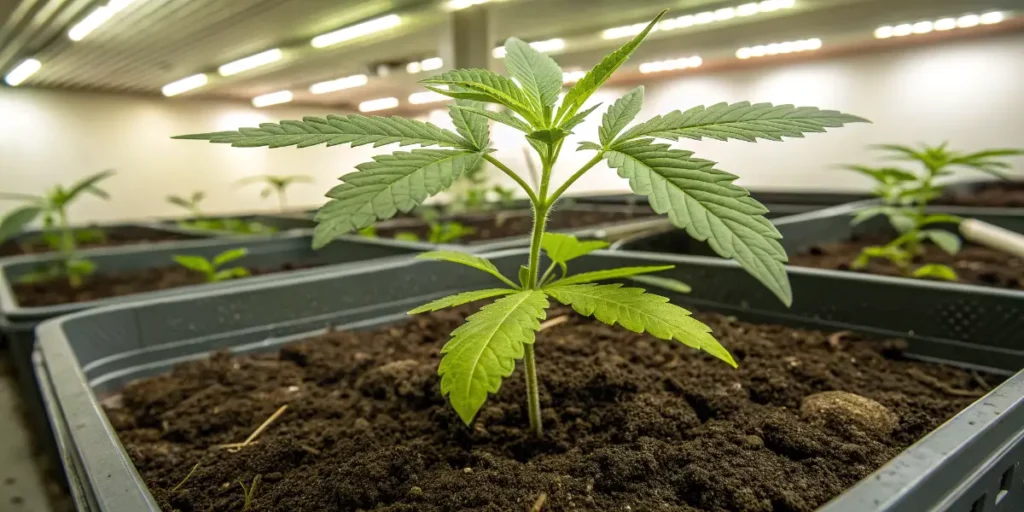
Germinating Harlequin seeds is the first step to successfully cultivating this strain. Begin by soaking the seeds in distilled water overnight. This softens the outer shell, making it easier for the seed to sprout. Once soaked, transfer them to a damp paper towel, place it in a plastic bag, and store it in a warm, dark place until the seeds begin to crack.
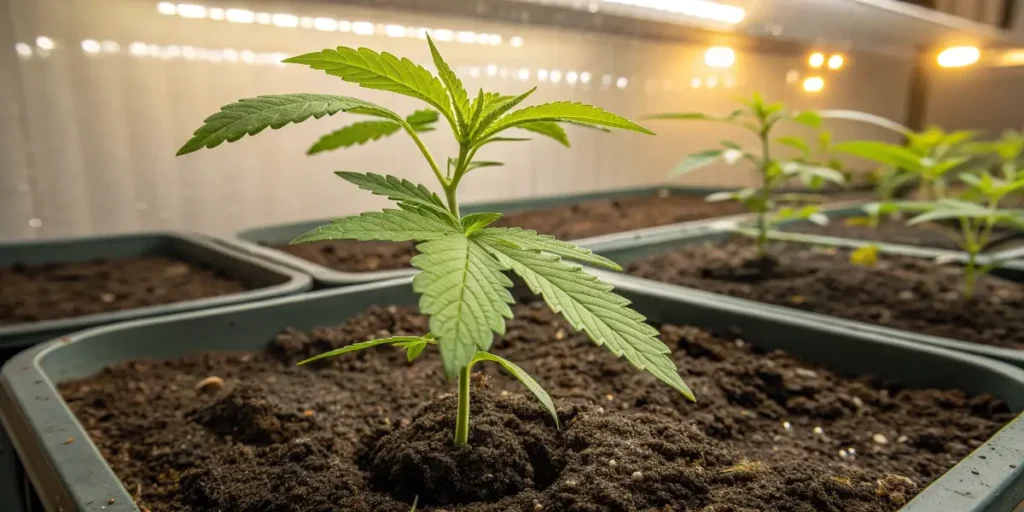
The appearance of a taproot signals that the seeds are ready for planting. Carefully transplant them into small pots filled with a high-quality cannabis soil mix. This variety prefers well-draining soil to prevent root rot. Maintain a gentle watering schedule to keep the soil moist but not waterlogged, ensuring optimal growth conditions for the plant to thrive.
To propagate this cultivar, cut healthy clones from a mature plant. Choose stems with robust green growth and at least two nodes. Dip the cut end into rooting hormone and plant it in a growing medium like coco coir. This will encourage root development in the new clones and ensure a successful propagation process for budding growers.
Proper lighting is crucial for both germination and propagation stages. Provide the plant with a light source that mimics natural sunlight conditions. As Harlequin develops, the right balance of light and nutrients will enhance its terpene profile and boost overall yield. Monitoring environmental conditions like temperature and humidity is key to achieving a successful harvest.
Vegetative Stage
During the vegetative stage, it’s crucial for growers to focus on providing optimal conditions to ensure robust growth for this cultivar. Adequate lighting, around 18-24 hours per day, promotes healthy development. Ensuring that the cannabis receives a nutrient-rich soil or hydroponic solution will facilitate strong roots and stems, laying the foundation for future yields and successful harvest.
This variety thrives in a well-balanced environment; hence, maintaining the ideal temperature and humidity levels is vital. Keep temperatures between 70-85°F (21-29°C) and humidity around 40-70% to encourage vigorous growth. Regular monitoring and adjustment of these factors can prevent stress, which may impact the plant’s future bud production and overall health.
Pruning plays a significant role during the vegetative stage, as it helps manage the plant’s shape and encourages bushier growth. Trim any lower leaves that receive little light to focus the plant’s energy on more productive areas. By selectively pruning and training this genetics, growers can enhance light penetration and airflow, thus improving the terpene profile and yield potential of the buds.
Water is another key aspect of successful Harlequin cultivation. This strain requires consistent but not excessive watering; the soil should be moist yet well-drained to avoid root rot. Implementing a watering schedule and observing the plant’s response can aid in preventing water-related issues. As the vegetative stage progresses, remember that a healthy foundation will lead to a prosperous flowering phase and a bountiful harvest.
Flowering Harlequin: What to Expect
When cultivating this strain, growers can expect a flowering period that typically lasts between 8 to 9 weeks. During this time, Harlequin showcases its distinctive traits. Known for its sativa dominance, this variety tends to produce tall plants with elongated buds. Proper cultivation techniques can enhance the growth and development of the plant, leading to a successful harvest.
As the flowering stage progresses, this cultivar starts to present its unique aromatic profile, rich in terpenes such as myrcene and beta-caryophyllene. These compounds contribute not only to the fragrance but also to the overall experience associated with consuming Harlequin. Monitoring the environment, especially humidity and temperature, is crucial in ensuring these terpenes are preserved.
The plant is renowned for its high CBD content, making it a popular choice among growers seeking therapeutic benefits. Throughout the flowering phase, maintaining consistent light cycles is essential for encouraging optimal bud development. Furthermore, providing adequate nutrients specific to this phase can significantly impact the yield and quality of the harvest.
Harvest time is an exciting period for cannabis cultivators. Observing the trichomes on the buds of this variety will reveal when it is ready to be harvested. Ideally, a milky white trichome appearance indicates peak potency. With patience and proper care, growers can expect Harlequin to deliver a robust yield that aligns with their cultivation goals.
Fertilizers & Nutrient Schedule
When cultivating Harlequin, a balanced nutrient schedule is vital for optimal growth and bud development. This strain is known for its unique terpene profile, and to achieve this, growers must supply the plant with essential nutrients at each stage. Nitrogen, phosphorus, and potassium are key, particularly during its vegetative phase when the energy for growing robust foliage is highest.
For those nurturing this variety, it’s crucial to adjust nutrient levels as the plant moves from vegetative growth to flowering. During the flowering stage, reducing nitrogen while increasing phosphorus and potassium can enhance the yield and potency of the buds. Monitoring the plant’s response to these adjustments is essential for preventing nutrient burn and promoting healthy development.
Many growers find success with organic fertilizers, which can enhance the soil’s quality while providing the necessary elements for growth. Incorporating compost or bat guano can supply beneficial microbes and added nutrition, bolstering the plant’s resilience and improving overall health. This cultivar can particularly benefit from such rich, natural additives.
As harvest time approaches, it’s beneficial to flush the plant with pure water to remove any residual nutrients. This step is crucial for maintaining the strain’s flavor and terpene profile, ensuring a clean, smooth smoke. By diligently following an adjusted nutrient schedule, cultivators can maximize Harlequin’s potential, resulting in a high-quality yield that showcases its renowned characteristics.
Pest and Disease Prevention for Healthy Cannabis Plants
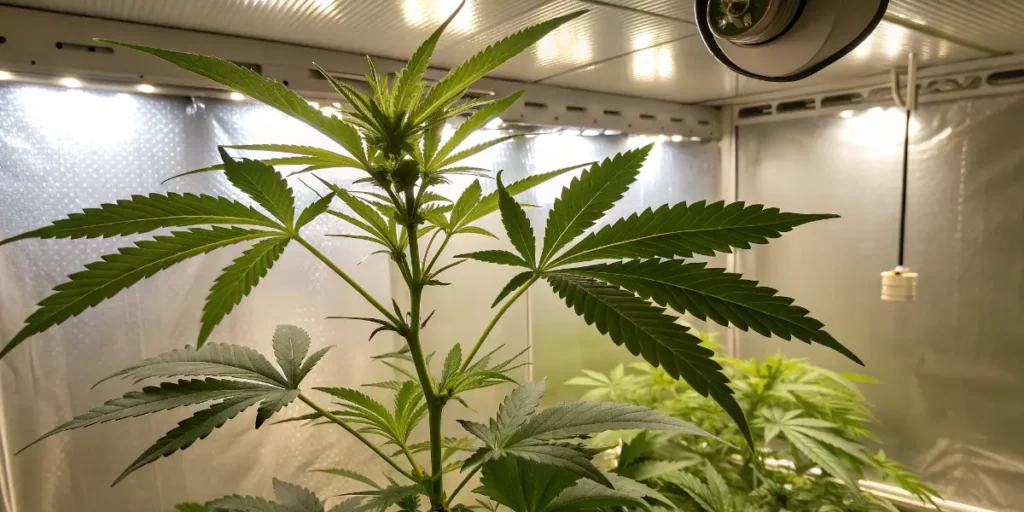
Ensuring the health and vitality of cannabis plants is crucial for optimal yield, especially for growers of Harlequin. This strain can thrive when specific precautions are taken against pests and diseases. Regular monitoring is essential, as it helps in early detection of issues like spider mites, aphids, or mold that can affect the plant’s growth and terpene production, ultimately influencing the quality of the buds.
Implementing an integrated pest management approach can significantly benefit this variety. Natural predators, such as ladybugs and predatory mites, can control harmful pests without the need for chemicals. Rotating crops and maintaining cleanliness within the growing environment will help minimize the risk of disease, ensuring that this cultivar remains robust throughout its life cycle and reaches a successful harvest.
The choice of growing medium and environmental conditions also influences pest and disease prevention. Well-aerated soil and proper humidity control can deter many common issues. It is critical for those cultivating this genetics to maintain consistent environmental checks. This vigilance not only improves plant health but also enhances the overall quality, allowing the true potential of Harlequin to be realized in its rich, resinous buds.
Harvesting & Drying
Harvesting this strain at the optimal time is crucial for preserving its unique characteristics. Growers should monitor the trichomes closely; when they appear milky with a hint of amber, it indicates peak ripeness. Cutting the plant in the morning ensures that its terpene profiles are most robust, as terpene degradation is minimal at this time of day.
Once harvested, the drying process begins. It’s important to hang the branches upside down in a cool, dark room with low humidity. This ensures even drying, crucial for preserving the cannabinoids and terpenes. Keep air circulation consistent but gentle to prevent mold while maintaining the quality of the buds. A slow drying process is optimal for this cultivar.
After the initial drying phase, it’s time to cure the buds. Place them in airtight jars, opening them daily to release moisture and allow for fresh air exchange. This technique helps enhance the flavor and potency over time. Proper curing amplifies the natural terpene profile, enhancing the attributes that make this variety distinct.
Knowing the uniqueness of Harlequin ensures a successful harvest that capitalizes on its exceptional cannabinoid balance. The meticulous attention to drying and curing reflects the artisan nature of cannabis cultivation. By adhering to these steps, growers can maximize their yield and quality, offering consumers a superior product from this exceptional genetics.
Harlequin Strain Type: Indica, Sativa or Hybrid?
Harlequin stands out in the cannabis community as a renowned hybrid strain, predominantly Sativa. It typically inherits about 75% Sativa and 25% Indica genetics. This blend offers growers an intriguing mix of uplifting and calming effects. With a balanced mix of terpenes, the plant is prized for its reliable yield, making it an attractive choice for cultivation enthusiasts.
This strain’s Sativa-dominant nature means it can thrive in varied climates, adapting well to both indoor and outdoor cultivation settings. Growers often highlight its ability to produce buds that are not only aromatic but also visually appealing, contributing to a rewarding harvest. This cultivar’s hybrid structure ensures a robust and resilient growth pattern throughout its cycle.
Due to its mixed genetics, the plant offers unique advantages for both recreational and medicinal users. The calming Indica elements balance out the energizing effects typical of Sativa, making it suitable for daytime use. Harlequin’s predictable yield and reliable growth make it a favorite for cultivators seeking a high-quality harvest with therapeutic potential.
Why Grow this Variety? Key Benefits for Cultivators
For cultivators seeking a cannabis strain that stands out, Harlequin offers unique advantages. This variety is renowned for its high CBD content, making the plant ideal for growers focusing on medicinal benefits. Its balanced cannabinoid profile appeals to consumers looking for relief without intense psychoactive effects, promising a market niche and potential profit.
This cultivar’s robust genetics result in strong plants resistant to common pests and diseases, easing the cultivation process. The plant’s adaptability to varying climates and growing conditions means both novice and experienced growers can achieve impressive yields. This strain’s consistent performance ensures a reliable harvest, making it a worthy addition to any cannabis cultivation operation.
Beyond its cultivation advantages, it produces an appealing bouquet of terpenes, offering sweet, earthy aromas that delight consumers. The rich terpene profile enhances the buds’ market value, contributing to a competitive edge. Thus, growers not only benefit from Harlequin’s practical cultivation traits but also its potential to satisfy and attract a discerning consumer base.
Potential Challenges When Growing Harlequin
When cultivating Harlequin, growers may encounter various challenges due to its specific genetic traits. This variety is particularly susceptible to mold and mildew, especially in humid environments, making it essential to maintain proper ventilation and humidity levels. Regularly checking the plant for any signs of fungal infections can help prevent potential crop losses.
Another challenge with this strain is its dependency on precise nutrient management. While Harlequin may appear resilient, it can be sensitive to nutrient burns if overfed. It’s crucial to monitor the plant’s nutrient intake closely and adjust the feeding schedule as required to ensure optimal growth and robust bud development.
The plant’s terpene profile is a defining feature but achieving the desired expression requires careful environmental control. Fluctuations in temperature and light can impact the final yield and terpene richness. Ensuring consistent and optimal growing conditions will aid in maximizing the quality of Harlequin’s harvest, making it a rewarding effort for dedicated cultivators.
Is this Strain Worth Buying? Here’s What You Need to Know
Harlequin is an excellent choice for anyone interested in cultivating a cannabis strain with a balanced cannabinoid profile. Known for its high CBD content, this variety is particularly appealing to those seeking therapeutic benefits without overpowering psychoactive effects. Growers appreciate its relatively easy cultivation process, making it ideal for both beginners and seasoned cannabis enthusiasts looking for a rewarding harvest.
This cultivar is cherished for its unique terpene profile, which contributes to its distinctive aroma and flavor. The plant typically produces a generous yield of buds, which are often sought after for their quality and medicinal properties. Many growers find that this strain’s reliable growth and flavorful output more than justify its purchase and cultivation, making it a worthwhile investment.
Besides its appealing effects and profile, Harlequin is favored for its resilience in diverse growing conditions. Whether you’re cultivating indoors or outdoors, this genetics adapts well and thrives under various climates. Overall, the plant offers significant value, and if you’re considering it for your garden, you can expect a fruitful and rewarding growing experience that stands out in the cannabis market.
FAQs: Growing Harlequin
How difficult is it to grow Harlequin for beginners?
Harlequin is considered moderately challenging, making it better suited for growers with some experience. This strain requires consistent attention to environmental factors like humidity and temperature. It responds well to training techniques such as LST and topping, which require knowledge to execute properly. With proper care and monitoring, intermediate growers can expect excellent results and generous yields from this cultivar.
What is the expected yield for Harlequin plants?
This variety typically offers moderate to high yields, depending on the growing conditions and care given. Indoor growers can expect around 400-600 grams per square meter, while outdoor growers might see slightly higher yields if conditions are optimal. Paying attention to factors such as lighting, temperature, and nutrition can maximize the plant’s yield potential, ensuring that Harlequin reaches its full productive capabilities.
When does Harlequin typically flower?
This strain normally enters its flowering phase after about 8-9 weeks. Timing can slightly vary based on specific growing conditions and techniques. Maintaining a consistent light schedule and optimizing environmental factors are crucial during this stage. By doing so, growers can ensure that Harlequin develops its signature high CBD content and desirable aromatic profile, highlighting the qualities that make this genetics popular.
What climate is ideal for cultivating Harlequin?
Harlequin thrives in a mild to warm climate with a consistent temperature range between 70-85°F (21-29°C). It’s important to keep humidity relatively low during flowering to avoid mold and mildew. If you’re growing outdoors, a climate similar to the Mediterranean is ideal. For indoor growers, having control over the environment allows for better adaptation, ensuring this variety flourishes under optimized conditions.
What are common problems encountered when growing Harlequin?
One common issue with Harlequin is its susceptibility to mold and mildew, especially in high humidity conditions. To mitigate this, ensure proper air circulation and maintain lower humidity levels during the flowering stage. Additionally, this plant might require extra support due to potentially brittle branches. Regularly monitoring and pruning the cultivar can prevent structural issues, ultimately contributing to healthy growth and development.