
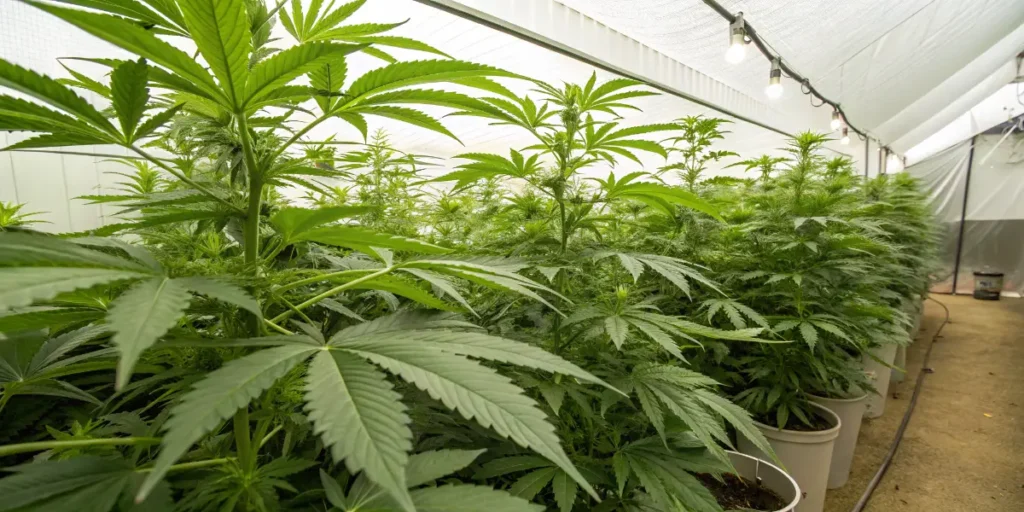

Hindu Kush is a resilient cannabis strain perfect for both novice and experienced growers. To cultivate this variety, begin by selecting high-quality seeds or clones. Ensure you’re using soil with excellent drainage and nutrient retention. This plant thrives in a controlled environment, so maintaining optimal temperature and humidity levels from the start is crucial for achieving healthy, robust growth.
As this cultivar develops, focus on providing adequate light, preferably from LED or HID lamps. Hindu Kush requires a consistent light schedule, particularly during the flowering stage, to maximize bud development and terpene profiles. Feeding the plant with the right nutrients in appropriate quantities will further enhance its resistance against pests and diseases, promoting vigorous growth and a bountiful yield.
When it’s time to harvest, observe the buds’ trichomes closely. This strain is typically ready for harvest when the trichomes change from a clear to a milky white appearance. Carefully drying and curing the buds is essential to preserve the unique flavors and aromas of this variety. With patience and attention, cultivating this genetics can be a rewarding experience, yielding potent, aromatic harvests.
Hindu Kush Strain Overview: Traits, Effects & Genetics
This strain, renowned for its resilience and robust genetics, has captured the attention of cannabis growers worldwide. With its origins rooted in the mountainous regions between Pakistan and Afghanistan, this cultivar is famous for its adaptability and potent effects. The compact nature of the plant makes it ideal for indoor cultivation, where it thrives under controlled conditions to produce dense, resinous buds.
The effects of this variety are typically associated with a deep sense of relaxation and tranquility. Its high-indica profile ensures that users experience a sedative effect, making it a popular choice for those seeking relief from stress and pain. The terpene profile of this cultivar enhances these effects, offering a rich aromatic experience characterized by earthy and woody notes.
In terms of yield, the plant is a reliable producer, with successful harvests offering a generous amount of high-quality buds. Growers appreciate the consistency it delivers, with results commonly exceeding expectations. Patience during cultivation is rewarded with a harvest that brims with the dense and sticky buds that are a hallmark of this variety, making it a welcome addition to any grower’s repertoire.
The genetic lineage of Hindu Kush contributes significantly to its popularity among cultivation enthusiasts. Its pure indica roots ensure robust growth and resilience against common cultivation challenges. This strain’s genetics provide growers with a stable and easy-to-manage option, making it an excellent choice for both amateur and seasoned cultivators aiming for a straightforward yet rewarding growing experience.
Optimal Environment to Grow Hindu Kush Successfully
When cultivating the Hindu Kush strain, it is essential to replicate its native mountainous environment. This variety thrives in cooler, drier climates with plenty of sunlight. Growers should aim for temperatures between 65-80°F during the day, with modest drops at night. Proper ventilation is crucial for preventing mold and mildew, ensuring the plant’s buds remain healthy and potent.
This cultivar benefits immensely from well-draining soil with a slightly acidic to neutral pH level. Ample organic matter and consistent airflow around the plant promote substantial growth. By maintaining moderate humidity levels, cannabis enthusiasts can enhance this strain’s terpene profile, leading to a richer aroma and flavor. Monitoring these conditions will help boost overall yield and quality during harvest.
For optimal results, growers should also pay close attention to lighting conditions. While this variety is fairly resilient indoors and outdoors, providing 12 to 18 hours of light per day encourages robust growth and helps maximize yield. When growing indoors, employing full-spectrum LED lights can simulate the sun’s natural emittance, enhancing the plant’s photosynthesis process and terpene development.
Lastly, regular pruning and training techniques can significantly benefit the plant’s structure and productivity. By removing lower leaves and branches, growers can ensure that energy is directed toward budding sites, resulting in a more bountiful harvest. Ensuring these foundational elements for Hindu Kush will enable cultivators to consistently enjoy top-tier cannabis harvests season after season.
Grow Room Setup for Hindu Kush Plants
Setting up a grow room for Hindu Kush requires careful consideration of several factors, including lighting, temperature, and humidity. This strain thrives under high-intensity lights like HPS or LEDs, which simulate its natural mountainous environment. Ensure that the lights provide even coverage over the plant canopy to maximize photosynthesis, promoting robust growth and maximizing your future yield.
Maintaining optimal temperature and humidity is critical for successful cultivation of this variety. Ideally, keep temperatures between 70-85°F (21-29°C) during the day and slightly cooler at night. Humidity levels should be around 40-50% during the vegetative stage and reduced to 30-40% during flowering, encouraging dense bud formation and preserving the potent terpenes for which these genetics are known.
Proper air circulation is essential to prevent mold and mildew on the plant. Utilize oscillating fans to keep air moving within the grow room, reducing the likelihood of stagnant zones where humidity can concentrate. Additionally, strategically placed exhaust fans will help in exchanging stale air with fresh air, maintaining a conducive environment for the development of healthy cannabis plants.
Finally, invest in quality growing mediums and nutrients that suit this cultivar. Whether you choose soil, hydroponics, or a similar system, ensure that the nutrients provide balanced nutrition to support its growth stages. By adhering to these guidelines, growers can expect a successful harvest with substantial yields of aromatic buds from this hardy strain.
Indoor Growing Tips for Hindu Kush
When cultivating Hindu Kush indoors, it’s important to maintain a stable environment. Ensure the temperature ranges between 68-77°F and keep humidity levels moderate to avoid mold. The plant is naturally short and bushy, making it ideal for smaller indoor spaces. Regular pruning can improve light penetration and air circulation, leading to healthier growth and better bud development.
This variety thrives with a balanced nutrient regimen. During the vegetative stage, focus on nitrogen-rich feeds, transitioning to phosphorous and potassium during the flowering phase. The plant is relatively resistant to common pests, but monitoring and preventing infestations is crucial. Growers often maximize yield by employing techniques such as the Sea of Green (SOG) method, which promotes efficient use of space.
The rich terpene profile of this cultivar results in a distinct aroma, so employing carbon filters or air purifiers can help manage the scent during flowering. Keeping a consistent light cycle, typically 18/6 for veg and 12/12 for flowering, ensures optimal growth. Cultivating it indoors can lead to a rewarding harvest, with dense, resinous buds characteristic of this unique variety.
Outdoor Growing Tips for Hindu Kush
When cultivating Hindu Kush outdoors, selecting an optimal location is crucial for success. The plant thrives in regions with warm, sunny climates, benefiting from consistent daily sunlight. Well-draining soil and adequate airflow around the foliage promote healthy buds and prevent mold. Growers should consider using organic fertilizers to enhance the growth and terpene profile of this variety.
This cultivar is known for its hardy nature, requiring less maintenance compared to other cannabis types. Nonetheless, routine pruning helps improve air circulation and light penetration to the lower branches, thereby enhancing overall yield. Outdoor growers are encouraged to monitor local weather conditions closely, offering it protection from sudden cold snaps or heavy rain that might impact the harvest quality.
Water management is key for the plant’s robust growth. While it’s drought-resistant, regular watering ensures optimal nutrient uptake. Harvesting at the right time is crucial; growers should watch for the shift in trichome color from clear to milky to get the desired potency and flavor. This variety typically rewards patience with a rich bounty of potent, aromatic buds.
How to Germinate & Propagate Hindu Kush
Germinating this strain begins with selecting high-quality seeds, which is crucial for successful cannabis cultivation. Soak the seeds in water for about 24 hours until they start to crack open. This initial step ensures that the variety has optimal moisture, encouraging the early stages of life and setting a strong foundation for the plant’s growth.
Once the seeds have cracked, transfer them to a damp paper towel, and place them in a warm, dark place. Ensure the towel remains consistently moist, but not soaking wet, to prevent drowning the seeds. In about 2 to 3 days, the taproot should emerge, signaling readiness for planting. This careful handling fosters healthy development of the plant.
When the taproots reach approximately an inch in length, the next step is to plant them in soil or a growing medium. Use a high-quality, well-aerated mix to plant this cultivar. Make a small hole, place the seed taproot-down, and cover it lightly. Ensure that the soil remains mildly moist, providing the conditions necessary for robust growth of this variety.
For propagation, cloning is a highly effective method for maintaining the genetics of Hindu Kush. Take cuttings that are 4-6 inches long from healthy, flowering plants. Place the cut ends in rooting hormone before transferring them to a growing medium. With proper care, these cuttings will develop into mature specimens, eventually yielding potent buds with rich terpenes.
Vegetative Stage: Nurturing Your Plants
The vegetative stage is crucial in cannabis cultivation, as it sets the foundation for the eventual quality of your harvest. For Hindu Kush, a strain renowned for its resilience, maintaining optimal conditions is key. Ensure that the plant receives sufficient light, typically 18-24 hours daily, to promote robust growth and prepare it for the flowering phase.
Growers should focus on maintaining proper environmental conditions, notably with temperature and humidity. Keep temperatures between 70-85°F and humidity levels around 40-70% to ensure this variety thrives. Regular monitoring prevents stress, which could impact the development of potent buds and terpenes. This balance supports vigorous growth and maximizes the yield potential of this strain.
Proper nutrition is vital for the health of this cultivar. Use a balanced fertilizer rich in nitrogen to encourage lush, leafy growth. Incorporating micro-nutrients will support overall plant health and vigor during this stage. Monitoring pH levels in the soil or grow medium, ideally between 6.0 and 7.0, is equally important for nutrient uptake and plant development.
Incorporating regular pruning techniques helps manage the structure and airflow around the plant. This helps to reduce pest and disease risks while promoting better light penetration to the lower branches. By nurturing it properly, you lay the groundwork for high-quality buds once Hindu Kush transitions into the flowering phase. Continuous attention and care during this stage ensure a successful and bountiful harvest.
Flowering Hindu Kush: What to Expect
The flowering stage of Hindu Kush is eagerly anticipated by cannabis growers due to its distinctive qualities. Typically, this strain enters flowering around 8 to 10 weeks after the vegetative stage. As the plant progresses, growers can observe dense buds forming, signaling the start of a rewarding phase. Maintaining optimal environmental conditions enhances its potential yield.
This variety is known for producing compact and resinous buds, thanks to its pure indica genetics. Cultivation of Hindu Kush under consistent temperatures and humidity helps in maximizing terpene profiles, which contributes to its robust aroma. The plant thrives when given adequate space for airflow and light penetration, crucial factors in developing its full cannabinoid profile.
As harvest time approaches, the distinctive earthy and piney aroma becomes more pronounced. The plant will display rich hues of green and purple, a visual cue that growers should watch for. Timing the harvest is essential, and monitoring the trichomes can help determine the ideal window for reaping the benefits of this cultivar, ensuring the highest potency and flavor.
Overall, cultivating Hindu Kush rewards growers with a substantial yield of high-quality buds. Regular checks on bud maturity and health are essential during this phase. By adhering to best practices and closely observing the plant’s development, cultivators can achieve a successful and satisfying harvest with this renowned variety. This diligence ultimately reflects in the quality and potency of the final product.
Feeding Hindu Kush: Fertilizers & Nutrient Schedule
When cultivating Hindu Kush, providing the right nutrients is crucial to ensure its robust growth and bountiful harvest. This strain is known for its resilience and ability to thrive in various environments. However, like all cannabis plants, it needs a balanced diet of macronutrients and micronutrients to reach its full potential and develop rich, flavorful buds.
During the vegetative stage, focus on supplying this variety with a higher concentration of nitrogen, which supports lush, green foliage. A nutrient mix designed specifically for cannabis with a ratio favoring nitrogen will help the plant grow vigorously. This approach lays a solid foundation for the later stages of growth, ensuring it is well-prepared for a fruitful flowering phase.
As this cultivar transitions into the flowering stage, reducing nitrogen levels while increasing phosphorus and potassium is advisable. These nutrients are essential for the development of robust buds and enhanced terpene production, contributing to the plant’s distinctive aroma and potency. Regular feeding according to the recommended nutrient schedule will maximize the yield of high-quality flowers.
Monitoring and adjusting the pH of the water and nutrient solution can further optimize nutrient uptake in this genetics. Cannabis prefers a slightly acidic environment, and maintaining an appropriate pH level ensures the plant absorbs nutrients effectively. By carefully managing the feeding schedule and nutrient balance, growers can expect a successful cultivation experience with consistent yields.
Pest and Disease Prevention for Healthy Cannabis Plants
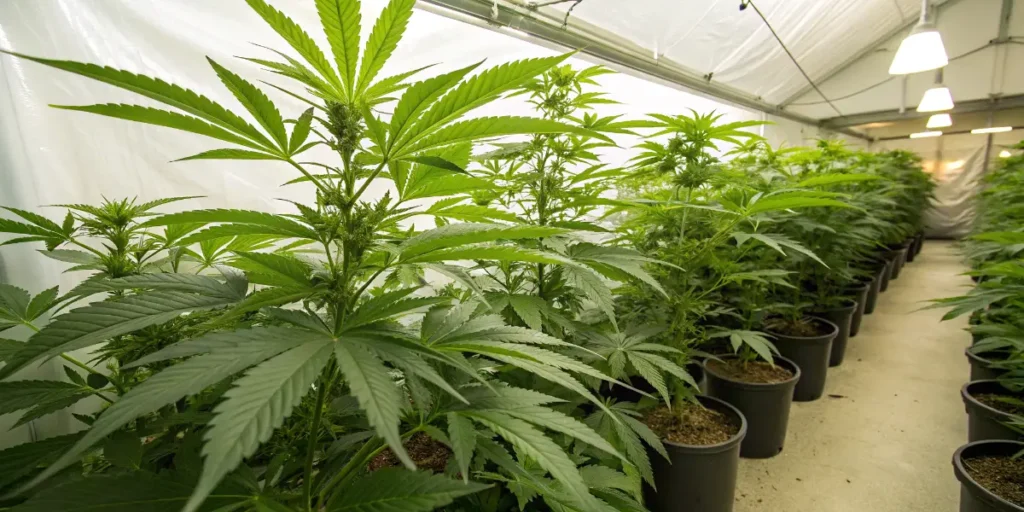
To ensure the vitality of cannabis plants like Hindu Kush, growers must be proactive in preventing common pests and diseases. Regularly inspect the plants for signs of infestations, such as discolored leaves or damaged buds. Utilizing beneficial insects like ladybugs or predatory mites can effectively manage unwanted pests. Keeping the growing environment clean also significantly reduces the risk of disease.
For this variety, maintaining optimal humidity levels is crucial, as excessive moisture can promote mold and mildew. Ensure proper airflow by spacing the plants adequately and using fans to circulate the air. Implementing these practices not only protects the integrity of the crop but also enhances terpene development and potential yield, leading to a successful harvest.
Besides environmental controls, selecting disease-resistant genetics is a smart strategy for robust growth. Hindu Kush, with its resilient nature, offers some level of built-in defense against common cannabis ailments. Nonetheless, diligent monitoring and preventive measures remain pivotal. By nurturing this cultivar with care and attention, growers can cultivate a healthy and bountiful plant.
Harvesting & Drying
To achieve a high-quality yield, timing your harvest is crucial. For this strain, the ideal time to harvest is when the majority of trichomes shift from clear to a milky white color, indicating peak cannabinoid production. Observing the pistils is also vital; harvest when about 70-80% have darkened and curled in, ensuring the plant is mature.
Once harvesting begins, prioritize care and precision to maintain terpene profiles and potency. Trim the larger fan leaves, then cut each branch from the main stem. It’s important for growers to handle the plant gently to prevent damage to the delicate buds, preserving the rich aroma and effects that this variety is known for.
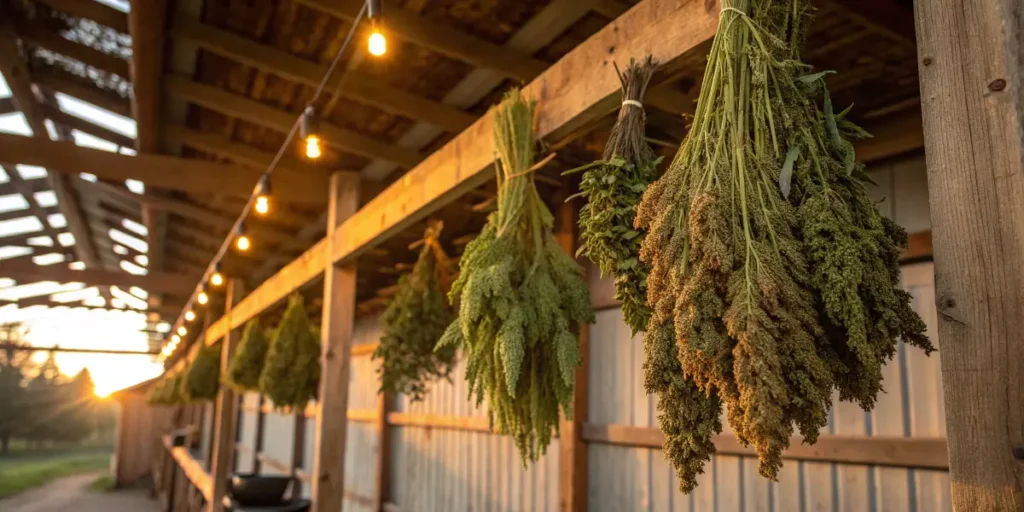
Drying is a slow and steady process to avoid mold and maintain potency in your buds. Hang the branches upside down in a cool, dark environment with humidity levels between 45-55%. This method allows the plant to cure properly, enhancing the flavor and effect profile that makes this cultivar so cherished among cannabis enthusiasts.
The curing stage should not be overlooked in cannabis cultivation. For the best results with Hindu Kush, store the dry buds in airtight jars, opening them daily for air exchange during the first two weeks. This step is critical for developing nuanced terpenes and ensuring that the final product maintains the desired smoothness and potency.
Hindu Kush Strain Type: Indica, Sativa or Hybrid?
Hindu Kush is a classic within the cannabis community, known primarily for its pure indica genetics. This strain originates from the mountainous region between Pakistan and Afghanistan, where it has naturally evolved over centuries. Cultivators appreciate this variety for its robust growth characteristics and resilience, making it an excellent choice for both novice and experienced growers seeking reliable yields.
This cultivar is distinguished by its compact structure and broad leaves, typical markers of indicas, which contribute to its strength and stability. The plant’s buds are dense, offering a substantial harvest when properly cultivated. With a flowering period that suits various environmental conditions, the plant thrives indoors and outdoors, making it versatile for different cultivation setups.
Recognizable by its earthy and pungent terpenes, this strain provides a smooth and relaxing experience. It appeals to those looking for a calming effect, thanks to its indica lineage. As a result, growers aiming for high yields of potent cannabis often prioritize this variety. Its distinct genetic profile champions the sought-after characteristics that have cemented its place in many cultivation operations worldwide.
Why Grow Hindu Kush? Key Benefits for Cultivators
Hindu Kush is renowned for its resilience and adaptability, making it an excellent choice for both novice and experienced growers. This variety is particularly hardy, thriving in challenging environments where other cannabis strains may struggle. Cultivators appreciate its robust nature, as the plant can withstand various stressors, including temperature fluctuations, pests, and diseases, while still producing quality buds.
This strain is celebrated not only for its resilience but also for its impressive yield. Growers often choose it for its generous harvests, which are further enhanced by its short flowering cycle. The plant typically develops dense, resinous buds that are rich in aromatic terpenes, offering a pungent yet delightful aroma. Such characteristics make this cultivar a popular choice for those seeking both quantity and quality.
The unique terpene profile of this genetics contributes to its potent effects and distinct fragrance. Terpenes like myrcene and pinene add to the plant’s allure, attracting cultivators who prioritize both sensory and cultivation attributes. With an appealing combination of high yield, robust growth, and aromatic buds, this variety stands out as a top pick for cannabis enthusiasts looking to maximize their harvests.
Potential Challenges When Growing this Strain
Although Hindu Kush is well-regarded for its robustness, growers may encounter challenges in its cultivation. This strain is naturally resistant to mold and pests, but the plant requires a carefully controlled environment to thrive. Consistent temperatures, preferably within a range common to indoor setups, and proper humidity levels are crucial to avoid hindering its potential yield.
This variety’s sturdy genetics make it hardy, yet growers should monitor nutrient levels to prevent deficiencies that could impact the quality of its buds. Proper balancing of macronutrients and ventilation helps enhance the terpene profile, a major factor in the plant’s aroma and potency. Regular checks ensure healthy growth and ultimately a successful harvest.
Moreover, it is important to note that while the Hindu Kush cultivar often rewards with a rich yield, careful attention is needed during the flowering stage. This is when it is most susceptible to environmental fluctuations, which can affect terpene development. By maintaining an ideal growing environment, cultivators can overcome these challenges and enjoy the full rewards of this resilient cannabis variety.
Is Hindu Kush Worth Buying? Here’s What You Need to Know
Hindu Kush is renowned for its robust genetics, making it a preferred choice among cannabis growers. Known for its resilience, this strain thrives in a variety of climates, offering cultivation versatility. The plant produces generous yields of dense, resinous buds packed with aromatic terpenes. For those seeking a reliable, high-quality cultivar, this variety stands out as a solid investment.
The allure of this strain lies in its potent effects and earthy flavors, which appeal to both recreational users and medical patients. The consistent harvest results and distinctive terpene profile make it a staple among connoisseurs. Ideal for seasoned cultivators and beginners alike, the plant offers an enticing balance of ease of growth and a rewarding yield.
Moreover, the strong lineage of this cultivar ensures a robust growth cycle, suitable for various cultivation methods. Whether grown indoors or outdoors, it adapts well, promising bountiful harvests. For those in the market for a dependable and flavorful cannabis choice, Hindu Kush proves itself to be a worthy and enduring investment.
FAQs: Growing Hindu Kush
What climate is ideal for cultivating Hindu Kush?
Hindu Kush thrives best in a controlled indoor environment where temperature and humidity can be easily managed. However, if you’re growing outdoors, this strain prefers a Mediterranean climate with warm, sunny weather. It is naturally resistant to cooler temperatures, given its origins, but overly wet conditions can be detrimental. Ensuring consistent dry conditions will help maximize the health and yield of the plant.
What is the flowering time for Hindu Kush?
The flowering time for Hindu Kush typically ranges from 7 to 9 weeks when grown indoors, making it an attractive option for those seeking a relatively quick turnaround. Outdoor growers can expect to harvest this variety in late September to early October. Due to its shorter flowering period, the plant is ideal for growers looking to maximize their harvest cycles within a year.
What yield can I expect from Hindu Kush?
Under optimal conditions, Hindu Kush can yield generously. Indoor plants typically produce about 14 to 18 ounces per square meter, while outdoor plants might yield up to 16 ounces per plant. However, these figures depend on various factors including the growing environment, nutrient management, and care taken during the growth phase. Monitoring the plant closely and adjusting your approach will ensure optimal results.
What common problems might I encounter with Hindu Kush?
One common issue growers may face with Hindu Kush is its susceptibility to mold due to dense bud formation. Ensuring good air circulation and managing humidity levels can prevent mold development. Additionally, pay attention to nutrient balance, as over-fertilizing can lead to nutrient burn. Consistently check for pests, and use preventive measures to keep this hardy strain healthy.
What nutrient regimen should I follow for Hindu Kush?
When growing Hindu Kush, a balanced nutrient regimen is crucial. During the vegetative stage, focus on nutrients high in nitrogen. As it transitions to the flowering stage, increase phosphorus and potassium levels while reducing nitrogen to encourage bud growth. Organic feed and natural supplements can boost plant health. Monitoring the plant’s response and adjusting accordingly will ensure it thrives.