
Successfully cultivating this strain begins with choosing the right environment. Whether grown indoors or outdoors, Jack Herer thrives in warm, sunny climates, similar to Mediterranean conditions. For indoor growers, maintaining consistent temperatures between 70-85°F and optimizing humidity levels is crucial. This plant requires well-aerated soil or hydroponic systems, which enhance its nutrient uptake, ensuring robust growth and abundant buds.
Lighting plays a pivotal role in the cultivation of this variety. Indoor growers should provide high-quality LEDs or HPS lights to mimic natural sunlight, essential for photosynthesis. Additionally, this cultivar benefits from pruning to allow more light penetration, enhancing its yield and quality. Keeping a watchful eye on pests and mold ensures the health of the plant through its growth stages.
Nutrient management is critical. Providing balanced nutrients throughout the vegetative and flowering phases will promote healthy terpene development and boost yield. As the flowering stage approaches, reduce nitrogen while maintaining phosphorus and potassium levels. Patience is vital, as this strain takes about 9-10 weeks to mature before offering a rewarding harvest, celebrated for its rich aromatic profile and potent effects.
Jack Herer Strain Overview: Traits, Effects & Genetics
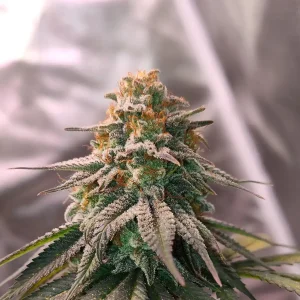
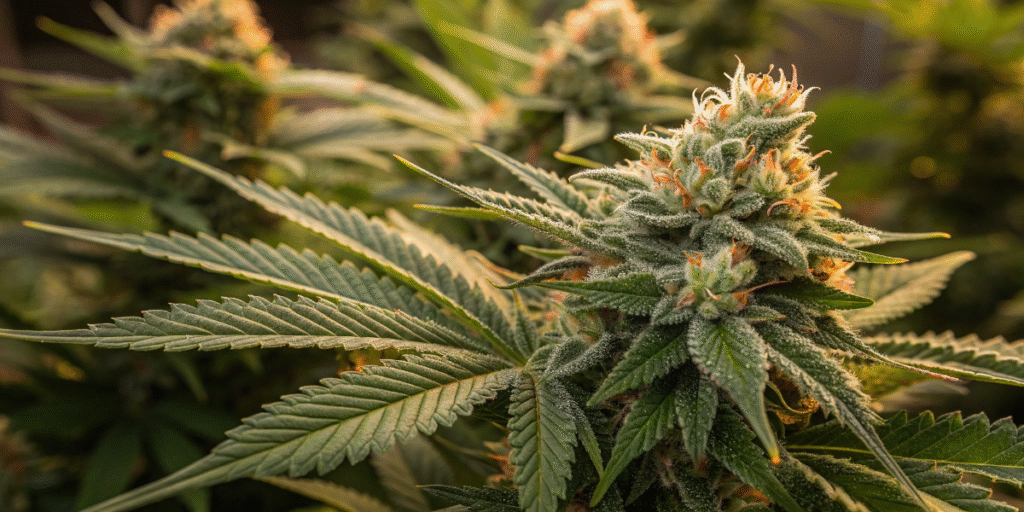
Jack Herer is a celebrated cannabis strain renowned for its balanced composition, offering a harmonious blend of Sativa and Indica effects. This variety is treasured by cultivators for its robust growth patterns and generous yield. The buds of this cultivar are typically dense and resinous, embodying a complex mix of earthy and piney aromas, attributed to its rich terpene profile.
In terms of effects, this strain is prized for its energizing and uplifting properties. Users frequently report enhanced focus and creativity, making it ideal for daytime use. The plant’s ability to deliver a euphoric mental high while simultaneously relaxing the body makes it popular among both recreational and medical cannabis communities. Growers appreciate its consistency in delivering potent effects with every harvest.
Genetically, this cultivar stems from a sophisticated lineage that includes Northern Lights, Shiva Skunk, and Haze. This genetic mix contributes to its resilience in various conditions, allowing it to thrive both indoors and outdoors. With the right cultivation techniques, this plant can produce substantial yields, often flowering within eight to ten weeks, making it a favorite among experienced growers.
Cultivators admire this genetics for more than just its growth capabilities and high yield; it’s also praised for its resin production, which is especially valued in extracting concentrates. The blend of terpenes not only contributes to its unique scent but also enhances the overall experience of consumption. Thus, the Jack Herer stands as a staple in the cannabis community, offering myriad benefits to both users and growers alike.
Optimal Environment to Grow Jack Herer Successfully
Creating the perfect environment for cultivating this strain is essential for maximizing its yield and potency. This variety thrives in controlled indoor settings where growers can closely monitor temperature and humidity. Maintaining a temperature between 70-85°F ensures that the plant develops robustly. A consistent lighting schedule with high-quality grow lights also plays a crucial role in replicating ideal outdoor conditions.
The importance of humidity control cannot be overstated for this cultivar. During the vegetative stage, keeping the humidity around 60% promotes healthy growth. As the plant transitions to the flowering stage, reducing humidity to about 40-50% helps prevent mold and enhances the development of its aromatic buds. This adjustment encourages the rich terpene profile for which the plant is known.
Besides temperature and humidity, airflow is a key factor in the successful cultivation of this genetics. Installing oscillating fans within the grow space ensures proper air circulation, preventing the buildup of stagnant air and reducing the risk of pest infestations. Adequate ventilation also promotes the strengthening of the plant’s stems, supporting its structure and prolific bud production.
Jack Herer’s unique needs mean that nutrient plans should be customized according to its growth stages. The use of a balanced nutrient mix, rich in nitrogen during the vegetative stage and high in phosphorus and potassium during the flowering stage, supports optimal plant health and yield. With these factors in harmony, growers can achieve a bountiful and rewarding harvest of this exquisite cannabis variety.
Grow Room Setup
Setting up a grow room for this strain requires careful consideration of environmental conditions. Ideal for both novices and seasoned growers, this variety flourishes in a controlled indoor setting. Ensure your space offers proper ventilation, as it helps maintain optimal humidity levels, essential for the plant’s development. Invest in equipment like fans and exhaust systems to facilitate airflow, crucial for healthy cannabis cultivation.
Lighting plays a pivotal role in the growth of this cultivar. Jack Herer plants thrive under high-intensity discharge lamps or LED grow lights, which simulate the full spectrum of sunlight. Maintain consistent light cycles, typically 18 hours of light and 6 hours of dark during the vegetative stage, to promote vigorous growth and robust buds.
Temperature and humidity must be meticulously managed for maximum yield. The ideal temperature range for this plant is between 70-85°F during the day and slightly cooler at night. Aim for humidity levels around 40-50% during the flowering stage to prevent mold while enhancing terpenes, contributing to the distinctive aroma and flavor profile of the buds.
Soil quality and nutrients also significantly impact the health of your Jack Herer plants. Use well-aerated, nutrient-rich soil to provide a stable foundation for root development. Implement a feeding schedule tailored to its life cycle, emphasizing nitrogen during the vegetative stage and phosphorus and potassium during flowering. This careful management results in a bountiful and fragrant harvest.
Indoor Growing Tips for Jack Herer
To successfully cultivate Jack Herer indoors, pay close attention to temperature and humidity levels. The plant thrives in a stable environment where temperatures range between 70-85°F, with humidity levels kept around 40-50%. Consistent conditions help this variety develop dense buds enriched with aromatic terpenes, creating an ideal setting for healthy growth and bountiful yield.
Effective lighting is crucial for maximizing the potential of this cultivar. Utilize high-intensity lights, such as LED or HPS, to ensure it receives sufficient illumination throughout its lifecycle. Aim for 18-24 hours of light during the vegetative stage to promote robust stem and leaf development, then switch to 12 hours of light in the flowering stage to optimize the harvest.
Nutrient management is key to unlocking the full potential of the plant. Consider using a well-balanced nutrient solution that supports both vegetative and flowering stages. Implement regular feeding and watering schedules, ensuring the soil is neither too wet nor too dry. By maintaining these conditions, growers can achieve a flavorful yield with impressive potency and vibrant buds.
Outdoor Growing Tips for Jack Herer
Jack Herer thrives in mild, sunny climates, making it ideal for outdoor cultivation. To optimize growth, ensure the plant receives ample sunlight, as it can significantly impact the development of satisfying buds. For growers seeking robust yields, it’s essential to provide nutrient-rich soil and regular watering, while ensuring proper drainage to prevent root rot and other issues.
During the vegetative stage, training techniques such as topping and low-stress training can be beneficial. These methods help maximize light exposure to all parts of the plant, encouraging healthy growth and larger yields. This variety is known for its resilience, but regular monitoring for pests, such as aphids and spider mites, is crucial for maintaining plant health and ensuring a bountiful harvest.
As flowering begins, this strain typically benefits from a reduction in humidity to prevent mold, especially as buds thicken. Pay attention to the plant’s terpene profile, as environmental factors like temperature can affect the scent and flavor. Harvest maturity is best determined by trichome color, aiming for a milky appearance for a well-balanced cannabinoid and terpene spectrum.
How to Germinate & Propagate Jack Herer
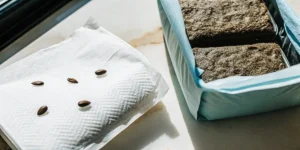
To successfully germinate this strain, start by soaking the seeds in room temperature water for 12 to 24 hours until they swell. Once soaked, place them between moist paper towels and keep them warm, ensuring they are not exposed to direct sunlight. This encourages healthy root development, an essential step for cultivating the plant’s robust terpenes and achieving a high-quality yield.
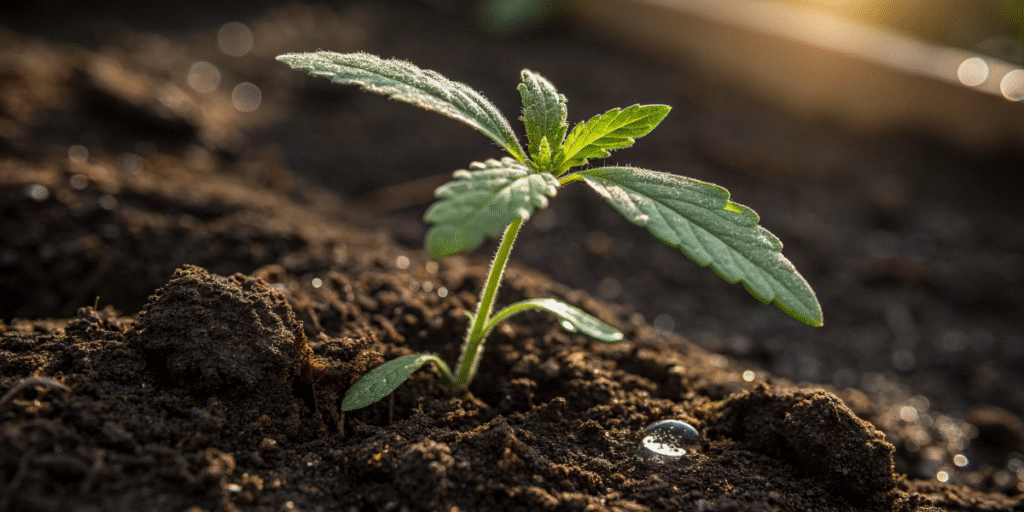
After germination, transfer the seedlings into a well-draining soil mix, ideally with perlite or vermiculite to boost aeration. Growers should maintain a temperature range between 70°F and 85°F, which is vital for the plant’s growth. Adequate light is necessary during this stage, providing at least 18 hours of light daily to support strong vegetative development.
When propagating this variety through cloning, select healthy mother plants exhibiting desired characteristics such as vigorous growth and strong bud formation. Clip a 4 to 6-inch stem and trim any lower leaves, then dip the cut end in a rooting hormone. Plant the cutting into a rooting medium and keep it humid and warm to enhance root formation.
Monitoring the moisture levels is critical during propagation to prevent mold, which can impede the plant’s growth. Once rooted, transfers should be made to larger pots where the plant can continue to thrive. For Jack Herer, employing these meticulous propagation techniques ensures a bountiful harvest while preserving the desired qualities of this renowned cannabis cultivar.
Vegetative Stage: Nurturing Your Plants
Nurturing Jack Herer during its vegetative stage is crucial for robust growth. This strain thrives with adequate lighting, ideally between 18-24 hours of light daily. Proper light exposure ensures the plant develops sturdy stems and healthy leaves necessary for the upcoming flowering phase. Maintaining a reliable light cycle will maximize photosynthesis and support overall cannabis cultivation success.
Besides lighting, water management is essential for this variety. The plant requires regular watering, ensuring the soil remains moist but not soggy. Overwatering can lead to root rot, while under-watering can stunt growth. Implement a consistent watering schedule and adjust as needed based on environmental conditions and the plant’s specific needs. This careful attention will contribute to higher yields.
Growing mediums greatly impact how this cultivar develops in the vegetative phase. Many growers prefer using well-aerated soil enriched with organic nutrients to enhance plant health and vigor. Adding amendments like perlite can improve soil aeration and drainage, fostering a strong root system. Investing in high-quality potting mixtures can make a notable difference in the plant’s overall performance.
Nutrient management is another critical factor in nurturing Jack Herer. During this stage, providing a balanced diet with a focus on nitrogen-rich fertilizers encourages foliage growth. Monitoring pH levels helps ensure nutrient uptake is optimized, preventing nutrient lockout. By addressing these factors, cultivators can anticipate a rewarding harvest with aromatic buds rich in terpenes.
Flowering Jack Herer: What to Expect
The flowering phase of this strain is an exciting time for cannabis growers. Typically, this cultivar takes about 8 to 10 weeks to fully mature, with some variation depending on the environment and cultivation techniques used. The plant is known for its robust growth and can produce high yields when properly cared for, making it a favorite among cultivators.
During flowering, this variety develops dense buds covered in a thick layer of trichomes, which contribute to the potent terpene profile that Jack Herer is celebrated for. The aroma permeates the growing area with hints of pine and citrus, creating an enticing olfactory experience. Due to its vigorous growth, staking may be necessary to support the heavy colas.
Proper environmental controls are essential during the flowering stage. Keeping humidity levels in check will help prevent mold and mildew, while consistent temperature regulation fosters optimal bud development. This cultivar thrives in well-ventilated spaces, which helps maintain airflow and stave off potential issues, ensuring a successful harvest of quality buds.
As the flowering period concludes, growers will observe the resinous buds reaching their peak potency. A careful watch on the trichomes can help determine the perfect harvest time, ensuring the desired balance between cannabinoids and terpenes. With proper technique and patience, the effort invested in cultivating this plant will be richly rewarded with a bountiful yield.
Fertilizers & Nutrient Schedule
Feeding this cultivar properly is crucial for successful cannabis cultivation. During the vegetative stage, it requires a high nitrogen intake to promote healthy growth. Additionally, phosphorus and potassium are vital to start forming a strong root system. A well-balanced nutrient solution designed for cannabis can ensure that the plant receives these essential elements.
As Jack Herer transitions into the flowering stage, growers should adjust the nutrient mix. Reducing nitrogen while increasing phosphorus and potassium will aid in bud development. The plant benefits from supplements like calcium and magnesium, supporting robust structure and improving bud quality. Consistent feeding schedules optimize terpene profiles and overall yield.
The plant thrives best with a precise pH level in its nutrient solution, ideally between 6.0 and 7.0. Monitoring and adjusting the pH ensures that nutrients remain accessible, preventing deficiencies. A reliable routine, feeding with every watering encourages optimal growth. Utilizing automated systems or nutrient calculators maintains consistency and minimizes human errors during cultivation.
Timing the harvest is just as vital as the nutrient regimen and directly impacts the quality of Jack Herer. Observing trichome development signals when to flush and halt nutrients, clearing excess salts from the system. This process enhances terpene expression and elevates the final product’s flavor and aroma, which is particularly cherished in this strain.
Pest and Disease Prevention for Healthy Cannabis Plants
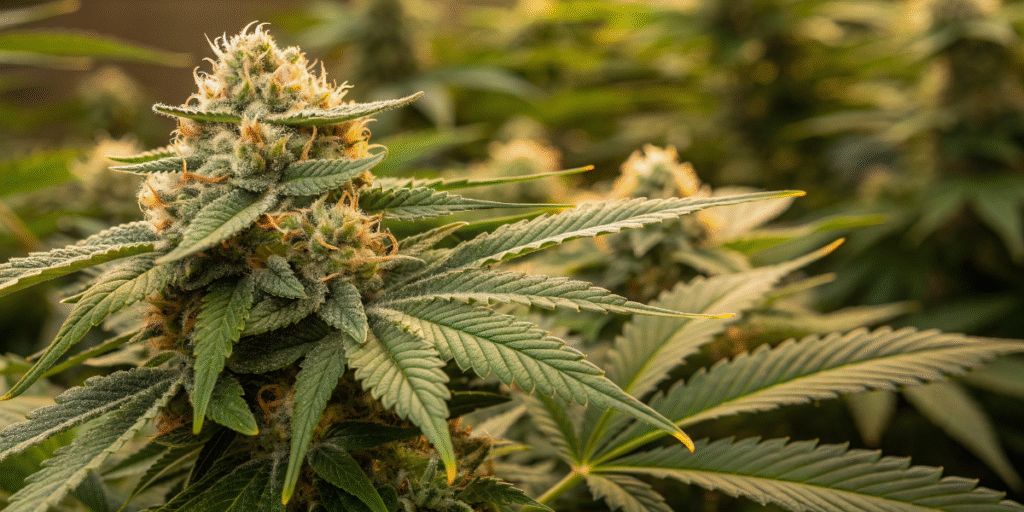
Maintaining the health of your cannabis plants is crucial for maximizing yield and the quality of buds. Preventing pests and diseases in your cultivation project begins with diligent monitoring. Regularly inspecting this strain can help identify problems early. This variety, known for its robust growth, requires consistent airflow and humidity control to prevent mold and mildew, common threats to cannabis plants.
For growers focusing on Jack Herer, maintaining cleanliness in the growing area is essential. Remove dead leaves and debris, which could harbor pests like aphids and spider mites. Implementing an integrated pest management system, combining biological controls with careful chemical use, can safeguard your genetics. This proactive approach prevents infestations, protecting the plant’s vibrant terpenes and potential harvest yields.
Nurturing this cultivar involves ensuring optimal nutrition, as nutrient-deficient plants attract diseases. Rotate crops and, where possible, introduce companion plants that repel harmful insects naturally. With these strategies, growers can maintain healthy buds and maximize the success of Jack Herer during harvest. Consistent care and a strategic approach are key to thriving cannabis cultivation.
Harvesting & Drying
Determining the optimal time to harvest this cultivar is crucial for maximizing the potency and flavor profile. For an ideal harvest, growers should closely monitor the trichomes with a magnifying glass. When cultivating this strain, the trichomes turn from clear to a milky white, indicating peak readiness. Typically, Jack Herer is ready for harvest after approximately 8-10 weeks of flowering.
After the buds are harvested, proper drying ensures the preservation of terpenes and cannabinoids. Begin by trimming excess leaves from the plant. This variety should be hung upside down in a dark, well-ventilated space with controlled temperature and humidity. Conditions between 60-70°F (15-21°C) and 45-55% humidity are generally ideal to prevent mildew and mold, thus protecting the delicate buds.
Throughout the drying process, maintaining a slow and steady pace is key to preserving the nuances of this genetics. This typically takes about 7-10 days. Growers should aim to keep the environment stable, as fluctuations can compromise the final quality. Once the stems of the buds snap rather than bend, the plant is effectively dried and ready for the next step.
Following drying, curing is the final phase to enhance the cannabis’s flavor and potency. This involves placing the buds in airtight containers and storing them in a cool, dark place. Regularly burping the containers by opening them briefly each day stabilizes moisture levels. Adhering to these practices ensures that the full spectrum of terpenes and the exceptional yield of Jack Herer is realized and savored.
Jack Herer Strain Type: Indica, Sativa or Hybrid?
Jack Herer is a renowned cannabis strain celebrated for its balanced genetic profile. As a hybrid, this strain masterfully combines the best traits of both Indica and Sativa varieties. It often features energizing and uplifting effects thanks to its Sativa lineage, while also offering relaxation and stress relief commonly associated with Indica genetics. Growers appreciate its diverse growth characteristics that cater to various cultivation setups.
This variety typically exhibits vibrant green buds with a rich concentration of terpenes, which contribute to its distinct aroma and taste. Cultivators often note the plant’s ability to produce abundant yields, making it a popular choice among those looking to maximize harvest potential. The blend of relaxing and invigorating effects ensures that it stands out as a versatile option for various consumer preferences.
The plant’s hybrid nature allows for adaptability in different environments, whether indoors or outdoors, making it accessible for both novice and experienced growers. The robust genetics of this cultivar provide resilience against many common pests and diseases, promoting a healthy growth cycle. By knowing the hybrid characteristics of Jack Herer, cultivators can optimize its cultivation conditions and enjoy a rewarding yield.
Why Grow Jack Herer? Key Benefits for Cultivators
Jack Herer is renowned among cannabis cultivators for its robust growth and high-yield potential. This strain offers growers the advantage of relatively straightforward cultivation, with the plant proving resilient against common pests and mold. Its sativa-dominant genetics make it a favored choice for those seeking a vigorous vegetative cycle and rewarding harvest.
Besides its resilience, this variety is celebrated for its bouquet of aromatic terpenes, which include spicy, piney, and citrus notes. These terpenes not only enhance the sensory experience but also significantly contribute to the plant’s popularity. The captivating aroma profile ensures that the buds appeal to both connoisseurs and occasional users alike.
A key benefit for growers is the impressive yield this cultivar can produce. Under optimal conditions, it is known to deliver sizeable and dense buds, making it an economical choice for cultivators aiming for maximum productivity. The balance of quality and quantity makes this genetics a standout pick for both commercial and personal production.
Potential Challenges When Growing this Strain
When cultivating this variety, growers often encounter challenges with climate control. It thrives in a balanced environment where temperature and humidity are closely monitored. This strain is sensitive to extreme conditions, and ensuring optimal settings is crucial for developing the rich terpene profile and maximizing the cannabis plant’s potential for high yields.
Another challenge faced when growing this cultivar is pest management. Jack Herer is susceptible to common cannabis pests like spider mites and aphids. Implementing an integrated pest management strategy, which includes regular monitoring and natural deterrents, will help maintain plant health. Such proactive measures ensure minimal damage and lead to a bountiful harvest of high-quality buds.
Nutrient management is vital for this plant’s success. Overfeeding or underfeeding can significantly affect its growth and end results. Growers need to provide a balanced mix of nutrients, adjusting throughout its life cycle. By doing so, they will support robust development and potent, fragrant buds, allowing the genetics of this renowned strain to truly shine.
Is Jack Herer Worth Buying? Here’s What You Need to Know
When considering which cannabis strain to purchase, the decision often comes down to the plant’s attributes. Jack Herer, known for its balanced effects and appealing flavor profile, is a favorite among many growers and consumers. This genetics boasts a pleasant mix of earthy and citrus notes, thanks to its unique terpene composition, making it a standout choice for those seeking quality buds.
This variety is not just popular for its taste; it’s also a reliable choice in terms of yield. Cultivation enthusiasts appreciate its relatively straightforward growth process, promising a bountiful harvest with the right care. Maintaining optimal conditions enhances the plant’s quality, providing a rewarding experience for both novice and experienced growers alike.
The versatility of this cultivar makes it suitable for various applications, from recreational to medicinal use. Its uplifting and cerebral effects are cherished by many and contribute to its enduring reputation. Whether you’re seeking therapeutic benefits or simply a pleasurable experience, investing in this strain is often regarded as a worthwhile decision by cannabis connoisseurs.
FAQs: Growing Jack Herer
What is the ideal climate for growing Jack Herer?
Jack Herer thrives in a warm and sunny Mediterranean-like climate. This strain prefers temperatures between 70 to 85 degrees Fahrenheit during the day. It’s crucial to maintain a stable environment to prevent stress on the plant. While it can be grown indoors, outdoor cultivation in suitable climates tends to maximize its potential yield and resin production. Proper ventilation and pest management are also vital for a successful harvest.
How long does the flowering period last for Jack Herer?
This cultivar typically has a flowering period of around 8 to 10 weeks. When grown indoors, maintaining optimal light cycles and nutrient schedules can enhance its development. Outdoor growers should aim for a harvesting window around late September to early October, depending on their local climate. Monitoring trichomes during this phase will help determine the perfect harvest time for Jack Herer to ensure peak potency and flavor.
What yield can be expected from Jack Herer?
Under optimal conditions, Jack Herer can produce generous yields. Indoor setups might yield around 18 ounces per square meter, while outdoor plants can reach up to 25 ounces per plant. It’s vital to provide adequate light, nutrients, and space for this variety to flourish. Using techniques like pruning and maintaining plant health can significantly impact the overall yield and quality of the harvest.
What are common growing challenges with Jack Herer?
Jack Herer can be susceptible to mold and mildew due to its dense buds. To mitigate these risks, ensure proper humidity control and ventilation. Overwatering is another common issue, so allowing the soil to dry out slightly between waterings is recommended. Nutrient deficiencies or burns can also occur if not carefully managed. Regular monitoring and adjustment of pH levels and nutrient schedules are essential to the plant’s health.
Are there specific training techniques recommended for Jack Herer?
Training techniques like low-stress training (LST) and topping work well with Jack Herer. LST involves gently bending and tying down stems to promote an even canopy and better light penetration. Topping helps encourage bushier growth and can increase yields. Both methods require careful execution to avoid plant stress. These techniques are recommended for growers aiming to maximize space and ensure optimal light distribution within their grow area.