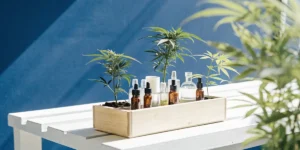

Starting the cultivation of Jealousy requires attention to detail from the onset. Ensure you have a suitable setup with proper lighting and a controlled environment to optimize growth. Jealousy thrives in both indoor and outdoor settings, but controlled indoor environments often yield better results. Invest in quality soil and maintain a pH balance between 6.0 and 7.0 for optimal nutrient uptake.
During the vegetative stage, focus on building a robust structure for the plant. This variety benefits from techniques like topping and low-stress training, which encourage bushier growth and can lead to higher yields. Provide consistent lighting, ideally 18 hours per day, and ensure the humidity is kept between 40-70% to cater to its growing needs effectively.
As the plant transitions into the flowering stage, reduce the light cycle to 12 hours. Pay closer attention to nutrients and consider boosting phosphorus and potassium for enhanced bud development. Monitor the plant for signs of pests or mold, and adjust environmental conditions as needed. With the right care, this cultivar will reward growers with a generous harvest rich in terpenes.
Jealousy Strain Overview: Traits, Effects & Genetics
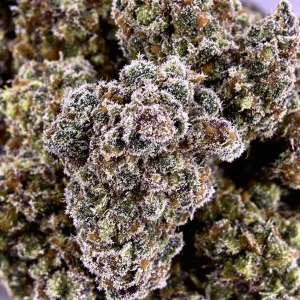
Jealousy is a cannabis strain that has captivated growers with its remarkable attributes. Known for its balanced indica-sativa blend, this plant showcases an impressive profile of characteristics. The vibrant buds are rich in terpenes that contribute to a potent aroma and tantalizing flavor. Cultivators are drawn to this variety not only for its distinctive qualities but also for the promise of a bountiful yield.
In terms of effects, this strain offers a harmonious experience for users. The onset of its effects is swift, providing an uplifting cerebral high coupled with a soothing body relaxation. These balanced effects make it an excellent choice for both day and night use. Users often report heightened creativity and a sense of calm, making the plant versatile for various occasions and preferences.
Jealousy’s robust genetics play a significant role in its appeal to growers. The parentage of this cultivar includes some of the finest cannabis strains, ensuring resilient growth and vigorous health. Cultivation of this variety is relatively straightforward, as it adapts well to various environments, whether grown indoors or outdoors. The genetic strength contributes to a reliable and satisfying harvest.
When it comes to cultivation, those who grow this cultivar can expect a rewarding process. With optimal care, this plant can produce resinous buds packed with aromatic terpenes, elevating both the sensory experience and the overall yield. As more growers have the opportunity to cultivate it, the acclaim for its extraordinary effects and resilient genetics continues to grow within the community.
Optimal Environment to Grow Jealousy Successfully
Creating the ideal environment for growing this strain is crucial for maximizing its potential. The plant thrives in a climate where the temperature ranges between 70-80°F during the day and slightly cooler at night. Ensuring that these conditions are consistently maintained helps promote healthy growth and a robust yield. Monitoring temperature and humidity is essential to avoid stressing the cannabis.
This cultivar benefits from a clear light regimen, requiring 18 hours of light and 6 hours of darkness during the vegetative stage. Once it begins to flower, adjusting to 12 hours of light and 12 hours of darkness encourages optimal bud development. Using full-spectrum lamps can enhance the terpene profile, increasing the quality and potency of the harvest.
Maintaining the right humidity levels is critical for this variety. During the vegetative phase, keeping humidity around 50-60% is ideal. As the plant transitions to flowering, reducing the humidity to 40-50% helps prevent mold and mildew while enhancing bud density. Adequate ventilation ensures consistent airflow, reducing the risk of moisture-related issues in the grow area.
Soil quality significantly impacts the growth of Jealousy. Employing a well-draining soil rich in organic matter aids in providing the nutrients it needs for vigorous growth. Regularly checking pH levels to keep them between 6.0 and 6.5 ensures nutrient uptake efficiency. By creating these optimal conditions, growers can expect a bountiful harvest from the plant.
Grow Room Setup
When cultivating this strain, creating the ideal environment is crucial for optimal growth and yield. Start with a dedicated space that offers consistent temperature and humidity control to support the plant’s needs. Jealousy thrives in a climate-controlled area where growers can maintain temperatures between 70-80°F during the day and slightly cooler at night for best results.
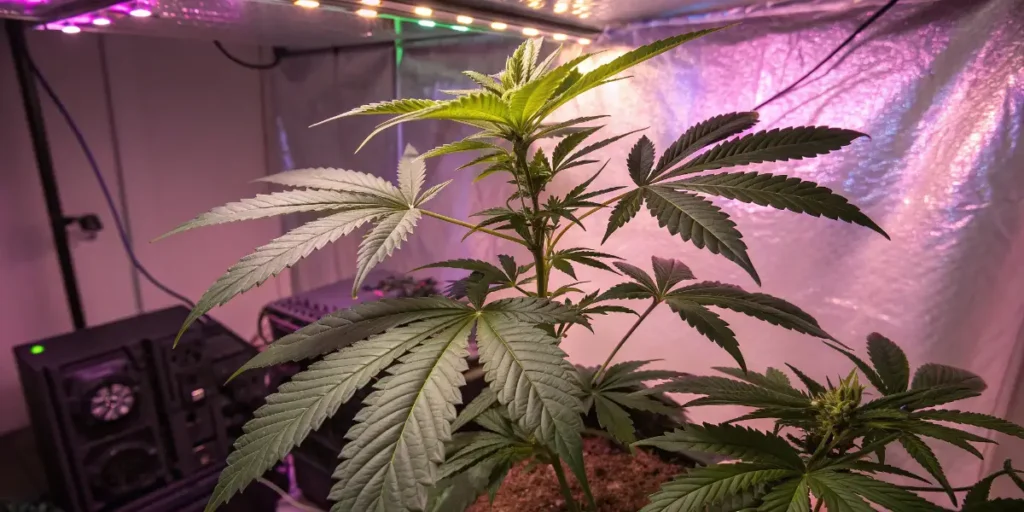
Lighting plays a critical role in the development of this variety. Full-spectrum LED lights are recommended, as they provide the necessary light spectrum for healthy cannabis growth while remaining energy-efficient. Ensure the lights are adjustable, allowing you to modify their height as the plant grows taller, ensuring buds receive adequate coverage at every stage of cultivation.
Proper ventilation is vital to prevent mold and pest issues in your grow room. A robust exhaust system paired with oscillating fans can ensure that air circulation is consistent, aiding in terpene potency and overall plant health. Dehumidifiers can also be beneficial in maintaining the ideal relative humidity levels around 40-50% during flowering, fostering a better harvest.
Incorporating the right growing medium is another key component for success with this cultivar. Whether you choose soil or a hydroponic system, ensure the medium is rich in nutrients to support vigorous plant development. Regular monitoring of pH levels and nutrient intake is imperative for Jealousy to flourish, ultimately leading to abundant and aromatic buds.
Indoor Growing Tips for Jealousy
For successful cultivation of Jealousy indoors, start with high-quality soil and maintain optimal nutrient levels. This cultivar thrives in a controlled environment where temperature and humidity are consistently managed. Growers should aim for temperatures between 70-80°F and keep humidity levels between 40-60% during flowering to promote healthy bud development and increase the final yield.
Lighting is crucial for the plant’s growth cycle; therefore, full-spectrum LED lights are recommended to mimic natural sunlight. During the vegetative stage, maintain an 18/6 light-dark cycle, then switch to 12/12 to induce flowering. This variety responds well to techniques like topping and low-stress training, which allows for more light penetration and can enhance the overall return at harvest.
Proper air circulation prevents mold and pests, essential for maintaining the health of this cultivar. Use fans and vents to ensure a fresh airflow around the plants. Monitoring and adjusting pH levels of the water and soil can further refine the growth environment, ensuring that the plant’s terpenes develop to their full aromatic potential by the time it’s ready for harvest.
Outdoor Growing Tips for Jealousy
For those cultivating Jealousy outdoors, selecting the right environment is crucial. This variety thrives in regions with consistent sunshine and minimal temperature fluctuations. Ensure the plant receives at least 8 hours of direct sunlight daily to maximize its terpene profile. Also, the choice of soil is important well-draining, nutrient-rich soil can significantly boost the yield and overall health of the plant.
When growing this cultivar, consider its water requirements. It benefits from deep but less frequent watering, allowing the roots to absorb moisture effectively without becoming waterlogged. Mulching can be beneficial to retain soil moisture during hotter months. Regularly check for signs of pests, as outdoor plants can be more vulnerable, and use natural repellents to protect the buds.
Pruning is essential for this genetics to ensure adequate airflow and to reduce the risk of mold, particularly in humid climates. Removing the lower, non-productive branches directs energy to the upper buds, enhancing harvest quality. As harvest time approaches, inspect the trichomes for a cloudy appearance, which indicates optimal terpene and cannabinoid levels, ensuring a potent and rich yield.
How to Germinate & Propagate Jealousy
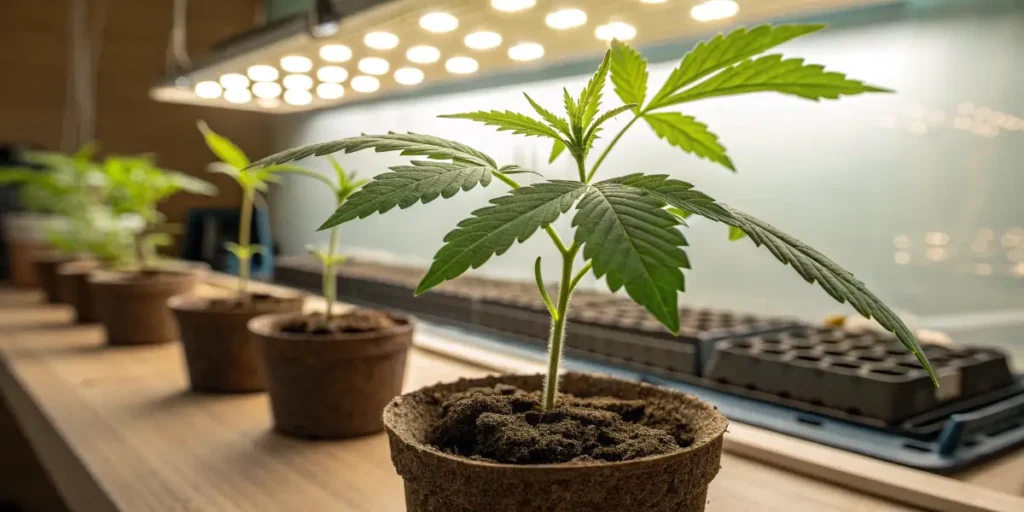
Successfully germinating cannabis seeds is the first crucial step in cultivating this strain. Begin by soaking the seeds of this cultivar in water for 12-24 hours, a gentle method to encourage initial sprouting. After soaking, place the seeds between moist paper towels, ensuring they stay damp but not overly wet. This approach promotes optimal root development, ensuring the plant’s robust start.
Once the seeds of this variety show tiny roots emerging, they are ready to be planted. Carefully place each seed into a small pot filled with high-quality soil, ensuring the root is facing downward. Position each seed about half an inch beneath the surface. Consistent moisture and warm temperatures are essential at this stage to support healthy germination, leading to vigorous growth and eventual buds formation.
Transplanting the young plants after they have established roots is the next key step. This process is best done when each has developed a solid root base. Ensure adequate space for each plant as this will impact both light access and airflow. For optimal yield and terpenes production, controlling these environmental factors early ensures the plant reaches its full potential.
Propagation from cuttings can also be implemented once the plant reaches maturity. By selecting healthy branches and using proper rooting techniques, growers can create clones of Jealousy, maintaining genetic consistency. This method is valuable for preserving the unique attributes of the strain. It also allows greater control over the cultivation process, potentially enhancing overall harvest outcomes.
Vegetative Stage
During the vegetative stage, ensuring adequate light exposure is crucial for the healthy development of the Jealousy cannabis strain. Growers should maintain an 18/6 light cycle, enabling this variety to photosynthesize efficiently, which is critical in setting the foundation for robust growth. Consider using LED grow lights to optimize energy consumption while effectively nurturing the plant.
It is essential to monitor the nutrient intake of this lush cultivar. A balanced diet with a focus on nitrogen can aid in the formation of strong stems and leaves. Regularly check soil pH levels to maintain an ideal range of 6.0 to 7.0, facilitating optimal nutrient absorption, which ultimately contributes to impressive yields and enriched terpene profiles.
Providing adequate space for your Jealousy plants to grow is vital, as these genetics are known for their vigorous growth during the vegetative phase. Pruning lower branches can enhance airflow and light penetration, reducing the risk of mold and mildew. Consider employing techniques like topping to encourage the development of multiple colas, promoting a higher yield during harvest.
Maintaining proper humidity levels between 40-60% supports healthy growth for this strain. Use fans to circulate air and prevent heat stress, especially during warmer months. Regularly inspect the plant for pests and diseases to ensure a healthy vegetative cycle. These steps will prepare your Jealousy cannabis plants for a successful transition into the flowering stage, maximizing their budding potential.
Flowering Jealousy: What to Expect
When cultivating this strain, growers can anticipate a flowering period that spans approximately 8 to 10 weeks. The plant develops dense buds rich in terpenes, which emit a captivating aroma. Maintaining optimal conditions during this stage is crucial for healthy development and maximizing yield. Regular monitoring of humidity and temperature ensures the buds reach their full potential.
This cultivar requires careful attention to feeding schedules during flowering. Providing the right nutrients encourages robust growth and resin production. Growers should aim for a balanced mix of phosphorus and potassium to support the plant’s needs. It’s important to keep an eye on nutrient levels, as deficiencies can hinder the development of the plant’s rich and aromatic buds.
The plant’s resilience makes it suitable for a variety of growing environments, whether indoors or outdoors. This variety can adapt well to different conditions, yet prefers a stable climate with enough sunlight. For those growing indoors, ensuring adequate lighting can further enhance the plant’s desired characteristics and improve bud quality. Proper airflow is also essential to prevent mold and pest issues.
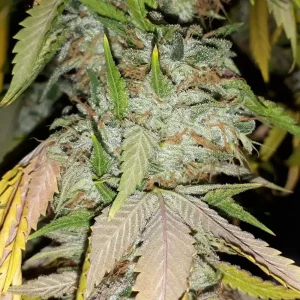
As harvest nears, Jealousy’s buds will display a vibrant coloration and intense fragrance, indicative of their readiness. Growers should carefully observe the trichomes, which will turn milky white and then amber as the optimal harvest time approaches. By carefully managing the cultivation process, this genetics promises a rewarding yield with a distinct aroma and flavor profile.
Fertilizers & Nutrient Schedule
To ensure the optimal growth of Jealousy, a carefully planned nutrient schedule is essential. This strain thrives with a well-balanced mix of macronutrients, including nitrogen, phosphorus, and potassium. During the vegetative stage, providing the plant with higher levels of nitrogen encourages vigorous growth. Gradually adjusting nutrient levels prepares it for the transition to the flowering stage, maximizing yield potential.
As this variety enters the flowering phase, it’s crucial to adjust the nutrient ratio by reducing nitrogen and increasing phosphorus and potassium. This shift supports the development of robust buds and enhances terpene production, contributing to its distinctive aromatic profile. Maintaining a consistent feeding schedule during this period helps prevent nutrient deficiencies and encourages the proper maturation of the flowers.
Monitoring pH levels is crucial when cultivating this strain, as imbalances can impede nutrient uptake. Maintaining a pH range of 6.0 to 6.5 ensures optimal absorption. Growers should regularly check nutrient solution acidity and adjust as necessary. Additionally, flushing the medium with pure water before harvest can help eliminate residual fertilizers, enhancing the cannabis’s flavor and aroma.
To optimize the yield and quality of the plant, fine-tuning the nutrient regimen based on environmental factors is necessary. By observing how the cultivar responds to different fertilizer concentrations, adjustments can be made to meet its specific needs. Each change, however, should be incremental, as drastic alterations might stress the plant, affecting its overall performance and harvest outcomes.
Pest and Disease Prevention for Healthy Cannabis Plants
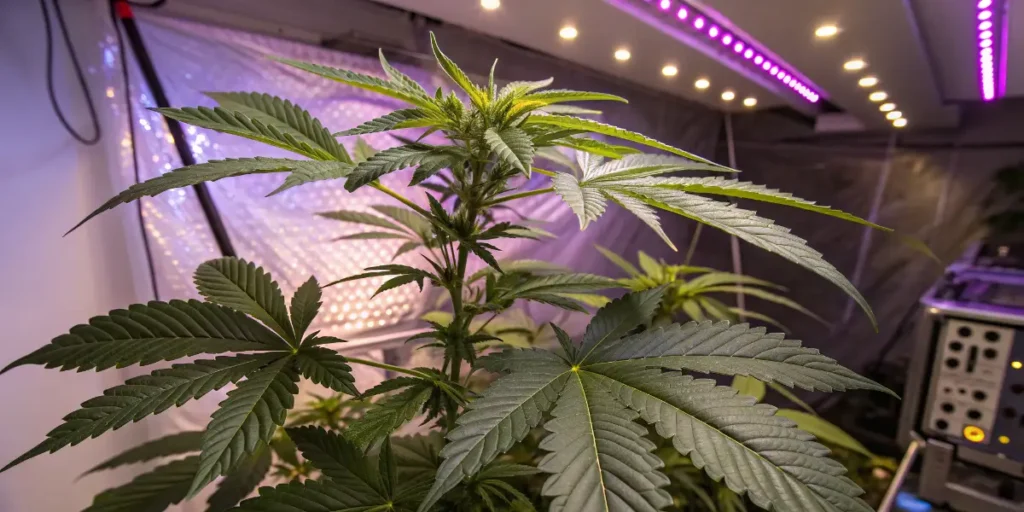
Protecting your cannabis crops from pests and diseases is crucial for maximizing yield and maintaining the quality of your harvest. For growers cultivating this strain, prevention starts with ensuring optimal environmental conditions. Regularly monitor humidity levels and air circulation, as these can deter common issues like mold and mildew. Healthy soil and proper sanitation go a long way in keeping the plant resilient against infestations.
This variety is known for its robust growth, but vigilance is essential to keep pests at bay. Applying natural insect repellents such as neem oil helps in safeguarding your buds. Encouraging beneficial insects like ladybugs and predatory mites can further protect this cultivar by naturally controlling harmful pests. These organic practices contribute to a chemical-free growing environment.
For cannabis cultivators of Jealousy, early detection is key. Regular inspections of the plant can help identify signs of trouble before they escalate. Look for unusual spots or deformations on leaves, which may signal an issue. Harnessing the power of healthy microbial life in the soil ensures a balanced ecosystem that supports the plant’s growth and terpene development, leading to a successful harvest.
Harvesting & Drying
Timing is crucial when it comes to harvesting this strain to maximize its potency and yield. Growers should monitor the trichomes on the buds carefully; they turn from clear to a milky white and, finally, to an amber hue. These tiny resin glands are vital indicators of peak ripeness, helping to determine the best moment to harvest.
Once the ideal harvest time arrives, cutting down the plant should be done during the morning when terpenes are most concentrated. Using clean, sharp shears can prevent unnecessary damage to it. Collect the branches and remove large fan leaves, leaving the smaller sugar leaves intact, as they protect the buds during the initial drying phase.
It’s essential to dry the harvested cannabis properly to preserve its rich terpene profile and aroma. Hang the branches upside down in a dark, well-ventilated space with temperatures between 60-70°F and humidity around 50%. This method allows the buds of this variety to dry evenly, preventing mold and preserving quality.
Jealousy benefits significantly from a slow and steady drying process, which can take up to two weeks. Once adequately dried, growers should cure the buds in airtight containers, opening them daily to release excess moisture. Proper curing enhances the flavors and smoothness, ensuring the cannabis delivers a premium experience.
Jealousy Strain Type: Indica, Sativa or Hybrid?
Jealousy is best classified as a hybrid, offering a balanced mix of Indica and Sativa attributes. This blend makes the plant suitable for various cultivation environments, appealing to both novice and experienced growers. With this variety, cultivators can expect to see a harmonious development in growth patterns, contributing to an optimal yield during harvest.
This cultivar offers unique benefits, thanks to its hybrid nature. Growers can look forward to dense buds that are rich in terpenes, showcasing a complex aromatic profile. The plant’s balanced attributes mean it can thrive in both indoor and outdoor cannabis cultivation setups, making it versatile and adaptable to different climates and growing conditions.
The hybrid nature of this strain ensures that it brings forth the best characteristics of both Indica and Sativa plants. Cultivators can expect an impressive structure that supports a substantial yield, along with buds that provide a well-rounded sensory experience. This balance makes Jealousy a favored choice for those seeking both quality and quantity in their cannabis harvest.
Why Grow Jealousy? Key Benefits for Cultivators
Jealousy offers significant advantages for cannabis cultivators, thanks to its remarkable yield potential and resilience. This strain thrives in various growing environments, making it a favorite among both indoor and outdoor growers. Its ability to produce dense, resinous buds ensures a generous harvest, appealing to those looking for both quality and quantity. Additionally, the plant’s robust genetics provide a sturdy growth profile that minimizes issues during cultivation.
One of the defining features of this variety is its unique terpene profile, which contributes to its alluring aroma and flavor. This cultivar boasts a complex blend of sweet and earthy tones, appealing to connoisseurs who appreciate nuanced sensory experiences. The distinct characteristics of this genetics set it apart, making it a compelling choice for cultivators who value exceptional aromatic qualities in their harvest.
Beyond its aromatic appeal, the yield and quality of the buds are consistent highlights that attract growers to this strain. It is known for its high resin production, which is ideal for those interested in creating concentrates and other derivative products. Ultimately, Jealousy stands out as a superb option for growers aiming to achieve a perfect balance of potency, flavor, and impressive harvest size.
Potential Challenges When Growing this Strain
Growing this strain can be rewarding, but it comes with its own set of challenges. Since Jealousy is relatively new on the cannabis scene, growers might face issues regarding its specific nutrient requirements. The plant tends to demand a balanced nutrient diet, and any imbalance could potentially affect its overall health and the quality of the final buds harvested.
Climate control is another crucial factor for cultivating this cultivar. Jealousy requires a stable environment with consistent temperature and humidity levels. Fluctuations can lead to stress, resulting in reduced terpene production and yield. To manage this, growers should invest in reliable climate control systems that can maintain optimal conditions throughout the entire growth cycle of the plant.
Pest and disease management is essential for the successful cultivation of this variety. The plant can be susceptible to molds and pests if not monitored properly. Regular inspections and the use of organic pest control methods help protect the crops without compromising their quality. By staying vigilant, cultivators can ensure a healthy harvest and preserve the desired characteristics of Jealousy.
Is Jealousy Worth Buying? Here’s What You Need to Know
Jealousy is celebrated for its unique combination of terpenes, offering a rich sensory experience that many cannabis enthusiasts appreciate. This strain brings a balance that blends well with various grow operations, making it a popular choice among both beginners and seasoned growers. Known for its vibrant buds and satisfying aroma, Jealousy stands out in the cannabis market.
This cultivar offers a rewarding yield when cultivated correctly. Its growing profile suits indoor and outdoor environments, providing flexibility in cultivation practices. The plant is not only resilient but also known for a generous harvest. This variety is ideal for those interested in experimenting with different growing conditions to optimize terpene production and maximize quality.
Purchasing this genetics can be a promising investment for any grower looking to achieve high-quality yields. While proper care and attention are required, the rewards it offers make the effort worthwhile. With its balanced effects and robust growth traits, this strain has the potential to become a staple in any cannabis cultivation endeavor.
FAQs: Growing Jealousy
How difficult is it to grow Jealousy for beginners?
Jealousy is considered moderately challenging, making it better suited for growers with some experience. It requires consistent attention to environmental factors like humidity and temperature. The plant responds well to training techniques such as LST and topping, but these methods require knowledge to execute properly. With proper care and monitoring, intermediate growers can expect excellent results and generous yields from this cultivar.
What kind of yield can I expect from Jealousy?
This cultivar tends to produce medium to high yields under optimal growing conditions. Indoor growers can expect around 14-20 ounces per square meter, whereas outdoor cultivation can yield up to 20 ounces per plant. To maximize Jealousy’s yield, focus on maintaining optimal light exposure, nutrient-rich soil, and regular training techniques to promote a robust structure and increase bud production.
What is the ideal climate for Jealousy?
The ideal climate for cultivating Jealousy is a Mediterranean-like environment with moderate humidity and consistent temperatures between 70-80°F (21-27°C). This variety thrives outdoors in regions with warm summers and falls, but it can also be grown indoors with proper light and temperature controls. Keeping the climate stable is essential for preventing stress and encouraging vigorous growth.
How long is the flowering time for Jealousy?
This strain typically has a flowering period of about 8-10 weeks indoors. Achieving optimal flowering requires precise management of photoperiods, maintaining a 12/12 light/dark cycle. Outdoor growers should plan for Jealousy to be ready for harvest by late September to early October, depending on the local climate and specific growing conditions.
What training techniques are recommended for Jealousy?
Training techniques such as Low-Stress Training (LST) and topping are highly recommended for maximizing the potential of the plant. These methods help in developing an even canopy and enhancing light penetration. By employing these techniques, growers can improve bud development and overall yield. Consistent training throughout the vegetative phase ensures Jealousy grows into a well-managed and fruitful plant.