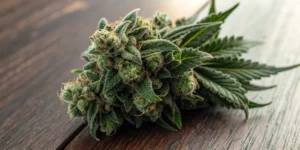
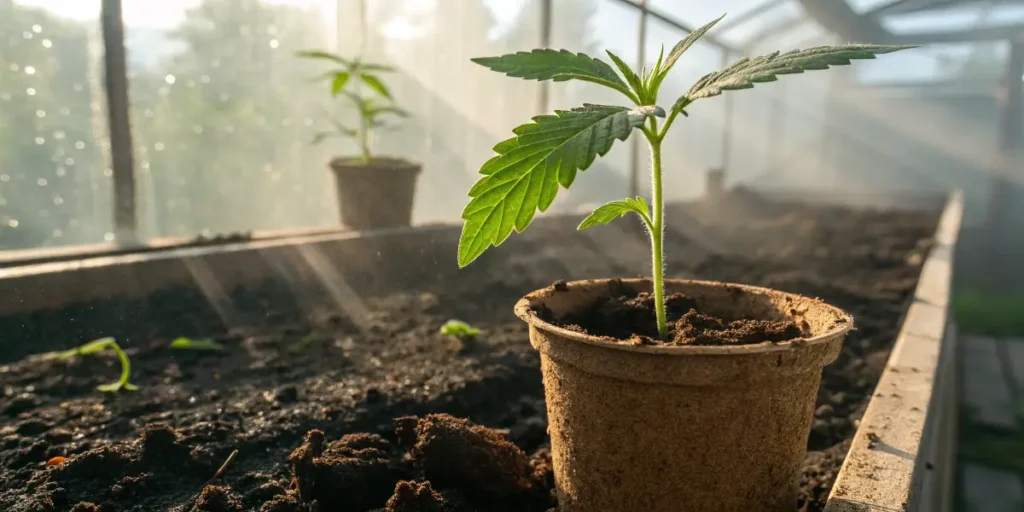

For successful cannabis cultivation, start by selecting healthy seeds of Karibbean Mango. Ensure your grow space is well-ventilated and maintains temperatures between 70-85°F with 40-60% humidity. Providing the plant with at least 18 hours of light daily during the vegetative stage encourages robust growth. This variety responds well to pruning, which helps increase light penetration and airflow.
Karibbean Mango thrives in nutrient-rich soil with a pH level between 6.0 and 7.0. Regular feeding with a balanced fertilizer supports its growth during both vegetative and flowering stages. Monitoring this strain’s water intake is crucial; overwatering can lead to root rot. Controlled watering schedules optimize the plant’s health, aiding in the development of dense buds and rich terpene profiles.
As harvest time approaches, closely observe the trichomes on the buds of this strain. Harvest when trichomes are milky white with some amber, indicating peak potency and flavor. After cutting, dry and cure the buds properly to enhance the quality and preserve the terpenes. Regularly checking humidity levels during curing ensures this variety maintains its unique fragrance and taste.
Karibbean Mango Strain Overview: Traits, Effects & Genetics
Karibbean Mango is a popular cannabis strain celebrated for its tropical aroma and balanced effects. Ideal for both novice and experienced growers, this variety thrives in controlled indoor environments and warm climates. With large, resinous buds, it promises a rewarding cultivation experience. The plant’s resilience to common pests makes it a favorite among growers seeking high yield.
This strain showcases a unique terpene profile, dominated by sweet and fruity nuances reminiscent of its mango namesake. The effects are generally uplifting and euphoric, making it an excellent choice for social settings or creative endeavors. Its moderate THC levels ensure a well-rounded experience without overwhelming potency, appealing to a broad range of users.
Genetically, this cultivar boasts a balanced blend of Indica and Sativa traits, promoting both robust growth and significant harvests. The plant structure is typically bushy and compact, allowing it to fit nicely in limited spaces. Adept growers can optimize the lighting and nutrients to boost flowering. Additionally, its adaptability makes it suitable for various cultivation techniques.
The yield from this genetics is impressive, generally producing dense, aromatic buds ready for harvest within 8-10 weeks. While the plant benefits from regular pruning, its simplicity makes it accessible even to those new to cannabis cultivation. Overall, this variety offers a rich sensory experience alongside practical growing benefits, ensuring it remains a staple in many gardens.
Optimal Environment to Grow Karibbean Mango Successfully
Creating the ideal environment for this strain begins by knowing its climatic needs. Originating from tropical regions, this variety thrives in warm temperatures between 70-85°F. Indoor growers should ensure consistent temperatures by monitoring grow rooms closely; fluctuating conditions can stress the plant. This stability supports the health of the plant, promoting robust growth and maximizing potential yield during cultivation.
Humidity control is crucial for this cultivar during different growth stages. During the vegetative phase, maintain a humidity level between 55-70% to encourage healthy leaf development. As the plant transitions to the flowering phase, gradually reduce humidity to 40-50%. This reduction helps to prevent mold and mildew while enhancing the production of robust buds and aromatic terpenes inherent in this genetics.
Lighting plays a pivotal role in the successful cultivation of this variety. For indoor setups, consider LED lights to mimic the natural sunlight that the plant would receive outdoors. Ensure the light spectrum provides ample blue light during the vegetative stage and shifts towards red light for the flowering stage, helping to boost desired characteristics and improve overall yield at harvest.
Soil quality and nutrients cannot be overlooked when growing the Karibbean Mango. Opt for a well-draining soil with a pH range of 6.0-6.5 to support nutrient absorption. Incorporate organic nutrients throughout the growth cycle to meet the nutritional needs. This ensures vigorous growth and optimizes the plant’s ability to produce high-quality buds, resulting in a rewarding harvest for dedicated growers.
Grow Room Setup
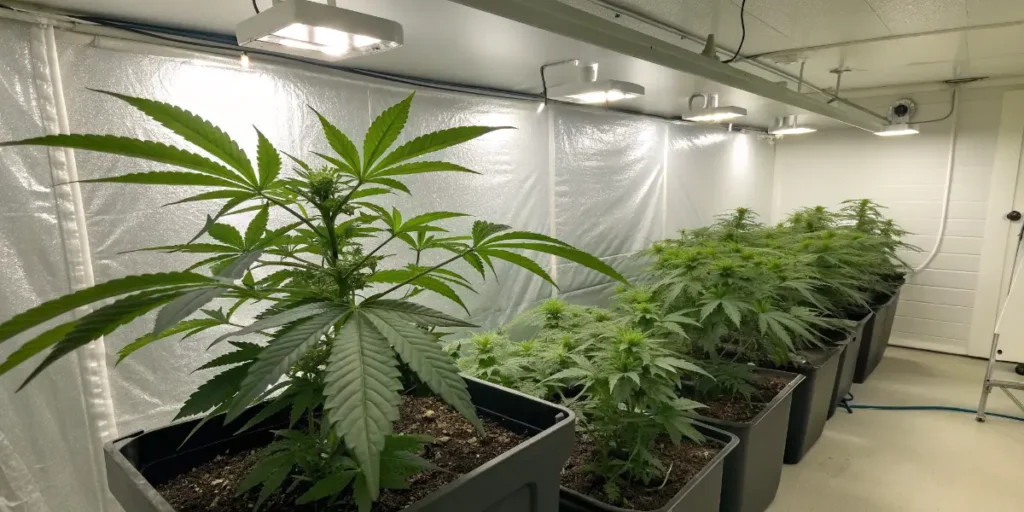
Setting up an ideal grow room for Karibbean Mango involves careful consideration of lighting, temperature, and ventilation. This cultivar thrives in a controlled environment where lights simulate the sun’s natural cycle. LED lights are recommended for their energy efficiency and low heat output, ensuring optimal growth. Maintaining a temperature range of 70-85°F supports healthy cannabis cultivation.
Humidity control is crucial for this variety, especially during the flowering stage to prevent mold. Growers should aim for 40-50% relative humidity. Using a hygrometer, continually monitor conditions and employ a dehumidifier if necessary. Adequate airflow is essential; oscillating fans can help circulate air around the plant, promoting stem strength and healthy bud development.
This strain’s unique profile requires nutrient-rich soil to maximize terpene levels in the final harvest. Choose organic soil and consider integrating a nutrient schedule tailored for cannabis. It’s vital to avoid overwatering, as it can harm the roots. Instead, wait until the top inch of soil is dry before watering again to prevent root rot.
Space management is another key factor for optimizing yield. Ensure each plant has adequate room to grow without competing for resources, which will encourage larger and more potent buds. Implementing training techniques like topping or low-stress training can further enhance light exposure to lower branches, maximizing the plant’s overall productivity and resin production.
Indoor Growing Tips for Karibbean Mango
To successfully cultivate Karibbean Mango indoors, maintaining optimal environmental conditions is crucial. This cultivar thrives in temperatures between 68-77°F and relative humidity levels around 40-50% during the flowering phase. Adequate ventilation is essential for preventing mold and mildew, ensuring the plant’s health and maximizing its potent terpene production, leading to aromatic buds.
This variety is known for its robust growth, making it ideal for training techniques like topping and LST (low-stress training). These methods encourage bushy growth and maximize light penetration, enhancing the overall yield. Ensuring a balanced nutrient regimen with a focus on potassium and phosphorus during the flowering stage will support bud development and resin production.
Lighting plays a pivotal role in the cultivation of the plant. Use high-quality LED lights to mimic the natural spectrum and provide consistent energy. A light cycle of 18 hours on and 6 hours off during the vegetative stage, followed by 12/12 during flowering, promotes optimal growth and timely harvest. Monitoring these factors will help achieve a bountiful yield indoors.
Outdoor Growing Tips for Karibbean Mango
When cultivating Karibbean Mango outdoors, selecting the right location is crucial. This variety thrives in warm, sunny environments with well-drained soil to optimize growth and maximize yield. Growers should ensure that the plant receives ample sunlight throughout the day, as this helps develop robust buds and enhances its unique terpene profile.
Regular pruning and training techniques, such as topping and low-stress training, can be beneficial for this cultivar. These methods help control the plant’s height and improve air circulation, which in turn reduces the risk of mold and pests. Monitoring moisture levels is essential, so ensure a consistent watering schedule tailored to the plant’s needs.
As harvest time nears, diligently checking the trichomes’ color can help determine the optimal time for harvest, ensuring the best potency and flavor of this variety. Outdoor conditions, such as temperature and humidity, can fluctuate, so being prepared to shield the plant during adverse weather conditions will protect its delicate buds and potential yield.
How to Germinate & Propagate Karibbean Mango
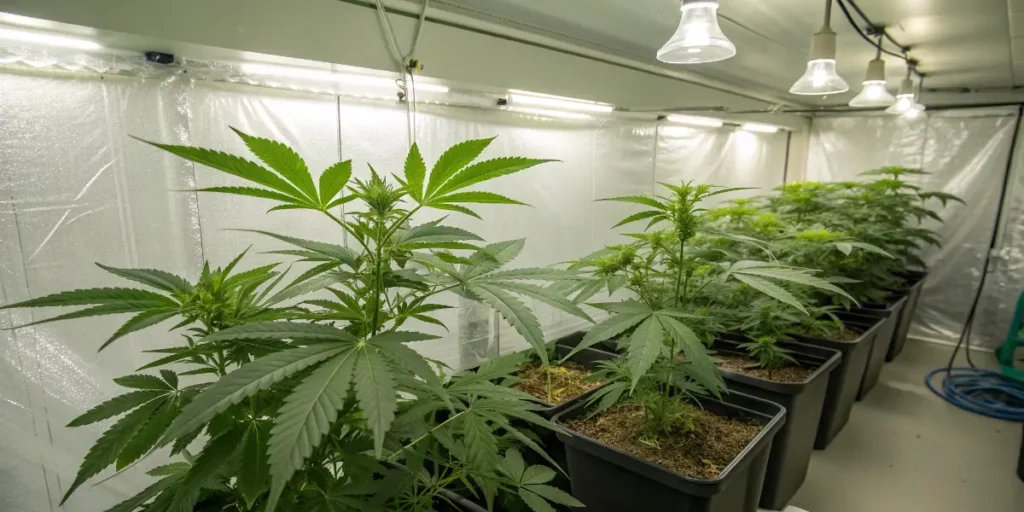
For growers looking to propagate this strain successfully, germination is the first essential step. Begin by selecting high-quality seeds to ensure robust plant growth. Soak them in distilled water for 12-24 hours until they sink, indicating readiness for planting. This preliminary process is crucial in ensuring that your cannabis cultivation journey starts with healthy seedlings ready to thrive.
Once the seeds of this cultivar are prepared, transfer them to a damp paper towel or seedling starter kit. Maintain a warm, dark environment, which mimics natural germination conditions, ideal for the plant’s growth. Check for the appearance of taproots within 48 hours. These roots mark the start of the vegetation process and should not be handled roughly to avoid damage.
After germination, plant the seeds in a well-aerated soil mix to promote healthy root development. This variety thrives with consistent hydration, so ensure that the soil remains moist but not waterlogged. Incorporate a balanced nutrient regimen as the plant begins its vegetative stage, which aids in the development of strong stalks and broad leaves essential for high yields.
Propagation of this genetics can be further optimized through techniques like cloning. By taking cuttings from mature, healthy mothers, you can perpetuate the strongest traits of Karibbean Mango. Cultivating clones under controlled conditions can significantly increase your budding potential and preserve the distinctive terpenes and flavor profile that make this variety so desirable at harvest.
Vegetative Stage: Nurturing Your Plants
During the vegetative stage, nurturing this strain is crucial for strong growth and high yields. This cultivar benefits significantly from a controlled environment where temperature, light, and humidity are closely monitored. Providing the proper balance of nutrients and ensuring adequate hydration will help the plant develop robust stems and lush foliage, forming the foundation for hefty buds during the flowering stage.
Lighting plays a pivotal role in this cannabis cultivation phase. For optimal growth, ensure your Karibbean Mango plants receive 18-24 hours of light per day. Utilize full-spectrum LED or fluorescent lights to mimic the sun’s natural rays, promoting photosynthesis and healthy growth. Adjust the height of the lights as the plant grows to prevent burning the top foliage while maintaining efficient exposure.
Feeding your plants with the right nutrients is essential for this variety’s health and vitality. Use nutrient solutions high in nitrogen during this phase, as it helps in leaf development. Growers should periodically check the pH levels of the soil and water to ensure nutrient uptake is optimal, keeping the range between 6.0 and 7.0 to prevent nutrient lockout, which could stunt growth.
A consistent watering schedule is imperative for this cultivar’s vegetative success. Ensure that the soil remains consistently moist but not waterlogged, as overly saturated conditions can lead to root rot. Pay attention to the plant’s leaves; drooping can signal over-watering, while wilting can indicate under-watering. By mastering these techniques, cultivators can look forward to a bountiful harvest rich in aromatic terpenes.
Flowering Karibbean Mango: What to Expect
When cultivating this strain, growers can anticipate a flowering period that lasts approximately 8 to 10 weeks. Proper attention to environmental conditions such as temperature and humidity is essential for optimal bud development. The plant will thrive under a consistent light schedule, and maintaining these conditions will ensure that the buds are dense and resinous.
As flowering progresses, this cultivar rewards growers with vibrant clusters of buds. The unique terpene profile of this variety produces a sweet, tropical aroma reminiscent of ripe mangoes. Observing these aromatic changes can help determine the ideal harvest time, typically when the majority of trichomes appear milky white with some turning amber.
This variety is known for its generous yield, and growers should provide adequate nutrients to support its robust flowering phase. Regular feeding during this stage can enhance both yield and potency. Scrogging or topping techniques can also be employed to maximize light exposure and air circulation, further promoting bud growth.
The final weeks of flowering are crucial for Karibbean Mango to reach its full potential. Growers should monitor for pests and mold, particularly as buds become denser. Harvesting at the right moment ensures the terpenes and cannabinoids are at their peak, offering a rewarding finish for those who cultivate this exceptional cannabis strain.
Fertilizers & Nutrient Schedule
To achieve the best results in cannabis cultivation, feeding this strain properly is essential. During the vegetative stage, use a high nitrogen fertilizer, as it promotes healthy foliage growth. It’s vital for growers to establish a solid nutrient regimen from the start. This will ensure that the plant builds a sturdy foundation for the subsequent flowering phase.
As Karibbean Mango enters the flowering stage, switch to a phosphorus-rich solution to support bud development. Additionally, potassium aids in the overall health and resilience of the plant. Paying close attention to nutrient ratios helps maximize terpene production, resulting in aromatic and flavorful buds at harvest. The application of these nutrients should be gradual and carefully monitored.
This variety, known for its delightful aroma, demands precision in feeding schedules to produce optimal yield. Regularly checking pH levels is important for proper nutrient absorption. A range of 6.0 to 6.8 is ideal for soil, while hydroponic systems may require slightly lower levels. Maintaining these parameters ensures that this cultivar remains healthy and vibrant throughout its life cycle.
Incorporating organic supplements, like compost teas, can enhance the overall nutrient profile for the plant. These supplements introduce beneficial microbes, promoting an even more robust growth environment. Carefully adjusting the feeding schedule as needed based on the plant’s reactions will lead to a successful harvest. Observing these nuances is the key to unlocking the full potential of this genetics.
Pest and Disease Prevention for Healthy Cannabis Plants
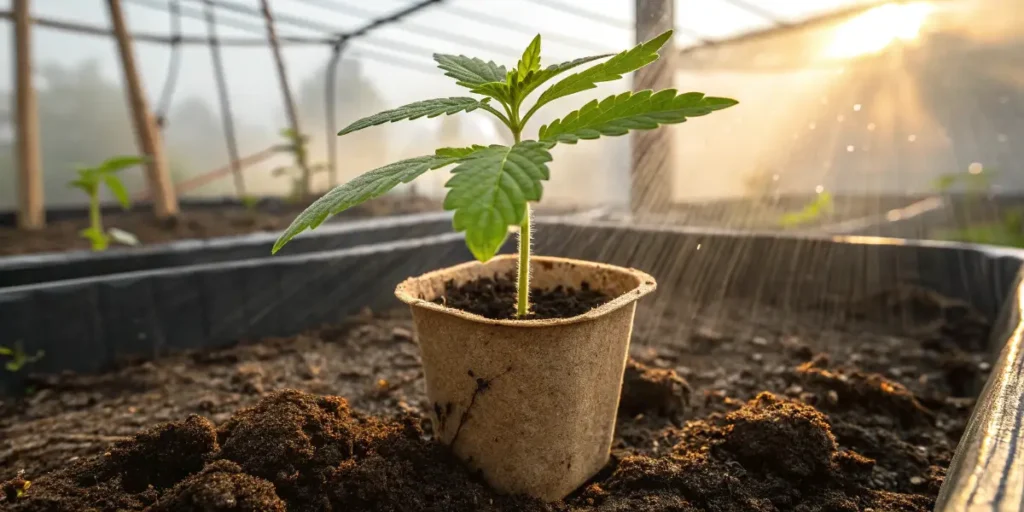
Growing cannabis successfully requires vigilance against common threats such as pests and diseases. To maintain the health of your plants, early detection is crucial. For this strain, regular inspections can help identify potential problems before they escalate. Ensuring proper airflow and reducing humidity around the buds can deter mold build-up, which is essential for any successful cannabis cultivation.
This cultivar benefits from preventative measures such as introducing beneficial insects like ladybugs and predatory mites, which combat common pests. Using organic pesticides moderately and precisely also helps protect the plant. Remember, maintaining soil health is equally vital. For the Karibbean Mango variety, ensuring optimal soil conditions promotes robust growth and resilience against diseases.
To maximize yield and ensure the rich development of terpenes, which define this variety’s unique characteristics, diligent monitoring is necessary throughout its lifecycle. Encourage healthy growth by rotating crops and implementing integrated pest management strategies. Regular cleaning of tools and equipment further minimizes disease risk, ensuring your Karibbean Mango plants thrive towards a fruitful harvest.
Harvesting & Drying Karibbean Mango the Right Way
To ensure a successful harvest of this strain, timing is crucial. Experienced growers recommend observing the trichomes, as these tiny resin glands indicate readiness. When the majority are cloudy with a few amber, it’s time to harvest. This variety typically flowers in about 8-9 weeks, but closely monitoring maturity will maximize the plant’s terpene profile and overall yield quality.
When harvesting this cultivar, the optimal method involves cutting the branches during the early morning to preserve terpenes. Be gentle to avoid shaking off valuable trichomes. Some growers prefer wet trimming right after harvest to make drying more efficient. However, if you choose dry trimming, ensure the environment is controlled to prevent mold and degradation of the buds.
Drying the plant properly is essential for retaining the unique aroma and potency of its buds. Hang the branches upside down in a dark, well-ventilated space with humidity levels around 55-65% and temperatures between 60-70°F. This slow and steady drying process typically spans 7-14 days, allowing the buds to cure gradually, enhancing both taste and cannabinoid content.
Once the drying process concludes, curing is vital for refining this variety’s flavor. Seal the dried buds in airtight jars, opening them daily for 10-15 minutes to release moisture gradually. This step improves the cannabis experience by smoothing the smoke and deepening the terpene richness of Karibbean Mango, ultimately ensuring a top-tier product for consumption or sale.
Karibbean Mango Strain Type: Indica, Sativa or Hybrid?
Karibbean Mango is a complex hybrid, blending the best qualities of both Indica and Sativa genetics. This cultivar typically leans slightly towards the Indica side, offering a balanced experience that’s beneficial for both relaxation and mental stimulation. Growers appreciate the versatility in cultivation, as the plant adapts well to various environments and produces dense, resin-rich buds filled with enticing terpenes.
This variety is cherished by cannabis connoisseurs for its ability to produce a substantial yield without compromising on quality. Its hybrid nature allows the plant to flourish in diverse growing conditions, making it a favorite among both indoor and outdoor growers. With proper care, this strain can lead to a bountiful harvest, rewarding cultivators with its distinctive mango aroma and rich cannabinoid profile.
The balanced genetic blend found in this strain ensures that it delivers a rounded experience, suitable for both seasoned enthusiasts and beginners alike. The buds typically exhibit Indica-like density but with the elongated growth patterns that are characteristic of Sativa. Overall, it provides the best of both worlds, promising a rewarding and delightful cannabis experience from cultivation to consumption.
Why Grow Karibbean Mango? Key Benefits for Cultivators
Karibbean Mango offers an enticing combination of robust yields and aromatic buds, which is why it’s favored by many growers. This variety is known for its resilience in various cultivation environments, making it ideal for both indoor and outdoor settings. Its easy-to-manage growth coupled with quick flowering times appeals to cultivators seeking efficient harvests.
One of the standout features of this cultivar is its vibrant terpene profile, resulting in a unique sensory experience. The plant produces buds with a rich, fruity aroma reminiscent of its tropical namesake. This sensory appeal enhances its market value, providing a lucrative advantage for growers looking to maximize their return on investment.
The sturdy nature of this strain means it’s well-suited to beginners and experienced cultivators alike. Its ability to thrive under various conditions reduces the risks often associated with cannabis cultivation. With these benefits, this variety becomes a strategic choice for those aiming to produce high-quality harvests with consistency and ease.
Potential Challenges When Growing this Strain
Growing Karibbean Mango can present certain challenges for even seasoned cultivators. One key issue is the plant’s sensitivity to humidity levels, which can lead to mold or mildew if not properly managed. Maintaining the right balance of moisture is crucial to avoid compromising the quality of buds and reducing potential yield, making climate control systems beneficial in the cultivation process.
Providing sufficient nutrients is another concern with this strain. The plant requires a balanced mix of macro and micronutrients to thrive and produce its signature terpenes. Over or under-feeding can lead to nutrient burn or deficiencies, affecting overall health and harvest quality. Regular monitoring and adjusting of nutrient solutions can help prevent these issues.
This variety also demands vigilance against pests and diseases, common threats in cannabis cultivation. Implementing integrated pest management strategies and regular inspections can mitigate risks, ensuring the plant remains robust and productive. By being proactive and attentive to these potential issues, growers can enjoy a successful and rewarding Karibbean Mango growing experience.
Is Karibbean Mango Worth Buying? Here’s What You Need to Know
Karibbean Mango is a cannabis strain that has caught the attention of many cultivators and enthusiasts alike. Known for its sweet, tropical flavor profile, this variety offers a delightful aroma that resembles ripe mangoes. The plant is popular among growers for its robust characteristics, producing dense, resinous buds that make it a worthwhile addition to any garden.
Growers often appreciate this strain for its manageable cultivation requirements. It thrives in both indoor and outdoor environments, allowing flexibility and adaptability in different growing conditions. The plant’s sturdy genetics contribute to a reliable yield, making it an attractive option for those seeking both quality and quantity in their cannabis harvest.
The terpene profile of this cultivar is particularly appealing, delivering a unique sensory experience to consumers. The complex blend of aromas and flavors complements its potent effects, attracting both novice and experienced users. All things considered, purchasing this strain could be a rewarding choice for those who value aromatic and flavorful cannabis varieties.
FAQs
How difficult is it to cultivate Karibbean Mango for beginners?
Growing Karibbean Mango can be moderately challenging, recommended for cultivators with some experience. This strain demands careful monitoring of humidity and temperature levels. While it thrives under a variety of training techniques, such as Low-Stress Training (LST) and topping, these methods can be complex for novices. For those who can maintain optimal conditions, the plant usually rewards with substantial yields.
What are the yield expectations for Karibbean Mango?
Karibbean Mango is known to produce moderate to high yields when grown under optimal conditions. Indoor growers can expect around 450-500 grams per square meter, while outdoor yields can reach up to 600 grams per plant. This cultivar’s yield greatly depends on factors such as nutrient management, light exposure, and training techniques. By optimizing these, growers can maximize their harvest potential.
What is the ideal climate for growing Karibbean Mango?
Karibbean Mango thrives in a warm, Mediterranean-like climate. It prefers temperatures between 70-85°F (21-29°C) and moderate humidity levels. If growing indoors, maintaining a stable environment with proper ventilation is essential. In outdoor settings, planting during the late spring ensures the plant receives ample sunlight throughout its growth cycle, leading to healthier development and better yields.
How long does the flowering period last for Karibbean Mango?
The flowering time for Karibbean Mango typically ranges from 8 to 9 weeks. This period allows the plant to develop its signature buds and flavor profile fully. Providing consistent light cycles and appropriate nutrients during this phase is crucial for achieving high-quality results. Growers should monitor the plant closely for signs of maturity as the harvest period approaches.
What common problems might arise when cultivating Karibbean Mango?
Karibbean Mango can be susceptible to mold and mildew, especially in high humidity environments. Ensuring good air circulation and maintaining optimal humidity levels are key preventive measures. Overfeeding can also cause nutrient burn, so careful management of fertilizer applications is essential. Regular monitoring and prompt attention to these issues will help maintain the plant’s health and vigor.