
Successfully growing Khalifa Kush starts with knowing the specific needs of its genetics. Begin by selecting a well-draining soil medium and maintaining a controlled environment with temperatures between 70-85°F. This cultivar benefits from a nutrient-rich diet, with a focus on nitrogen during the vegetative stage. Regularly check the pH levels to ensure optimal nutrient uptake and robust growth.
During the flowering phase, the plant requires a shift in its feeding regimen to favor phosphorus and potassium, encouraging the production of dense buds. Lighting is crucial during this period; growers should provide the variety with a consistent light schedule approximately 12 hours daily. Pruning and training techniques can optimize airflow around the canopy, reducing the risk of mold.
Monitoring the plant’s trichomes is essential toward the end of the growing cycle. Harvest Khalifa Kush once the trichomes have a milky appearance with some turning amber, ensuring the maximum potency of cannabinoids and terpenes. Post-harvest, dry the buds slowly in a dark space, maintaining humidity levels around 50-60%. Proper curing will enhance the flavor and unlock the full potential of this cultivar’s yield.
Khalifa Kush Strain Overview: Traits, Effects & Genetics
Khalifa Kush is a popular cannabis strain known for its strong lineage and distinct characteristics. This variety offers growers a robust plant with dense buds and a powerful aroma. Its cultivation is favored by both novice and experienced growers due to its high yield and resilience. The plant’s dense structure makes it ideal for various growing conditions.
This strain features a unique terpene profile with hints of citrus and pine, contributing to its appealing fragrance. The genetics of this cultivar trace back to the famous OG Kush, which explains its potent effects and reliable growth patterns. Cultivators often appreciate the balance in its cannabinoid content, making it a sought-after choice for both recreational and medicinal users.
In terms of effects, this cultivar delivers a balanced experience that combines relaxation with a focused mental clarity. Many users report a soothing body high accompanied by an uplifting cerebral sensation. The balanced effects make it suitable for evening use, helping with stress and relaxation while enhancing creativity and focus for some users.
For growers seeking a strain with consistent performance, this genetics is a top choice. With moderate difficulty in cultivation, it requires some experience to maximize yield. Harvesting typically occurs around eight to nine weeks, providing substantial crops of high-quality buds. When cultivated under optimal conditions, this variety rewards with a bountiful harvest of fragrant, potent cannabis.
Optimal Environment to Grow Khalifa Kush Successfully
When cultivating Khalifa Kush, maintaining the perfect environment is crucial for maximizing its yield and potency. This strain thrives in a controlled setting where temperature and humidity levels are monitored closely. Ideal temperatures range between 68 to 78 degrees Fahrenheit during the day. Nighttime temperatures should be slightly cooler to mimic outdoor conditions, which helps the plant develop robust buds and potent terpenes.
This variety flourishes best with moderate humidity levels, ideally between 40% and 50%. Controlling humidity is essential to prevent mold and mildew, which can affect the plant’s health and quality. Growers should ensure adequate air circulation with fans and vents to maintain a consistent environment, further enhancing the terpenes and aroma that this cultivar is known for.
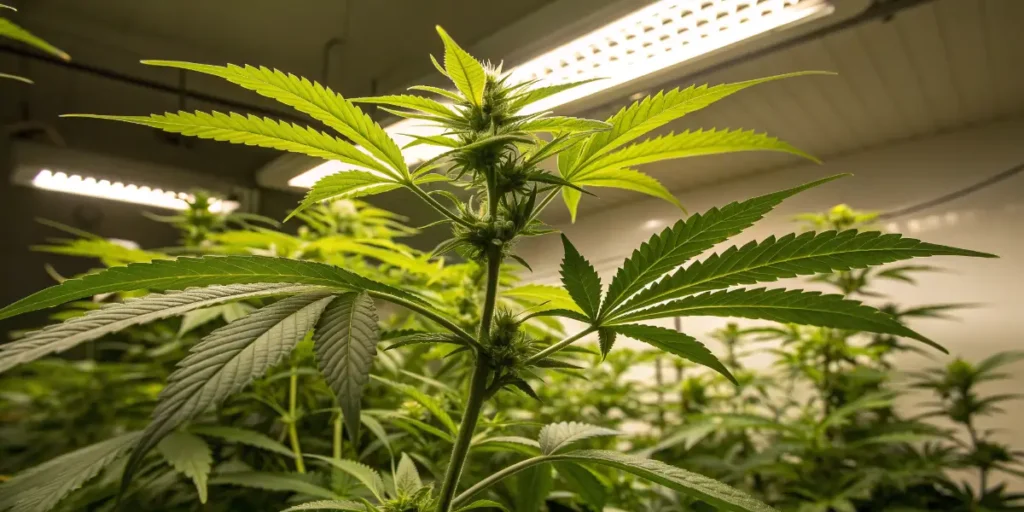
Lighting plays a pivotal role in the growth cycle of this genetics. Khalifa Kush responds well to quality LED grow lights that simulate natural sunlight. A lighting schedule of 18 hours on and 6 hours off during the vegetative stage and a 12/12 light cycle when flowering will encourage a bountiful harvest. Balancing the light intensity is vital for developing dense, resinous buds.
To optimize nutrient uptake, it is important to use well-balanced fertilizers and maintain a pH level between 5.8 and 6.5. Regular monitoring of soil or growing medium pH ensures the plant absorbs essential nutrients, boosting growth and potency. By providing a stable and nurturing environment, cultivators can ensure that Khalifa Kush delivers a high-quality crop with an impressive yield.
Grow Room Setup
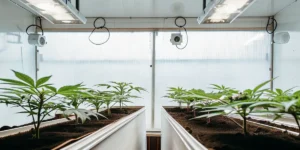
Creating the ideal environment for cultivating this strain begins with a well-planned grow room. Ensure optimal conditions by setting up a space with proper lighting, ventilation, and temperature control. The plant thrives in temperatures between 65-80°F with a humidity level between 40-50%. A quality grow tent can help maintain these conditions efficiently.
Lighting is crucial for the optimal growth of this variety. LED grow lights are recommended due to their energy efficiency and effectiveness in promoting robust growth and large buds. Adjust the light cycle to 18 hours of light and 6 hours of darkness during the vegetative stage to mimic ideal growing conditions.
Ventilation plays a critical role in sustaining healthy plants by preventing mold and mildew. Use oscillating fans to circulate air and maintain freshness in the grow room. Installing a carbon filter can help manage the strong aromas that this cultivar is known for, ensuring discreet cultivation of the plants.
Setting up a hydroponic system can enhance nutrient absorption, leading to a higher yield and more flavorful buds. By carefully managing nutrient levels and pH balance in the reservoir, growers can maximize terpene profiles and overall quality. With precise grow room setup and maintenance, Khalifa Kush can reach its full potential.
Indoor Growing Tips for Khalifa Kush
When cultivating Khalifa Kush indoors, maintaining optimal environmental conditions is essential. This variety thrives in a controlled climate where temperature is kept between 68-77°F (20-25°C) with humidity levels around 40-50%. Proper ventilation is crucial to prevent mold and pests, ensuring the plant receives adequate airflow for healthy growth and robust buds.
Lighting plays a pivotal role in the cultivation of this variety. Utilizing high-quality LED or full-spectrum lights can enhance its growth and terpene production. Keeping the light schedule at 18 hours on and 6 hours off during the vegetative stage, and switching to 12 hours on and 12 hours off for flowering, will optimize its yield and bud development.
Feeding the plant requires a balanced nutrient regimen, emphasizing phosphorus and potassium during its flowering phase to promote dense buds. Monitoring pH levels is vital; aim for 6.0-6.5 to ensure nutrient absorption. Regularly inspect the plant for signs of nutrient deficiencies or pest issues. With careful attention, growers can expect a bountiful harvest from this cultivar.
Outdoor Growing Tips for Khalifa Kush
Khalifa Kush thrives in warm, sunny climates where it can bask in ample sunlight, ideal for maximizing its potent cannabis terpenes. Well-draining soil is crucial to prevent root rot, ensuring healthy growth. Growers should choose a location with good airflow to reduce the risk of mold, promoting vibrant buds and enhancing the overall yield of this robust cultivar.
Watering this variety requires a careful balance; keep the soil consistently moist but avoid overwatering to prevent nutrient lockout. Feeding the plant with a balanced, organic fertilizer throughout the cultivation process will ensure lush foliage and sturdy stems. Regular monitoring of pH levels is essential to keep the soil conditions optimal for nutrient uptake, crucial for the development of high-quality buds.
Timing the harvest is critical for ensuring the desired potency and flavor profile of the buds. As the plant matures, growers should closely observe trichomes, harvesting when they shift from clear to a milky hue. This stage is indicative of peak potency, capturing the unique terpene profile of this cultivar. Proper drying and curing further enhance its cannabinoid content and aromatic qualities.
How to Germinate & Propagate Khalifa Kush
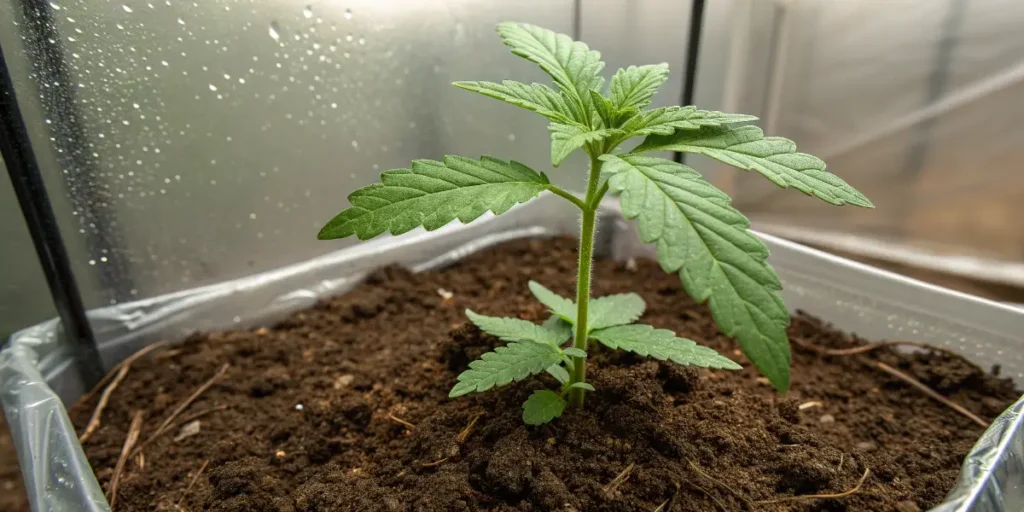
Germinating Khalifa Kush seeds starts with selecting high-quality seeds from a reputable source. Begin by soaking the seeds in room temperature water for 12-24 hours. This step helps soften the seed shell, promoting a faster sprout. After the soaking period, place the seeds on a damp paper towel, fold it over, and store it in a dark, warm place to encourage germination.
Once germination begins and tiny taproots emerge, transfer the seeds carefully into a growing medium, such as a quality soil blend or a specialized starter cube. Make sure the medium remains moist but not overly saturated to avoid drowning the seeds. Maintaining the optimal temperature between 70-80°F will also support rapid sprouting and minimizes the risk of mold formation.
After successful germination, the next step is to ensure this variety develops strong roots and foliage. Providing the right light source is crucial; compact fluorescents or LED grow lights are excellent for seedlings. Position the light source approximately six inches above the plants to mimic ideal sunlight conditions, promoting vigorous growth and preparing the plants for eventual transplantation.
Regular monitoring of the young plants is necessary to ensure they do not face nutrient deficiencies or stress from pests. Gradually introduce a balanced nutrient solution after a couple of weeks to support its nutrient uptake effectively. This care regime helps growers achieve a robust plant structure and maximizes yield potential when the plant transitions to the budding phase.
Vegetative Stage: Nurturing Your Plants
During the vegetative stage, your Khalifa Kush plants require a balanced approach to nutrients, light, and water. This stage is crucial for establishing a strong foundation, ensuring that the plant reaches its full potential come harvest. Focus on providing adequate nitrogen to support leafy growth, which is critical for a healthy cannabis cultivation process.
This strain thrives with ample light, ideally achieving 18-24 hours of exposure daily during the vegetative phase. Ensure your grow room is consistently warm, ideally maintaining temperatures between 70-85°F. Proper temperature management helps the plant develop robust foliage, ultimately leading to higher bud yields when it transitions into the flowering stage.
Watering the plant appropriately is essential; overwatering can lead to root rot, while underwatering can stunt growth. Monitor the soil moisture, allowing the top inch to dry out between waterings. Additionally, maintaining good airflow around this cultivar reduces the risk of mold and pests, ensuring that it remains healthy and vigorous as it grows.
During this period, be attentive to the plant’s growth patterns and consider training it through techniques like topping or low-stress training to optimize light exposure and bud development. Such practices can improve your overall yield and enhance the terpenes and flavor profile of this variety, preparing it for a successful flowering phase.
Flowering Khalifa Kush: What to Expect
As growers embark on the flowering stage of Khalifa Kush, they should prepare for an exciting phase. The plant typically flowers over eight to nine weeks, requiring close attention to light cycles and nutrient uptake. This variety is known for its dense buds, which develop a rich array of terpenes, contributing to its distinct aroma and potent effects.
During flowering, this strain demands a well-balanced nutrient mix to support robust bud development. Adequate potassium and phosphorus levels play a crucial role in maximizing the yield. Growers should monitor the plant closely to manage any unexpected nutrient deficiencies that may arise, ensuring the health and vibrancy of the buds throughout this critical period.
Managing the environment is essential as the plant transitions through flowering. Temperature should ideally remain between 70°F to 80°F with humidity around 40% to 50%. This cultivar is somewhat resilient, but maintaining proper airflow and preventing mold is crucial for overall health and optimal terpene production, which defines its distinctive scent and flavor profile.
As harvest time approaches, growers can recognize readiness through visual cues such as the color change of the trichomes. Patience is key, as harvesting at the right moment ensures the highest potency and best quality yield. With careful attention, cultivating Khalifa Kush can reward growers with a bountiful and aromatic harvest to be proud of.
Fertilizers & Nutrient Schedule
Feeding is a crucial aspect of cultivating Khalifa Kush, as it directly influences the quality and yield of the buds. This strain thrives with a well-balanced nutrient regimen, including nitrogen, phosphorus, and potassium in the appropriate ratios. These essential nutrients support vigorous growth and rich terpene profiles, enhancing both the potency and aroma of the end product.
Early in the vegetative stage, the plant benefits from higher nitrogen levels to encourage lush foliage. As it transitions to the flowering phase, reducing nitrogen and increasing phosphorus and potassium is recommended to promote robust bud development. This shift ensures that this variety produces dense, resinous flowers that characterize its high-quality harvest.
For indoor growers aiming to optimize yield, combining quality liquid fertilizers with organic amendments can be beneficial. This cultivar responds well to gradual nutrient introductions and frequent monitoring of pH levels. Maintaining a balanced environment with precise feeding schedules and avoiding nutrient lockout is vital for healthy growth and maximum terpene expression.
Besides, regular flushes during the growing cycle can prevent salt buildup in the soil, thus keeping the plant’s roots healthy. Soil testing is advisable to tailor the nutrient schedule further, ensuring Khalifa Kush receives the right nutrition throughout its lifecycle. By doing so, growers can expect a bountiful and aromatic harvest that reflects the true potential of this exceptional genetics.
Pest and Disease Prevention for Healthy Cannabis Plants
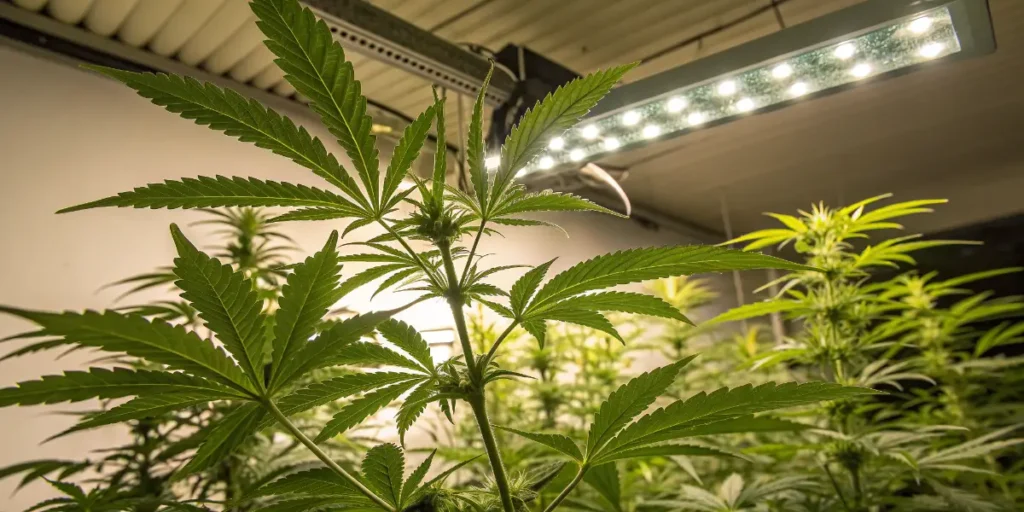
To protect Khalifa Kush from potential threats, maintaining a clean growing environment is essential. Regularly inspect plants for signs of pests such as spider mites and aphids. Introduce beneficial insects, like ladybugs, to naturally control these invaders. Ensure proper air circulation to minimize mold risks, which is critical for maintaining healthy foliage and maximizing valuable buds upon harvest.
This variety thrives when growers combine vigilant practices with organic treatments. Neem oil is effective for repelling many common pests. Additionally, applying microbial solutions can strengthen the plant’s immune system. Soil health directly affects resistance to both pests and diseases; thus, employing a balanced, nutrient-rich medium is crucial for this strain’s optimal growth.
Practicing crop rotation and sanitation helps avoid pathogen build-up. Regularly clean tools and equipment to prevent disease spread among cannabis plants. Monitor humidity and temperature levels closely, as these factors can influence the likelihood of disease. By focusing on prevention, it is possible to enhance yield and preserve the rich terpene profile unique to the cultivar, ensuring a bountiful harvest.
Harvesting & Drying
Proper timing is crucial when harvesting this strain to maximize yield and preserve the quality of its terpenes. Growers should closely monitor the trichomes on the buds. When they appear milky with a hint of amber, the plant is ready for harvest. This stage ensures that the cannabis offers a potent and aromatic experience, reflecting the full potential of this variety.
Once harvested, it’s important to handle the buds carefully to prevent damaging the delicate flowers of this cultivar. Trim larger fan leaves first, as they are nutrient-laden but don’t contribute much to the overall taste or potency. After trimming, hang the branches upside down in a dark, well-ventilated space to dry. This process helps to properly cure the cannabis.
Humidity plays a critical role during the drying phase. Maintaining a consistent range of around 45-55% will prevent mold and mildew on the buds of this variety. Temperature should remain cool but not cold, ideally between 60-70°F. This method helps preserve the terpenes, which are responsible for the distinct aroma and flavor profile of the plant.
Once the flowers are dry, the next step is curing, which can enhance the overall quality of the buds. Place the dried product of Khalifa Kush in airtight containers, opening them daily during the first week to release excess moisture. This gradual drying process enriches the cannabis experience, ensuring the aromatic and potency characteristics are fully developed.
Khalifa Kush Strain Type: Indica, Sativa or Hybrid?
Khalifa Kush is a hybrid cannabis strain known for its balanced composition and versatile effects. This variety combines the best characteristics of both Indica and Sativa, offering a delightful experience for both recreational and medicinal users. Its balanced genetics make it ideal for growers seeking a strain that delivers quality buds with a blend of relaxing and uplifting effects.
This strain’s hybrid nature makes it suitable for various cultivation environments. Indoor growers benefit from its manageable plant height and steady yield, while outdoor cultivators value its resilience. The plant features dense buds rich in terpenes, contributing to its distinctive aroma and flavor. Cultivating it can be rewarding, thanks to its bountiful harvest and adaptability.
When properly tended to, this cultivar produces a robust yield that satisfies both commercial and individual growers. The plant’s hybrid nature ensures an even growth pattern, maximizing light exposure and enhancing its development. Knowing Khalifa Kush’s unique profile helps growers optimize their cultivation practices, ensuring a successful growing experience with this notable strain.
Why Grow Khalifa Kush? Key Benefits for Cultivators
One of the most compelling reasons to grow this strain is its exceptional yield potential. Cultivators are often impressed by the abundant, dense buds that the plant produces, making it a favorite for those looking to maximize their harvest. Beyond the volume, this variety also boasts a unique terpene profile, contributing to its renowned aroma and flavor, attracting both growers and connoisseurs.
This cultivar is particularly appealing because of its resilience and adaptability. The plant is known for its robust resistance to common pests and diseases, which can significantly ease the challenges of cannabis cultivation. With the right care, growers can expect a reliable harvest season after season, making it a worthwhile investment for both novice and experienced cannabis cultivators.
Moreover, Khalifa Kush shines in the cannabinoid department, with high THC levels that promise potent effects. This makes it highly sought after in markets prioritizing strong cannabis. By cultivating this genetics, growers can tap into a thriving demand, potentially boosting their revenue. Given these benefits, the choice to grow it can be both rewarding and lucrative for many.
Potential Challenges When Growing this Strain
When cultivating Khalifa Kush, growers might encounter environmental stress which can affect terpene development. This strain is sensitive to temperature fluctuations and requires a stable climate to thrive. Ensuring consistent humidity levels is also critical, as excess moisture can lead to mold growth, potentially compromising the buds before harvest.
This cultivar demands close attention to nutrients. It’s essential to provide balanced feeding regimes to support healthy growth and maximize yield. Over-fertilization can lead to nutrient burn, which adversely affects the plant’s development. Regular soil testing helps in tailoring the nutrition to this variety’s specific needs, enhancing overall plant health.
Pests pose another challenge while growing this genetics. Aphids, spider mites, and whiteflies are common threats that can damage the plant. Implementing integrated pest management, such as introducing beneficial insects or using organic pesticides, can ensure healthier plants and a successful harvest. Vigilant monitoring is crucial to maintaining the vitality of it throughout its growth cycle.
Is Khalifa Kush Worth Buying? Here’s What You Need to Know
If you’re considering adding a new cannabis strain to your collection, Khalifa Kush might catch your interest. Known for its impressive terpene profile and robust growth characteristics, this strain appeals to both recreational users and growers alike. The plant is appreciated for its potent, flavorful buds that promise a satisfying experience for anyone venturing into cannabis cultivation.
This cultivar has carved out a reputation in the cannabis community for its high yield potential and ease of cultivation. Growers appreciate its resilience and ability to thrive in various environments, making it a reliable choice. This variety produces dense, trichome-rich buds, which often means a rewarding harvest for those who invest time and effort into nurturing it.
The financial aspect of purchasing Khalifa Kush seeds or clones is often justified by the quality of the end product. This strain tends to command interest due to its well-balanced effects and potent aroma. Ultimately, whether you’re a seasoned grower or new to cannabis cultivation, considering the plant for your garden could be a worthwhile investment.
FAQs: Growing Khalifa Kush
What is the optimal climate for cultivating Khalifa Kush?
This strain thrives in a warm, Mediterranean climate with consistent temperatures between 70-85°F (21-29°C). Khalifa Kush prefers stable humidity levels, ideally between 40-50% during flowering. Outdoor growers should ensure the plant receives ample sunlight. Indoors, managing climate conditions with proper ventilation and temperature control will maximize its growth. By replicating these conditions, you can enhance the quality and yield of this genetics.
What are the average yield expectations for Khalifa Kush?
When cultivating Khalifa Kush, indoor growers can expect yields of approximately 18 ounces per square meter. Outdoors, the plant offers up to 21 ounces per plant if grown under optimal conditions. Setting realistic yield expectations can be beneficial, especially for new growers. Although this cultivar is high-yielding, it requires proper care and technique to maximize output, necessitating consistent monitoring and adherence to best practices.
How long does Khalifa Kush take to flower?
The flowering period for Khalifa Kush typically ranges from 9 to 10 weeks when grown indoors. Collating your schedule with this cycle can ensure optimal harvest results. Outdoor growers can expect the plant to be ready for harvest by late September to early October. Monitoring the trichomes’ color change is advisable to determine peak ripeness and maximize cannabinoid content during harvest.
What common problems do growers face with Khalifa Kush?
Growers often encounter issues such as overfeeding and mold with Khalifa Kush. This variety is sensitive to nutrient levels, making it essential to follow a balanced feeding schedule. As this cultivar develops dense buds, it can be prone to mold, particularly in environments with high humidity. Implementing improved airflow and ensuring proper spacing can mitigate these risks and promote healthy growth.
What training techniques work best for Khalifa Kush?
This plant responds well to techniques like low-stress training (LST) and topping. These methods help manage its growth and encourage a more even canopy, leading to increased light exposure and improved yields. Khalifa Kush benefits from these techniques, allowing cultivators to guide the plant’s structure and create multiple colas. Employing these strategies requires some expertise but significantly enhances the potential harvest.