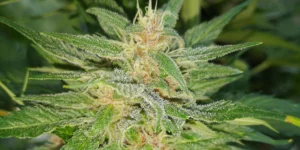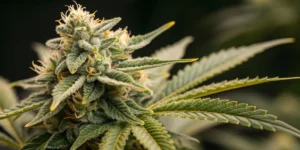
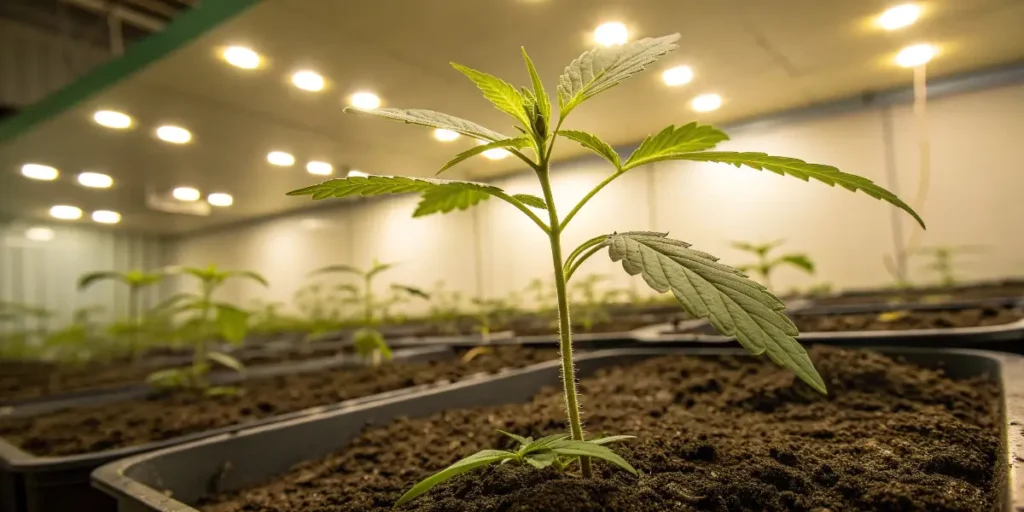

To successfully cultivate Lambs Bread, start by ensuring that it has a warm and sunny climate. This variety thrives in temperatures between 70-85°F. During the vegetative stage, provide ample space for the plant to grow robust, as it can reach considerable heights. Regular pruning will enhance airflow and light penetration, crucial for the health of the cannabis.
This strain prefers a well-draining soil with a pH between 6.0 and 7.0. As it matures, maintain a consistent watering schedule, allowing the soil to dry slightly between sessions to prevent root rot. This cultivar benefits from organic nutrients, enhancing the terpenes profile and eventual potency of the buds, leading to a flavorful and aromatic harvest.
In the flowering phase, monitor humidity levels, keeping them below 50% to avoid mold. Growers should expect a flowering period of 9-10 weeks, with proper care yielding abundant, resinous buds. Once the plant’s pistils turn amber and the trichomes are milky white, it’s time to harvest. Patience and attention to these details ensure a successful cultivation of this exceptional cannabis variety.
Lambs Bread Strain Overview: Traits, Effects & Genetics
Renowned for its uplifting effects, Lambs Bread is a sativa-dominant strain cherished by cannabis enthusiasts for its energizing and motivating characteristics. This cultivar is celebrated for its bright green buds and distinctively pungent aroma. Growers appreciate the plant’s robust nature, which makes it suitable for both indoor and outdoor cultivation, often producing a moderate yield.
This variety typically boasts a rich terpene profile, contributing to its unique scent and taste that appeal to many users. With a lineage deep-rooted in Jamaican genetics, the plant often features earthy and spicy notes that enhance its overall experience. Its genetics are prized for promoting an almost immediate sense of euphoria and creativity, making it a favorite for those seeking a mood boost.
In terms of cultivation, this strain generally requires ample sunlight and warm temperatures to thrive, reflecting its tropical origins. It has a relatively short flowering time for a sativa, which is advantageous for growers looking to maximize their harvest cycles. The buds are dense with a trichome-rich appearance, indicative of their potent cannabinoid content.
Overall, this variety’s genetics contribute to its resilience against common pests and mold, making it an optimal choice for both novice and experienced cultivators. Its effects, marked by a cerebral high, are ideal for daytime use when mental clarity and focus are desired. Cannabis enthusiasts often seek out this genetics for its ability to enhance productivity and creativity.
Optimal Environment to Grow Lambs Bread Successfully
Growing this strain successfully begins with knowing its Jamaican heritage, which thrives in warm, tropical climates. Replicating similar conditions is crucial for cultivating healthy plants. The plant prefers temperatures between 70-85°F (21-29°C). To replicate its natural environment, ensuring adequate airflow and humidity levels around 55% during the vegetative stage will help the plant develop robustly.
This cultivar benefits from ample sunlight; outdoors, it requires full sunlight exposure for optimal growth. Indoor growers should use high-intensity lighting, such as LED or HPS lights, to mimic this natural light. Providing a light cycle of 18 hours on and 6 hours off during the vegetative stage and switching to 12 hours on and 12 hours off in flowering boosts its yield potential.
Maintaining soil health is another crucial aspect of successful cultivation. This genetics thrive in nutrient-rich, well-draining soil that supports root development. Growers should ensure a balanced pH level of 6.0-6.5. Amending soil with organic compost or coco coir can enhance nutrient uptake, resulting in richer terpene profiles and more potent buds.
As harvest approaches, reducing humidity to around 40% can prevent mold formation on the buds of this variety. Adequate air circulation remains vital throughout the growth cycle to ensure the plant’s leaves can respire efficiently. By attending carefully to these environmental factors, growers can maximize the potential yield and potency of Lambs Bread.
Grow Room Setup for Lambs Bread Plants
Setting up an ideal grow room for Lambs Bread involves knowing its unique needs. This strain thrives in a controlled environment where temperature and humidity are carefully monitored. It’s vital to maintain a temperature between 70-85°F (21-29°C) during the day, with slightly cooler nights. Proper ventilation ensures that air circulates efficiently, crucial for the optimal health of this variety.
Lighting plays a significant role in the successful cultivation of this cultivar. High-intensity discharge (HID) lights, such as metal halide for the vegetative stage and high-pressure sodium for flowering, are recommended. These lights help maximize the yield and quality of the buds. Equally important is providing a consistent light schedule of 18-24 hours during the vegetative phase and 12 hours for flowering.
Humidity control is another essential factor in growing the plant. During the vegetative phase, a humidity level of 40-70% is preferable, while a drop to 40-50% is advisable during flowering. This adjustment helps enhance terpene production and ensures that Lambs Bread develops its characteristic aromatic profile. Utilization of a dehumidifier may be necessary to maintain these levels.
The chosen medium and nutrients significantly impact the quality of the harvest. While it can be grown in soil, many growers opt for hydroponic systems to maximize their yield and control nutrient intake. Ensuring a balanced diet rich in nitrogen, phosphorus, and potassium during different growth stages fosters vigorous growth, helping this strain reach its full potential.
Indoor Growing Tips for Lambs Bread
Successfully cultivating this strain indoors starts with choosing the right growing medium and ensuring adequate lighting. This variety thrives under high-intensity lights such as LEDs, which promote robust growth and enhance terpenes. Maintaining optimal temperatures between 70-85°F and a relative humidity of 40-50% will ensure a healthy environment for the plant to flourish.
This cultivar benefits from a balanced nutrient regimen to maximize yield and potency. Growers should focus on providing a complete spectrum of nutrients, particularly during flowering, to support bud development. Regular pruning and training techniques like topping and LST (Low Stress Training) can increase airflow and light penetration, encouraging the plant to develop dense and resinous buds.
Monitoring the progress of this variety is crucial as it approaches harvest. Trichome examination will help determine the ideal harvest time, impacting the overall effects and flavors of the end product. Proper drying and curing are essential to preserve the unique profile and quality of the buds produced by this strain, ensuring a flavourful and potent final yield.
Outdoor Growing Tips for Lambs Bread
When cultivating this strain outdoors, selecting the right location is crucial. Ensure the plant receives plenty of sunlight, as this variety thrives in full-sun conditions. Good airflow is also essential to prevent mold, especially during humid months. Consider using organic soil amendments to enhance the production of buds and terpenes, ultimately improving the overall yield at harvest time.
This cultivar responds well to warm, tropical climates, much like its native Jamaican environment. Growers should plant it after the last frost to avoid any potential cold damage. Regular pruning encourages a bushier growth pattern and helps in achieving optimal sunlight exposure. Keeping an eye on pests is important, so consider natural remedies like neem oil to safeguard the plants effectively.
Implementing a watering regime is another critical aspect of successful outdoor cultivation. This variety prefers consistent moisture levels without being waterlogged. To avoid root rot, allow the soil to dry slightly between waterings. As harvest approaches, monitor trichome development to determine the perfect time to collect and enjoy the fruits of your labor, ensuring a rich and aromatic yield.
How to Germinate & Propagate Lambs Bread
Germinating Lambs Bread begins with selecting high-quality seeds, crucial for successful cannabis cultivation. Start by using the paper towel method: place the seeds between moist paper towels on a plate, covering them with another plate. Keep them in a warm, dark spot. Within a few days, the seeds will sprout, marking the beginning of this cultivar’s journey.
After germination, the delicate seedlings should be transplanted into small pots filled with a well-aerated soil mix to promote healthy root development. This strain thrives with adequate moisture, so ensure the medium remains damp but not waterlogged. Offering ample light soon after potting encourages robust growth, preparing the plant for its full life cycle and eventual harvest.
Propagation of this variety can further be enhanced using cuttings, a preferred method for preserving its prized genetics. Cut healthy branches with several nodes from a mature plant, and place them in a rooting gel or powder before planting them in a moist medium. This technique maintains the original plant’s terpene profile and overall quality, crucial for achieving desired buds.
During the propagation phase, maintaining optimal humidity levels and providing consistent care is paramount to ensuring the cuttings take root successfully. Growers should monitor environmental conditions closely, including temperature and light cycles, to foster healthy growth. By following these steps, cultivating Lambs Bread becomes a rewarding endeavor, leading to bountiful yields of this celebrated cannabis variety.
Vegetative Stage
During the vegetative stage, it is crucial for growers to focus on creating the ideal environment for the Lambs Bread strain. This phase is all about promoting healthy leaf and root development, setting the foundation for future buds. Ensure the plant receives ample light, using either high-quality LEDs or natural sunlight, to maximize photosynthesis and fuel robust growth.
This cultivar thrives in temperatures between 70-85°F (21-29°C) with a relative humidity range of 40-60%. Maintaining these conditions helps prevent mold and pests, allowing the genetics of this variety to reach their full potential. Regular monitoring of your climate control systems can prevent fluctuations that might stress the plant, optimizing your cannabis cultivation efforts.
Feeding schedules during the vegetative stage should be rich in nitrogen to support leafy growth, balanced with phosphorus and potassium for root strength. Organic fertilizers or well-formulated nutrient solutions can deliver these elements effectively. Regular watering and nutrient checks are crucial, as over or under-watering can negatively impact the development of this strain.
As your Lambs Bread plants flourish, make use of techniques such as topping or low-stress training to encourage bushier growth. These methods can increase light penetration and air circulation, ultimately boosting the yield and quality of your future harvest. Monitoring the progression and adapting care strategies ensures that the plant is primed for the flowering stage.
Flowering Lambs Bread: What to Expect
Flowering this strain can be an exciting phase for growers, as it promises a vibrant transformation. Typically, the plant takes around 9 to 10 weeks to fully flower. During this period, ensure optimal lighting and nutrients to support healthy bud development. Monitoring environmental factors like humidity and temperature will also be crucial in maximizing the cannabis yield.
As this variety begins to blossom, you’ll notice the buds developing a dense, chunky structure. The remarkable terpene profile of this cultivar contributes to its unique aroma, characterized by earthy and piney notes. It’s essential to manage airflow around the plant to prevent mold and mildew, which can compromise the quality of the harvest.
When the flowering period progresses, the plant’s pistils will transition from white to a deeper amber color, signaling that it is nearing maturity. It’s vital not to rush the process; allowing enough time for proper bud development is key to achieving the desired potency and flavor profile for Lambs Bread. Patience is critical in this phase of cultivation.
As harvest approaches, closely inspect the trichomes using a magnifying glass. Clear to milky trichomes indicate it’s ready to harvest, ensuring the buds are packed with cannabinoids. Proper drying and curing techniques post-harvest will preserve the rich terpenes of Lambs Bread, enhancing the overall quality and experience of the final product. The careful management of these stages will ensure a rewarding cultivation journey.
Fertilizers & Nutrient Schedule
When cultivating Lambs Bread, it’s essential to provide a balanced nutrient schedule to maximize its potential yield. This genetics is known for its vibrant growth, which benefits from a well-rounded blend of macronutrients and micronutrients. A nitrogen-rich formula during vegetative stages supports vigorous development, while transitioning to a phosphorus-heavy mix promotes robust bud formation during flowering.
This variety thrives when cultivators maintain a consistent feeding regimen. Experienced growers recommend starting with a light nutrient solution and gradually increasing the strength as the plant matures. Incorporating organic fertilizers can enhance the natural terpene profile of the plant, resulting in a more pronounced aroma and flavor during harvest.
Monitoring pH levels is crucial in ensuring that the plant absorbs nutrients efficiently. Maintaining a pH level between 6.0 and 6.5 in the growing medium can prevent nutrient lockout, ensuring this strain receives the essential elements for healthy growth. Consider using pH-adjusting solutions to keep levels within the ideal range.
During the flowering stage, it’s vital to reduce nitrogen intake and increase potassium to support the formation of dense, resinous buds. By carefully adjusting the nutrient schedule, cultivators can optimize the quality and quantity of the yield. Regular observation and adjustments based on the plant’s response will lead to a successful cultivation of this cultivar.
Pest and Disease Prevention for Healthy Cannabis Plants
To maintain a healthy Lambs Bread crop, implementing preventive measures against pests and diseases is essential. This variety, like other cannabis strains, benefits from a clean growing environment. Regularly inspect the plant for early signs of infestation and establish a routine cleaning schedule for your cultivation area. This helps protect the buds and enhances the overall yield and terpene profile.
This cultivar can thrive by employing integrated pest management techniques. Introduce beneficial insects like ladybugs to combat common pests naturally. Additionally, ensure proper air circulation to prevent mold and mildew, which can affect both the plant’s health and potency. By managing the environment effectively, growers can protect their crops from potential threats.
Natural repellents such as neem oil can be used to shield this strain from harmful insects. Regularly monitor humidity levels and maintain optimal conditions to avoid stress that can lead to disease. Proactive measures like these safeguard the plant, allowing for a successful harvest season. Prioritizing these methods will ensure that the Lambs Bread delivers a high-quality yield.
Harvesting & Drying
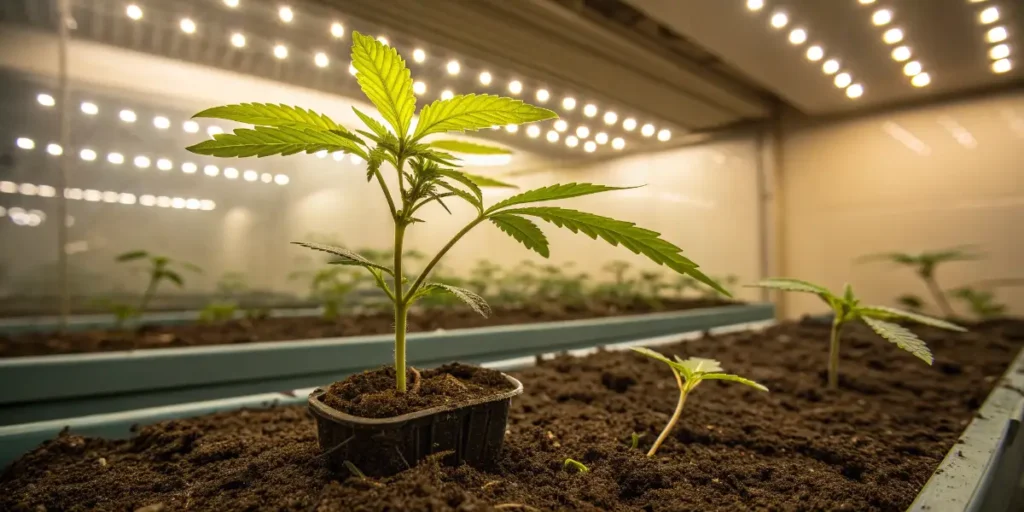
When it comes to harvesting this strain, timing is crucial to maximize its potent effects and maintain the integrity of its terpenes. Typically, growers aim to harvest when the trichomes tiny, resinous glands appear milky white under magnification. This ensures the buds are at their peak potency and ready for the next phases of cannabis cultivation: drying and curing.
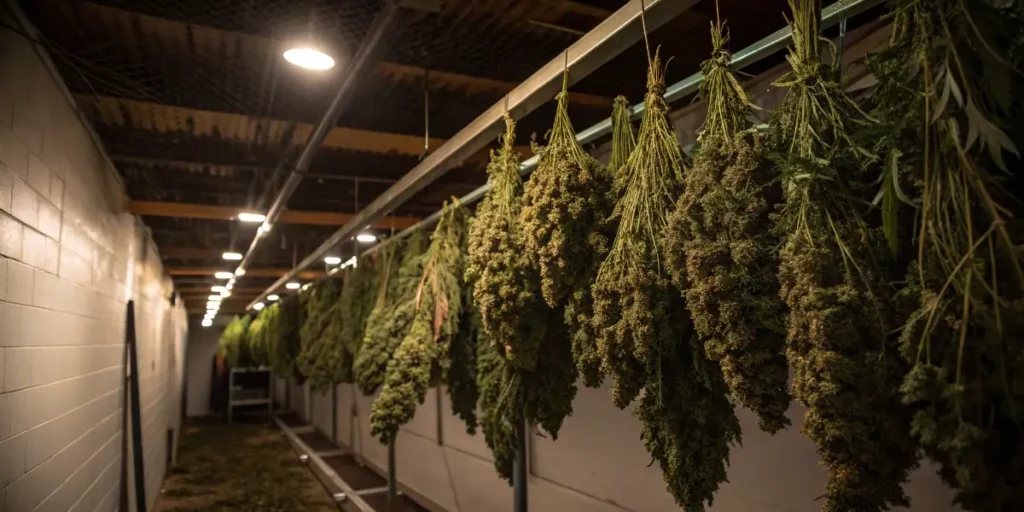
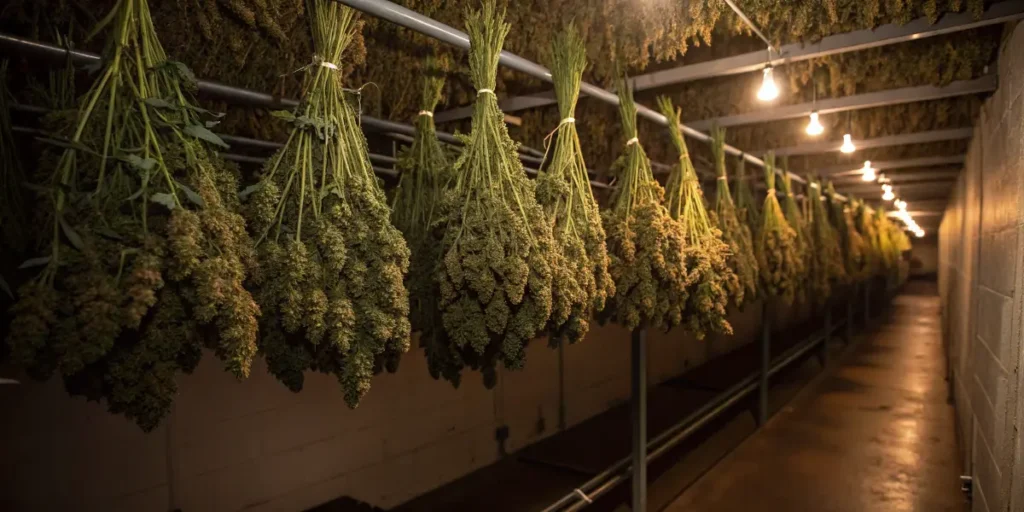
The drying process is essential for preserving the complex flavors and effects of this cultivar. After cutting the plant, hang the branches upside down in a dark room with humidity levels between 50-60%. This environment prevents mold and helps the buds retain their aromatic compounds. Maintaining a consistent airflow around the buds is also important for an even dry.
This variety typically requires a drying period of seven to ten days, depending on local climate conditions. Check the buds regularly, gently pressing them to monitor the drying progress. Once the stems snap cleanly rather than bend, it indicates the plant is adequately dried. This step is vital for locking in the desired cannabinoid profile of this genetics.
The final step before enjoying the yield is curing, which further enhances the flavor and aroma of Lambs Bread. Place the fully dried buds in airtight containers and open them daily for a brief period to release moisture. This process should last for at least two weeks, although longer curing can lead to even more refined flavor profiles in the final product.
Lambs Bread Strain Type: Indica, Sativa or Hybrid?
Lambs Bread is renowned for its distinct Sativa genetics, delivering uplifting and energizing effects highly favored by cannabis enthusiasts. This strain stands out in the cannabis community for its vibrant growth pattern, characterized by tall, slender plants with narrow leaves. Growers appreciate its resilience in various climates, making it a popular choice for those aiming to maximize yields and terpenes in their cultivation efforts.
This variety thrives in both indoor and outdoor environments, though it tends to favor the bright, consistent conditions of outdoor settings. The plant offers a generous yield of dense buds, which attract growers keen on harvesting robust product. Its Sativa heritage is further highlighted by a flowering period that is relatively long, rewarding patience with truly remarkable results.
A notable feature of this cultivar is its pungent aroma, which hints at its unique terpene profile. The distinct scent underscores a high-quality harvest, often desired by both old and new cultivators of cannabis. With its uplifting properties and considerable yields, this strain serves as a testament to what dedicated growing can achieve, offering an exceptional experience to those cultivating it.
Why Grow Lambs Bread? Key Benefits for Cultivators
Growing Lambs Bread offers cultivators a unique opportunity to cultivate a legendary cannabis strain renowned for its energizing effects and rich history. This variety is praised for its resilience, making it a reliable choice for both novice and experienced growers. The plant thrives in warm environments and requires minimal maintenance, ensuring a hassle-free cultivation process for those seeking consistent results.
This strain stands out for its impressive yield and aromatic terpene profile, which produces enticing citrus and herbal scents. With proper care, cultivators can expect bountiful harvests of dense, sticky buds known for their uplifting effects. The genetics of this cultivar support robust growth, resulting in healthy, vigorous plants that flourish in diverse conditions, from indoor setups to outdoor gardens.
Besides its appealing characteristics, the plant is valued for its resilience to common pests and diseases. This robustness reduces the need for extensive interventions and allows growers to focus on optimizing growth conditions. Ultimately, cultivating this variety not only promises a rewarding harvest but also invites enthusiasts to preserve a piece of cannabis heritage synonymous with quality and tradition.
Potential Challenges When Growing this Strain
Growing this variety can be a rewarding endeavor, but like many other cannabis strains, it comes with its own set of challenges. One notable difficulty with this cultivar is its sensitivity to mold, particularly in humid environments. Careful attention to humidity levels and proper ventilation in your grow space are essential to maintain the health and yield of the buds.
This strain often requires a bit of expertise in nutrient management. Growers need to be cautious of nutrient burn, which can easily occur if fertilizers are overused. Monitoring the plant’s reaction to feeding schedules and adjusting as necessary is crucial for successful cultivation. Ensuring a balanced nutrient intake will support health and maximize the quality of its terpenes.
Another challenge that cultivators might encounter with Lambs Bread is its height. The plant tends to grow tall, which can be problematic if vertical space is limited. Implementing training techniques such as topping or low-stress training can help manage its stature and ultimately lead to a better harvest. Strategic planning ahead of time will prevent potential space issues and encourage a successful yield.
Is Lambs Bread Worth Buying? Here’s What You Need to Know
When considering whether to invest in Lambs Bread, many growers are drawn to its legendary status in the cannabis community. This cultivar is renowned for its uplifting effects and vibrant growth characteristics. For those interested in cultivating this strain, it offers a moderately challenging yet rewarding experience, suitable for intermediate growers looking to expand their horticultural repertoire.
This variety thrives in warm climates and can be grown both indoors and outdoors with careful monitoring. The plant produces dense, resinous buds that are rich in aromatic terpenes, offering a unique sensory experience. Cultivators can expect a respectable yield, especially when the plant is given ample space and optimal growing conditions, making it a worthwhile investment for those who can provide such an environment.
Beyond cultivation, the effects of this strain are celebrated for promoting creativity and focus, making it popular among those seeking an energizing experience. This cultivar’s distinctive profile appeals to a wide range of cannabis enthusiasts, further enhancing its market desirability. Purchasing Lambs Bread could be an excellent choice for both personal enjoyment and potential market value, given its enduring popularity.
FAQs
What is the ideal climate for growing Lambs Bread?
Lambs Bread thrives in a warm and sunny environment with consistent temperatures. It prefers a Mediterranean climate, which means growers should aim for places with mild humidity and plenty of sunshine. This strain can be grown indoors to better control its environment, mimicking outdoor conditions with the right equipment. Ensuring optimal conditions allows the plant to express its full potential, yielding robust and healthy buds.
What are the expected yields for Lambs Bread?
When grown under optimal conditions, Lambs Bread can be quite generous in its yield. Indoor growers can expect around 14 ounces per square meter, while outdoor growers might see up to 16 ounces per plant. Proper care, the right nutrients, and appropriate training techniques can further enhance its yield potential, making it a rewarding endeavor for those who invest time in knowing the plant’s needs.
How long is the flowering period for Lambs Bread?
This cultivar typically has a flowering time of around 9-10 weeks. It is essential to monitor the plant during this period to ensure that it receives the right balance of nutrients and light. Keeping a close eye on the trichomes as they develop can help determine the ideal harvesting time, allowing growers to capture the unique flavors and effects of Lambs Bread at their peak.
What are common growing challenges with Lambs Bread?
One common challenge with Lambs Bread is managing humidity levels, as it is prone to mold in overly damp conditions. Growers should maintain proper air circulation and reduce humidity as the plant enters its flowering stage. Additionally, consistent observation and treatment for pests like spider mites can help prevent infestations that may affect the health and yield of the plant.
What are the nutrient requirements for Lambs Bread?
This strain requires a balanced diet of macronutrients like nitrogen (N), phosphorus (P), and potassium (K), along with micronutrients such as calcium and magnesium. During the vegetative stage, it prefers higher nitrogen levels, while the flowering stage requires an increase in phosphorus and potassium. Regular monitoring and adjustment of nutrient levels according to the plant’s growth stage can promote robust growth and bountiful yields of Lambs Bread.