
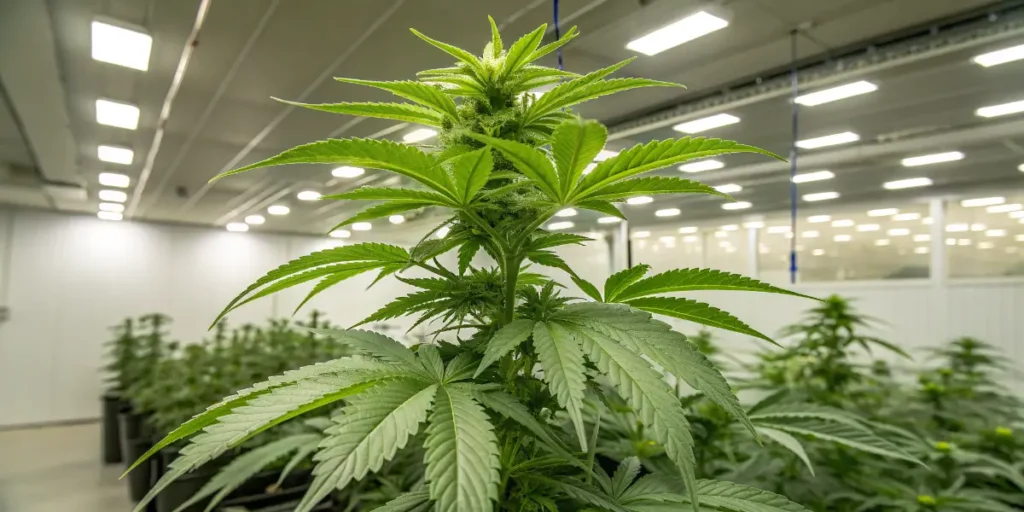

Growing Lemon Skunk demands attention to environmental conditions and care. Start by germinating seeds indoors in a controlled setting to ensure optimal temperatures and humidity. Once sprouted, transplant this strain into nutrient-rich soil that drains well. Providing ample light is crucial, so consider using high-intensity discharge lamps or full-spectrum LED lights to mimic the sun’s rays for healthy cannabis development.
This variety thrives in a slightly warm climate, typically between 70-85°F. Regular pruning helps manage the plant’s height and ensures air circulation, preventing mold in dense buds. Feeding this cultivar with a balanced nutrient schedule will promote vigorous growth. Pay attention to the nitrogen, phosphorus, and potassium ratios during different growth stages to maximize yield.
As harvest time approaches, monitor the terpene levels to assess the pungent lemon aroma, a hallmark of this genetics. Proper drying and curing processes will help maintain the flavor profile and potency of the buds. Consistent practice and patience will enable growers to cultivate the plant successfully, culminating in a bountiful and aromatic harvest.
Lemon Skunk Strain Overview: Traits, Effects & Genetics
This strain is renowned among cannabis enthusiasts for its vibrant citrus aroma and potent effects. Known for its sativa dominance, it offers an energetic yet manageable high, making it a popular choice among growers and users alike. Its unique terpene profile contributes not only to its distinctive smell but also to the invigorating experience it provides.
This variety of cannabis boasts a genetic background that is rich and diverse, originating from two distinct Skunk phenotypes. These genetics are carefully selected to produce a high yield of dense, resinous buds, desirable for both personal consumption and commercial cultivation. The plant’s robust growth and resilience to various climates make it ideal for cultivators seeking a rewarding harvest.
Among its notable effects, users often report a heightened sense of euphoria and creativity. This cultivar is particularly favored for daytime use, as it tends to enhance focus without overwhelming the senses. Additionally, the presence of specific terpenes in the plant contributes to a calming effect, offering a well-rounded experience for recreational and medicinal users alike.
Lemon Skunk features a flowering period of approximately 8-9 weeks, ideal for those looking to achieve a quick turnaround. The yield is typically abundant, ensuring that growers can make the most of their time and effort invested in cultivation. With its striking aroma, balanced effects, and remarkable genetics, this strain continues to be a standout choice for cannabis enthusiasts.
Optimal Environment to Grow Lemon Skunk Successfully
To cultivate the best cannabis, it’s essential to understand the environmental needs of this variety. This strain thrives in a controlled climate with temperatures between 68 to 80°F (20-27°C). Maintaining this range ensures vigorous growth and maximized yield. For indoor growers, setting up an efficient ventilation system is crucial to replicate the ideal conditions for the plant.
Humidity levels play a significant role in the development of the plant. Early growth stages benefit from higher humidity (around 60-70%), while flowering stages require lower levels (about 40-50%) to prevent mold on the buds. For Lemon Skunk, keeping a watchful eye on humidity can enhance terpene production, accentuating its signature citrus aroma and flavor profile.
This cultivar benefits from nutrient-rich soil that supports robust growth. Implementing a feeding schedule that includes sufficient nitrogen, phosphorus, and potassium will promote healthy plant development. Regular monitoring and adjusting of pH levels in the soil, ideally keeping it between 6.0 and 7.0, help in optimizing nutrient uptake, leading to a fruitful harvest.
Lighting is another critical factor in the successful cultivation of this genetics. Utilizing full-spectrum LED lights or high-quality HPS lamps can mimic natural sunlight, promoting substantial growth and dense bud formation. Lemon Skunk will often show its best yield with a light cycle of 18 hours on and 6 hours off during vegetative stages, declining to a 12/12 cycle in flowering mode.
Grow Room Setup for Lemon Skunk Plants
Creating the ideal grow room for this strain requires attention to several critical factors. Proper lighting is essential for the optimal growth of the plant and the production of potent buds. LED lights are recommended due to their energy efficiency and ability to produce the full spectrum of light that these genetics need for healthy cultivation.
Temperature and humidity control play a significant role in cultivating this variety. The ideal temperature range for the plant is between 70-85°F (21-29°C). It’s crucial to maintain humidity at around 40-50% during the vegetative stage, gradually decreasing it as the plants transition into flowering. Proper control prevents mold and supports terpene development.
Ventilation is another key component in the grow room setup for this cultivar. Good airflow helps manage temperature and humidity while also providing fresh CO2 to the plants, promoting vigorous growth and improving the overall yield. Using oscillating fans along with a reliable exhaust system will ensure that the growing environment stays fresh and conducive to healthy cultivation.
To optimize the harvest of Lemon Skunk, consider using containers that allow for adequate drainage and root expansion. This supports the robust root systems that Cannabis plants like this strain develop. Regularly monitor the pH levels of the water and nutrients provided to the plants, aiming for a pH of 6.0-6.5 for best nutrient uptake and plant health.
Indoor Growing Tips for Lemon Skunk
When cultivating this strain indoors, it’s crucial to maintain a consistent environment. The plant thrives in a controlled climate with temperatures between 68-80°F and humidity levels kept at 40-50%. Utilizing a high-quality soil mix enriched with nutrients will support robust growth. Regularly monitor the pH level, ensuring it remains between 6.0 and 7.0 for optimal nutrient absorption.
Proper lighting is essential for this cultivar to flourish. Full-spectrum LED lights are recommended as they mimic natural sunlight and enhance terpene production, crucial for the aromatic buds. Position the lights about 18-24 inches above the canopy, adjusting as the cultivar grows. A consistent light schedule of 18 hours on and 6 hours off will stimulate vegetative growth efficiently.
Air circulation plays a vital role in indoor cannabis cultivation. Install oscillating fans to prevent mold and strengthen the plant’s structure. Regular pruning and training techniques, such as topping and LST (Low-Stress Training), will encourage bushier growth and increase yield. Close attention to these aspects will lead to healthy plants and a bountiful harvest of aromatic buds from this variety.
Outdoor Growing Tips for Lemon Skunk
To successfully cultivate this strain outdoors, select a location that receives ample sunlight, as it thrives under full sun exposure. Ensure the soil is well-draining to prevent root rot, which can be detrimental to the plant’s health. Regularly monitor the soil pH, aiming for a balance between 6.0 and 7.0, to optimize nutrient uptake for robust growth.
This variety is resilient to various climates but thrives best in temperate conditions. Protect it from excessive rain, as it can affect the development of its buds. Employ staking or netting to support the plant as it matures, particularly during windy conditions. Regular pruning will enhance airflow and reduce the risk of mold, a common concern for outdoor cannabis cultivation.
Growers aiming for a high yield should feed this cultivar a balanced nutrient mix, tailoring the feed ratio during its flowering stage to boost terpene production. Observe the plant closely as it approaches harvest time, typically in late September or early October. Patience is key, as allowing it a full flowering cycle will maximize potency and ensure a rewarding harvest.
How to Germinate & Propagate Lemon Skunk
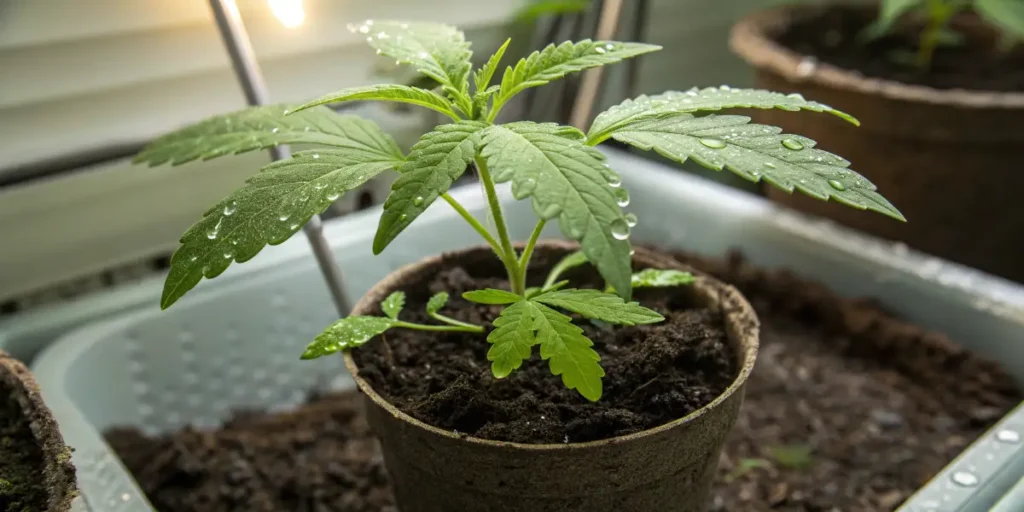
Germinating Lemon Skunk begins with selecting quality seeds. To ensure successful cultivation, opt for seeds that appear robust and healthy. This strain, known for its vibrant aroma and potent buds, thrives when given the right start. Soaking seeds in water for 12 hours can promote initial growth. After soaking, place them in a damp paper towel, ensuring they remain moist but not overly saturated.
Once germinated, transferring the seeds to a growing medium is the next step. This variety performs well in soil with balanced pH levels, allowing its roots to establish firmly. Consider using seedling pots to provide the young plants with ample space to grow. As the taproot emerges, gently place the plant in soil or a hydroponic system, depending on your preferred cultivation method.
Maintaining optimal conditions is crucial for the successful propagation of this cultivar. Ensure consistent environmental factors, such as temperature and humidity, to nurture the seedlings. Gentle lighting, using high-quality grow lights, helps simulate natural sunlight. This variety will need about 16-18 hours of light daily, which supports early growth stages crucial for a healthy yield come harvest time.
As the plant evolves, continue to monitor its progress, adjusting factors like water and nutrients. This strain responds well to a balanced feeding regime, contributing to its growth and bud production. By adhering to these practices, growers can optimize their Lemon Skunk output, ultimately enjoying a rich harvest full of the desired terpenes and potency unique to this cannabis genetics.
Vegetative Stage
During the vegetative stage, the primary goal for growers is to encourage healthy, robust growth in this strain. This involves ensuring adequate light, nutrients, and water to support the development of strong stems and broad leaves, which are crucial for maximizing yield. Controlled indoor environments can optimize light exposure and humidity for this cultivar, facilitating vigorous advancement.
The plant thrives under consistent care, particularly when it comes to lighting. Providing 18-24 hours of light daily can ensure that the variety receives what it needs for photosynthesis. Manipulating light schedules allows growers to stimulate rapid growth and prepare it for a bountiful flowering phase. Adequate spacing between plants promotes airflow, reducing the likelihood of mold.
Nutrient management is crucial for the healthy progress of these cannabis plants. A balanced mix of nitrogen, phosphorus, and potassium will support its structural strength and leaf development. Monitoring pH levels in the soil or hydroponic system helps in nutrient absorption, which subsequently affects terpene profiles and bud growth potential of the plant.
As Lemon Skunk advances through the vegetative phase, regular pruning encourages the development of more bud sites, enhancing its future harvest potential. Trimming lower leaves that receive less light helps focus the plant’s energy on parts of the canopy exposed to optimal light. This hands-on approach ensures a high-quality yield when the flowering stage begins.
Flowering Lemon Skunk: What to Expect
The flowering phase of Lemon Skunk is a crucial period for cannabis growers. Typically lasting between 8 to 9 weeks, this phase is when the plant develops its aromatic buds. Cultivators should ensure that the environmental conditions, including light and humidity levels, are optimally maintained to maximize the plant’s potential during this time.
This variety is known for its vigorous growth and vibrant appearance. Growers can expect the buds to develop thick, resinous layers that carry the distinct citrus scent characteristic of this strain. Both indoor and outdoor cultivators should be vigilant about nutrient management to ensure a healthy yield.
As the flowering stage progresses, the plant will form dense colas with prominent terpene profiles. These terpenes contribute to the overall aroma and flavor of the buds, enhancing the sensory experience for those who consume this genetics. Monitoring for pests and mold is essential to protect the quality of the harvest.
Harvesting Lemon Skunk at the right time is critical to achieving its full potential. Signs of readiness include the changing color of the pistils and the appearance of trichomes. Properly timed harvest ensures that the potency and yield of the buds are maximized, making this cultivar a rewarding choice for passionate growers.
Fertilizers & Nutrient Schedule
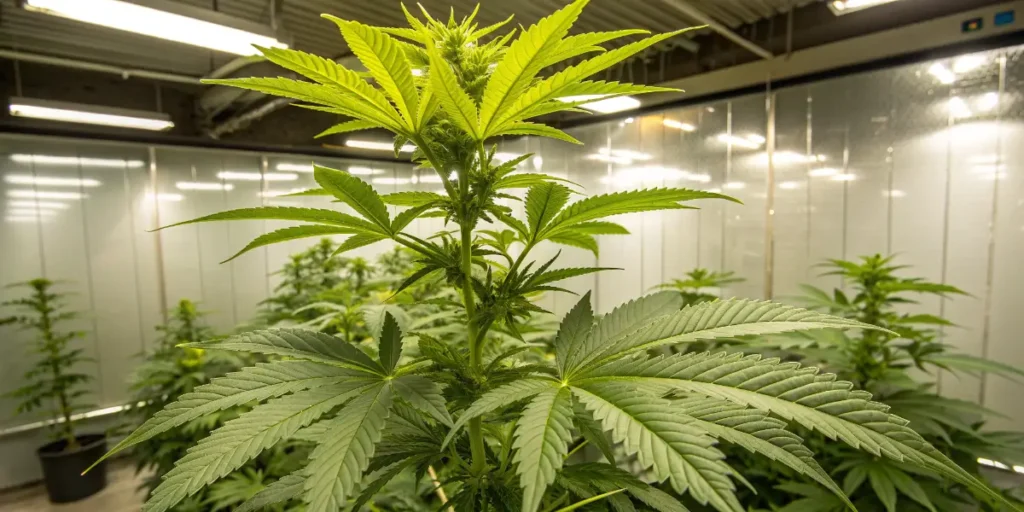
To achieve optimal growth, this strain requires a balanced nutrient regimen tailored for its unique needs. During the vegetative stage, high levels of nitrogen and potassium are essential to develop strong roots and vibrant foliage. As the plant grows, gradually increase the phosphorus levels to support robust stem development, ensuring a strong foundation for future buds.
When transitioning into the flowering stage, the focus shifts to enhancing bud production and terpene development. A specialized bloom fertilizer with higher phosphorus and potassium content is recommended for this variety. Reducing nitrogen at this stage helps to encourage tighter buds while preventing nutrient toxicity, which can hinder the quality and yield of Lemon Skunk.
Monitoring pH levels is crucial to prevent nutrient lockout, which can impede nutrient absorption in this cultivar. The ideal pH range should be maintained between 6.0 and 6.5. Regularly check the run-off water to ensure the roots are receiving the essential nutrients needed for healthy growth and maximum harvest potential.
Implementing a flush is also vital a couple of weeks before harvest. This process helps to remove any excess salts or nutrients from the soil, resulting in cleaner and more flavorful buds. By adhering to a well-structured nutrient schedule, growers can optimize the yield and enhance the overall quality of their Lemon Skunk crop.
Pest and Disease Prevention for Healthy Cannabis Plants
Maintaining the health of cannabis plants is crucial for growers aiming to achieve optimal yields and buds laden with terpenes. This variety, like other strains, is susceptible to pests such as spider mites and aphids. Regularly inspecting the plant for signs of infestation is essential. Employing beneficial insects and natural predators can effectively reduce pest populations and safeguard the crop.
Beyond pests, disease prevention plays a vital role in successful cannabis cultivation. This strain can be vulnerable to mold and mildew, especially in damp conditions. Ensuring proper air circulation throughout the growing area can help in maintaining a healthy environment. Prune regularly and keep foliage dry to minimize the risk of fungal infections affecting the plant’s potential harvest.
To maximize the potential of Lemon Skunk, preventive measures should also include soil management and cleanliness. Avoiding wet soil conditions and ensuring nutrients are balanced will fortify the plant’s resilience against diseases. By incorporating crop rotation and sanitation practices, growers can enhance the sustainability and health of this cultivar, ultimately improving both yield and quality.
Harvesting & Drying
When it comes to harvesting this strain, timing is crucial. Growers should look for pistils turning from white to reddish-brown and trichomes transitioning from clear to a milky white hue. These signs indicate that the cannabinoids and terpenes have reached their peak potency in this variety, ensuring a robust flavor and aroma associated with the plant.
Once harvested, the drying process is critical to preserving Lemon Skunk’s unique profile. Place the cut branches in a dark, well-ventilated area with temperatures between 60 to 70°F and humidity levels around 50%. This environment helps maintain the rich terpene content and prevents mold growth, essential for maximizing the yield’s quality.
It’s important to handle the buds gently during drying, as rough handling can damage trichomes and diminish the overall quality. Growers should allow the plant to dry for about 7 to 10 days, checking regularly to ensure it reaches the desired dryness. Correctly dried, the buds should be crisp on the outside but still provide slight resistance when squeezed.
After drying, curing further enhances this cultivar’s potency and flavor. Place the dried buds in airtight containers, opening them daily for a few minutes during the first couple of weeks to allow moisture to escape. Over time, this gradual curing process enhances the Lemon Skunk’s distinct aromatic and psychoactive qualities, contributing to a superior cannabis experience.
Lemon Skunk Strain Type: Indica, Sativa or Hybrid?
Lemon Skunk is a well-known hybrid strain, which means it combines characteristics from both Indica and Sativa varieties. However, this cultivar leans more towards the Sativa side, offering uplifting and energizing effects. For cannabis growers, knowing this balance is crucial for successful cultivation, as the plant’s growth patterns and yield can be influenced by its Sativa dominance.
This strain’s genetics result in tall plants with elongated buds, a trait typical of Sativa-dominant hybrids. Growers looking to maximize yield should keep the plant’s height under control through training techniques. Additionally, its terpene profile contributes to its distinct citrus aroma, which remains prominent throughout the flowering stage and into harvest, making managing its environment essential for flavor preservation.
For optimal cultivation, growers should focus on providing adequate light and space, as the plant’s Sativa characteristics drive its vertical growth habit. While it prefers a slightly warmer climate, adjustments can be made indoors. Lemon Skunk’s hybrid nature allows it to be versatile in various growing conditions, making it an appealing choice for both novice and experienced cannabis cultivators.
Why Grow Lemon Skunk? Key Benefits for Cultivators
Growing Lemon Skunk is a rewarding endeavor for cultivators seeking robust cannabis genetics. This strain is known for its ease of cultivation, making it ideal for both beginners and seasoned growers. The plant demonstrates strong resilience against pests and diseases, which significantly reduces maintenance efforts. Additionally, it flourishes in various environments, whether grown indoors or outdoors, presenting versatile growing options.
One of the major attractions of this variety is its impressive yield. Cultivators can expect substantial buds during harvest, offering considerable returns for their efforts. The plant tends to flower within a reasonable timeframe, ensuring that growers don’t have to wait long to enjoy the fruits of their labor. Moreover, its strong, pungent aroma is a tell-tale sign of the abundant terpenes present in the buds.
This cultivar is celebrated for its distinctive flavor profile, blending citrusy notes with skunky undertones, which appeals to a broad spectrum of cannabis enthusiasts. These qualities not only enhance personal satisfaction but also enhance its marketability. The combination of high yield and unique terpene profile makes it a highly desirable choice for commercial growers aiming to maximize their profit potential while delivering a quality product.
Potential Challenges When Growing this Strain
When cultivating Lemon Skunk, one of the significant challenges is managing humidity levels. This strain is prone to mold, especially during its flowering phase. Growers need to maintain a stable environment with proper ventilation to ensure the plant’s health. Monitoring humidity and employing dehumidifiers can prevent mold and mildew, ensuring a more successful cultivation process for this genetics.
Another common issue with this variety is pest management. The plant can attract common cannabis pests such as spider mites and aphids. Implementing an integrated pest management system, including regular inspection and the use of natural predators, can help control pest populations. Keeping the growing area clean and using organic deterrents can further mitigate this challenge, safeguarding the buds and overall yield.
Nutrient imbalances are also a concern when growing this cultivar. Providing balanced nutrition is crucial, especially during the flowering stage, to optimize terpene production and bud development. Over-fertilization can lead to nutrient lockout, affecting the plant’s growth. Regular soil testing and a well-planned feeding schedule ensure healthy growth, leading to a successful harvest for Lemon Skunk.
Is this Variety Worth Buying? Here’s What You Need to Know
Lemon Skunk is a popular choice among cannabis enthusiasts due to its fragrant profile and bright, citrusy aroma. Growers admire this strain for its robust growth characteristics and the abundance of dense, aromatic buds it produces. With its balanced effects, this variety appeals to both recreational and medicinal users looking for a well-rounded experience.
This strain thrives in various cultivation environments, offering flexibility for both indoor and outdoor growers. The plant’s genetics ensure a reliable yield and a satisfying harvest. If you’re considering adding it to your garden, expect a terpene-rich profile that enhances the sensory experience, making it a favorite among cannabis connoisseurs.
When exploring cannabis options, many find this cultivar worth the investment due to its consistent performance and quality. The plant’s reputation for delivering potent effects alongside the gratifying aromas makes it a standout choice. Whether you’re cultivating for personal use or commercial purposes, the attributes of this variety can fulfill diverse growing objectives.
FAQs: Growing Lemon Skunk
What is the ideal climate for growing Lemon Skunk outdoors?
Lemon Skunk thrives in warm, sunny environments with consistent temperatures between 70-85°F (21-29°C). This strain prefers a Mediterranean climate where it can receive plenty of sunlight. If you’re growing it outdoors, make sure it’s in a location that avoids excessive moisture and high humidity, which can lead to mold or mildew. Proper air circulation and drainage are also crucial for this variety to flourish.
How long does Lemon Skunk take to flower?
Typically, Lemon Skunk has a flowering time of around 8-9 weeks. This timeline allows the plant to develop dense, flavorful buds. Indoor growers can manage light cycles carefully to ensure this timetable, while outdoor growers should align planting schedules to harvest by late September to early October. Monitoring the trichomes will also help determine the optimal harvest time for this strain.
What yield can growers expect from Lemon Skunk?
Under optimal conditions, Lemon Skunk can deliver a generous yield. Indoor growers can expect around 18 ounces per square meter, while outdoor growers might see yields up to 28 ounces per plant. These yields depend significantly on environmental factors and the grower’s expertise in applying techniques like topping or pruning to maximize light exposure and air circulation for this cultivar.
What are common pests and diseases that affect Lemon Skunk?
Lemon Skunk is susceptible to typical cannabis pests like spider mites and aphids, as well as diseases such as powdery mildew. Regular inspections and maintaining a clean grow environment can prevent infestations in the plant. Employing natural insecticides and beneficial insects can help manage pests, while adequate spacing and airflow reduce disease risks. These care measures can help keep this variety healthy and productive.
What type of nutrients does Lemon Skunk need for optimal growth?
Lemon Skunk requires a balanced diet of macro and micronutrients. A nitrogen-rich fertilizer is beneficial during its vegetative stage, while increasing phosphorus and potassium will support healthy flowering. This strain also benefits from additional calcium and magnesium. Monitoring soil pH and nutrient levels is key to ensuring your plants absorb what they need to thrive. Adjust feeding schedules based on the plant’s response and growth stage.