
To begin cultivating Mamba Negra, start by choosing a nutrient-rich soil that enhances the plant’s growth. Opt for an indoor or outdoor setup, keeping in mind the ideal temperature range of 20-28°C. This strain thrives under controlled environments, so ensure proper ventilation and humidity levels, which are crucial for preventing mold and promoting vigorous growth.
During the vegetative phase, provide this variety with ample light, ideally 18 hours a day, to foster robust development. As the plant matures, gradually reduce the light exposure to stimulate the flowering phase. Regular pruning of this cultivar encourages airflow and light penetration, which can boost overall yield and quality of buds.
When it comes to the flowering stage, which lasts about 8-9 weeks, monitor the plant closely for optimal development. The use of organic nutrients can enhance the terpene profile, resulting in flavorful harvests. By harvest time, ensure the trichomes have matured properly to guarantee a potent and aromatic crop of cannabis from this resilient genetics.
Mamba Negra Strain Overview: Traits, Effects & Genetics
Mamba Negra is a popular cannabis strain known for its remarkable characteristics and appealing traits. This variety is favored among growers for its ease of cultivation and robust growth pattern. The plant produces dense, resinous buds that are both attractive and potent. Its relatively short flowering time makes it an excellent choice for those seeking a quick harvest without compromising quality.
This strain’s effects are well-regarded for their balanced blend of relaxation and euphoria. Users often experience a calming body high coupled with an uplifting cerebral effect, making it suitable for both day and night use. This cultivar’s terpene profile contributes to its aromatic bouquet, often described as fruity with a hint of spicy undertones, adding to its overall appeal.
Genetically, this variety is a cross between Critical Mass and a Skunk-derived strain. The combination of these strong genetics results in a resilient plant that can thrive in various environments. Growers appreciate its impressive yield potential, which makes the cultivation process both rewarding and profitable. The plant is adaptable, making it suitable for both novice and experienced cultivators.
To maximize the performance of this genetics, proper environmental conditions such as controlled humidity and adequate lighting are essential. Regular monitoring and maintenance will ensure a bountiful harvest of high-quality buds. With its unique traits and reliable effects, Mamba Negra has established a solid reputation in the cannabis community, consistently delivering satisfaction to its cultivators and consumers alike.
Optimal Environment to Grow Mamba Negra Successfully
For successful cultivation of this strain, maintaining the right temperature and humidity levels is crucial. Mamba Negra thrives in temperatures between 68°F and 80°F, ensuring healthy growth and a robust yield. This variety prefers relative humidity levels around 40% to 50% during the vegetative stage and 30% to 40% during flowering, which encourages optimal bud development.
Lighting plays a significant role in the cultivation of this cultivar. Mamba Negra benefits from a consistent light schedule, with the vegetative phase requiring 18 hours of light daily and the flowering phase needing 12 hours. This shift encourages the plant to produce dense, aromatic buds. For indoor growers, using full-spectrum LED lights can mimic the ideal sunlight conditions.
A well-drained soil enriched with organic matter is key for this strain’s success. Growers should consider a substrate mix that includes coconut coir or peat moss to improve aeration and water retention. Keeping a balanced nutrient regimen with ample nitrogen during vegetative growth and boosting phosphorus and potassium during flowering will support healthy development and maximize harvest potential.
Providing adequate ventilation is essential to prevent mold and mildew, which can compromise the quality of the harvest for Mamba Negra. Fans and exhaust systems help maintain airflow, ensuring a fresh supply of carbon dioxide, which is vital for photosynthesis and terpene production. By optimizing these environmental factors, growers can expect a bountiful yield with terpenes that enhance the cultivar’s signature aroma and flavor.
Grow Room Setup
Creating the ideal environment for cultivating this strain is essential for maximizing its yield and bud quality. The growing room should maintain a temperature range of 70-85°F, with relative humidity levels around 40-50% during the flowering stage. These conditions will help this genetics develop its unique terpene profile and enhance its overall potency.
Lighting is another critical aspect of successful cannabis cultivation. Mamba Negra plants thrive under full-spectrum LED lights, which simulate natural sunlight effectively. Providing 18 hours of light during the vegetative phase and reducing it to 12 hours during flowering encourages the plant to produce dense, resinous buds. Ensuring consistent light schedules will support robust growth.
Good air circulation is vital to prevent mold and other issues, particularly important for dense bud formations. Install oscillating fans to promote airflow, which helps the plant breathe and reduces the chance of fungal infections. Additionally, carbon filters can manage odors, keeping your grow room discreet and secure from unwanted attention.
The medium in which this cultivar grows also impacts its health and yield. Many growers use either soil or hydroponic systems, both of which can be tailored to optimize nutrient absorption. An even pH balance, ideally between 6.0 and 6.5 for soil, ensures that the plant absorbs the necessary nutrients to thrive, leading to a successful harvest.
Indoor Growing Tips for Mamba Negra
To cultivate this strain successfully indoors, growers should focus on maintaining optimal light conditions. The plant thrives under LED lights, as they closely mimic natural sunlight while emitting less heat. Positioning lights correctly helps maximize photosynthesis, promoting robust growth and higher yields. Additionally, consistent light cycles of 18-6 (hours of light to darkness) are crucial during the vegetative stage for this cultivar.
Temperature and humidity control play a pivotal role in the indoor cultivation of this variety. Keeping temperatures between 20-28°C (68-82°F) ensures the plant’s metabolism functions efficiently. In the early growth stages, maintain humidity levels around 60%, gradually decreasing to 40% as the plant transitions into the flowering stage. This careful management preserves terpene profiles and promotes healthy bud development.
Feeding this strain the right nutrients is essential for optimizing its yield potential. A balanced fertilizer regime, rich in N-P-K ratios, should be tailored for both the vegetative and flowering phases. Observing the plant’s needs enables growers to adjust nutrient levels accurately. With attention to these details, intricate aromas and potent harvests become the rewarding outcome of cultivating this genetics indoors.
Outdoor Growing Tips for Mamba Negra
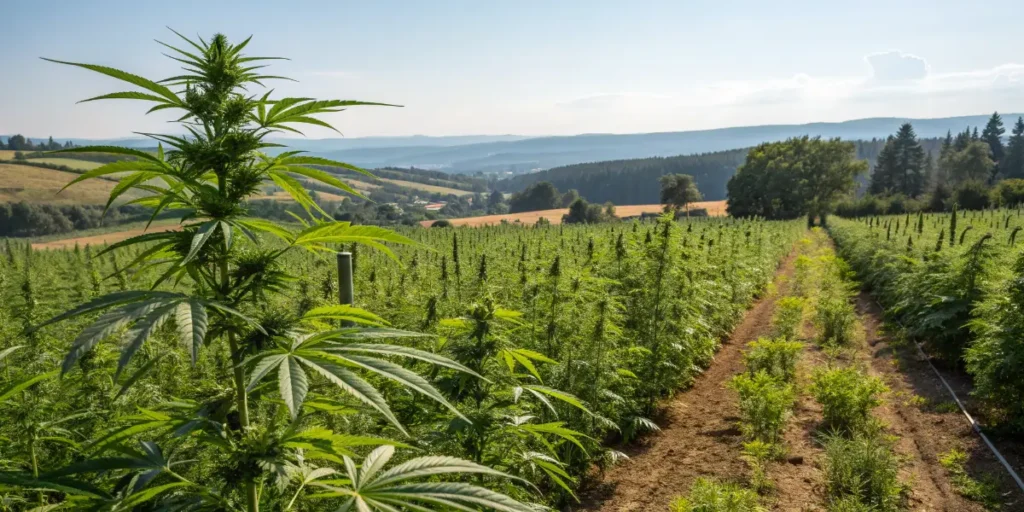
When cultivating this strain outdoors, selecting a location with plenty of sunlight is crucial for optimal growth. This variety thrives in warm, Mediterranean-like climates, which help it develop robust buds and a high yield. Ensure the plant has well-draining soil, and monitor the pH levels to keep them balanced, as this can significantly affect its overall health and productivity in outdoor settings.
To enhance the terpene profile of this cultivar, consider incorporating organic nutrients into your soil regimen. Organic fertilizers can improve flavor profiles and boost terpenes, resulting in a more aromatic harvest. Regular pruning is essential as well. By trimming back excess foliage, growers can improve air circulation around the plant, reducing the risk of mold and fostering healthier, more potent cannabis.
Timing is everything with this genetics. Begin the growing season after the last frost to avoid any temperature-related stress. Harvesting typically occurs in late September to early October, allowing growers to maximize yield and potency. Employing methods like topping and training can also increase sun exposure to lower branches, improving bud development throughout the plant and ensuring a bountiful harvest.
How to Germinate & Propagate Mamba Negra
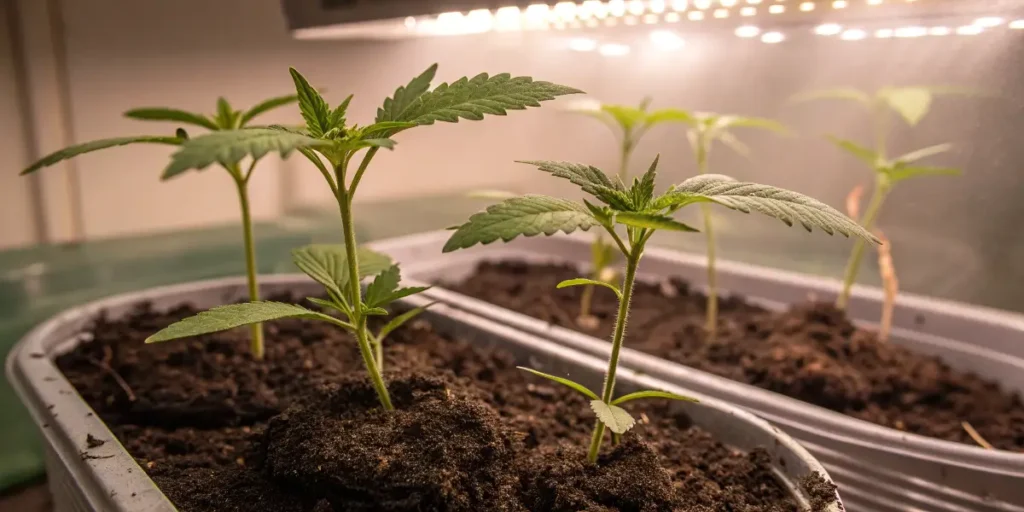
When preparing to cultivate Mamba Negra, successful germination is the crucial first step. Starting with high-quality seeds is essential to ensure a healthy growth process. Soak them in water for about 12-24 hours to initiate germination. This will help soften the seed coat, allowing the seedling to break through. With proper germination, this strain offers robust growth potential.
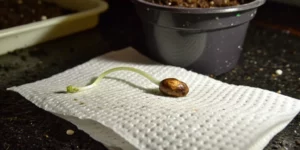
This variety thrives under certain conditions that support its initial development stages. Place the soaked seeds between damp paper towels in a dark, warm area, maintaining a temperature of around 70-75°F. Check regularly to ensure the towels remain moist, as drying out could impede germination. After 1-4 days, tiny taproots should emerge, marking the beginning of cultivation.
After germination, transplant the young seedlings into small pots with a quality soil mix. Ensure the soil is well-draining and rich in nutrients to promote healthy root development. The plant’s early stages are vital for setting up a successful yield. Place them under grow lights or in a sunlit environment, gradually increasing light exposure to encourage robust growth and terpene production.
Propagation of this cultivar can also be achieved through cloning for consistent quality. Cut a healthy branch from a mature Mamba Negra plant at a 45-degree angle and root it in a growth medium or water. This method ensures genetic consistency and facilitates quicker harvesting cycles. With careful attention, reaping bountiful buds is achievable, making it a favored choice among growers.
Vegetative Stage: Nurturing Your Plants
During the vegetative stage, this strain benefits from a robust start to reach its full potential. Growers need to focus on maintaining the right environment, ensuring that cultivation conditions are optimal. Provide sufficient light, ideally with a minimum of 18 hours a day, to encourage strong growth. A consistent temperature between 70-85°F helps maximize photosynthesis and plant development.
It’s crucial to ensure that the plant has access to adequate nutrients during this stage. Nitrogen-rich fertilizers are generally recommended, as nitrogen supports leaf and stem growth. Be cautious to avoid nutrient burn by monitoring the dosage carefully. This cultivar thrives in well-aerated soil, which helps facilitate robust root expansion and supports healthy vegetative growth.
The right humidity levels are essential for this variety. Aim for a relative humidity of around 50%-70% to prevent the plant from drying out. Regular pruning can promote more vigorous growth and ensure that energy is directed towards the primary developing areas. Ventilation also plays a pivotal role, keeping airflow steady to reduce the risk of mold.
As Mamba Negra transitions through its vegetative stage, it’s important to monitor for any signs of stress or nutrient deficiencies. These can significantly impact the future yield and quality of the buds. Regular inspections and adjustments in care practices will ensure that the plant thrives. Continuing with attentive care sets a solid foundation for a bountiful harvest full of rich terpenes.
Flowering Mamba Negra: What to Expect
During the flowering stage, this strain showcases its true potential. Growers can expect flowering to last approximately eight weeks, with the plant thriving in both indoor and outdoor settings. Optimum conditions include a controlled environment with moderate humidity levels, which ensures lush bud development. This cultivar benefits from proper lighting, ideally aiming for a light cycle of 12 hours on and 12 hours off.
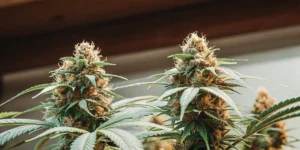
The buds of this variety are notably dense and resinous, contributing to an impressive yield potential. As it matures, the plant exhibits a rich tapestry of aromas, thanks to its diverse terpene profile. Growers should anticipate a sweet, fruity fragrance dominating the growing space. Paying close attention to the nutrient intake during this period maximizes the potency and quality of the final product.
Cultivation of this genetics requires monitoring for pests and mold, particularly as the buds become heavy with resin. Employing preventive measures, such as adequate airflow and spacing, is crucial. Structurally, the plant is robust, but support may be needed to manage the weight of the dense buds. Regular inspection ensures any issues are swiftly addressed, protecting the harvest.
Upon reaching full maturity, Mamba Negra offers an abundant yield, marked by sticky, aromatic buds ready for harvest. The careful timing of harvest is vital to capture the peak terpene profile, ensuring a flavorful and aromatic end product. Harvesting during the early morning hours might enhance terpene preservation, reflecting the dedication required to cultivate this remarkable cannabis cultivar.
Fertilizers & Nutrient Schedule
To cultivate the best buds from this strain, knowing its nutrient needs is crucial. During the vegetative phase, this variety requires a balanced mix of nitrogen, phosphorus, and potassium. Using a fertilizer with a higher nitrogen ratio will support vigorous leaf growth, setting the foundation for a healthy and robust plant.
As Mamba Negra transitions into its flowering phase, the nutrient needs change. Growers should gradually decrease nitrogen and increase phosphorus and potassium levels. This shift in nutrients promotes strong bud development and maximizes the yield. Additionally, introducing calcium and magnesium supplements can enhance the plant’s ability to absorb essential nutrients.
Organic fertilizers can also be beneficial for this cultivar, providing a slow release of nutrients. Supplementing with compost teas can further bolster microbial activity around the roots, improving nutrient uptake and health. The use of organic materials can enhance terpene profiles, enriching the aroma and flavor of the final harvest.
Adhering to a structured nutrient schedule ensures that the plant thrives at every stage of growth. Regular monitoring of pH and EC levels will prevent nutrient lockout and deficiencies. This attentive approach not only optimizes the plant’s health but also enhances its overall potency, leading to a successful cultivation experience for any enthusiast.
Pest and Disease Prevention for Healthy Cannabis Plants
Ensuring a healthy grow environment is crucial for the optimal yield of any cannabis variety, including Mamba Negra. Cultivators should focus on maintaining clean soil and proper air circulation, which are vital in preventing mold and pests. Regularly inspecting plants can help detect early signs of infestation or disease, ensuring that issues are addressed long before harvest time.
This strain benefits from the use of organic repellents and beneficial insects to control pests naturally. By introducing predators such as ladybugs and predatory mites, growers can effectively manage pest populations without the use of harmful chemicals. Consistent monitoring of this cultivar will help in identifying potential threats early and safeguarding its valuable buds and terpenes.
Maintaining optimal humidity and temperature levels is essential in disease prevention for the plant. Excessive moisture can lead to issues like powdery mildew. Using tools like hygrometers can aid growers in keeping the environment within safe parameters. By implementing these practices, cultivators will improve their chances of a bountiful harvest, ensuring the health and potency of this variety.
Harvesting & Drying
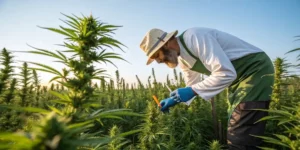
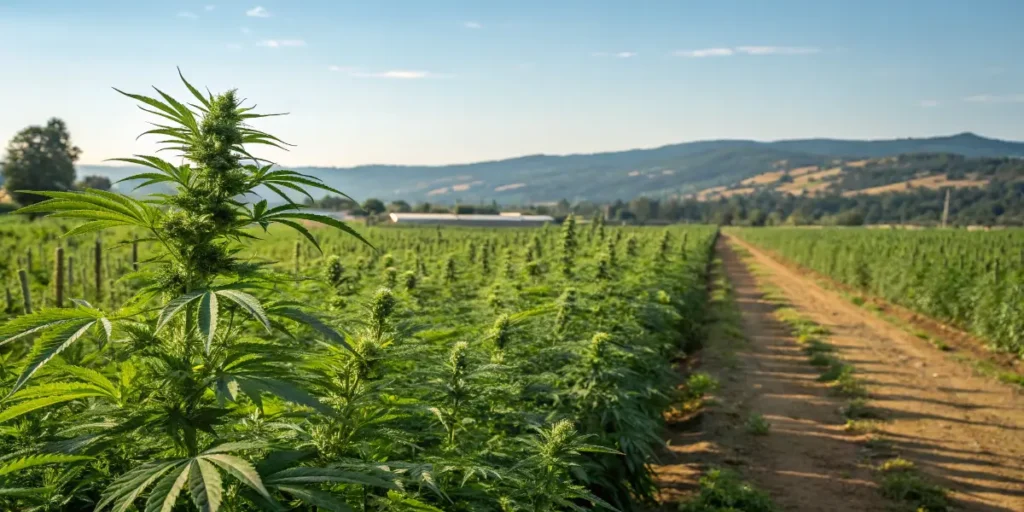
Harvest time for this strain is critical to maximize its potential yield and preserve its rich terpene profile. Growers should keep a close eye on the trichomes, as their shift in color from clear to milky indicates optimal harvest timing. It’s crucial to choose a dry, sunny day for harvesting to ensure the buds remain free from excess moisture and prevent mold development.
Once harvested, handling the buds with care is essential, as the resin glands are sensitive to touch. Gently snipping the branches and removing excess leaves prepares the buds for the drying process. This cultivar will benefit from a controlled drying environment with a temperature of around 60°F to 70°F and humidity levels between 45% to 55%, ensuring gradual moisture reduction.
Proper drying takes around 10 to 14 days, during which the buds should be hung upside down in a dark, well-ventilated space. Adequate circulation prevents mold and enhances the quality of the final product. For this variety, it is recommended to avoid direct light exposure as it can degrade cannabinoids and terpenes, affecting the overall potency.
After drying, curing in glass jars for several weeks is essential to develop the full aromatic profile of Mamba Negra. The jars should be opened daily, allowing fresh air exchange to balance moisture levels. By following these steps, growers can ensure that the plant reaches its full potential, delivering a refined and high-quality cannabis experience to consumers.
Mamba Negra Strain Type: Indica, Sativa or Hybrid?
Mamba Negra is known for being a predominantly Indica strain crossed from Critical Mass and a Skunk variety. Renowned among cannabis growers, this cultivar delivers a relaxing experience due to its strong Indica dominance. Its growth pattern showcases broad, fan-like leaves and dense buds, characteristic of many Indica varieties, making it a favorite among those seeking a calming and sedative effect.
This strain’s Indica genetics contribute to its robust structure, ideal for both indoor and outdoor cultivation. With the right conditions, the plant can produce a substantial yield of aromatic buds rich in terpenes. Known for its resilience, this variety is well-suited for growers aiming for a high-yield harvest with minimal complications, thriving in a variety of climates.
Although Mamba Negra leans heavily towards Indica, some hybrid traits are noticeable, offering manageable growth and a quicker flowering time. This cultivar’s hybrid nature means that while it predominantly provides a body-high, some users might experience uplifting effects typical of Sativa properties. This balance makes it a versatile option for those seeking both relaxation and mild euphoria.
Why Grow Mamba Negra? Key Benefits for Cultivators
Known for its robust growth and high efficiency, Mamba Negra appeals to cannabis cultivators aiming for substantial yields. This strain produces dense buds rich in terpenes, contributing to its distinct aroma and flavor. The plant is adaptable to various cultivation methods, making it a versatile choice for both novice and experienced growers seeking reliable harvests.
This cultivar stands out due to its impressive yield potential. The plant consistently delivers an abundant harvest, making it a lucrative option for those in the cannabis industry. Its predictable growth pattern allows growers to optimize their cultivation processes, ensuring high-quality buds at each harvest, thus maximizing profits and minimizing risks.
The genetics of this variety make it highly resistant to common pests and diseases, which is a significant advantage for cultivators. This resistance reduces the need for chemical interventions, promoting a more organic growing operation. Additionally, it flourishes in both indoor and outdoor settings, offering flexibility and consistent results regardless of the chosen cultivation environment.
Potential Challenges When Growing Mamba Negra
Growing the Mamba Negra strain can present various challenges that growers should be prepared for. This cultivar is susceptible to mold and mildew, especially in humid climates, affecting cannabis quality and yield. Ensuring proper ventilation and monitoring humidity levels closely will help mitigate these issues, giving the plant the best chance for a successful harvest.
Another challenge with this variety is its nutrient sensitivity. While cultivating this strain, growers may find it requires careful management of nutrient levels to avoid overfeeding, which can lead to nutrient burn. It’s crucial to maintain a balanced diet for the plant, particularly during the flowering stage, to optimize bud development and terpene profiles.
The plant’s growth pattern may pose difficulties. Mamba Negra tends to grow quite bushy, necessitating regular pruning and training to ensure adequate light penetration and airflow. By carefully managing canopy density, growers can promote a healthier cultivation environment, enhancing overall yield and quality of the buds produced. Attention to these details can make a significant difference in the final results.
Is this Variety Worth Buying? Here’s What You Need to Know
When considering the purchase of this strain, it’s essential to focus on its impressive cultivation attributes. This variety offers a resilient growing experience, making it suitable for both novice and seasoned growers. The plant is known for its robust buds and high yield potential, providing ample rewards to those who invest in its cultivation efforts.
One of the standout features of this cultivar is its rich terpene profile, contributing to its unique aroma and flavor. Growers often appreciate its distinctive sensory qualities, which can add significant value to their cannabis collection. The genetic makeup of this variety ensures consistent results, making it a reliable choice for anyone looking to expand their cultivation portfolio.
Mamba Negra is particularly appealing due to its balanced properties and impressive harvest results. Whether you are growing for personal use or commercial purposes, the plant promises a satisfying experience from seed to harvest. Evaluating these factors can help you decide if investing in it aligns with your cannabis goals and preferences.
FAQs: Growing Mamba Negra
How difficult is it to cultivate Mamba Negra for newcomers?
Mamba Negra is of moderate difficulty, suitable for intermediates who can manage environmental factors like humidity and temperature. It responds well to LST and topping, but these techniques require some skill. With proper care, growers can achieve excellent results. Beginners might find it a bit challenging due to its specific needs, but with attentive monitoring and commitment, success is attainable with this strain.
What are the yield expectations for Mamba Negra?
Yield-wise, Mamba Negra offers rewarding results. Indoor growers can expect between 450-550 grams per square meter, while outdoor conditions can result in up to 800 grams per plant. To maximize output, ensure proper lighting and nutrient regimes are maintained throughout its growth cycle. Following best practices consistently will lead to bountiful harvests with this variety.
What is the ideal climate for growing Mamba Negra?
This cultivar thrives in Mediterranean-like climates with warm, sunny conditions. It’s important to maintain temperatures between 70-85°F for optimal growth. If growing Mamba Negra indoors, replicate these conditions with proper lighting and ventilation. This genetic prefers a slightly drier environment, ensuring mold and mildew don’t become issues during its flowering period.
How long does it take for Mamba Negra to flower?
Mamba Negra typically flowers in about 8 to 9 weeks. Growers can manage flowering duration effectively by ensuring the plant’s environmental conditions are consistently optimized. Regular checks and adjustments to light exposure and nutrient feeding during this period will support optimal flowering and lead to high-quality yields from this genetics.
What kind of nutrient needs does Mamba Negra have?
Mamba Negra requires a balanced diet with a focus on phosphorus and potassium during its flowering stage to boost bud development. Use high-quality nutrient solutions designed for cannabis cultivation to meet its needs. Regularly monitor pH levels and adjust nutrient solutions as necessary. Healthy soil and adequate feeding will reward growers with robust growth and abundant harvests from the plant.