
Successful cultivation of this strain begins with selecting the right environment. Mamba Negra Auto thrives in both indoor and outdoor settings. Start by providing the plant with a rich, well-draining soil to encourage robust root development. Maintain a consistent temperature between 70-80°F and ensure the plant receives adequate light, around 18-20 hours daily.
During the vegetative phase, this cultivar requires regular watering but avoid over-saturating the soil to prevent root rot. As the plant matures, employ low-stress training techniques to maximize light exposure and enhance bud development. This variety benefits from balanced nutrients; hence, incorporate nitrogen-rich fertilizers initially, switching to phosphorus-rich options as it enters the flowering stage.
Recommended Strains
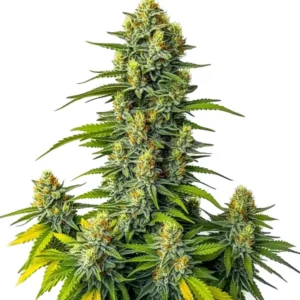
Mamba Negra Auto

|
THC | 8% - 15% (Low) |

|
Lineage | Mamba negra x Tangie Auto |

|
Type | Autoflowering |

|
Height | 4.92 ft | 1.5 m |

|
Yield | Low |

|
Yield Indoor | 1.15 - 1.31 oz/ft² | 350 - 400 g/m² |

|
Yield Outdoor | 19.4 - 24.69 oz/plant | 550 - 700 g/plant |

|
Life Cycle | 8 - 10 weeks |

|
Phenotype | 80% Indica / 20% Sativa |

|
Medical | Arthritis, Insomnia, Pain |

|
Effects | Calming, Relaxed, Sleepy |

|
Flavors | Earthy, Fruity, Sweet |
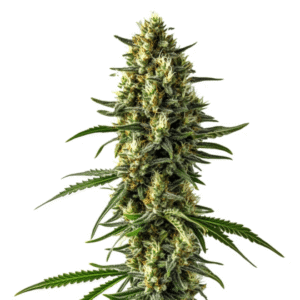
Mamba Negra CBD Auto
|
|
Lineage | Mamba negra x Tangie Auto x CBD |
|
|
Type | CBD Autoflowering |
|
|
Height | 4.92 ft | 1.5 m |
|
|
Yield | High |
|
|
Yield Indoor | 1.64 oz/ft² | 500 g/m² |
|
|
Yield Outdoor | 21.16 - 24.69 oz/plant | 600 - 700 g/plant |
|
|
Life Cycle | 8 - 10 weeks |
|
|
Phenotype | 80% Indica / 20% Sativa |
|
|
Medical | Depression, Insomnia, Muscle Spasms |
|
|
Effects | Creative, Euphoric, Uplifted |
|
|
Flavors | Citrus, Fruity, Lemon |
Harvest time for Mamba Negra Auto typically arrives about 70 to 75 days after germination. Monitor trichomes using a magnifying glass; they should appear milky with some turning amber. This is the optimal time for harvesting to ensure maximum terpene preservation and a potent yield. Proper drying and curing processes are crucial to enhance flavor and potency, leading to a satisfying cannabis experience.
Mamba Negra Auto Strain Overview: Traits, Effects & Genetics
Mamba Negra Auto is a popular choice among cannabis enthusiasts due to its impressive traits and genetics. This strain is characterized by its resilient nature, which makes it ideal for both novice and experienced growers. It is an autoflowering variety, meaning it has a relatively short cultivation period, allowing for multiple harvests in a single season.
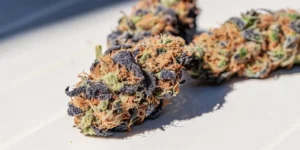
This cultivar is known for producing dense and resinous buds, rich in terpenes that give off a fruity and zesty aroma. The effects of the plant are well-balanced, offering a euphoric yet relaxing high that can enhance creativity and alleviate stress. Growers appreciate its consistent yield, which contributes to its popularity in cultivation.
The genetics of this variety are a hybrid mix, lending to its robust growth and adaptability in various climates. It thrives in both indoor and outdoor environments, making it a versatile choice for cultivators. With proper care, this strain can produce a generous harvest, rewarding growers with high-quality buds.
Overall, the plant stands out not only for its potent effects but also for its ease of growth. Whether you are seeking a reliable yield or a unique sensory experience, this genetics delivers on both fronts. It’s an excellent option for those looking to diversify their cannabis garden with a resilient and flavorful option.
Optimal Environment to Grow Mamba Negra Auto Successfully
To cultivate this strain effectively, maintaining the right climate is crucial. This variety thrives in warmer, Mediterranean-type climates, with temperatures between 70-85°F (21-29°C). Consistent temperature control fosters optimal growth and resin production, enhancing the buds’ potency. Regular monitoring helps ensure that the plant flourishes, ultimately leading to an impeccable harvest filled with rich terpenes.
Humidity levels play a vital role in the development of this cultivar. During the vegetative stage, maintain humidity around 60% to promote vigorous growth. As Mamba Negra Auto matures into the flowering stage, gradually reduce the humidity to 40-50%. This reduction helps prevent mold and mildew, safeguarding the quality of your yield and preserving the delicate aroma and flavor of the cannabis.
Lighting is another key factor in the successful cultivation of this variety. Though it’s an autoflowering plant, providing a consistent light cycle of 18-20 hours of light per day ensures robust growth. High-quality LED or HID lights support dense bud development, maximizing the plant’s potential yield. Adequate lighting encourages the accumulation of essential oils and terpenes.
Soil quality and nutrients significantly influence the overall success of growing Mamba Negra Auto. Use well-draining, nutrient-rich soil to support root health and growth. Regular feeding with a balanced fertilizer, rich in nitrogen during the vegetative stage and phosphorus during the flowering phase, promotes vigorous development and increases the potency of the cannabis. Proper soil management can result in a bountiful harvest.
Grow Room Setup for Mamba Negra Auto Plants
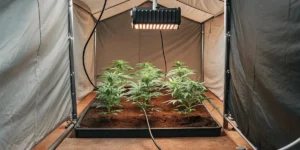
The ideal grow room setup for this strain begins with selecting a space that offers optimal environmental control. Whether you are cultivating in a tent or a dedicated room, ensuring proper ventilation is crucial. This variety thrives in settings where humidity and temperature are carefully managed, facilitating healthy development and robust growth. Consistent airflow helps prevent mold, a common concern in cannabis cultivation.
Lighting plays a pivotal role in the successful cultivation of the plant. Utilize full-spectrum LED lights, which mimic natural sunlight and promote strong bud development and terpene production. Position the lights at appropriate distances to avoid burning while maximizing energy efficiency. Reflective walls can enhance light distribution, ensuring the plant receives uniform exposure, leading to healthier and quicker yields.
The choice of medium is essential for this genetics. Many growers opt for soil augmented with organic nutrients, which supports vigorous growth and rich flavor profiles. Hydroponic systems can also be beneficial, accelerating the growth rate while providing maximal nutrient delivery. Whichever method you choose, maintaining the right pH levels is critical for nutrient absorption and overall plant health.
Regular monitoring and adjustments in the grow room are key to a successful harvest. Keep a close eye on the environment to adjust factors like CO2 levels, humidity, and temperature as needed. This proactive approach ensures Mamba Negra Auto grows to its full potential, offering substantial yields of high-quality buds. With proper care, this cultivar rewards growers with exceptional harvests.
Indoor Growing Tips for Mamba Negra Auto
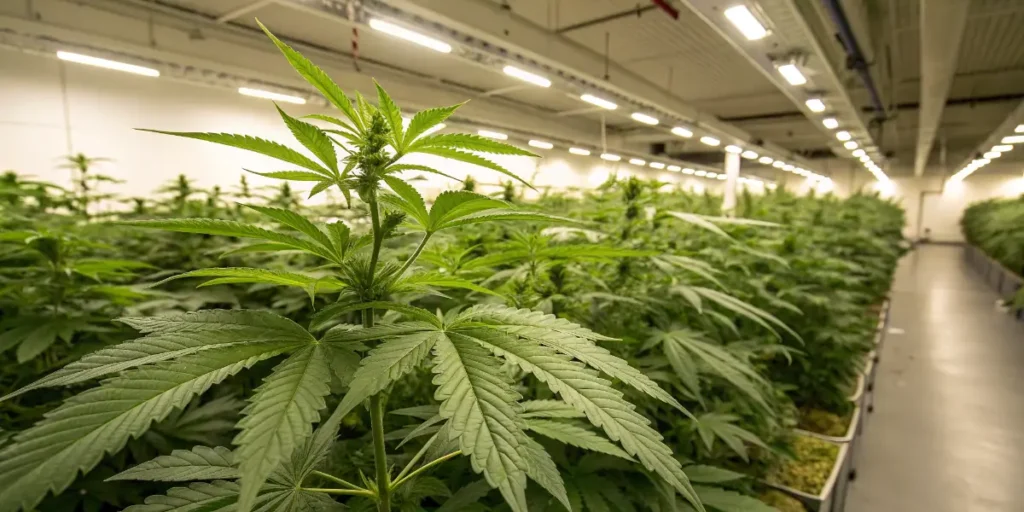
When cultivating this strain indoors, it’s crucial to maintain optimal environmental conditions. This variety thrives with a consistent temperature range of 70-80°F and relative humidity around 40-50%. Ensuring adequate ventilation helps prevent mold and pest issues. Growers should utilize LED lights for energy-efficient coverage, promoting robust growth and maximizing the terpene profile of the plant.
To enhance yield, consider using a balanced nutrient regime specially formulated for cannabis. The plant benefits from nutrient solutions rich in nitrogen during the vegetative stage and increased phosphorous and potassium during flowering. Regularly monitor nutrient levels to ensure the roots are neither overfed nor deficient, which can affect the quality and size of the buds at harvest.
This cultivar is known for its rapid growth cycle, so keeping a close eye on its progression is vital. Pruning lower leaves can improve air circulation and light penetration, ultimately boosting overall yield. Additionally, maintaining a consistent light schedule of 18-24 hours during the grow phase can substantially benefit this genetics, helping it achieve its full potential in terms of both potency and productivity.
Outdoor Growing Tips for Mamba Negra Auto
When cultivating this strain outdoors, selecting a location with abundant sunlight is crucial. This variety thrives well in warm climates, benefiting from at least 6-8 hours of direct sunlight. Soil quality greatly impacts the plant’s growth, so ensuring well-draining, nutrient-rich soil will support healthy development. Regularly checking soil pH levels can help maintain optimal conditions for its robust buds.
Watering the plant appropriately is essential for achieving a great yield. This cultivar prefers consistent but moderate watering; overwatering can lead to root rot, whereas underwatering can stunt growth. Monitoring the local weather helps in adjusting irrigation schedules, especially during dry spells. Installing drip systems can facilitate efficient water distribution, enhancing the growth potential of this cannabis.
Protection against pests is another critical aspect of outdoor cultivation for this genetics. Utilizing organic pest control methods, such as neem oil, can safeguard the plant without harming beneficial insects. Further, providing shelter during heavy winds or storms can prevent damage. As the flowering phase nears, anticipating harvest time will ensure maximum terpene preservation and potency in the plant’s final yield.
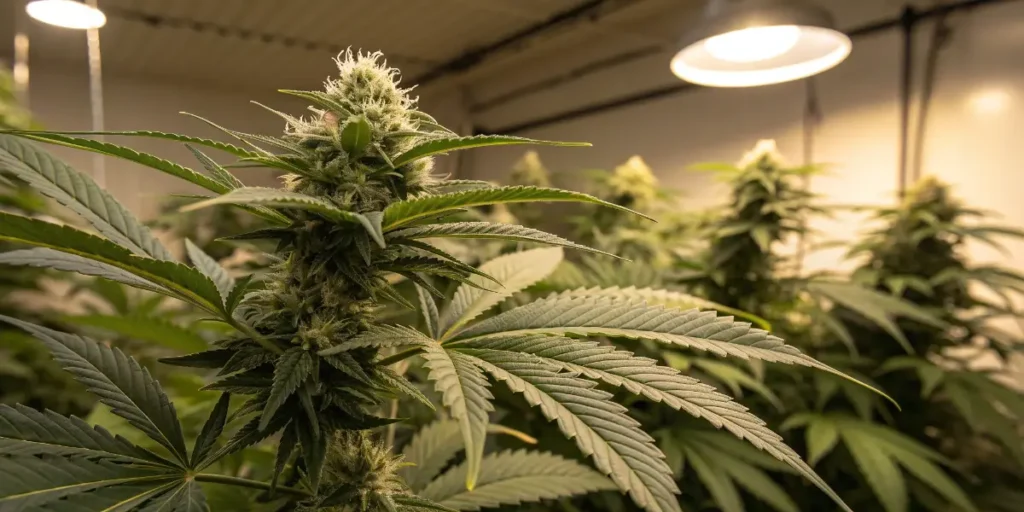
How to Germinate & Propagate Mamba Negra Auto
Successful germination is the foundation for cultivating healthy cannabis plants. For this strain, start by soaking the seeds in warm water for 12-24 hours, which softens the shell and facilitates sprouting. Alternatively, growers can use the paper towel method place seeds between damp paper towels, ensuring they remain moist. This initial step is crucial for maximizing potential yield and robust growth.
Once Mamba Negra Auto seeds begin to sprout, carefully plant them in small pots filled with a quality seedling mix. It’s essential to maintain a consistent temperature of 70-80°F to promote healthy root development. Position them under gentle lighting to mimic natural sunlight. This early stage sets the tone for the plant’s overall quality, from the terpene profile to eventual bud production.
After seedlings develop their first few sets of leaves, it’s time to transplant the young plants into larger containers. Choose pots with excellent drainage to avoid waterlogging, which can stunt growth. This cultivar benefits from a nutrient-rich soil, so enrich the medium with balanced fertilizer tailored for cannabis. Providing these conditions will ensure a bountiful and quality harvest later on.
Regular monitoring of environmental conditions is vital for this variety. Consistent light, temperature, and humidity levels will not only enhance growth but also the density and aromatic profile of its buds. Propagation techniques, such as cloning, aren’t recommended for autos due to their life cycle. However, attentive care during cultivation significantly influences the plant’s ultimate yield.
Vegetative Stage: Nurturing Your Plants
During the vegetative stage, this strain requires specific attention to ensure healthy growth. Optimal lighting is crucial, typically requiring 18 hours of light per day. Growers should focus on providing the right nutrients, particularly nitrogen, as it supports leafy growth. The plant will benefit from stable conditions in temperature and humidity, ensuring a robust structure for future bud production.
In this phase, the roots of this variety must be well-developed to support its rapid growth. A well-draining soil mix is essential for preventing overwatering, which could harm the roots. Regularly check the pH levels, aiming for a range of 6.0 to 7.0. These practices enhance the plant’s ability to absorb nutrients, contributing to better yield when harvest time arrives.
To maximize the potential of this cultivar, pay attention to airflow around the plants. Adequate ventilation will reduce the risk of mold and pest infestations. Growers can use fans to maintain air circulation, promoting a healthier environment. Monitoring and adjusting the growing environment boosts plant health, which in turn enhances the development of terpenes and the overall quality of the buds.
It’s important to also consider training techniques such as low-stress training (LST) to help this genetics achieve an even canopy. This practice can improve light exposure to lower branches, encouraging more uniform growth. By following these guidelines, Mamba Negra Auto can reach its full potential, offering a rewarding cultivation experience and ensuring a bountiful, aromatic harvest.
Flowering Mamba Negra Auto: What to Expect
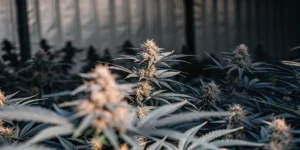
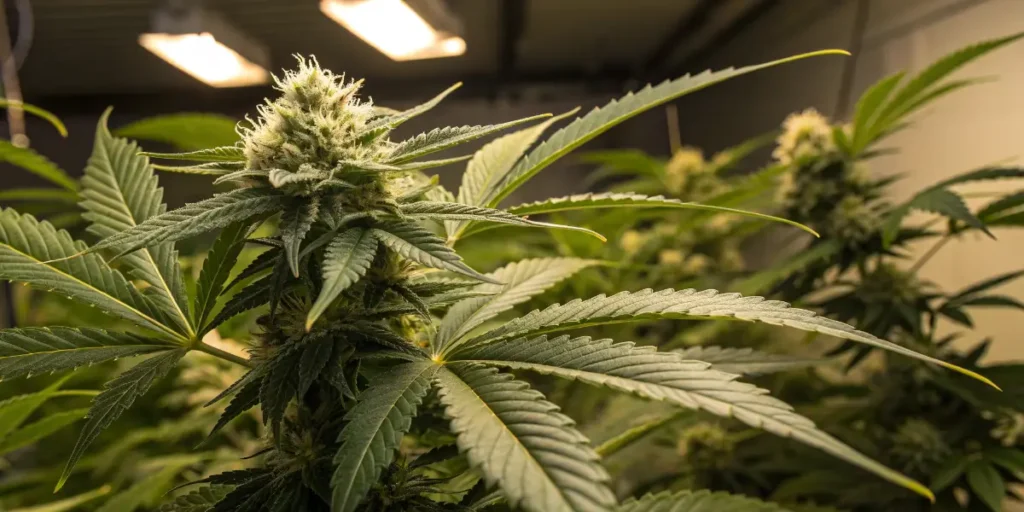
As Mamba Negra Auto enters the flowering stage, growers can anticipate a visually striking transformation. This strain typically begins to show its first blossoms a few weeks into the growth cycle. Cultivators should ensure optimal light exposure and proper nutrient balance to support robust bud development. This stage requires attention to detail, as it directly impacts the overall quality and yield of the plant.
This variety is known for producing dense, resinous buds that are a delight to harvest. Rich in aromatic terpenes, the plant exudes a captivating scent that’s both earthy and sweet. Growers often appreciate the compact size of this cultivar, making it suitable for indoor settings where space might be limited. Proper environmental conditions can enhance the vibrancy and aroma of the buds.
During the flowering phase, it is crucial to monitor humidity levels. Mamba Negra Auto benefits from slightly lower humidity to prevent mold and mildew, which can compromise the quality of the flowers. Many cultivators suggest employing fans to promote airflow and ensure a healthy growing environment. Paying close attention to these details will contribute to a bountiful and aromatic harvest.
The yield from this genetics can be quite rewarding, especially when grown under favorable conditions. Outdoor cultivation often results in larger harvests due to natural sunlight and space. Indoor growers can optimize conditions by providing consistent light schedules and nutrient-rich soil. As the flowering cycle concludes, Mamba Negra Auto will reward the diligent grower with high-quality buds ready for harvest.
Fertilizers & Nutrient Schedule
Mamba Negra Auto thrives with a balanced nutrient schedule tailored for autoflowering cannabis. During the vegetative stage, focus on nitrogen-rich feeds to support vigorous growth and foliage development. This phase is critical for laying the groundwork for a bountiful yield. It’s essential for growers to monitor and adjust nutrient levels based on the plant’s response and environmental conditions.
As this strain transitions to the flowering stage, gradually shift the nutrient mix to higher phosphorus and potassium concentrations. Phosphorus promotes strong bud formation, while potassium enhances overall quality and potency. Consistent feeding with bloom-specific fertilizers will enable the plant to produce dense, terpene-rich buds that contribute to an impressive harvest.
For this variety, a regular watering schedule complemented by nutrient-rich additives is recommended. Typically, a feed-water-feed cycle ensures it receives adequate nourishment while preventing nutrient burn. Pay attention to the pH levels of your water and nutrient solutions; maintaining a pH between 6.0 and 6.5 ensures optimal nutrient uptake and healthy development.
Organic options like compost teas are excellent choices for enhancing the plant’s terpene profile and overall quality. These natural fertilizers can be used to supplement standard feeding schedules, providing a gentle boost. Whether cultivating indoors or outdoors, a well-planned nutrient regime is key to maximizing the yield potential of this genetics.
Pest and Disease Prevention for Healthy Cannabis Plants
Preventing pests and diseases is crucial for ensuring the health of your cannabis plants. For this strain, effective prevention starts with selecting quality soil and maintaining proper humidity. Regular inspections help identify early signs of trouble, allowing growers to act swiftly. By ensuring optimal conditions, the plant can focus on producing aromatic terpenes and robust buds, ultimately leading to a successful harvest.
Integrated Pest Management (IPM) is a key strategy for cannabis cultivation. This approach emphasizes a combination of techniques, such as introducing beneficial insects and using organic treatments as needed. It helps maintain the ecological balance, reducing pesticide reliance and keeping this variety healthy. Regular pruning and cleaning of the grow area further aid in minimizing the risk of infestations.
Avoiding excessive moisture is essential for preventing diseases in Mamba Negra Auto. Proper ventilation and controlled watering routines are indispensable for healthy growth. Monitoring temperature and using dehumidifiers can deter mold and mildew, protecting the plant’s yield. By focusing on these proactive measures, growers can ensure that this cultivar flourishes, leading to a bountiful and high-quality harvest.
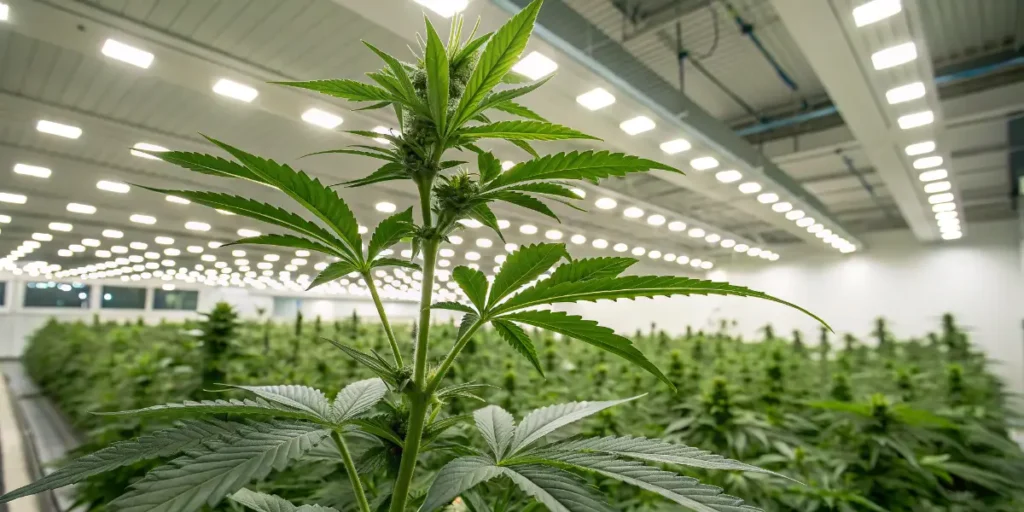
Harvesting & Drying
Determining the optimal time to harvest this strain is crucial for maximizing yield and quality. Most growers suggest harvesting when the trichomes on the buds are milky with a few amber hues, indicating peak cannabinoid and terpene profiles. For Mamba Negra Auto, this timing often falls around eight to nine weeks after germination, although environmental factors can influence this.
Once the plant is ready, carefully cut branches and trim excess leaves to ensure proper airflow during drying. This variety should be hung upside down in a dark, cool area where humidity can be controlled. Maintaining humidity around 50% is ideal for preventing mold and preserving the aromatic terpenes that this cultivar is known for.
During the drying process, aim for a slow and steady loss of moisture. This allows the buds to cure properly, enhancing the flavor and smoothness when consumed. Typically, drying takes about seven to ten days, after which the cannabis buds should feel dry to the touch. However, the stems should not snap easily, indicating the right moisture balance.
The final step is curing, which involves placing the dried buds into airtight jars. This slow curing process, lasting for two to four weeks, allows the terpenes of Mamba Negra Auto to fully develop, amplifying its unique aroma. Opening the jars periodically will prevent mold and aid in achieving the best results in terms of flavor and potency.
Mamba Negra Auto Strain Type: Indica, Sativa or Hybrid?
Mamba Negra Auto is a hybrid strain, skillfully crafted to bring together the best traits of both indica and sativa varieties. Growers appreciate this strain for its balanced profile, which offers a harmonious blend of uplifted creativity and soothing relaxation. This hybrid nature makes the plant suitable for a wide range of cultivation conditions, offering versatility in the cannabis cultivation process.
This variety shows a pronounced indica dominance, often reflected in its robust and bushy structure. The plant’s physical traits contribute to a high yield, particularly attractive to growers seeking substantial harvests. Its dense, aromatic buds harbor a rich profile of terpenes, enhancing the overall experience. This cultivar flourishes under various cultivation setups, demonstrating remarkable resilience and adaptability.
While leaning towards indica lineage, this strain exhibits noticeable sativa characteristics in its cerebral effects. The plant’s balanced nature ensures that users enjoy a well-rounded experience, combining the relaxing benefits of indica with the energetic buzz typical of sativa. Whether for personal enjoyment or commercial cultivation, this genetics consistently delivers a satisfying yield and rewarding growth cycle.
Why Grow Mamba Negra Auto? Key Benefits for Cultivators
One of the primary reasons growers are drawn to this strain is its resilience and adaptability. Mamba Negra Auto is known for thriving in various cultivation environments, from indoor setups to outdoor gardens. This versatility makes it an ideal choice for new and experienced growers looking to maximize their efforts regardless of their available space or conditions.
Beyond adaptability, this variety is celebrated for its impressive yield potential. The plant produces dense, resinous buds rich in aromatic terpenes, offering a rewarding harvest. Its relatively short flowering cycle also allows cultivators to enjoy a quicker turnaround, providing the opportunity to plant and harvest multiple batches within a single season.
This cultivar is also prized for its potency and quality. It delivers a well-balanced cannabinoid profile that appeals to both recreational and medicinal cannabis users. The plant’s robust growth and flavor profile make it a standout choice for those seeking a dependable, high-return investment in their grow operations.
Potential Challenges When Growing this Strain
Growing this strain comes with its own set of challenges that cultivators should be prepared to face. One of the common issues with this variety is its sensitivity to temperature fluctuations. Maintaining a consistent environment is crucial for optimal bud development and terpene profiles. Growers should monitor indoor conditions closely to ensure the plant thrives during the cultivation process.
Another challenge when cultivating this plant is pest control. This cultivar can be susceptible to common cannabis pests such as spider mites and aphids. Regular inspections and preventive measures, like introducing beneficial insects or using organic pest deterrents, are essential to protect the yield. Early detection can significantly reduce potential damage and loss.
Mamba Negra Auto also requires careful attention to nutrient levels. Overfeeding can lead to nutrient burn, affecting both the health of the plant and its eventual harvest. Using a balanced nutrient mix and following a feeding schedule can help minimize this risk. Additionally, ensuring proper drainage and soil aeration will promote a healthier root system, enhancing overall growth and yield.
Is this Variety Worth Buying? Here’s What You Need to Know
Mamba Negra Auto stands out in the world of cannabis cultivation for its impressive yield and robust growth. This strain is particularly favored by growers seeking a reliable and resilient plant that thrives both indoors and outdoors. It delivers a rewarding harvest of dense buds rich in terpenes, making it a standout choice for both beginners and seasoned enthusiasts.
With this variety, cultivators can expect a flowering time of around 60 to 70 days, ensuring a quick turnaround from planting to harvest. The plant’s auto-flowering nature means it transitions into its blooming phase without the need for light cycle adjustments. This automatic flowering trait makes it highly appealing for those interested in hassle-free gardening.
Moreover, this cultivar is known for producing consistently potent buds with a pleasant aroma, thanks to its rich terpene profile. The combination of ease of growth and high-quality output makes it a worthy investment. For those interested in cannabis, this genetics offers both reliability and a satisfying end product, making it a popular choice among cultivators.
FAQs: Growing Mamba Negra Auto
What is the ideal climate for cultivating Mamba Negra Auto?
Mamba Negra Auto thrives in a mild Mediterranean climate but can adapt to various conditions due to its robust genetics. This strain prefers temperatures between 20-28°C (68-82°F) and moderate humidity levels. While it tolerates cooler nights, consistent warmth encourages optimal growth. Indoor growers should ensure adequate ventilation and stable temperatures to replicate its preferred environment.
What kind of yield can I expect from Mamba Negra Auto?
The yield of Mamba Negra Auto can be quite generous, offering between 400-500 grams per square meter when grown indoors. Outdoor growers may see 50-150 grams per plant, depending on conditions and care. This variety is known for its dense, resinous buds, contributing to its desirable yield. Proper lighting, nutrients, and techniques can maximize output.
What is the typical flowering time for Mamba Negra Auto?
Mamba Negra Auto typically has a flowering time of 60-65 days from seed to harvest. This rapid cycle makes it a popular choice for growers looking for a quick turnaround. Despite its fast pace, the plant does not sacrifice quality, developing dense, aromatic buds in a relatively short period.
What are common problems when growing Mamba Negra Auto and how can I prevent them?
Mamba Negra Auto is generally resistant to mold and pests, but growers should still monitor for common issues like spider mites and powdery mildew. Ensuring proper ventilation, maintaining optimal humidity, and conducting regular inspections can prevent most problems. Using organic pest control methods can also be beneficial in keeping this cultivar healthy.
What kind of nutrient requirements does Mamba Negra Auto have?
Mamba Negra Auto benefits from a balanced nutrient regimen, with a focus on nitrogen during the vegetative stage and increased phosphorus and potassium during flowering. Autoflowers have a shorter growth cycle, so nutrient adjustments should be made promptly. Be cautious of overfeeding, as this can lead to nutrient burn start with a reduced dosage and increase as necessary.