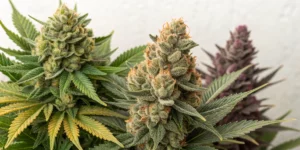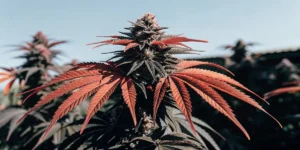
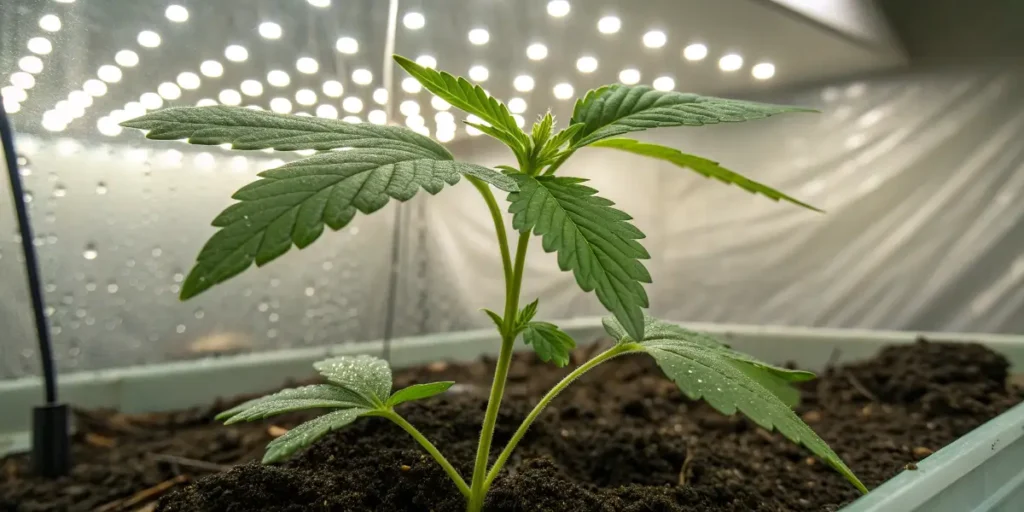

Starting with healthy seeds is crucial for cultivating Master Kush successfully. Firstly, ensure that the environment is suitable for cannabis growth, maintaining a consistent temperature and humidity level. This cultivar thrives in warm conditions, so make sure to provide adequate lighting and ventilation. The plant is known for its resilience, making it an excellent choice for both novice and experienced growers.
As the plant matures, it’s important to focus on regular feeding and watering, adjusting nutrients based on its growth stage. This strain responds well to training techniques, such as topping and low-stress training, which enhance light exposure and improve the yield. Monitoring for common pests and diseases will help ensure that the buds remain healthy and protected until harvest.
When it’s time to harvest, Master Kush provides a rewarding yield with dense, resinous buds rich in terpenes. Drying and curing properly will enhance the terpene profile, ensuring a flavorful and potent end product. By following these steps carefully and attentively, growers can fully appreciate the unique qualities of this genetics during the cultivation process.
Master Kush Strain Overview: Traits, Effects & Genetics
Master Kush is a renowned cannabis strain celebrated for its potent effects and distinct genetic profile. Originating from the Hindu Kush mountain range, this cultivar is known for its robust resilience in cultivation. Growers appreciate this strain’s ability to produce dense, resinous buds, making it a popular choice among cultivators seeking high-quality harvests.
This variety exhibits strong indica traits, characterized by its calming and relaxing effects, making it ideal for evening use. The terpene profile enhances its appeal, offering a unique blend of earthy and citrus notes that contribute to the strain’s distinctive aroma and taste. As a result, it has a loyal following among cannabis enthusiasts who prioritize relaxation.
Genetically, the plant is prized for its stable and reliable growth patterns. It typically results in a medium to high yield, which adds to its desirability for cultivation. Its compact structure is advantageous for indoor growing environments, allowing for efficient space management without sacrificing productivity or quality.
For those interested in growing this cultivar, knowing its genetic resilience is key. It thrives in controlled environments where temperature and humidity can be carefully managed. By focusing on optimal conditions, growers can maximize the yield and potency of this strain, ensuring the production of premium-grade cannabis buds.
Optimal Environment to Grow Master Kush Successfully
Master Kush thrives in controlled environments where both temperature and humidity are closely monitored. This strain prefers daytime temperatures between 70-80°F (21-27°C) with a drop of about 10°F (5°C) at night. Growers should ensure sufficient ventilation to maintain air circulation, preventing mold and mildew, which can adversely affect the yield and quality of the buds.
This variety benefits from a relative humidity of around 40-50% during the vegetative stage, gradually shifting to 30-40% as it approaches the flowering phase. Such conditions help enhance the plant’s terpene profile and overall vigor. Additionally, maintaining an appropriate light cycle, typically 18/6 during growth and 12/12 during flowering, is essential for cannabis cultivation.
Soil quality and nutrients play a pivotal role in the development of this cultivar. A well-draining medium with a balanced pH between 6.0 and 7.0 will support its root system effectively. Growers should opt for nutrient-rich fertilizers and supplements that support the growth cycle from vegetative to flowering stages, enhancing the eventual harvest.
Careful monitoring of the plant’s condition throughout its growth cycle ensures optimal results. Pay close attention to signs of nutrient deficiency, pest infestations, or environmental stress. Implement preventive measures early to safeguard the health of this strain, thereby maximizing its yield and ensuring a robust, potent crop at harvest time.
Grow Room Setup
When cultivating this strain, creating an optimal grow room is fundamental. Master Kush requires a stable environment with carefully controlled temperature and humidity levels. Aim for 24-29°C (75-85°F) during the day and slightly cooler temperatures at night. This setup encourages robust growth and healthy development, allowing the plant to reach its full potential.
Lighting plays a crucial role in the cultivation process of this variety. Full-spectrum LED lights are recommended as they provide adequate light without emitting excessive heat, which could stress the plant. This cultivar typically thrives under a 12-12 light cycle during flowering to mimic natural growth conditions and enhance the production of resinous buds.
Ventilation is essential to prevent mold and mildew, ensuring good air circulation within the grow space. A good airflow not only helps in maintaining an ideal humidity level but also strengthens the plant by mimicking natural winds. Incorporate exhaust fans and oscillating fans to create a balanced environment that simulates outdoor conditions, promoting vigorous growth and terpene development.
Consider the use of hydroponics or soil mediums, as both can support the needs of this genetics. No matter the choice, ensure consistent watering and nutrient management tailored to Master Kush. Proper care and attention to the growing medium will maximize yield and enhance the terpene profiles, resulting in a successful harvest of this legendary cannabis cultivar.
Indoor Growing Tips for Master Kush
This strain thrives in controlled environments, where temperature and humidity can be meticulously managed. The plant prefers a stable climate with temperatures ranging from 68 to 80°F and a humidity level between 40-50% during the flowering phase. Growers should ensure adequate ventilation to prevent mold and mildew, which can compromise the buds and overall yield.
Cultivating this variety indoors allows for better light management using high-quality LED or HID lamps. The plant requires approximately 18 hours of light during its vegetative stage and 12 hours when flowering to promote robust growth and terpene production. It’s essential to monitor and adjust light distance to avoid burning the foliage, ensuring maximum energy is absorbed by this cultivar.
To enhance the quality and potency of the plant, nutrients and soil pH should be closely monitored. Maintain a soil pH of 6.0-6.5 and supply balanced nutrients, focusing on potassium and phosphorus during flowering to boost bud development. As harvest approaches, consider flushing two weeks prior to improve taste and aroma, ensuring this strain delivers an exceptional sensory experience.
Outdoor Growing Tips for Master Kush
When cultivating this strain outdoors, achieving optimal sunlight exposure is crucial. Choose a location with ample direct sunlight to encourage robust growth and maximize terpene production. The plant thrives in warm climates, so consider factors like temperature and humidity for the best yield. Its resilience makes it suitable for regions with longer growing seasons and moderate environmental fluctuations.
Soil quality greatly influences the success of this variety. Use rich, well-draining soil to support root development and nutrient uptake, which contributes to denser buds and a hefty harvest. Regularly test the soil pH, aiming for a slightly acidic balance to boost nutrient availability. Organic compost and natural fertilizers can further enhance the health of this cultivar, ensuring abundant growth and strong plants.
Monitoring for pests and diseases is essential in outdoor cannabis cultivation. This genetic lineage is relatively resistant, but attentive care can prevent potential issues. Introducing beneficial insects and maintaining cleanliness around the plants can deter common pests. Proper spacing between plants enhances airflow, reducing the risk of mold and mildew, ultimately contributing to an impressive yield from this resilient genetic profile.
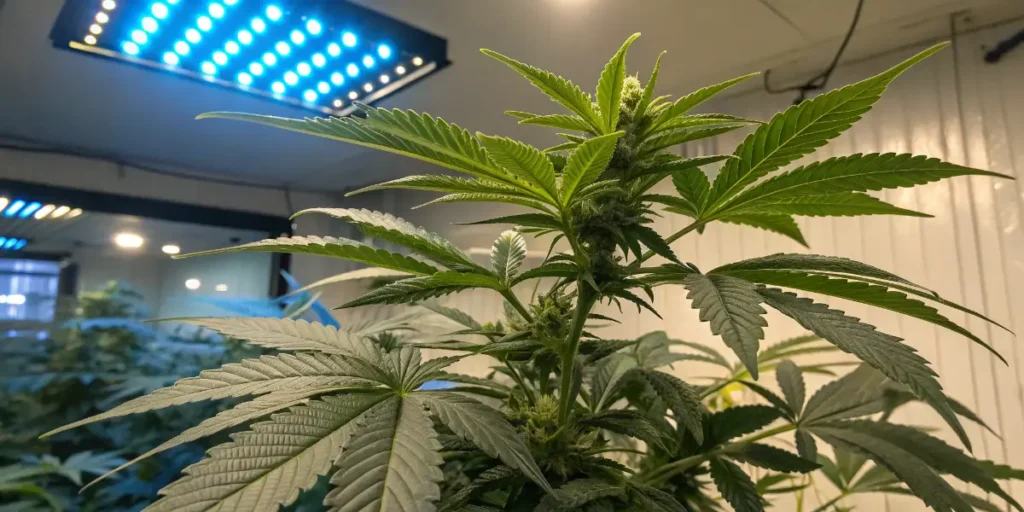
How to Germinate & Propagate Master Kush
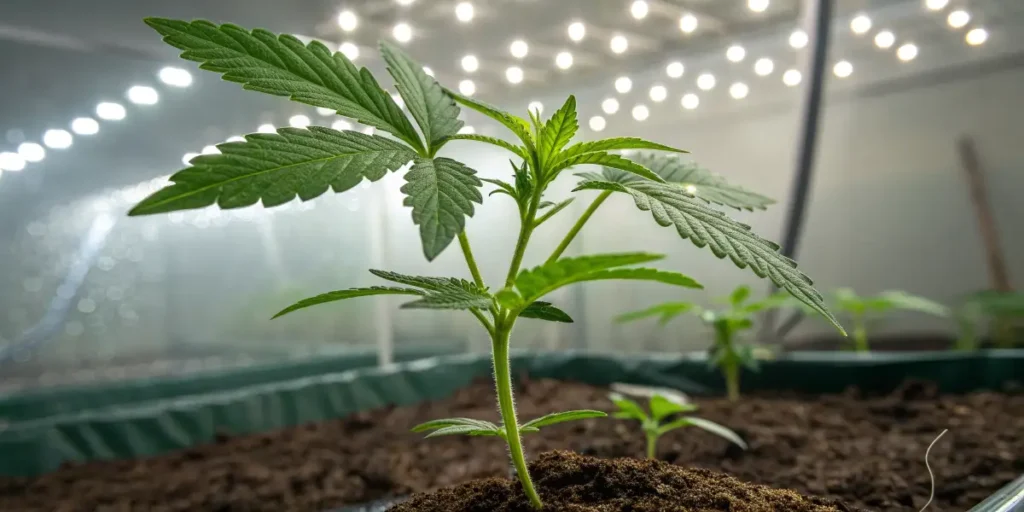
For successful germination of this strain, start by acquiring high-quality seeds from reputable sources. Opt for the paper towel method, where you moisten a towel, place the seeds inside, and cover them. Keep this setup in a warm, dark place, checking daily for moisture. Expect to see the seeds sprout within 24 to 72 hours, kickstarting the journey of this cultivar.
Once the seeds have sprouted, transfer them into a suitable growing medium like soil or coco coir. Ensure the environment is stable, maintaining temperatures between 70-85°F, which is ideal for the plant. This variety thrives in slightly acidic soil with a pH of around 6.0-6.5, setting the stage for robust cannabis cultivation.
As the seedlings grow, ensure they receive ample light, ideally 18 hours of light per day. This encourages strong stem and leaf development, crucial for later stages. Additionally, managed water intake helps avoid the risk of root rot, allowing the plant to focus on developing its characteristic terpenes and cannabinoids vital for a successful harvesting phase.
Propagation of this cultivar can also be achieved through cloning, which maintains the genetic consistency of Master Kush. Take healthy cuttings from a mature plant, place them in rooting hormone, and plant them in a conducive environment. This method ensures growers can replicate desirable traits, optimizing yield and maintaining the unique profile of the sticky buds of this variety.
Vegetative Stage
During the vegetative stage, providing the right environment for this strain is crucial for robust growth. Growers should ensure that the plant receives adequate light, typically 18 hours a day. This variety thrives in temperatures between 70-85°F and prefers humidity levels between 40-70%. Proper ventilation helps prevent mold and maximizes cannabis cultivation success.
This genetics responds well to training techniques such as topping and low-stress training (LST). These methods encourage the plant to grow more buds by promoting lateral growth and a more manageable structure. Monitoring and adjusting the nutrient schedule ensures that this cultivar receives the necessary nutrients for healthy development, influencing the eventual yield during harvest.
Watering practices are vital to maintaining the health of the plant. It’s essential to avoid overwatering, which can lead to root rot. Mastering the wet-dry cycle by allowing the medium to dry out slightly between waterings helps the roots thrive. Using high-quality soil rich in organic matter can boost the plant’s terpene profile and overall vitality.
Master Kush plants exhibit resilience, but keeping an eye out for pests and deficiencies is wise. Regular checks and natural pest deterrents can safeguard this strain’s growth. Enhancing the plant’s environment with a gentle breeze from fans can deter pests and promote stronger stems. By carefully nurturing this cultivar, growers set the stage for an impressive, flavorful harvest.
Flowering Master Kush: What to Expect
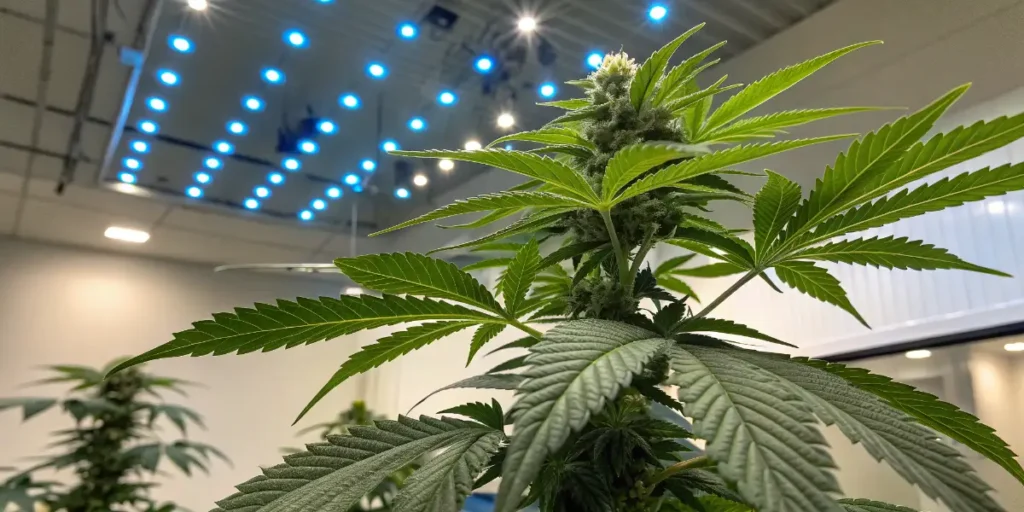
In the flowering stage, growers can expect this strain to shift its energy towards producing dense buds. The plant typically flowers within 8 to 10 weeks, making it a relatively quick option for cultivators. During this period, ensure optimal conditions are maintained. Proper air circulation and consistent humidity levels are key to preventing mold and maximizing the cannabis’s potential.
This cultivar is renowned for its impressive yield. When flowering, the plant often develops large, resinous buds filled with aromatic terpenes. Growers should keep an eye on the trichomes as they begin to turn milky, indicating that harvest time is approaching. This visual cue is crucial to maximizing potency and the overall quality of the final product.
The plant thrives indoors and is well-suited to the Sea of Green (SOG) method, which amplifies its growth pattern and yield. Outdoor growers, however, can also cultivate it successfully in temperate climates. Paying attention to nutrient schedules during this stage can enhance the bud size and terpene profiles, which are hallmarks of this variety.
As harvest approaches, a final flush of nutrients is recommended to enhance the flavor and smoothness of the smoke. Master Kush is celebrated for its earthy and citrus aroma, a result of its rich terpene content. With the right techniques, growers will find this genetics rewarding, yielding a plentiful and potent harvest that cannabis enthusiasts cherish.
Fertilizers & Nutrient Schedule
To optimize growth and maximize yield for this strain, it is essential to understand its nutritional needs. During the vegetative stage, a balanced feed of nitrogen, phosphorus, and potassium is crucial. This variety thrives on consistent nutrient supply but be cautious of over-fertilization. Adjust the levels based on the plant’s response to the nutrients you provide.
As the plant transitions into flowering, its nutritional demands shift. High phosphorus and potassium levels become vital to encourage robust bud development and enhance terpene production. It’s advisable for growers to decrease nitrogen levels during this phase to focus the plant’s energy on developing dense, aromatic flowers. Tailoring the nutrient feed according to this schedule helps in achieving excellent results.
Monitoring the pH levels of the soil or growing medium is critical for nutrient uptake efficiency. Master Kush typically benefits from pH levels between 6.0 and 6.8. Consistent monitoring ensures that the cannabis plants effectively absorb nutrients, thereby preventing deficiencies or lockouts. Implement necessary adjustments to maintain an ideal environment for the plant’s growth.
This cultivar is known for its resilience, but it still demands careful attention to its nutrient intake. Regularly inspecting the foliage and overall plant health can help detect signs of nutrient deficiencies or excess early. Implementing a weekly feeding schedule and adjusting as necessary can lead to a successful harvest with abundant, quality buds.
Pest and Disease Prevention for Healthy Cannabis Plants
Ensuring a healthy Master Kush crop requires diligent pest and disease management. Begin by selecting high-quality seeds and maintaining a clean growing environment. It is crucial for growers to regularly inspect the plant for signs of pests such as spider mites, aphids, or caterpillars, and to act swiftly to prevent infestations. Using natural predators and organic solutions can effectively keep these threats at bay.
This strain benefits from proper airflow and humidity control which help reduce the risk of mold and mildew. Regular pruning of foliage can increase airflow around the buds, significantly decreasing the chances of disease. Cultivation practices like crop rotation and soil amendments promote resilience, ensuring that this variety remains robust throughout its growth cycle.
Introducing companion plants like marigolds or basil can serve as natural deterrents against pests for this cultivar. Additionally, integrating a complete IPM (Integrated Pest Management) strategy helps maximize yield by preventing issues before they take hold. Consistent monitoring, combined with these preventive tactics, ensures that the plant reaches its full potential and produces quality harvests rich in terpenes.
Harvesting & Drying
When cultivating this strain, timing the harvest is crucial for maximizing potency and flavor. Growers should monitor the trichomes; they’re ready when they turn milky white with some amber hues. This signals peak cannabinoid production, ensuring that the buds of this plant reach their full potential. Always remember, patience is a virtue in cannabis cultivation.
Once the optimal harvest time is determined, carefully cut the branches and hang them upside down in a dry, dark space. Maintaining proper airflow around the buds is vital to prevent mold. Humidity levels should be kept around 45-55%, ensuring a smooth drying process that preserves the fragrant terpenes characteristic of this variety.
During the drying phase, aim for a temperature between 60-70°F. This environment will help in gradually reducing moisture content, resulting in buds that are not too brittle, but dry enough to maintain quality. Proper drying is essential for preserving the richness of this cultivar’s flavors and aromas, enhancing the overall smoking experience.
Once dried, curing the buds is the next step to perfecting their quality. Place them in airtight jars, opening them daily to release excess moisture for the first week. This process further develops and refines the terpenes and cannabinoids. By following these steps, growers can unlock the full potential of Master Kush and enjoy a bountiful, high-quality yield.
Master Kush Strain Type: Indica, Sativa or Hybrid?
Master Kush is an exemplary strain that strictly belongs to the Indica family, known for its potent relaxation properties. This variety is particularly appreciated in the cannabis cultivation world for its resilience and the quality of its buds. Growers often choose it for its robust structure, which supports the development of dense, fragrant flowers rich in beneficial terpenes.
The plant is characterized by its short and bushy stature, typical of Indica genetics. This strain thrives in controlled environments, making it a favorite for indoor growers seeking to maximize yield. Its quick flowering time and substantial harvest are additional benefits, attracting cultivators who appreciate both efficiency and quality without compromising the calming effects, which are a hallmark of this variety.
Though predominantly Indica, this cultivar shows minor hybrid qualities, offering a subtle mental stimulation alongside its physical relaxation effects. Such attributes make it an excellent choice for those seeking a balanced experience as relaxing as it is uplifting. Cultivating this strain can be quite rewarding, as it consistently produces a high yield of premium buds that satisfy a wide array of consumer preferences.
Why Grow Master Kush? Key Benefits for Cultivators
Master Kush offers several advantages for cannabis cultivators looking for a reliable and effective strain. Known for its resilience, this variety is well-suited to both indoor and outdoor cultivation. Growers appreciate the plant’s robust nature and resistance to common molds and pests, which simplifies maintenance and ensures a smoother growing cycle from seedling to harvest.
This cultivar is celebrated for its impressive yields, making it a favorite among producers seeking high returns. The dense, resinous buds produced by the plant are highly valued in the market. Additionally, the unique terpene profile of this strain contributes to its popularity, providing a rich aromatic experience that enhances its appeal to consumers.
Another significant advantage of growing Master Kush is its adaptability to different growing environments. Whether cultivating in a controlled indoor setting or open fields, the cannabis genetics of this strain guarantee consistent quality and potency. Such versatility ensures that growers can maximize their efforts and enjoy a successful harvest regardless of their specific circumstances.
Potential Challenges When Growing Master Kush
One of the primary challenges when cultivating Master Kush is managing its susceptibility to mold. This variety, like many cannabis strains, thrives in environments with controlled humidity. Growers should ensure adequate ventilation and maintain humidity levels between 40-50% during the flowering stage. Doing so will help prevent mold and ensure the health of the plant’s buds and overall yield.
Another challenge with this strain is its nutrient sensitivity. This cultivar requires careful monitoring of fertilizer levels to avoid nutrient burn, which can stunt growth and reduce the quality of the harvest. Implementing a balanced feeding schedule and avoiding excessive nitrogen, particularly in the flowering stage, supports better yield and terpene production in this genetics.
Master Kush typically has a longer flowering period, taking up to 9 weeks before harvest. Patience is key, as growers might be tempted to harvest too early. Watching for peak ripeness in the buds, signified by milky trichomes, ensures optimum potency and terpene richness. Addressing these challenges effectively can lead to a bountiful harvest with potent and aromatic buds.
Is this Variety Worth Buying? Here’s What You Need to Know
Master Kush has earned a reputation among cannabis enthusiasts for its robust growth and potent effects. This strain is favored by both seasoned and novice growers due to its resilience and relatively easy cultivation process. With its rich terpene profile, the plant can produce dense buds that offer a significant yield, making it a worthwhile option for those seeking quality and quantity.
This variety thrives in a controlled environment, where growers can capitalize on its growth potential. Indoor cultivation allows the plant to reach optimal maturity, leading to a bountiful harvest. The terpene-rich aroma, characterized by earthy and citrusy notes, further enhances its appeal. For those looking to maximize their growing efforts, this cultivar can provide impressive results when properly managed.
Master Kush stands out as a valuable addition to any cannabis garden due to its combination of solid yields and manageable growth conditions. Its ability to adapt to various cultivation settings makes it accessible for many enthusiasts. Moreover, the potent and aromatic buds produced by this cultivar confirm its worthiness as a purchase choice for both personal use and commercial grows.
FAQs: Growing Master Kush
How difficult is it to grow Master Kush for beginners?
Master Kush is moderately challenging to cultivate, making it better for those with some growing experience. This strain needs consistent attention to environmental factors like humidity and temperature. While it responds well to training techniques like LST and topping, these methods require some skill to execute properly. With diligent care, intermediate growers can achieve generous yields from this cultivar.
What kind of climate is ideal for cultivating Master Kush?
This strain thrives in a mild, consistent climate with temperatures between 68-80°F (20-27°C). The plant prefers a moderately humid environment during its vegetative phase, followed by reduced humidity in flowering. Master Kush can be grown both indoors and outdoors, but outdoor growers should ensure the climate doesn’t vary too dramatically. A stable climate will enhance bud production and overall plant health.
What are the yield expectations for Master Kush?
When grown under optimal conditions, Master Kush can provide impressive yields. Indoor growers can expect about 14 ounces per square meter, while outdoor cultivation could yield around 18 ounces per plant. This variety is known for its dense, high-quality buds, which contribute to its overall yield. Achieving these yields requires proper care, a good nutrient regimen, and adequate lighting, particularly for indoor grows.
How long is the flowering time for Master Kush?
The flowering time for Master Kush is typically between 8-10 weeks. Indoor cultivators should monitor trichome development to determine the optimal harvest window. This cultivar’s relatively short flowering period contributes to its popularity among growers seeking efficient cycles. Outdoors, harvest usually occurs in late September to early October, depending on the climate and local conditions.
What are common problems when growing Master Kush?
Growers may encounter issues like mold and pest infestations due to the plant’s dense foliage. Keeping the growing area clean and maintaining proper airflow can mitigate these risks. Another challenge is nutrient burn; it’s vital to avoid overfeeding by following a balanced regimen. Regular monitoring can help address these problems early, ensuring a healthy growth cycle and a successful harvest.