
Growing Mexican Sativa requires a sunny, warm climate akin to its native environment. Start by selecting high-quality seeds or clones, and plant them in well-draining soil enriched with organic matter. Ensuring ample sunlight and proper spacing will aid in vigorous growth. Implementing these initial steps sets a strong foundation for the cannabis cultivation of this variety.
The plant thrives with consistent watering and balanced nutrient application. Regular monitoring of pH levels and nutrient deficiencies is crucial for optimal health. As it grows, the cultivar may require support stakes to hold its tall structure. Maintaining these conditions throughout the vegetative stage prepares for robust flowering and higher yield of resin-rich buds.
As harvest time approaches, focus on the terpene profile to decide the perfect moment for picking. This cultivar usually flowers in 8 to 10 weeks, so watch for the maturation of buds. Mexican Sativa should be dried and cured in controlled conditions to preserve its aromatic qualities. Proper care during these final stages will significantly impact the overall quality of the harvest.
Mexican Sativa Strain Overview: Traits, Effects & Genetics
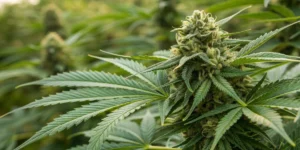
Mexican Sativa is a renowned cannabis strain cherished for its resilience and uplifting effects. Originating from the rugged Mexican mountains, this variety thrives in outdoor cultivation and offers a moderate yield. Growers appreciate its hardy nature and adaptability to various climates. The plant’s growth features elongated, dark green leaves, producing buds rich in aromatic terpenes that enhance its appeal.
This strain is celebrated for delivering an invigorating cerebral high that can enhance creativity and focus. Users often report experiencing an energizing rush, making it an ideal choice for daytime use. The cultivar is particularly beneficial for those seeking relief from stress and fatigue, offering a balanced, stimulating effect instead of heavy sedation.
In terms of genetics, this variety showcases the robust characteristics commonly found in tropical sativas. It typically has a longer flowering period but rewards patient growers with quality harvests. The plant’s structure is tall and lanky, suited for sunlit outdoor gardens where it can stretch without constraint. Indoor cultivation is possible but requires careful management of height.
The terpene profile of this genetics includes spicy and herbal notes, contributing to its distinct aroma and flavor profile. Mexican Sativa’s buds are known for their earthy scent, with undertones of sandalwood and sandalflower. These qualities make the strain a favorite among cannabis enthusiasts looking for a classic sativa experience. With proper care, growers can enjoy a productive yield that reflects the plant’s potent heritage.
Optimal Environment to Grow Mexican Sativa Successfully
For successful cultivation of Mexican Sativa, knowing its natural preferences is crucial. Originating from sunny regions, this strain thrives in warm, outdoor environments. Growers should ensure their setup mimics these conditions, providing ample sunlight and good air circulation. The plant prefers temperatures between 70-85°F, which helps in the production of aromatic terpenes that enhance the buds’ quality.
Humidity levels play a significant role in the growth of this variety. Ideally, during the vegetative stage, keep humidity between 40-70% to promote healthy leaf and stem development. As the plant transitions to the flowering stage, gradually reduce humidity to about 30-50%. These conditions prevent mold and boost the potential yield by promoting the development of dense, resinous buds.
Soil quality is another factor that contributes to the productivity of this cultivar. Well-draining soil with organic matter, such as compost, can enhance the nutrient uptake and root health of the plant. When grown in pots, ensure that drainage is optimal to avoid waterlogging. Regular monitoring of the soil pH, ideally between 6.0-7.0, can prevent nutrient lockout, improving overall plant vitality and harvest potential.
Lighting conditions must be tailored throughout the growth cycle. During the vegetative phase, consider providing 18 hours of light to encourage robust growth. As Mexican Sativa enters flowering, reduce light exposure to 12 hours. This light schedule helps the plant transition through its growth stages efficiently and maximize its yield potential when it’s time to harvest.
Grow Room Setup
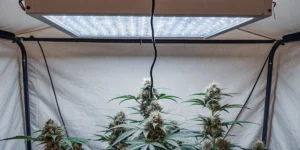
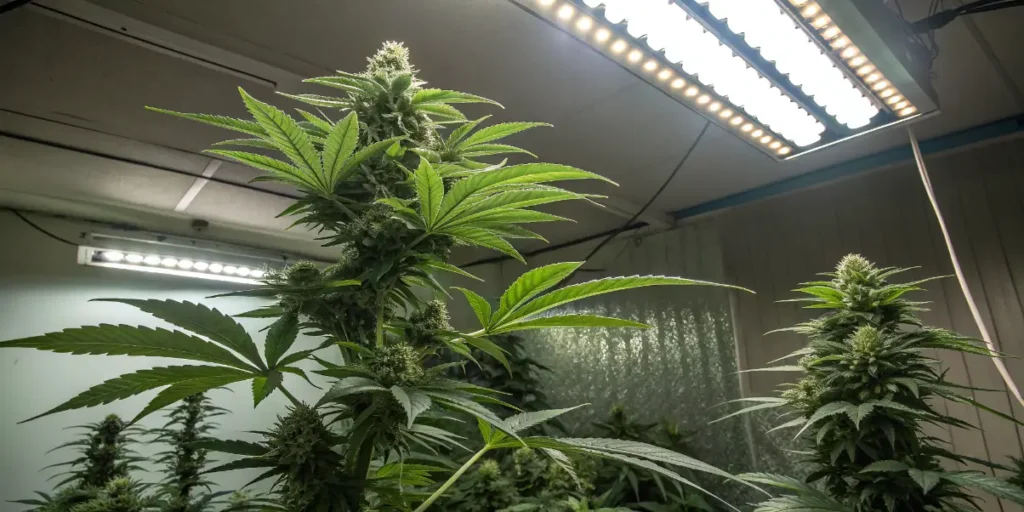
When setting up a grow room for Mexican Sativa, it’s essential to consider the plant’s environmental needs. This strain thrives with ample light, so installing high-quality, full-spectrum LED lights can enhance its growth and maximize yield. Proper ventilation is equally crucial to maintain temperature and humidity levels, allowing the cannabis to flourish. These conditions support the development of strong, healthy buds.
This variety prefers a warm climate, which indoor growers can simulate using control systems within the grow room. Implementing a cooling and heating system helps sustain an optimal temperature range, generally between 70-85°F (21-29°C). Such stability is vital for preventing stress in the plants, ensuring that the genetic potential of this cultivar is fully realized come harvest time.
Soil choice is another critical aspect of cultivating this genetics. A well-draining, nutrient-rich medium should be used to support healthy root development. Adding amendments like perlite can enhance aeration, while organic nutrients provide the necessary elements for vigorous growth. This approach helps the plant develop a robust terpene profile, contributing to its distinct aroma and potency.
Monitoring the growth stages of this strain with precision enables growers to make timely interventions. Regular checks on leaf health, stem strength, and overall vigor allow for adjustments in feeding schedules and light cycles. By meticulously attending to these details, cultivators can optimize the conditions required for Mexican Sativa to reach its full potential, ultimately producing a bountiful and aromatic yield.
Indoor Growing Tips for Mexican Sativa
When cultivating this strain indoors, controlling the environment is crucial for optimal growth. Ensure the plant receives ample light, ideally using LED grow lights to mimic natural sunlight. Maintain a consistent temperature of 70-85°F to promote healthy development. Proper air circulation is essential to prevent mold and pests, so consider using oscillating fans to keep the airflow consistent.
During the vegetative stage, ensure this variety receives a balanced nutrient mix to support its robust growth. A soil medium rich in organic matter can enhance root development, which is essential for nutrient uptake. As this cultivar tends to grow tall, space the plants adequately and consider topping them to manage height for a more uniform canopy and improved light penetration.
As flowering begins, carefully monitor the humidity levels, keeping them around 40-50% to facilitate healthy bud formation. This cultivar is known for its unique terpene profile, so it’s important to be precise with your feeding schedule to enhance terpene development. Strategic timing of the harvest will affect the yield and potency of the buds, so keep an eye on trichome development to decide the perfect harvest window.
Outdoor Growing Tips for Mexican Sativa
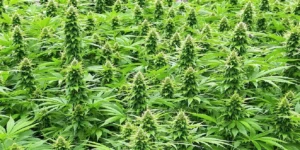
When cultivating this strain outdoors, it’s essential to consider its preference for warm, sunny environments. This cultivar thrives in regions with lengthy summer seasons that allow the buds to fully mature. For optimal growth, ensure the plant receives ample sunlight and is sheltered from strong winds, which can otherwise damage the branches or disturb the canopy.
To maximize the yield of this variety, consistent soil care is vital. Utilize well-draining, nutrient-rich soil to encourage robust root development. Implement a regular feeding schedule with balanced fertilizers to support healthy growth, especially during the flowering phase when the plant requires additional nutrients. Monitoring for pests is also crucial to prevent any adverse effects on the terpene profiles and overall health.
As harvest time approaches, pay close attention to the weather conditions to protect the buds from excessive moisture, which may lead to mold. Growers should aim to harvest during dry spells to ensure the quality of the yield. The timing is key; harvesting too early or too late can impact the potency and aromatic properties of this genetics, so observing trichome maturity is beneficial.
How to Germinate & Propagate Mexican Sativa
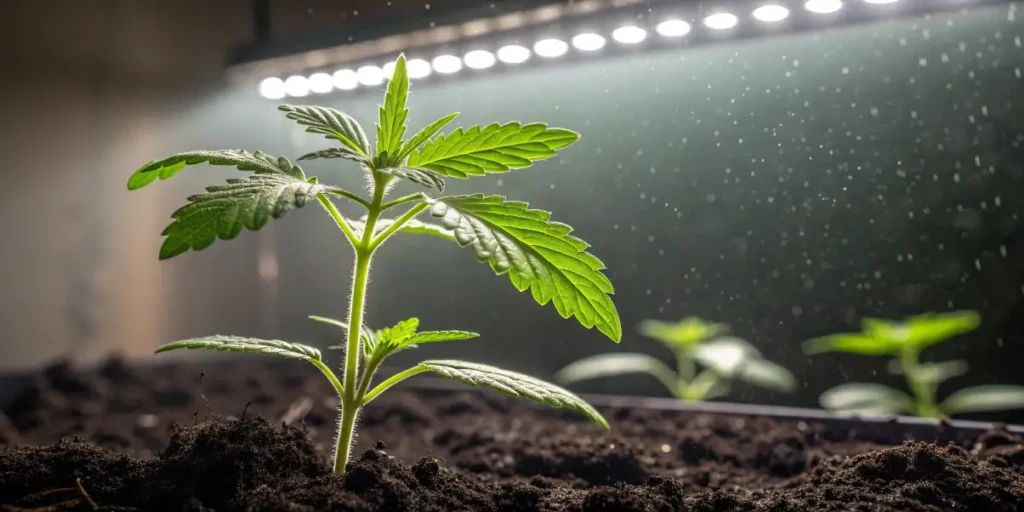
Germinating Mexican Sativa involves a few key steps that ensure healthy growth and successful cultivation. Start by soaking the seeds in water for 12-24 hours to enhance germination rates. This process helps the seeds to absorb moisture and activate the growth hormones necessary for sprouting. Ensure that the water is at room temperature for optimal results in awakening the seeds.
After soaking, plant the seeds about half an inch deep in a loose, nutrient-rich soil. Using a seedling tray or small pots can allow growers better control over the environmental conditions. Keep the soil moist, but avoid overwatering, as this can lead to mold or root rot. Temperature control is crucial; maintain a warm environment of about 70-85°F for the best outcomes.
Once germinated, you can propagate this strain through cloning to ensure genetic consistency in your crops. Take cuttings from the healthiest, most vigorous parts of the plant, ideally from the top branches. These cuttings should be about 4-6 inches long. Plant them in a suitable growing medium and use cloning gel to promote root development, enhancing your potential yield and maintaining desired terpene profiles.
During the propagation phase, it’s essential to provide the right lighting conditions and humidity levels for the cuttings. Use fluorescent or LED grow lights and maintain a light cycle of 18 hours on and 6 hours off. Keep the humidity high, around 75-80%, as it aids in root establishment. This process will ensure that the plant is poised for a thriving growth cycle and a bountiful harvest of quality buds.
Vegetative Stage
During the vegetative stage, cannabis growers need to provide optimal conditions for this variety to thrive. Ensure that the light cycle is consistent, typically 18 hours of light and 6 hours of darkness, allowing the plant to focus on leaf and stem development. This phase is crucial for setting the foundation for later stages, ultimately impacting the quality of buds and overall yield.
Cultivating Mexican Sativa during this stage requires attention to soil quality and nutrients. Use nutrient-rich soil with adequate drainage, and consider amending it with compost to boost fertility. Fertilizers rich in nitrogen should be applied, as they support robust growth. Monitoring the plant’s response to nutrients can help prevent issues and ensure healthy development during these crucial weeks.
As this strain matures, proper hydration becomes vital. The plant requires a consistent watering schedule; avoid overwatering, which can lead to root rot, and ensure the soil is moist but not soggy. Observing the leaves and soil moisture levels will guide growers in maintaining appropriate water levels, fostering resilience and vitality in this cultivar through the vegetative phase.
Training techniques, such as topping and low-stress training, can be applied to this genetics to encourage a bushier structure. This approach increases light penetration and airflow, which are essential for strong growth and future bud development. By nurturing the plant carefully throughout the vegetative stage, growers can promote a successful transition to flowering, readying it for a bountiful harvest rich in aromatic terpenes.
Flowering Mexican Sativa: What to Expect
During the flowering phase, this strain transitions from its vegetative state to producing the valuable buds sought after by cannabis enthusiasts. The plant typically takes about 10 to 12 weeks to fully flower, making patience critical for growers. Environmental factors, such as light cycles and nutrient levels, play significant roles in achieving optimal flowering conditions for this variety.
This cultivar is known for its tall stature and distinct sativa characteristics, which become particularly evident during the flowering stage. Growers should expect the plant to stretch significantly, sometimes doubling in height. This characteristic requires careful planning, possibly involving training techniques to manage growth and maximize yield within indoor cultivation environments.
Mexican Sativa rewards growers with its unique aroma and flavor profile during harvest. The buds tend to develop a sweet, earthy scent with hints of spice, which indicates the rich terpene content. As flowering progresses, monitoring humidity is essential to prevent mold and preserve the quality of this genetics, ensuring a successful harvest.
As the flowering period concludes, the plant’s trichomes develop a milky appearance, signaling readiness for harvest. Carefully timing the harvest phase impacts potency and flavor, as it allows the terpenes to reach their peak. By maintaining the right environmental conditions and utilizing proper cultivation techniques, growers can expect a bountiful yield from this cultivar.
Feeding Mexican Sativa: Fertilizers & Nutrient Schedule
Providing the right nutrients is crucial for cultivating cannabis successfully, and this strain is no exception. Like many sativa-dominant varieties, it thrives on a well-balanced nutrient schedule. Start with a nitrogen-rich fertilizer during the vegetative phase to support healthy plant structure and vigorous growth. Regular feeding will help develop robust stems and lush foliage essential for future bud development.
As Mexican Sativa transitions into the flowering phase, it requires a shift in nutrient composition. Decrease nitrogen levels and increase phosphorus and potassium levels. These nutrients are vital as they promote bud formation and enhance terpene production. The precise nutrient balance can significantly impact the yield and quality of the harvest, affecting the aroma and potency of the final product.
Throughout the growth cycle, monitoring nutrient uptake is essential. Over-fertilization can lead to nutrient burn, characterized by browning leaf tips. Regularly flushing the soil or growth medium with pH-balanced water can prevent nutrient lockout and maintain healthy plant systems. Moreover, consider using organic fertilizers to promote robust microbial activity, which can enhance nutrient availability to this cultivar.
Tailoring the nutrient schedule to the plant’s specific needs will maximize yields and ensure a bountiful harvest. Regular observation and adjustments can make a considerable difference in the quality and size of the buds produced by this variety. Ultimately, cultivating Mexican Sativa with an informed and responsive feeding regime will reward growers with a vibrant and aromatic harvest.
Pest and Disease Prevention for Healthy Cannabis Plants
Maintaining healthy cannabis plants requires proactive pest and disease prevention strategies. Mexican Sativa is particularly resilient, but like any other strain, this cultivar can still fall victim to mites, aphids, and powdery mildew. Growers should regularly inspect the plant and use neem oil or insecticidal soaps as organic treatments to protect against these common threats and ensure a bountiful harvest.
To enhance the natural defenses of this strain, considering companion planting might be beneficial. Marigolds and basil can help deter pests naturally, creating a more robust growing environment. Additionally, ensuring proper spacing between plants aids in preventing moisture accumulation, reducing the risk of mold and mildew, which can adversely affect terpene profiles and overall yield of the buds.
Environmental control is essential in cultivation to promote vigorous growth in Mexican Sativa. Keep humidity levels balanced and provide adequate ventilation in the growing area. These practices will deter pathogens and pests, ensuring the plants remain healthy and vibrant. By implementing these strategies, you can safeguard your cannabis cultivation and optimize the final yield of this variety.
Harvesting & Drying
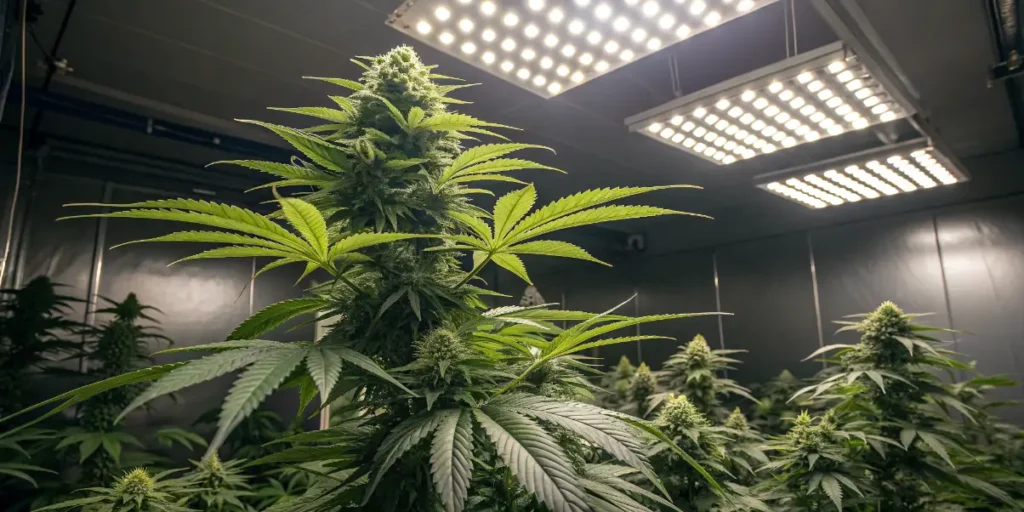
Knowing the right time to harvest this strain is crucial for optimizing its yield and quality. Growers should closely observe the pistils and trichomes of the plant. When most pistils darken and trichomes appear milky, it’s time to consider harvesting. Mexican Sativa is known for its aromatic terpenes, so timing your harvest judiciously will enhance its unique flavors and effects.
This cultivar prefers a consistent environment during drying to maintain its intricate terpene profile. After cutting the buds, it’s best to hang them upside down in a dark, cool room with moderate humidity. This process should last around 7-10 days. Carefully managing temperature and humidity levels prevents mold and ensures the buds cure perfectly, retaining their potency and aroma.
Once adequately dried, the buds of this variety should be trimmed to remove excess foliage. Proper trimming not only enhances the visual appeal but also maximizes the cannabis experience by focusing on the high-quality parts of the plant. Hand-trimming is often recommended to preserve the delicate trichomes, which are integral to the strain’s potent effects and rich flavors.
Place the buds in airtight containers, opening them daily to release excess moisture and check for any signs of mold. This careful curing phase can last several weeks. By meticulously following these steps, growers can ensure that the full potential of Mexican Sativa is realized, offering a superior cannabis experience.
Mexican Sativa Strain Type: Indica, Sativa or Hybrid?
Mexican Sativa is classified as a Sativa-dominant strain, revealing its lineage through its distinctive growth patterns and effects. Known for its robust and resilient nature, this cultivar thrives under diverse cultivation conditions, particularly in outdoor settings. Growers appreciate the plant’s ability to flourish in less-than-ideal climates, making it an excellent choice for those seeking a versatile cannabis variety.
This strain’s tall stature and long flowering period are characteristic of Sativa genetics. The plant exhibits slender leaves and elongated buds, which contribute to its moderate to high yield. Additionally, it exhibits a complex terpene profile that enhances its aromatic qualities. These features distinguish it from typical Indica strains, which tend to be shorter and bushier with denser buds.
Primarily chosen for its uplifting effects, this variety attracts growers and consumers aiming for a clear-headed, energetic experience. The plant’s growth dynamics make it ideal for outdoor cultivation, where it can reach its full potential. Knowing the nuances of Mexican Sativa’s genetic profile helps cultivators optimize their harvest and appreciate this unique cannabis creation.
Why Grow Mexican Sativa? Key Benefits for Cultivators
Mexican Sativa offers several advantages for cultivators due to its robust genetics and adaptability. This strain is known for thriving in diverse climates, making it suitable for both indoor and outdoor cannabis cultivation. Growers will appreciate its resilient nature, which often results in a relatively low-maintenance growth cycle. As an added bonus, the plant’s resistance to common pests and diseases helps ensure a successful harvest.
This variety stands out for its unique terpene profile, delivering refreshing, herbal, and spicy aromas. The buds produced by this cultivar are often dense and covered in resin, contributing to a satisfying yield. With proper care, growers can expect Mexican Sativa to produce an ample harvest, making it an attractive option for both personal and commercial cultivation operations.
Furthermore, the plant’s relatively short flowering period is appealing to those seeking a quicker turnaround. This cultivar typically reaches maturity in approximately 9 to 10 weeks, allowing for multiple growing cycles each year. Given these practical benefits, Mexican Sativa becomes a compelling choice for cultivators looking to maximize their yield without compromising on quality or effort.
Potential Challenges When Growing this Strain
Mexican Sativa, a vibrant cannabis strain, presents several challenges for cultivators. One primary concern when cultivating this variety is its sensitivity to humidity levels, which can lead to mold and mildew attacks. Growers must ensure adequate airflow and monitor environmental conditions rigorously to prevent such issues, ensuring the plant’s buds develop healthily.
This strain is also known for its relatively tall stature, which can pose space limitations, especially for indoor cultivators. It may require topping or training techniques to manage its height effectively. These practices not only help control its vertical growth but also promote an even distribution of light, fostering a better yield and terpene profile in the final harvest.
The plant’s longer flowering time may test the patience of growers aiming for a quick turnaround. However, careful planning and commitment will be rewarded with a bountiful and aromatic harvest. It’s crucial for cultivators to be vigilant throughout the cultivation period, monitoring the plant’s needs closely to optimize its growth and maximize yield.
Is this Variety Worth Buying? Here’s What You Need to Know
Mexican Sativa is a cannabis strain that attracts growers due to its resilience and vibrant effects. This variety thrives in diverse climates, making it a compelling choice for both novice and experienced cultivators. Known for its uplifting and energizing effects, the plant offers a unique terpene profile that enhances its appeal. Its adaptability contributes to successful cultivation, resulting in satisfying yields.
This strain is celebrated for producing buds that are both aromatic and potent. The plant’s structure supports a generous harvest, which appeals to those aiming for substantial yields. Growers appreciate this cultivar for its relatively quick flowering time, which allows for multiple harvests in a single growing season. Its vibrant effects make it popular among recreational users seeking a lively experience.
The decision to invest in Mexican Sativa depends on your cultivation goals and preferred effects. If you’re seeking a strain that provides vigorous growth and a lively, uplifting high, this variety is worth considering. Its balanced growth characteristics and high-energy impact ensure that it remains a sought-after choice for both personal and commercial cultivation endeavors. Overall, it embodies a versatile option in the cannabis growing landscape.
FAQs: Growing Mexican Sativa
What is the ideal climate for growing Mexican Sativa?
Mexican Sativa thrives in warm, sunny climates, similar to its native region of Mexico. This strain prefers outdoor cultivation where it can soak up plenty of sunlight, but it can also be grown indoors if environmental conditions mimic its natural habitat. Maintain temperature ranges between 70-85°F (21-29°C) to ensure the plant grows robustly. With appropriate humidity control, this variety can adapt well and yield a substantial harvest.
What are the typical yield expectations for Mexican Sativa?
This cultivar is known for its generous yields, especially when grown outdoors under optimal conditions. Mexican Sativa can produce between 18 to 21 ounces per plant. For indoor growers, yields can range from 14 to 16 ounces per square meter. Factors such as lighting, nutrients, and growing techniques will influence the final yield. Ensuring these aspects are maximized will help you achieve rewarding results from the plant.
How long is the flowering time for Mexican Sativa?
The flowering time for Mexican Sativa typically ranges from 10 to 11 weeks. This extended flowering period is common among sativa-dominant strains. Patience is key, as the additional time allows the plant to fully develop its buds and potential potency. Ensure optimal conditions throughout the flowering phase to enhance the quality of your harvest. Monitoring the plant closely will help in determining the ideal harvest time.
What are common problems when growing Mexican Sativa?
Growers of Mexican Sativa might encounter challenges such as pest infestations and mold due to its longer flowering period. This variety is also sensitive to temperature fluctuations and humidity, which can affect growth and yield. Implementing preventative measures, such as regular inspection and maintaining stable environmental conditions, is crucial. Encouraging good airflow around the plant can also help mitigate these common issues, ensuring healthy development.
What are the specific nutrient needs of Mexican Sativa?
Mexican Sativa requires a balanced nutrient regime, particularly in its vegetative stage. This genetics benefits from a diet rich in nitrogen, phosphorus, and potassium. As this cultivar transitions into flowering, it’s essential to adjust its nutrient levels to more phosphorus and potassium-rich feeds while reducing nitrogen. Consistent feeding schedules and regular soil testing can optimize the plant’s health, promoting vigorous growth and high-quality yields.