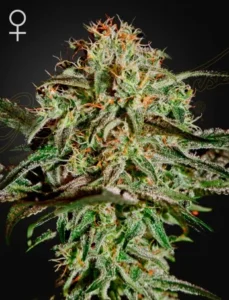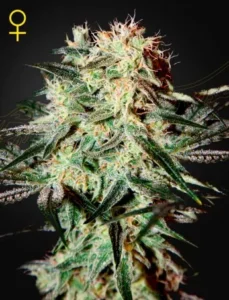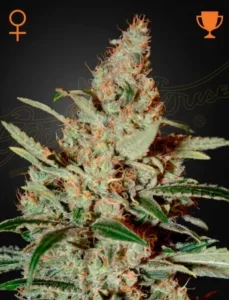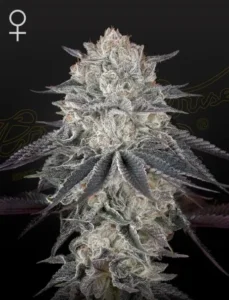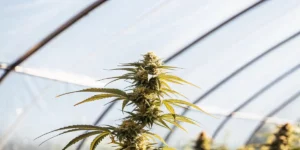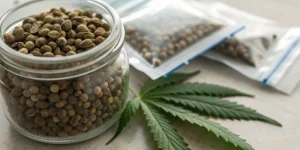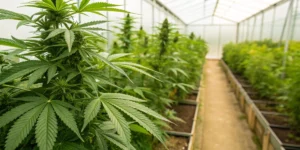
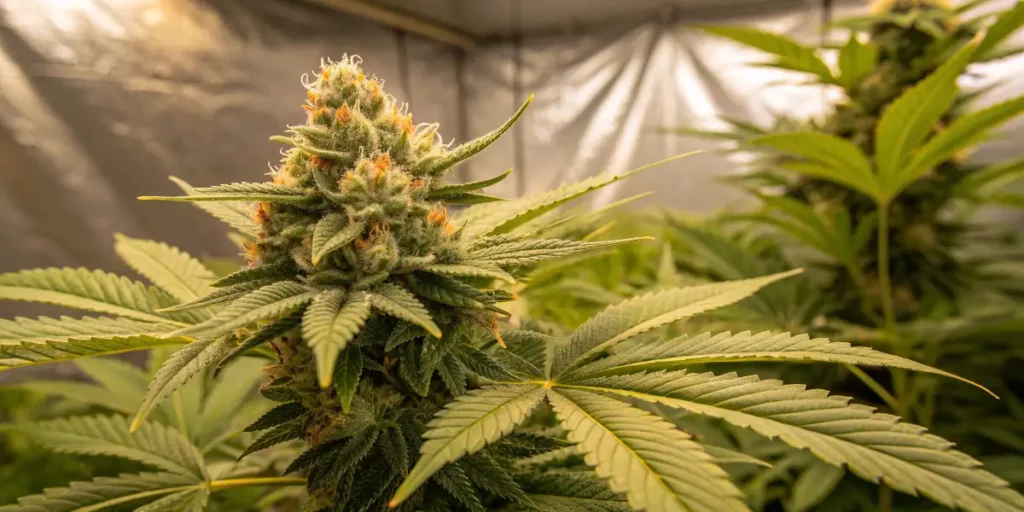

To successfully cultivate Northern Light, start by selecting high-quality seeds. Northern Light thrives both indoors and outdoors, offering flexibility to growers. Ensure the growing medium is rich with nutrients and provides adequate drainage. Regulate temperature and humidity levels carefully, as these factors significantly influence the plant’s development and health, ultimately affecting the terpenes and yield.
When cultivating this variety indoors, maintain a consistent lighting schedule to mimic natural sunlight. It responds well to the Sea of Green (SOG) method, enhancing the potential for a robust harvest. Prune leaves selectively for optimal bud exposure, ensuring the cannabis plant maintains good air circulation. This process minimizes the risk of mold and maximizes resin production.
Recommended Strains
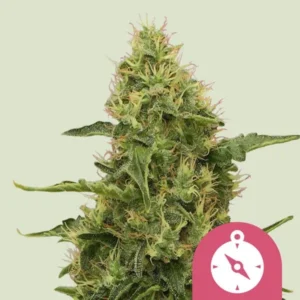
Northern Light

|
THC | 17% - 18% (Medium) |

|
Lineage | Northern Light S1 |

|
Type | Feminized |

|
Height | 6.4 ft | 1.95 m |

|
Yield | High |

|
Yield Indoor | 1.64 - 1.8 oz/ft² | 500 - 550 g/m² |

|
Yield Outdoor | 20.28 - 22.05 oz/plant | 575 - 625 g/plant |

|
Flowering Time | 8 - 9 weeks |

|
Phenotype | 100% Indica |

|
Effects | Balanced, Focused, Relaxed |

|
Flavors | Citrus, Earthy, Fruity |
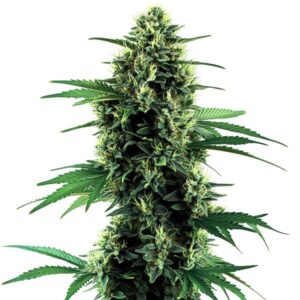
Northern Light Auto
|
|
THC | 10% - 14% (Low) |
|
|
Lineage | Northern Light x Lowryder |
|
|
Type | Autoflowering |
|
|
Height | 4.59 ft | 1.4 m |
|
|
Yield | Medium |
|
|
Yield Indoor | 1.31 - 1.64 oz/ft² | 400 - 500 g/m² |
|
|
Yield Outdoor | 19.4 - 24.69 oz/plant | 550 - 700 g/plant |
|
|
Life Cycle | 7 - 9 weeks |
|
|
Phenotype | 80% Indica / 20% Sativa |
As you approach the harvest time, monitor the trichomes closely. The ideal moment to collect buds from this cultivar is when they shift to a milky white with a hint of amber. Properly curing the harvested buds is essential to enhance flavor and preserve quality. By adhering to these steps, growers can maximize the potential of Northern Light and produce top-quality cannabis.
Northern Light Strain Overview: Traits, Effects & Genetics
Northern Light is a renowned cannabis strain cherished by growers for its robust genetics and high yield. This variety thrives in various cultivation setups, boasting resilience against pests and environmental stresses. Its compact structure makes it ideal for indoor cultivation, appealing to both novice and seasoned growers seeking a reliable harvest.
This strain is particularly known for its dense, resinous buds, which are rich in terpenes that produce a sweet, earthy aroma. The plant typically generates a relaxing effect, making it a favorite for those seeking calmness and stress relief. The genetics of this cultivar contribute significantly to its consistent performance and quality.
Due to its balanced indica-dominant profile, the plant offers both sedative and euphoric effects, making it versatile for medical and recreational users alike. It has been a staple in cannabis communities for years, enhancing its reputation through consistency and potency. Growers appreciate its short flowering cycle, resulting in timely and efficient yields.
Overall, this cultivar has gained acclaim not just for its unique effects, but also for the ease of cultivation. Its robust nature makes it an attractive option for those new to cannabis growing. By providing a significant yield with minimal effort, Northern Light continues to be a quintessential choice in the cannabis world.
Optimal Environment to Grow Northern Light Successfully
When cultivating this strain, maintaining the right temperature and humidity levels is crucial. Ideally, the plant thrives in temperatures between 70-85°F during the day and a slightly cooler range at night. Proper airflow is essential to prevent mold and pests, ensuring a robust yield. Using oscillating fans can help maintain good air circulation throughout the growing space.
Lighting plays a pivotal role in the successful growth of this cultivar. While Northern Light is renowned for its resilience, it benefits greatly from adequate light exposure. Indoor growers should consider high-intensity lights with a spectrum that mimics natural sunlight. Ensuring an 18-hour light cycle during the vegetative stage promotes healthy foliage and strong branches, which are vital for quality buds.
Humidity is another critical factor in optimizing the environment for this variety. During the vegetative phase, the plant favors higher humidity levels, around 60-70%. As it transitions to the flowering phase, reducing humidity to 40-50% helps enhance the development of terpenes and reduces the risk of mold. Monitoring and adjusting these levels are key to maximizing yield and ensuring a successful harvest.
Soil quality and nutrients also significantly impact the performance of the plant. It is important to use well-draining, nutrient-rich soil to support its growth. Organic fertilizers can provide the necessary nutrients throughout its lifecycle. Regularly testing soil pH and adjusting it as needed can ensure that Northern Light absorbs the maximum nutrients, contributing to a more potent and aromatic harvest.
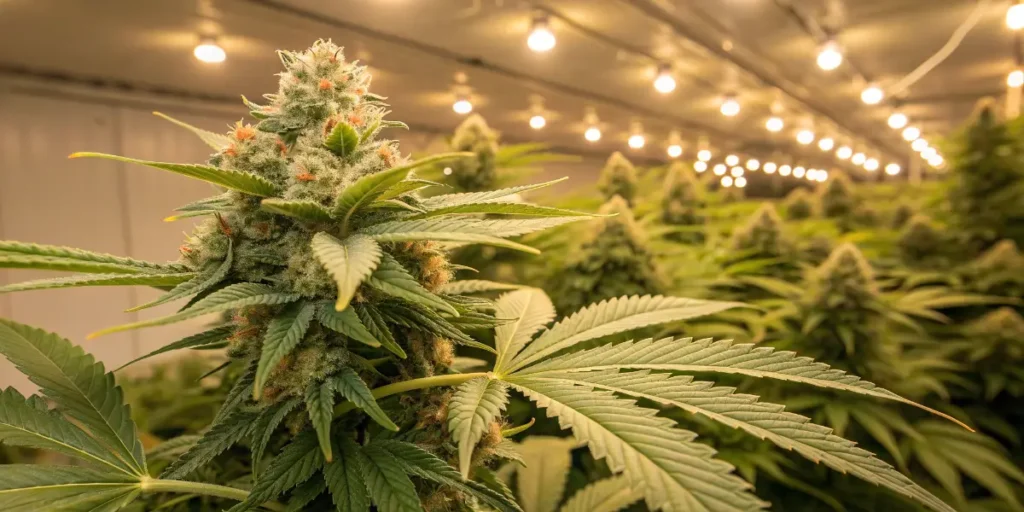
Grow Room Setup for Northern Light Plants
Setting up a grow room for Northern Light cannabis requires careful attention to environmental conditions to maximize yield and terpene production. Growers should first ensure that the space is well-ventilated, with fresh air circulating to prevent mold and mildew. Consider using an exhaust fan and carbon filter to manage airflow, and maintain humidity levels around 40-50% during the flowering phase.
This strain thrives under consistent lighting conditions. Deploying high-quality LED or HID lights is recommended, as these provide the intensity needed for robust bud growth. Daily light exposure should be set around 18 hours in the vegetative stage and reduced to 12 hours during flowering to mimic natural seasonal changes and optimize the plant’s development.
The temperature within the cultivation area should remain stable to ensure healthy growth. During the daytime, maintain a temperature range of 70-80°F (21-27°C), and allow for a slight drop at night. This variety benefits from careful monitoring of these conditions, as fluctuations can stress the plant and affect overall yield and potency.
An essential part of setting up your grow room is optimizing nutrient delivery for this cultivar. Employ a well-balanced nutrient solution specifically designed for cannabis to support vigorous growth and resin production. Regular monitoring of pH levels will ensure that the plant effectively absorbs nutrients, paving the way for a successful harvest of high-quality buds.
Indoor Growing Tips for Northern Light
This strain thrives in indoor settings due to its compact structure and manageable height. Growers should maintain temperatures between 70-85°F and humidity levels around 40-50%. It requires consistent light for optimal growth, with a light cycle of 18 hours on and 6 hours off during the vegetative stage to ensure the plant develops robust stems and leaves.
During cultivation, ensure adequate air circulation to prevent mold and mildew, which this variety is susceptible to in stagnant environments. Installing oscillating fans helps keep the air fresh and strengthens the stems. To encourage maximum yield, implement a Sea of Green (SOG) method, which maximizes space and promotes dense bud formation by keeping the focus on the main cola.
As this cultivar approaches harvest, monitoring phosphorus and potassium levels is crucial to boost bud development. Flushing it two weeks before the anticipated harvest will enhance the terpenes, resulting in a more flavorful final product. Finally, practice gradual acclimatization to outdoor conditions if planning a post-harvest migration, ensuring the plant isn’t shocked by the environmental shift.
Outdoor Growing Tips for Northern Light
When cultivating this strain outdoors, selecting a location with plenty of sunlight is crucial, as it thrives in well-lit environments. Ensure the plant receives at least six hours of direct sunlight daily to maximize its yield and terpene profile. Additionally, this variety prefers a mild climate, making it a perfect choice for growers in temperate regions.
To improve soil quality and encourage robust growth, consider amending the earth with organic compost and well-draining materials. This cultivar’s roots benefit from soil rich in nutrients, promoting healthy development and vibrant buds. Regularly check the pH levels, maintaining them between 6.0 and 7.0, to ensure proper nutrient absorption and optimal conditions for the plant.
Throughout the growing season, it is essential to monitor this variety for pests and diseases. Implementing an integrated pest management strategy will help control unwanted visitors without harming the ecosystem. As the harvest period approaches, support your plants with stakes if necessary, to prevent heavy buds from causing branches to break, ensuring a successful and bountiful harvest.
How to Germinate & Propagate
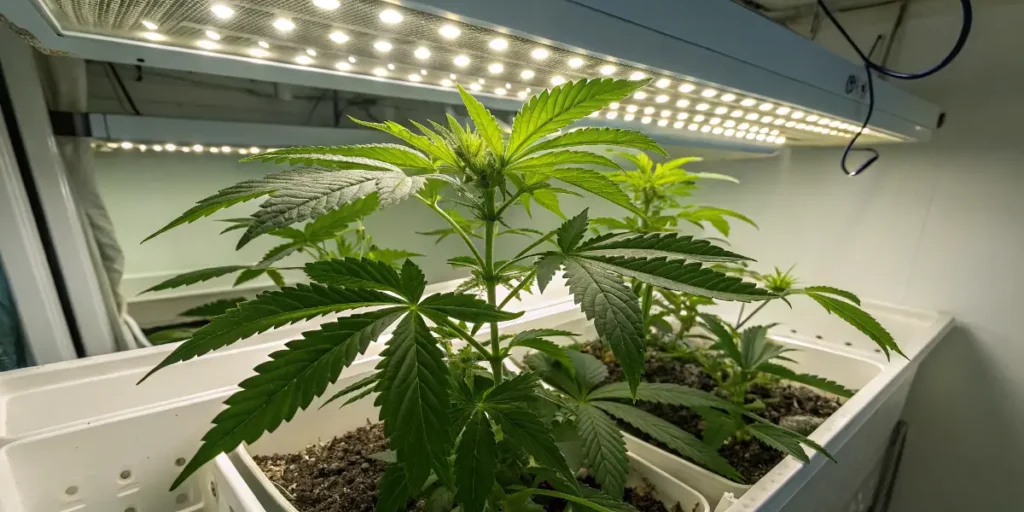
Germinating seeds is the first crucial step in cultivating cannabis, and Northern Light is no exception. Start by soaking the seeds in water for 12-24 hours, promoting quicker sprouting. Next, transfer them to a damp paper towel, kept in a warm and dark place. Within a few days, tiny roots, or radicles, will emerge, signaling readiness for planting.
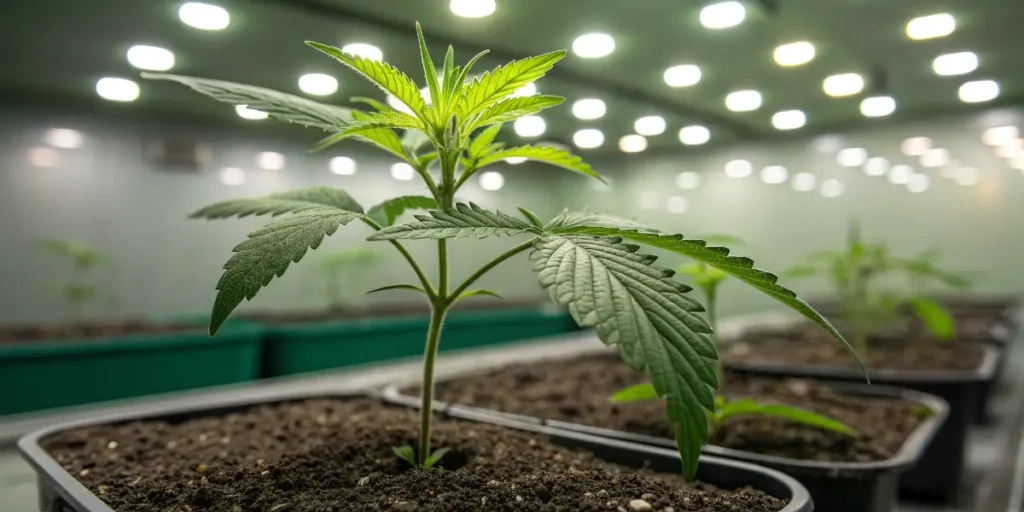
Once the seeds of this strain show signs of germination, carefully plant them in a small pot with moist, well-drained soil. Ensure the soil is lightly packed and that you plant the seeds about a quarter-inch deep. Maintain a warm environment, ideally between 70-85°F (21-29°C), to encourage healthy seedling development for this variety.
As seedlings grow, proper lighting becomes essential. For the initial stages, use fluorescent lights or specialized LED grow lights to simulate natural conditions. Maintain a light schedule of 18 hours on and 6 hours off to mimic the long days of summer, ensuring the plant’s healthy growth. This cultivar responds positively to ample light exposure, leading to robust development.
Propagation of the plant through cloning can also be highly rewarding for growers aiming to preserve the premium genetics of this cultivar. Clip healthy shoots from the mother plant, ideally with several nodes, and immerse them in a rooting hormone. Plant these cuttings in a suitable medium, maintaining high humidity and moderate warmth to establish roots and prepare for a bountiful harvest.
Vegetative Stage: Nurturing Your Northern Light Plants
During the vegetative stage, proper nurturing is crucial for the successful growth of Northern Light. Growers should ensure optimal conditions by maintaining a warm temperature range of 70-85°F and a humidity level between 40-70%. This stage demands abundant light, typically 18-24 hours of light daily, to promote healthy cannabis leaf development.
This strain thrives on a consistent regimen of nutrients rich in nitrogen, phosphorus, and potassium. Using high-quality soil or hydroponic systems can significantly influence the plant’s overall health. Regular watering is essential, but avoid overwatering to prevent root rot. Monitoring the pH levels, ideally around 6.0-7.0, ensures the plant’s ability to absorb nutrients effectively.
As this variety grows, regular pruning and training techniques, such as topping or LST (Low-Stress Training), can be utilized to maximize light exposure and improve air circulation. These methods help in achieving a fuller canopy, which is vital for increasing the yield potential. This careful manipulation of the plant structure can result in more substantial bud development over time.
The vegetative phase is vital for establishing the foundation of this cultivar, as it sets the stage for successful flowering and harvest. Paying attention to detail during this time will enhance the eventual aroma, terpenes, and potency of the buds. Consistent care ensures that Northern Light will thrive and produce high-quality results for growers aiming for a rewarding cultivation experience.
Flowering Northern Light: What to Expect
Flowering Northern Light can be an exciting phase of cannabis cultivation. During this period, this strain typically takes about 6 to 8 weeks to reach full maturity, depending on environmental conditions and grower expertise. Known for its resilience, the plant is especially suitable for those new to cultivation, offering a rewarding experience with its robust growth and resistance to many common issues.
As the flowering stage progresses, growers will notice the development of dense, resinous buds, which are characteristic of this variety. The plant is relatively compact in stature yet provides a substantial yield, making it an excellent choice for both small-scale and commercial cultivators. Paying close attention to light cycles and nutrients during this phase can significantly enhance the outcome.
This cultivar is celebrated for its rich terpene profile, contributing to its distinctive aroma and flavor. Aromas often boast earthy, sweet, and slightly piney notes, which become more pronounced as flowering advances. To maximize the quality of the buds, monitoring humidity levels is crucial to prevent mold and preserve the integrity of the delicious terpenes characteristic of the plant.
The harvest period is a crucial time in the cultivation process. For optimal potency and flavor, growers should aim to harvest when trichomes are mostly cloudy with a few amber ones. Proper drying and curing methods are essential to maintain the quality and enhance the effects of Northern Light, ensuring a high-quality end product ready to enjoy.
Fertilizers & Nutrient Schedule
For optimal cannabis cultivation, providing the correct nutrients is essential, especially for Northern Light. This strain requires a balanced mix of macronutrients nitrogen, phosphorus, and potassium during its growth cycle. Early stages demand higher nitrogen levels to support lush foliage, while later phases need phosphorus and potassium to enhance bud development and boost yield potential.
Growers cultivating this variety should adhere to a consistent nutrient schedule to guarantee peak performance. A baseline nutrient solution, enriched with organic amendments like compost or worm castings, can offer sustained nourishment. This approach enhances the soil’s microbial activity, fostering a healthy root environment, critical for the development of robust terpenes and fragrant buds.
Monitoring pH levels is another crucial aspect of feeding this plant. The ideal pH range for this cultivar spans from 6.0 to 6.5, ensuring that the nutrients are absorbed efficiently. Regular testing and adjustments prevent nutrient lockout, which could hinder growth and reduce the overall health and yield of your harvest. Consider using a digital pH meter for accuracy.
The frequency and composition of feedings should be adapted based on the plant’s specific requirements. Observing leaf color and growth patterns can guide you to tweak fertilization strategies. As Northern Light progresses into flowering, gradually switch to a bloom-specific formula to maximize resin production, intensifying the plant’s aromatic and flavorful profile for a rewarding harvest.
Pest and Disease Prevention for Healthy Cannabis Plants
To maintain the health of your cannabis plants, particularly with Northern Light, proactive pest and disease prevention is essential. Growers should start by ensuring proper sanitation and monitoring. Regular inspection of leaves and buds can help detect early signs of infestations. Utilizing sticky traps and introducing beneficial insects like ladybugs can also keep unwanted pests at bay, ensuring a robust yield.
Additionally, this strain benefits from a controlled environment. Maintaining optimal humidity and temperature levels can significantly reduce mold risks. It is essential for cultivators to avoid overwatering, as excess moisture can lead to root rot. Ensuring good airflow around the plants will further safeguard them against fungal diseases, helping to promote the development of rich terpenes.
Preventative measures significantly contribute to a successful harvest. By rotating crops and keeping the growing area clean, growers can minimize disease outbreaks. Using natural repellents and companion planting techniques serves this variety well, bolstering its resilience. Through diligent care and attention, the plant can thrive, rewarding handlers with healthy, vibrant growth and plentiful Northern Light buds.
Harvesting & Drying Northern Light the Right Way
Timing your harvest is key to maximizing the yield and potency of this strain. For Northern Light, monitoring the trichomes is crucial as they shift from clear to milky and finally to amber. This transition signals the optimal time to cut the plant, ensuring that the desired cannabinoid profile and terpene richness are preserved for a superior cannabis experience.
Once the plant is ready for harvest, growers should carefully trim the fan leaves, taking care not to disturb the buds themselves. This initial trimming helps to promote better airflow during the drying process, reducing the chances of mold or mildew. Preserve the delicate trichomes, which can enhance the quality and flavor profile of this cultivar, by handling it with care throughout the trimming.
Drying is a pivotal stage in cannabis cultivation, significantly impacting the final product’s quality. Secure a dark, well-ventilated area with humidity levels around 50% and a temperature range of 60-70°F for drying the buds. Effective drying prevents mold and ensures the buds maintain their aromatic terpenes and potency, which are signature characteristics of this variety.
After successful drying, curing Northern Light is essential for refining its taste and aroma. Place the dried buds in sealed jars, opening them daily for the first week to release moisture while checking for mold growth. This careful attention allows the plant to develop its full flavor profile, providing a smooth smoking experience that is cherished by enthusiasts all over the world.
Northern Light Strain Type: Indica, Sativa or Hybrid?
Northern Light is primarily an Indica-dominant strain, valued by growers for its robust cultivation attributes. Known for producing dense buds with generous yields, this strain thrives in various environments. Its compact stature, inherited from its Indica lineage, makes it ideal for indoor cultivation, allowing growers to optimize both space and light. Many cultivators favor it for its straightforward growing process.
This cultivar’s calming effects are attributed to its rich Indica genetics. While some mistakenly believe it to be a hybrid, the plant’s characteristics clearly show its Indica dominance. The terpene profile in this variety contributes to its relaxing and sedating qualities, often preferred by those seeking a tranquil cannabis experience. Despite its predominantly Indica nature, it retains slight Sativa influences that enhance its appeal.
The relatively short flowering period of this strain, coupled with its resistance to common pests and molds, makes it a prized choice for both novices and seasoned growers. The plant’s consistent yield, coupled with a potent and aromatic harvest, underscores its popularity. Recognizing its lineage helps cultivators make informed decisions about maximizing their crop’s potential and achieving successful growth outcomes.
Why Grow Northern Light? Key Benefits for Cultivators
Northern Light is a favorite among cannabis growers for its impressive resilience and high yield potential. This strain thrives in various climates, making it versatile for both indoor and outdoor cultivation. Its robust genetics ensure that the plant withstands pests and mold, reducing the need for excessive maintenance while still producing high-quality buds.
Growers appreciate this variety for its relatively quick flowering time, allowing for a faster harvest cycle. The abundance of dense buds packed with potent terpenes is another attractive feature. These attributes contribute to an exceptionally rewarding harvest, making it an ideal choice for both novice and experienced cultivators looking to maximize output.
Moreover, the cultivar is celebrated for its soothing effects, which are well-suited for evening relaxation. The aromatic profile of the plant, characterized by earthy and sweet notes, adds appeal for those keen on producing flavorful cannabis. Overall, Northern Light offers a combination of ease-of-growth and satisfying results, making it a standout in cannabis cultivation.
Potential Challenges When Growing This Variety
When cultivating Northern Light, one might face issues related to humidity levels. This strain is known for being resistant, yet excessive moisture can lead to mold, especially in dense buds. Growers should ensure adequate airflow and manage environmental conditions carefully to protect the plant’s health and maximize yield potential. Consistent monitoring of humidity levels is essential for optimal growth.
Another challenge with this variety is pest management. Like many cannabis genetics, it can fall prey to pests such as spider mites and aphids. Employing integrated pest management techniques, including regular inspections and using organic deterrents, can safeguard this cultivar from infestations. Keeping the grow area clean will further reduce pest risks to the plant.
Achieving full terpene development requires careful attention during the flowering stage. This cultivar thrives under consistent light schedules, making it crucial to avoid light leaks. During this phase, growers should also be cautious with nutrients to prevent nutrient burn, ensuring that Northern Light expresses its full flavor and potency at harvest. Diligent care results in a successful cultivation journey.
Is This Strain Worth Buying? Here’s What You Need to Know
Considering its reputation as a staple in cannabis cultivation, Northern Light stands out for both novice and experienced growers. This strain’s resilience makes it ideal for various growing conditions, ensuring robust growth. It offers a forgiving nature, allowing growers to achieve successful harvests with minimal challenges. For anyone looking to maximize yield with ease, this plant becomes an attractive choice.
Buds from this variety are known for their high potency and rich terpenes, which cater to those seeking quality and aroma. This cultivar consistently produces generous yields, making it worthwhile for both personal and commercial growers. Its long-standing reputation is backed by its ability to deliver results that meet expectations, season after season, making it a reliable investment for cultivators.
While this variety is renowned for its resilience, it’s essential to buy seeds or clones from reputable sources to ensure genetic authenticity. Genuine Northern Light genetics promise the classic traits that enthusiasts cherish. Overall, when thoughtful decisions are made in sourcing, this strain proves to be a worthy purchase for anyone eager to cultivate high-quality cannabis effortlessly.
FAQs
What is the ideal climate for cultivating Northern Light?
Northern Light thrives in a controlled indoor environment but can also flourish outdoors in warmer climates. This strain prefers temperatures between 70-85°F (21-29°C) during the day and slightly cooler nighttime temps. Humidity levels should be kept low to moderate to prevent mold issues. If growing outdoors, ensure the plant receives plenty of sunlight and is sheltered from harsh weather conditions.
How long does Northern Light take to flower?
This variety typically has a flowering period of 7 to 9 weeks. Many growers appreciate Northern Light for its relatively quick turnaround from planting to harvest. Indoors, you can expect it to finish on the earlier side of that window, while outdoor plants often complete flowering by late September to early October, given optimal conditions.
What kind of yields can be expected from Northern Light?
When cultivated properly, Northern Light can produce impressive yields. Indoor growers can anticipate around 18 ounces per square meter, while outdoor plants might yield as much as 22 ounces per plant. This strain is renowned for its dense and resinous buds, contributing to its reputation for high productivity when grown under the right conditions.
What are common challenges when growing Northern Light?
While Northern Light is generally forgiving, it is not immune to challenges such as nutrient burn or powdery mildew. Keep an eye out for signs of nutrient imbalances and be proactive in pest management. Providing consistent ventilation and managing humidity levels can help prevent mold, ensuring that the plant develops healthy, potent buds.
What nutrient regimen works best for Northern Light?
This cultivar benefits from a balanced nutrient regimen that includes nitrogen during the vegetative stage and higher levels of phosphorus and potassium during flowering. Pay attention to pH levels in your growing medium, keeping them between 6.0-7.0 for soil and 5.5-6.5 for hydroponics. Adjust feedings based on the plant’s response to avoid over-fertilization.