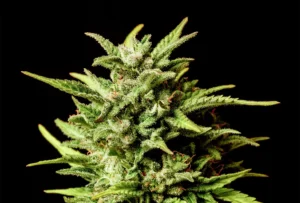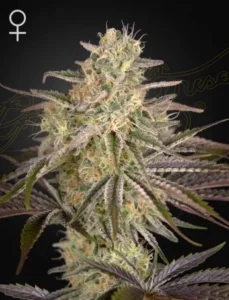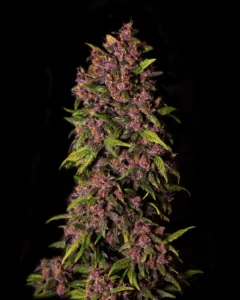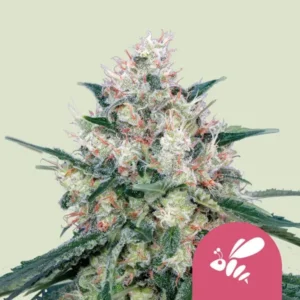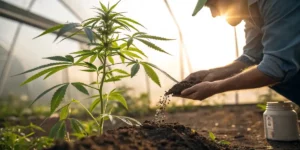
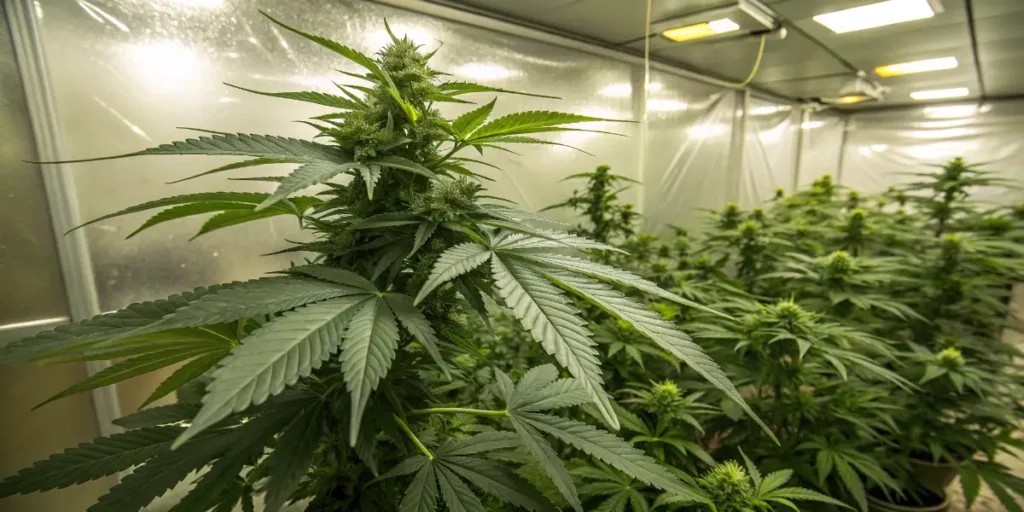

Getting started with cultivating Northern Lights requires careful attention to its preferred growing conditions. This variety thrives best in a controlled environment where temperature and humidity can be closely monitored. Growers should ensure that the plant receives ample light, as this is crucial for maximizing yield and potency. With these foundational steps, the journey to successful cannabis cultivation begins.
Northern Lights tends to flourish with proper nutrients and care. Maintaining balanced soil with the right pH level is essential, as it promotes healthy root development and enhances nutrient absorption. Regularly feeding this cultivar with a suitable nutrient mix encourages robust growth. For those seeking rich, aromatic buds abundant with terpenes, following an appropriate feeding schedule is essential.
Recommended Strains
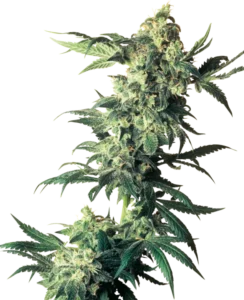
Northern Lights Seeds

|
THC | 17% - 21% (Medium) |

|
Lineage | Thai x Afghani |

|
Type | Feminized |

|
Height | 6.56 ft | 2 m |

|
Yield | High |

|
Yield Indoor | 1.64 - 1.97 oz/ft² | 500 - 600 g/m² |

|
Flowering Time | 6 - 8 weeks |

|
Phenotype | 90% Indica / 10% Sativa |

|
Effects | Uplifted, Happy, Relaxed |

|
Flavors | Sweet, Pungent, Citrus, Pine |
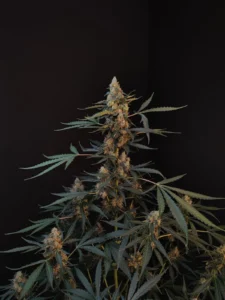
Northern Lights Auto
|
|
THC | 21% - 22% (Medium) |
|
|
Lineage | Northern Lights x Ruderalis |
|
|
Type | Autoflowering |
|
|
Height | 3.28 ft | 1 m |
|
|
Yield | High |
|
|
Yield Indoor | 1.64 - 1.97 oz/ft² | 500 - 600 g/m² |
|
|
Life Cycle | 9 weeks |
|
|
Phenotype | 70% Indica / 30% Sativa |
|
|
Effects | Sedative, Powerful, Relaxed |
|
|
Flavors | Fruity, Spicy, Pepper |
As the flowering stage approaches, strategic pruning is vital to optimize light exposure and air circulation around the buds. This practice not only enhances yield but also reduces the likelihood of mold. Harvest typically occurs around eight to nine weeks, a period where the plant’s full potential is realized. By employing these steps, growers can enjoy a successful harvest of this acclaimed genetic variety.
Northern Lights Strain Overview: Traits, Effects & Genetics
Northern Lights is renowned among cannabis enthusiasts for its distinctive qualities and robust genetic background. This cultivar boasts resilience, making it a favorite among growers seeking high yields and a straightforward cultivation process. The plant typically features compact and dense buds, known for their rich terpene profile that contributes to its characteristic aroma and flavor, further enhancing its appeal.
This strain’s effects are widely celebrated for their relaxing and tranquilizing nature, providing users with a sense of calm and euphoria. It’s often chosen for its ability to alleviate stress and induce restful sleep, making it a preferred choice for those seeking relief from anxiety and insomnia. The cultivar’s potency ensures a profound experience even for seasoned cannabis consumers.
Northern Lights’ genetic lineage is a significant contributor to its hardy nature and potent effects. It often derives from Afghani and Thai landrace strains, blending indica attributes that dominate its personality. This robust genetics makes it an appealing choice for growers looking to cultivate a reliable and productive strain with minimal complications, ensuring a satisfying harvest.
Mature plants generally produce generous yields, rewarding cultivators with bountiful harvests. The compact nature of the buds and the variety’s resilient traits make it an ideal option for both indoor and outdoor cultivation. By recognizing the unique characteristics of this variety, growers can effectively harness its full potential, ensuring a successful growing cycle.
Optimal Environment to Grow Northern Lights Successfully
When cultivating Northern Lights, it’s important to replicate its natural environment as closely as possible. This strain thrives in controlled indoor spaces, where temperature and humidity can be meticulously managed. Growers should aim to keep temperatures between 70-85°F (21-29°C) during the day, with slightly cooler nights. Such conditions support healthy growth and potent bud development.
Humidity levels play a critical role in successful cannabis cultivation. For this variety, maintain humidity around 40-50% during the vegetative stage, decreasing to 30-40% during flowering. This helps prevent mold and promotes robust terpene profiles. Proper airflow through fans is also essential to mimic natural breezes, thereby strengthening the plant’s structure.
Lighting is another crucial factor in achieving optimal results with this cultivar. Utilize full-spectrum LED lights or high-intensity discharge lights, ensuring 18-20 hours of light during vegetative growth. In the flowering stage, switch to a 12/12 light cycle to trigger bud production. Adjust light intensity to avoid heat stress and maximize yield potential.
Nutrient management is key to the thriving health of the plant. This strain responds well to balanced fertilizers with a focus on nitrogen during vegetative growth and higher phosphorous in flowering. Employing organic soil mixtures can enhance nutrient uptake, further ensuring a successful harvest of Northern Lights with richly aromatic and highly potent buds.
Grow Room Setup for Northern Lights Plants
Creating the ideal environment for this strain involves careful consideration of several factors. For optimal cannabis cultivation, temperature, humidity, and lighting all play crucial roles. This variety prefers moderate temperatures between 70-85°F (21-29°C). Ensuring proper air circulation within the grow room is also essential to prevent mold and mildew, which can negatively impact the plant’s health and yield.
Proper lighting is pivotal for nurturing this cultivar’s growth. LED or HPS grow lights are often recommended, as they provide the necessary spectrum for robust bud development. As Northern Lights plants mature, adjusting light cycles to mimic natural daylight transitions helps promote flowering. This gradual change is crucial to maximizing the cannabinoid and terpene profiles unique to this variety.
Humidity control cannot be overstressed for growers focusing on this genetics. During the vegetative stage, maintaining humidity levels between 40-70% is beneficial for the plant’s vigor. As flowering begins, gradually lowering humidity to around 30-50% helps encourage resin production, a key element for potent buds. Dehumidifiers can be used to achieve these conditions when natural measures fall short.
When planning the grow room layout, ensure there is sufficient space for each plant to expand comfortably. This spatial consideration facilitates air movement and light penetration to lower canopy levels. Adequate room also reduces competition among the plants, allowing Northern Lights to reach its full potential. Meticulous attention to these details can significantly influence the resulting harvest and overall quality.
Indoor Growing Tips for Northern Lights
When cultivating this strain indoors, maintaining the right environment is crucial. The plant thrives in temperatures between 70-85°F (21-29°C) with a relative humidity of 40-50% during the flowering stage. Adequate ventilation is essential to prevent mold, given its dense buds. Proper airflow helps ensure the healthy development of this cultivar and maximizes yield.
Lighting is another critical factor in the successful indoor cultivation of this variety. Using LED grow lights with a full spectrum can mimic natural sunlight and promote robust growth. Adjusting the light cycle to a standard 18/6 during vegetative stages and 12/12 for flowering helps the plant flourish, ensuring the harvest is rich in terpenes and quality buds.
Feeding the plant the right nutrients is vital for achieving its full potential. This cultivar benefits from a balanced diet of nitrogen, phosphorus, and potassium, adapting the ratio according to each growth stage. Regularly monitoring pH levels and nutrient solution ensures optimal absorption. By following these tailored tips, growers can look forward to a bountiful and aromatic harvest.
Outdoor Growing Tips for Northern Lights
When cultivating this strain outdoors, choosing a location with ample sunlight is crucial. The plant thrives in environments where it can enjoy full sun for most of the day. As a relatively hardy variety, it is resistant to pests and can tolerate cooler climates, making it a favorite among growers seeking robust cannabis plants with high yields.
Ensuring successful outdoor growth for this cultivar involves considering soil quality. Rich, well-draining soil with good organic content will support the plant’s vigorous growth. Regular watering is essential, but be cautious to avoid overwatering, as root rot can quickly affect its health. Monitoring the pH levels will ensure that this variety absorbs nutrients effectively, promoting healthy buds.
Timing your harvest is pivotal for maximizing terpene and cannabinoid profiles. This cultivar typically flowers around late September to early October, depending on the climate. Paying attention to the trichomes’ color and resin development will guide growers to determine the perfect harvest window. The resulting harvest offers a rewarding yield of potent, flavorful cannabis, embodying the essence sought after in this renowned variety.
How to Germinate & Propagate
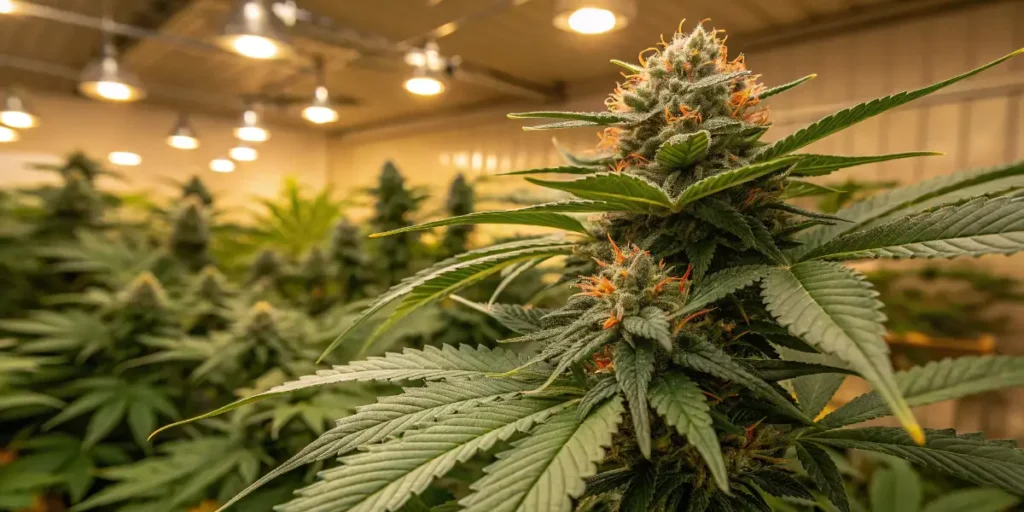
Germinating seeds is a crucial step in cultivating any cannabis plant, and this is especially true for Northern Lights. Start by soaking seeds in water for 12-24 hours, allowing easy absorption. Once they’ve sunk, transfer them to a damp paper towel. Place this in a dark, warm location, ensuring it remains moist but not waterlogged to encourage sprouting.
While germination establishes the roots of this cultivar, propagation can multiply your stock from a single plant. This variety can be cloned by taking 4-6 inch cuttings from the healthy branches during the vegetative phase. Dip the cut end in a rooting hormone to promote root development before planting in a suitable medium.
Maintaining optimal conditions during this process is key to a successful propagation. For this strain, the temperature should be kept around 70-75°F with a humidity level of 70-80%. Adequate lighting conditions and careful monitoring prevent mold and disease, ensuring cuttings root efficiently and develop into sturdy plants.
With dedication and proper technique, the propagation of Northern Lights can lead to an increased yield and a thriving garden. As a renowned cultivar in cannabis cultivation, the plant’s fast growth and sturdy nature make it an excellent choice for both novice and experienced growers alike. This careful attention to propagation techniques will reward harvests with rich terpene profiles and coveted buds.
Vegetative Stage: Nurturing Your Northern Lights Plants
The vegetative stage is crucial for establishing a healthy foundation for your Northern Lights plants. During this period, the focus is on strong growth and preparing for an abundant harvest. This phase requires adequate light, nutrients, and space. Consistent light cycles of 18-24 hours will stimulate robust growth, setting the stage for productive buds later.
This strain is known for its resilience, making it ideal for both novice and experienced growers. Ensuring your cannabis plants have access to nitrogen-rich fertilizers will promote lush foliage. Regular monitoring of water levels helps maintain optimal growth, preventing stress that could hinder yield potential. The plant thrives in controlled environments with steady temperatures and humidity levels.
Training techniques, such as topping or low-stress training, can be employed during this stage to maximize the plant’s potential. These methods encourage a more uniform canopy, improving light penetration and future bud development. It’s crucial to keep pest management in check; this variety can be susceptible to mites if conditions are not monitored carefully.
Proper air circulation is paramount to prevent mold and ensure healthy plant development. The right environmental conditions will enhance terpene production, contributing to the strain’s renowned aromatic profile. By focusing on these elements, growers can look forward to optimized growth during the vegetative stage, setting the foundation for a successful cultivation journey with this cultivar.
Flowering this Variety: What to Expect
During the flowering stage, this strain stands out for its remarkable resin production and captivating aroma. Growers can expect the plant to start developing dense, resinous buds around the 8-week mark. Indoor cultivation provides the best control over environmental variables, enabling this cultivar to reveal its full potential. Effective management of humidity and temperature is crucial for optimal bud development and terpene profiles.
This variety typically requires 7 to 9 weeks to complete its flowering phase. During this period, the beautiful, frosty buds will begin to display vibrant hues of green and purple. To maximize the yield, ensure that the plant gets adequate lighting and nutrients. If you maintain consistent growing conditions, the plant can produce a substantial harvest with a superior cannabinoid profile.
One of the hallmarks of Northern Lights is its enticing aroma, characterized by earthy and piney notes. As this cultivar approaches maturity, its scent will become more pronounced, providing growers with a sensory treat. It’s important to support the branches as the flowers gain weight, preventing any potential breakage. This proactive step ensures that the plant can fully support its burgeoning buds.
When the flowers are almost ready for harvest, check the trichomes for their milky appearance, signaling peak potency. This strain is known for its relatively high yield, especially when grown under optimal conditions. Harvesting at the right time will enhance both the quality and quantity of the yield. Proper curing post-harvest will further refine its terpene profile, completing the cultivation process seamlessly.
Fertilizers & Nutrient Schedule
When cultivating the enticing strain known as Northern Lights, balanced nutrition is key for maximizing its potential. During its vegetative stage, this variety benefits from a higher nitrogen content to promote lush growth. Utilizing a well-rounded nutrient solution designed for cannabis can enhance overall plant health and prepare it for a robust flowering phase. Regular monitoring of pH levels ensures nutrients are effectively absorbed by the plant.
As the plant transitions into the flowering phase, adjust the nutrient schedule to focus on phosphorus and potassium. These elements support bud development and terpene production, which are crucial for yield and quality. Growers should gradually reduce nitrogen levels to concentrate the plant’s energy on producing dense, aromatic buds. A careful balance helps in achieving a fruitful harvest without nutrient burn.
Consistency in feeding schedules helps prevent nutrient deficiencies that can hinder the plant’s growth. Implementing a bi-weekly or monthly flushing can also be beneficial. This process cleanses the soil of excess salts that might accumulate from frequent fertilization, maintaining a healthy growth medium. It is imperative to tailor feeding regimens, taking into account the specific needs of this cultivar.
Overall, feeding this strain requires attention to detail and a commitment to quality products. By fine-tuning nutrient levels specific to its growth stages, growers of Northern Lights can expect to see vibrant growth and robust yields. As always, choose fertilizers labeled for cannabis to ensure that the formulations align with the plant’s natural requirements. Successful feeding strategies contribute to an impressive, aromatic cannabis harvest.
Pest and Disease Prevention for Healthy Cannabis Plants
To ensure optimal cultivation of this variety, keeping pests and diseases at bay is crucial. Regularly inspect your plants for common cannabis pests like spider mites and aphids. Employ natural predators such as ladybugs or predatory mites to control these pests. Applying neem oil as a preventive measure can also enhance the plant’s defense against unwanted intruders, promoting robust growth and healthy buds.
Maintaining clean and sanitized growing conditions further aids in disease prevention. Ensure good air circulation around the plant by pruning lower leaves and using fans, reducing the risk of mold and mildew. Monitoring humidity levels is essential; keep them between 40-60% to deter fungal growth. By paying attention to these details, growers can ensure a thriving environment for this cultivar.
When cultivating Northern Lights, it’s crucial to implement integrated pest management strategies to sustain a healthy growing environment. Building soil health with organic matter can bolster the plant’s natural defenses, while rotating crops and alternating plant locations each season can prevent disease proliferation. Armed with these strategies, you can ensure a bountiful harvest with vibrant terpenes and substantial yield from this strain.
Harvesting & Drying Northern Lights the Right Way
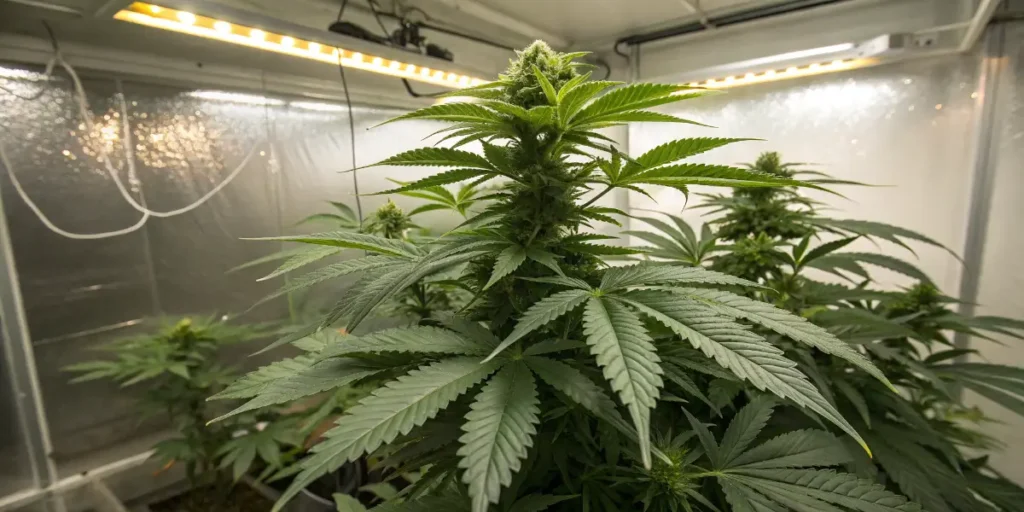
When cultivating this strain, timing your harvest is crucial for maximizing its potential. Check the trichomes frequently; they should be milky with a few turning amber. By ensuring you harvest at this stage, you’ll capture the full cannabinoid profile and terpenes of this genetics, ensuring a potent and aromatic yield for your efforts.
After cutting the plant, it’s essential to trim any excess leaves to allow better airflow around the buds. This step is vital for avoiding mold and mildew, which can compromise the quality of the cannabis. Northern Lights, known for its dense buds, benefits greatly from a careful trimming process, enhancing its final presentation and smoking quality.
Once trimmed, hang the buds upside down in a dark room with a consistent temperature of around 60-70°F and humidity levels between 45-55%. This ensures a slow drying process, which locks in the complex terpenes and enhances the aroma profile. Proper drying prevents the buds from becoming harsh and losing their desired effects.
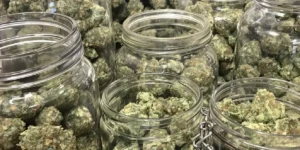
After the initial drying phase, cure this cultivar in airtight jars to further develop its flavors and potency. Open the jars daily during the first week to let excess moisture escape. Over time, this process will enhance the smoothness and richness of this variety, providing an exceptional experience for growers and consumers alike.
Northern Lights Strain Type: Indica, Sativa or Hybrid?
Northern Lights is renowned for its quintessential Indica properties, making it a staple in the cannabis cultivation community. Known for its resilience and ease of growth, this strain is beloved by both novice and seasoned growers. The dense buds produced by the plant are rich in terpenes, delivering a distinctly earthy aroma that complements its relaxing effects.
As an almost pure Indica, this cultivar typically offers growers a larger yield without the height and space demands of taller Sativa varieties. It thrives in both indoor and outdoor settings, though indoor cultivation can optimize the controlled environment for maximum harvest. This variety’s sturdy genetics ensure robust growth and a reliable, high-quality yield.
This variety’s Indica dominance makes it an excellent choice for those seeking relaxation and stress relief. The plant’s traits translate into an experience that is deeply calming, characteristic of traditional Indica strains. Its popularity in the cannabis community continues to grow, thanks to its consistency and the therapeutic benefits it provides.
Why Grow Northern Lights? Key Benefits for Cultivators
Cultivators are drawn to Northern Lights for its renowned ease of cultivation and robust genetic stability. This strain rewards growers with impressive yields and resilient growth, making it ideal for both novices and seasoned experts. Its ability to thrive in various climates enhances its appeal, as the plant adjusts well across diverse conditions, minimizing challenges for cultivators.
One of the standout benefits of this variety lies in its rapid flowering time, offering a swift turnover for impatient growers. This cultivar efficiently produces dense, resinous buds that are rich in aromatic terpenes, amplifying its desirability among cannabis aficionados. Its manageable size makes it suitable for discreet indoor operations, optimizing space utilization without compromising yield.
Additionally, the plant is known for its potent effects, a major draw for those harvesting medical or recreational cannabis. It delivers consistent quality in its harvests, embodying a harmonious balance between euphoria and relaxation. Growers appreciate how it reliably meets market demand, ensuring a successful investment both in time and resources. As a result, Northern Lights remains a staple in cultivation circles.
Potential Challenges When Growing Northern Lights
Growing Northern Lights can be rewarding, but like any cannabis cultivation, it presents challenges. This strain is generally resilient, yet growers must diligently monitor humidity levels. The plant thrives in lower humidity, so maintaining environments that deter mold is crucial. Additionally, nutrient management is essential to avoid nutrient burn, ensuring the buds develop their full terpene profile and potent effects.
This variety is known for its compact structure, which necessitates regular pruning. By trimming it judiciously, growers can improve airflow and light penetration, preventing mildew and optimizing growth. The plant’s dense foliage can otherwise become a breeding ground for pests. Implementing integrated pest management practices helps mitigate these risks, boosting the overall health and yield of the harvest.
Beginners might find controlling the temperature a bit challenging. This cultivar prefers a stable, warm climate for optimal bud production. Too much fluctuation in temperatures can stress the plant, potentially affecting the quality of the harvest. With careful attention to environmental conditions and responsive cultivation practices, overcoming these obstacles becomes manageable, resulting in a successful yield.
Is this Strain Worth Buying? Here’s What You Need to Know
Northern Lights is a popular choice among cannabis enthusiasts and cultivators for good reason. This strain is renowned for its resilience and robustness, making it an excellent option for both novice and experienced growers. The plant’s ability to thrive in various climates adds to its appeal, as it requires minimal maintenance while still offering high-quality buds.
When it comes to cultivation, this variety stands out due to its quick flowering period and high yield potential. Growers can expect dense, resinous buds that are rich in terpenes, contributing to its distinctive aroma and flavor profile. The plant’s compact size also makes it suitable for indoor growing, adding flexibility to your gardening options.
Considering its impressive harvest results and the unique sensory experience it offers, this cultivar is well worth the investment. Its easy cultivation process paired with high yields makes it a favorite in the cannabis community. Whether you are looking for a reliable variety for personal use or commercial purposes, this strain proves to be a rewarding addition to any grower’s repertoire.
FAQs
What is the ideal climate for growing Northern Lights?
Northern Lights thrives in a climate that resembles a Mediterranean environment, with warm temperatures and low humidity. This strain is resilient but prefers consistent conditions. For indoor cultivation, maintaining temperatures between 70-85°F during the day and 58-70°F at night is ideal. With proper climate control, the plant exhibits robust growth and produces high-quality buds. Outdoor growers should aim for a similar climate or consider greenhouse cultivation.
What are the yield expectations for Northern Lights?
When grown under optimal conditions, Northern Lights can produce generous yields. Indoor growers can expect 18-20 ounces per square meter, while outdoor yields can reach up to 24 ounces per plant. This variety is known for its dense, resinous buds, contributing to its substantial yield. Proper nutrient management, training, and climate controls are essential to maximize this strain’s productivity.
How long does Northern Lights take to flower?
Northern Lights typically has a flowering time of 7 to 9 weeks. This relatively short flowering period makes it an attractive choice for growers looking for efficiency. The plant’s quick maturation doesn’t compromise the quality, as this cultivar is known for producing potent, high-THC content buds. Monitoring the plant during this timeframe to tailor care to its needs can enhance the crop’s overall quality.
What nutrient needs does Northern Lights have?
Northern Lights requires a balanced nutrient mix, emphasizing nitrogen during vegetative growth and phosphorus and potassium during flowering. This strain appreciates rich soil, so amending with organic matter or using quality commercial fertilizers is beneficial. Regular pH monitoring ensures nutrient uptake; keeping the pH between 6.0 and 7.0 is ideal. Recognizing its nutrient needs ensures the plant achieves its full potential.
What training techniques suit Northern Lights best?
This cultivar responds well to a variety of training techniques, with LST (Low-Stress Training) and topping being particularly effective. These methods increase light exposure, enhancing growth and yield. While Northern Lights is naturally compact, these techniques manage canopy height and improve bud quality. Implementing training techniques requires careful attention but pays off in terms of yield and plant health.