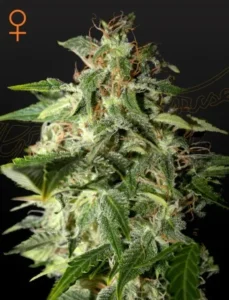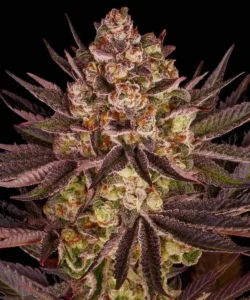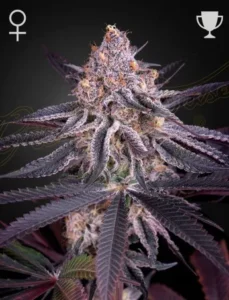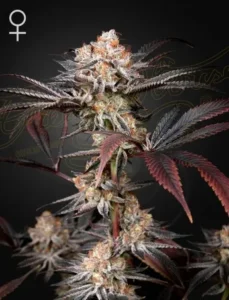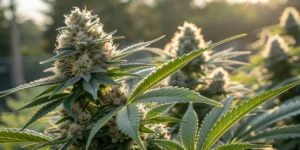
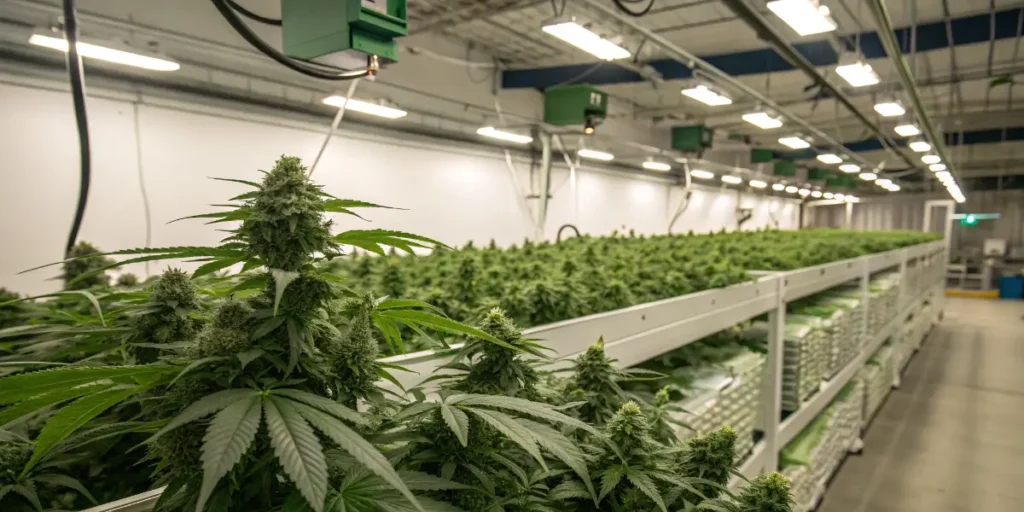

To successfully cultivate OG Kush, start by selecting high-quality seeds or clones. This cultivar thrives in a controlled environment, whether indoors or in a greenhouse. Ensure the plant gets ample sunlight and maintain a temperature range between 65-80°F. Pay attention to humidity levels, keeping it between 40-50% during the vegetative state for optimal cannabis growth.
During the flowering phase, this variety typically takes 8-9 weeks to mature fully. Pruning the plant allows for better airflow and maximizes light penetration. It’s crucial to monitor the nutrient intake, opting for a balanced feeding schedule tailored to this genetics’ needs to ensure healthy buds and a robust yield.
Recommended Strains
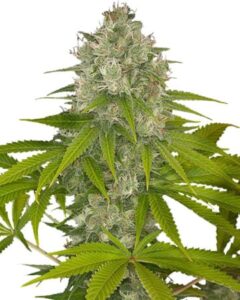
OG Kush Fem

|
THC | 22% - 23% (Medium) |

|
Lineage | Chemdawg x Hindu Kush x Lemon Thai |

|
Type | Feminized |

|
Height | 4.92 ft | 1.5 m |

|
Yield | High |

|
Yield Indoor | 1.47 - 1.8 oz/ft² | 450 - 550 g/m² |

|
Yield Outdoor | 17.64 - 21.16 oz/plant | 500 - 600 g/plant |

|
Flowering Time | 7 - 8 weeks |

|
Phenotype | 45% Indica / 55% Sativa |

|
Effects | Sedative, Euphoric, Relaxed |

|
Flavors | Earthy, Pine, Woody |
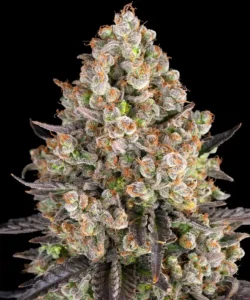
Og Kush Autoflower
|
|
THC | 24% - 25% (High) |
|
|
Lineage | OG Kush x BF Super Auto #1 |
|
|
Type | Autoflowering |
|
|
Height | 3.61 ft | 1.1 m |
|
|
Yield | High |
|
|
Yield Indoor | 1.47 - 1.8 oz/ft² | 450 - 550 g/m² |
|
|
Yield Outdoor | 6.35 - 8.82 oz/plant | 180 - 250 g/plant |
|
|
Life Cycle | 10 - 11 weeks |
|
|
Phenotype | 80% Indica / 20% Sativa |
|
|
Effects | Euphoric, Tingly, Focused, Happy, Relaxed, Talkative, Uplifted |
|
|
Flavors | Sour, Citrus, Woody, Pine, Skunk, Kush |
As harvest time approaches, examine the trichomes to determine the best time to cut. This cultivar’s terpenes develop with pronounced flavors when cultivated meticulously. Once harvested, cure the buds in a dark, cool space to enhance the aroma and potency. By following these steps, you can enjoy a successful OG Kush cultivation experience.
OG Kush Strain Overview: Traits, Effects & Genetics
The origin of OG Kush is somewhat mysterious, but it is widely believed to have been developed in California, combining the genetics of Chemdawg and Hindu Kush. This cultivar is renowned in the cannabis community for its distinctive aroma, often described as an earthy pine mixed with sour lemon and wood. Its rich terpene profile adds complexity to its flavor and aroma, making it a favorite among connoisseurs.
This strain is known for its powerful effects that are both cerebral and physical, making it popular among both recreational users and medical patients. The plant induces a strong euphoria that often leads to relaxation, making it ideal for stress relief and improving mood. For growers, it offers dense buds coated with resin, providing a satisfying harvest when cultivated under the right conditions.
In terms of cultivation, this variety is relatively easy to grow, making it accessible to both novice and experienced growers. It thrives in a controlled indoor environment but can also be cultivated outdoors in a warm climate. The plant typically flowers within 8 to 9 weeks, and under optimal conditions, it can produce a generous yield, rewarding those who choose to nurture this genetics.
Furthermore, OG Kush has contributed significantly to the development of numerous hybrids, spreading its influence throughout the cannabis industry. Its robust genetic makeup makes it a resilient variety that supports the creation of new strains with enhanced traits. This plant remains a staple due to its potent effects and unique characteristics, continuing to capture the interest of growers and consumers alike.
Optimal Environment to Grow OG Kush Successfully
For growers aiming to cultivate this strain with excellence, setting the right environment is crucial. OG Kush flourishes in a controlled indoor setting where humidity and temperature levels can be effectively managed. It prefers a warm climate, ideally between 65-80°F. Adequate air circulation is essential to prevent mold and pests, ensuring the plant’s health throughout the cultivation process.
This variety is known for its dense, resinous buds, which benefit from a specific light cycle. Providing 18-24 hours of light during the vegetative stage encourages robust growth. During flowering, reducing light exposure to 12 hours daily helps this cultivar produce quality buds. The right light spectrum can also enhance terpene profiles, leading to a more aromatic harvest.
When considering nutrients, the plant requires balanced feeding of macronutrients and micronutrients. Implementing a feeding schedule with the correct pH levels can maximize yield and potency. Remember to flush the soil towards the end of its flowering phase to ensure clean and pure buds. This practice also improves the overall taste profile of the cannabis.
Maintaining optimal conditions throughout the entire growth cycle is rewarding, as it results in high-quality harvests. OG Kush, while resilient, demands attention to detail in every aspect of growing. Monitoring environmental factors and adjusting them as needed can significantly impact its yield and terpene development. By adhering to these guidelines, growers can achieve remarkable results with this iconic strain.
Grow Room Setup for OG Kush Plants
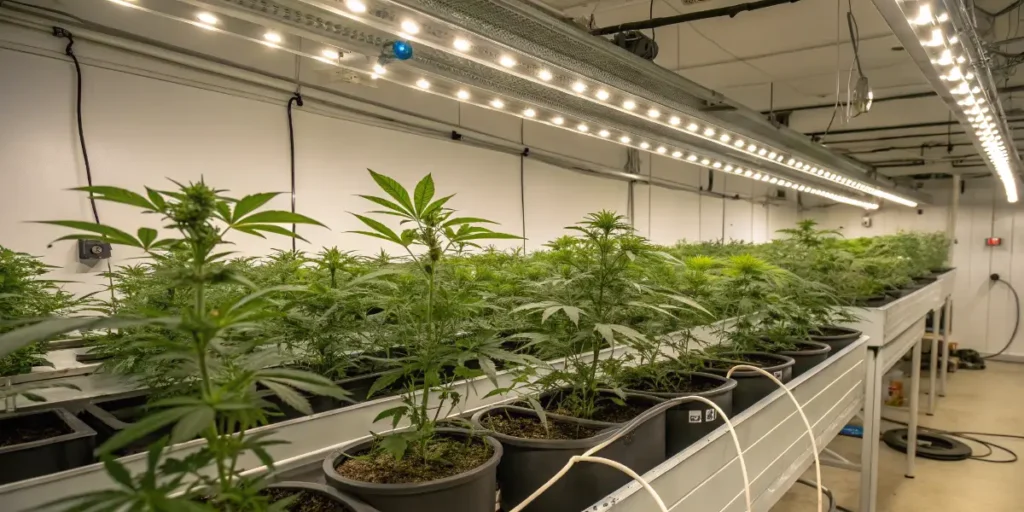
Creating the ideal environment for this strain involves careful planning and attention to detail. Begin by maintaining a temperature range of 65-80°F; this ensures optimal growth and development of the plant. Consistent airflow is crucial, so investing in a good ventilation system is recommended to keep temperatures stable and to prevent mold buildup.
Lighting is another key component in cultivating this cultivar. It thrives under powerful grow lights, such as LED or HPS, which replicate the sun’s full spectrum. Ensure that the lights are adjustable to maintain approximately 18 hours of light during the vegetative stage, tapering down to 12 hours as the plant enters flowering to maximize terpenes and yield.
Humidity levels for the plant should be maintained between 40-60%, but they can be decreased to 30-40% during the flowering stage to enhance bud density and prevent moisture-related issues. Using a hygrometer can help monitor these levels. This variety benefits from attention to detail, ensuring that every environmental factor is consistently at its optimum.
OG Kush is known for its resilience, but optimizing the nutrient supply further supports robust growth. Utilize a high-quality soil or hydroponic system that delivers balanced nutrients, particularly nitrogen during the vegetative cycle and phosphorus during flowering. By tailoring your grow room setup to the specific needs of this genetics, you ensure a successful harvest with potent and aromatic buds.
Indoor Growing Tips for OG Kush
When cultivating this strain indoors, controlling environmental factors is crucial to optimize growth. Maintaining a temperature range between 70-80°F and a humidity level around 40-50% can help the plant thrive. Adequate ventilation is vital to prevent mold and improve air circulation, ensuring that this cultivar reaches its full potential during the flowering stage.
Lighting plays a significant role in maximizing this variety’s yield and potency. Growers should use high-quality LEDs or HPS lights to provide ample light intensity, ensuring the plant develops dense buds rich in terpenes. Implementing a light schedule of 18 hours on and 6 hours off during the vegetative phase is recommended to encourage robust growth.
To achieve an abundant harvest, it’s essential to focus on proper nutrition for this genetics. Utilizing a balanced nutrient mix designed for cannabis, with increased phosphorus and potassium during flowering, can support healthy bud development. Regularly monitoring pH levels will further promote nutrient absorption, allowing the plant to flourish and produce a high-quality yield.
Outdoor Growing Tips for OG Kush
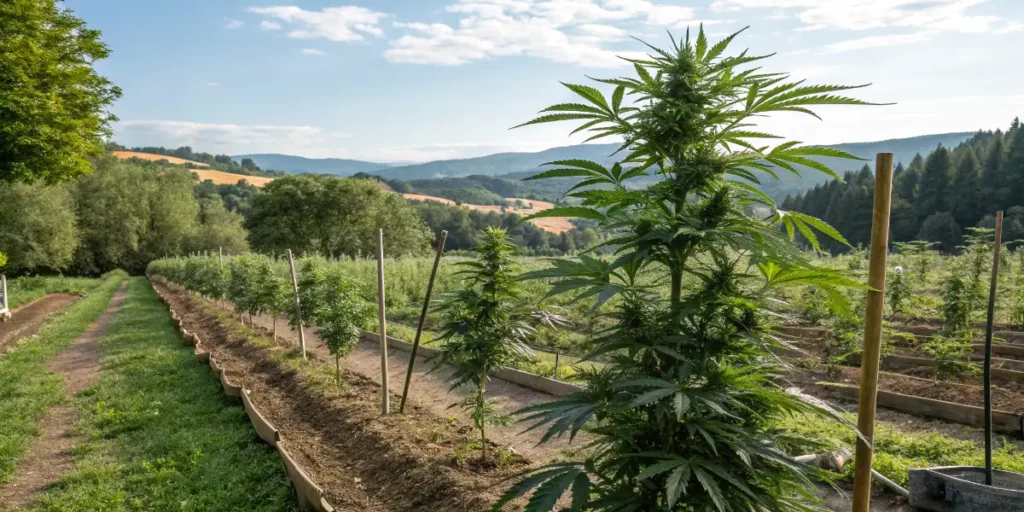
When cultivating this strain outdoors, selecting the right location is crucial. Look for a spot that offers full sunlight for most of the day, as this plant thrives in abundant light conditions. Ensure the soil is well-draining and rich in organic matter to support healthy root development. Proper air circulation is also vital to prevent mold and mildew, which can affect the quality of the buds.
Temperature and humidity control are important for this variety. Ideally, maintain temperatures between 65°F and 80°F, and keep humidity levels moderate to prevent potential pest and disease issues. Growers often recommend using ventilated structures or greenhouses to protect this cultivar from harsh weather conditions while still allowing for natural growth and terpene development.
Feeding it with balanced nutrients will support robust growth and maximize yield potential. Focus on nitrogen-rich fertilizers during the vegetative stage, then shift to phosphorous and potassium-rich options as the plant enters the flowering stage. Monitoring water intake is essential for this genetics, ensuring they receive adequate hydration without waterlogging, which could damage roots and reduce harvest quality.
How to Germinate & Propagate This Strain
Starting the journey with this strain begins at the germination stage, a critical step in cannabis cultivation. To germinate seeds of this variety, soak them in water for 12 to 24 hours until they show signs of sprouting. After soaking, transfer the seeds to damp paper towels, ensuring they stay moist and covered. This environment encourages healthy root development.
This cultivar, known for its potent buds and unique terpene profile, requires optimal conditions during propagation for success. Maintain a temperature between 70-85°F and a humidity level of around 70% in the propagating area. Using a humidity dome can help maintain these conditions. Proper care at this stage ensures the plant develops a robust root system and thrives.
Once roots appear, it’s time to plant young OG Kush seedlings in a suitable growth medium, such as soil or coco coir. Ensure the medium is well-draining, preventing waterlogging, which could damage the roots. As the plant grows, provide light cycles of 18 hours on and 6 hours off, stimulating vegetative growth and preparing it for further stages of development.
For those looking to clone this genetics, take cuttings from a healthy mother plant. Dip the cut ends in rooting hormone and place them in a cloning medium. Regularly mist and maintain humidity to establish roots. Implementing these steps meticulously leads to a successful harvest, ensuring growers can enjoy the almighty yield of this potent cannabis variety.
Vegetative Stage: Nurturing Your OG Kush Plants
During the vegetative stage, it’s crucial to focus on fostering strong and healthy growth in your OG Kush plants. This strain requires ample light to thrive, typically around 18 hours of light per day. Using high-quality grow lights ensures that the plant’s photosynthetic needs are met, allowing it to develop a robust structure for future flowering.
Maintaining the right temperature and humidity levels is key. The ideal temperature range for cannabis cultivation during this phase is between 70-85°F (21-29°C). Humidity should be maintained at 40-70% to avoid stressing the plants and to encourage vigorous growth. Keep an eye on the environment, making adjustments as necessary to accommodate this variety’s preferences.
Nutrient management is another essential aspect of successfully growing this cultivar. During the vegetative stage, focus on providing nutrients high in nitrogen to support leaf and stem development. Balanced feeding with a well-formulated cannabis nutrient solution can prevent deficiencies and set the stage for a bountiful harvest later on.
Routine pruning and training techniques can greatly improve the yield and structure of the plant. Practices such as topping and low-stress training (LST) can open up the canopy, maximizing light penetration and encouraging more bud sites. Careful attention to these details will prepare this genetics for a productive flowering stage, enhancing both the yield and terpene profile.
Flowering OG Kush: What to Expect
When entering the flowering stage, this strain reveals its robust characteristics, delighting growers with a dynamic transformation. Expect the plant to double in size during this phase. For a successful flowering period, ensure optimal lighting conditions, as the cannabis requires around 12 hours of light daily. This attention to detail enhances the overall health and eventual yield of the plant.
This variety is known for producing dense, resin-rich buds. Growers should maintain a stable environment with consistent humidity and temperature levels to promote resin production. Additionally, monitoring these conditions can prevent mold and other potential issues. The aroma becomes more pronounced as the flowering progresses, hinting at the unique blend of terpenes present in this cultivar.
The plant’s flowering period typically lasts 8 to 9 weeks, during which meticulous observation is crucial. Tips for maximized yield include pruning lower leaves and ensuring adequate nutrients. Balanced phosphorus and potassium levels underpin bud development, essential for achieving the potent effects associated with this cultivar. Furthermore, patience during this time leads to a more bountiful harvest.
As harvest approaches, trichomes on the buds should be closely monitored. Their cloudy to amber transformation signals optimal potency. This is the prime time to enjoy OG Kush’s renowned effects. Post-harvest, proper drying and curing techniques will enhance the terpene profile and overall experience. With attention to these details, growers can expect a rewarding conclusion to this cannabis cultivation journey.
Fertilizers & Nutrient Schedule
Proper nutrition is essential for maximizing the potential of this strain. During its vegetative stage, the plant benefits from a balanced fertilizer rich in nitrogen, which promotes robust growth. Cultivation experts often recommend a nutrient mix specifically formulated for cannabis, ensuring the development of strong roots and stems. Regular feeding helps prepare it for a productive flowering stage.
As OG Kush transitions into the flowering phase, a shift in its nutritional needs occurs. Phosphorus and potassium become crucial to support bud development and terpene production. Growers should gradually reduce nitrogen levels while increasing phosphorus and potassium to enhance yield and resin production. Monitoring the plant’s response to these changes is vital for optimal results.
Organic options such as compost teas can complement the nutrient schedule, promoting soil microbiome health and providing a more natural feeding regime. This variety responds well to a mixture of both synthetic and organic fertilizers. It’s crucial to dissolve nutrients fully before application to avoid nutrient burn, which can harm the buds and reduce overall harvest potential.
Timing is as important as the nutrients themselves. Establishing a consistent feeding schedule tailored to this cultivar’s growth cycle is recommended. Typically, growers dilute nutrient solutions to half strength to prevent over-fertilization, gradually increasing concentration as the plant exhibits healthy growth. Observing leaf coloration and structure can be telling indicators of the nutrient needs of OG Kush.
Pest and Disease Prevention for Healthy Cannabis Plants
Ensuring the health of your cannabis plants requires effective pest and disease prevention. Start by maintaining a clean growing environment, a crucial step for every grower. Regularly monitor this variety for common pests like spider mites and aphids, which can harm your yield. Companion planting with strong aromatic herbs can deter these insects naturally and enhance the plant’s resilience.
For disease prevention, ensure proper air circulation around your OG Kush plants. Good airflow reduces the risk of fungal infections, which can compromise your harvest. This cultivar thrives in well-lit areas, so optimize light exposure to keep it healthy. Regular pruning also helps by minimizing humidity build-up around the buds, further safeguarding your crop from mold.
Cultivators should remain vigilant about nutrient levels, as imbalances can weaken the plant and make it susceptible to threats. Organic amendments, like compost tea, not only enrich the soil but also boost this strain’s immunity. Regular inspections and preventive measures will ensure robust growth and a bountiful, terpene-rich harvest.
Harvesting & Drying These Genetic The Right Way
The optimal time to harvest this strain is when the trichomes turn a milky white with some amber hues. Proper timing in cannabis cultivation is crucial for maximizing potency and terpene profiles. Growers should also observe the pistils, which will darken and curl inward. This visual cue indicates that the plant has reached its peak ripeness for optimal yield.
Once you’ve determined that the plant is ready, it’s important to cut the branches during a dry day to prevent additional moisture. This variety benefits from a slow drying process in a well-ventilated space with a stable environment. Aim for a temperature of 60-70°F and maintain humidity around 50%. These conditions help preserve the delicate terpenes unique to this variety.
When hanging the buds, ensure adequate space between them to allow airflow. This practice prevents mold and encourages an even drying process. Drying should take approximately 7-10 days, depending on environmental factors. Take care not to rush this phase, as proper drying is essential in keeping the quality of this cultivar intact.
After drying, the buds should feel dry to the touch but not brittle. It’s time to move onto curing, a crucial step for enhancing flavor and smoothness. Place the dried buds in airtight containers, opening them daily initially to allow excess moisture to escape. With OG Kush, patience during this process is key to achieving its full aromatic and potent potential.
OG Kush Strain Type: Indica, Sativa or Hybrid?
OG Kush is renowned for its complex blend of characteristics, which classifies it as a hybrid strain. This variety originates from a mix of both Indica and Sativa genetics, offering growers a unique cultivation challenge. Its balanced nature provides a versatile growing experience, delivering buds rich in terpenes and often resulting in a high yield if nurtured correctly.
This cultivar’s Indica lineage is evident in its stout plant structure and the dense, resinous buds it produces. It grows well in controlled indoor environments where its bushy stature can be managed more efficiently. The plant’s Sativa side contributes to its distinct, uplifting effects, making it a favorite among growers seeking a multifaceted strain for both relaxation and social experiences.
Growers will appreciate the relatively short flowering period associated with this genetics, usually ready for harvest in about 8-9 weeks. The combination of Indica’s quick growth and Sativa’s nuanced effects ensures this strain is a valuable addition to any gardener’s cannabis collection. With proper care, it can produce an impressive yield of high-quality buds.
Why Grow OG Kush? Key Benefits for Cultivators
OG Kush is renowned among cannabis growers for its robust genetics and the remarkable quality of its buds. This variety produces a complex aroma profile rich with terpenes, making it highly desirable. From a cultivation standpoint, the plant’s resilience to various growing conditions can lead to a successful harvest even for those with limited experience.
Growers often choose this strain for its well-balanced yield potential. Although not the highest-yielding cultivar, the exceptional quality of the harvest compensates for quantity. The dense, resinous buds are prized for their potency and flavor, providing an attractive option for both commercial and personal cultivation. This ensures that each grow cycle results in a premium product.
This variety’s adaptability further solidifies its appeal among growers. It thrives both indoors and outdoors, offering versatility in different setups. The plant’s moderate flowering time allows for faster harvests, enabling multiple cycles annually. Cultivating this genetics ensures a rewarding experience, delivering consistently impressive results across various growth environments.
Potential Challenges When Growing OG Kush
Cultivating this strain can pose several challenges, primarily due to its sensitivity to environmental conditions. OG Kush, a beloved cannabis variety, demands precise humidity and temperature control. Growers should be vigilant about maintaining an optimal climate, as fluctuations can lead to stress and affect the quality of buds. Consistent monitoring and adjustments are crucial to prevent potential cultivation issues.
This cultivar is also susceptible to mold and mildew, especially in high humidity settings. To mitigate these risks, ensure proper air circulation within the grow space. Installing fans and dehumidifiers can help keep humidity levels in check, minimizing disease risks. Employing these preventative measures will protect the plant and improve its overall yield and terpene profile.
Lastly, OG Kush may require attentive nutrient management throughout its growth cycle. Overfeeding or nutrient imbalances can lead to deficiencies that stunt growth and diminish yields. Regularly test soil and tailor nutrient mixes to this variety’s specific needs. By proactively managing these potential challenges, growers can achieve a bountiful harvest with high-quality buds.
Is This Variety Worth Buying? Here’s What You Need to Know
Many cannabis enthusiasts consider OG Kush a staple due to its potent effects and rich history. Known for its balanced high, this strain often features a complex terpene profile that includes hints of pine and earthiness. Prospective buyers should note that this cultivar can be more challenging to cultivate, but the reward is often high-quality buds with a substantial yield.
This variety is favored by both recreational and medicinal users due to its versatility. Growers appreciate the plant’s resilience and its ability to produce dense, resinous buds. However, successful cultivation of this genetics requires careful attention to environmental conditions, such as humidity and temperature, to achieve the best harvest results.
When deciding if OG Kush is worth purchasing, consider its reputation for consistent quality and appeal. Its unique combination of flavors and effects makes it a strong contender for anyone looking to expand their cannabis collection. While it may require careful cultivation, the potential for a bountiful yield and potent buds makes it an attractive option.

FAQs
How difficult is it to cultivate OG Kush for beginners?
This strain is moderately challenging to grow, ideal for those with some experience. OG Kush demands close attention to factors like humidity and temperature. It responds well to training techniques such as LST and topping, which require some knowledge to apply effectively. With proper care, this variety can yield generous results. Therefore, intermediate growers can achieve success with the right level of dedication and monitoring.
What are the yield expectations for OG Kush?
Yield can vary based on the cultivation environment and care, but OG Kush typically offers moderate to high yields. When grown indoors, growers can expect around 400-500 grams per square meter. Outdoor plants may produce higher yields, given optimal conditions. This cultivar thrives in a warm climate and plenty of sunlight, maximizing its productivity. Providing the necessary nutrients and care will enhance the yield potential of this variety.
What is the typical flowering time for OG Kush?
The flowering period for this strain typically spans 8 to 9 weeks. Indoor growers can plan their cycles accordingly, optimizing light schedules to suit this timeframe. Outdoor growers should aim for a harvest in early October. Ensuring proper nutrient management and environmental control during the flowering stage will enhance resin production and overall plant health, maximizing the quality and quantity of the buds.
Which climate is ideal for growing OG Kush?
OG Kush flourishes in a Mediterranean climate, characterized by warm temperatures and low humidity. The plant benefits from consistent sunlight and avoids stress from cold or excessively damp conditions. Growers in cooler climates should consider indoor cultivation to mimic these conditions. Efficient air circulation and humidity control are crucial to prevent mold and mildew, ensuring the robustness and vitality of this variety throughout its growth cycle.
What are common problems to watch out for with OG Kush?
One frequent issue with OG Kush is its susceptibility to powdery mildew and pests such as spider mites. Maintaining optimal airflow and humidity levels can curb mildew risks, while regular inspections help in early pest detection. Overwatering should be avoided, as it can lead to root rot. Utilizing preventative treatments and maintaining a clean grow space minimizes the chances of these issues, ensuring the overall health of the plant.