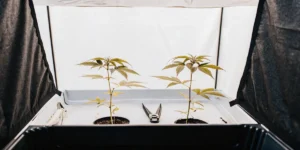
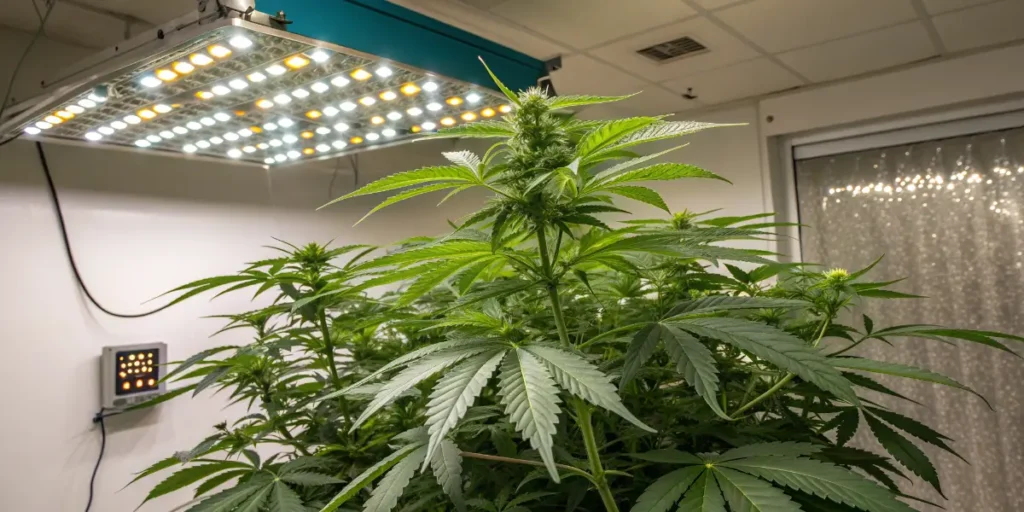

When cultivating the exceptional cannabis strain known as Orka, it is crucial to start with high-quality seeds or clones. This variety thrives in a stable environment with temperatures between 70-85°F and relative humidity levels aimed at 40-50% during its vegetative stage. Light is essential, so aim for 18 hours of bright light daily to promote robust growth in this cultivar.
As the plant transitions to flowering, usually accomplished by reducing light exposure to 12 hours, monitor for necessary adjustments in humidity, dropping it to around 40%. It’s crucial to maintain nutrient-rich soil or a hydroponic setup catering to its needs. This strain is known for its hearty buds, which develop dense and resinous, full of potent terpenes.
Recommended Strains
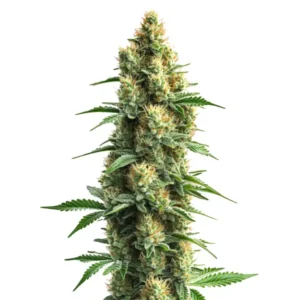
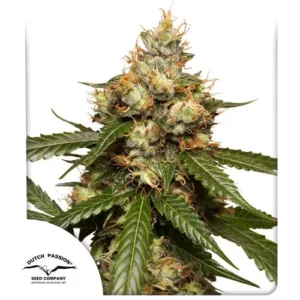
Orka

|
THC | 20% - 22% (Medium) |

|
Lineage | Haze x White Widow |

|
Type | Feminized |

|
Height | 9.84 ft | 3 m |

|
Yield | High |

|
Yield Indoor | 1.64 - 1.97 oz/ft² | 500 - 600 g/m² |

|
Yield Outdoor | 21.16 - 24.69 oz/plant | 600 - 700 g/plant |

|
Flowering Time | 8 - 10 weeks |

|
Phenotype | 40% Indica / 60% Sativa |

|
Medical | Fatigue, Muscle Spasms, Stress |

|
Effects | Happy, Relaxed, Talkative |

|
Flavors | Citrus, Lemon |
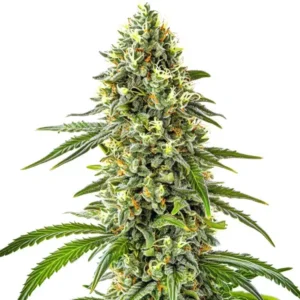
Guanabana
|
|
THC | 16% - 18% (Medium) |
|
|
Lineage | Amnesia Haze x White Widow |
|
|
Type | Feminized |
|
|
Height | 9.84 ft | 3 m |
|
|
Yield | High |
|
|
Yield Indoor | 1.64 - 1.97 oz/ft² | 500 - 600 g/m² |
|
|
Yield Outdoor | 21.16 - 24.69 oz/plant | 600 - 700 g/plant |
|
|
Flowering Time | 8 - 10 weeks |
|
|
Phenotype | 40% Indica / 60% Sativa |
|
|
Medical | Arthritis, Depression, Fatigue |
|
|
Effects | Happy, Relaxed, Talkative |
|
|
Flavors | Fruity, Sweet |
Harvesting involves careful timing, typically around the 8-9 week mark during flowering. Monitor the trichomes closely; they will signal the ideal harvest time. Once the plant exhibits milky to amber trichomes, it’s time to cut down and cure the buds. With attention to detail, growers can expect a generous yield and potent finished product from this genetics.
Orka Strain Overview: Traits, Effects & Genetics
Orka is a dynamic cannabis strain known for its robust growth patterns and impressive resin production. This variety is popular among growers due to its dense buds and distinctive terpene profile, which contributes to its uplifting effects. Cultivators appreciate the plant’s adaptability, making it suitable for both indoor and outdoor cultivation environments.
This strain is characterized by its strong, citrusy aroma combined with subtle earthy undertones. The genetics of this cultivar are a blend of potent lineages, ensuring a high yield during harvest. The balanced profile of this variety makes it a favorite among those seeking both recreational and therapeutic benefits.
The effects of the plant are predominantly energizing, promoting creativity and focus, which appeals to users needing a daytime boost. Additionally, it offers relaxing undertones that help in alleviating stress without the common sedative effects of other strains. These traits make this genetics a versatile option for many consumers.
Growers often highlight the moderate difficulty level in cultivating this strain, citing its need for careful attention to factors like humidity and nutrients. Adequate care results in flourishing plants with a generous yield, rewarding cultivators with high-quality, aromatic buds. Orka remains a sought-after choice for its consistent performance and pleasant effects.
Optimal Environment to Grow Orka Successfully
Creating the perfect environment for cannabis cultivation is crucial to achieving the full potential of this strain’s yield and terpene profile. Growers aiming to maximize the buds’ quality should pay close attention to temperature and humidity. Maintaining temperatures between 70-85°F during the day and slightly cooler at night ensures that the plant thrives throughout its growth cycle.
Alongside temperature, humidity plays a significant role in cultivating this variety. During the seedling and vegetative stages, keep humidity levels between 60-70% to encourage vigorous growth. As the plant transitions to the flowering stage, gradually decrease humidity to around 40-50% to enhance bud development and prevent mold.
Lighting is another critical factor in successfully growing this cultivar. Providing the appropriate spectrum and intensity of light helps the plant to optimize photosynthesis. Using LED grow lights can be beneficial, as they offer an efficient, versatile solution for indoor cannabis cultivation, promoting healthy growth and maximizing the yield of Orka.
Proper air circulation and ventilation are essential to maintaining a healthy environment for this genetics. Good airflow prevents stagnant air pockets and helps control temperature and humidity. Combining these environmental factors and paying careful attention to each stage of development will position growers for a bountiful and high-quality harvest.
Grow Room Setup for Orka Plants
Creating the perfect grow room for Orka starts with controlling the environment. Optimal temperature is crucial, ideally between 68-77°F (20-25°C) during the day and slightly cooler at night. This helps ensure that the plant’s metabolic processes remain active, promoting healthy growth. Humidity levels should be maintained around 40-60% to prevent mold while fostering robust bud development.
Lighting is another essential factor to consider for this strain. High-quality LED grow lights are recommended, simulating the full spectrum of sunlight this variety needs for photosynthesis. Providing 18 hours of light during the vegetative stage and 12 hours during flowering can significantly influence the plant’s yield and terpene production. Properly positioned lights will help maximize efficiency and growth.
Air circulation is vital in a grow room to prevent stagnant air and the buildup of heat and humidity. Setting up oscillating fans will ensure air movement that simulates a natural breeze, strengthening the plant stems and preventing fungal growth. Additionally, installing air filters helps maintain the air quality, supporting healthy cannabis plants throughout their cultivation.
Selecting the right growing medium and nutrients is key for this cultivar’s success. Soilless media, such as coco coir, can offer better control over nutrient levels, which greatly impacts the quality and quantity of the final harvest. Regularly monitoring pH and nutrient concentrations will help growers achieve an optimal grow environment, leading to a thriving growth cycle for this variety.
Indoor Growing Tips for Orka
When cultivating this strain indoors, creating an optimal environment is crucial for success. Ensure the plant receives ample light, as cannabis thrives under high-intensity lighting systems like LEDs or HPS. Ventilation systems are essential to maintain air circulation, preventing mold and pests. Temperature should be kept between 70-85°F, while humidity levels must be gradually reduced from 60% in the vegetative phase to 40% during flowering to encourage robust growth.
This variety benefits greatly from a well-balanced nutrient regimen. During the vegetative stage, focus on nitrogen-rich fertilizers to support leafy growth. As the plant transitions to flowering, increase phosphorous and potassium levels to promote dense buds and improve terpene profiles. Regular monitoring and adjusting of pH levels in the soil or hydroponic setups will ensure nutrient uptake, boosting overall health and yield.
Growers should employ pruning and training techniques to maximize the potential of this cultivar. Methods such as topping, low-stress training (LST), and the screen of green (ScrOG) technique help in managing height and light distribution. Providing adequate spacing between each plant will ensure even light coverage, leading to a more uniform harvest. With proper care and maintenance, the yield of this variety can be impressive, rewarding cultivators with a high-quality harvest.
Outdoor Growing Tips for Orka
When cultivating this strain outdoors, consider planting in a sunny location with well-draining soil to optimize the plant’s growth and yield. This variety thrives in warm climates, so timing your planting to coincide with the last frost is crucial. Providing adequate space between the plants ensures proper airflow, helping to prevent mold and mildew, which can compromise the quality of the buds.
Regular monitoring of pH levels in the soil is vital for this cultivar’s optimal growth. Balanced nutrients are essential, with a focus on nitrogen during the vegetative stage, transitioning to phosphorus and potassium dominance as the flowering period begins. Integrating organic feeding solutions enhances terpene profiles and overall plant health, ensuring a robust and flavorful harvest for growers targeting high-quality cannabis production.
Given the plant’s resilience, it may require staking or support to manage its height and encourage even light distribution across the canopy. Monitoring for pests and applying organic insect control measures will protect the integrity of the harvest. As the flowering phase approaches, a careful watch on trichome development helps determine the best time for harvest, ensuring a potency-rich yield from this strain.
How to Germinate & Propagate
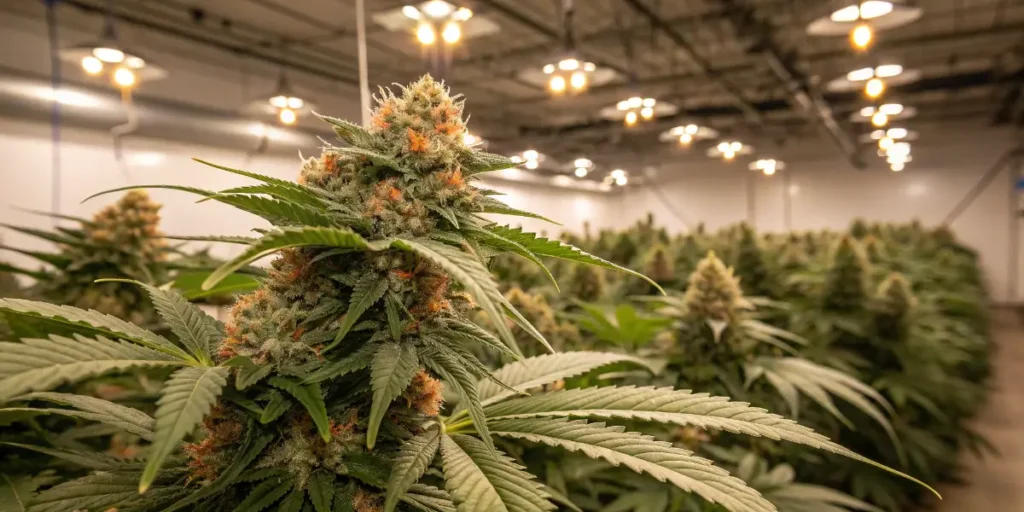
To successfully germinate cannabis seeds for this strain, start by soaking them in a glass of water for 12 to 24 hours. This ensures the seeds absorb enough moisture to crack open. Once soaked, transfer the seeds to a damp paper towel, and place them in a warm, dark location. Maintain a consistent temperature of around 70-80°F to encourage optimal germination.
After the seeds have sprouted, typically within a few days, you can plant them in soil or a growing medium. When choosing soil, opt for a well-draining mix with proper aeration to support the roots of this cultivar. Plant the seeds at a depth of about a quarter-inch, and keep the soil moist but not waterlogged during this crucial stage of cannabis cultivation.
For growers looking to propagate this variety through cloning, select strong, healthy mother plants with desirable characteristics. Cut the stem below a node at a 45-degree angle, ideally about 4-6 inches long. Dip the cutting in rooting hormone for improved results, and place it in a growing medium to encourage root development. Ensure high humidity and warm temperatures to aid the rooting process.
With proper care and attention, the plant will thrive, producing high yields of fragrant buds rich in terpenes. Monitoring light exposure and maintaining the right humidity and temperature levels will support Orka’s robust growth. Successful propagation enables growers to perpetuate their favorite genetics, ensuring a bountiful harvest season after season.
Vegetative Stage: Nurturing Your Orka Plants
During the vegetative stage, the goal is to encourage robust growth for your cannabis plants. This phase is critical for setting the foundation for healthy buds. Growers should ensure their Orka plants receive ample light, ideally between 18 to 24 hours a day. Proper lighting not only enhances growth but also helps in developing a strong structural base, preparing the plant for a fruitful harvest.
This variety thrives in a nutrient-rich environment. Implementing a balanced fertilizer regimen high in nitrogen will support lush foliage development. It’s essential to monitor the pH levels of the soil or hydroponic solution, as this cultivar can be sensitive to imbalances, which could affect its terpene profile. Regularly checking and adjusting the growing medium’s pH is a prudent practice.
Providing adequate space is vital during this phase, as overcrowding can limit growth and yield. Ensure that this strain has enough room to spread its branches and receive optimal air circulation. Topping and pruning might be necessary to promote lateral growth, thereby increasing the overall yield potential. Proper trimming techniques also allow light to penetrate more effectively, reaching all parts of the plant.
Watering practices should be consistent yet adaptive, depending on factors like heat and humidity. It is crucial to avoid overwatering, which can lead to root rot and other growth issues. Instead, allow the top layer of soil to dry slightly between waterings to promote a healthy root system. With careful cultivation and attention, the vegetative stage will set the stage for Orka to thrive and produce abundant, resinous buds.
Flowering Orka: What to Expect
As the flowering stage of Orka begins, growers can anticipate a dynamic transformation of the plant. With proper cultivation techniques, this strain will produce dense, resin-rich buds that signify its robust genetic lineage. During this period, paying close attention to light cycles and nutrient levels will ensure optimal growth and cannabinoid production.
The plant tends to reach its flowering phase between 8 to 10 weeks, depending on cultivation conditions. This cultivar, known for its resilience, exhibits a remarkable ability to adapt to various environmental factors. Regular monitoring of temperature and humidity levels will enhance bud development and overall yield, ensuring a successful harvest.
This variety offers a rich terpene profile, contributing to its distinctive aroma and flavor that cannabis enthusiasts appreciate. As the flowering progresses, growers may notice enhanced resin production, which not only boosts potency but also adds to the plant’s aromatic qualities. Such characteristics make the harvesting phase particularly rewarding.
Maintaining vigilance during the flowering stage is key to maximizing the yield of this genetics. Pruning and trimming excess foliage can improve airflow and light penetration, crucial for the development of high-quality buds. With proper care, Orka will reward growers with a bountiful harvest, showcasing its full potential as a top-tier cannabis strain.
Fertilizers & Nutrient Schedule
Proper nutrition is crucial for achieving the best results when cultivating Orka. Early in its life cycle, this strain requires higher nitrogen levels to support vigorous vegetative growth. A balanced N-P-K ratio like 3-1-2 is ideal for encouraging strong stems and lush foliage, setting the foundation for robust bud development later on.
As this variety transitions from vegetation to flowering, adjusting the nutrient ratio becomes essential. It benefits from increased phosphorus and potassium, aiding in the formation of dense, resinous buds. Adjusting to a formulation such as 1-3-2 during flowering enhances the plant’s ability to produce flavorful terpenes, essential oils critical for potency and aroma.
Maintaining a consistent feeding schedule supports all stages of development in this cultivar. Begin with a weekly feeding plan, gradually increasing the nutrient concentration as the plant matures. Observing the plant’s response and making adjustments ensures optimal nutrient absorption, which is vital for maximizing yield as harvest approaches.
Pay attention to the plant’s leaf coloration and texture, as these symptoms signal nutrient deficiencies or excesses. Implementing a regular flushing routine can assist in preventing nutrient lockout, preserving the health and productivity of Orka. This careful balance of fertilizers tailored to this strain’s needs will ultimately lead to a bountiful harvest.
Pest and Disease Prevention for Healthy Cannabis Plants
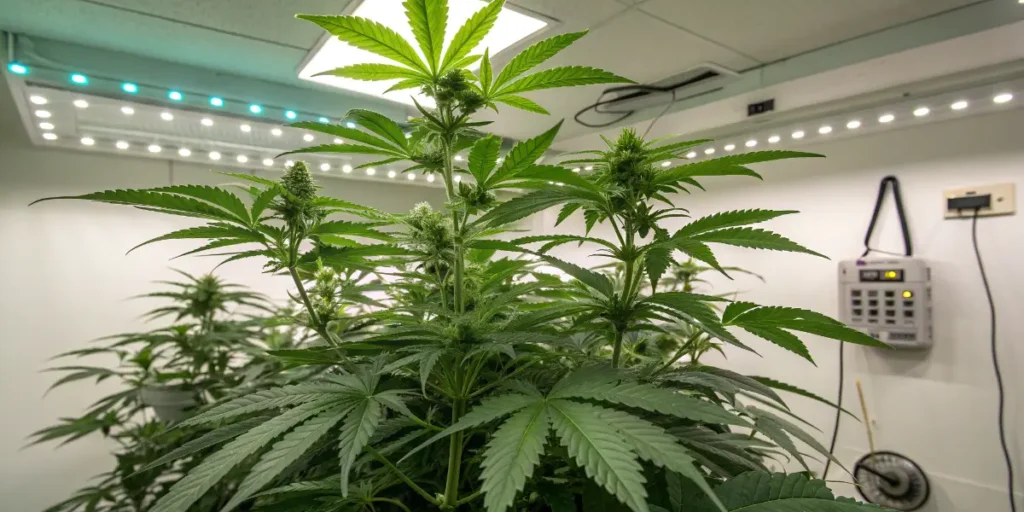
Ensuring the health of cannabis plants involves vigilant monitoring and preventive measures against pests and diseases. Growers of this variety should prioritize cleanliness in cultivation areas. Regular inspections for signs of infestations can prevent issues before they impact the buds. Utilizing companion plants like basil or marigold can also naturally deter common pests, aiding in a bountiful harvest.
Orka thrives when preventive measures are in place. Implementing integrated pest management (IPM) strategies, such as introducing beneficial insects like ladybugs, can help control pests without harming the plant. Consistent airflow reduces the likelihood of mold, while organic fungicides can safeguard the leaves and stems. These steps support vigor in both the plant and its terpenes.
Maintaining the optimal environment is crucial for this strain’s health. Properly managing temperature and humidity levels can prevent the development of mildew and other diseases. Monitoring soil and nutrient levels also plays a key role in preventing stress that may attract pests. By fostering such conditions, growers can ensure a robust yield from this cultivar.
Harvesting & Drying Orka the Right Way
Recognizing the optimal time to harvest your cannabis is crucial for maximizing the quality and yield of this variety. For Orka, look for milky trichomes and a few amber ones, signaling peak THC levels. Growers should monitor these indicators closely to ensure they don’t wait too long, as this may lead to a degradation of terpenes and overall potency.
Once you determine that this strain is ready for harvest, prepare the right tools to cut the plant with minimal stress. Use clean, sharp scissors to trim the buds and avoid any damage to the delicate trichomes. This effort ensures that the quality of the buds is preserved, maintaining the rich flavors and aromas characteristic of this cultivar.
After harvesting, the drying process is essential to properly cure the cannabis and stabilize its chemical properties. Hang the trimmed branches in a dark, well-ventilated space with a humidity level between 45-55%. Proper airflow prevents mold and helps maintain the integrity of the buds, which is critical for the final product’s flavor and terpene profile.
The drying period for the plant usually lasts about 7 to 14 days, after which the buds should feel dry to the touch. Ensuring even drying enhances the smoothness and smokability of the final product. Successfully drying Orka will preserve the complex terpene profile and potency, offering an excellent experience for both casual and experienced users.
Orka Strain Type: Indica, Sativa or Hybrid?
Orka is a hybrid strain, showcasing a balanced blend of both Indica and Sativa characteristics. This combination makes it a versatile choice for growers looking to maximize their cannabis yield. Known for producing dense buds rich in terpenes, this variety offers potential for both recreational and medicinal use. Cultivation of this strain requires attention to both the physical structure and growth patterns typical of hybrids.
This cultivar thrives in diverse growing environments, making it suitable for various cultivation strategies. It typically displays a robust growing pattern, a characteristic feature of hybrids that easily adapt to changing conditions. Whether grown indoors or outdoors, the plant can offer a bountiful harvest when given the right nutrients and care. Careful monitoring of light and humidity conditions is essential for optimal growth.
For growers, recognizing the hybrid nature of the Orka strain can help in developing effective cultivation practices. It tends to respond well to pruning and training techniques, which can enhance the quality and quantity of the buds. The balanced genetics provide a unique terpene profile, contributing to its appealing aroma and flavor. Proper timing in the harvest phase ensures the best potency and terpene preservation.
Why Grow Orka? Key Benefits for Cultivators
Orka is an attractive choice for cannabis growers due to its robust growth and impressive yields. This strain is known for its resilience, making it suitable for both novice and experienced cultivators. The plant thrives in various environments, allowing growers to cultivate it indoors or outdoors with ease, ensuring a versatile and adaptable cultivation experience.
A key benefit of this variety is its high yield potential, which makes it a favorite among those seeking a bountiful harvest. With dense buds rich in aromatic terpenes, the plant produces a reward that is not only abundant but also of exceptional quality. Growers can expect to see substantial returns, both in terms of quantity and potency.
This cultivar also stands out for its relatively short flowering period, enabling faster harvest cycles, which is a significant advantage in commercial grow operations. The plant’s resistance to common pests and diseases further adds to its appeal, ensuring a more trouble-free growing process. These characteristics collectively make the genetics an excellent choice for successful cannabis cultivation.
Potential Challenges When Growing Orka
Growing Orka can present several challenges, particularly for novice growers. This strain is known for its high levels of terpenes, which require precise management of humidity and airflow to prevent mold and mildew. Balancing these environmental factors is crucial for maintaining the health of the plant and ensuring a successful cultivation process.
Due to the genetic composition of this cultivar, growers might encounter issues with nutrient uptake. It is essential to closely monitor and adjust the feeding regimen to avoid nutrient burn or deficiency. Using high-quality cannabis-specific fertilizers that match the growth stage can help optimize yield and bud quality during harvest.
Another challenge that growers may face with this variety is its sensitivity to temperature fluctuations. Maintaining a stable thermal environment is vital for the optimal growth of the plant. Additionally, keeping pests at bay through regular inspections and the use of organic pesticides will support healthy development and minimize potential threats to this strain.
Is This Strain Worth Buying? Here’s What You Need to Know
Orka captivates both novice and seasoned growers alike, due to its robust genetics and high yield potential. As a cannabis strain that thrives in diverse conditions, this variety offers an excellent growth experience. Cultivation of this strain is relatively straightforward, making it an appealing choice for those looking to reap abundant buds during harvest time.
When investing in this cultivar, recognizing its terpene profile is key as it heavily influences the aroma and flavor. This variety is known for producing rich, aromatic terpenes that enhance the overall sensory experience. Additionally, the resilient nature of the plant ensures that growers can expect a healthy yield, making the investment in Orka a worthwhile consideration for many.
Deciding to purchase this genetics hinges on your cultivation goals. For those seeking a reliable, yielding cannabis strain with a standout terpene profile, this plant proves to be an advantageous choice. With its manageable growth and rewarding harvest, Orka stands as a commendable option in the cannabis market. Evaluate your needs to determine if it aligns with your expectations and space requirements.
FAQs
What is the preferred climate for growing Orka?
Orka thrives in a warm and semi-humid climate, similar to many Indica-dominant varieties. Maintaining a temperature range between 70-85°F (21-29°C) is ideal. This cultivar prefers conditions with moderate humidity, especially during the flowering phase. Whether grown indoors or outdoors, ensure the climate remains stable to prevent stress on the plant. With these conditions, Orka can flourish and produce impressive results.
How long does it take for Orka to flower?
Orka typically enters its flowering phase around 8 to 10 weeks. Monitoring this phase closely is important, as this strain can be particularly sensitive to changes in light and nutrients. Providing a steady 12/12 light cycle indoors is essential for optimal flowering. Regular checks for pests and mold are advised since this variety needs attentive care to reach its full potential.
What are the yield expectations for Orka?
This strain is known for its bountiful yield if grown under optimal conditions. Indoor growers can expect to harvest about 450-550 grams per square meter, while outdoor growers might yield around 600-700 grams per plant. To maximize output, ensure the plant receives ample sunlight or quality artificial lighting and a well-balanced nutrient schedule tailored for this genetics.
What nutrient regimen benefits Orka the most?
Orka benefits from a rich nutrient schedule that varies slightly between its vegetative and flowering stages. Providing a nitrogen-heavy mix in the early stages helps with robust growth. As it transitions to flowering, shift to higher phosphorus and potassium levels. This cultivar responds well to organic nutrients, ensuring it receives the micronutrients needed for healthy development.
Are there any specific training techniques recommended for this variety?
Training techniques like Low-Stress Training (LST) and topping can significantly enhance Orka’s yield and manageability. These methods encourage the plant to grow horizontally, opening up the canopy for better light penetration. Consistently apply these techniques early in the growth stage for the best results. With careful training, this variety will respond with increased bud production and uniform growth.