
Growing Panama Red requires attention to detail, as this vintage cannabis strain thrives under specific conditions. Start by selecting a warm, sunny location, as the plant favors tropical climates for optimal cultivation. It is important to plant this cultivar in nutrient-rich soil, ensuring ample drainage to prevent root rot. Regular monitoring of soil moisture is crucial to maintain healthy growth.
As this variety matures, expect a flowering period of around 11 to 12 weeks, during which the plant will develop its characteristic, elongated buds. Be prepared for moderate yields, something typical for this strain, known for its potent effects and earthy, sweet terpene profile. Consistent pruning and support structures may be necessary as buds become heavier.
Recommended Strains
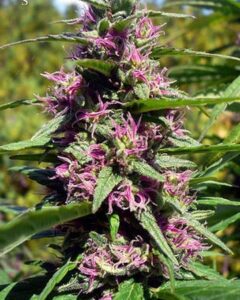
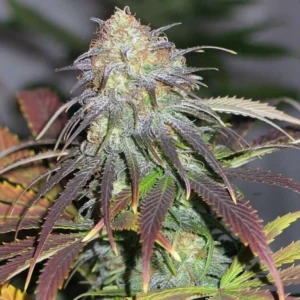
Panama Red FEM

|
THC | 26% - 27% (High) |

|
Lineage | Central American Landrace |

|
Type | Feminized |

|
Height | 6.56 ft | 2 m |

|
Yield | Medium |

|
Yield Indoor | 1.47 oz/ft² | 450 g/m² |

|
Yield Outdoor | 15.87 oz/plant | 450 g/plant |

|
Flowering Time | 10 - 12 weeks |

|
Phenotype | 10% Indica / 90% Sativa |

|
Effects | Energetic, Euphoric, Happy |

|
Flavors | Citrus, Fruity, Grape |
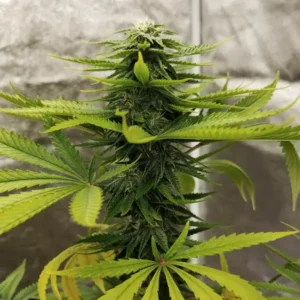
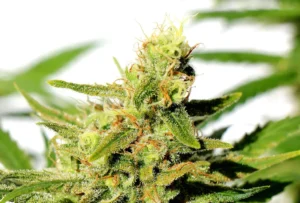
Durban Poison
|
|
THC | 15% - 18% (Medium) |
|
|
Lineage | Durban X Unknown Indica |
|
|
Type | Feminized |
|
|
Height | 5.91 ft | 1.8 m |
|
|
Yield | High |
|
|
Yield Indoor | 1.47 - 1.97 oz/ft² | 450 - 600 g/m² |
|
|
Flowering Time | 8 - 9 weeks |
|
|
Phenotype | 30% Indica / 70% Sativa |
|
|
Effects | Powerful, Euphoric, Uplifted |
|
|
Flavors | Spicy, Citrus, Woody |
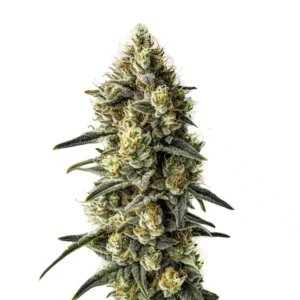
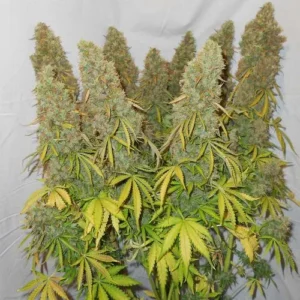
Cindy 99
|
|
THC | 20% - 22% (Medium) |
|
|
Lineage | Princess x Cinderella 88 |
|
|
Type | Feminized |
|
|
Height | 9.84 ft | 3 m |
|
|
Yield | High |
|
|
Yield Indoor | 1.47 - 1.8 oz/ft² | 450 - 550 g/m² |
|
|
Yield Outdoor | 21.16 - 24.69 oz/plant | 600 - 700 g/plant |
|
|
Flowering Time | 8 - 10 weeks |
|
|
Phenotype | 30% Indica / 70% Sativa |

|
Medical | Depression, Insomnia, Muscle Spasms |
|
|
Effects | Happy, Relaxed, Talkative |
|
|
Flavors | Fruity, Sweet |
Prior to harvest, growers should assess trichome maturity to determine peak harvest times. This cultivar is revered for its classic cerebral effects, making timing essential for optimizing potency. Drying and curing processes should be carried out meticulously to preserve the unique flavors and effects of Panama Red. Properly stored, the buds will provide a nostalgic, euphoric experience for cannabis enthusiasts.
Panama Red Strain Overview: Traits, Effects & Genetics
Panama Red is a legendary cannabis strain known for its distinct sativa profile and vibrant hue. This cultivar gained notoriety in the 1960s and 70s, celebrated for its uplifting effects and energetic high. The plant is favored by growers for its robust nature, though it requires patience during cultivation, as the flowering time tends to be longer compared to other varieties.
This strain delivers a unique experience due to its rich mix of terpenes, which contribute to the earthy and herbal aromas that enthusiasts love. The buds boast a striking red appearance, which is part of what gives it its name. When harvested, the plant’s yield may not be the largest, but its quality and potent effects make up for any quantity concerns.
Genetically, this variety originates from Panama, and its original landrace genetics have been relatively preserved over the years. This fidelity to its origins means that the plant stays true to traditional sativa traits, providing a cerebral and introspective high. Cultivators often choose this strain to diversify their growing repertoire and to examine its historical significance.
The effects of this variety are predominantly cerebral, making it a popular choice for daytime use. Users often report increased creativity and focus, alongside a sense of euphoria. Despite the moderate yield, the cultivation of it is highly rewarding for those looking to experience a piece of cannabis history with Panama Red’s unique profile.
Optimal Environment to Grow Panama Red Successfully
The cultivation of Panama Red requires a precise environment to thrive. This strain flourishes in a warm, tropical climate, reminiscent of its Central American origins. Maintaining temperatures between 70 to 85 degrees Fahrenheit is crucial for healthy growth. Growers should replicate humid conditions, ensuring the humidity levels are consistently between 50% and 70% throughout the plant’s life cycle for optimal results.
This variety demands full access to sunlight, making outdoor cultivation ideal, though indoor setups with powerful grow lights can also suffice. When growing it indoors, ensure that the light schedule mimics natural sunlight patterns. Adequate ventilation is imperative to prevent mold and mildew, which can affect the buds and overall harvest quality. Proper airflow will enhance terpene production and contribute to a robust yield.
The soil used for this cultivar should be nutrient-rich and well-draining to support its extensive root system. Cannabis-specific fertilizers can be beneficial, but growers must ensure a balanced pH level, ideally between 6.0 and 7.0. Regular watering that allows for soil to dry between sessions is key, as excessive moisture can stifle growth and encourage pests in the plant.
As Panama Red develops, regular pruning and training methods such as topping or low-stress training can improve light penetration and airflow around the foliage. These techniques help maximize the plant’s potential and ensure the buds receive adequate nourishment. Monitoring the environment closely during each growth stage will ultimately enhance the overall potency and yield of this strain when it’s time to harvest.
Grow Room Setup for Panama Red Plants
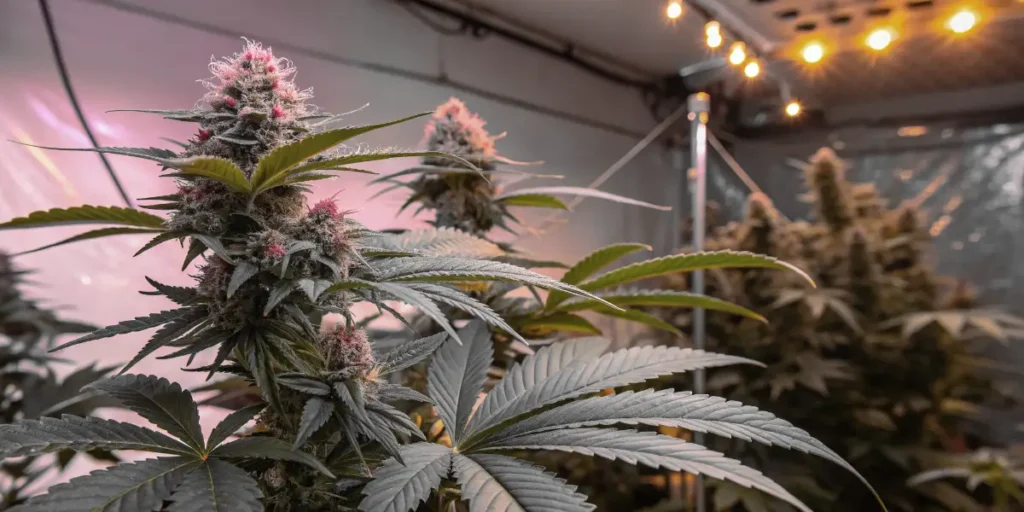
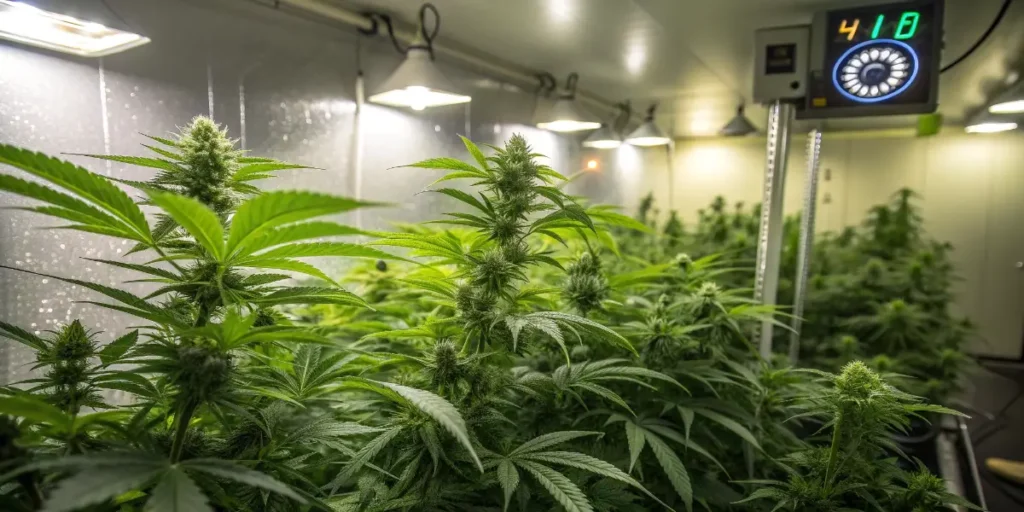
Creating the ideal grow room environment is crucial for cultivating healthy Panama Red plants. This strain thrives in a space where temperature, humidity, and lighting are carefully controlled. Consistent climate parameters will ensure the plant’s vigor from the vegetative stage through to harvest, ultimately influencing the yield and quality of the buds. Cannabis cultivators must plan adequately to cater to this variety’s specific needs.
Lighting is particularly important when growing this cultivar, as it prefers a rich full-spectrum light source to simulate its native tropical environment. Implementing LED or HPS grow lights can help mimic sunlight, encouraging robust growth. Ensure the lights are adjustable so they maintain proper distance from the canopy, which can prevent heat stress that might hinder the plant’s development.
In terms of temperature and humidity, this genetics prefers a warmer and slightly humid setting. To provide optimal conditions, maintain temps between 75-85°F during the day and slightly cooler at night. Humidity levels should ideally be kept around 40-50% during the flowering stage to enhance terpene production and prevent mold risks. Proper ventilation systems are also crucial for steady airflow and temperature regulation.
A well-organized space will aid in the ease of maintenance and monitoring of this strain. Consider dividing the grow room into sections dedicated to different growth stages. This allows growers to manage the unique demands of the Panama Red throughout its lifecycle effectively. Ensuring clean and accessible pathways will make it easier to tend to the plants, resulting in a successful cultivation process.
Indoor Growing Tips for Panama Red
When cultivating this strain indoors, managing light exposure is crucial. This variety thrives under 600-watt HID lights, providing it with the intense illumination necessary for robust growth. Ensuring a light cycle of 18 hours on and 6 hours off during the vegetative stage will optimize its development. Proper lighting directly influences the potency and quality of the buds you’ll eventually harvest.
Temperature and humidity control are also key to successful indoor cultivation. This cultivar prefers a stable temperature range of 70 to 80°F, with humidity levels around 40% to 50% during flowering. Maintaining these conditions helps prevent mold and mildew from affecting the plant. Investing in a reliable HVAC system allows growers to fine-tune the environment to suit this variety’s specific needs.
Pay close attention to nutrient delivery for this genetics to reach its full potential. A balanced nutrient mix that includes essential macro and micronutrients supports strong terpene profiles and high yield. Organic compost teas and biochar can enrich the soil, enhancing microbial activity. Regularly monitoring pH levels ensures that nutrient absorption is optimized, leading to healthier, more productive plants.
Outdoor Growing Tips for Panama Red
For optimal results with this strain in outdoor settings, it is essential to select a location with plenty of sunlight, as the plant thrives best in warm, tropical climates. This variety is known for its resilience, but ensuring good air circulation will help reduce the risk of mold and pests, especially during the flowering stage. Regularly check and maintain the soil’s pH for better nutrient uptake.
Growers should consider using organic compost to enhance soil fertility, which can improve both growth and yield. Due to its towering stature, this cultivar might require some support to prevent branches from breaking under the weight of its buds. Employing a trellis or stakes can help manage this aspect. Being a classic sativa, it may need more time than faster-growing varieties before reaching harvest.
As the plant matures, closely monitor the development of trichomes and terpenes, which indicate readiness for harvest. Aim for a window when they appear milky but before turning amber. This timing will enhance the signature effects and flavors of this genetics. A well-timed harvest will ensure the full expression of its renowned terpene profile, giving growers both a rewarding experience and high-quality product.
How to Germinate & Propagate
Germinating seeds from this strain requires attention to detail, as it holds historical significance in the cannabis world. Begin with quality seeds, placing them in a moist paper towel until they sprout. Create the right environment by maintaining a temperature of 70-85°F. This climate encourages germination, ensuring the plant reaches its genetic potential and grows into a healthy, robust plant.
Once the seeds of this cultivar have sprouted, it’s crucial to plant them in a well-draining medium. Choose a soil mixture balanced in nutrients to support early-stage growth. Ensure that the soil remains moist without becoming waterlogged, as overwatering can lead to root rot. Providing adequate lighting during this stage also plays a vital role in developing strong seedlings.
This variety thrives when attention is given to its propagation methods. Growers can choose between cloning and seeding to expand their cultivation. Cloning ensures the continuation of the plant’s unique terpene profile and high-quality buds. When selecting cuttings for cloning, choose healthy stems with at least two nodes, and place them in a rooting hormone to improve propagation success.
As the Panama Red plants continue to mature, consistent monitoring and care will yield a bountiful harvest. Pruning and training are essential to optimize light penetration and airflow, which prevents mold and encourages larger buds. Growers aiming for a substantial yield should maintain a balance of nutrients and monitor pH levels. With patience and proper care, this genetics will flourish beautifully.
Vegetative Stage: Nurturing Your Panama Red Plants
During the vegetative stage, it is crucial for cannabis growers to focus on maximizing the plant’s potential. For this cultivar, providing an optimal light cycle of 18 hours on and 6 hours off facilitates robust growth. Nutrient-rich soil is essential, as it aids in developing a strong root system. Keeping a consistent environment helps the plant establish a solid foundation for future buds.
This strain thrives when given the right balance of water and nutrients. Overwatering can stunt its growth, so it’s important to monitor moisture levels closely. Utilizing well-draining soil encourages healthy root development and prevents issues like root rot. Cultivators should consider using organic fertilizers to support the plant’s natural growth process and enhance its terpene profile.
Providing adequate spacing between plants will allow this variety to stretch and grow without hindrance. Proper air circulation is beneficial in preventing mold and pest infestations, both of which can affect yield. Training techniques like topping and low-stress training (LST) can also be beneficial in maximizing the plant’s potential by encouraging more lateral growth, eventually leading to a greater harvest.
As the vegetative stage progresses for Panama Red, it’s vital to remain vigilant, observing for any signs of nutrient deficiencies or pest invasions. Regular inspections will ensure potential problems are swiftly addressed. By fine-tuning environmental conditions, such as temperature and humidity, growers can foster an ideal setting for this strain’s development, leading to a fruitful and aromatic crop.
Flowering Panama Red: What to Expect
When cultivating this legendary strain, growers will witness a truly unique flowering phase. This variety is known for its vibrant red-hued buds, a distinguishing feature that emerges as the plant matures. Typically, the flowering stage for this cultivar spans between 10 to 12 weeks, offering a rewarding yield for those patient enough to see it through to harvest.
During the flowering period, this strain thrives under optimal conditions of warmth and light. To achieve the best results, maintaining an environment with consistent temperatures and adequate lighting is crucial. This cannabis variety benefits from a stable nutrient regimen to support its robust growth and maximize terpene production, enhancing its renowned aromatic profile.
As the buds of this cultivar develop, they release a distinctive earthy aroma that hints at the complexity of its terpene profile. Growers should monitor trichome development closely to determine the perfect harvest time. The rich scents emitted by the plant can be a telltale sign that it’s nearing readiness, promising a flavorful and potent yield.
Achieving a successful harvest with Panama Red requires careful attention to detail throughout its flowering stage. From managing environmental conditions to observing its unique characteristics, each step is integral to cultivating the best results. When handled with care, this seminal strain rewards growers with not just visually striking buds, but also an unforgettable sensory experience.
Fertilizers & Nutrient Schedule
When cultivating this strain, achieving the best growth and yield begins with a balanced nutrient regimen. The plant benefits from a rich soil mix that provides essential macronutrients such as nitrogen, phosphorus, and potassium. A high-quality cannabis-specific fertilizer is recommended to meet these needs throughout its lifecycle, supporting strong stems and encouraging vibrant green foliage.
This variety thrives when complemented with a well-structured feeding schedule. During the vegetative phase, nitrogen is crucial, promoting robust stem and leaf development. As the plant transitions to the flowering stage, phosphorus and potassium should be increased to fuel budding and terpene production. Implementing these adjustments ensures the plant’s nutritional needs are met for optimal growth.
For Panama Red, monitoring pH levels is equally vital, maintaining a range of 6.0 to 6.5. This careful balance allows for maximum nutrient absorption and minimizes the risk of nutrient lockout, which can hinder growth and reduce yield. Testing soil or hydroponic solutions regularly can help growers maintain these ideal conditions and support a healthy plant.
Moreover, micronutrients play a significant role in the health of this cultivar. Elements such as calcium, magnesium, and iron should not be overlooked, as they contribute to the plant’s overall vigor and disease resistance. By ensuring a well-structured nutrient schedule, growers can expect vigorous growth and a bountiful harvest of rich, aromatic buds.
Pest and Disease Prevention for Healthy Cannabis Plants
Preventing pests and diseases is crucial for the successful cultivation of cannabis plants. For growers of Panama Red, adopting proactive measures can ensure healthy buds and a bountiful harvest. Regularly inspecting the plant for signs of infestation and discoloration can help catch potential problems early. These steps are fundamental in maintaining robust growth and maximizing yield.
This cultivar, like many cannabis varieties, thrives when kept free from the threat of pests such as spider mites and aphids. Utilizing organic pest control methods, like neem oil or diatomaceous earth, can safeguard the plant while preserving beneficial insects. Introducing barriers or companion plants can also deter unwanted visitors and protect the integrity of this strain’s aromatic terpenes.
Maintaining a clean growing environment is essential to prevent disease. Ensuring proper air circulation and controlling humidity levels can reduce the risk of mold and mildew, common threats to cannabis plants. Growers should sanitize their tools and monitor soil conditions regularly. By adhering to these practices, Panama Red can reach its full potential, offering a rewarding cultivation experience.
Harvesting & Drying Panama Red the Right Way
When it comes to harvesting this variety, timing is crucial. Growers will notice that the buds reach peak potency when the trichomes are mostly cloudy with a hint of amber. This ensures the perfect blend of cannabinoids and terpenes. A well-timed harvest maximizes the yield and overall quality of the crop, making it optimal for any enthusiast.
This strain should be harvested with care to prevent damage to the valuable buds. To begin, cut the main stalk at the base and remove excess fan leaves. The plant should then be hung upside down in a dark, well-ventilated room. Maintaining a consistent temperature and humidity level will help preserve the delicate terpene profile unique to this cultivar.
After hanging for approximately 7 to 14 days, check that the branches snap rather than bend, indicating the buds are dry. It’s essential to monitor this closely to avoid over-drying, which can degrade the quality of the plant. Properly dried cannabis retains a vibrant aroma and flavor, essential for consumer satisfaction.
The final stage, curing, is vital for enhancing the experience of Panama Red. Place buds in airtight containers, opening them occasionally to release moisture. This process, lasting several weeks, enriches the aroma and smoothens the smoke. Following these detailed steps ensures that the passionate efforts of cultivation yield the best results for this legendary cannabis strain.
Panama Red Strain Type: Indica, Sativa or Hybrid?
Panama Red is a pure Sativa strain, renowned for its distinct uplifting effects. This variety hails from the tropical regions of Central America, making it a favorite among growers who appreciate landrace cannabis genetics. Cultivators seek out this strain for its unique terpene profile and potential for high yields, making it a classic choice for those interested in traditional Sativa experiences.
This cultivar requires a warm climate to thrive, reflecting its Central American roots. The plant tends to grow tall with elongated buds, making it ideal for outdoor cultivation. Growers often appreciate the rewarding harvest Panama Red offers, despite its relatively lengthy flowering period. With proper care, the strain can produce a satisfying yield that exhibits its legendary Sativa characteristics.
Recognizable by its vibrant red hairs and energetic effects, this strain can be a challenge but offers distinctive rewards. The plant’s terpene profile often includes notes of earthiness and spice, making it a unique addition to any cannabis collection. While modern hybrids might be more prevalent, the appeal of this traditional genetic remains strong among enthusiasts who value purity and history.
Why Grow Panama Red? Key Benefits for Cultivators
Choosing to cultivate this strain offers several unique advantages for growers. Known for its rich history and sativa lineage, this cultivar delivers a remarkable cerebral high that many cannabis enthusiasts prefer. The plant’s distinct terpene profile contributes to its exceptional aroma and flavor, making it a standout choice for both personal use and potential marketability.
This variety is particularly suited for outdoor cultivation due to its robust nature and resistance to certain pests. Growers appreciate the lengthy growing season, which while uncommon for many strains, allows Panama Red to develop fully, maximizing both its yield and its potent, sought-after effects. Careful attention to its needs ensures a rewarding harvest for those with patience.
The manageable growth structure of this genetics appeals to home growers and commercial operations alike. While the yield might not be as high as some modern hybrids, the quality of the buds produced is often worth the investment. Cultivating it invites new and experienced growers to appreciate a piece of cannabis history, offering both nostalgia and quality in the final product.
Potential Challenges When Growing Panama Red
Growing this strain can be quite rewarding, yet Panama Red presents its own set of challenges. A major hurdle is its longer flowering period, which requires patience and careful planning. This variety can take up to 12 weeks to flower, demanding ongoing attention from growers. Cultivating it successfully means monitoring environmental conditions meticulously.
Due to its tropical origins, the plant thrives in warm, sunny climates, making it less suitable for cooler regions or indoor setups without adequate lighting and temperature control. This cultivar can be particularly susceptible to mold and pests, demanding vigilant maintenance and preventive measures. Growers should ensure proper airflow and humidity control for optimal plant health.
Achieving a good yield with this variety requires recognizing its needs and limitations. The unique terpene profile of Panama Red is best preserved by maintaining optimal nutrient levels and harvest timing. Ensuring the buds develop fully without nutrient deficiencies or stress factors is crucial. By handling these challenges adeptly, growers can enjoy a successful harvest and high-quality end product.
Is This Strain Buying? Here’s What You Need to Know
Panama Red is a classic cannabis strain known for its euphoric and energizing effects, making it attractive to both recreational and medicinal users. This cultivar is cherished for its distinct profile of terpenes, offering earthy and citrusy notes. Growers appreciate its rich heritage, but the plant can demand specific conditions to thrive, so consider your cultivation abilities before purchasing.
This variety typically requires a warm, tropical environment for optimal growth. It has a longer flowering period compared to modern hybrids, which might influence your decision based on your timeframe for harvest. Yield-wise, this strain offers moderate returns. Therefore, it might not suit commercial growers looking for high-output strains, but it holds nostalgic value for enthusiasts.
Incorporating Panama Red into your garden adds a touch of historical significance, but it’s crucial to weigh the effort involved for cultivation against your goals. If you’re looking for unique buds with a classic appeal and don’t mind a temperamental plant, this genetics is a worthy investment. Evaluate your priorities and resources before deciding if the plant aligns with your growing ambitions.
FAQs
How difficult is it to cultivate Panama Red for beginners?
This strain is considered moderately challenging, best suited for growers with some experience. Panama Red demands consistent attention to environmental factors such as humidity and temperature. It reacts positively to training techniques including LST and topping, but these require expertise to execute effectively. With the right care and monitoring, growers can achieve excellent results and high yields from this cultivar.
What yields can growers expect from Panama Red?
Panama Red typically offers moderate yields, which can vary based on growing conditions. Outdoor growers can expect around 500 grams per plant, while indoor cultivation might produce about 350 grams per square meter. Experienced cultivators who optimize conditions, like lighting and nutrients, can potentially enhance the output of this variety. Proper training techniques can further maximize the yield of Panama Red.
What is the ideal climate for growing Panama Red?
This variety flourishes in warm and tropical environments. Panama Red benefits from prolonged sunlight exposure, making it ideal for outdoor cultivation in regions with long, sunny summers. If grown indoors, maintaining a temperature range between 70-85°F and consistent humidity levels improves conditions for the plant. Providing adequate airflow and implementing climate control measures can significantly impact the success of this strain.
What is the typical flowering time for Panama Red?
Panama Red is known for its extended flowering period, usually lasting between 10 to 12 weeks. This longer timeframe is important for developing its classic sativa characteristics and robust, energizing effects. Patience is key for growers of this genetics, as the plant’s potency and flavor profile become more pronounced in the final weeks of flowering. Monitoring the plant for pests and signs of disease is crucial during this period.
What are common problems faced when growing this strain?
Growers of Panama Red often encounter issues like mold and pests due to its affection for humid conditions. Adequate ventilation and a controlled environment are essential to prevent mold. Regular inspections and preventative treatments can manage pests effectively. Additionally, ensuring consistent and appropriate feeding schedules can mitigate nutrient deficiencies or excesses, contributing to the plant’s overall health and yield potential.