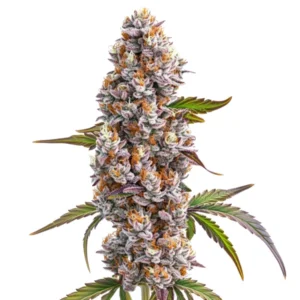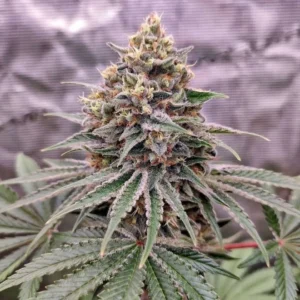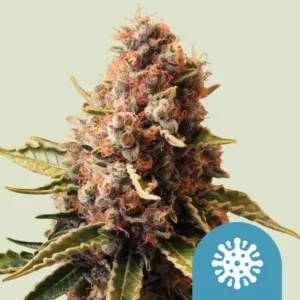

Cultivating Peanut Butter Breath requires attention to specific environmental factors. This strain thrives in a controlled climate with temperatures between 68-80°F (20-27°C). Ensure ample space for the plant to stretch, as it can grow quite tall. Use soil rich in nutrients and maintain consistent humidity levels to support healthy growth and maximize the terpene profile.
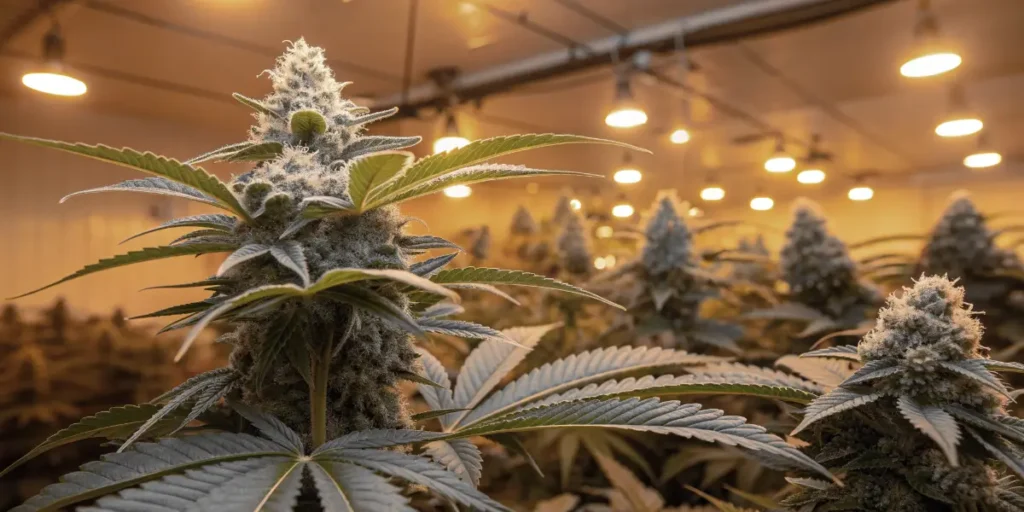
Lighting is crucial for this variety, and growers should provide plenty of light, particularly during the flowering phase. Implement a schedule of 18 hours of light during vegetation and 12 during flowering. Regularly check for pests as they can significantly impact the yield. Proper airflow reduces mold and mildew, ensuring the buds develop to their full potential.
Recommended Strains
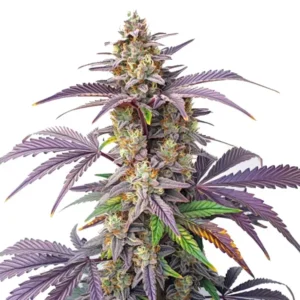
Peanut Butter Breath

|
THC | 24% - 28% (High) |

|
Lineage | DoSiDos x Mendo Breath f2 (Studly Spewright) |

|
Type | Feminized |

|
Height | 3.94 ft | 1.2 m |

|
Yield | Low |

|
Yield Indoor | 0.82 - 0.98 oz/ft² | 250 - 300 g/m² |

|
Yield Outdoor | 26.46 oz/plant | 750 g/plant |

|
Flowering Time | 8 - 10 weeks |

|
Phenotype | 50% Indica / 50% Sativa |

|
Medical | Fatigue, Muscle Spasms, Stress |

|
Effects | Creative, Euphoric, Happy |

|
Flavors | Candy, Floral, Sweet |
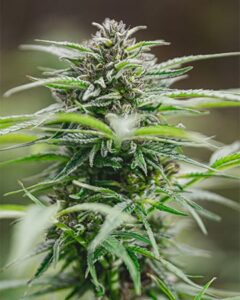
Peanut Butter Breath Autoflower
|
|
THC | 25% - 26% (High) |
|
|
Lineage | (Mendo Breath F2 x Do-Si-Dos) x Ruderalis |
|
|
Type | Autoflowering |
|
|
Height | 3.28 ft | 1 m |
|
|
Yield | Low |
|
|
Yield Indoor | 0.82 oz/ft² | 250 g/m² |
|
|
Yield Outdoor | 10.58 oz/plant | 300 g/plant |
|
|
Life Cycle | 8 - 10 weeks |
|
|
Phenotype | 60% Indica / 40% Sativa |
|
|
Effects | Euphoric, Happy, Relaxed |
|
|
Flavors | Earthy, Herbal, Nutty |
As harvest approaches, monitor trichomes for peak potency. This cultivar typically has an eight to ten-week flowering period. When it’s time to harvest, trim the plant carefully to preserve the dense buds and unique terpene profile. With a bit of patience, cultivators can enjoy a robust yield of high-quality cannabis with this genetics.
Peanut Butter Breath Strain Overview: Traits, Effects & Genetics
Peanut Butter Breath is a unique cannabis strain celebrated for its distinct aroma and flavor profile, reminiscent of creamy peanut butter with earthy undertones. This cultivar has captured the attention of many growers due to its appealing combination of traits. The plant is well-known for producing dense, resinous buds, making it a favorite for those looking to maximize their yield during harvest.
This variety stands out for its balanced effects, which are highly sought after by both recreational and medical users. Consumers often report a sense of relaxation and euphoria after consumption, making the strain ideal for evening use or stress relief. The high cannabinoid content paired with a unique terpene profile contributes to the overall appeal of this genetics among cannabis enthusiasts.
The plant’s lineage includes a blend of potent genetics, resulting in its well-rounded characteristics. Cultivators appreciate this strain’s robust nature, which can thrive in a variety of growing conditions. Attention to detail during cultivation, such as proper nutrient intake and lighting, is crucial to unlocking the full potential of this exceptional variety. It rewards growers with bountiful harvests when properly cared for.
In terms of cultivation, this strain requires a moderate skill level from growers, as it needs careful management to avoid mold and pest issues. Training techniques like topping and trimming can enhance light penetration and increase yields. Overall, with its impressive traits and gratifying effects, this cultivar remains a preferred choice for many cannabis enthusiasts looking to expand their grow operations.
Optimal Environment to Grow Peanut Butter Breath Successfully
Creating the perfect environment for cannabis cultivation is pivotal, especially for unique strains like Peanut Butter Breath. This cultivar thrives in a warm and stable climate, ideally between 70-80°F. Consistent temperature levels are crucial for maximizing terpene profiles and ensuring robust bud formation. Maintaining humidity levels at 40-50% prevents mold and encourages optimal growth throughout the plant’s lifecycle.
This strain benefits from ample light, requiring at least 18 hours of light during the vegetative stage. Using high-quality grow lamps will ensure that the plant receives the necessary illumination to develop strong, healthy buds. Additionally, good airflow is vital for reducing the risk of pests and diseases, promoting a stronger immune response in this variety.
Soil quality also plays a significant role in successful cultivation. Rich, well-aerated soil with high organic matter content supports the root system’s development. Integrating compost and other organic nutrients can enhance growth robustness. This approach not only boosts yields but also enhances the aromatic properties of the buds that many growers strive for.
Regular monitoring and adjustment of pH levels in the soil and water are also essential. Optimal pH ranges for nutrient uptake typically lie between 6.0 to 6.5. Monitoring these parameters ensures that the plant absorbs nutrients effectively, maximizing both yield and the quality of the harvest. With attention to these details, this cultivar can flourish, delivering its renowned flavor and potency.
Grow Room Setup for Peanut Butter Breath Plants
When cultivating Peanut Butter Breath, creating an optimal grow room environment is essential. Start by ensuring precise temperature regulation, maintaining a range between 70-80°F during the day and slightly cooler at night. This helps the plant thrive, promoting healthy growth and maximizing yield. Install a reliable thermometer and hygrometer to monitor conditions consistently.
Lighting is another critical aspect of growing this strain successfully. High-quality LED grow lights are recommended as they offer full-spectrum light while being energy-efficient. Position the lights to ensure even coverage, as this variety responds well to consistent light exposure during its vegetative and flowering stages. Adjust the light height to avoid burning the buds.
Proper ventilation is crucial for thriving cannabis plants. Set up a fan system to ensure fresh air circulates through your grow room, preventing mold and mildew. Peanut Butter Breath benefits from a slightly humid environment, especially during its early growth stages, so aim to keep humidity levels around 60% initially, lowering it as the plants mature.
Pay attention to the soil and container selection. Well-aerated soil rich in nutrients will support strong root development for this cultivar. Use containers with adequate drainage to prevent waterlogging. Regular watering and feeding with balanced nutrients are necessary to achieve a bountiful harvest rich in distinct terpenes that this genetics is known for.
Indoor Growing Tips for Peanut Butter Breath
To successfully cultivate this strain indoors, maintaining optimal temperature and humidity is crucial for achieving healthy growth. The plant thrives in temperatures between 70-80°F, with humidity levels around 40-50% during the flowering stage. Installing proper ventilation systems can also help control environmental factors that are key to maximizing yield and ensuring robust buds.
Providing adequate lighting is another critical factor for this cultivar. High-intensity discharge (HID) or full-spectrum LED lights should be used to mimic natural sunlight. Positioning lights appropriately ensures that every part of the plant receives sufficient energy, promoting vigorous growth and enhancing terpene production, which contributes to its unique aroma and flavor profile at harvest.
Paying attention to the plant’s nutrient needs is vital as well. A balanced diet featuring nitrogen, phosphorus, and potassium should be applied based on its growth stage. Regular feeding combined with a consistent watering schedule supports the overall health of the plant, ultimately leading to a bountiful yield. Monitoring nutrient levels can prevent common issues like nutrient burn or deficiencies.
Outdoor Growing Tips for Peanut Butter Breath
When cultivating this strain outdoors, choose a location with ample sunlight and good air circulation to promote healthy growth and robust buds. This variety prefers slightly acidic, well-draining soil, so preparing the ground with compost or organic amendments can enhance the nutrient content. Regular pruning is beneficial for the plant, encouraging more light penetration and airflow around the developing buds.
Growers should be attentive to this cultivar’s watering needs, ensuring the soil stays consistently moist without becoming waterlogged. Mulching around the base helps retain moisture and suppress weeds. Monitoring for pests and diseases is crucial in outdoor settings; using natural deterrents like neem oil can help protect the plant without compromising the quality of the buds and terpenes.
As harvest approaches, it’s important to keep an eye on the trichomes to determine the optimal time to collect your yield. Looking for a cloudy to amber transition in trichomes will ensure that the resulting cannabis is potent and flavorful. Supporting branches may be necessary as the plant matures, as the weight of the buds can cause them to droop and potentially break.

How to Germinate & Propagate
Germinating Peanut Butter Breath begins with selecting quality seeds to ensure successful cultivation. Start by soaking the seeds in warm water for 12-24 hours, which helps to soften the seed coat. This process stimulates the growth of the taproot, an essential first step for this cultivar. Make sure to maintain a consistent temperature around 70-85°F to optimize germination rates.
Once the seeds of this strain have absorbed enough moisture, they can be transferred to a damp paper towel for further development. Place the towel on a flat surface, ensuring it remains moist but not waterlogged. This method allows the seeds of this variety to sprout adequately without the risk of mold. Continuously monitor and maintain airflow to prevent unwanted moisture buildup.
After the initial roots become visible, carefully plant the seeds about a quarter-inch deep in a quality soil mix. This step is crucial for the plant’s health and future yield. Ensure that the soil is rich and offers good aeration, providing the young roots room to grow. Properly caring for the seedlings at this stage will set the foundation for dense buds and a fruitful harvest.
For propagation, cloning this genetics is an effective method used by many growers. Select a healthy mother plant and snip off vigorous branches to create clones. Ensure each cutting has at least two nodes above the soil and one below. By offering consistent light and humidity, these new plants will grow robustly, preserving the original terpenes of the Peanut Butter Breath.
Vegetative Stage: Nurturing Your Peanut Butter Breath Plants
During the vegetative stage, it is crucial for growers to provide optimal conditions to ensure robust growth for this strain. The plant requires adequate space as it stretches its branches to form a solid framework for future buds. Maintaining temperatures between 70-85°F and ensuring a relative humidity of 40-60% can help Peanut Butter Breath thrive during this period.
Nutrients play an essential role in the cultivation of this variety. A balanced supply of nitrogen, phosphorus, and potassium encourages healthy leaf development. Supplementing with micronutrients like calcium and magnesium can further boost the plant’s vitality. Utilizing well-draining soil and consistent watering practices can lead to a more successful growing experience for this genetics.
To maximize yield, prune and train the plant early during the vegetative phase. Techniques such as topping and low-stress training allow for even light distribution, promoting the development of multiple budding sites. By doing so, you also help the plant develop tight internodal spacing, which is essential for producing a dense, resinous harvest later on.
Monitoring the grow environment closely is indispensable. Employing fans to increase airflow ensures that this cultivar remains healthy and resilient against pests and diseases. By attentively nurturing the plants during this critical stage, growers pave the way for a rewarding harvest filled with the rich terpenes characteristic of Peanut Butter Breath.
Flowering Peanut Butter Breath: What to Expect
When cultivating this strain, growers can anticipate a flowering period that typically ranges from 8 to 10 weeks. During this time, the plant displays robust growth and develops dense, resinous buds. It’s essential to monitor the environment closely to optimize conditions, as this variety thrives when provided with ample light and proper nutrients, significantly affecting the overall yield.
This cultivar is known for producing vibrant, thick buds that are a sight to behold. As it progresses through the flowering phase, the plant’s aromatic profile becomes pronounced, showcasing a distinct blend of earthy and nutty terpenes. Ensuring adequate ventilation and humidity control can help in maintaining the health of the plant, preventing mold and other potential issues.
The unique flowering characteristics of this variety make it a favorite among cannabis enthusiasts. Patience during this stage is paramount, as the meticulous care provided can translate into a bountiful harvest. Regular inspection of the trichomes using a magnifying glass can guide growers in determining the perfect harvest time, ensuring the potency and flavor of the buds.
Taste-wise, Peanut Butter Breath offers a rewarding and indulgent experience, suited for both novice and veteran growers aiming for quality. As the session approaches harvest, maintaining steady temperature and light conditions is crucial. Proper drying and curing after harvest can preserve the distinctive flavors and enhance the overall smoking experience, marking the culmination of attentive cultivation efforts.
Fertilizers & Nutrient Schedule
Ensuring the right nutrient balance is crucial for cultivating robust buds in this strain. During the vegetative stage, it thrives on a high nitrogen diet. Growers should focus on fertilizers that boost foliage growth, which in turn aids in healthy root development. Always start with half the recommended manufacturer dosage to prevent nutrient burn, allowing the plant to gradually adapt.
As this variety transitions into the flowering stage, the nutrient requirements shift. A phosphorus-rich blend becomes key to enhancing bud formation and terpene profile. Potassium, a vital component during blooming, supports overall plant vigor. Sticking to a consistent feeding schedule ensures that the plant maximizes its yield while maintaining the distinctive qualities of its genetics.
This cultivar benefits from a balanced micronutrient regimen. Calcium and magnesium are integral to the plant’s structure, helping to fortify cell walls and improve nutrient uptake. Cannabis cultivators should keep an eye on pH levels in both soil and hydroponic systems, as these can significantly impact the nutrient absorption rate, ensuring optimal growth and development.
The timing of nutrient applications is as crucial as their composition. Feeding Peanut Butter Breath on a regular schedule enhances growth and supports a bountiful harvest. Weekly feedings, combined with flushes to clear any nutrient buildup, are advisable. Customizing your approach based on environmental conditions allows the genetic potential of this cultivar to flourish, resulting in top-tier buds.
Pest and Disease Prevention for Healthy Cannabis Plants
For cannabis growers aiming to maintain healthy plants and optimize bud production, vigilant pest and disease management is crucial. Regular monitoring of Peanut Butter Breath, combined with maintaining optimal growing conditions, can significantly reduce risks. Utilizing organic pest control methods and fostering beneficial insects are effective strategies to protect this cultivar without compromising its terpene profile or yield.
When cultivating this variety, ensure that proper air circulation and humidity levels are consistently maintained. These conditions help in preventing mold and mildew, common diseases that detrimentally affect cannabis plants. Monitoring soil health and water management is essential for the plant’s resistance against pests, ensuring a robust growth cycle leading up to harvest.
Incorporating companion planting techniques can also boost the plant’s resilience. For example, herbs like basil and marigold can deter pests naturally. Regular inspections and adopting integrated pest management practices make it possible to preserve the health and quality of the buds. By following these practices, growers can protect the plant, ensuring a fruitful cultivation experience.
Harvesting & Drying Peanut Butter Breath the Right Way
Harvesting this variety requires keen attention to detail to ensure optimal results. Cannabis growers should closely monitor the trichomes on the plant, looking for a cloudy appearance with some turning amber. This indicator means the buds are at peak potency, preserving the rich terpenes and delivering the desired effects. Timing is crucial in maximizing the yield and quality of the buds.
Once the perfect time for harvest has arrived, cut the branches carefully to avoid damaging the delicate buds. It’s essential for growers to handle this strain gently to maintain the integrity of the trichomes and terpenes. Depending on your setup, you may choose to harvest entire plants or individual branches, whichever suits your grow space and drying area best.
Drying is a critical step in the cultivation process, requiring a well-ventilated environment with controlled temperature and humidity. For this cultivar, aim to maintain a temperature of 60-70°F and a humidity level of 50-60%. This ensures the buds dry slowly, preserving their flavor profile and preventing the growth of mold, which can compromise the overall quality.
Once dried, curing becomes the next essential step to enhance the characteristics of Peanut Butter Breath. Place the dried buds in airtight containers, allowing them to cure for two to four weeks. Regularly open the containers to release moisture and check for any signs of spoilage. This patient process guarantees the buds reach their full aromatic and potency potential.
Peanut Butter Breath Strain Type: Indica, Sativa or Hybrid?
Peanut Butter Breath is celebrated for its balanced hybrid nature, offering a harmonious blend of both Indica and Sativa characteristics. This strain typically leans slightly towards Indica, making it an appealing choice for growers aiming to harness its relaxing yet uplifting effects. Its cultivation requires a thoughtfulness in balancing growth conditions to optimize the eventual yield of rich, aromatic buds.
This variety is known for producing dense, resinous buds that boast a unique terpene profile, which entices cannabis enthusiasts with a nutty, earthy aroma. The plant’s genetics contribute to its robust growth cycle, making it well-suited for both indoor and outdoor cultivation. Growers often find that maintaining consistent conditions, particularly with humidity and temperature, leads to a bountiful harvest.
Cultivators of this cultivar appreciate its versatility, as it can thrive in various environments. While this strain is slightly Indica-dominant, the Sativa influence ensures users experience a cerebral uplift. It’s essential for growers to monitor the flowering stage carefully, to capture the full potential of its terpene-rich buds, ensuring a high-quality yield that satisfies both recreational and medicinal users.
Why Grow Peanut Butter Breath? Key Benefits for Cultivators
Peanut Butter Breath presents itself as a unique opportunity for cannabis growers seeking to cultivate a strain with distinct characteristics. Known for its relaxing effects and rich aroma, this variety is appealing to both experienced and novice cultivators. The plant’s vigorous growth patterns and resilience make it an attractive choice, promising a rewarding cannabis cultivation experience.
This strain is renowned for producing dense and potent buds that exude a tantalizing mix of nutty and earthy terpenes. Growers will find the elevated terpene profile particularly beneficial as it enhances the aroma and flavor, adding to the cultivar’s market appeal. Additionally, the plant’s relatively high yield ensures a satisfactory harvest for both personal consumption and commercial distribution.
For growers aiming to maximize their cultivation efforts, this variety offers an efficient growth cycle, striking a balance between yield and quality. The plant thrives in both indoor and outdoor environments, allowing flexibility in growing conditions. Overall, choosing this cultivar gives cannabis enthusiasts a reliable strain that performs well in various cultivation scenarios.
Potential Challenges When Growing Peanut Butter Breath
One of the primary challenges growers face when cultivating Peanut Butter Breath is maintaining optimal humidity and temperature levels. This strain is particularly sensitive to environmental conditions, which can affect its resin production and overall yield. Ensuring adequate ventilation and monitoring these parameters can help prevent issues such as mold and pest infestations that can compromise the buds’ quality.
This variety also demands a balanced nutrient regimen to achieve its full potential. Over-fertilization can lead to nutrient burn, while underfeeding might stunt the growth of the plant. Regular pH testing and using organic nutrients can be beneficial in maintaining healthy plants. Monitoring the water quality is crucial as it can directly impact the development of terpenes that give this cultivar its unique aroma and taste.
The plant’s branches may require additional support as they mature and the buds become larger and more resinous. Techniques such as staking or using trellis systems can prevent branches from snapping under the weight. Harvest timing is also critical; picking the crop too early or late can affect the potency and flavor profile of this genetics. Implementing these strategies helps ensure a successful harvest.
Is This Strain Worth Buying? Here’s What You Need to Know
Peanut Butter Breath has gained popularity among cannabis enthusiasts and growers due to its unique characteristics. Cultivators appreciate this strain for its balanced effects and rich terpene profile. This variety offers a delightful combination of earthy and nutty aromas, translating into smooth and flavorful buds. Investing in these genetics can enrich any grower’s collection with something distinct.
Growers looking to add a versatile and rewarding plant to their gardens should consider this cultivar. Known for its moderate difficulty in cultivation, the plant requires careful attention during its growth stages. Ensuring optimal conditions will lead to healthy bud development and a satisfactory yield, making the effort worthwhile for those seeking quality results.
Purchasing this genetics also means a commitment to recognizing its specific needs. Its flowering period is essential to producing the potent buds this variety is known for. Harvest typically occurs around eight to ten weeks, allowing for terpenes to fully develop. For consumers and cultivators alike, this strain is a promising addition to any cannabis portfolio, bringing both challenge and reward.
FAQs: Growing Peanut Butter Breath
How difficult is it to grow Peanut Butter Breath for beginners?
Peanut Butter Breath is known to be moderately challenging to cultivate, especially for beginners. It demands careful attention to environmental conditions like humidity and temperature. This strain benefits from training techniques such as low-stress training (LST) and topping, but these require knowledge to perform correctly. If you’re a beginner, gaining some experience with other cannabis plants first can lead to better results with this cultivar.
What is the expected yield for Peanut Butter Breath?
When cultivated under optimal conditions, Peanut Butter Breath can yield moderately high results. Indoor growers can expect about 10 to 12 ounces per square meter, whereas outdoor plants can produce approximately 12 to 14 ounces per plant. This strain’s yield heavily relies on proper nutrient supply and environmental control. As such, consistent care and attention can maximize the performance and potential of the plant.
What is the typical flowering time for this strain?
This variety typically flowers in about 8 to 10 weeks. The exact timeline depends on the specific growing conditions and phenotype. Ensuring a stable environment with optimal light cycles can contribute to reaching the lower end of this timeline. Since Peanut Butter Breath is sensitive to environmental stress, careful monitoring during the flowering stage helps in achieving healthy, vigorous growth and a robust harvest.
What climate does Peanut Butter Breath prefer?
Peanut Butter Breath thrives in a warm and humid climate, similar to its natural genetics. Ideally, temperatures should range from 70°F to 85°F. High humidity levels are favorable, particularly during the vegetative stage, though reducing humidity as flowering starts is essential to avoid mold. Outdoor growers in Mediterranean-like climates will find this variety particularly suited to their conditions. Using a controlled indoor environment also yields excellent results.
What are common problems encountered when growing this plant?
This cultivar can be susceptible to mold and mildew, given its dense bud structure and preference for humid conditions. Regular pruning and maintaining adequate airflow around the plant can mitigate these issues. Additionally, Peanut Butter Breath can be sensitive to overfeeding. Gradually increase nutrients and monitor for any signs of nutrient burn to sustain healthy growth throughout its lifecycle.