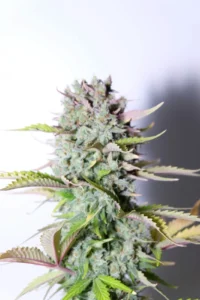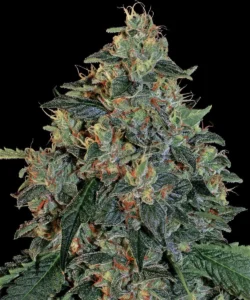
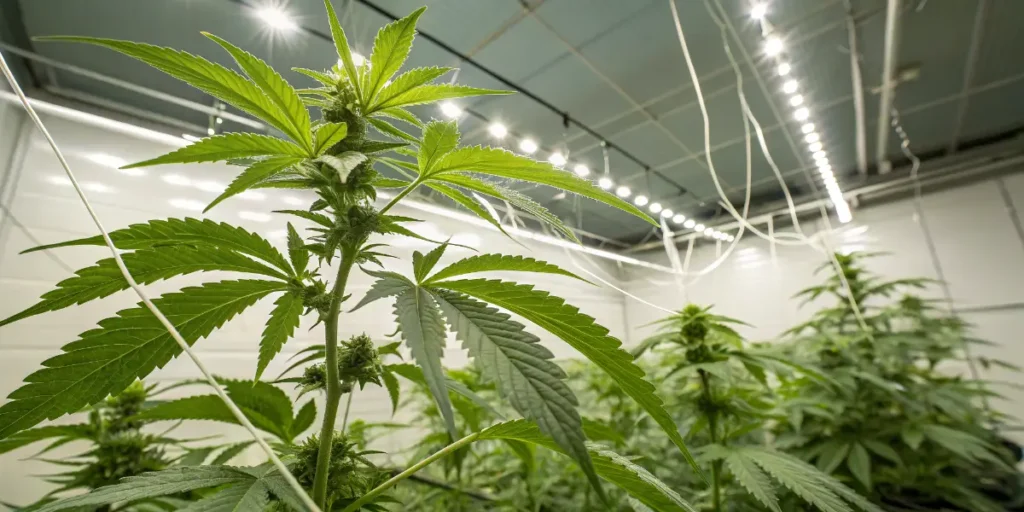

When cultivating this strain, ensure you start with high-quality seeds or clones to maximize yield and potency. Pink Rozay thrives in a controlled environment where the temperature ranges between 70-85°F. Adequate ventilation and humidity control are crucial for healthy growth. Providing the plant with sufficient light, whether natural or artificial, can significantly impact its development and eventual yield.
As this variety matures, keep an eye out for signs of nutrient deficiencies or pest infestations, which can hinder progress. Implement an organic feeding schedule tailored to cannabis, including nitrogen-rich fertilizers during the vegetative stage. Transition to phosphorus and potassium-rich nutrients when the plant enters the flowering phase, ensuring robust bud development and enhanced terpene profiles.
Recommended Strains
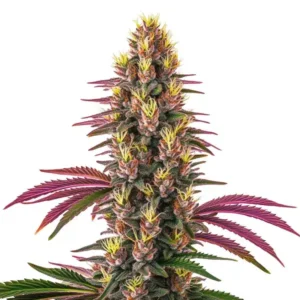
Pink Rozay

|
THC | 15% - 17% (Medium) |

|
Lineage | Lemoncello x Lemon Pound Cake |

|
Type | Feminized |

|
Height | 8.2 ft | 2.5 m |

|
Yield | Medium |

|
Yield Indoor | 1.31 - 1.47 oz/ft² | 400 - 450 g/m² |

|
Yield Outdoor | 14.11 - 19.4 oz/plant | 400 - 550 g/plant |

|
Flowering Time | 8 - 10 weeks |

|
Phenotype | 80% Indica / 20% Sativa |

|
Medical | Fatigue, Muscle Spasms, Stress |

|
Effects | Energetic, Euphoric, Uplifted |

|
Flavors | Fruity, Sweet |

Alaska Thunderfuck Autoflower
|
|
THC | 22% - 23% (Medium) |
|
|
Lineage | (North American x Afghani) x Ruderalis |
|
|
Type | Autoflowering |
|
|
Height | 3.94 ft | 1.2 m |
|
|
Yield | High |
|
|
Yield Indoor | 1.64 oz/ft² | 500 g/m² |
|
|
Yield Outdoor | 28.22 oz/plant | 800 g/plant |
|
|
Life Cycle | 9 - 10 weeks |
|
|
Phenotype | 40% Indica / 60% Sativa |
|
|
Effects | Energetic, Euphoric, Happy |
|
|
Flavors | Earthy, Spicy, Sweet |
Harvesting Pink Rozay at the right time is essential for optimal effects and flavor. Monitor the trichomes using a magnifying tool; harvest when they shift from milky white to a slight amber hue. This indicates peak potency and ideal terpene content, providing growers with high-quality buds. After harvesting, dry and cure the buds properly to maintain the plant’s unique characteristics and aroma.
Pink Rozay Strain Overview: Traits, Effects & Genetics
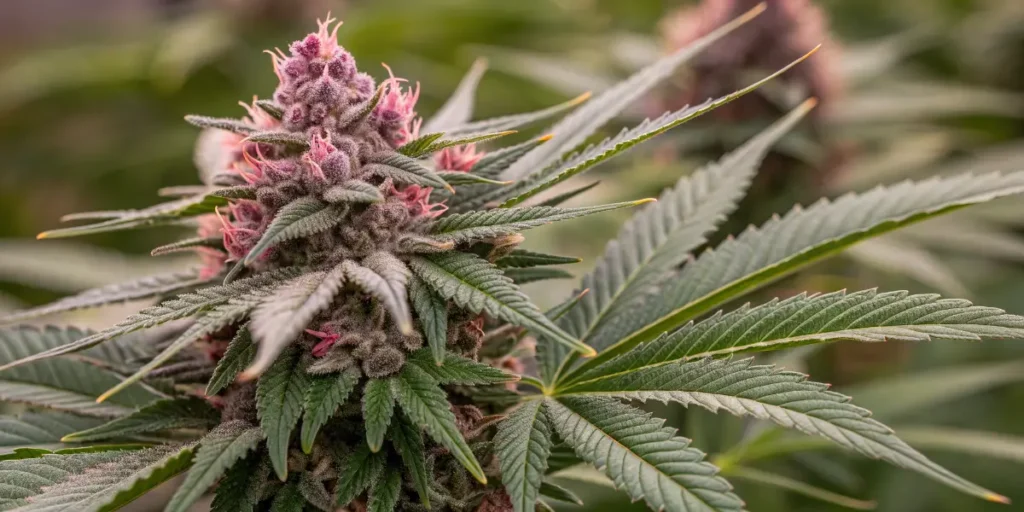
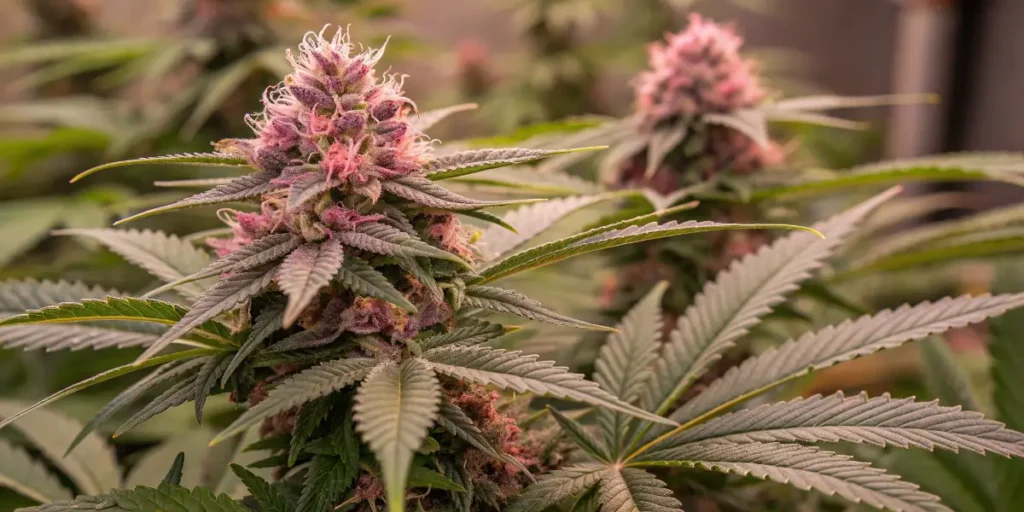
Pink Rozay, a highly sought-after cannabis strain, is renowned for its remarkably enticing aroma and vibrant color. Belonging to a hybrid family, this plant stands out with its pink and purple-hued buds, offering both visual allure and potent effects. Its cultivation requires a careful balance of nutrients and light to achieve optimal yield and preserve its unique appearance.
This cultivar is celebrated not only for its beauty but also for its complex terpene profile. The aroma of this strain blends sweet floral notes with hints of berry, resulting in a delightful sensory experience. Growers are advised to manage humidity levels carefully during cultivation to prevent any loss of these delicate compounds, ensuring a robust harvest.
This variety is known for delivering a pleasurable balance of relaxation and euphoria, making it a favorite among recreational and medicinal users alike. The effects of the plant are typically long-lasting, offering relief from stress and anxiety without overwhelming sedation. Cultivators should regularly monitor plants for optimal health to maintain its potency and effects.
Genetically, this strain traces its roots to a fascinating lineage, contributing to its resilience and robust growth characteristics. It thrives in both indoor and outdoor settings, although growers must be mindful of environmental conditions to maximize yield. With proper care, the cultivation of this genetic marvel can produce impressive results, satisfying both novice and experienced cannabis enthusiasts.
Optimal Environment to Grow Pink Rozay Successfully
Creating the ideal environment is crucial for cannabis growers aiming to maximize the potential of this strain. Known for its potent buds and unique terpene profile, this variety thrives indoors or in greenhouses where conditions are controllable. Ensuring a consistent climate will directly impact the yield and quality of the harvest, making it vital to maintain an optimal setting.
Temperature plays a pivotal role in the cultivation of Pink Rozay. The plant prefers a warm environment, ideally between 70 to 85 degrees Fahrenheit during its vegetative stage. Fluctuations should be minimized to prevent stress, which can affect growth and bud development. For best results, growers should monitor and adjust temperatures regularly to suit the needs of this cultivar.
Humidity levels are equally important for the successful cultivation of this genetics. During its vegetative phase, the plant thrives with humidity around 60%. However, reducing the humidity to approximately 40% during flowering can boost terpene and resin production. By carefully managing moisture levels, growers can enhance both the flavor and aroma of the buds.
Proper lighting is also key to ensuring a bountiful harvest of this variety. Full-spectrum LED lights or high-intensity discharge lamps are recommended to mimic natural sunlight. Adequate light not only supports optimal photosynthesis but also encourages robust growth. With the right lighting setup, cultivators can significantly improve the yield and potency of their Pink Rozay crop.
Grow Room Setup for Pink Rozay Plants
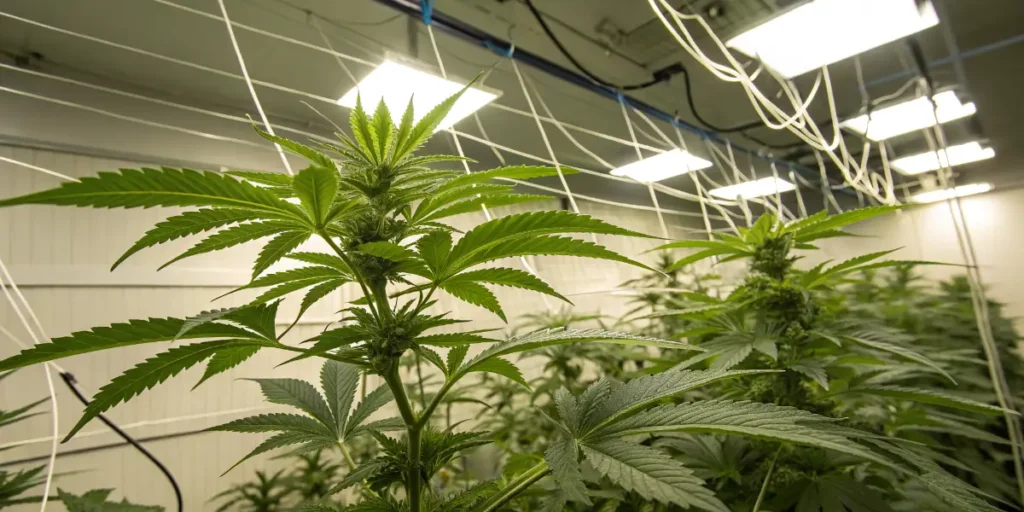
When setting up a grow room for Pink Rozay, proper lighting is essential to optimize the growth and quality of the buds. Full-spectrum LED lights are recommended for this cultivar, as they mimic natural sunlight and support robust terpene profiles. By adjusting the light schedule to an 18/6 cycle during the vegetative stage, growers can ensure that it develops strong and healthy foliage.
Temperature and humidity must be carefully controlled for this strain to thrive. Keeping the temperature between 70-80°F with a relative humidity of 40-50% during the flowering stage encourages optimal resin production and yields. It’s crucial to monitor environmental conditions regularly, making adjustments using fans, dehumidifiers, or heaters to maintain an ideal habitat for this variety.
Ventilation plays a significant role in the cultivation of this plant. Implementing a good ventilation system prevents mold and pest issues, both of which can hinder the growth of Pink Rozay. Using oscillating fans and carbon filters helps promote air circulation and maintain fresh airflow. Additionally, consistent CO2 levels will boost the metabolic rate, contributing to healthy growth and abundant harvests.
Finally, organizing your space for efficient work-flow can greatly enhance cultivation success. Arrange the plant pots to allow easy access for watering and pruning. Utilizing shelves or racks can maximize vertical space, especially in limited areas. This strategic organization not only aids in daily plant care but also ensures that all aspects of this genetics’ environment are easily manageable, leading to a fruitful harvest.
Indoor Growing Tips for Pink Rozay
To successfully cultivate this strain indoors, pay close attention to the temperature and humidity settings. This cultivar thrives in temperatures between 70-85°F with humidity levels around 40-50% during the flowering stage. Proper ventilation is critical to mimic outdoor conditions, ensuring the plant develops strong, healthy buds with optimal terpene profiles and contributes to a better yield.
The choice of growing medium significantly impacts the growth of this genetics. Consider using soil enriched with organic matter for better nutrient retention and root development. Alternatively, a hydroponic system can provide precise nutrient control, which is beneficial for optimizing potency and flower quality. Regular check-ups on the nutrient mix can greatly influence the plant’s overall health and efficiency post-harvest.
Proper lighting is essential for maximizing the potential of this variety. LED lights are often preferred as they produce less heat and are energy efficient, facilitating great growth without risking heat stress. Adjusting the light schedule to maintain an 18/6 light cycle in the vegetative stage before transitioning to a 12/12 cycle will help the plant fully ripen, optimizing both yield and flavor.
Outdoor Growing Tips for Pink Rozay
When cultivating this strain outdoors, location is key. The plant thrives in mild, sunny climates with ample access to direct sunlight. Ensure the soil is rich in nutrients and well-draining to promote healthy root development. Consistent watering is vital, but avoid overwatering to prevent root rot. Growers should also consider providing support for the plant as it matures.
This variety is known for its vibrant terpene profile, which can be maximized with appropriate care. Regular pruning and trimming help enhance light penetration and airflow, reducing the risk of mold and pests. Monitoring the environment for temperature fluctuations and humidity can significantly affect the quality of the buds. Implementing organic pest control methods ensures the cultivation process stays natural and eco-friendly.
The plant typically flowers in late summer to early autumn. A successful harvest depends on responding to the subtle changes in the cannabis plant’s environment. Pay attention to trichome development to determine the ideal harvest time. By embracing these outdoor growing tips, growers can achieve a rewarding yield, capturing the full essence of the genetics involved in this cultivar.
How to Germinate & Propagate
To successfully germinate this strain, begin by selecting quality seeds that show a healthy, mature appearance. Opt for a simple paper towel method to facilitate the sprouting process. Place the seeds between damp paper towels, ensuring consistent moisture without oversaturating. Within a few days, the seeds should show taproots, indicating readiness for planting into soil or another growing medium.
For cultivation, using a nutrient-rich, well-draining potting mix can boost growth. This variety thrives in a controlled indoor environment where growers can adjust factors such as light, humidity, and temperature. When transplanting the plant into larger containers, ensure adequate spacing for roots to expand, promoting robust development of its signature buds and aromatic terpenes during later stages.
Propagation of this cultivar through cloning is an effective way to maintain the genetics and desirable attributes of the parent plant. Cuttings should be taken from healthy, mature branches. Dip them in a rooting hormone and place them in a humid environment to encourage root development. This method allows for a more predictable and uniform crop at harvest.
With persistent care and attention, Pink Rozay can provide a rewarding yield. Regular observation of its growth stages allows for timely interventions and adjustments in cultivation techniques. By maintaining optimal conditions, growers can maximize the plant’s potential, ensuring a bountiful harvest of potent, aromatic buds that characterizes this exceptional cannabis strain.
Vegetative Stage: Nurturing Your Pink Rozay Plants
During the vegetative stage, proper care for Pink Rozay is essential for optimal growth. Ensuring that this cannabis strain has enough light, nutrients, and water will promote robust development. Adequate lighting, preferably 18 to 24 hours of full-spectrum light, encourages rapid growth and prepares the plant for a strong flowering stage.
Providing balanced nutrition is crucial for this variety. A nitrogen-rich fertilizer supports healthy leaf development, which is vital for photosynthesis and overall plant vitality. Monitoring the pH levels of the soil or growing medium helps prevent nutrient lockout, ensuring the plant can absorb all necessary nutrients for healthy cultivation.
Growers should also pay close attention to environmental conditions. Maintaining a consistent temperature between 70-85°F (21-29°C) and a humidity level of 50-70% will foster optimal plant health. Proper air circulation, achieved through fans, prevents mold and pest issues that can affect this cultivar’s yield and quality.
Training techniques like topping or low-stress training (LST) can be employed to maximize bud sites and increase potential yield. As this stage sets the foundation for bud production, attentive care will result in a bountiful harvest. With diligent nurturing, the terpenes and potency of this strain will be fully realized.
Flowering Pink Rozay: What to Expect
Cultivating Pink Rozay promises an exciting journey for growers, particularly during the flowering stage. As this strain matures, it becomes evident that the plant exhibits a robust structure, often laden with dense, aromatic buds. The development of terpene-rich blossoms is a highlight, contributing to the unique profile that this variety is renowned for in cannabis cultivation circles.
This cultivar tends to enter the flowering phase after approximately 8 to 9 weeks of growth. When tending to the plant during this period, maintaining optimal environmental conditions is crucial. Controlled humidity and temperature levels will enhance bud quality and prevent potential issues, such as mold. The plant’s yield can be optimized by adhering to these meticulous cultivation practices.
Typically, this strain’s buds are characterized by their breathtaking hues and potent scent, signaling the richness of its terpene profile. The appearance of trichomes on the buds’ surface also indicates that harvest time is approaching. Monitoring these visual and aromatic cues ensures that the grower can harvest at the peak of maturity, resulting in a high-quality end product.
For cultivators aiming to maximize their yield, the harvest window is critical. Carefully timed harvesting ensures that the distinct characteristics of Pink Rozay are preserved, from its vibrant color to its aromatic complexity. By following these guidelines, growers can expect not only a satisfying cultivation experience but also a bountiful and flavorful harvest.
Fertilizers & Nutrient Schedule
For successful cannabis cultivation, recognizing the specific nutrient needs of Pink Rozay is essential. This strain thrives on a carefully balanced diet of macronutrients, nitrogen, phosphorus, and potassium, along with supporting micronutrients like calcium and magnesium. During the vegetative stage, a higher nitrogen content is crucial for promoting vigorous growth and strong plant structure.
As Pink Rozay transitions to the flowering phase, adjusting the nutrient schedule is imperative. Decrease nitrogen levels and increase phosphorus and potassium to support bud formation and enhance the plant’s aromatic profile. It is beneficial for growers to monitor nutrient concentrations closely, as over-fertilization can harm this variety’s distinct terpene profile, reducing both its flavor and yield.
This cultivar also benefits from organic nutrient sources, which can improve the soil structure and microbiome around the roots. Compost teas or organic amendments can be introduced to boost nutrient uptake. Regular flushing of the growing medium helps prevent nutrient lockout, ensuring that the plant remains healthy throughout its life cycle, leading to a more satisfying harvest.
Growers should tailor feeding schedules to the plant’s specific responses. Observing leaves for signs of deficiency or excess can guide adjustments to the nutrient regimen. Adjustments in light, humidity, and watering alongside fertilization will optimize conditions, ensuring Pink Rozay not only survives but flourishes, offering its unique and rewarding yield of potent, aromatic buds.
Pest and Disease Prevention for Healthy Cannabis Plants
Ensuring the health of cannabis plants requires effective pest and disease prevention strategies. Growers cultivating Pink Rozay need to implement regular inspections, focusing on leaves and buds for early detection. Natural repellents like neem oil can be applied weekly, safeguarding the plants without harming the flavorful terpenes that this strain is known for.
This variety benefits from maintaining optimal environmental conditions, which discourages pests and prevents mold development. Control humidity and temperature to minimize risks, ensuring a robust harvest. Moreover, rotating crops and practicing companion planting with pest-repellent species such as basil can boost the plant’s resilience against infestations.
Introducing beneficial insects like ladybugs can significantly reduce pest populations. Regularly cleaning the cultivation area helps prevent disease spread among the plants. By integrating these actionable strategies, growers can enhance the yield and quality of this cultivar, preserving the unique characteristics that define it.
Harvesting & Drying Pink Rozay the Right Way
Proper harvesting is crucial for maintaining the quality and potency of Pink Rozay. Begin by checking the trichomes on the buds; they should appear cloudy with a hint of amber. Growers should also consider the pistils, about 70% should have changed color. Cut the plant at the base to ensure all nutrients in the stems are retained in the buds during the drying process.
Drying this strain correctly is just as important as the harvesting itself. Hang the buds upside down in a well-ventilated space, with temperatures around 60-70°F and humidity levels between 45-55%. This cultivars’ aromatic terpenes can easily degrade under improper conditions, so avoid rushing the process to preserve its unique flavor profile.
The drying period for this variety typically lasts between 7 to 10 days. During this time, monitor environmental conditions meticulously, as fluctuations could affect the quality of the buds. A slow, steady drying process helps maintain terpene integrity and enhances the overall yield. For the best results, ensure no direct light hits the drying area.
Once the buds are adequately dried, curing is the next essential step. Store the cannabis in airtight jars in a dark, cool place, opening the containers daily for the first two weeks to allow fresh air exchange. This method enhances the flavor and smoothness, unlocking the full potential of the Pink Rozay experience, ensuring consumers enjoy this cultivar at its peak quality.
Pink Rozay Strain Type: Indica, Sativa or Hybrid?
The Pink Rozay is known for its well-balanced blend of Indica and Sativa genetics, officially classifying it as a hybrid. This cultivar combines the relaxing body effects typical of Indicas with the cerebral stimulation of Sativas, making it an appealing choice for many growers. Its versatility in cultivation offers a predictable yet rewarding yield, with buds rich in aromatic terpenes.
Many growers are drawn to this variety for its unique genetic profile. The plant’s hybrid nature allows it to adapt to various cultivation environments, making it suitable for both indoor and outdoor setups. With moderate flowering time, the adaptability of this strain provides cultivators with a substantial harvest of resinous buds that mirror its high-quality genetics.
For those unfamiliar with the plant, recognizing its hybrid makeup is essential for successful growth. The interplay of Indica and Sativa effects ensures a diverse experience in both cultivation and consumption. This strain’s aromatic profile, dominated by terpenes, is a testament to its balanced genetics, catering to a wide range of consumers looking for both relaxation and mental clarity.
Why Grow Pink Rozay? Key Benefits for Cultivators
Cultivators seeking a premium cannabis experience often turn to this strain for its exceptional qualities. Known for producing impressive yields, this variety offers growers both quantity and quality. The plant rewards with dense, resinous buds that are sure to please. Additionally, its cultivation is considered straightforward, making it an attractive option for both novice and experienced growers.
One of the standout features of this cultivar is its terpene profile, which contributes to its unique aroma and flavor, setting it apart from other varieties. The plant releases a symphony of fruity and floral notes, enticing both consumers and cultivators alike. Such distinctive characteristics not only promise a satisfying harvest but also ensure a product that stands out in the crowded cannabis market.
Moreover, the genetic stability and resilience of Pink Rozay make it a reliable choice for growers facing variable conditions. This resilience translates into a robust plant able to withstand common cultivation challenges, providing peace of mind for those investing time and resources. In essence, this strain offers a balanced combination of sensory delight and growing reliability, solidifying its place as a top choice for cannabis cultivators.
Potential Challenges When Growing This Plant
Growing this cultivar can present unique challenges, especially if you’re new to cannabis cultivation. This strain is sensitive to humidity fluctuations, which can lead to mold issues if not carefully monitored. Growers should invest in a reliable hygrometer and maintain steady humidity levels throughout the plant’s lifecycle to ensure a healthy environment for its growth.
This variety also requires meticulous attention to nutrient balance. Overfeeding can result in nutrient burn, negatively impacting the plant’s health and the quality of its buds. It’s essential to follow a balanced feeding schedule and observe the plant’s reactions closely. Regular soil testing can help adjust the nutrient concentrations according to the specific needs of the plant at various growth stages.
Additionally, the density of the flowers produced by Pink Rozay can make it susceptible to bud rot, especially in high-humidity environments. To mitigate this risk, ensure adequate airflow around the plants by not overcrowding the grow space. Regular pruning and maintaining space between branches can help facilitate air circulation, thereby reducing the likelihood of rot and aiding in achieving a bountiful harvest.
Is This Strain Worth Buying? Here’s What You Need to Know
When assessing if Pink Rozay is worth purchasing, consider its unique attributes that appeal to both growers and consumers. This variety is recognized for its visually striking buds and enticing terpene profile. Cultivation enthusiasts appreciate this strain’s balanced growing characteristics, which often result in a rewarding yield. Evaluating its features can help determine if it aligns with your preferences and requirements.
Another factor to weigh is the experience this cultivar offers. The distinctive blend of terpenes contributes to a flavor profile that’s both rich and memorable, making it desirable among connoisseurs. In terms of cultivation, Pink Rozay is fairly manageable, allowing both novice and experienced growers to achieve an abundant harvest. These aspects can enhance its appeal to a wide audience.
Finally, consider the intended use for the plant. Whether you’re cultivating it for personal enjoyment or commercial purposes, this strain’s popularity can serve as an asset. The quality of this variety’s buds often justifies the investment, particularly for those seeking a potent and flavorful cannabis experience. Its worth is best judged by assessing its unique features against your specific goals.
FAQs: Growing Pink Rozay
What are the ideal climatic conditions for cultivating Pink Rozay?
This strain thrives in a controlled indoor environment where humidity and temperature can be easily regulated. Pink Rozay prefers temperatures between 68-80°F (20-27°C) with a relative humidity of around 40-50% during the flowering stage. If growing outdoors, it does best in a Mediterranean climate. This cultivar can be sensitive to extreme fluctuations, so maintaining consistent environmental conditions is key for optimal growth.
How long is the flowering period for Pink Rozay?
The flowering period for this variety typically lasts around 8 to 10 weeks. Indoor growers can expect this timing, but outdoor cultivation might see variations depending on local conditions. Pink Rozay benefits from a stable light schedule and uninterrupted darkness during its flowering phase to ensure potent bud development and maximum yield.
What yield can be expected from Pink Rozay?
Pink Rozay is known for delivering moderate to high yields with proper care. Indoors, growers can anticipate harvesting about 400-500 grams per square meter. Outdoor cultivators might reach similar outputs per plant if optimal conditions are met. This cultivar rewards attentive growers with dense, resinous buds, making it worth the effort to fine-tune growing environments.
What are some common issues when growing Pink Rozay?
This plant is prone to mold and mildew if humidity isn’t properly managed, particularly in its dense buds. It’s crucial to maintain air circulation and suitable humidity levels to prevent these problems. Another concern is nutrient sensitivity; Pink Rozay can suffer from nutrient burn if overfed, so careful monitoring of nutrient levels is advisable to avoid stunting its growth.
What training techniques work best for this variety?
This cultivar responds well to techniques like Low-Stress Training (LST) and topping. These methods help open up the plant’s canopy, promoting better light distribution and increased airflow, which are critical for dense bud development. Training should start early in the vegetative stage for best results, allowing Pink Rozay to grow more evenly and produce higher yields.