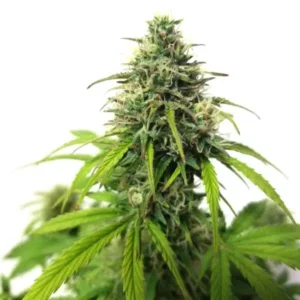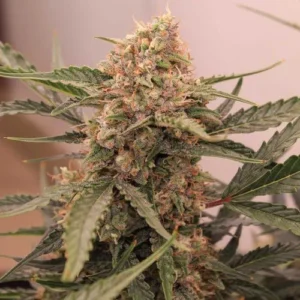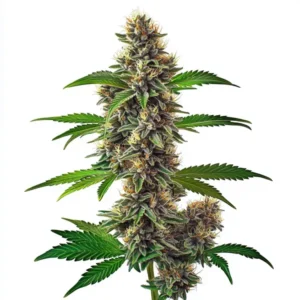
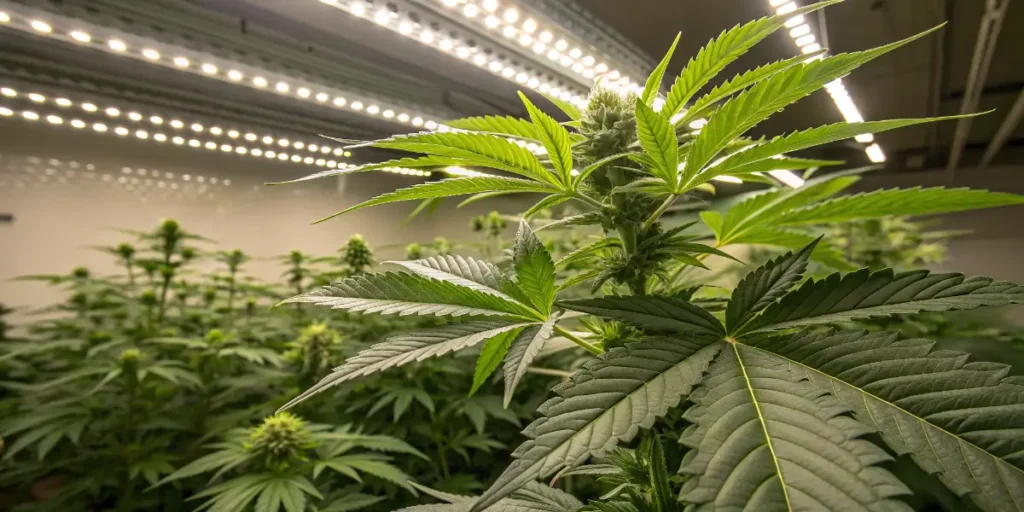

To start cultivating Power Plant successfully, it’s essential to provide adequate lighting and a controlled climate. The plant thrives in both hydroponic systems and soil setups, offering versatility to growers. With its robust nature, this variety grows well indoors, where temperature and humidity levels can easily be adjusted, ensuring an optimal environment for healthy bud development.
When nurtured properly, this cultivar can reach impressive heights, often necessitating a topping or trimming approach to manage its canopy effectively. Paying close attention to nutrient inputs is crucial; balanced feeding regimes will prevent any deficiencies and promote vigorous growth. Moreover, monitoring water pH levels can significantly impact the availability of nutrients, contributing to a successful cultivation cycle.
Recommended Strains
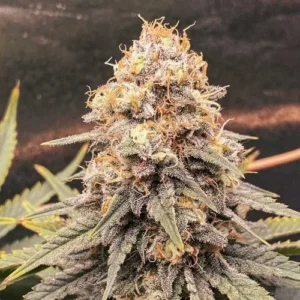
Power Plant

|
THC | 15% - 20% (Medium) |

|
Lineage | Original South African Power Plant |

|
Type | Feminized |

|
Height | 4.92 ft | 1.5 m |

|
Yield | High |

|
Yield Indoor | 1.64 - 1.97 oz/ft² | 500 - 600 g/m² |

|
Yield Outdoor | 28.22 oz/plant | 800 g/plant |

|
Flowering Time | 8 - 10 weeks |

|
Phenotype | 40% Indica / 60% Sativa |

|
Effects | Talkative, Energetic, Focused |

|
Flavors | Pepper, Woody, Earthy |
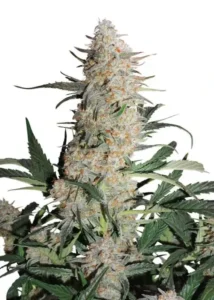
Auto Power Plant
|
|
THC | 19% - 20% (Medium) |
|
|
Lineage | Power Plant x Ruderalis |
|
|
Type | Autoflowering |
|
|
Height | 3.94 ft | 1.2 m |
|
|
Yield | High |
|
|
Yield Indoor | 1.64 - 1.97 oz/ft² | 500 - 600 g/m² |
|
|
Life Cycle | 10 - 11 weeks |
|
|
Phenotype | 40% Indica / 60% Sativa |
|
|
Effects | Energetic, Euphoric, Happy |
|
|
Flavors | Sweet, Earthy, Fruity |
As harvest time approaches, growers can expect the plant to display dense, resin-rich buds with distinctive terpene profiles typical of this genetics. Checking trichome color is a reliable method to determine when to start harvesting. Properly dried and cured, Power Plant delivers a remarkable yield of high-quality cannabis. Attention to these steps ensures an abundant and rewarding harvesting experience.
Power Plant Strain Overview: Traits, Effects & Genetics
This variety is renowned among cannabis enthusiasts for its robust growth characteristics and impressive yield. Originating from Dutch passion, the genetics of this strain are heavily influenced by South African sativa. It’s prized by cultivators for both indoor and outdoor cultivation due to its resilient nature, making it a popular choice among growers seeking a high-yield harvest.
A defining trait of this cultivar is its distinct aroma, thanks to a rich terpene profile that includes notes of earthiness and subtle floral undertones. When it comes to effects, the strain is celebrated for its uplifting and energetic high, making it ideal for daytime use. The plant’s buds are dense and packed with cannabinoids, offering a potent experience for users.
This strain’s rapid flowering time is a beneficial trait for cultivators looking to maximize turnover. The plant usually reaches maturity in about 8-9 weeks, offering a generous yield of high-quality buds. Its resilient nature makes it adaptable to various growing environments, providing opportunities for both novice and experienced growers to achieve a successful harvest.
Power Plant is favored for its balance of ease in cultivation and the quality of its output. It continues to be a staple in the cannabis community due to its consistency and the potency of its effects. This combination of traits ensures that the variety remains a top choice for those looking to cultivate a rewarding crop with minimal fuss.
Optimal Environment to Grow Power Plant Successfully
Cultivating this strain requires an environment that mimics its natural habitat for optimal growth. Growers should maintain temperatures between 70°F and 85°F, as this range supports vigorous growth and healthy buds. Proper lighting, such as high-intensity discharge (HID) lamps, is essential, providing the intensity this variety needs to thrive and maximize its yield potential.
Humidity control plays a crucial role in the successful cultivation of this genetics, with 40-50% relative humidity being ideal during the vegetative phase. As the plant progresses into flowering, lowering humidity to 30-40% can help reduce the risk of mold, protect terpenes, and ensure a smooth harvest. Proper ventilation is also vital to prevent moisture buildup.
Soil quality and nutrients significantly influence the development of cannabis, especially when aiming for maximum yield. It is recommended to use high-quality, well-aerated soil with ample organic matter. Fertilizers should be rich in nitrogen during vegetative stages and abundant in phosphorus and potassium during flowering. Monitoring pH levels, ideally between 6.0 and 6.5, will keep the plant’s root system healthy.
Overall, to grow Power Plant successfully, it’s essential to provide a tailored environment, emphasizing temperature and humidity control, adequate lighting, and nutrient-rich soil. By paying close attention to these factors, growers can enhance this cultivar’s overall health and productivity, ensuring a bountiful harvest with potent buds and rich, aromatic terpenes indicative of high-quality cannabis.
Grow Room Setup for Power Plant Plants
When cultivating this strain, ensuring your grow room is well-equipped is critical for optimizing buds and terpenes. Start by creating a space that allows control over various environmental factors. Ideal temperature ranges from 70-85°F during the day and slightly cooler at night. Humidity should vary as the plant develops, beginning at 65-70% during vegetative stages and reducing to 40-50% during flowering.
Lighting is a crucial element for cultivating this variety. Power Plant thrives under a mix of fluorescent and HID lights, which mimic the natural sunlight it needs to produce robust buds. Ensure the lights are adjustable to maintain a proper distance from the canopy, usually 18-24 inches, preventing heat stress while maximizing photosynthesis for a bountiful harvest.
Ventilation is another important factor in a successful grow room setup. Proper airflow helps maintain stable temperature and humidity levels while preventing mold and pest infestations. Installing oscillating fans will distribute air evenly throughout the space. Additionally, using carbon filters can help manage odors, particularly during the flowering periods of this cultivar.
Consider the medium and nutrients used for growing the plant. Utilizing a well-aerated soil mix or hydroponic systems can support healthy root development. This strain responds well to balanced nutrient regimens focussing on nitrogen during the vegetative phase and increased phosphorus and potassium during flowering. Tuning into the specific needs of Power Plant can maximize its yield potential effectively.
Indoor Growing Tips for Power Plant
For successful cultivation of this strain, maintain a consistent environment. The plant thrives in temperatures between 70-80°F with humidity levels of 40-50%. Proper ventilation is essential to prevent mold and mildew, ensuring robust buds and an aromatic terpene profile. Consider using LED lights, which provide the full spectrum needed for healthy growth and better energy efficiency.
This variety benefits from the Screen of Green (ScrOG) technique, which maximizes light exposure and improves yield. Train the branches to spread evenly across the screen, encouraging even growth and higher bud production. Regularly trim lower foliage to enhance airflow and focus the plant’s energy on the developing colas, boosting the overall yield and cannabinoids.
Nutrient management is crucial for this cultivar, so provide a balanced feed schedule tailored to its stages of growth. During the vegetative phase, supply nitrogen-rich fertilizers; switch to phosphorus-rich nutrients in the flowering stage to support bud development. Monitor pH levels closely to prevent nutrient lockout, ensuring optimal uptake and a bountiful harvest of aromatic, resinous buds.
Outdoor Growing Tips for Power Plant
For successful cultivation of this strain outdoors, it’s crucial to choose a location with plenty of direct sunlight, as the plant thrives in warm, sunny environments. Consider using nutrient-rich soil to support vigorous growth and maximize yield. Additionally, ensure adequate spacing between plants to promote air circulation, which helps in reducing the risk of mold and pests.
The plant, known for its robust growth, benefits from regular pruning to encourage better sunlight penetration and airflow among branches. It’s advisable to monitor the pH levels of your soil closely, aiming for a slightly acidic range to optimize nutrient uptake. Consistent watering schedules will help the plant’s root system develop strong and healthy ‘legs’ to support its towering stature.
As harvest time approaches, paying attention to the cultivar’s pistils and trichomes will help in determining the best time to harvest for peak terpene and cannabinoid profiles. Aim to sustain a balance between environmental conditions and plant health to ensure your efforts result in dense, resinous buds. This attention to detail will reward growers with a bountiful, flavorful harvest.
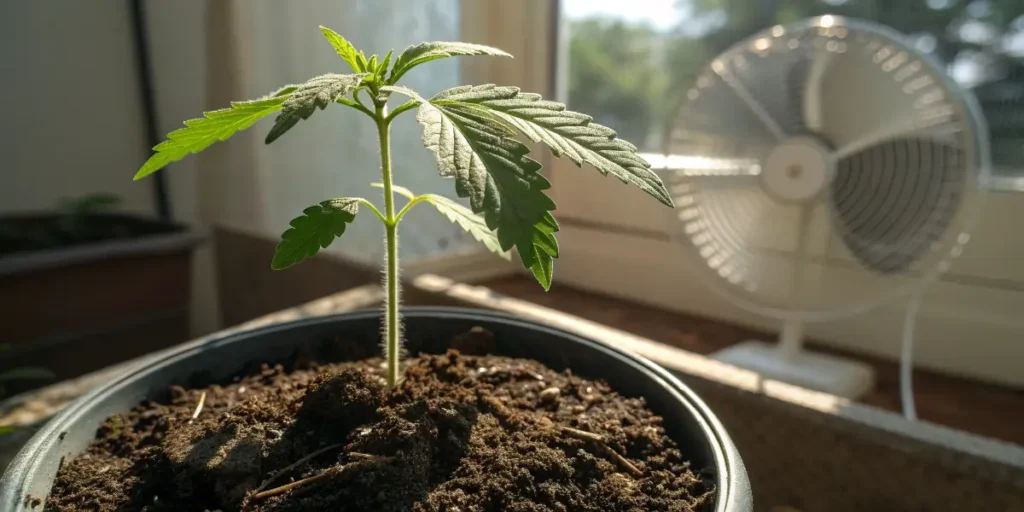
How to Germinate & Propagate
To start cultivating this strain, growers must first understand the germination process. Begin by soaking seeds in room-temperature water for 12 to 24 hours. This helps to soften the outer shell, promoting faster germination. Once soaked, transfer them to a damp paper towel, place it in a warm, dark environment, and check periodically for sprouting.
Once the seeds develop a visible taproot, they’re ready for planting. Transfer the sprouted seeds to a small pot filled with quality organic soil. Ensure the taproot points downward and lightly cover it with soil. Keep the soil consistently moist, but avoid overwatering. This approach allows the plant to establish itself, setting the stage for healthy growth.
Propagation by cloning is another effective method for this cultivar. Take cuttings from a healthy mother plant, ensuring each has a couple of nodes. Dip the cut end in rooting gel to encourage root development, and plant it in a well-aerated medium like rockwool cubes. Maintain humidity and warmth to enhance the growth of roots and buds.
While germinating and propagating this variety, pay attention to environmental conditions such as temperature and humidity, which are crucial for success. Strive for a warm environment with ample light to encourage robust growth. Cultivators who carefully manage these factors can expect a generous yield and abundant terpenes during harvest time from Power Plant.
Vegetative Stage: Nurturing Your Power Plant Plants
During the vegetative stage, this strain benefits from increased light exposure, ideally between 18 to 24 hours a day. This extended light period promotes the growth of robust leaves and stems, setting a solid foundation for future bud production. Growers should focus on providing the plant with a nutrient-rich environment, ensuring it receives adequate nitrogen and other vital minerals.
This variety thrives in a well-drained, organic soil medium enriched with organic compost or quality fertilizers. Maintaining proper moisture levels is crucial, so avoid overwatering, which can lead to root rot. Good airflow helps strengthen the plant’s stems and prevent mold, a common concern in cannabis cultivation, ultimately ensuring a healthy and vigorous growth phase.
Regularly monitor the plant’s growth and adjust the nutrient mix as needed to prevent deficiencies that can hinder development. This cultivar’s vegetative period is critical for its ultimate yield potential, so diligent care during this stage will lead to an abundant harvest. Consistent pruning can encourage bushier growth, promoting more bud sites later in its life cycle.
Training techniques, such as topping and LST (Low-Stress Training), can be applied to this cultivar to optimize light penetration and overall structure. Such interventions maximize yield potential by ensuring that every part of the plant can support healthy bud development. With attentive care, Power Plant will reward growers with a robust structure, prepared to transition into the flowering phase.
Flowering Power Plant: What to Expect
When cultivating this strain, growers can expect a relatively short flowering period of about eight to nine weeks. During this phase, the plant develops dense buds coated with a generous layer of trichomes. The development of robust buds is a hallmark of this cultivar, making it a favorite among cannabis enthusiasts seeking potent yields and a rewarding harvest.
This variety is known for its resilience in diverse growing conditions, making it a suitable option for both novice and seasoned cultivators. As flowering progresses, the plant’s aroma becomes more pronounced, with a rich mix of earthy and sweet terpenes. Observing the plant’s progress throughout this period is essential for timing the harvest precisely.
Power Plant thrives in controlled environments, whether grown indoors or outdoors. When grown indoors, consistent light cycles and adequate space contribute to its successful flowering. Outdoor growers should ensure the plant receives ample sunlight and is protected from harsh weather conditions to maximize yield. This strain’s adaptability is one of its standout characteristics, enhancing its popularity.
As the flowering stage nears completion, the buds become denser, with an increased concentration of terpenes. This signals the closeness of harvest time, which is crucial for capturing the plant’s full potential in terms of both flavor and potency. Timing the harvest correctly not only maximizes yield but also ensures that the nuanced profile of this cultivar is fully realized.
Fertilizers & Nutrient Schedule
Feeding Power Plant requires a careful balance of nutrients to ensure healthy growth and a robust yield. During the vegetative stage, this strain benefits from a higher ratio of nitrogen to promote strong leaf and stem development. Cultivators should focus on well-balanced fertilizers specifically designed for cannabis cultivation to maximize the plant’s potential.
As this variety transitions to the flowering phase, it necessitates a shift in nutrient ratios. Reducing nitrogen while increasing phosphorus and potassium levels can encourage the growth of dense, resin-rich buds. A balanced nutrient schedule tailored to flowering cannabis will help optimize the plant’s terpene production, enhancing the aroma and flavor profile of the harvested buds.
Experienced growers of this cultivar often supplement with micronutrients and organic additives. These can improve soil health and enhance nutrient uptake, ultimately boosting overall plant vitality. Products rich in calcium, magnesium, and trace elements are beneficial, especially when growing in soilless mediums. Attention to pH levels is crucial, ensuring they remain within the optimal range for cannabis cultivation.
Consistent monitoring and adjustment throughout the growing cycle are key to achieving the best results. This involves regular observation and responsive care to address any nutrient deficiencies or excesses promptly. By tailoring the feeding regime to Power Plant’s specific needs, growers can look forward to a successful harvest with impressive yields and a rich terpene profile.

Pest and Disease Prevention for Healthy Cannabis Plants
To achieve robust cannabis cultivation, it’s essential to protect your plants from pests and diseases. This cultivar, known for its high-quality buds and rich terpene profile, requires vigilant maintenance. Growers can start by ensuring appropriate environmental conditions, such as adequate airflow and humidity control. Regularly inspecting leaves for signs of infestation will help maintain the overall health of the plant.
This strain is particularly susceptible to common pests like spider mites and aphids. Implementing preventive measures, such as introducing beneficial insects or using organic sprays, can deter these invaders. Moreover, maintaining a clean grow space will reduce the risk of diseases. Removing fallen leaves and debris is crucial for minimizing fungal growth that can compromise yield and harvest quality.
Power Plant, with its resilience, still demands careful monitoring for optimal results. Consistent application of integrated pest management practices ensures that this variety thrives. By promoting a healthy growing environment, you support vigorous growth and generous harvests. Remember, early detection and intervention are key to protecting the quality and potency of your cannabis plants.
Harvesting & Drying Power Plant the Right Way
When it comes to harvesting this strain, timing is everything. Growers should monitor the trichomes closely, as they change from clear to milky white, signaling the perfect time to harvest. This ensures the highest potency and flavor profile. Carefully cutting the buds from the plant and handling them gently will help maintain the integrity of this cultivar.
Once harvested, proper drying is crucial for preserving the rich terpene profile of the plant. Hang the buds upside down in a dark, well-ventilated space with a temperature range of 60-70°F and humidity levels around 50%. This method helps to slow dry the buds, preventing mold growth while locking in the natural flavors and aromas of this variety.
Patience is key during the drying process, as rushing it can degrade the quality of the cannabis. Over the course of 7-14 days, the buds should dry to the point where stems snap cleanly. This indicates that the optimal level of moisture has been achieved, ensuring a smooth and potent smoke from the final product of your Power Plant grow.
To maximize yield and taste, curing the buds properly is essential. Place the dried buds in airtight glass jars, opening them daily for the first week to let excess moisture escape. This process, known as burping, enhances the overall quality of the buds, preserving the unique characteristics of this genetics and ensuring a premium product for consumption.
Power Plant Strain Type: Indica, Sativa or Hybrid?
Power Plant is known for its distinct Sativa characteristics, making it a sought-after choice among cannabis enthusiasts. This strain is renowned for its energetic and uplifting effects, which are ideal for daytime use. Growers appreciate the plant’s robust nature, resulting in large yields. Cultivation can thrive both indoors and outdoors, owing to its sativa-dominant genetics.
This cultivar’s notable traits include its tall stature and dense buds, typical of a Sativa strain. The plant’s terpene profile contributes to its pungent aroma and flavors, enhancing the overall sensory experience. Although predominantly Sativa, this variety remains accessible to growers of all levels, thanks to its resiliency and adaptability during cultivation, ensuring a successful harvest.
For those seeking vibrant energy and clarity, this variety embodies the quintessential qualities of Sativa strains. Its high yield makes it attractive for commercial growers while home cultivators enjoy its scalability. Recognizing this strain’s Sativa dominance allows growers to better anticipate its growth patterns and maximize its potential, ultimately leading to a rewarding cultivation endeavor.
Why Grow Power Plant? Key Benefits for Cultivators
Power Plant has become a popular choice among growers due to its robust genetics and high yield potential. This strain is known for producing dense buds filled with rich terpenes that contribute to its unique aroma and flavor profile. It is particularly appealing to cultivators seeking a reliable cannabis variety that thrives under various growing conditions.
When cultivating this variety, growers appreciate its relatively short flowering period, which allows for quicker harvest cycles. The plant is also adaptable to both indoor and outdoor environments, making it versatile for different cultivation setups. Furthermore, the resilient nature of this cultivar means it can withstand common growing challenges, easing the burden on growers.
This cultivar is prized for delivering impressive yields, often boasting a substantial output of quality buds. Its consistent performance makes it a favorite among commercial and home growers alike. By investing in this plant, cultivators gain a reliable crop known for potent effects, ensuring a rewarding harvest at the end of each cycle.
Potential Challenges When Growing Power Plant
When cultivating Power Plant, growers may encounter specific challenges unique to this strain. One key issue is managing its rapid growth, as this variety tends to stretch significantly during the flowering phase. Ensuring adequate space and lighting is crucial for maximizing its potential yield and potency. Regular pruning can help control the plant’s height and ensure proper air circulation.
This cultivar is on the sensitive side regarding nutrient balance, often requiring a careful feeding schedule to prevent nutrient burn or deficiencies. Monitoring soil health and pH levels is vital to ensuring optimal growth. Growers should utilize high-quality fertilizers and amendments, regularly adjusting according to the plant’s development stage and specific needs.
The plant’s dense buds can make it susceptible to mold and mildew, especially in humid climates. Maintaining a consistent airflow and humidity level within the growing space is essential to protect the buds and preserve their rich terpene profile. Using fans and proper ventilation can help mitigate these risks and promote healthy cannabis cultivation.
Is This Strain Worth Buying? Here’s What You Need to Know
This strain has captivated cannabis enthusiasts and growers alike for its robust growth and unique characteristics. Known for its high yield and quick harvest time, this variety is a favorite among cultivators. The plant’s resilient nature makes it a perfect choice for both novice and experienced growers, offering a rewarding cultivation experience.
One of the most appealing aspects of this cultivar is its impressive terpene profile, which contributes to its distinct aroma and flavor. These aromatic compounds enhance the overall sensory experience and make the buds highly desirable. Additionally, this strain’s manageable height and structure allow it to thrive in various growing environments, whether indoors or outdoors.
Power Plant stands out for its consistent performance and reliability. Buyers interested in a strain that combines ease of cultivation with generous yields will find it a worthwhile investment. The plant’s ability to produce abundant and potent buds ensures that it remains a staple in many cultivation setups. Ultimately, this variety’s reputation and steady results make it a sought-after choice.
FAQs
What is the ideal climate for cultivating Power Plant?
Power Plant thrives in a Mediterranean-like climate, with mild temperatures and low humidity. Although it can be grown indoors, it performs exceptionally well outdoors where there is plenty of sunlight. Maintaining temperatures between 70-85°F (21-29°C) ensures optimal growth. This variety is known for its resilience against most environmental stresses, though consistent conditions help maximize yield and potency.
How long does it take for Power Plant to flower?
The flowering time for Power Plant is typically between 7 to 9 weeks. This relatively short period is one of its appealing traits, allowing for a quicker turnaround compared to many other strains. Growers can expect a robust growth cycle that finishes promptly with dense buds. For outdoor grows, anticipate harvest around late September to early October, depending on your location’s climate.
What are the yield expectations when growing Power Plant?
Under optimal conditions, this strain can produce impressive yields. Indoor growers can expect approximately 500-600 grams per square meter, while outdoor cultivation can reach up to 800 grams per plant. Its generous yield is one reason Power Plant is favored among commercial growers. Ensuring adequate nutrients and maintaining a stress-free environment are key to achieving these results.
Are there common problems associated with growing this strain?
While Power Plant is relatively easy to grow, it is not without potential issues. Pests such as spider mites and mold due to humidity fluctuations can be a concern. Regular inspection and maintaining consistent environmental conditions can mitigate these challenges. Utilizing IPM (Integrated Pest Management) techniques and maintaining proper airflow are effective strategies in keeping the plant healthy and pest-free.
What nutrient needs does Power Plant have?
This cultivar benefits greatly from a balanced nutrient regimen, particularly during its flowering phase. A nutrient mix rich in phosphorus and potassium, with sufficient nitrogen, supports vigorous growth and resin production. Using quality organic fertilizers can enhance flavor and potency. Monitoring and adjusting pH levels of the soil or hydroponic solution is also important for optimal nutrient uptake.