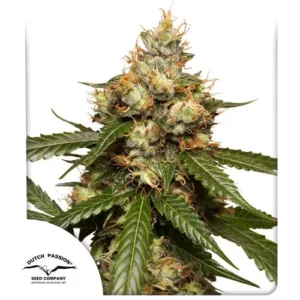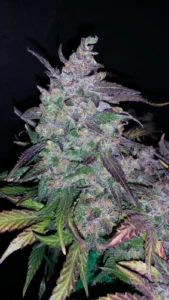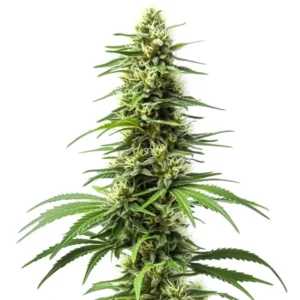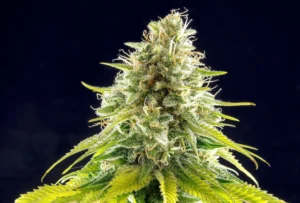

Growing Pumpkin Spice requires attention to detail for optimal results. Start by selecting a nutrient-rich soil mix and ensuring proper drainage. This strain thrives in environments with consistent temperature and humidity levels. Adequately spacing plants encourages healthy growth and maximizes the yield. Regularly check the soil’s pH and adjust as necessary for robust cannabis cultivation.
Once the plant enters the flowering stage, implement a balanced feeding schedule to enhance bud development. The genetics of this variety benefit significantly from a controlled lighting regimen, generally 12 hours of light and 12 hours of darkness, to simulate natural cycles. Monitoring the size of the buds and checking for pest invasions is crucial during this period.
Recommended Strains
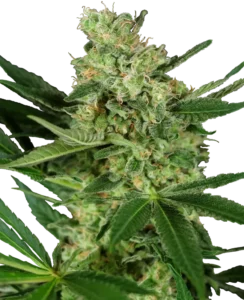
Pumpkin Spice Strain

|
THC | 21% - 23% (Medium) |

|
Lineage | Sour Apple x Animal Cookies |

|
Type | Feminized |

|
Height | 5.74 ft | 1.75 m |

|
Yield | Medium |

|
Yield Indoor | 1.31 - 1.8 oz/ft² | 400 - 550 g/m² |

|
Flowering Time | 9 - 10 weeks |

|
Phenotype | 50% Indica / 50% Sativa |

|
Effects | Creative, Uplifted, Happy |

|
Flavors | Apple, Earthy, Citrus, Pine |
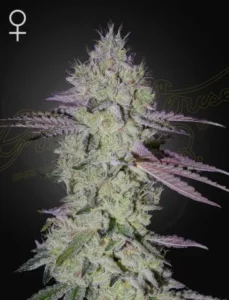
Tarte Tatin Greenhouse Seeds
|
|
THC | 22% - 23% (Medium) |
|
|
Lineage | Caramel Apple Gelato x King’s Tart |
|
|
Type | Feminized |
|
|
Height | 6.56 ft | 2 m |

|
Yield Outdoor | 35.27 oz/plant | 1000 g/plant |
|
|
Flowering Time | 8 - 9 weeks |
|
|
Phenotype | 65% Indica / 35% Sativa |
|
|
Effects | Relaxed, Energetic, Balanced |
|
|
Flavors | Sweet, Earthy, Fruity, Vanilla |
As harvest approaches, be mindful of the strong aroma emanating from the terpenes. It’s important to harvest the buds at their peak potency for the best results. Drying and curing are essential steps post-harvest to preserve the unique flavors of this cultivar, ensuring this growing effort rewards growers with a truly exceptional product.
Pumpkin Spice Strain Overview: Traits, Effects & Genetics
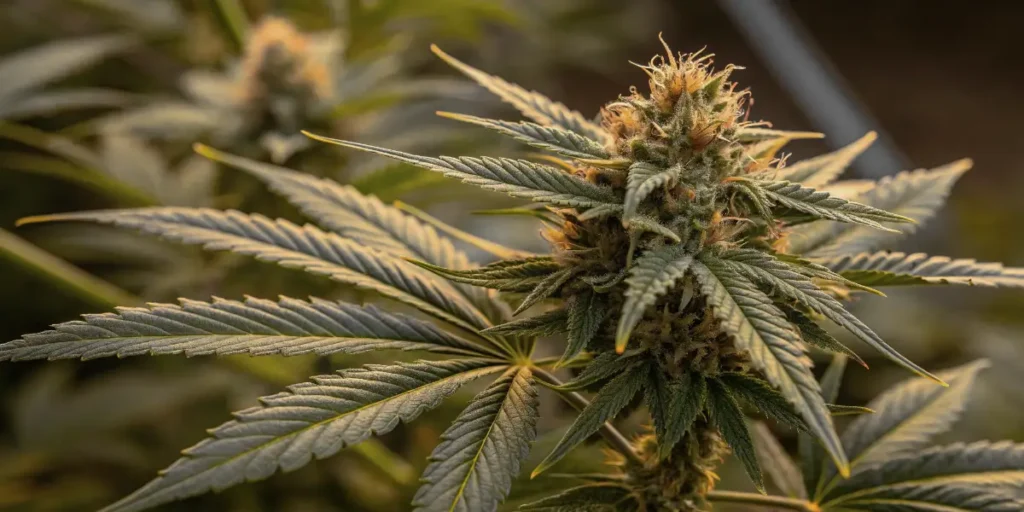
Pumpkin Spice is a unique cannabis strain that captivates growers with its distinct aromatic profile, reminiscent of autumnal spices and earthy undertones. This genetics offers a balanced blend of effects that appeal to both recreational and medicinal users. The plant’s hybrid nature results in buds that are not only aromatic but also visually appealing, featuring a mix of vibrant green and orange hues.
This strain is particularly favored for its mood-enhancing properties. Users can expect an uplifting experience that gradually transitions into a calm relaxation, making it suitable for daytime and evening use. The terpenes present in this cultivar contribute significantly to its soothing effects, offering a rich sensory experience. Cultivation of this variety is often pursued by growers seeking a reliable and potent yield.
The genetics of this cultivar are carefully bred to enhance its unique traits, resulting in a robust plant with a relatively short flowering period. Growers typically appreciate its resilience, making it an excellent choice for both novice and experienced cultivators. This variety is adaptable to various growing environments, whether indoor or outdoor, and responds well to standard cultivation techniques.
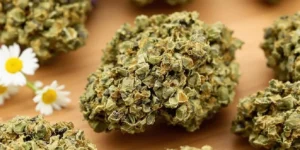
The plant’s buds are known for their density and resin production, which appeal to those interested in extraction methods. By harvest time, the yield of Pumpkin Spice can be quite rewarding, often surpassing expectations. Cultivators aiming for a consistent and high-quality output find this strain to be a worthwhile addition to their cannabis repertoire, thanks to its impressive growth traits and enjoyable effects.
Optimal Environment to Grow Pumpkin Spice Successfully
To cultivate the Pumpkin Spice strain successfully, growers must ensure a controlled indoor environment with precise temperature and humidity. This variety thrives best in temperatures between 70-80°F (21-27°C) and relative humidity levels of 40-50%. Maintaining these conditions helps the plant develop its unique terpene profile and maximizes the quality of the buds, leading to a successful harvest.
This cultivar prefers well-ventilated spaces to prevent mold and mildew. Using fans and ventilation systems can help achieve this, ensuring that the air circulates actively around the plant. The plant also benefits from CO2 supplementation, which enhances growth and increases yield. Lighting is critical too, with a strong preference for LED lights that mimic natural sunlight patterns.
Soil quality affects this strain’s performance significantly. A nutrient-rich medium, preferably a high-quality potting soil with organic matter, promotes robust growth. Growers can also use hydroponic systems for precise nutrient delivery. Regular feeding with balanced fertilizers supports the development of healthy, resinous buds, enhancing the plant’s overall vitality.
The plant’s vegetative stage requires specific attention to light cycles. A recommended 18/6 light schedule (18 hours of light, 6 hours of darkness) encourages vital vegetative growth. Adjusting to a 12/12 light cycle initiates flowering. Proper pruning and training during these stages ensure an even canopy and optimal light penetration, crucial for maximizing this cultivar’s potential yield and quality.
Grow Room Setup for Pumpkin Spice Plants
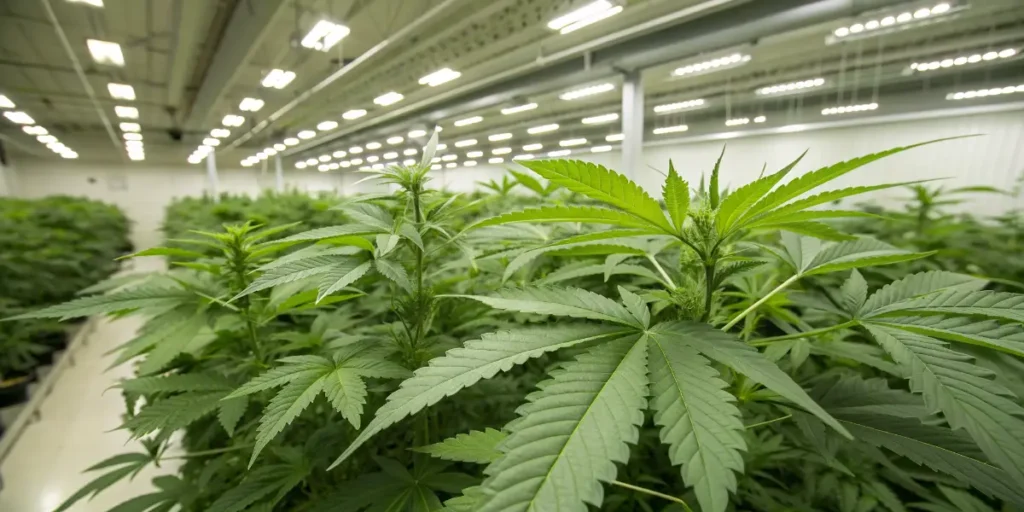
Creating an optimal grow room setup is crucial for cultivating this strain successfully. Start by selecting a space with ample ventilation and control over temperature and humidity. Ensure your grow lights are adjustable to mimic natural sunlight. This cultivar thrives under conditions where light cycles and intensity are monitored, promoting strong and healthy plant development.
Consider the size of your grow room, as Pumpkin Spice plants require space to flourish. Implementing reflective wall materials can maximize light efficiency, boosting overall yields. Additionally, choosing a suitable pot size enables proper root expansion, critical for the robust growth of this variety. Maintaining a clean environment helps prevent pests and diseases that could compromise the plant’s health and your harvest.
Temperature and humidity play a significant role in the development of buds and terpenes. Aim to keep temperatures between 70-85°F during the day and a slight drop at night. Humidity should be managed to mimic its natural preferences, generally between 40-60%. This environment encourages the plant to produce abundant and aromatic buds, while minimizing mold and mildew risks.
Finally, growers should prioritize a reliable irrigation system to provide consistent moisture levels. Utilizing high-quality soil and nutrients will further enhance the growth potential of this genetics. By ensuring all these elements are well-calibrated, cultivators can expect a superior yield and a bountiful harvest of Pumpkin Spice, packed with the desired terpene profile.
Indoor Growing Tips for Pumpkin Spice
This strain thrives in controlled indoor environments where growers can maintain stable temperatures and humidity levels. Adequate ventilation is crucial to promote healthy growth and prevent mold, which can compromise the quality of the buds. Implementing a robust fan system will ensure the air circulates efficiently, catering to the plant’s needs and optimizing the conditions for a bountiful harvest.
Providing sufficient lighting is another critical aspect of cultivating this variety. Using a combination of LED and fluorescent lights can mimic natural sunlight, boosting the photosynthesis process for this cultivar. It’s essential to adjust the light cycles to simulate natural growth periods, typically involving 18 hours of light followed by 6 hours of darkness during the vegetative phase.
Regular feeding with nutrient-rich solutions tailored for cannabis is indispensable for this plant, especially during the flowering stage when bud production peaks. Monitoring pH levels and ensuring they remain within the optimal range of about 6.0-6.5 will help the genetics of this cultivar express fully, enhancing the terpene profile and maximizing the yield potential.
Outdoor Growing Tips for Pumpkin Spice
When cultivating this strain outdoors, selecting a location with ample sunlight is crucial. This variety thrives in environments that provide a consistent amount of light throughout the day. Growers should ensure the spot is free from excessive shade and has good airflow, which helps in reducing mold risks. Regular monitoring of the plant’s exposure will foster healthy terpenes and buds during growth.
Soil quality plays a significant role in the success of this cultivar. Choose a nutrient-rich, well-draining soil to plant it, as this encourages robust root development. Adding organic compost can enhance its growth by supplying essential nutrients. Regular pH checks and adjustments, if necessary, can help in maintaining optimal conditions for this variety, leading to improved yield and healthier plants.
To maximize the harvest potential of this cannabis variety, consistent watering is a must, but avoid overwatering. Implementing a drip irrigation system can ensure that the plant receives adequate moisture without waterlogging. Additionally, timely pruning is essential to allow more sunlight to reach the lower branches, thus boosting air circulation and enhancing overall bud development for a successful cultivation season.
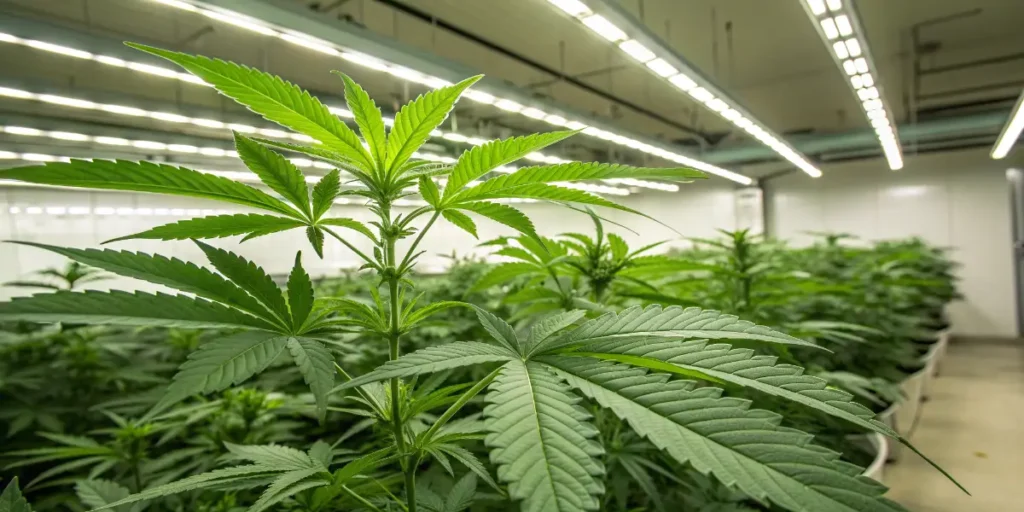
How to Germinate & Propagate
To successfully germinate this strain, start with high-quality seeds to ensure robust growth. Soak the seeds in distilled water for 12-24 hours, allowing them to absorb moisture and kickstart the germination process. After soaking, place them between damp paper towels until they sprout tiny roots, a crucial step for future cultivation success.
Once you’ve witnessed the initial germination signs, transfer these seedlings into small pots filled with a light, airy soil mix. Provide consistent moisture, but avoid waterlogging the soil, which can hinder development. For optimal growth, maintain a temperature between 70-75°F, ensuring the plant receives adequate warmth to develop strong roots and leaves.
In the propagation phase, consider using techniques like cloning to expand your garden. Take healthy cuttings from a mature Pumpkin Spice plant, ideally using sterilized equipment to prevent contamination. Place these cuttings in a rooting medium, ensuring they receive ample humidity and light until they develop a robust root system, which will lead to healthier vegetative growth.
Proper care and attention during germination and propagation will significantly impact the quality of buds and overall yield at harvest. By focusing on creating an ideal environment and using appropriate methods, growers can maximize the potential of this variety. The delightful terpenes profile and growth characteristics of the plant make it a rewarding choice for both novice and experienced cultivators.
Vegetative Stage: Nurturing Your Pumpkin Spice Plants
During the vegetative stage, the focus is on fostering robust growth for the future yield. This period is crucial for cannabis cultivation as it sets the foundation for healthy buds. Growers should ensure that this strain receives ample sunlight or high-quality indoor lighting and maintain a consistent temperature. Proper lighting helps promote vigorous development, ensuring the plant reaches its full potential.
This variety thrives in a well-balanced environment where soil quality is paramount. Rich, nutrient-dense soil enhances root health, critical for the overall vitality of the plant. Supplement the soil with organic matter to improve drainage and retention. Regular watering is essential, but be cautious of overwatering, which can drown the roots and impede the growth of this cultivar.
As the Pumpkin Spice plants enter the vegetative stage, maintaining a careful eye on the nutrient regimen is vital. Introducing a balanced fertilizer, rich in essential nutrients like nitrogen, encourages lush foliage and sturdy stems. Pruning during this phase can be beneficial, allowing for better airflow and light penetration. These practices will help establish a strong framework before flowering.
Constant monitoring of the plant’s health will ensure a smooth transition to the flowering stage. Watch for signs of stress in this genetics, such as wilting or discoloration, and adjust care routines accordingly. By maintaining optimal conditions, growers can lay the groundwork for a successful harvest, bringing out the full spectrum of terpenes and potential yield offered by this variety.
Flowering Pumpkin Spice: What to Expect
During the flowering stage, this strain showcases its true potential, drawing on its unique genetics to produce robust and aromatic buds. Growers can anticipate the transition into flowering after about 8 to 9 weeks of vegetative growth. The plant’s pistils begin to mature, and its aromatic terpene profile starts to intensify, offering a preview of the delightful harvest to come.
As Pumpkin Spice progresses in flowering, cultivators should pay close attention to nutrient requirements and environmental conditions. This variety thrives in well-ventilated spaces with consistent humidity levels to prevent mold and pests. Proper care at this stage ensures healthy bud development, maximizing both resin production and overall yield.
The flowering duration for this cultivar is typically between 8 to 10 weeks. During this period, the buds will swell, and the plant will display its characteristic colors. Growers should monitor trichome development closely to determine the optimal harvest time, as this directly affects the potency and flavor profile of the cannabis.
Ripening towards the end of flowering, the plant’s buds become dense with a frosty layer of trichomes. When ready for harvest, the terpene-rich profile renders a distinct spicy aroma reminiscent of its namesake, setting Pumpkin Spice apart from other strains. Proper drying and curing techniques will preserve the unique characteristics of this beloved variety.
Fertilizers & Nutrient Schedule
Proper nutrition is crucial for optimizing the yield and quality of this strain. When cultivating Pumpkin Spice, start with a nitrogen-rich fertilizer during its vegetative stage. This will help the plant develop lush foliage, which is essential for supporting bud growth later. Choose fertilizers designed for cannabis to ensure the right balance of nutrients.
Transitioning to the flowering stage, growers should reduce nitrogen levels and increase phosphorus and potassium. These nutrients are pivotal for the development of dense buds and enhancing terpene profiles. It is vital to monitor the nutrient solution’s pH level to prevent nutrient lockout, ensuring the plant absorbs all essential elements efficiently.
Given that this cultivar exhibits unique characteristics, it may require slight adjustments to standard feeding schedules. Pay attention to leaf coloration and plant vigor as indicators of nutrient needs. Overfeeding can lead to nutrient burn, while underfeeding could stunt growth. Tailoring the nutrient regimen to this variety’s specific demands can lead to a bountiful harvest.
Finally, consider incorporating natural supplements like compost tea and beneficial microbes. These can enhance soil health and boost the plant’s nutrient uptake capacity. By recognizing the dynamic requirements of Pumpkin Spice, growers can optimize their cultivation practices, leading to a potent and flavorful harvest that highlights the strain’s distinct characteristics.
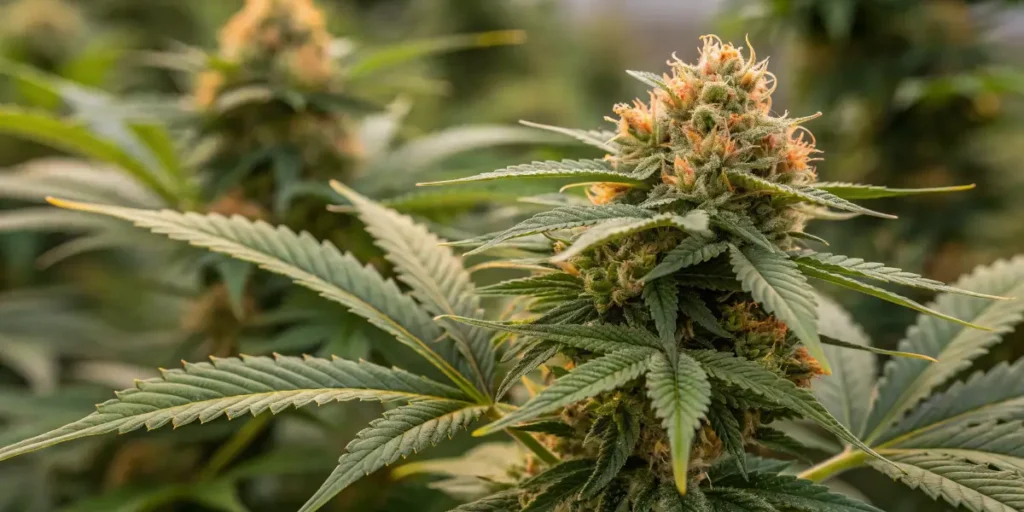
Pest and Disease Prevention for Healthy Cannabis Plants
For growers of Pumpkin Spice, maintaining plant health through effective pest and disease prevention is crucial for optimal yield and terpene production. Regularly inspect the plant for common pests like spider mites and aphids, which can damage buds. Using natural pest control methods such as neem oil can protect this strain while ensuring a healthy and robust harvest.
This variety requires consistent monitoring for signs of mold and mildew, particularly in humid environments. Good airflow and appropriate humidity levels can mitigate these risks. Growers should ensure their cannabis cultivation space is clean and free from debris, as this minimizes the potential breeding grounds for pathogens that could affect this cultivar.
Additionally, rotating this genetics with other pest-resistant strains may help reduce pest populations over time. Implementing a strategic integrated pest management approach tailored to the needs of the plant can further safeguard it against diseases, ensuring vibrant growth and a bountiful harvest. Combatting these challenges is essential for maintaining the unique qualities of the Pumpkin Spice strain.
Harvesting & Drying Pumpkin Spice the Right Way
The harvest timing of this strain is crucial for maximizing its unique terpene profile and potency. Growers should closely monitor the trichomes on the buds of this variety, aiming for a milky appearance with some amber hues. Harvesting at this stage ensures the highest yield and preserves the delicate flavors and aromas that distinguish these genetics.
Once the buds are ready, carefully cut them to preserve the branch structure. This helps maintain optimal airflow during the drying process, crucial for preserving the quality of the plant. Growers should aim to keep the environment dark, cool, and with moderate humidity, ensuring that the buds dry evenly and the cannabinoids and terpenes are preserved.
This cultivar should be dried over a period of 7 to 10 days; slow drying helps prevent unwanted mold and mildew, which can spoil the yield. By maintaining consistent conditions, growers help preserve the aromatic and flavorful terpenes that make this strain stand out. Patience during this phase pays off in the quality of the final product.
Once the drying phase is complete, it’s time to cure the buds for enhanced flavor and potency. Curing this variety properly requires sealing the dried buds in jars, opening them periodically to allow for air exchange. This process can take from two weeks up to a few months but ultimately delivers the best out of the Pumpkin Spice experience.
Pumpkin Spice Strain Type: Indica, Sativa or Hybrid?
Pumpkin Spice is a unique hybrid, masterfully blending traits from both Indica and Sativa genetics. This strain’s balanced nature makes it an attractive choice for growers interested in versatile cannabis cultivation. The plant’s profile offers a diverse range of effects, drawing on the relaxing properties of Indica and the uplifting effects of Sativa, making it suitable for varied needs and occasions.
This variety is known for its distinctive aroma and flavor profile, influenced by its diverse terpene content. Growers can expect the plant to produce dense buds with a vibrant color palette. It thrives in both indoor and outdoor environments, making it flexible for varied climatic conditions and cultivation techniques. The hybrid nature of this cultivar often leads to a bountiful harvest with significant yields.
The balance of Indica and Sativa within this strain allows for a nuanced grower experience. The plant adapts well to different training methods, catering to both beginner and advanced cultivators seeking an abundant harvest. The hybrid characteristics are exhibited not only in the growth patterns but also in the overall effect, offering a well-rounded experience that many cannabis enthusiasts appreciate.
Why Grow Pumpkin Spice? Key Benefits for Cultivators
One of the remarkable advantages of this strain is its unique terpene profile, which offers a distinctive aroma reminiscent of autumnal spices. This variation provides an attractive option for growers seeking to diversify their cultivation portfolio with a standout cannabis variety. The plant’s strong genetics ensure a robust growth cycle, making it suitable for both novice and experienced cultivators.
This cultivar’s adaptability to different growing conditions is a significant advantage for those cultivating cannabis in varied climates. The plant thrives in both indoor and outdoor environments, consistently offering generous yields. Known for producing dense, resinous buds, growers can anticipate a rewarding harvest when tending to this variety under optimal conditions.
A key benefit of Pumpkin Spice is its potential for high terpene production, which enriches the sensory experience and enhances marketability. The distinctive scent and flavor profile make the buds appealing to consumers looking for something unique. Overall, this strain offers a strong and reliable yield, ensuring that cultivators have a viable and profitable crop.
Potential Challenges When Growing Pumpkin Spice
Successfully cultivating this strain presents a unique set of challenges for growers. One issue that often arises is its sensitivity to temperature fluctuations. Maintaining a stable environment is crucial, as variations in climate can affect the plant’s development. It is vital to monitor temperature and humidity closely to ensure healthy growth and optimize the cannabis buds for a fruitful harvest.
Another challenge with this variety is ensuring optimal nutrient balance. While the plant is resilient, it requires a carefully tailored feeding schedule to thrive. Providing too much or too little nutrition can stress the plant, compromising its yield. Growers should regularly test soil and adjust nutrient levels accordingly, ensuring this cultivar receives all essential minerals necessary for robust terpene profiles.
Finally, Pumpkin Spice can be susceptible to mold and pests, particularly in humid conditions. Implementing good airflow and regular inspections can help prevent these issues. By utilizing proper ventilation and investing in quality pest control measures, cultivators can safeguard the health of this genetics throughout its lifecycle. Managing these challenges effectively will result in a successful and rewarding grow.
Is This Strain Worth Buying? Here’s What You Need to Know
Deciding whether to invest in this strain requires recognizing its unique characteristics. This cultivar is popular among growers due to its balanced combination of appealing terpenes and significant yield. Cultivators appreciate that buds from this variety can produce a potent and aromatic harvest, making cultivation a rewarding endeavor for those who prioritize both quality and quantity.
When evaluating this cultivar, consider the ease of cultivation versus its potential returns. This plant typically thrives in various conditions, offering flexibility to both experienced and novice growers. Its relatively straightforward cultivation process, coupled with high-yield potential, means cultivating this variety could be a feasible project for many cannabis enthusiasts looking to maximize their harvest.
The final aspect to consider with Pumpkin Spice is its unique aromatic profile. Combining sweet and spicy terpenes, the plant offers a distinct flavor experience, making it desirable for connoisseurs and casual users alike. As such, if you seek a cultivar that balances ease of growth, robust yield, and compelling flavors, this strain might be a worthy addition to your garden.
FAQs
What is the ideal climate for growing Pumpkin Spice?
Pumpkin Spice thrives in a warm, Mediterranean-type climate. Temperatures between 70-85°F during the day and slightly cooler nights are perfect for this strain. This cultivar prefers low humidity, especially during the flowering stage, to prevent mold and mildew. Growing it indoors allows for better climate control, but if grown outdoors, consider using a greenhouse if your local climate deviates from these conditions to get the best results from this plant.
How long is the flowering period for Pumpkin Spice?
The flowering period for Pumpkin Spice is typically 8 to 10 weeks. Growers should look for the trichomes to become milky white, with some turning amber, as a harvest indicator. During this period, the plant benefits from a stable light schedule and nutrient-rich feeding to maximize bud development and potency. Ensuring optimal conditions will help in producing a higher yield from this champion strain.
What yield can I expect from this cultivar?
With proper care and ideal growing conditions, Pumpkin Spice can produce a moderate to high yield. Indoor cultivators can expect around 400-500 grams per square meter, while outdoor growers might see up to 600 grams per plant. Pruning and training methods enhance yield, but the key lies in maintaining a harmonious environment throughout the growth cycle to realize the plant’s full potential in terms of both quality and quantity.
What are common problems when growing Pumpkin Spice?
This variety is generally resilient, yet growers may face common issues such as nutrient deficiencies or pest infestations. Monitoring the plant closely for signs of distress, like yellowing leaves or stunted growth, is crucial. Regular checks help in early detection, allowing for timely intervention. Implementing beneficial insects or organic treatments can mitigate common issues, ensuring Pumpkin Spice develops healthily through its growing cycle without significant setbacks.
What nutrients does Pumpkin Spice need to thrive?
Pumpkin Spice flourishes with a balanced nutrient regimen tailored to each growth phase. During the vegetative stage, it requires higher nitrogen levels to support robust growth. As it transitions to the flowering stage, phosphorus and potassium become critical to bolster bud development and potency. Organic options, like compost teas, can enhance nutrient uptake. Monitoring pH levels ensures that nutrients are absorbed efficiently throughout the plant’s lifecycle.