

When comparing being drunk vs being high, it’s useful to consider the different experiences and effects each can have. Alcohol and cannabis impact the body and mind in unique ways. People often seek different feelings when they consume these substances, and understanding the differences can help in making informed choices.
Drinking alcohol can lead to a range of effects. Some people feel more sociable and relaxed, while others might become aggressive or emotional. On the other hand, using cannabis is often associated with a calmer, more introspective state. These contrasting experiences highlight the varied effects of being drunk compared to being high.
Recommended Strains
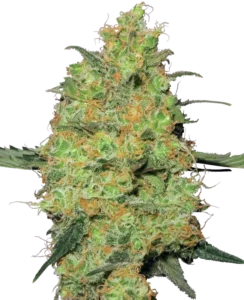
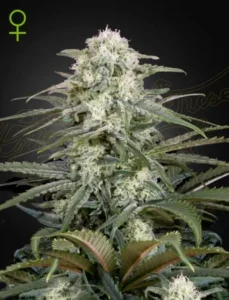
Master Kush Seeds

|
THC | 15% - 18% (Medium) |

|
Lineage | Hindu Kush |

|
Type | Feminized |

|
Height | 5.74 ft | 1.75 m |

|
Yield | Low |

|
Yield Indoor | 0.66 - 0.98 oz/ft² | 200 - 300 g/m² |

|
Flowering Time | 7 - 9 weeks |

|
Phenotype | 10% Indica / 90% Sativa |

|
Effects | Sedative, Tingly, Relaxed |

|
Flavors | Citrus, Earthy, Lemon |
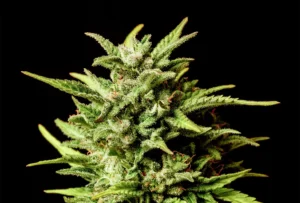
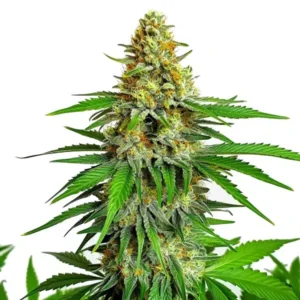
Break-Up Cake Auto
|
|
THC | 21% - 22% (Medium) |
|
|
Lineage | Girl Scout Cookies x Cherry Pie |
|
|
Type | Autoflowering |
|
|
Height | 3.94 ft | 1.2 m |
|
|
Yield | High |
|
|
Yield Indoor | 1.64 - 1.97 oz/ft² | 500 - 600 g/m² |

|
Yield Outdoor | 17.64 - 21.16 oz/plant | 500 - 600 g/plant |
|
|
Life Cycle | 7 - 8 weeks |
|
|
Phenotype | 60% Indica / 40% Sativa |
|
|
Effects | Balanced |
|
|
Flavors | Fruity, Citrus |
The differences in behavior when drunk vs high are also significant. While alcohol might make someone more impulsive or reckless, cannabis can lead to a more cautious and thoughtful approach. Understanding these behaviors can help in navigating social situations more effectively.
Physical and Mental Effects
The physical and mental effects of alcohol and cannabis differ greatly. Alcohol can impair motor skills and judgment, leading to risky behavior. Cannabis, however, may slow down reaction times but often maintains a user’s awareness of their surroundings. This contrast plays a big part in the experiences of being drunk vs being high.
Health impacts of alcohol intoxication versus cannabis use also vary. Long-term alcohol use can lead to liver damage, addiction, and other health issues. Cannabis, while not without its risks, is generally considered less harmful physically. It’s important to weigh these differences when considering which substance to use.
Moreover, the effects of being drunk compared to being high extend to cognitive functions. Alcohol can significantly impair memory and concentration, often leading to blackouts or memory lapses. In contrast, cannabis can alter perception and enhance creativity, but typically allows for a more consistent level of mental clarity.
Another aspect to consider is the duration and onset of effects. Alcohol tends to have a rapid onset, with effects that can last several hours depending on the amount consumed. Cannabis effects can vary based on consumption method, with inhalation providing quicker results while edibles take longer to manifest but might last longer. These timelines can influence the choice of substance based on the desired experience.
Decision Making and Risk
Decision making while drunk versus while high can lead to very different outcomes. Alcohol often reduces inhibitions, making people more likely to take risks they wouldn’t consider while sober. This can lead to dangerous situations or regrettable decisions.
In contrast, cannabis users often report feeling more contemplative. This state can lead to more cautious decision-making, although it might also result in indecisiveness. Therefore, understanding the impact on decision-making is crucial when comparing being drunk vs being high.
The differences in behavior when drunk vs high also extend to risk assessment. Being drunk frequently results in overconfidence and poor judgment, increasing the likelihood of engaging in unsafe activities. Cannabis, however, often heightens self-awareness, which can reduce the propensity for such behavior.
It is also worth noting that the effects of being drunk compared to being high can influence long-term decision-making patterns. Regular alcohol consumption can lead to habitual risk-taking and negative life choices, whereas cannabis users might develop a tendency towards more thoughtful and measured decisions. Recognizing these patterns can be essential for personal development and safety.
Social Consequences
The social consequences of being drunk versus high are also distinct. Alcohol can lead to loud, confrontational, or embarrassing behavior. This can negatively impact relationships and social standing. In contrast, cannabis use is often associated with a more relaxed, peaceful demeanor.
Despite these differences, both substances have their place in social settings. Understanding how each affects social interactions can help in choosing the most appropriate substance for a given occasion.
The social consequences of being drunk vs being high are often dictated by the setting and company. In certain environments, alcohol-induced exuberance might be celebrated, while cannabis’s calming influence is appreciated in more intimate gatherings. The choice between the two can significantly shape the social experience.
Moreover, long-term social implications differ as well. Regular alcohol use can lead to damaged relationships and social isolation due to unpredictable behavior. In contrast, cannabis might foster a sense of community among users but could also result in stigma in certain circles. Balancing these social consequences is key to maintaining healthy relationships.

Behavior and Interaction
When considering differences in behavior when drunk vs high, it’s important to look at how each substance impacts interaction. Alcohol often encourages more outgoing behavior, which can be both positive and negative. Some people become the life of the party, while others might start unnecessary conflicts.
Cannabis, on the other hand, might make someone more introspective or reserved. This can lead to deeper conversations or a preference for quieter environments. Recognizing these behavioral tendencies can help in choosing the right setting and company for each experience.
The effects of being drunk compared to being high also play a role in communication styles. Alcohol may lead to more boisterous and uninhibited conversations, sometimes resulting in misunderstandings or conflicts. Conversely, cannabis often promotes thoughtful dialogue and active listening, enhancing the quality of interactions.
Furthermore, the cultural perception of being drunk vs being high can influence behavior and interaction. In many societies, alcohol consumption is widely accepted and even encouraged in social settings. Cannabis, though gaining acceptance, still carries certain stigmas that can affect how users interact within different social contexts. Knowing these dynamics can guide more harmonious social experiences.
Cannabis Strains for a Balanced Experience
For those interested in exploring cannabis, selecting the right strain is key. Some strains can enhance social settings, while others are perfect for relaxation. At Global Green Genetics, you can find a variety of strains to suit different preferences.
- Blue Dream: Known for its balanced effects, Blue Dream is great for socializing without overwhelming the senses.
- Granddaddy Purple: Ideal for relaxation, this strain is perfect for unwinding after a busy day.
- Sour Diesel: With energizing effects, Sour Diesel is excellent for daytime use and creative activities.
Each of these strains offers unique experiences, allowing users to choose based on their desired effects. Whether you’re new to cannabis or an experienced grower, these options provide valuable opportunities for experimentation.
Knowing the nuances of cannabis strains can greatly enhance the experience of being drunk vs being high. For instance, those seeking to mirror the social ease often associated with alcohol might find strains like Blue Dream particularly appealing. Its balanced effects can offer the sociability of being drunk without the potential downsides.
For a more introspective experience, Granddaddy Purple provides a calming effect that can facilitate relaxation and deep thought. Meanwhile, Sour Diesel’s energizing properties can stimulate creativity and motivation, offering a productive alternative to alcohol’s often debilitating effects. Selecting the right strain is crucial for tailoring the cannabis experience to one’s needs and preferences.
FAQs
What are the main effects of being drunk compared to being high?
Being drunk often results in impaired motor skills, reduced inhibitions, and altered judgment. People may feel more outgoing but also less coordinated, which can lead to accidents or risky behavior. Alcohol is known for its quick onset and intense effects, often leading to unpredictable outcomes.
In contrast, being high from cannabis typically results in a calmer, more relaxed state. Users report altered perception, enhanced sensory experiences, and a more introspective mindset. The effects are usually more predictable, allowing for a more controlled experience.
Furthermore, the cognitive effects of being drunk compared to being high differ significantly. Alcohol can lead to memory lapses and difficulty concentrating, whereas cannabis often enhances sensory perception and creativity. This contrast can influence the choice of substance depending on the desired cognitive experience.
It’s also important to consider the potential for dependency. Alcohol has a well-documented potential for addiction, whereas cannabis is generally seen as less addictive. However, both substances require responsible use to prevent negative long-term consequences. Understanding these factors is crucial when assessing the effects of being drunk versus being high.
How do social consequences differ between alcohol and cannabis?
Alcohol use in social settings can lead to confrontational or embarrassing behavior due to its disinhibiting effects. This can strain relationships and result in regrettable actions. The loud and sometimes aggressive behavior associated with alcohol use contrasts with cannabis’s more subdued effects.
Cannabis, meanwhile, often fosters a more peaceful and relaxed social environment. While it may not encourage the same level of outgoing interaction, it can enhance deeper conversations and foster a sense of community among users. Understanding these differences can aid in making informed social choices.
Social consequences of being drunk versus high can also impact one’s reputation. Regular drunken behavior can lead to a negative social image, whereas cannabis users might be perceived as more laid-back and approachable. These perceptions can influence social dynamics and friendships.
Additionally, legal and cultural attitudes towards alcohol and cannabis can shape social experiences. In places where cannabis is still stigmatized or illegal, users may face social repercussions even in private settings. Conversely, alcohol’s widespread acceptance can sometimes mask its potential social pitfalls. Navigating these social landscapes requires awareness and adaptability.
What are the health impacts of alcohol intoxication versus cannabis use?
Long-term alcohol use is linked to numerous health issues, including liver damage, heart disease, and addiction. Alcohol’s impact on health is well-documented, with many health professionals advising moderation or abstention to mitigate risks.
Cannabis, although not risk-free, generally poses fewer health risks. Some studies suggest potential benefits, such as pain relief or reduced anxiety. However, it’s important to use cannabis responsibly and be aware of potential impacts on mental health.
Moreover, the health impacts of alcohol intoxication versus cannabis use can affect mental well-being. Chronic alcohol use is associated with depression and anxiety, whereas cannabis is sometimes used to alleviate these conditions, though it can also exacerbate them in susceptible individuals. Awareness of personal health risks is crucial when choosing between the two.
It’s also important to consider the impact on physical health. Alcohol’s toll on the liver and cardiovascular system is well-known, while cannabis’s effects are still being studied. Respiratory issues can arise from smoking cannabis, but alternative consumption methods are available. Understanding these health implications can guide safer substance use practices.
How does decision making differ when drunk versus high?
When drunk, decision-making is often impaired due to reduced inhibitions and judgment. This can lead to risky behaviors, such as driving under the influence or engaging in unsafe activities. Alcohol’s impact on the brain can make users more impulsive.
Being high, however, might lead to more cautious decision-making. While cannabis can slow reaction times, it often encourages users to think more deeply about their actions. This can result in more thoughtful choices, although it might also cause indecision in some cases.
Decision making while drunk versus while high also involves different levels of self-awareness. Alcohol tends to diminish self-awareness, leading to decisions that might be regretted later. In contrast, cannabis often enhances introspection, prompting individuals to consider the consequences of their actions more thoroughly.
The long-term impact on decision-making patterns is another factor. Habitual alcohol use can lead to a cycle of poor choices and negative consequences, while cannabis might foster a more reflective approach to decision-making. Understanding these differences can support healthier lifestyle choices and better outcomes.
What cannabis strains are recommended for different experiences?
For those looking to enhance social experiences, Blue Dream is an excellent choice. Its balanced effects make it suitable for social gatherings without overwhelming the user. Granddaddy Purple is recommended for relaxation, offering a calming effect perfect for unwinding.
Sour Diesel provides an energizing effect, ideal for creative activities or daytime use. Each of these strains from Global Green Genetics offers unique properties, allowing users to tailor their experience based on their preferences and desired outcomes.
Choosing the right strain can significantly influence the effects of being high. For instance, those seeking a social atmosphere akin to being drunk might opt for Blue Dream, known for its uplifting and sociable effects. This can create a lively yet controlled social environment.
Conversely, individuals looking for relaxation and introspection might prefer Granddaddy Purple, which offers soothing effects perfect for quiet reflection. Sour Diesel’s energizing qualities can stimulate creativity and focus, providing a productive alternative to alcohol’s potential lethargy. Understanding these options allows for a personalized and enjoyable cannabis experience.