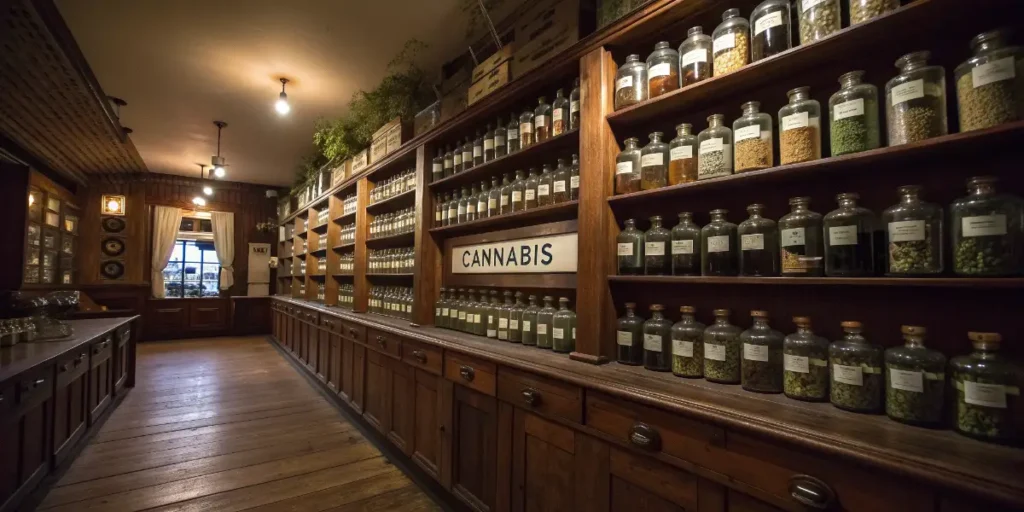

Over the years, the cannabis industry has seen significant transformations, with one of the most noticeable changes being in packaging. Cannabis packaging has come a long way from simple plastic bags to innovative, sustainable, and regulatory-compliant solutions. These developments have been driven by consumer demand, regulatory changes, and the need for branding in a competitive market.
In its early days, cannabis packaging primarily focused on functionality rather than aesthetics or compliance. However, as the industry evolved, so did the packaging, which now plays a crucial role in product preservation, consumer safety, and brand identity. The evolution of cannabis packaging mirrors the industry’s journey from the shadows into a mainstream market.
Recommended Strains
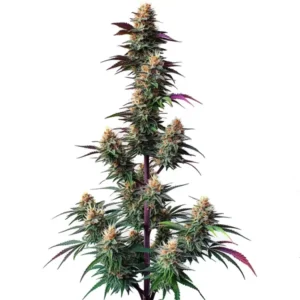
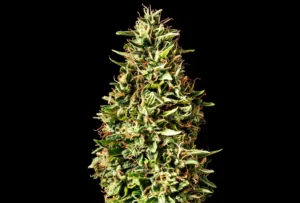
Pink Runtz Auto

|
THC | 20% - 24% (Medium) |

|
Lineage | Gelato x Zkittlez x Ruderalis |

|
Type | Autoflowering |

|
Height | 3.94 ft | 1.2 m |

|
Yield | Medium |

|
Yield Indoor | 1.31 - 1.64 oz/ft² | 400 - 500 g/m² |

|
Yield Outdoor | 4.23 - 5.29 oz/plant | 120 - 150 g/plant |

|
Life Cycle | 8 - 10 weeks |

|
Phenotype | 50% Indica / 50% Sativa |

|
Medical | Fatigue, Muscle Spasms, Stress |

|
Effects | Energetic, Euphoric, Uplifted |

|
Flavors | Cherry, Fruity, Sour, Sweet |
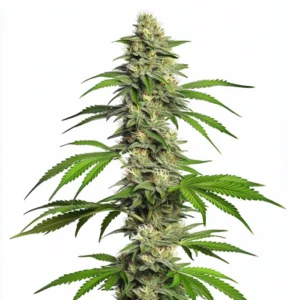
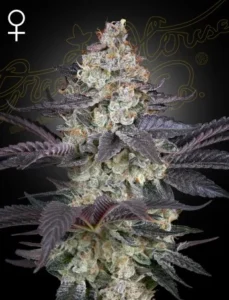
Girl Scout Cookies Auto
|
|
THC | 20% - 22% (Medium) |
|
|
Lineage | Girl Scout Cookies x Secret Rudelaris |
|
|
Type | Autoflowering |
|
|
Height | 3.28 ft | 1 m |
|
|
Yield | High |
|
|
Yield Indoor | 1.64 - 1.97 oz/ft² | 500 - 600 g/m² |
|
|
Yield Outdoor | 22.93 - 26.46 oz/plant | 650 - 750 g/plant |
|
|
Life Cycle | 8 - 10 weeks |
|
|
Phenotype | 60% Indica / 40% Sativa |
|
|
Medical | Fatigue, Muscle Spasms, Stress |
|
|
Effects | Happy, Relaxed, Talkative |
|
|
Flavors | Earthy, Sweet |
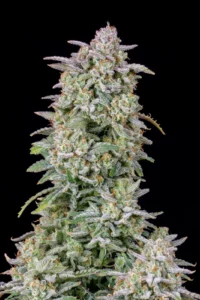
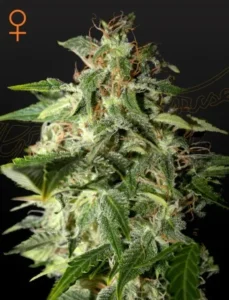
Today, modern cannabis packaging not only complies with stringent regulations but also meets consumer expectations for sustainability and child-resistance. Brands like Global Green Genetics, known for strains such as Pink Runtz Auto, Girl Scout Cookies Auto, and Runtz Auto, have embraced these innovations to offer products that are not only high in quality but also come in packaging that reflects their premium nature.
The Early Days: Simple and Functional
Initially, cannabis packaging was straightforward. Plastic bags and basic containers were the norm. These methods were primarily concerned with convenience and cost-effectiveness. However, as cannabis began to shed its taboo status, the need for more sophisticated packaging solutions became apparent.
Reflecting on the history of cannabis packaging innovations, it’s clear that the journey from simple containers to sophisticated solutions was inevitable as the industry matured. The initial rudimentary packaging methods were sufficient for an underground market but inadequate for a burgeoning legal industry. As cannabis became legalized in more areas, there was an increasing demand for packaging that not only preserved product integrity but also provided a platform for brand storytelling. The transition from simple to sophisticated packaging was a critical step in normalizing cannabis as a legitimate and mainstream product.
The Rise of Branding
As cannabis legalization spread, packaging evolved to include branding elements. Companies realized the importance of packaging in conveying brand identity and attracting customers. This shift was crucial for differentiating products in a growing market. For example, Global Green Genetics uses distinct packaging for their Pink Runtz Auto strain, which highlights its unique characteristics such as a balanced THC level and a fruity aroma.
Packaging Meets Regulation
With legalization came a wave of regulations that impacted packaging significantly. These regulations necessitated changes to ensure safety and compliance. Labels needed to include detailed product information, and packaging had to be child-resistant. These regulatory changes in cannabis packaging were pivotal in shaping the industry’s approach to product presentation.
Sustainability: A Growing Concern
As public awareness about environmental issues increased, the cannabis industry faced pressure to adopt sustainable packaging solutions. Companies began exploring eco-friendly materials and designs that would reduce their environmental footprint without compromising quality.
The evolution of sustainable cannabis packaging has not only addressed environmental concerns but also enhanced brand appeal. Consumers today are more conscientious about their purchasing choices, often preferring brands that prioritize sustainability. For example, Global Green Genetics’ use of biodegradable plastics and recycled materials for their Girl Scout Cookies Auto strain not only reduces waste but also aligns with modern consumer values. By incorporating sustainable practices into their packaging, brands can effectively communicate their commitment to the environment, thus fostering consumer trust and loyalty.
Innovative Materials
The evolution of sustainable cannabis packaging has led to the adoption of materials like biodegradable plastics and recycled paper. These materials are not only better for the environment but also resonate with eco-conscious consumers. For instance, Global Green Genetics packages their Girl Scout Cookies Auto strain using environmentally friendly materials, reflecting their commitment to sustainability.
Design for Reusability
Another trend in sustainable packaging is the design of reusable containers. These containers are crafted to be durable and aesthetically pleasing, encouraging consumers to reuse them. This approach not only reduces waste but also enhances brand loyalty, as customers associate the brand with environmental responsibility.
Child-Resistant Packaging: A Safety Priority
Advancements in child-resistant cannabis packaging have been significant. Ensuring that packaging prevents unintended access by children is a critical aspect of product safety and compliance with regulations. This has led to the development of innovative locking mechanisms and packaging designs.
Recognizing how cannabis packaging has evolved over the years reveals the increasing importance of child safety in product design. The advancements in child-resistant packaging have been driven by stricter regulations and a heightened focus on consumer safety. Global Green Genetics, for example, ensures their Runtz Auto strain is secured in packaging that is both compliant and user-friendly. These innovations include sophisticated mechanisms that require dexterity to open, thus preventing accidental consumption by children while still being convenient for adult use. This dual focus on safety and usability is a testament to the industry’s progress.
Compliance with Regulations
Child-resistant packaging is a legal requirement in many jurisdictions. This has pushed manufacturers to innovate, creating packaging that balances accessibility for adults with safety for children. Global Green Genetics ensures their Runtz Auto strain is packaged in compliant containers, prioritizing consumer safety without sacrificing convenience.
Consumer-Friendly Designs
While safety is paramount, packaging must also be user-friendly. This challenge has led to the development of designs that are easy for adults to open but secure enough to prevent access by children. These innovations in cannabis packaging help protect families while maintaining product integrity.

Modern Trends in Cannabis Packaging
Today, cannabis packaging is a blend of functionality, aesthetics, and compliance. Modern trends focus on enhancing the consumer experience through innovative designs and materials.
The modern trends in cannabis product packaging are not just about aesthetics and functionality but also about integrating technology and customization. Brands are increasingly using smart packaging to provide consumers with interactive experiences, such as QR codes that offer detailed product information and cultivation history. This trend not only enhances transparency but also allows brands to create a deeper connection with their consumers. Customization options, like those offered by Global Green Genetics for their Pink Runtz Auto, enable brands to cater to individual preferences, thus fostering a unique brand identity in a competitive landscape.
Smart Packaging Solutions
Technological advancements have introduced smart packaging solutions that enhance product interaction. Some packages include QR codes that provide detailed product information or cultivation history. This trend in cannabis product packaging offers consumers a richer experience and strengthens brand transparency.
Customization and Personalization
Customization is a growing trend in cannabis packaging. Brands are offering personalized packaging options to cater to individual consumer preferences. This approach not only enhances the consumer experience but also allows brands to build a unique identity in a crowded market.
Minimalist Aesthetics
Minimalism has become popular in cannabis packaging design. Clean lines and simple designs convey a sense of sophistication and quality. This trend is evident in the packaging of products like the Pink Runtz Auto from Global Green Genetics, which balances elegance with functionality.
Future of Cannabis Packaging
The future of cannabis packaging looks promising, with continued innovations expected to meet evolving consumer demands and regulatory requirements. As the industry grows, so will the need for packaging that reflects the quality and values of the products it contains.
Looking ahead, the integration of technology and a focus on sustainability will likely dominate future cannabis packaging trends. The incorporation of augmented reality features could offer consumers interactive experiences, providing insights into the product’s origin and usage tips. Furthermore, the drive towards a circular economy will push brands like Global Green Genetics to evaluate packaging solutions that can be reused or easily recycled, thereby minimizing environmental impact. These advancements will not only enhance the consumer experience but will also align the industry with global sustainability goals, ensuring that cannabis packaging continues to evolve responsibly.
Integration of Technology
Future packaging solutions may integrate more advanced technologies, such as augmented reality, to provide consumers with interactive experiences. These innovations will further elevate the cannabis buying experience, making it more engaging and informative.
Focus on Circular Economy
As the industry pushes towards sustainability, the concept of a circular economy in packaging is gaining traction. This involves designing packaging that can be reused, recycled, or composted, thereby minimizing waste and environmental impact.
Regulatory Evolution
Regulations will continue to shape cannabis packaging, with future changes likely focusing on improving safety and sustainability. Brands will need to stay agile, adapting to new requirements while maintaining their commitment to quality and consumer satisfaction.
Frequently Asked Questions
What are the key changes in cannabis packaging regulations over the years?
Cannabis packaging regulations have evolved significantly to ensure consumer safety and product integrity. Initially, regulations focused on basic labeling requirements. However, as the market matured, regulations expanded to include child-resistant features, detailed product information, and sustainable packaging mandates. These changes have pushed brands to innovate and adopt more sophisticated packaging solutions.
How has the sustainability trend impacted cannabis packaging?
Sustainability has become a major focus in cannabis packaging, with brands adopting eco-friendly materials and designs. This shift is driven by consumer demand for environmentally responsible products and regulatory pressures to reduce environmental impact. Companies like Global Green Genetics have responded by using biodegradable materials and designing for reusability, aligning their packaging with the values of eco-conscious consumers.
What advancements have been made in child-resistant cannabis packaging?
Significant advancements have been made in child-resistant packaging to ensure safety while maintaining user-friendliness. Innovations include sophisticated locking mechanisms and packaging designs that prevent children from accessing the contents. These advancements are crucial for compliance with legal requirements and for protecting families from accidental ingestion of cannabis products.
Why is branding important in cannabis packaging?
Branding is vital in cannabis packaging as it helps products stand out in a competitive market. Effective branding through packaging conveys a product’s quality, values, and unique characteristics. For instance, strains like Girl Scout Cookies Auto from Global Green Genetics are packaged in a way that highlights their premium nature and distinctive features, attracting consumers and building brand loyalty.
What are some modern trends in cannabis packaging?
Modern cannabis packaging trends focus on enhancing consumer experience and environmental responsibility. These include smart packaging solutions with interactive features, minimalist aesthetics for a sophisticated look, and customized options to cater to individual preferences. These trends reflect the industry’s evolution towards packaging that is not only functional but also aligned with consumer expectations for quality and innovation.