
CBD, short for cannabidiol, is a compound found in cannabis plants that has gained immense popularity for its potential health benefits. Unlike THC, which is known for its psychoactive effects, CBD is non-intoxicating, making it a sought-after option for those seeking relief without the high. In this guide, we’ll dive into everything you need to know about CBD, from its benefits to its legal status and more.
One of the fascinating aspects of CBD is its potential to provide relief for anxiety. Many individuals have reported experiencing a calming effect, which is why the benefits of CBD for anxiety relief have become a topic of interest. Additionally, CBD oil dosage for chronic pain management is another area where this compound shows promise. By interacting with receptors in the brain, CBD can influence pain perception and may offer an alternative to traditional pain medications.
When discussing CBD, it’s essential to consider its effects on sleep quality. Knowing CBD effects on sleep quality is crucial for those who struggle with insomnia or other sleep disorders. Some users report improved sleep patterns, attributing this to CBD’s ability to reduce anxiety and promote relaxation. However, individual responses can vary, and finding the right dosage is key.
What is CBD and How Does it Work?
CBD is one of over 100 cannabinoids found in cannabis plants. It interacts with the body’s endocannabinoid system (ECS), which plays a crucial role in maintaining homeostasis. The ECS is a complex network of receptors located throughout the body, including the brain, organs, and immune cells. By interacting with these receptors, CBD can influence various physiological processes.
Unlike THC, CBD does not bind directly to cannabinoid receptors. Instead, it modulates receptor activity, leading to its therapeutic effects. This non-intoxicating nature makes CBD an attractive option for those seeking relief without the psychoactive effects. For example, Charlotte’s Angel CBD from Global Green Genetics is a strain with high CBD content and minimal THC, making it ideal for therapeutic use.
CBD’s interaction with the ECS is thought to help regulate mood, pain perception, and immune function. This has led to its use in managing conditions such as anxiety, chronic pain, and inflammation. However, more research is needed to fully understand the extent of its effects and potential applications. Knowing everything about how CBD works can also help individuals make informed decisions about CBD oil dosage for chronic pain management and other therapeutic uses.
The Endocannabinoid System
The endocannabinoid system is a biological system composed of endocannabinoids, receptors, and enzymes. It plays a vital role in regulating physiological processes such as mood, appetite, and pain. There are two primary receptors in the ECS: CB1 receptors, found mainly in the brain and central nervous system, and CB2 receptors, located in the immune system and peripheral tissues.
CBD does not directly bind to these receptors. Instead, it influences them indirectly. For example, by inhibiting enzymes that break down endocannabinoids, CBD can enhance the body’s natural ability to maintain balance and well-being. This is one reason why CBD is considered beneficial for conditions like anxiety and pain.
Benefits of CBD
CBD is known for its potential therapeutic effects, which include reducing anxiety, alleviating pain, and improving sleep quality. The benefits of CBD for anxiety relief are supported by anecdotal evidence and some scientific studies. It is believed that CBD’s interaction with serotonin receptors can help regulate mood and reduce anxiety.
When it comes to pain management, CBD’s anti-inflammatory properties are thought to play a significant role. Many users report relief from chronic pain conditions, making CBD oil dosage for chronic pain management a topic of interest for many. However, it’s important to consult with a healthcare professional to determine the appropriate dosage for individual needs.
CBD’s effects on sleep quality are another area of interest. Some users find that CBD helps them fall asleep faster and stay asleep longer, leading to improved overall sleep patterns. Again, individual experiences can differ, and finding the right dosage is essential for achieving desired results.
Different Types of CBD Products
CBD is available in various forms, each offering unique benefits and applications. The most common types include oils, tinctures, edibles, topicals, and capsules. Each product type has its own onset time and duration of effects, allowing users to choose based on their specific needs and preferences.
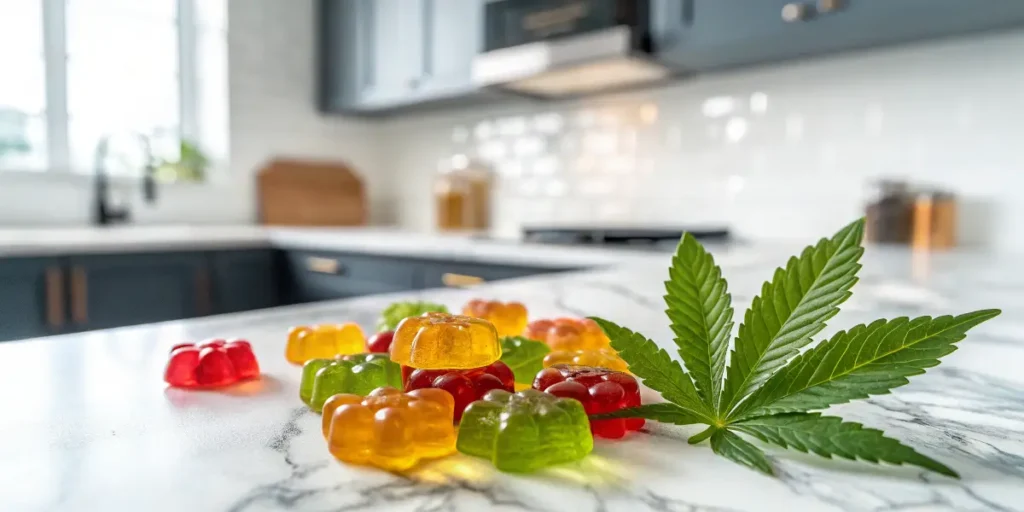
CBD oils and tinctures are popular for their versatility and ease of use. They can be taken sublingually or added to food and beverages. Edibles, such as gummies and chocolates, offer a convenient and discreet way to consume CBD, though they may take longer to take effect.
Topicals, like creams and lotions, are applied directly to the skin and are ideal for targeting localized pain or inflammation. Capsules provide a consistent dose of CBD and are easy to incorporate into a daily routine. CBG-Force Auto from Global Green Genetics is an auto-flowering strain that produces high levels of CBG, another beneficial cannabinoid, making it a great option for those interested in exploring different cannabinoids.
The range of available CBD products allows individuals to tailor their CBD experience to better meet their needs. Whether it’s choosing oils for systemic effects, topicals for localized relief, or edibles for convenience, knowing everything you need to know about CBD (Cannabidiol) helps in making informed decisions. Comparing full-spectrum and broad-spectrum CBD products also allows consumers to decide on the best option for their specific health goals.
Full-Spectrum vs. Broad-Spectrum CBD
When choosing a CBD product, it’s important to understand the differences between full-spectrum and broad-spectrum options. Full-spectrum CBD contains all the naturally occurring cannabinoids, terpenes, and flavonoids found in the cannabis plant, including trace amounts of THC. This combination is believed to create the entourage effect, enhancing the overall therapeutic benefits.
Broad-spectrum CBD, on the other hand, contains multiple cannabinoids and terpenes but is THC-free. This makes it a suitable option for individuals who want to avoid THC altogether. Comparing full-spectrum and broad-spectrum CBD products can help you determine which option best suits your needs and preferences.
Isolate CBD
Isolate CBD is the purest form of CBD, containing no other cannabinoids or terpenes. It is typically available as a crystalline powder and is THC-free, making it an ideal choice for those sensitive to THC or subject to drug testing. While it lacks the entourage effect, isolate CBD can still provide therapeutic benefits.
Those new to CBD may find isolate products appealing due to their purity and simplicity. However, it’s important to consider individual needs and preferences when choosing between isolate, full-spectrum, and broad-spectrum products.

Legal Status of CBD
The legal status of CBD varies across different U.S. states, making it essential for consumers to be aware of local regulations. In general, hemp-derived CBD products containing less than 0.3% THC are federally legal in the United States. However, state laws can differ, with some states imposing stricter regulations on the sale and use of CBD products.
It’s crucial to research the specific laws in your state to ensure compliance and avoid potential legal issues. For example, some states require CBD products to be tested and labeled according to specific guidelines, while others may restrict the types of CBD products that can be sold.
When purchasing CBD products, always choose reputable brands like Global Green Genetics, which adhere to quality standards and provide transparent information about their products. This ensures you receive a safe and effective product that complies with legal regulations. Moreover, knowing everything you need to know about CBD (Cannabidiol) includes being aware of the legal status of CBD in different U.S. states to navigate the complexities of federal and state laws successfully.
Federal vs. State Laws
While hemp-derived CBD is federally legal, individual states have the authority to regulate CBD within their borders. This has led to a patchwork of laws, with some states embracing CBD and others imposing restrictions. For instance, some states require CBD products to be registered with state health departments, while others may prohibit certain forms of CBD, such as edibles.
To navigate the legal landscape, consumers should stay informed about both federal and state regulations. This knowledge can help you make informed decisions and avoid potential legal pitfalls when purchasing or using CBD products.
International Regulations
CBD’s legal status varies widely across the globe, with some countries embracing its use and others imposing strict prohibitions. In Europe, for example, CBD is generally legal, but specific regulations can differ between countries. In contrast, some Asian countries have stringent anti-cannabis laws, making CBD illegal.
Before traveling with or purchasing CBD products internationally, it’s essential to research the specific regulations in your destination country. This ensures compliance with local laws and helps you avoid legal issues while abroad.
Choosing the Right CBD Strain
Selecting the right CBD strain can significantly impact your experience and desired outcomes. Each strain has unique characteristics, including cannabinoid and terpene profiles, that influence its effects. When choosing a strain, consider factors such as desired effects, growing conditions, and personal preferences.
Charlotte’s Angel CBD from Global Green Genetics is an excellent choice for those seeking a high-CBD, low-THC strain. With a flowering time of approximately 9-10 weeks and moderate yields, it’s suitable for both indoor and outdoor cultivation. This strain is known for its calming effects, making it ideal for anxiety relief and relaxation.
Solomatic CBD Auto is another option for those interested in auto-flowering strains. With a balanced CBD to THC ratio, this strain offers therapeutic benefits without the intoxicating effects associated with higher THC levels. Its short flowering time and ease of cultivation make it a popular choice among growers.
Knowing everything you need to know about CBD (Cannabidiol) includes recognizing the importance of selecting the right strain to achieve your desired effects. Whether aiming for anxiety relief, pain management, or general relaxation, choosing between strains like Charlotte’s Angel CBD and Solomatic CBD Auto can make a significant difference in your experience. Considering factors such as growing conditions and cannabinoid profiles ensures you make a choice that aligns with your personal needs and lifestyle.
Growing Conditions and Tips
When cultivating CBD strains, consider environmental factors such as light, temperature, and humidity. These can significantly impact the plant’s growth and cannabinoid profile. For indoor growers, investing in quality lighting and climate control systems can help optimize conditions and maximize yields.
Outdoor growers should choose a location with ample sunlight and well-draining soil. Regular monitoring and maintenance are essential to ensure healthy growth and prevent pests and diseases. By knowing the unique needs of each strain, you can create an ideal environment for cultivation.
Harvesting and Processing
Harvesting CBD strains at the right time is crucial for achieving the desired cannabinoid profile. Monitor trichome development and harvest when they reach the optimal level of maturity. This ensures maximum potency and therapeutic benefits.
After harvesting, proper drying and curing are essential to preserve the cannabinoids and terpenes. This process involves drying the plants in a controlled environment, followed by curing in airtight containers. This enhances flavor and aroma while maintaining the desired effects.
FAQs
What are the benefits of CBD for anxiety relief?
CBD is known for its potential to reduce anxiety and promote relaxation. It interacts with receptors in the brain that regulate mood, such as serotonin receptors, which can help alleviate the symptoms of anxiety. Many users report feeling calmer and more at ease after using CBD, making it a popular choice for managing anxiety.
However, individual responses can vary, and it’s important to find the right dosage and product type for your specific needs. Consulting with a healthcare professional can help you determine the best approach for incorporating CBD into your anxiety management plan.
How do I determine the right CBD oil dosage for chronic pain management?
Finding the appropriate CBD oil dosage for chronic pain management involves considering factors such as body weight, individual tolerance, and the severity of the pain. It’s recommended to start with a low dose and gradually increase until the desired effects are achieved. Keeping a journal of your experiences can help you track progress and make necessary adjustments.
Consulting with a healthcare professional can provide personalized guidance and ensure safe and effective use of CBD for pain management. They can help you determine the right dosage and product type based on your specific needs and health status.
What are the effects of CBD on sleep quality?
CBD has been reported to improve sleep quality for some users by reducing anxiety and promoting relaxation. By interacting with receptors in the brain that regulate sleep-wake cycles, CBD may help individuals fall asleep faster and stay asleep longer. However, individual experiences can vary, and finding the right dosage is key.
For those struggling with sleep issues, experimenting with different CBD products and dosages can help identify the most effective approach. Consulting with a healthcare professional can also provide guidance and support in managing sleep disorders.
What is the legal status of CBD in different U.S. states?
The legal status of CBD varies across different U.S. states. While hemp-derived CBD containing less than 0.3% THC is federally legal, state laws can differ. Some states have embraced CBD and allow for its sale and use, while others impose restrictions on certain product types or require additional testing and labeling.
To ensure compliance with local regulations, it’s important to research the specific laws in your state before purchasing or using CBD products. This knowledge can help you avoid potential legal issues and make informed decisions about your CBD use.