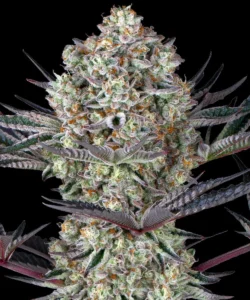


The Path to Legalization in North America
The journey of marijuana legalization in North America has been a significant driving force in the global landscape. With Canada pioneering full federal legalization in 2018, it set a precedent for neighboring countries. In the United States, a state-by-state approach has been adopted, with over half of the states now allowing medical or recreational use. This patchwork of laws demonstrates both progress and the complexity of achieving federal legalization.
One of the most popular strains in North America is Gelato 44 – Tyson S, known for its balanced THC and CBD levels, making it suitable for both recreational and medicinal use. Its relatively short flowering time and high yield make it an attractive option for growers. This strain exemplifies how the market has responded to legalization, with Global Green Genetics offering strains that meet a variety of consumer needs.
Recommended Strains

Pink Runtz Auto

|
THC | 20% - 24% (Medium) |

|
Lineage | Gelato x Zkittlez x Ruderalis |

|
Type | Autoflowering |

|
Height | 3.94 ft | 1.2 m |

|
Yield | Medium |

|
Yield Indoor | 1.31 - 1.64 oz/ft² | 400 - 500 g/m² |

|
Yield Outdoor | 4.23 - 5.29 oz/plant | 120 - 150 g/plant |

|
Life Cycle | 8 - 10 weeks |

|
Phenotype | 50% Indica / 50% Sativa |

|
Medical | Fatigue, Muscle Spasms, Stress |

|
Effects | Energetic, Euphoric, Uplifted |

|
Flavors | Cherry, Fruity, Sour, Sweet |

Corkscrew Auto - Tyson S
|
|
THC | 18% - 19% (Medium) |
|
|
Lineage | Cherry Pie Auto x Tangie |
|
|
Type | Autoflowering |
|
|
Height | 2.79 ft | 0.85 m |
|
|
Yield | Medium |
|
|
Yield Indoor | 1.47 - 1.64 oz/ft² | 450 - 500 g/m² |
|
|
Yield Outdoor | 3.17 - 6.17 oz/plant | 90 - 175 g/plant |
|
|
Life Cycle | 8 - 10 weeks |
|
|
Phenotype | 40% Indica / 55% Sativa / 5% Ruderalis |
|
|
Effects | Focused, Uplifted |
|
|
Flavors | Candy, Citrus, Pineapple |
The economic benefits of marijuana legalization in the Americas are evident, with job creation and tax revenue being significant outcomes. States like Colorado and California have seen substantial economic growth, showcasing the potential financial advantages of a regulated market. However, the challenges in marijuana policy reform across the Americas remain, as policymakers navigate public opinion and regulatory frameworks.
As more states in the U.S. consider legalizing marijuana, the future of cannabis legalization in the Americas hinges on creating holistic policies that address both economic and social aspects. The impact of marijuana legalization in North and South America is profound, influencing global discussions and encouraging other regions to consider similar measures. How The Americas Are Leading The Marijuana Legalization becomes apparent when observing the shift in public opinion on marijuana legalization in the Americas, with surveys indicating a growing acceptance that may accelerate federal changes.
Canada’s Federal Approach
Canada’s decision to legalize marijuana federally was a landmark moment. This move not only opened up new economic opportunities but also shifted public opinion on marijuana legalization in the Americas. The Canadian model is often referenced in discussions about the future of cannabis legalization in the Americas, providing a blueprint for others to follow.
In Canada, strains like OG Kush Auto have gained popularity due to their ease of growth and adaptability to the Canadian climate. With a moderate THC content, OG Kush Auto appeals to both novice and experienced growers. This strain’s auto-flowering nature ensures a quicker yield, which is ideal for those looking to maximize their harvest within the shorter growing seasons typical in northern regions.
The success of Canada’s federal approach has not only influenced neighboring countries but also highlighted the economic benefits of marijuana legalization in the Americas. By providing a structured and regulated market, Canada has seen a reduction in illegal cannabis trade and an increase in job opportunities. Global Green Genetics has been instrumental in providing strains like Gelato 44 – Tyson S, which cater to the diverse needs of Canadian consumers, reinforcing the country’s position in the global cannabis market.
South America’s Progressive Stance
South America is increasingly becoming a hub for marijuana legalization, with countries like Uruguay leading the charge. Uruguay’s groundbreaking decision to fully legalize marijuana in 2013 set the stage for others in the region. The impact of marijuana legalization in North and South America has been profound, influencing drug policy discussions worldwide.
In countries like Colombia, marijuana is seen not only as a recreational substance but also as a tool for economic development. The cultivation of cannabis for medicinal purposes has attracted international investments, highlighting the economic benefits of marijuana legalization in the Americas. This development has been a significant boost to rural economies historically reliant on illicit crops.
As South America continues to embrace marijuana legalization, the region faces challenges in marijuana policy reform across the Americas, such as aligning domestic laws with international treaties. However, the progressive stance of countries like Uruguay and Colombia serves as a testament to how the Americas are leading the marijuana legalization movement. By fostering a supportive regulatory environment, South America has positioned itself as a key player in the future of cannabis legalization in the Americas, with Pink Runtz Auto being a favored strain among both recreational users and medicinal patients.
Uruguay’s Pioneering Model
Uruguay was the first country in the world to fully legalize marijuana, paving the way for other nations in South America. This model has been instrumental in shaping public opinion on marijuana legalization in the Americas, as it demonstrates the feasibility of a regulated market. Uruguay’s approach focuses on reducing illegal trade and ensuring safe consumption.
The success of this model is evident in the increasing acceptance and normalization of cannabis use. The move has also encouraged research and development in cannabis strains, with a focus on improving yield and potency. Strains like Gelato 44 – Tyson S have become popular among Uruguayan growers for their high yields and balanced cannabinoid profiles.
The Future of Cannabis Legalization in the Americas
The future of cannabis legalization in the Americas looks promising, with ongoing discussions and policy reforms. As more countries consider legalizing marijuana, the focus is on creating frameworks that ensure safety, quality, and economic viability. The challenges in marijuana policy reform across the Americas include addressing international treaties and harmonizing regulations.
One of the critical factors influencing the future is public opinion on marijuana legalization in the Americas, which is becoming increasingly favorable. This shift is driven by greater awareness of the benefits of legalization, such as reducing crime rates and increasing tax revenues. The economic benefits of marijuana legalization in the Americas continue to be a persuasive argument for policymakers.
With the evolving landscape, strains like OG Kush Auto and Pink Runtz Auto are expected to play an integral role in satisfying consumer demands. These strains not only offer adaptability but also cater to a broad spectrum of preferences, ensuring that the market remains resilient to changes. Global Green Genetics continues to be a pioneer in this field, providing high-quality strains that support the ongoing growth and future of cannabis legalization in the Americas. The role of innovation and research remains pivotal in overcoming the challenges in marijuana policy reform across the Americas.
Policy Harmonization and International Cooperation
As the Americas lead the way in marijuana legalization, policy harmonization becomes increasingly important. Countries must work together to ensure that regulations are consistent and beneficial. International cooperation is crucial, as it allows for the sharing of best practices and the establishment of trade agreements.
The collaboration between countries can lead to advancements in cannabis research and development, with a focus on creating strains that meet global standards. Gelato 44 – Tyson S, with its balanced properties, is an example of how strains can be developed to cater to diverse market needs. Such efforts will help solidify the Americas’ position as leaders in marijuana legalization.

Challenges and Opportunities in Marijuana Legalization
While the Americas are leading the marijuana legalization movement, several challenges remain. These include regulatory hurdles, public perception, and the need for extensive research on cannabis effects. Addressing these challenges is essential for ensuring the successful implementation of legalization policies.
Opportunities abound in the form of economic growth, medical advancements, and social change. The economic benefits of marijuana legalization in the Americas are clear, with increased job opportunities and tax revenues. Moreover, the potential for medical cannabis to improve patient outcomes presents a compelling case for legalization.
How The Americas Are Leading The Marijuana Legalization is evident in their ability to navigate these challenges and harness the potential opportunities. By investing in education and advocacy, countries can shift public opinion on marijuana legalization in the Americas to create a more supportive environment for reform. Global Green Genetics, with strains like Pink Runtz Auto, exemplifies the innovative efforts needed to overcome obstacles and leverage the full benefits of legalization.
Overcoming Regulatory Hurdles
One of the main challenges in marijuana policy reform across the Americas is overcoming regulatory hurdles. These include aligning state and federal laws, ensuring product safety, and addressing international treaty obligations. Policymakers must navigate these complexities to create a cohesive legal framework.
Education and advocacy are essential in overcoming these hurdles. By informing the public and policymakers about the benefits of legalization, we can foster an environment conducive to reform. The success of strains like OG Kush Auto in regulated markets demonstrates the potential for positive outcomes when regulations are effectively implemented.
Maximizing Economic and Social Benefits
The economic benefits of marijuana legalization in the Americas are significant, with potential for job creation, tourism, and increased tax revenues. By embracing legalization, countries can transform their economies and address social issues related to drug use.
Strains such as Gelato 44 – Tyson S and Pink Runtz Auto provide opportunities for growers and entrepreneurs to capitalize on the burgeoning market. By focusing on quality and innovation, the industry can continue to thrive and contribute to economic growth. Global Green Genetics is committed to supporting this growth by offering strains that meet market needs and consumer preferences.

FAQ
What are the economic benefits of marijuana legalization in the Americas?
The economic benefits of marijuana legalization in the Americas include job creation, increased tax revenues, and the growth of ancillary industries. Legalization has also led to the development of tourism and hospitality sectors, boosting local economies. The regulated market helps reduce illegal trade, ensuring that profits are reinvested into communities.
For example, states like Colorado have seen significant economic growth due to marijuana legalization. The cannabis industry has created thousands of jobs and generated millions in tax revenues, funding public services and infrastructure projects. Global Green Genetics contributes to this growth by providing high-quality strains such as Gelato 44 – Tyson S and Pink Runtz Auto.
How does public opinion on marijuana legalization in the Americas affect policy?
Public opinion plays a crucial role in shaping marijuana legalization policies. As more people become aware of the benefits of legalization, support for reform grows. This shift in public perception influences policymakers to consider progressive legislation that aligns with the population’s preferences.
Surveys and studies have shown increasing approval for marijuana legalization, driven by factors such as economic benefits and medical potential. Public opinion can accelerate the pace of legalization, encouraging countries across the Americas to adopt more favorable policies. Strains like OG Kush Auto thrive in regions where public support for legalization is strong.
What challenges do countries face in harmonizing marijuana policies across the Americas?
Harmonizing marijuana policies across the Americas presents several challenges, including differing legal frameworks, cultural attitudes, and international treaties. Countries must work together to establish consistent regulations that ensure product safety and quality while respecting national sovereignty.
Collaborative efforts can lead to the sharing of best practices and the development of trade agreements that benefit all parties involved. By overcoming these challenges, the Americas can create a unified market that fosters innovation and economic growth. Global Green Genetics is committed to supporting these efforts by providing strains that meet diverse market needs.
What role do strains like Gelato 44 – Tyson S play in the future of cannabis legalization?
Strains like Gelato 44 – Tyson S play a vital role in the future of cannabis legalization by meeting consumer demand for high-quality products. With balanced THC and CBD levels, this strain appeals to both recreational and medicinal users, making it a versatile option for the market.
By offering strains that cater to diverse preferences, Global Green Genetics helps ensure that the market can adapt to changing consumer needs. This adaptability is crucial for the continued success of legalization efforts and the growth of the cannabis industry.
How can growers benefit from the legalization movement in the Americas?
Growers can benefit from the legalization movement in the Americas by accessing new markets and expanding their operations. Legalization opens up opportunities for cultivation, distribution, and sales, allowing growers to capitalize on the growing demand for cannabis products.
By focusing on quality and innovation, growers can differentiate themselves in a competitive market. Strains like Pink Runtz Auto and OG Kush Auto offer growers the chance to produce high-quality products that appeal to a wide range of consumers. Global Green Genetics supports growers by providing strains that are easy to cultivate and meet market demands.