

The growth or veg phase is a crucial stage in the life of a cannabis plant. During this period, plants are focused on developing a strong structure and lush foliage. This sets the foundation for the flowering phase, where buds are produced. For both new and experienced growers, understanding the nuances of this phase can significantly impact the overall yield and quality of the harvest.
Cannabis plants in the veg phase require specific care and attention. They need a balanced mix of nutrients, ample light, and proper environmental conditions. The goal is to maximize the plant’s potential during this stage to ensure a bountiful flowering phase. Whether you’re growing indoors or outdoors, optimizing veg phase growth is key to a successful harvest.
Recommended Strains
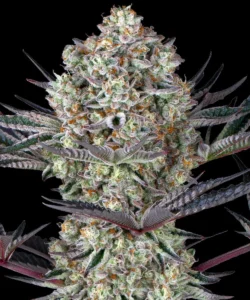
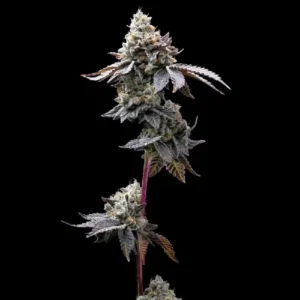
Dos Si Dos 33

|
THC | 28% - 29% (High) |

|
Lineage | Dos Si Dos x Gelato #33 |

|
Type | Feminized |

|
Height | 5.74 ft | 1.75 m |

|
Yield Outdoor | 52.91 - 70.55 oz/plant | 1500 - 2000 g/plant |

|
Flowering Time | 8 - 9 weeks |

|
Phenotype | 60% Indica / 40% Sativa |

|
Effects | Relaxed, Sedative, Happy |

|
Flavors | Mint, Lime, Spicy |
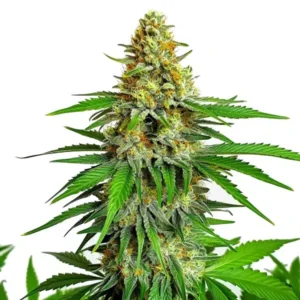
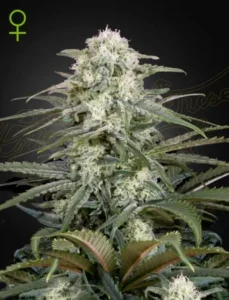
Kyle’s Cherry Ak
|
|
THC | 20% - 25% (Medium) |
|
|
Lineage | Cherry AK |
|
|
Type | Feminized |
|
|
Height | 5.91 ft | 1.8 m |

|
Yield | Low |

|
Yield Indoor | 0.66 - 1.47 oz/ft² | 200 - 450 g/m² |
|
|
Yield Outdoor | 21.16 - 28.22 oz/plant | 600 - 800 g/plant |
|
|
Flowering Time | 8 - 10 weeks |
|
|
Phenotype | 40% Indica / 60% Sativa |

|
Medical | Arthritis, Insomnia, Pain |
|
|
Effects | Happy, Relaxed, Talkative |
|
|
Flavors | Citrus, Fruity |
When selecting strains from Global Green Genetics, consider those well-suited for the growth or veg phase. For instance, strains like Northern Lights, Blue Dream, and Green Crack are known for their robust growth during this stage. Each of these strains offers unique characteristics that can enhance your gardening experience.
Light Requirements for the Veg Phase
Light is the lifeblood of cannabis plants during the veg phase. Indoor gardening veg phase strategies often include extended light periods, typically 18-24 hours of light per day. This mimics the long days of summer, encouraging the plant to grow vigorously. Using LED or fluorescent lights can provide the right spectrum and intensity for healthy growth.
Outdoor growers should take advantage of natural sunlight. Position your plants where they receive the most direct sunlight possible. In some regions, it may be beneficial to start seeds indoors and transition them outdoors as the days lengthen. This ensures they receive adequate light from the start, promoting robust vegetative growth.
In addition to the duration of light exposure, the quality of light is equally important. Opt for full-spectrum grow lights that mimic natural sunlight, as this can enhance the vegetative growth phase. Regularly adjust the height and position of your lights to ensure even distribution and prevent hotspots that can damage the plant.
Consider using reflective materials around your grow area to maximize light efficiency. Mylar sheets or reflective paint can help distribute light evenly, reducing shadows and encouraging uniform growth. This is particularly beneficial in indoor setups where maximizing available light is crucial for the growth or veg phase.
Nutrient Needs for Veg Phase
Nutrient needs for veg phase are different from other stages of growth. During this time, cannabis plants require higher levels of nitrogen. This nutrient is essential for leaf development and overall plant vigor. A balanced nutrient solution with adequate nitrogen levels can help your plants thrive.
It’s equally important to monitor pH levels. A pH range of 6.0 to 7.0 is ideal for soil, while hydroponic systems may require a slightly lower range. Regularly test your water and nutrient solution to prevent nutrient lockout, which can stunt growth and lead to deficiencies.
Additional micronutrients such as magnesium and calcium are also vital during the growth or veg phase. These elements support various plant functions, including photosynthesis and cell wall development. Incorporating a comprehensive nutrient mix can prevent deficiencies and promote robust growth.
Implementing a feeding schedule tailored to the growth or veg phase can streamline nutrient management. By dividing the nutrient solution into consistent applications, you ensure that plants receive a steady supply of essential elements. This approach minimizes the risk of nutrient burn and optimizes the plant’s growth potential.

Temperature and Humidity Control
Temperature and humidity play a significant role in the growth or veg phase. Cannabis plants prefer temperatures between 70°F and 85°F during the day. At night, a slight drop is beneficial, but avoid temperatures below 60°F. Consistent temperatures promote steady growth and prevent stress.
Humidity should be kept between 40% and 70%. Higher humidity levels are generally better for young plants. As they mature, gradually decrease humidity to prevent mold and mildew. Using a hygrometer can help you keep track of humidity levels and make necessary adjustments.
For indoor setups, consider investing in climate control equipment such as heaters, fans, and dehumidifiers. These tools allow you to fine-tune the growing environment, ensuring optimal conditions throughout the vegetative growth phase. Maintaining stability in these parameters can significantly improve plant health and vigor.
Understanding the microclimate of your grow area is also crucial. Plants near windows or vents may experience fluctuations in temperature and humidity. Regular monitoring and adjustments can prevent environmental stress, which is essential for optimizing veg phase growth and achieving a successful harvest.
Extending the Vegetative Growth Period
Some growers choose to extend the vegetative growth period to increase plant size and potential yield. This can be particularly useful for those with ample space and resources. By keeping plants in the veg phase longer, they can develop more branches and sites for bud development.
To extend the vegetative growth period, maintain the light schedule and continue providing balanced nutrients. Strains like Blue Dream and Northern Lights are known for their adaptability during extended veg phases. This approach can result in larger plants with more substantial yields.
When planning to extend the vegetative growth phase, monitor plant health closely. Extended durations in this phase can lead to increased energy demands, making balanced nutrition and optimal environmental conditions even more critical. This strategy can enhance the plant’s structural integrity and overall yield potential.
Consider the available space and resources before deciding to extend the growth or veg phase. Larger plants require more room to spread out, and overcrowding can lead to competition for light and nutrients. Thoughtful planning and management can maximize the benefits of this approach while minimizing potential drawbacks.
Pruning and Training Techniques
Pruning and training are vital techniques during the veg phase. These methods help shape the plant and encourage even canopy growth. Topping is a common technique where the main stem is cut to promote lateral growth. This results in bushier plants with more bud sites.
Low-stress training (LST) involves gently bending branches to shape the plant. This technique increases light penetration and airflow, enhancing overall growth. Regularly inspect and adjust ties as the plant grows to ensure optimal results.
Incorporating pruning and training techniques can also improve airflow within the plant canopy. This is particularly important for preventing mold and pests, which thrive in stagnant environments. A well-managed canopy ensures that all parts of the plant receive adequate light and air, critical for the growth or veg phase.
Experiment with different training methods to find what works best for your specific strains and grow setup. Techniques like ScrOG (Screen of Green) can be combined with LST to maintain an even canopy height and maximize light efficiency. These vegetative growth phase tips can lead to healthier plants and increased yields.
Common Veg Phase Issues
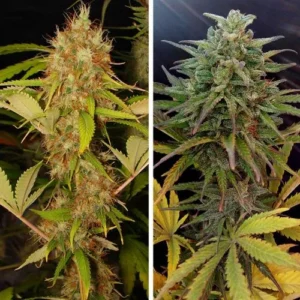
Even with the best care, issues can arise during the growth or veg phase. Yellowing leaves often indicate nutrient deficiencies, particularly nitrogen. Regularly checking and adjusting your nutrient solution can prevent this issue.
Pests are another concern. Indoor growers should keep their grow area clean and monitor for signs of infestation. Outdoor growers may need to use natural deterrents to protect their plants. Strains like Northern Lights are known for their resilience against common pests and diseases.
Overwatering is a frequent mistake, especially for new growers. Ensure your pots have adequate drainage and allow the soil to dry out between waterings. Observing your plants regularly will help you catch and resolve issues before they become significant problems.
Fungal diseases can also pose a threat during the veg phase. Ensuring proper airflow and maintaining a clean growing environment can reduce the risk of issues like powdery mildew. Regularly inspecting plants and removing any infected leaves promptly can prevent the spread of disease and protect your crop.

FAQ Section
What is the ideal light cycle for the veg phase?
During the veg phase, cannabis plants thrive on longer light cycles. Indoor growers typically use an 18/6 light cycle, meaning 18 hours of light followed by 6 hours of darkness. This mimics natural summer conditions, encouraging robust growth.
For those growing outdoors, it’s important to plant during the months when days are naturally longer. This usually means starting in late spring. If extending the vegetative growth period is desired, consider supplementary lighting to maintain longer daylight hours.
Adjusting the light cycle can also influence the overall growth pattern of your plants. Shortening the dark period can stimulate faster growth, while longer dark periods may encourage certain strains to transition into the flowering phase. Tailor the light schedule to your specific growing goals for optimal results.
Consistency is key when it comes to light schedules. Abrupt changes can stress plants and disrupt their growth cycle. Automated timers can help maintain a stable light regimen, reducing the risk of human error and ensuring your plants receive the right amount of light during the growth or veg phase.
How can I optimize veg phase growth indoors?
To optimize veg phase growth indoors, focus on providing the right environmental conditions. Use quality grow lights, ensuring they are positioned correctly for maximum coverage. Adjust the height as plants grow to maintain optimal light intensity.
Temperature and humidity control is also crucial. Invest in a reliable thermometer and hygrometer to monitor these parameters. Strains like Blue Dream can be particularly rewarding for indoor setups, given their adaptability and resilience.
Incorporating air circulation systems can further enhance indoor growth conditions. Proper ventilation ensures fresh air exchange, preventing the buildup of heat and humidity that can hinder growth. Fans and exhaust systems can be strategically placed to maintain optimal airflow.
Consider implementing a regular maintenance routine to keep your indoor garden thriving. This includes cleaning and inspecting equipment, checking for pests, and pruning plants as needed. Staying proactive in your care routine can prevent potential issues and support healthy development throughout the vegetative growth phase.
What nutrients should I use during the veg phase?
Nutrient needs for veg phase focus on high nitrogen levels. Nitrogen supports leafy growth and overall plant health. Many commercial nutrient solutions are formulated specifically for this stage and can be easily mixed with water for feeding.
Monitor pH levels to ensure nutrient uptake. For soil, aim for a pH between 6.0 and 7.0. Hydroponic systems may require a slightly lower pH. Regular testing can prevent nutrient lockout and keep your plants thriving.
Besides nitrogen, phosphorus and potassium are also essential during the veg phase. These nutrients support root development and energy transfer within the plant. A well-rounded nutrient solution that includes these elements can enhance the growth or veg phase and prepare your plants for the flowering stage.
Customize your feeding schedule based on plant response. Observe leaf color and growth patterns to gauge nutrient effectiveness. Adjust formulations as needed to address any signs of deficiency or excess, ensuring your plants receive the right balance for optimal growth.
Can extending the vegetative growth period increase yield?
Yes, extending the vegetative growth period can lead to larger plants and potentially higher yields. This is especially beneficial if you have the space and resources to support larger plants. More time in the veg phase allows for more branches and bud sites to develop.
However, it’s important to balance this with available space and light. Overcrowded conditions can lead to reduced airflow and light penetration, negatively impacting growth. Strains like Northern Lights are well-suited for extended veg phases, given their robust growth patterns.
Consider the timing and conditions of your grow setup when planning to extend the vegetative growth period. Seasonal changes and environmental factors can influence plant development, so align your strategy with the natural growth cycle to avoid setbacks.
Extended vegetative growth phases require careful planning and resource management. Ensure you have the necessary supplies and space to accommodate larger plants, and be prepared to adjust your care routine as the plants grow. This thoughtful approach can result in a more successful and rewarding harvest.
What are common problems during the veg phase?
Common problems during the veg phase include nutrient deficiencies and pest infestations. Yellowing leaves often indicate a lack of nitrogen, while twisted or discolored leaves can signal other deficiencies. Regularly adjusting your nutrient mix can help address these issues.
Pests can be a challenge, especially for outdoor growers. Keep your grow area clean and inspect plants regularly for signs of infestation. Natural pest control methods can be effective, particularly when using resilient strains like Green Crack.
Environmental stressors such as temperature fluctuations and humidity imbalances can also affect plant health during the veg phase. Monitor these conditions closely and make necessary adjustments to maintain a stable growing environment that supports healthy development.
Besides to physical stressors, improper watering practices can lead to root problems and stunt growth. Ensure your plants receive adequate water without oversaturating the soil. Observing plant response and adjusting your watering routine can prevent issues and promote robust growth during the growth or veg phase.