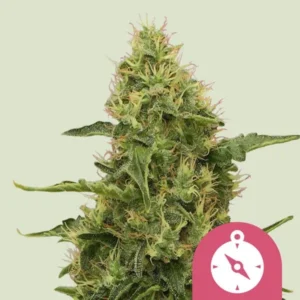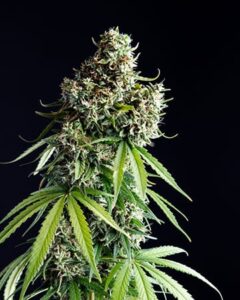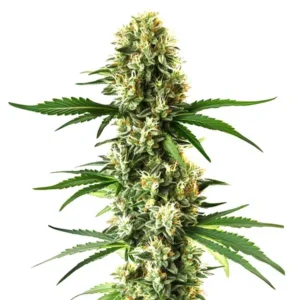

Narkosis is a unique cannabis strain prized for its distinctive terpenes and impressive yield. To cultivate this variety successfully, start by selecting a well-draining soil mix. It thrives in a warm climate with temperatures ranging between 70-85°F. Consistent watering is crucial, but avoid overwatering to prevent root rot. As it matures, Narkosis will reward growers with robust and aromatic buds.
This cultivar requires proper lighting, whether grown indoors or outdoors. Indoors, use high-intensity discharge lamps to replicate sunlight. Regular pruning will enhance airflow around the plant, mitigating mold risks. Training techniques such as topping or LST (low-stress training) can maximize light exposure and increase productivity. Maintain vigilance for pests and employ organic solutions like neem oil to protect this strain effectively.
Recommended Strains
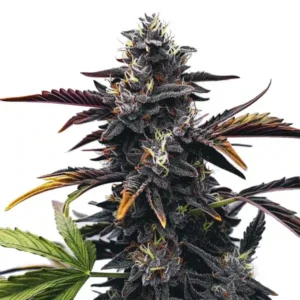
Narkosis

|
THC | 18% (Medium) |

|
Lineage | Critical x Somango |

|
Type | Feminized |

|
Height | 9.84 ft | 3 m |

|
Yield | High |

|
Yield Indoor | 1.8 oz/ft² | 550 g/m² |

|
Yield Outdoor | 19.4 - 24.69 oz/plant | 550 - 700 g/plant |

|
Flowering Time | 7 - 9 weeks |

|
Phenotype | 60% Indica / 40% Sativa |

|
Medical | Depression, Insomnia, Muscle Spasms |

|
Effects | Creative, Euphoric, Uplifted |

|
Flavors | Earthy, Fruity, Herbal |
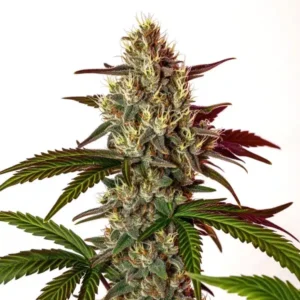
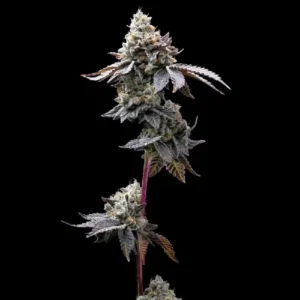
Nikki & Swami’s Maracuya
|
|
THC | 18% - 20% (Medium) |
|
|
Lineage | Sweet Pink GrapeFruity x |
|
|
Type | Feminized |
|
|
Height | 4.92 ft | 1.5 m |
|
|
Yield | High |
|
|
Yield Indoor | 1.97 oz/ft² | 600 g/m² |
|
|
Yield Outdoor | 24.69 - 28.22 oz/plant | 700 - 800 g/plant |
|
|
Flowering Time | 8 - 10 weeks |
|
|
Phenotype | 50% Indica / 50% Sativa |
|
|
Medical | Fatigue, Muscle Spasms, Stress |
|
|
Effects | Creative, Happy, Relaxed |
|
|
Flavors | Citrus, Earthy, Herbal |
As harvest approaches, pay attention to the trichomes and pistils; these indicate peak ripeness for optimal potency. Dry and cure the buds slowly to preserve terpenes, ensuring a flavorful experience. This strain is known for its high yield, rewarding growers’ patience and dedication. With care and attention, cultivating this genetics can be both a gratifying and lucrative endeavor.
Narkosis Strain Overview: Traits, Effects & Genetics
Narkosis is a unique cannabis cultivar known for its balanced blend of traits that appeal to both recreational and medicinal users. This variety offers a harmonious combination of calming and uplifting effects, making it an ideal choice for relaxation and stress relief. The plant exhibits robust growth characteristics, attracting growers who value both quality and yield.
This strain is distinguished by its dense buds, which are rich in aromatic terpenes that contribute to its distinctive fragrance. The cultivation process for this variety is relatively straightforward, with moderate requirements that make it accessible to both novice and experienced cultivators. Its flowering period is typically around eight to nine weeks, ensuring a reasonable time to harvest.
In terms of genetics, this plant results from a cross between powerful parent strains, providing it with a solid genetic foundation. This genetics contributes to the resilience of the plant, offering resistance against common pests and diseases. As a result, Narkosis can thrive in various growing conditions, including both indoor and outdoor setups.
The effects of this cultivar are primarily soothing, with an initial cerebral high that gradually transitions into a full-bodied relaxation. This combination makes it popular among users seeking relief from anxiety and insomnia. With consistent cultivation practices and attention to its flowering cycle, growers can achieve a bountiful yield that exemplifies this strain’s exceptional qualities.
Optimal Environment to Grow Narkosis Successfully
Creating the perfect climate is crucial for cultivating this strain effectively. Growers must maintain a temperature range between 70-85°F during the day and slightly cooler at night to mimic its natural habitat. Ensuring stable humidity levels between 40-50% will support robust growth. These conditions encourage the plant to develop dense buds rich in aromatic terpenes.
Lighting plays a significant role in the successful cultivation of this variety. Implementing a lighting schedule of 18 hours of light and 6 hours of darkness during the vegetative stage helps optimize its growth. Transitioning to a 12/12 cycle induces flowering, leading to a bountiful harvest. Using LED lights can enhance energy efficiency and provide the appropriate light spectrum.
This cultivar thrives in well-aerated soil with a pH level between 6.0 and 7.0. Adequate drainage prevents waterlogging, reducing the risk of root rot and promoting a healthy root system. High-quality organic nutrients tailored for cannabis can ensure the plant receives essential minerals and microelements required for vigorous growth and abundant yield.
Air circulation is indispensable to prevent mold and mildew, which can significantly impact the plant’s health. Installing fans to maintain airflow around the plant is an effective strategy. Growers should also regularly prune excess foliage to promote air movement and light penetration, facilitating the optimal development of Narkosis throughout its growth cycle.
Grow Room Setup for Narkosis Plants
Creating an optimal grow room setup for Narkosis is essential for achieving the best possible yield and terpene profile. Start by selecting a space that can accommodate all stages of cultivation, from seedlings to harvest. Make sure the area is clean and well-ventilated to prevent mold and pests, as this has a significant effect on the buds’ quality.
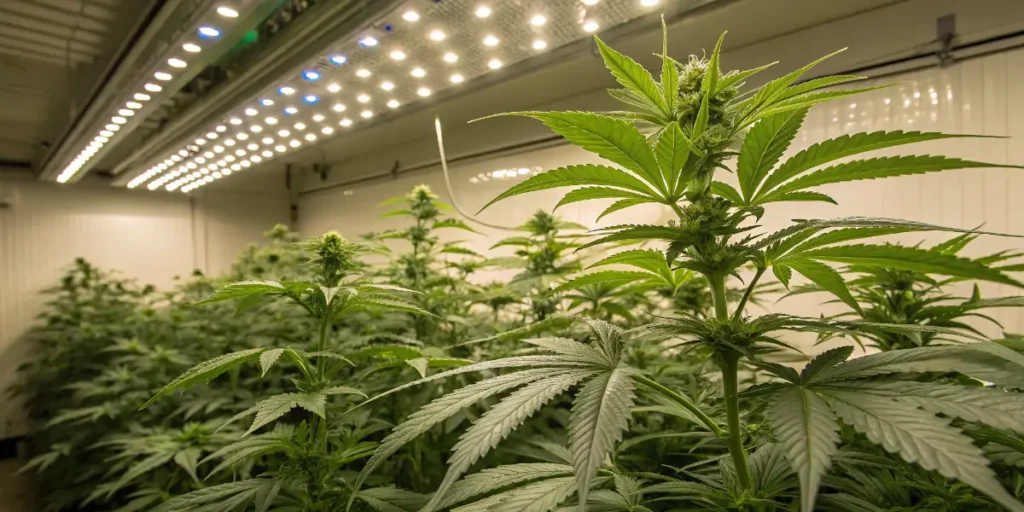
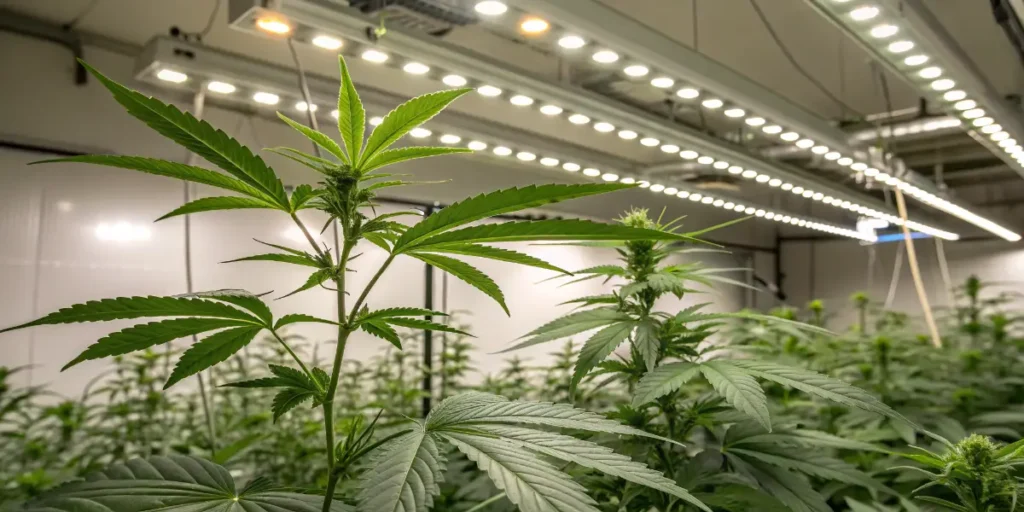
Lighting is a crucial element for this variety, which flourishes under full-spectrum LED lights. Ensure your lights mimic natural sunlight as closely as possible to enhance the plant’s growth. Adjustable lighting fixtures help growers manage the light cycles that this cultivar requires, promoting healthy development. Proper light setup impacts the quality and size of the harvest.
Temperature and humidity control play a vital role in the successful cultivation of this strain. Keep the temperature around 70-85°F during the day, with a slight drop at night. Maintain humidity levels around 40-60% during growth. Monitoring devices that provide real-time data can help you adjust conditions to suit the plant’s needs, optimizing growth and preventing stress.
Organizing your grow room for ease of maintenance will support healthier plants and more efficient processes. Equip the space with shelves or racks to keep tools and nutrients easily accessible. Regularly check your equipment to ensure functionality and avoid interruptions. Investing effort in a well-planned grow room enables healthier plants and maximizes yield potential for this genetics.
Indoor Growing Tips for Narkosis
When cultivating this strain indoors, it is essential for growers to maintain a stable environment. This variety thrives in temperatures between 70-80°F with humidity levels around 40-50%. Using high-quality soil or a hydroponic setup can enhance the plant’s nutrient uptake, resulting in healthy growth and robust buds with rich terpene profiles.
Proper lighting is crucial for maximizing the yield of this cultivar. LED grow lights are recommended as they provide the full spectrum necessary for the plant’s photosynthesis. Maintain a light schedule of 18 hours on and 6 hours off during the vegetative stage to encourage vigorous growth, gradually shifting to 12 hours of light during the flowering phase.
Nutrition plays a significant role in the successful cultivation of this genetics. Implement a consistent feeding schedule with balanced nutrients, focusing on higher phosphorus levels during the flowering stage to promote potent and flavorful buds. Regular pruning and plant training techniques can also enhance airflow and light penetration, ensuring that every inch of it develops to its full potential by harvest time.
Outdoor Growing Tips for Narkosis
When cultivating this strain outdoors, choosing the right location is crucial. It thrives in a sunny spot with plenty of direct sunlight and good airflow. Ensure that the plant has well-draining soil rich in organic matter to promote healthy growth. Regular watering is essential, but be cautious not to overwater as it can lead to root rot, affecting the overall plant health.
This variety responds well to training methods, such as topping and low-stress training, to maximize its yield. By encouraging lateral growth, growers can increase bud production and improve the exposure to sunlight. Maintaining an even canopy helps in optimizing terpene profiles, which is crucial for achieving the desired aromatic and potent effects during harvest.
To ensure a successful harvest, keep an eye on potential pests like caterpillars and aphids, as they can damage the plant significantly. Implementing preventive measures, such as neem oil and regular inspections, can assist in keeping these threats at bay. With proper care and attention, this cultivar can produce an abundant yield, rich in trichomes and resin, perfect for any cannabis enthusiast.
How to Germinate & Propagate
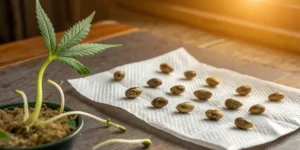
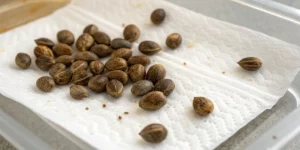
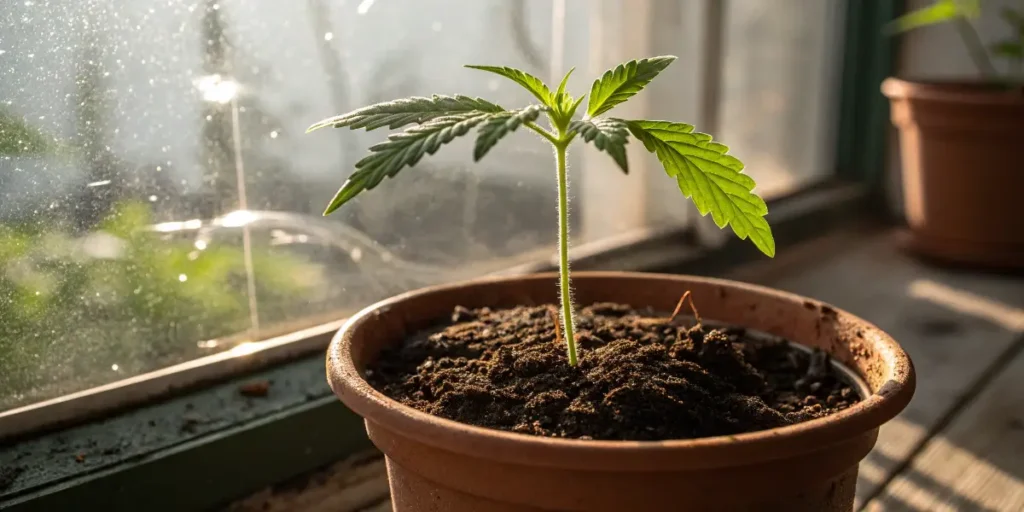
When beginning your cannabis cultivation journey with this strain, proper germination is crucial. Start by soaking the seeds in distilled water for 12 to 24 hours until they crack. This method ensures moisture penetrates the seed, preparing it for planting. Once they crack, transfer the seeds onto a damp paper towel, placing them in a warm, dark environment to encourage sprouting.
The plant will benefit from a controlled environment during its early stages. After germination, carefully place the seeds about a quarter-inch deep in a grow medium of your choice. Many growers prefer using peat pellets or seedling starter plugs to support the delicate roots. Ensure the medium is consistently moist but not waterlogged, as excessive moisture can lead to rot.
As the first set of true leaves appears, this variety is ready for transplantation. Gently move seedlings to a larger container or outdoor space, depending on your intended setup. Choose a location with ample light to encourage healthy growth and a robust yield. The developing roots will appreciate a nutrient-rich soil blend, enhancing the plant’s future terpene and bud production.
To propagate it successfully, consider techniques such as cloning. This method ensures that the genetic properties of Narkosis, including its rich terpene profile, are preserved. Take cuttings from a healthy mother plant and root them in a suitable medium. By employing these practices, growers can maximize their harvest and enjoy the unique qualities this cultivar offers.
Vegetative Stage: Nurturing Your Narkosis Plants
During the vegetative stage, providing optimal conditions is crucial for the healthy growth of this strain. Adequate lighting, typically 18-24 hours of fluorescent or LED light, ensures robust development. The plant benefits from temperatures between 70-85°F and humidity levels around 60%. These conditions foster vigorous growth, setting the foundation for future buds.
Watering techniques are vital as well. Narkosis requires a balanced approach; overwatering can suffocate the roots while underwatering may stunt growth. Maintaining a consistent schedule, watering when the top inch of soil is dry, supports the thriving cannabis. Additionally, using a nutrient-rich soil or supplementing with balanced fertilizers promotes lush foliage and stronger stems in the plant.
Pruning is another essential cultivation practice for this variety. Removing lower branches allows the plant to focus energy on main cola development, improving yield. Training techniques like topping or low-stress training (LST) can be applied to encourage a bushier structure. This helps in maximizing light exposure and optimizing the use of available space.
Monitoring and managing pest and disease is crucial at this stage. Regular inspections for signs of mold, mildew, or pests like spider mites ensure the plant remains healthy. Early intervention is key to preventing infestations that could jeopardize the overall yield and quality. With proper care, this cultivar will transition to the flowering stage beautifully, readying itself for a bountiful harvest.
Flowering Narkosis: What to Expect
During the flowering stage of Narkosis, growers can expect a transition that marks the end of the vegetative phase. This strain starts developing dense buds that are packed with potent cannabinoids and aromatic terpenes. Experienced cultivators know that lighting and nutrients play crucial roles in maximizing the plants’ potential during this phase of cannabis cultivation.
This variety typically flowers within 8 to 9 weeks, providing a balanced period for both indoor and outdoor growing environments. As the plant matures, the distinct aroma becomes more pronounced, a trait cherished by cannabis enthusiasts. Monitoring humidity and ensuring proper airflow are critical during this time, as the buds of this cultivar begin to fill out and gain weight.
During the flowering stage, the plant’s feeding needs change. It benefits from phosphorus-rich fertilizers to support robust bud development. Gardeners should be vigilant about pest control, as the dense buds can attract unwanted visitors. Ensuring optimal conditions during this period can significantly influence the yield, which is known to be generous for this genetics.
As harvest approaches, the visual cues of readiness include the coloration of pistils and trichomes. The timing of the harvest is crucial to achieving the desired potency and terpene profile. Narkosis offers a rewarding experience for growers who invest time and care during its flowering stage, culminating in a bountiful and aromatic yield that enthusiasts highly appreciate.
Fertilizers & Nutrient Schedule
Providing the right nutrients is crucial for cultivating cannabis successfully. This strain thrives on a balanced diet of macronutrients and micronutrients. During the vegetative stage, focus on higher levels of nitrogen to encourage robust growth. It’s essential to monitor the plant’s response regularly and adjust nutrient levels as needed to support the formation of strong, healthy leaves and stems.
As the plant transitions to the flowering stage, the nutrient needs change, with a greater demand for phosphorus and potassium. These nutrients play a vital role in forming dense buds and enhancing terpene production. Incorporating supplements such as calcium, magnesium, and sulfur can further benefit this variety by supporting optimal metabolic processes.
Growers should follow a feeding schedule tailored to cannabis, recognizing the specific preferences of this cultivar. Start with a half-strength nutrient solution at the onset and slowly increase to full strength as the plant matures. Always ensure the pH level of your nutrient solution is between 5.8 and 6.5 to maximize nutrient uptake and prevent deficiencies or toxicities.
Proper feeding not only impacts the overall health but also influences the yield and quality of the harvest. Consistent monitoring and precise adjustment throughout the growth cycle are key. By paying close attention to the nutritional needs of Narkosis, cultivators can ensure that the plant produces abundant, resinous buds, rich in flavor and aromatic terpenes, ready for a fruitful harvest.
Pest and Disease Prevention for Healthy Cannabis Plants
To ensure a healthy growth cycle for cannabis, particularly the Narkosis strain, implementing effective pest and disease prevention strategies is crucial. Start by selecting robust soil and providing proper drainage to reduce root rot risk. Regularly inspect the plant for signs of infestation or disease, as early detection can save the yield and preserve the quality of the buds.
This variety thrives with regulated environmental conditions. Maintain optimal humidity levels to prevent mold and mildew, which are common threats. Introducing beneficial insects like ladybugs can naturally manage pests without harming the foliage. Consistent monitoring and deliberate interventions can help preserve the terpene profiles that make this cultivar unique.
Growers should prioritize clean cultivation practices. Sterilize tools and equipment regularly to avoid cross-contamination. Crop rotation is another effective strategy in pest prevention. By keeping a clean and vigilantly managed environment, the plant can grow vigorously, leading to a successful harvest. With care and attention, this genetic line can achieve its maximum potential yield.
Harvesting & Drying
For optimal results when harvesting Narkosis, timing is crucial. Keep a close eye on the trichomes, which should be milky white with a hint of amber. This is when the terpene profile is at its peak, ensuring full flavor and potency. A misstep in timing could mean compromising the quality you’ve worked hard to achieve with this strain.
It’s essential for growers to handle the buds with care during harvest. Use sterilized tools to prevent contamination and gently trim excess leaves. This cultivar requires a careful approach to maintain its resinous coating and protect the valuable trichomes. Harvesting should be done in a clean area to minimize the introduction of mold and other impurities to the plant.
Once harvested, the drying process can begin. Hang the trimmed buds upside down in a dark, well-ventilated room, maintaining a temperature between 60-70°F and humidity around 50%. These conditions are vital to preserve the terpenes and ensure that the plant develops its full aroma and flavor profile. Proper drying is a critical part of cultivation for this variety.
Once the buds are adequately dried, they should be cured in glass jars. Store them in a cool, dark place, opening the jars daily for the first week to release moisture and inspect for mold. This curing process enhances the potency and smoothness of the smoke. Taking these steps with Narkosis will reward growers with a high-quality end product.
Narkosis Strain Type: Indica, Sativa or Hybrid?
Narkosis is a remarkable cannabis variety that strikes a perfect balance as a hybrid strain. With its unique genetics, this strain inherits characteristics from both Indica and Sativa parents, appealing to a wide range of growers and consumers. Cultivators appreciate its robust growth, while enthusiasts indulge in the harmonious blend of uplifting and relaxing effects it consistently provides.
This cultivar exhibits a slightly Indica-dominant profile, which influences its growth cycle and bud development. The plant typically delivers dense buds packed with potent terpenes, making it a favorite among growers aiming for a high-yield harvest. The structure and resilience of this variety are well-suited for diverse cultivation environments, adding to its widespread popularity among cannabis enthusiasts.
Despite its Indica dominance, this hybrid offers a delightful Sativa-infused high that manifests in energetic and creative bursts. Such a profile makes it ideal for both daytime and evening use, enhancing its appeal to a broader audience. Cultivators often commend the strain for its manageable growth patterns and reliable yield, ensuring a successful cultivation journey for both novices and seasoned growers alike.
Why Grow Narkosis? Key Benefits for Cultivators
Narkosis presents a compelling option for cannabis enthusiasts due to its robust growth characteristics. This strain is known for its resilience in various cultivation environments, making it ideal for both new and experienced growers. The plant’s ability to thrive indoors and outdoors allows for flexible growing conditions, ensuring a satisfying cultivation experience regardless of setup.
One of the standout qualities of this variety is its impressive yield potential. Cultivators can expect a generous harvest of dense, resin-rich buds. The plant’s structure supports abundant flowering, which is enhanced by its rich terpene profile. This adds not only to the quantity but also the quality of the harvest, offering a desirable product for both personal and commercial use.
This cultivar also appeals to those seeking a unique sensory experience. Its terpene blend exudes a flavorful and aromatic profile that is highly valued in the cannabis community. These characteristics, combined with its robust growth and yield potential, make it a prized choice among growers. Narkosis is a standout option for anyone looking to maximize their cultivation efforts.
Potential Challenges When Growing Narkosis
Growing this strain can present several challenges to both novice and experienced growers. One primary concern is its sensitivity to temperature fluctuations, which can impact the quality of the buds. Maintaining a stable climate is crucial, as this variety thrives best in environments that mimic its preferred conditions closely, ensuring optimal growth and terpene development.
This cultivar can also be susceptible to mold, requiring diligent humidity control. Adequate ventilation and monitoring are essential to prevent moisture buildup around the plant. Growers must be particularly attentive during the flowering phase, as dense bud structures can trap moisture, increasing mold risk. Ensuring proper airflow will mitigate these issues effectively.
Nutrient management is another critical aspect when cultivating this genetics. Narkosis is known for its specific nutrient requirements, and imbalances can lead to deficiencies or toxicities that hinder development. Implementing a balanced feeding schedule tailored for cannabis and observing the plant’s subtle cues will help in achieving a bountiful yield at harvest time. Regular checks and adjustments are recommended for healthy growth.
Is this Strain Worth Buying? Here’s What You Need to Know
When considering whether this strain is worth purchasing, its impressive yield and robust growth make it a top choice for many growers. Tailored for cannabis enthusiasts seeking a rewarding harvest, this variety offers abundant buds rich in enticing terpenes. Cultivation of this genotype is relatively straightforward, ensuring even novice growers can achieve a successful yield.
The plant is known for its resilience and adaptability, thriving in diverse environments. This flexibility allows growers to cultivate it both indoors and outdoors with relative ease. The cultivar is celebrated for producing dense buds, making it an attractive choice for those looking to maximize their harvest while enjoying minimal maintenance.
Narkosis stands out as a compelling option in the cannabis market thanks to its balanced growth characteristics and rich aromatic profile. Those venturing into cannabis cultivation will find this variety both rewarding and manageable. Its unique blend of favorable traits reassures growers that investing in this cultivar is indeed worthwhile.
FAQs
How difficult is it to grow Narkosis for beginners?
Narkosis is considered moderately challenging, best for those with some experience in cultivation. The plant thrives with careful attention to humidity and temperature. Its sensitivity to environmental changes means that beginners should start with simpler strains. However, with consistent monitoring and practice in training techniques, growers can achieve satisfactory results. Intermediate growers typically find this cultivar rewarding with its generous yields.
What is the flowering time for Narkosis?
The flowering period for Narkosis typically spans from 8 to 9 weeks. This relatively short timeframe allows for multiple harvests in a year if timed efficiently. During flowering, it’s crucial to maintain stable conditions to prevent stress and maximize bud development. Indoor growers should ensure good air circulation and adequate lighting throughout this stage to enhance the cultivar’s resin production and potency.
What is the ideal climate for cultivating Narkosis outdoors?
Narkosis thrives in a warm, Mediterranean-like climate. It prospers under consistent sunshine and moderate humidity. Growers in regions with long, sunny summers can cultivate it outdoors effectively. However, in cooler or more humid areas, the plant may require additional care, such as greenhouse cultivation or protective measures against excessive moisture to prevent mold and rot during its flowering stage.
What common problems might growers face with Narkosis?
One common issue with Narkosis is its susceptibility to mold and mildew, especially in high-humidity conditions. Growers should ensure proper ventilation and avoid overwatering. Additionally, the plant might display sensitivity to nutrient fluctuations. Regularly monitoring pH levels and following a balanced feeding schedule could prevent nutrient burn and deficiencies. Vigilance against pests is also recommended to keep this genetics healthy.
Are there any specific nutrient needs for Narkosis?
Narkosis strain requires a well-balanced nutrient regime, particularly during its vegetative and flowering stages. Narkosis benefits from higher levels of nitrogen during the growth phase and increased phosphorus and potassium as it flowers. Regularly check soil or water pH levels to ensure optimal nutrient uptake. Using organic amendments can also support microbial activity in the growing medium, enhancing the plant’s overall health and vigor.